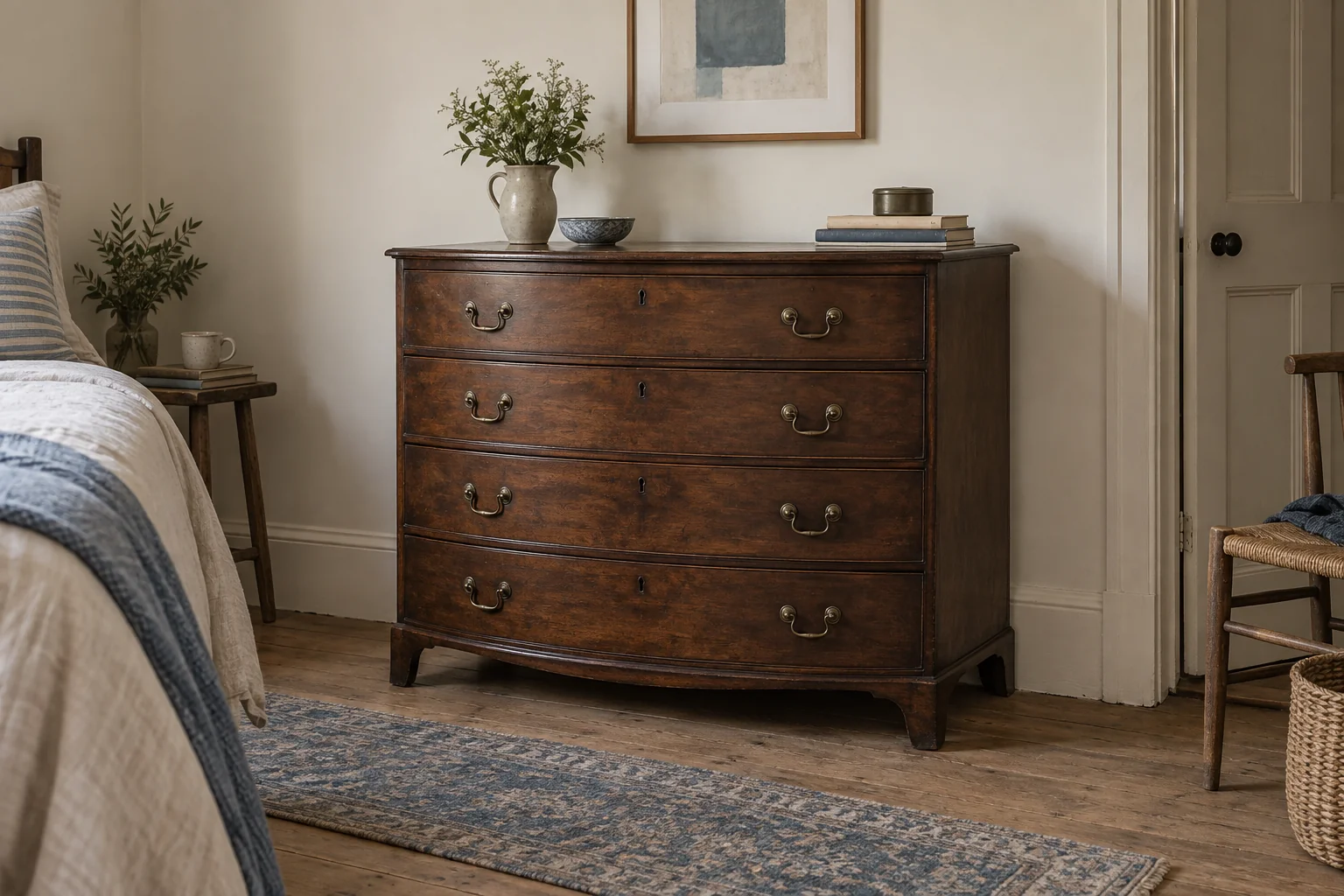
Living with vintage
How to make dark antique furniture work without painting it
Three room experiments with walls, textiles and neighbouring furniture to try before changing an older piece's finish in your home.
The vintage notebook
Good chairs, useful cupboards, lamps worth keeping. Practical reading for choosing older furniture and living with it.
New to vintage? Start hereLiving with vintage
Three room experiments with walls, textiles and neighbouring furniture to try before changing an older piece's finish in your home.
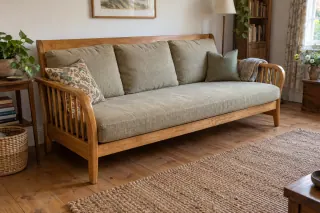
Separate an older Studio Couch’s removable back, seat support and cushions before planning a guest bed or ordering replacements.
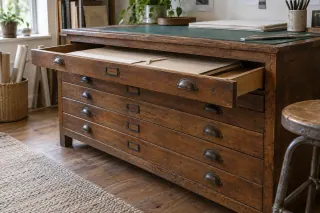
Measure a plan chest’s usable drawers, opening travel and access route before trusting an A1 label or storing valuable papers.
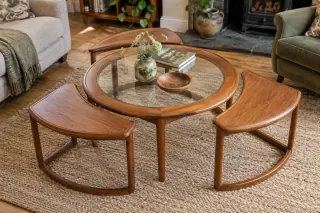
Count all four tables in a Nathan glass-top nest, check each small piece separately and price any missing glass before buying.
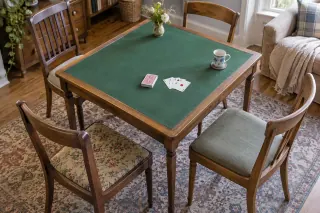
Check a folding games table through its full opening sequence, then measure the playing surface, knee room and space for every player.
Find your next read
77 guides
Dining sets, comfortable corners and the seats worth repairing.
All topics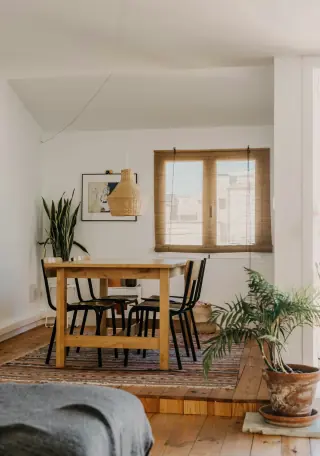
Compare seat heights, frames and the whole set, then check how the chairs work around your own table.
Toa Heftiba / Unsplash; Unsplash License
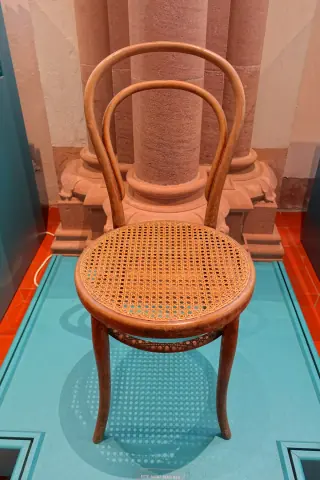
Compare cane, rush and paper cord, then examine the seat as a complete woven system before planning daily use.
Photograph by Daderot, CC0
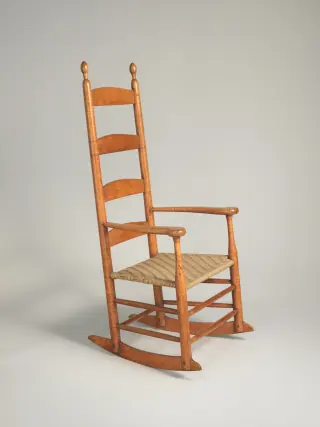
Consider the rocker's movement, footprint and frame together before finding it a place beside your other furniture at home.
The Metropolitan Museum of Art, CC0
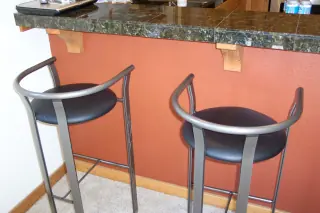
Match the seat to the counter, then check foot support and the space needed to sit and turn comfortably.
Photograph by Darkshark0159 via Wikimedia Commons, Public Domain

Try adjustments, support and the actual seat before choosing an older office chair for the time you spend working.
EFFYDESK / Unsplash; Unsplash License
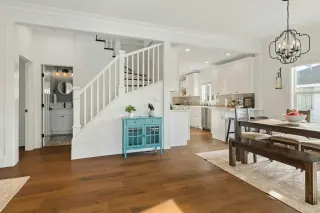
Check seating space, support and the route past occupied places before pairing a vintage bench with your dining table.
Im3rd Media / Unsplash; Unsplash License

Find where movement begins: uneven floor contact, loose joints and a damaged frame call for different decisions before daily use.
Pict4life / Unsplash; Unsplash License

Check the folding action, pivots and supported position before buying older chairs that need to work reliably when opened.
Mishimishimishi / Wikimedia Commons, Public Domain
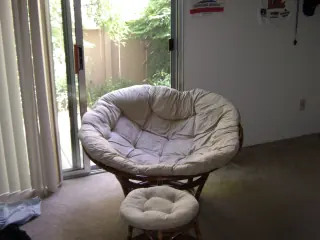
Compare height, support and the space beside your chair to choose a footstool that earns its place in the room.
Michael Miri / Wikimedia Commons, Public Domain
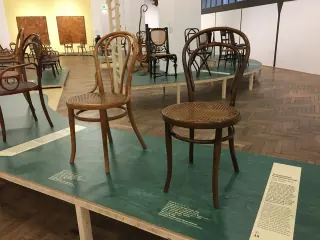
Bring different chairs together through usable heights, proportions and space, then test the full arrangement around your dining table.
Photograph by Gryffindor; CC0
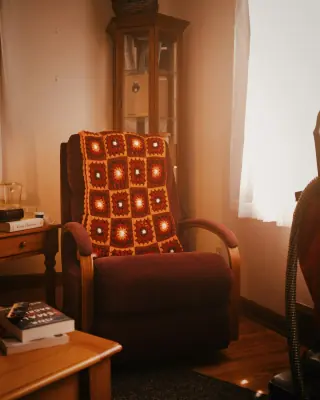
Allow for the opened mechanism and footrest, then assess the complete chair before choosing an older manual recliner for home.
Levi Ventura / Unsplash
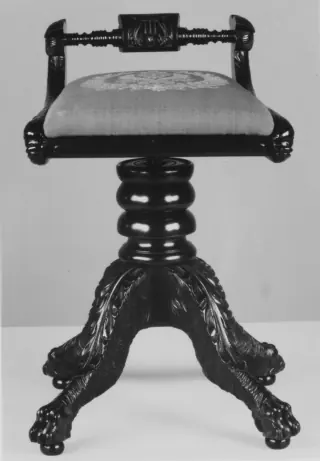
Check height adjustment, seating space and the frame before choosing an older piano stool or bench for regular use.
The Metropolitan Museum of Art / CC0
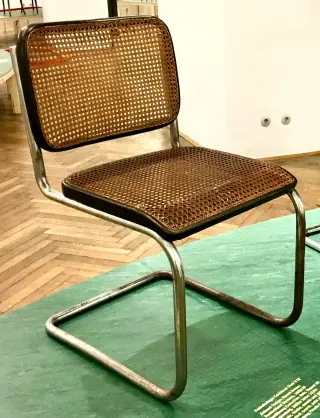
Separate the chair's production claim from its frame, seat and repairs before deciding what a Cesca offer is worth to you.
Gryffindor; crop by Wereldnieuws / Wikimedia Commons; CC0
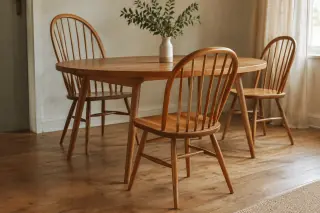
Compare Ercol shapes, seat heights and the whole set to find older dining chairs that suit your table and daily use.
Compare a promising frame with the complete upholstery quote, including fabric, filling, labour and the costs beyond the workshop.

Compare versions, replaced components and repair needs, then check whether the actual Eames Lounge Chair suits your room and comfort.
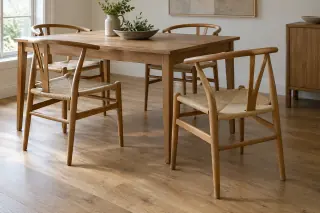
Compare the frame, woven seat and full set, then check how those particular Wishbone chairs work with your table.
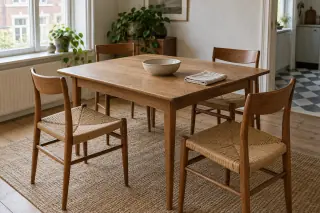
Compare weaving methods and published service rates, then calculate the work for one chair and the full dining set.
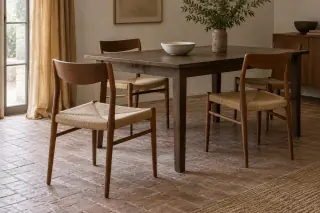
Compare the backs, dimensions and seating arrangements of Møller 71, 75 and 78 before choosing a used dining set.
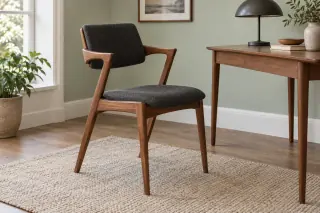
Look at the moving back, half arms and frame, then check how Kai Kristiansen's No. 42 works at your table.
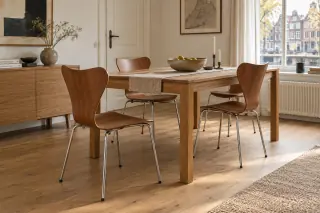
Compare the shells, finishes and actual seat heights across a Series 7 set before deciding which examples suit daily use.
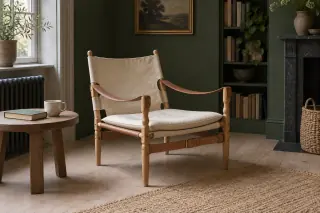
Count the separate straps, covers and frame components before pricing an older Safari Chair and the parts it needs.
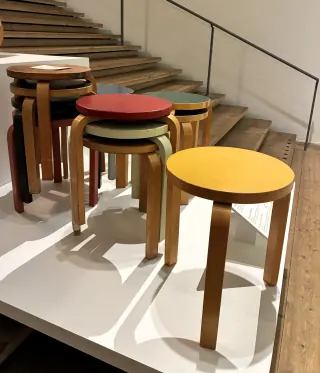
Compare three and four legs, surfaces and stacking, then choose an older Artek stool for the job it will do.
Gotogo · CC0
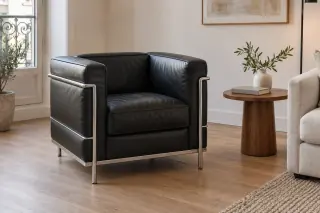
Compare the footprint, sitting position and cushion work of LC2 and LC3 before choosing an older armchair for your room.
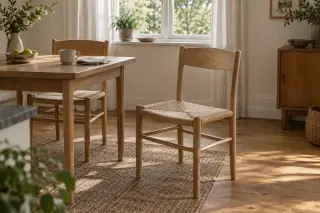
Check the frame, finish and cord seat, then compare what keeping or renewing those parts would mean for your J39.
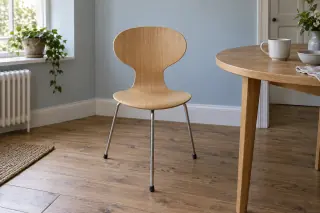
Compare three-legged and four-legged Ant chairs through production, shell condition and the way the actual set works around your table.

Try the Shell Chair's width and sitting position in your room, then compare its condition and any proposed upholstery work.
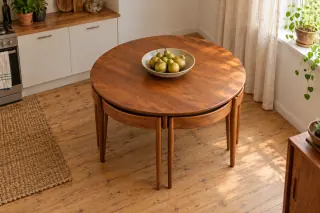
Check that the table and chairs form the intended Hans Olsen set, including fit, complete components and earlier changes.
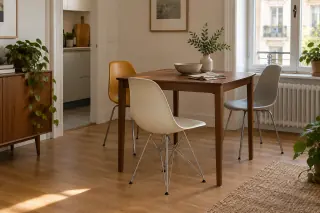
Treat the shell, base and attachments as one purchase with separate histories, then check how the assembled chair suits you.
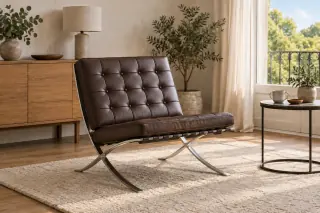
Follow the Barcelona Chair from frame to straps and cushions before deciding which repairs belong in your purchase budget.
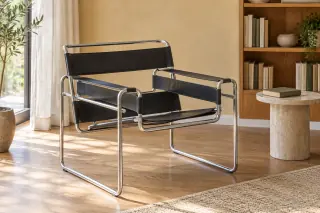
Consider the Wassily's footprint, suspended seat and documented production before judging an older example by its familiar tubular outline alone.
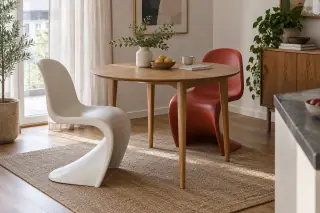
Compare Panton material and production claims, then decide whether the particular chair suits everyday seating or a preservation priority.

Try three distinctive Paulin seats, understand their versions and price upholstery work before choosing a sculptural chair for everyday sitting.
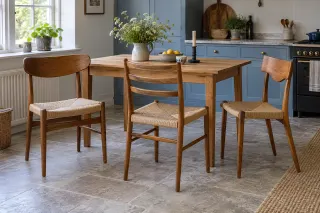
Try CH23, CH36 and J39 through a real meal, table fit and the condition of the complete set.
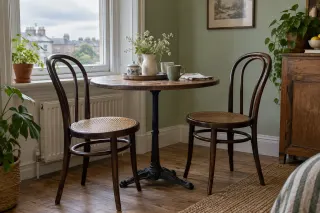
Separate the bentwood design family from its producer and period, then choose seats and a set you can use.
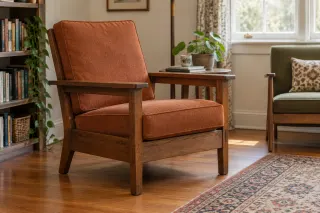
Compare the occupied cushion, usable depth and arms, then try the chair through the ordinary movements that matter to you.
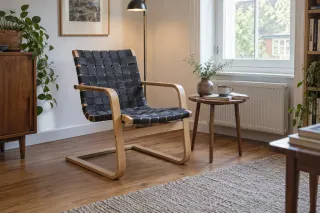
Compare Artek 406, Lamino and CH22 for the space you need to save and the seat you will enjoy using.
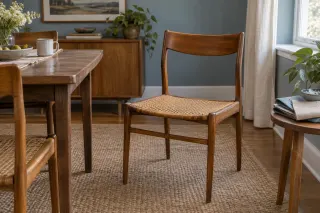
Compare reweaving, compatible seat parts and upholstery conversions before changing a chair’s support, height or original frame.
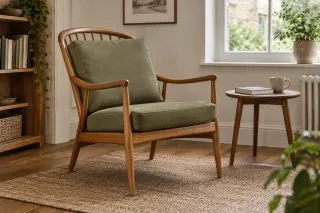
A lovely bare frame can become an expensive seat. Identify the model and cushion options before making an offer.
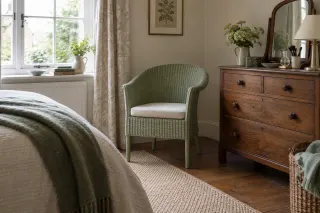
Look past a fresh paint colour: fine woven paper, edge binding and the concealed seat are different repair jobs.
Look beyond a missing logo to the complete folding chair, mixed sets and the cost of suitable replacement parts.
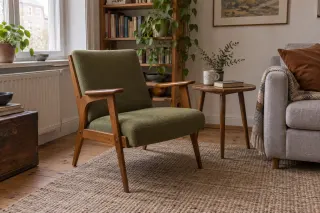
Compact does not automatically mean comfortable. Compare older frames, new reissues and the effect of fresh upholstery.
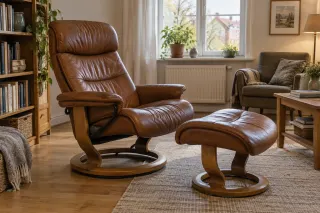
Separate the model, size and base, then try the complete sitting position before buying somebody else’s favourite chair.
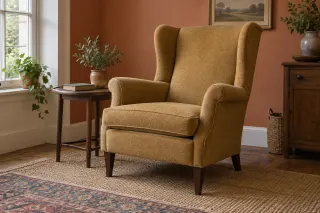
See what a real Penshurst restoration involved, read a workshop’s published costs and decide whether the finished chair is worth it.
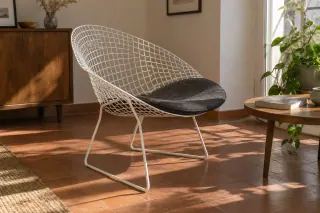
Separate a failed joint from broken wire, bent geometry and finish work before pricing a Bertoia Diamond repair.
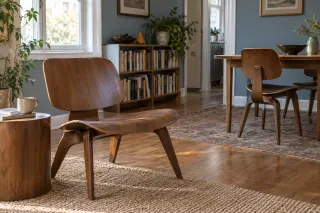
Choose the dining or lounge role, then examine plywood, bonded mounts and old repairs as separate parts of an Eames chair purchase.

Compare enclosure, sitting position and movement, then separate foam, cover and mechanical work on an older Egg or Swan chair.
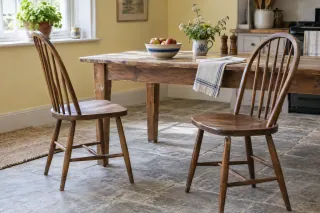
Choose a Windsor by its shaped seat, table fit and sound construction, while keeping style, age and mixed-set claims separate.
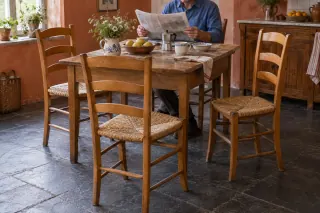
Compare woven seat shape, back-rung contact and occupied height before choosing an older ladder-back dining set.
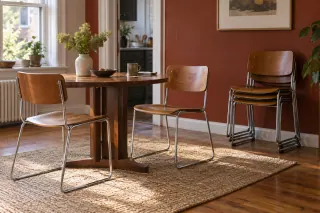
Compare 40/4 versions and the actual stack you will store, including protectors, frame condition and room to lift a chair out.
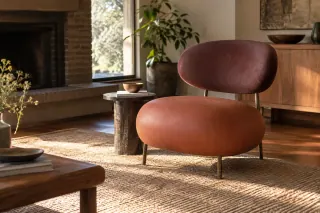
Try the Pallone’s low, rounded sitting position and price the separate upholstery areas before choosing an older example.
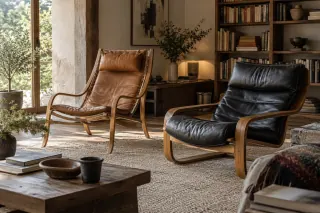
Compare the actual sitting positions and separate cushions, fabric supports and frames when choosing an older Siesta or Kroken.
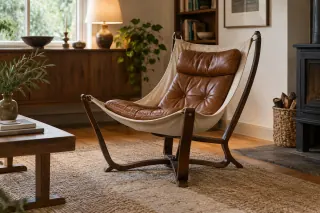
Inspect the suspended support and its four attachment areas separately from the cushion when considering an older Falcon chair.
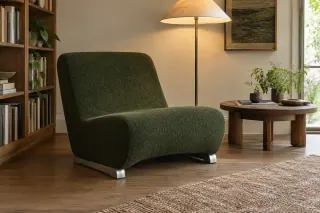
Check whether the Alky’s low position suits you, then separate cover, padding, elastic support and base work on an older chair.
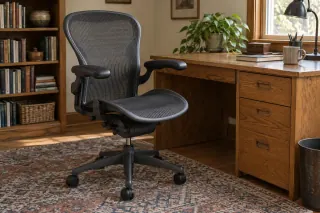
Identify a genuinely 1990s Aeron, try the correct size and price complete repair assemblies before trusting the low asking price.
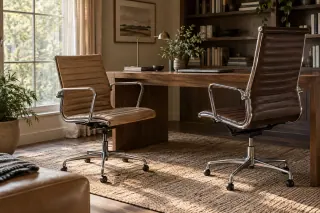
Compare medium and high backs, then verify the upholstery, tilt and base of the particular older Eames office chair.
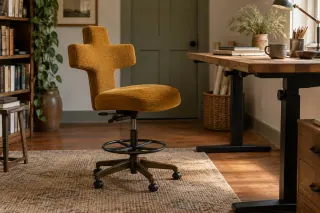
Identify the lift and measure the real seat-height range before choosing an older HÅG Capisco for a normal or raised desk.
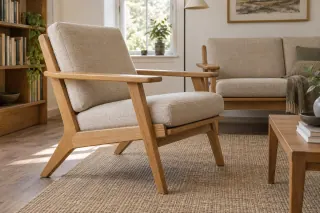
Assess an older GE290’s wooden frame, cushion filling and support separately before choosing a chair or sofa for everyday use.
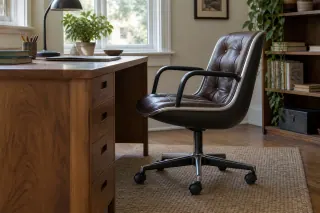
Identify the lift and tilt arrangement before pricing an older Pollock chair; a cheap cylinder is not a confirmed repair.
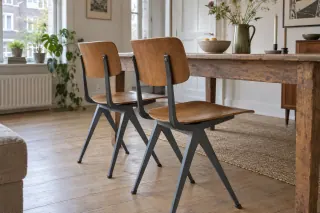
Compare Revolt and Result by the actual seat, back and table fit, while keeping older Ahrend examples separate from HAY reissues.
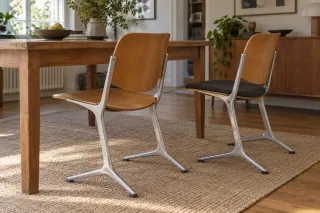
Choose exposed wood or upholstery, inspect the seat attachments and check sleeves and glides before buying a DSC 106 set.
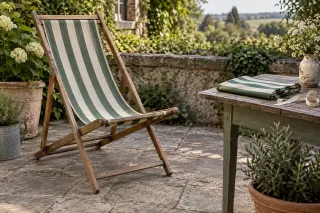
Identify nailed canvas or a removable sling, measure the frame and agree finished dimensions before ordering new deckchair fabric.

Separate cushion wear from the Jetson’s supporting seat and swivel, then price the complete sitting arrangement before buying.
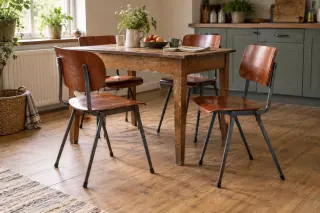
Check the actual S16 frame, seat material and arm width before assembling a dining set or ordering replacement parts.
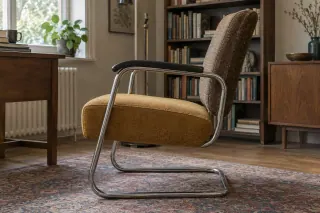
Use a documented seat-only refurbishment to compare partial and complete upholstery work on an older Gispen 412.
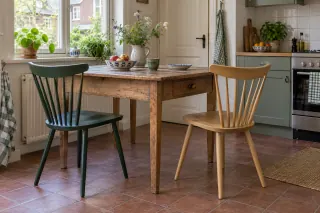
Compare an older J46’s actual seat and back with your table, and separate a useful mixed set from cosmetic matching.
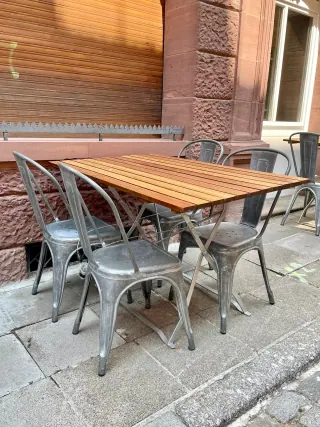
Choose older Tolix A chairs by intended location, coating and condition; a metal café chair is not automatically suitable outdoors.
Ditigibt · Public domain
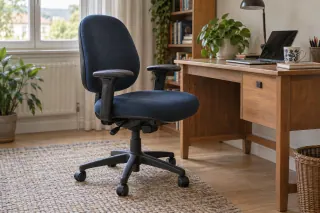
Identify the mechanism and worn components of an older Giroflex 64, then compare a usable chair with the cost of refurbishing it.
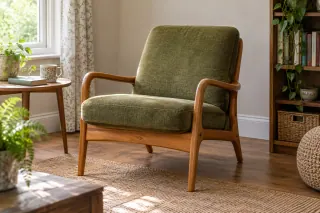
Separate a Cintique’s spring support, cushion filling and wooden frame before deciding whether new upholstery will make it comfortable.
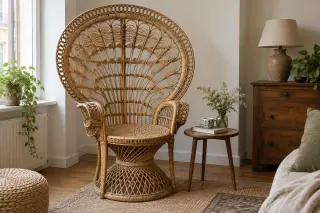
Measure the fan-shaped back, inspect the seat and base separately, and decide whether a peacock chair suits everyday sitting.
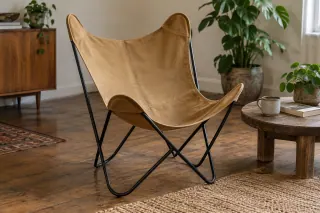
Measure the bare butterfly frame using the cover maker’s method, confirm its four pockets and choose material for the intended setting.
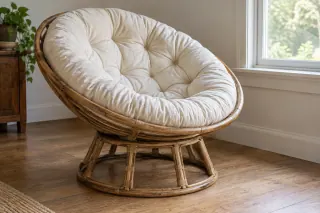
Match the bowl, base and cushion of an older papasan, and check its real floor space before ordering a replacement.
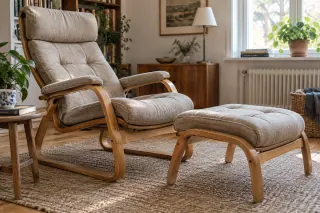
Assess a Pernilla 69’s laminated frame, supporting web and fitted cushions, then allow enough room for its separate footstool.
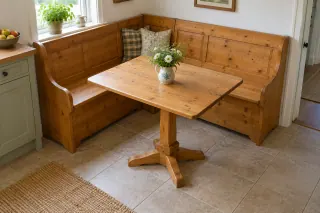
Map a vintage corner bench’s left and right runs, table position and escape route before assuming it will suit your kitchen.
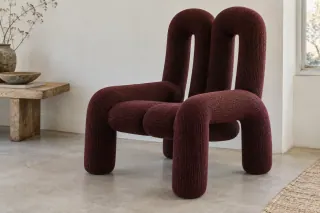
Separate knit wear, underlying foam and structural condition on an older Ekstrem before deciding what its distinctive curves will cost to restore.
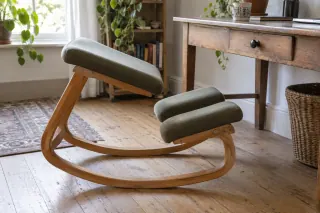
Check an older Variable balans at your desk, separating runner damage and worn pads from the question of personal comfort.
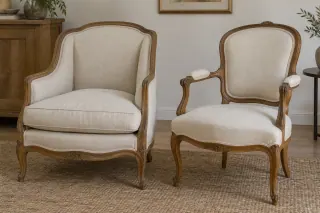
Look past bergère and fauteuil listing labels to compare the seat, arms, upholstery and everyday fit of older French-style chairs.
25 guides
Sofas, daybeds and older bed frames: comfort, support and the space they need.
All topics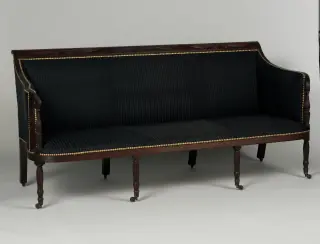
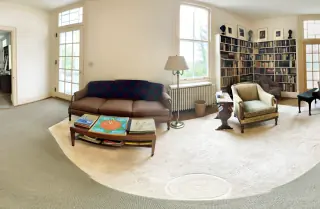
Map the complete seat and its space in use, including feet, cushions, turning room and an accompanying ottoman.
The Metropolitan Museum of Art, Public Domain
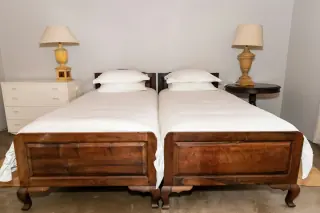
Measure the actual bed opening and support, then check mattress fit instead of relying on a familiar size label.
Grant Durr / Unsplash; Unsplash License
Separate cushions, the support beneath them and the frame to understand what a sagging sofa may actually need.
National Park Service photograph via Wikimedia Commons, Public Domain
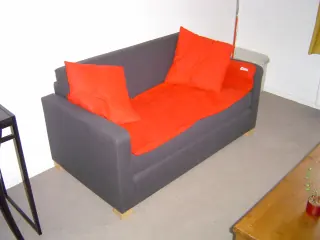
Open the complete bed mechanism and measure both arrangements before judging a second-hand sofa-bed by its closed footprint alone.
Maniago / Wikimedia Commons. Public domain

List the modules, connectors and end pieces, then lay out the complete sofa in the room where you will use it.
Christian Lambert / Unsplash
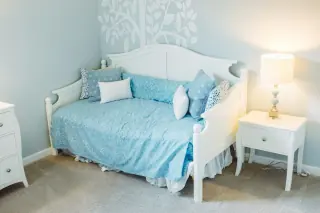
Compare support, usable dimensions and cushion needs before deciding whether a vintage daybed suits sitting, resting or overnight use.
Wesley Tingey / Unsplash
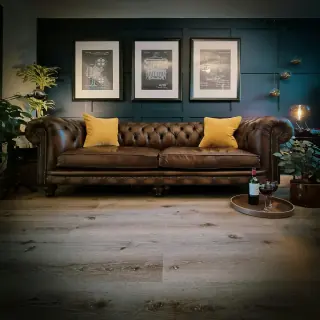
Look beyond the deep buttons to the frame, support, leather and earlier work before choosing a second-hand Chesterfield sofa.
Johnny Briggs / Unsplash
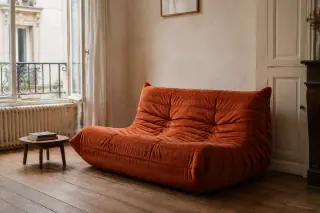
Compare an older Togo cover with a reupholstered example through shape, seating feel, workmanship and the work each still needs.
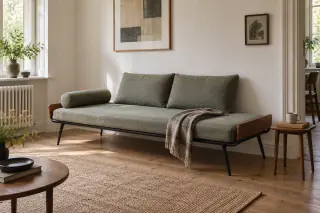
Check the Cleopatra's support and usable dimensions, then include a suitable mattress and missing components in the complete purchase budget.
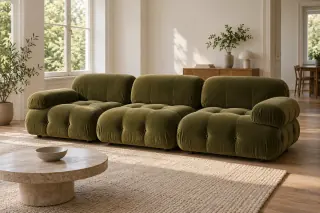
Identify the Camaleonda production and count its components, then measure the whole arrangement you want to live with at home.

Compare the upholstered shape, external brace and production evidence, then agree what restoration must preserve in the actual seat.

Count pads, backs and corners, draw the arrangement you need and confirm missing parts before buying a used Mah Jong.

Turn a tempting run of modules into a complete sofa: identify the ends, check connections and plan the curve you need.
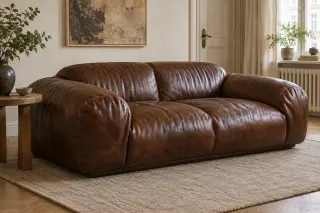
Judge the generous leather panels, actual sitting position and repair options before choosing a DS-47 you want to live with.
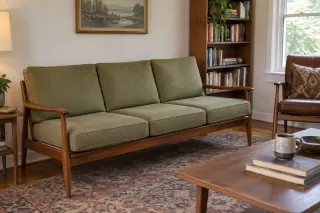
Record the covers and support, compare filling options and agree a trial cushion before ordering a complete replacement set for your sofa.
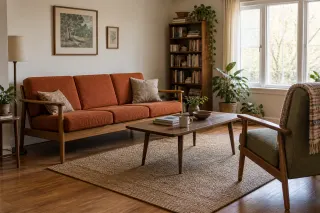
Compare a modest cushion refresh with a full rebuild, using the sofa’s shape, a written scope and complete costs.
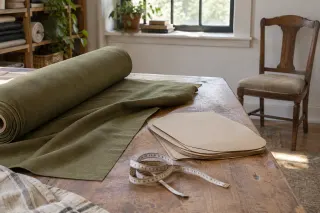
Use a worked seat-layout example to understand fabric width, pattern repeats and the cutting plan your upholsterer must confirm.
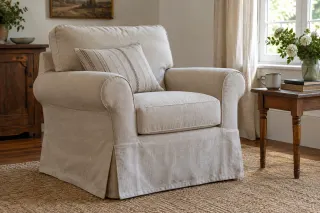
Compare fitted covers and reupholstery by the chair’s shape, existing support and real cleaning routine, then request like-for-like quotes.
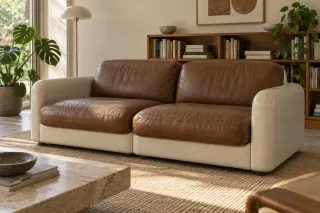
A modular sofa does not become two complete chairs for free. Count the arms, upholstery and base parts first.

Keep the old headboard you love while choosing a modern base, with measured proportions and a clear attachment plan.
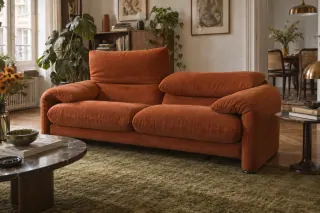
Check each Maralunga backrest, distinguish upholstery versions and price mechanism access before committing to a new cover.
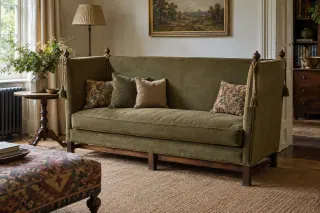
Measure a Knole-style sofa upright, with arms lowered and for delivery, then assess cords, hinges and usable seating.
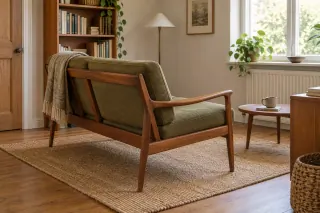
Compare the frame, loose cushions and documented identity of a France & Søn sofa before buying upholstery work with a famous name.
Separate an older Studio Couch’s removable back, seat support and cushions before planning a guest bed or ordering replacements.
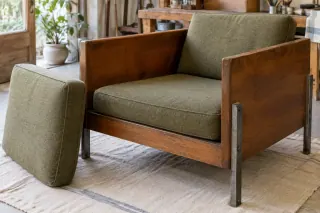
Buy an older Robin Day Forum by separating the visible wooden case, metal legs, seat support and replacement cushion project.
40 guides
Places to eat, work and put your coffee, with room to move.
All topics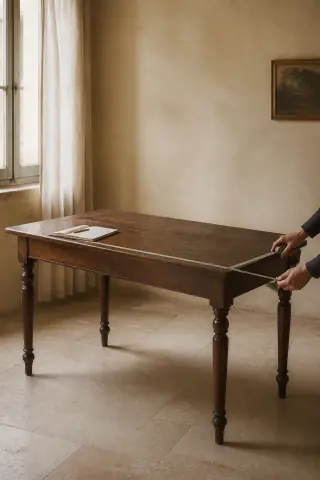
Measure the tabletop, space beneath it and occupied chairs to find a dining arrangement that works every day.
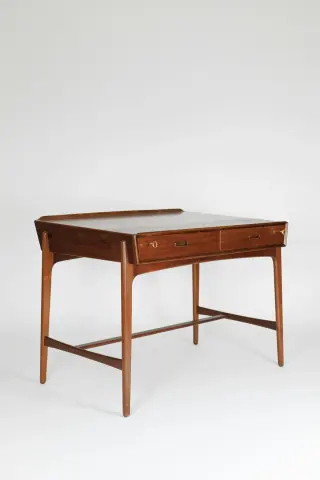
Check knee room, working height and useful storage before choosing a beautiful desk for the work you actually do.
Urban Vintage / Unsplash; Unsplash License
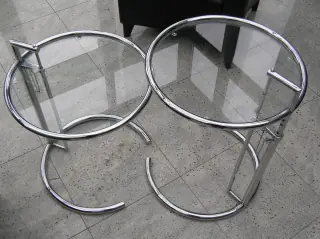
Inspect the glass, edges, supports and complete assembly before treating an intact-looking tabletop as ready for everyday use.
Photograph by Geheimnisträgerin, Public Domain
Try the table beside your actual sofa, allowing for its base, your reach and the routes around occupied seating.
National Park Service photograph via Wikimedia Commons, Public Domain
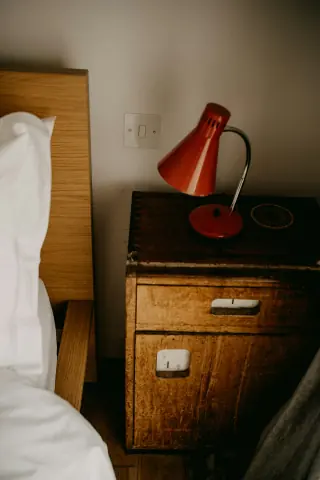
Match the top to your mattress and bedside routine, with space for the lamp, drawers and things you actually keep nearby.
Annie Spratt / Unsplash; Unsplash License

Open the table, count the leaves and inspect their support before planning extra places around an extending dining table.
Alex Tyson / Unsplash; Unsplash License
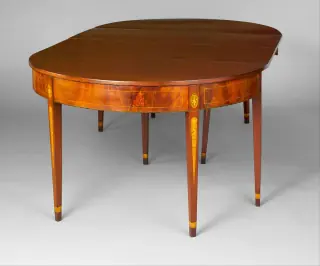
Try the supports and both folded and open arrangements to see whether a drop-leaf table suits your space and routine.
The Metropolitan Museum of Art, Public Domain; resized by PatinaHall
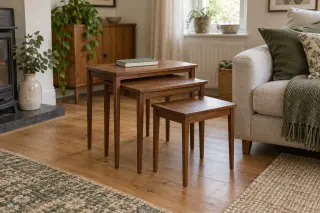
Count the tables and try them separately, allowing room to pull each one out and put it to use.
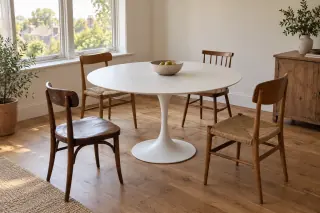
Look beneath the top: the pedestal and its foot need to work with your chairs as well as your room.
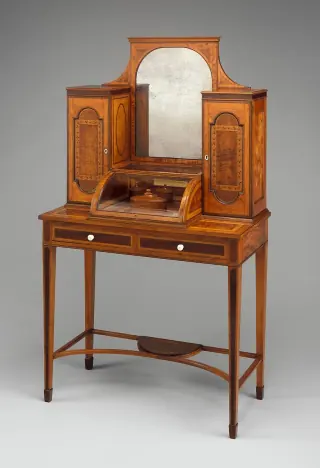
Check the sitting position, knee space, mirror and drawers so an older dressing table works with your daily routine.
The Metropolitan Museum of Art, Public Domain; resized by PatinaHall

Open the writing surface and try the seat, knee space and storage before relying on a bureau as your desk.
The Metropolitan Museum of Art; CC0
Measure the hallway in use, including doors and passing space, before choosing a console for a narrow entrance at home.
Urban Vintage / Unsplash; Unsplash License
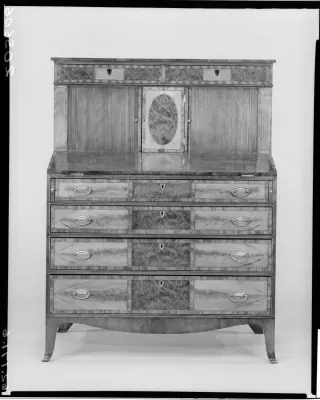
Check the moving cover, working opening and knee room before choosing a roll-top desk for everyday work and storage.
The Metropolitan Museum of Art; CC0
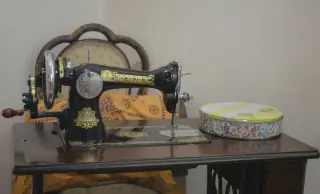
Check what remains beneath the top, then assess the working height and space before choosing an older sewing table.
mdreza jalali / Unsplash
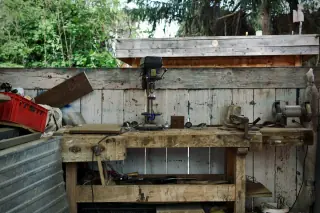
Think through the bench's weight, surface, projections and usable space before giving an old workshop piece a new domestic job.
Prometheus 🔥 / Unsplash
Identify the producer, top and base, then plan the condition checks and handling that your particular Tulip table needs.
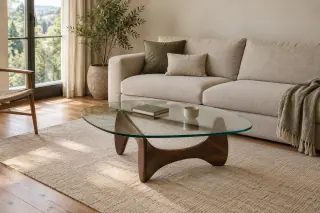
Compare the glass and base with the right production reference, then try the table's full outline beside your sofa.
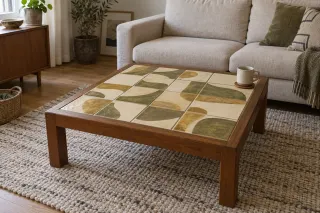
Follow the whole tile pattern, inspect the wooden surround and understand repairs before choosing a Danish table for your sofa.
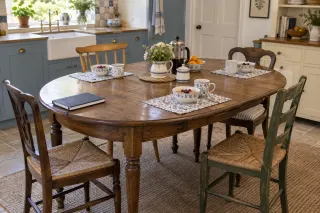
Choose a table for daily meals, homework and occasional guests, including its surface routine and the effort of extending it.
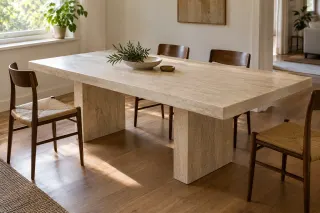
Understand how the stone top and supports belong together, then assess the attribution, usable space and complete delivery cost.
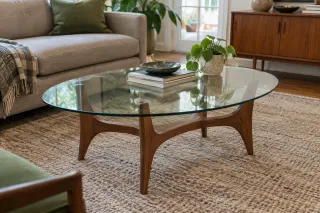
Turn measurements and support photographs into a clear glass order, with the final specification agreed by a professional glazier.
A missing extension can be made, but its thickness, supports and finish matter as much as the gap.
Alex Tyson / Unsplash; Unsplash License
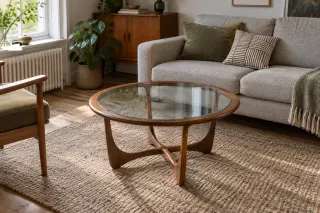
Round, oval or five-legged: separate the designs before comparing prices or ordering replacement glass.
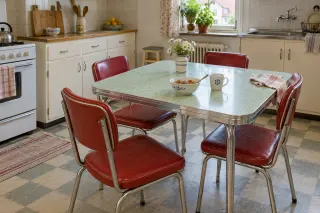
A bright laminate top can hide a tired core. Check the edges, extension and chairs as one everyday dining set.
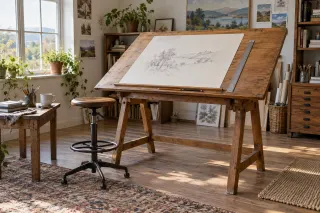
A beautiful tilted board needs the right working height, usable surface and somewhere for tools. Plan the whole drawing position.
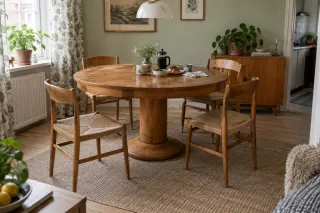
Identify the Skovby round-table version, watch the complete extension cycle and measure the expanded room before choosing an older SM32 or SM33.
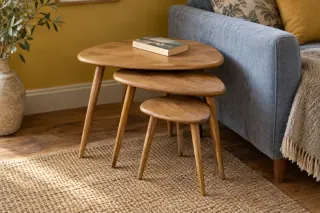
Distinguish the small three-table Pebble nest from other Ercol sets, then check nesting, separate use and the condition of every table.
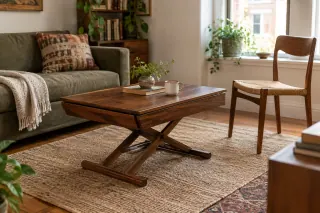
Test both table heights, the open footprint and the whole conversion before choosing one vintage table for two daily jobs.
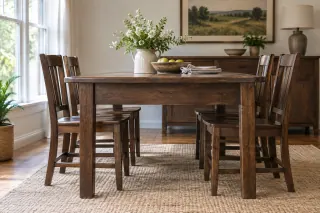
Separate tabletop height from apron clearance, then compare chair changes and professional restoration before altering an antique dining table.
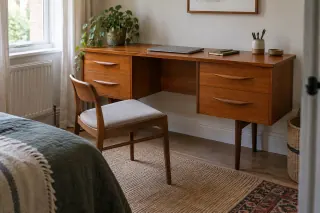
Compare real Fresco knee openings, plan your equipment on its shallow top and keep the mirror conversion reversible.
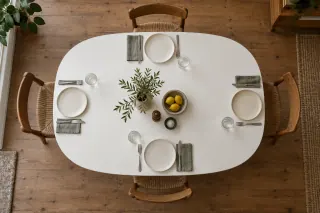
Check the actual top, underside fittings and sitting positions before choosing an older Superellipse with detachable span legs.
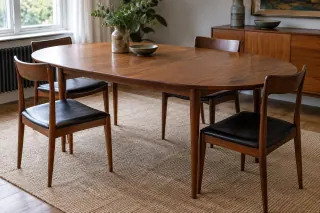
Compare two documented McIntosh offers by closed size, extension stages and leg space before choosing a table for everyday meals.
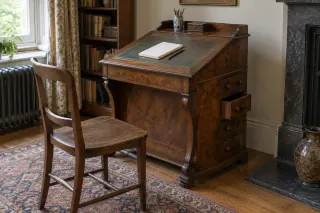
Check a Davenport’s sloping surface, real drawers and side access before buying a small antique desk for everyday writing.
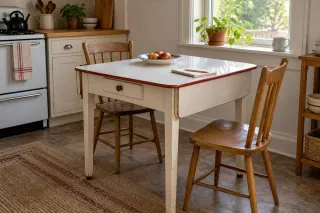
Decide which chips you can live with, verify the surface material and watch both leaves work before buying an enamel-top table.
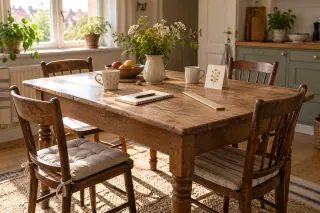
Distinguish a top’s shape from a loose frame, document the effect on use and compare keeping the warp with a conservator’s repair.
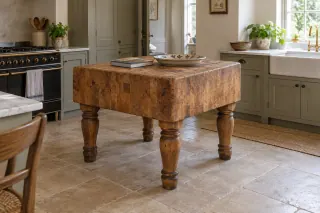
Measure an old butcher’s block as working furniture, separate serving from direct chopping and include the difficult move in the budget.
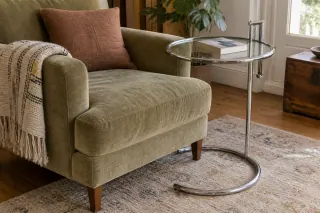
Check an older E1027’s height adjustment, glass retention and fit beside your chair, with production evidence kept separate from appearance.
Count all four tables in a Nathan glass-top nest, check each small piece separately and price any missing glass before buying.
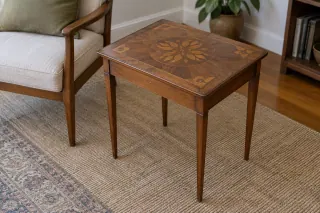
Read a patterned table as a repair project, separating stable colour differences from loose veneer, missing pieces and movement underneath.
Check a folding games table through its full opening sequence, then measure the playing surface, knee room and space for every player.
48 guides
Sideboards, shelves and cupboards for the things you actually keep.
All topics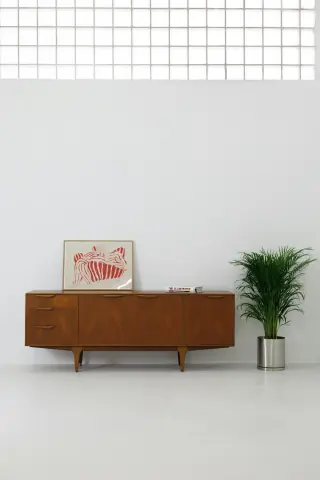
Find the storage shape that suits your belongings, from a chest of drawers to a cabinet with shelves.
Urban Vintage / Unsplash; Unsplash License
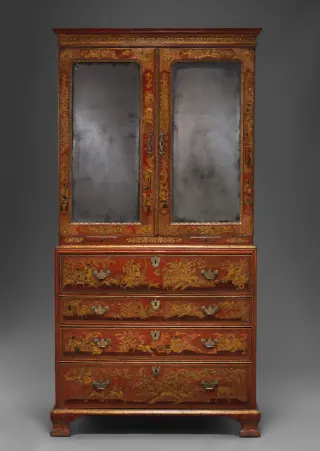
Watch doors and drawers move, compare gaps and inspect locks to separate simple alignment questions from consequential repairs.
The Metropolitan Museum of Art; CC0
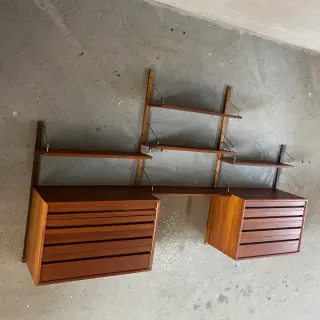
Count rails, brackets and shelves, then confirm the complete arrangement and its installation before buying a wall system.
Nord Vintage Furniture / PatinaHall
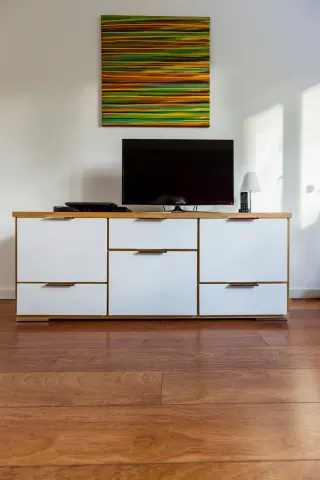
Check the screen, cabinet depth, cables and working space before turning a vintage sideboard into your television's new home.
Pickawood / Unsplash; Unsplash License

Measure records, sleeves and equipment together to find a cabinet that works for listening as well as storing your collection.
Jonas Leupe / Unsplash; Unsplash License
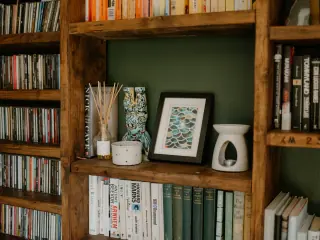
Match shelves and usable depth to your books, then consider access, condition and installation in the room they will occupy.
Annie Spratt / Unsplash; Unsplash License
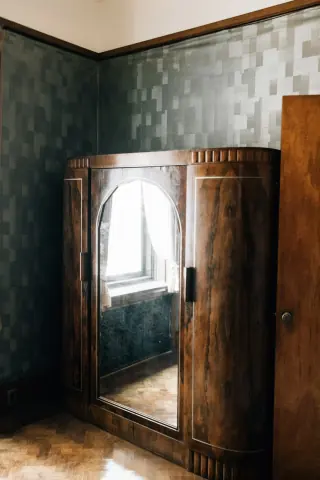
Measure the usable interior, hanging space and door movement before choosing an older wardrobe for the clothes you own.
Tsuyoshi Kozu / Unsplash; Unsplash License
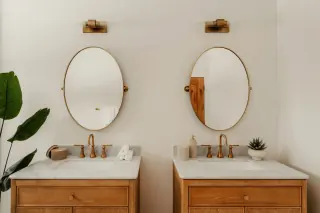
Consider the basin, plumbing, moisture and lost drawer space before deciding whether a chest suits a bathroom conversion at all.
Clay Banks / Unsplash; Unsplash License
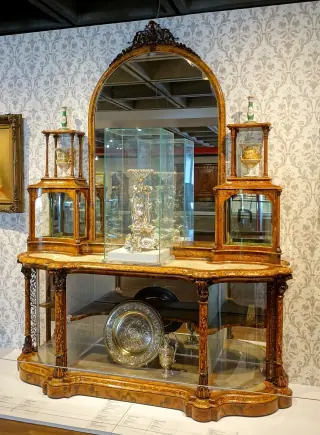
Check glass shelves, supports and the door opening before planning which objects an older display cabinet will hold in your home.
Daderot / Wikimedia Commons, CC0
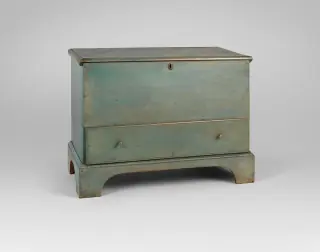
Consider the lid, hardware and household use before deciding whether an older blanket chest is suitable for your home.
The Metropolitan Museum of Art, Public Domain; resized by PatinaHall
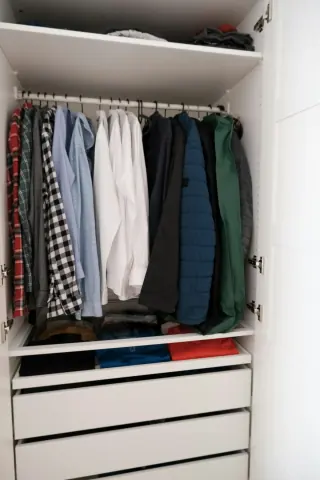
Count the wardrobe components and check their condition, assembly needs and fit before collecting a second-hand PAX arrangement for your room.
Kamil Kalkan / Unsplash
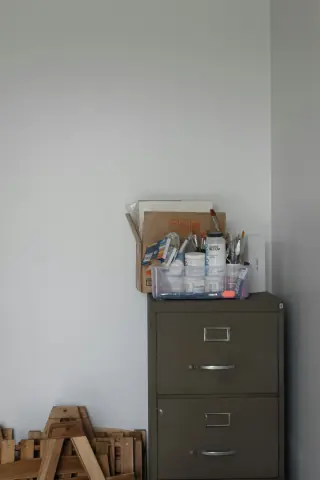
Examine drawer travel, locks and installation needs before choosing a second-hand filing cabinet for the records you want to keep.
Nicholas Francisco Amor / Unsplash
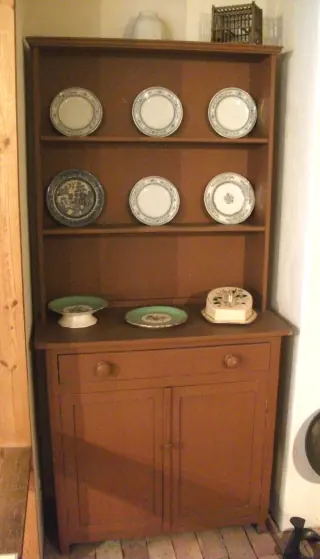
Check the dresser as a complete upper and lower arrangement, including shelves, doors and the route into your kitchen.
Simon Speed / Wikimedia Commons. Public domain
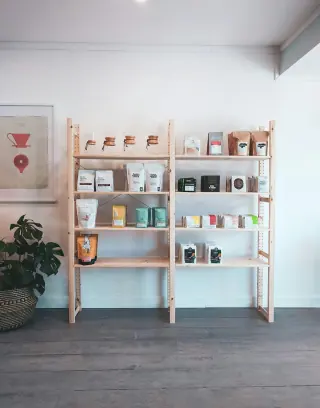
Consider both sides, stability and installation before placing a bookcase away from the wall to divide a room at home.
Compagnons / Unsplash

Measure the drawer interiors and inspect the complete case before choosing an old card catalogue for a new storage job.
Ilya Semenov / Unsplash
Count posts, shelves and fittings, then check the condition and complete arrangement before collecting a second-hand IVAR shelving set.
Compagnons / Unsplash

Measure your shoes and the usable openings, then compare access and placement before choosing second-hand shoe storage for home.
Eddy Billard / Unsplash
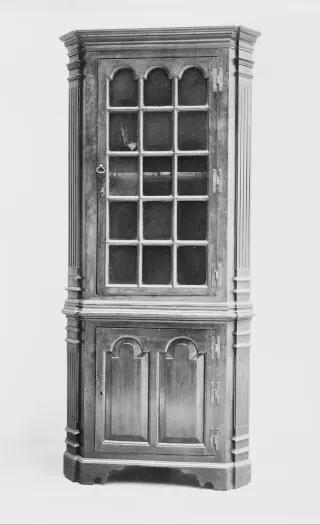
Measure both walls and the door movement before buying a corner cupboard that needs to fit a particular space.
The Metropolitan Museum of Art / CC0
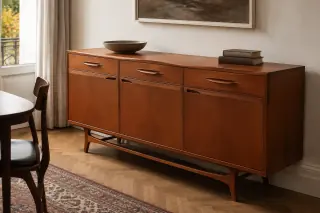
Compare the actual G Plan, Nathan and McIntosh pieces through storage, dimensions and condition, then investigate the range and attribution.
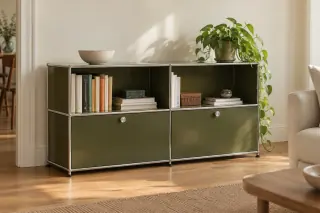
Count the existing USM configuration and price the changes needed to turn an attractive cabinet into the arrangement you want.
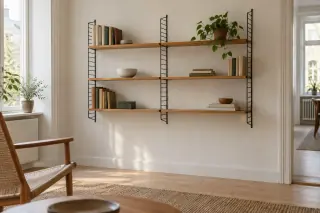
Identify the String series and count the panels, shelves and fittings before assuming a photographed arrangement is complete or compatible.
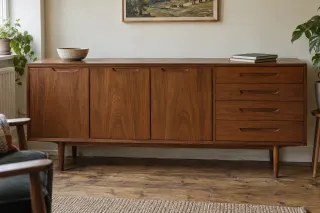
Trace a G Plan cabinet from range name to archive model, and separate a documented design date from its manufacture.
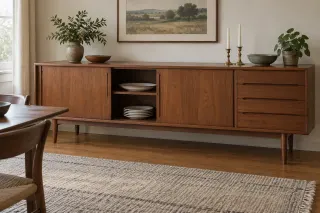
Compare two Danish sideboards through their doors, useful interior space and actual footprint, using documented examples and your own belongings.
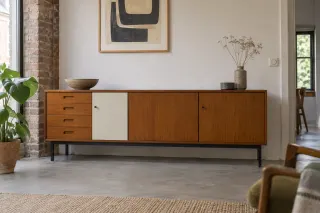
Find the model behind a Pastoe attribution and see how the open doors, fitted drawers and altered parts affect your purchase.
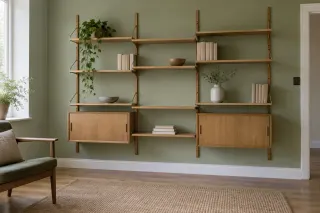
Count the supports, identify the generation and price missing parts before buying a vintage wall unit to assemble at home.
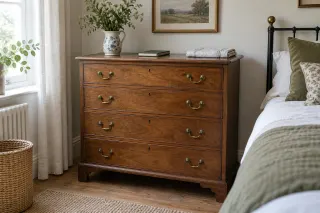
Measure fixing centres, projection and fasteners to find a fitting that works without altering your vintage furniture.
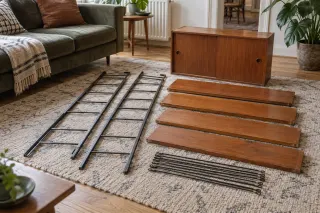
Turn a pile of ladders, shelves and cabinets into a complete purchase with a component-by-component inventory.
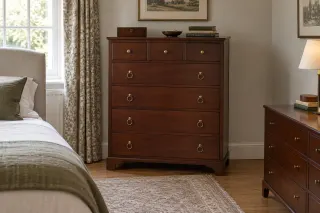
Build a useful bedroom from separate chests and bedside finds without chasing a perfectly matching suite.
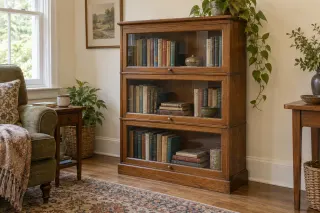
Glass doors and stacking boxes are only the beginning. Check shelf sizes, missing fittings and whether the whole assembly belongs together.
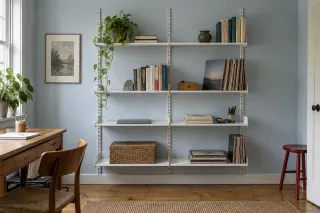
Inventory tracks, shelves and fittings, confirm the production and mounting arrangement, and price a complete Vitsœ 606 composition.
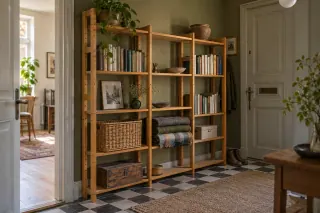
Match Lundia Original shelf sizes, profiles and fittings before comparing the cost of a loose kit with a complete usable bookcase.
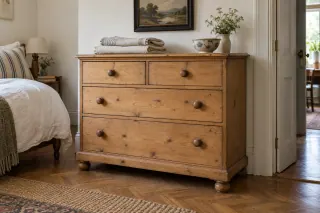
Look beyond honey-coloured wood to the whole chest, its surface history and useful drawers before paying for an antique pine claim.
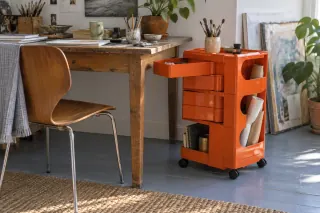
Match a Boby trolley to real supplies, drawer movement and desk clearance, then separate cosmetic ageing from broken plastic and pivot repairs.
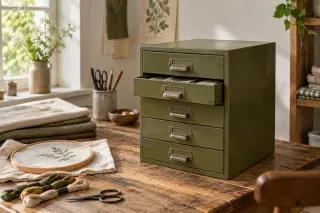
Choose shallow drawers for the things you actually store, then check trays, runners and the condition of an older Bisley cabinet.
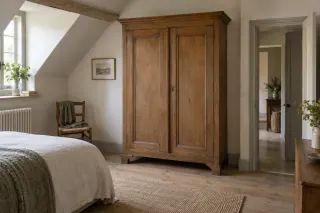
Get a parts inventory, the largest panel measurements and a reassembly plan before buying a French armoire for an awkward room.
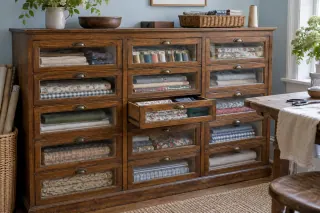
Measure folded contents, drawer openings and glass-front condition before turning an old shop cabinet into useful hobby storage.
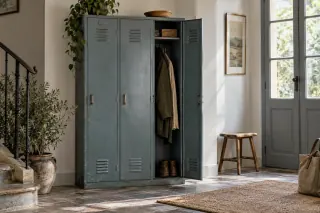
Check coat space, door swing, the condition of the bank and its installation before bringing old steel lockers into a hallway.
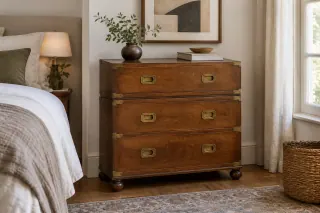
Distinguish a chest made in transportable sections from campaign-style decoration, then inventory the cases, feet and joining parts.
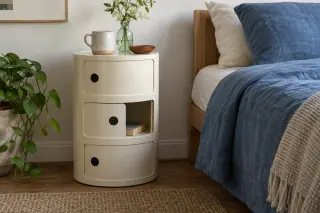
Identify the older storage version, try every curved door and check what fits inside before buying Componibili for everyday use.
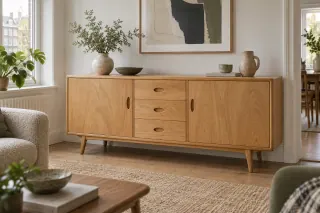
Compare a low 455 with a narrower, taller 468 by the storage you need, then check drawers, shelves and castors.
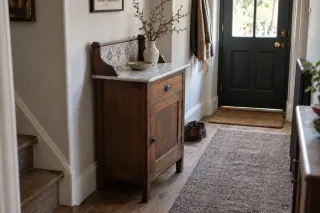
Turn a marble-top washstand into useful dry storage by checking working height, backsplash clearance and the moving plan.
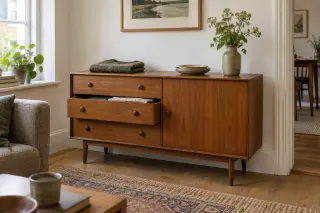
Compare three modest British cabinets by useful storage, surface material and disclosed repairs, before paying extra for a familiar name.

Identify the older shelving version, inventory its boards and fittings, and check installation requirements before buying a dismantled GUIDE or ENETRI.
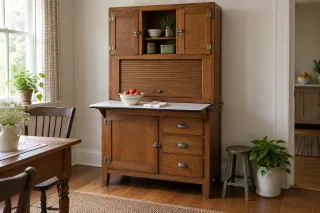
Inventory a Hoosier-style cabinet’s specialist fittings, measure the actual worktop and distinguish a useful kitchen cupboard from a complete collector’s example.
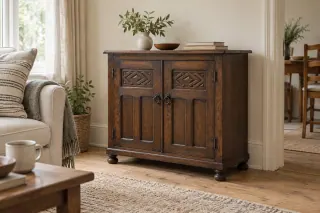
Choose older Old Charm by the cabinet’s interior, condition and present use, while keeping revival styling separate from its actual age.
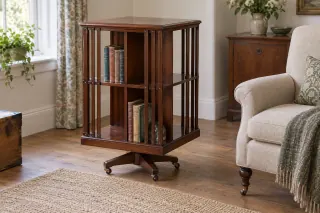
Calculate a revolving bookcase’s turning circle, measure its shallow compartments and assess the mechanism before bidding or buying.
Measure a plan chest’s usable drawers, opening travel and access route before trusting an A1 label or storing valuable papers.
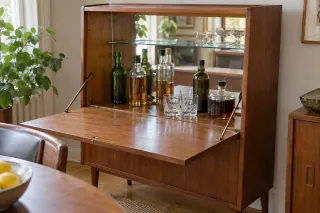
Check a vintage cocktail cabinet with its flap open, your tallest bottles inside and its glass, stays and fittings accounted for.
27 guides
The lamp, its parts and the light it brings to your room.
All topics
Look beyond the shade to fittings, missing parts and professional electrical checks before bringing an older lamp into use.
Rosemary Media / Unsplash; Unsplash License
Compare the shade's proportions, fitting and clearance with your actual lamp so the replacement works as a complete assembly.
Rosemary Media / Unsplash; Unsplash License
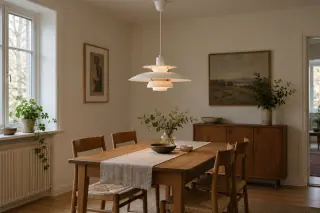
Check the PH 5 version, shade assembly and service options before deciding whether the offered lamp suits your space.

Use published service examples to agree electrical work, included parts and exclusions before accepting a quote for your vintage lamp.
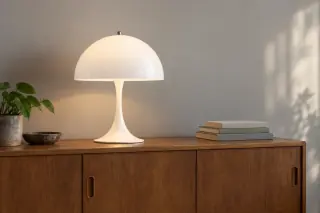
Compare the whole shade with your table and check replacement-part compatibility before an incomplete Panthella becomes an expensive project.

Untangle Anglepoise model names, missing parts and service exclusions before deciding whether the lamp beyond the paint is worth buying.
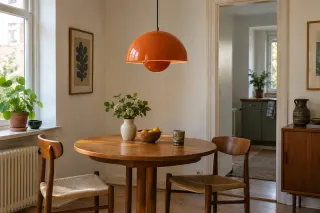
Look beyond the colour to identify the production, complete shade assembly and service needed for a Flowerpot at home.
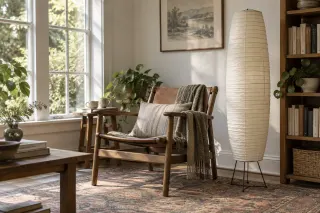
Assess the paper and complete support together, and confirm a replacement route before buying an older Akari with missing parts.
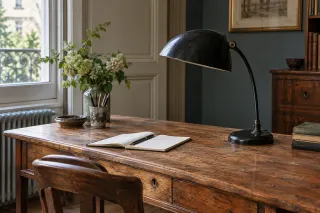
Identify the Kaiser idell model, compare the shade and stand, and find out what lies beneath a fresh finish.
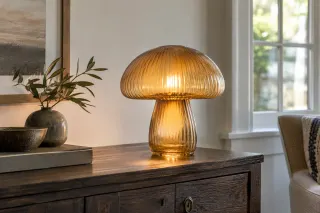
Separate the origin claim from the complete lamp, then check the glass, fittings and replacement route before paying a named-maker premium.
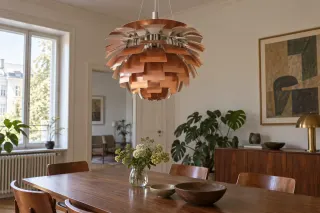
Check the complete leaf arrangement, exact version and suspension, then price the repairs and installation that make the pendant usable.
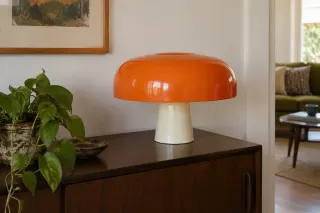
Check the complete lamp, its shade and documented version before treating a familiar shape or label as the whole story.
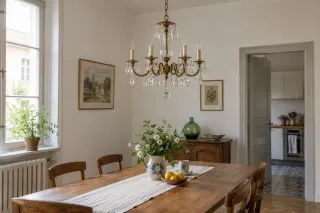
Count missing pieces by position, compare a real replacement sample and include servicing, packing and installation before agreeing a price.
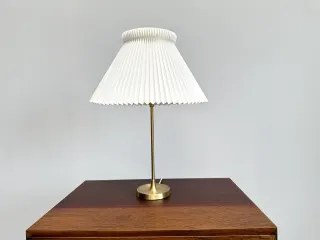
The size number refers to the sloping side. Match the model, material and support before ordering a replacement shade.
Entourage Finds / PatinaHall

Plan the marble base, overhead reach, complete components and professional moving and electrical work before buying an older Arco.
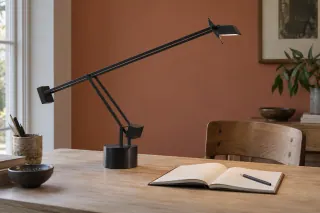
Identify the Tizio version and electrical specification, then separate arm balance from lighting faults before pricing a repair.

Compare the documented sizes of Nesso and Nessino, then check edition, shade condition and electrical details without dating a lamp by its colour.
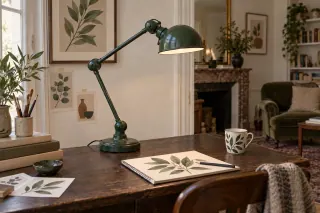
Check the mounting conversion, arm reach and specialist electrical work before turning an older Jieldé workshop lamp into a desk light.
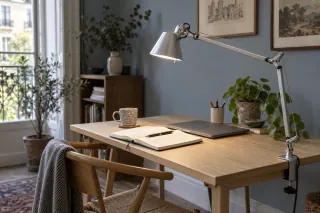
Choose the Tolomeo size and mounting for your desk, then check movement, completeness and the electrical version before ordering parts.
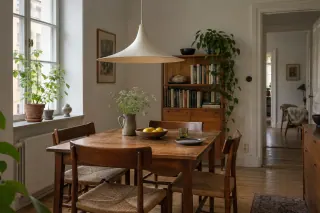
Check a Semi pendant’s diameter, rim, interior and suspension, then plan its scale over your table before buying.
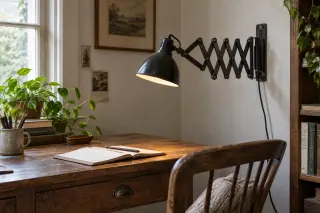
Map a scissor lamp’s folded position, working reach and cable route, then prepare a mounting brief for the actual wall.
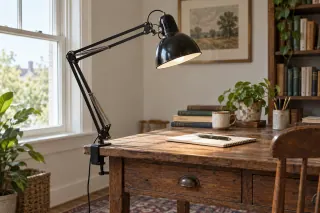
Match an older Luxo lamp to your desk edge and its own mounting, then confirm the parts needed for a working setup.
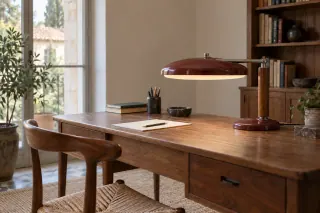
Separate a Fase President’s model, glass and structural parts before comparing an incomplete lamp with a complete, serviced example.
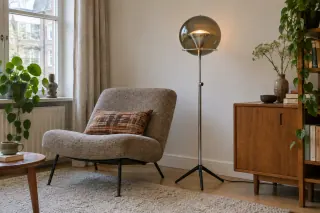
Assess a RAAK Globe as a glass-and-support assembly, with a separate plan for packing, mechanical condition and electrical work.
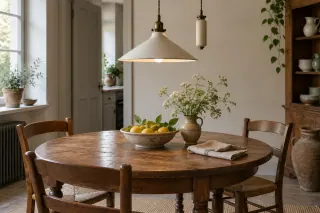
Check the movement, full hanging range and missing components of a rise-and-fall pendant before asking an electrician to install it.
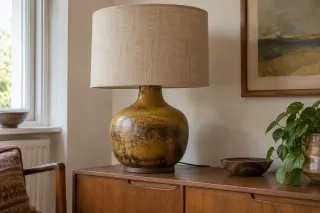
Separate a West German ceramic base’s attribution from its lamp assembly, shade fit and electrical readiness before comparing complete prices.
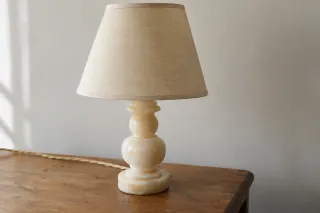
Inspect an old alabaster lamp’s stone sections and fittings, and assess stains before assuming a pale base can be washed white.
12 guides
Mirrors, screens, trolleys and useful finishing touches.
All topics
Match the mirror, frame and hanging arrangement to your wall, including its condition and the practicalities of installation.
The Metropolitan Museum of Art, CC0

Check panels, hinges and the opened footprint to see how a folding screen can divide your own room.
The Metropolitan Museum of Art, CC0
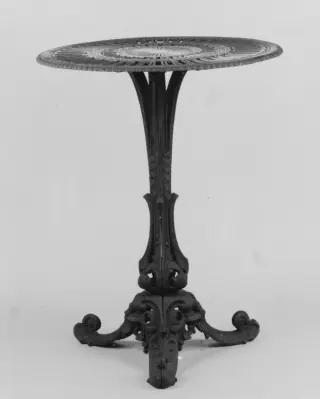
Match older outdoor furniture to its intended setting, construction and storage needs rather than assuming every piece belongs outside.
The Metropolitan Museum of Art, CC0
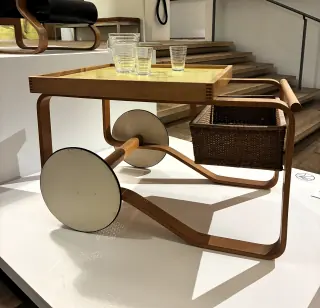
Check castors, handles and shelf supports, then try the route a drinks trolley will take through your actual room.
Gotogo / Wikimedia Commons, CC0; resized by PatinaHall

Look at the base, joints and usable hooks before choosing a coat stand for a busy entrance or hallway.
Julian Rösner / Unsplash

Match the stand's surface and support to your pots, then consider spills and where the plants will live at home.
feey / Unsplash
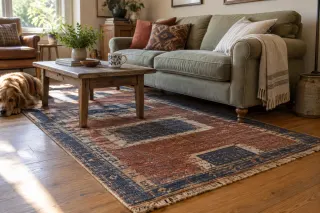
Compare braided, flatwoven and knotted rugs, inspect their construction and edges, and budget for suitable cleaning before buying.
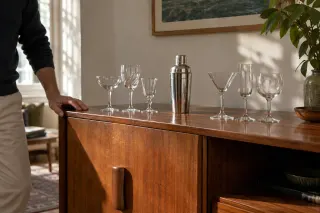
Build a useful vintage bar set by checking counts, glass sizes, replacement pieces, working tools and suitability for drinks.
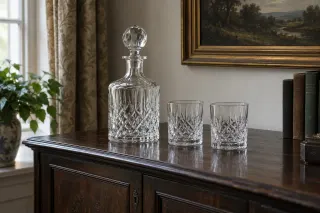
Decide between display, occasional serving and storage using official lead-crystal guidance, especially when an older vessel’s material is unknown.

Distinguish original prints, later impressions and reproductions, then check the paper, frame and evidence behind the seller’s attribution.
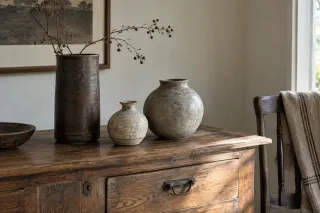
Choose an older vase by form and use, research marks in context, and ask clearly about cracks, repairs and water suitability.
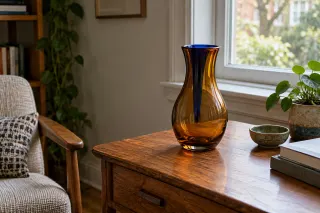
Check Murano origin, glasshouse attribution and production date separately, using traceable records, complete views and a documented Venini example.
40 guides
Understand a surface, a repair or the work behind a promising purchase.
All topics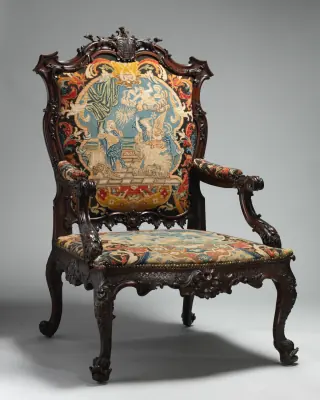
Learn to read wear, repairs and unanswered questions so you can decide which condition matters for your purchase.
The Metropolitan Museum of Art, CC0

Look at edges, joins and repeated patterns to understand how a piece is built and what photographs leave unresolved.
The Metropolitan Museum of Art; CC0
Identify finish layers and past treatments before choosing routine care, cleaning or maintenance for an older wooden surface.
Pict4life / Unsplash; Unsplash License
Look beneath the promise of new fabric: padding, support, frame and previous work all shape an upholstery decision.
The Metropolitan Museum of Art, CC0
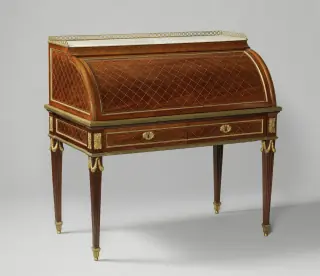
Follow a stone top from surface to underside, support and handling so you can ask better questions about repairs.
Rijksmuseum, Amsterdam (public domain)

Read worn leather through contact areas, seams and support, then establish what a repair would need to address.
The Metropolitan Museum of Art; CC0
Plan the inspection before collection, with room to check the piece and resolve concerns before bringing it into everyday use.
The Metropolitan Museum of Art, CC0
Turn a promising purchase into a complete budget by separating the work, materials, transport and questions still awaiting a quote.
The Metropolitan Museum of Art, CC0
Inspect metal frames, distinguish surface wear from structural questions, and compare complete cleaning or replating proposals before committing.
Photograph by Geheimnisträgerin, Public Domain
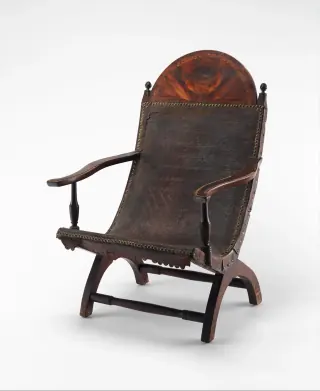
Look past a polished surface to the work behind it, including replaced parts, finish choices and the evidence available.
The Metropolitan Museum of Art; CC0
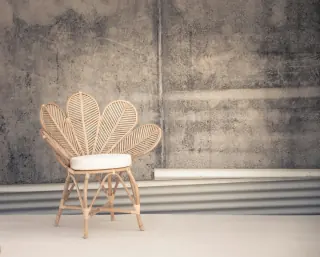
Follow frames, bends, joints and woven areas to understand what a rattan or cane piece needs before everyday use.
Jesse Donoghoe / Unsplash; Unsplash License
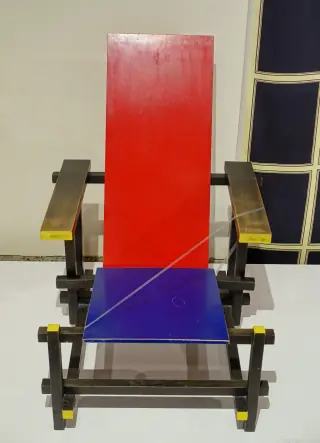
Understand the limits of visual inspection and what evidence you need before buying or disturbing an uncertain painted finish.
Photograph by Daderot, CC0
Distinguish lifting, missing areas and earlier repairs, then ask what restoring the veneer would mean for the whole piece.
Rijksmuseum, Amsterdam (public domain)

Look at the complete plastic structure, stressed areas and surface changes before judging the usefulness of an older piece.
Tokumeigakarinoaoshima, Wikimedia Commons, CC0
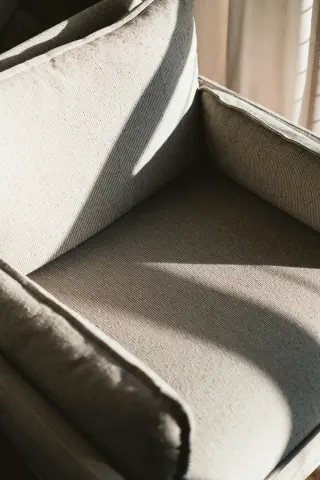
Choose fabric for the chair's shape and your daily use, then discuss pattern, upholstery method and care with the upholsterer.
Thom Milkovic / Unsplash; Unsplash License
Trace a musty smell through empty drawers, the case and its storage history before deciding whether to buy or treat it.
Urban Vintage / Unsplash; Unsplash License
Record the mark, surface sheen and finish condition before choosing what to do about a pale ring on older wood.
Pict4life / Unsplash; Unsplash License
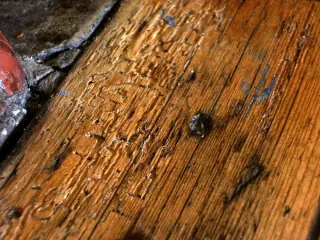
Read holes alongside loose material and storage history, then understand when monitoring or specialist advice changes the buying decision.
ML5 / Wikimedia Commons, Public Domain

Compare approaches and agree the intended result, scope and exclusions before handing an older piece to a furniture restorer.
The Metropolitan Museum of Art; CC0
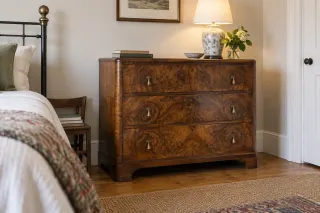
Enjoy the figure while separating wood species, veneer, finish and the repairs that could change the whole surface.
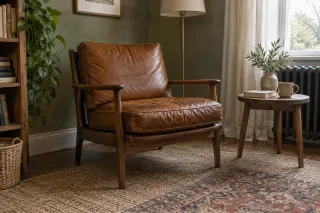
Build a small care routine around the actual covering and its treatment history before reaching for leather conditioner.
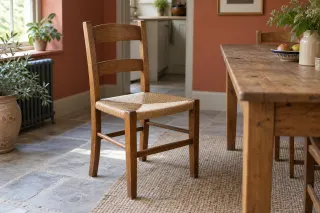
Know the cord, blot a spill and decide when an old mark deserves treatment or simply a place in everyday life.
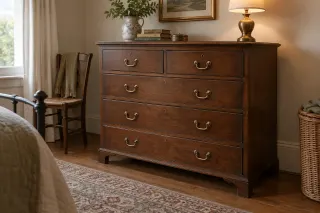
Separate the metal body, plating and surface treatment before deciding whether an old fitting should be cleaned or polished.
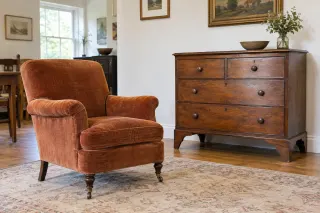
Consider where tobacco residues may remain, what treatment would involve and whether the piece suits your home before arranging collection.
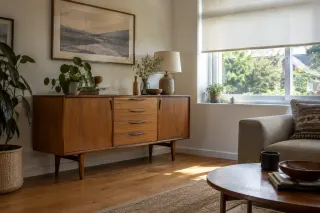
Decide which colour differences you can enjoy, reduce further light exposure and agree what a proposed refinishing job would actually change.
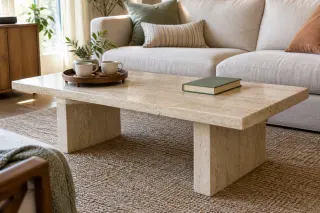
Make coasters, trays and prompt spill care part of using your stone table, and understand what sealing can and cannot prevent.
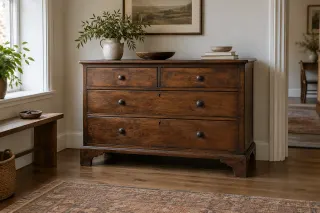
Record where dark marks sit and what has changed before choosing between leaving them, seeking an assessment or commissioning treatment.
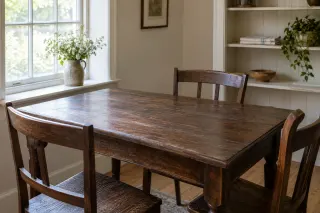
A sticky top needs a history before another product: distinguish a recent spill, accumulated polish and a finish that needs assessment.
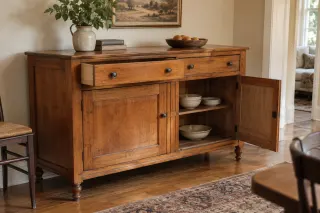
Compare real wood references, read construction clues and test a seller’s material claim without relying on colour alone.
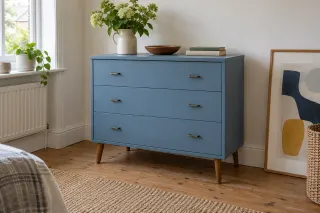
Before buying a paint-stripping project, decide which hidden repairs and visible leftovers you could live with.
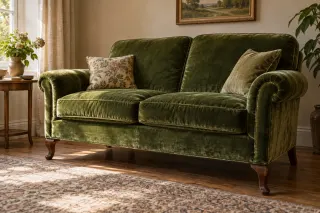
A pale patch may be pile direction, wear or a stain. Work out which question you are asking before reaching for steam.
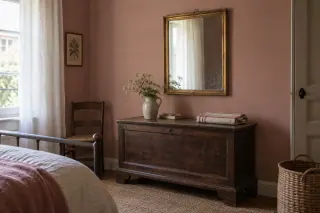
Separate front-surface haze from deterioration behind the glass, then compare retaining an old reflection with re-silvering or a new plate.
Stop further sanding, establish whether wood has been lost, and compare colour retouching, a veneer patch and wider replacement with realistic expectations.
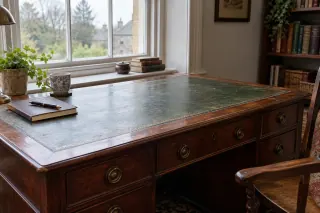
Decide whether the old inset needs replacing, then specify its recess, material, corners and tooling before ordering a new writing surface.
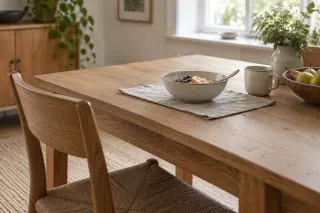
Decide whether a known soap finish suits your daily routine, and distinguish its maintenance from treating an unidentified pale surface.
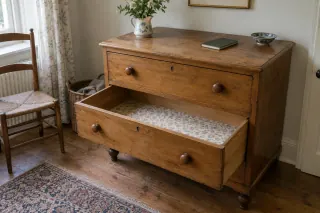
Distinguish a loose drawer liner from bonded contact paper, then decide what to keep and what needs careful removal.
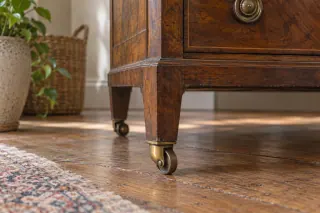
Identify the fixing and installed height of an old castor before choosing a replacement that keeps the furniture level and useful.
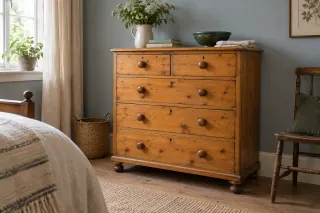
Compare the pine, its existing finish and the surrounding room before paying to strip a chest that may only need a different setting.
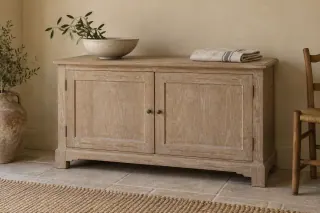
Recognise that white grain may be an intentional finish, distinguish observations from diagnosis and brief a cleaner or restorer before removing it.
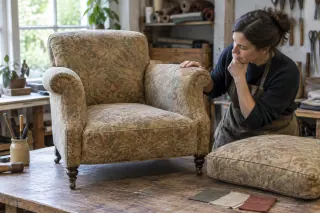
Ask an upholsterer which old filling and support layers can stay, with selective reuse assessed before choosing an all-new rebuild.
22 guides
Make older pieces work together, and plan their journey home.
All topics
Trace the journey through doors, stairs and landings before a piece you love becomes a delivery problem.
Christopher Stites / Unsplash; Unsplash License

Plan the vehicle, protection and complete route so collection day works for the furniture and the people handling it.
Egor Ivlev / Unsplash; Unsplash License

Bring older and newer pieces together through scale, useful space and a few shared details, starting with your actual room.
Pew Nguyen / Unsplash; Unsplash License

Give a carrier the dimensions, access details and handling needs that make a delivery quote useful for your exact purchase.
Joseph Prospere / Unsplash; Unsplash License
Account for occupied chairs and their movement when choosing a rug that belongs beneath your dining table in daily use.
Alex Tyson / Unsplash; Unsplash License
Choose the storage conditions, supports and inspection access that help older wooden furniture through the time between homes.
Robert | Visual Diary / Unsplash; Unsplash License
Look at feet, castors and everyday movement to choose floor protection that suits both the furniture and its new setting.
Rumman Amin / Unsplash; Unsplash License
Start with the pieces you use most, then map seating, surfaces and clear routes before filling a small living room.
National Park Service photograph via Wikimedia Commons, Public Domain
Consider changing light, heat and moisture when choosing older furniture for the particular conditions in your conservatory throughout the year.
Clay Banks / Unsplash
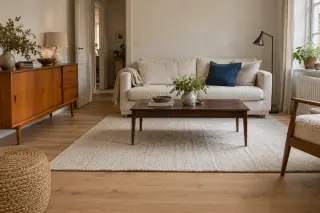
Try teak, oak and walnut against the floor you already have, using room examples to compare tone, contrast and balance.
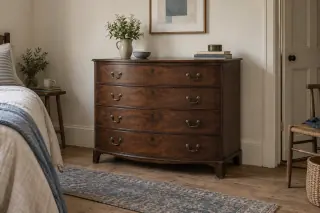
Three room experiments with walls, textiles and neighbouring furniture to try before changing an older piece's finish in your home.
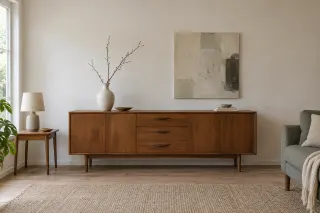
Try pale, muted green and deep blue backgrounds, then choose with physical paint samples beside your actual furniture and floor.
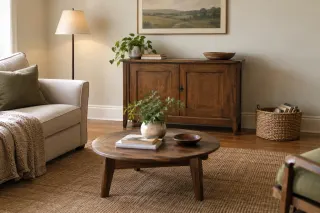
Plan anchoring, storage, window access and everyday use before bringing an older cabinet, table or chair into a family room.
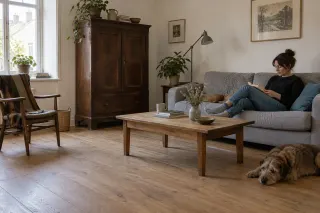
Build a calm, useful room around older furniture, with a measured layout, comfortable seating and deliberate contrasts in wood and colour.

Build a complete room budget, compare a real asking-price example and keep delivery, repairs and essential seating in the calculation.
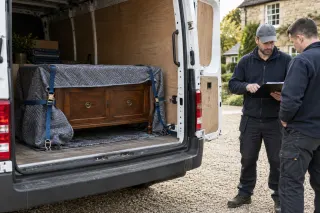
Calculate a Great Britain-to-Netherlands furniture purchase, including export pricing, import charges, packing and the final delivery into your home.
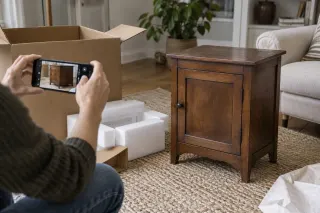
Document damaged furniture and packaging, report through the right channel, and agree inspection or repair before changing the evidence.

Keep the charm of two separate finds while connecting their heights, visual weight and bedside lighting.
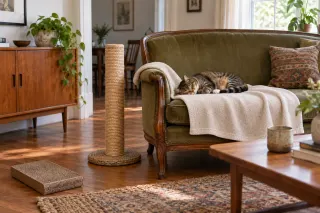
Choose furniture around your cat’s real habits, accessible care and a scratching place that belongs in the room.

Assess the cast frame before ordering timber, then specify the slats, fittings and finished restoration as one usable garden bench.
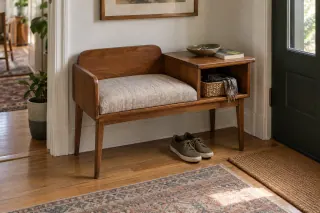
Try the seat, knee space and side storage before choosing a vintage telephone bench for putting on shoes in a modern hall.
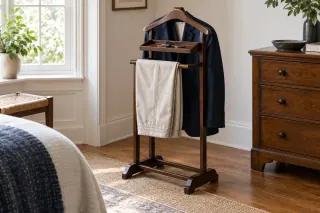
Check jacket shape, trouser clearance, the loaded footprint and stability before choosing an older valet stand for tomorrow’s clothes.
29 guides
Identify a find, compare an offer and ask the questions that matter.
All topicsA first purchase, from spotting a promising piece to understanding its condition, total cost and journey home.
Robert | Visual Diary / Unsplash; Unsplash License
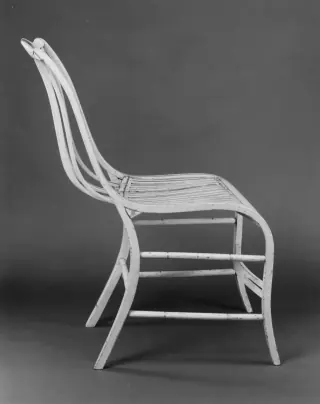
Ask for photographs that reveal construction, scale and condition, including the views a beautiful listing tends to leave out.
The Metropolitan Museum of Art; CC0

Use a label as the beginning of research, then connect its claim to the whole piece and supporting records.
The Metropolitan Museum of Art, CC0
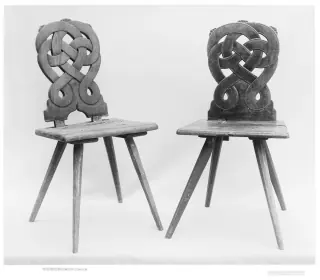
Compare every member of a pair or set: similar photographs can hide differences in dimensions, construction and earlier work.
The Metropolitan Museum of Art, CC0
Compare relevant examples, condition and the complete purchase cost so an asking price becomes something you can evaluate.
The Metropolitan Museum of Art; CC0
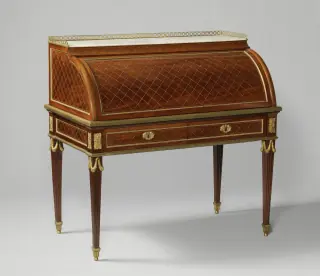
Build a useful picture of the exact piece, seller terms and delivery before committing to a purchase online.
Rijksmuseum, Amsterdam; Public Domain
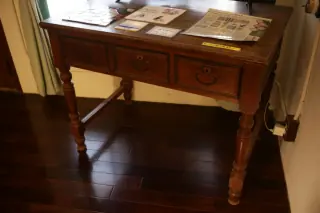
Read the lot, fees and collection terms together, then set a bidding limit that includes the complete purchase.
MChe Lee / Unsplash; Unsplash License
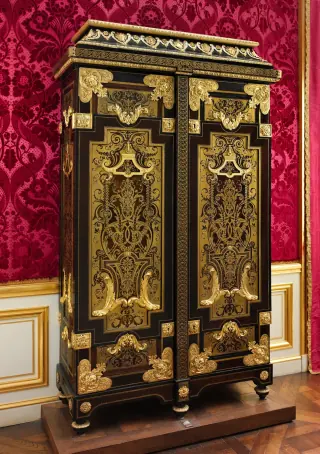
Follow the piece across each handoff, from seller documents and packing to border questions, delivery and the total cost.
The Metropolitan Museum of Art; CC0
Unpack familiar listing terms and decide which claims need documents, closer photographs or a more precise answer from the seller.
The Metropolitan Museum of Art, CC0

Make good use of a short viewing: check the piece, agree what is included and plan how it gets home.
Zoshua Colah / Unsplash; Unsplash License
Build an identity from the whole object, then investigate style, period and maker as questions with their own evidence.
Urban Vintage / Unsplash; Unsplash License
Compare form, function and documented examples to understand a Mid-Century Modern claim and where that style description stops.
Tokumeigakarinoaoshima, Wikimedia Commons, CC0
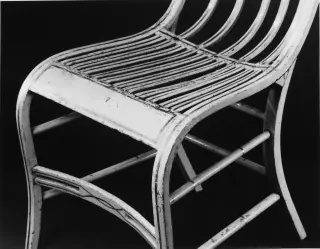
Build a supported date range from construction and records, keeping a design's history separate from the age of your example.
The Metropolitan Museum of Art; CC0
Start with shape, materials and construction when a label is missing, then follow promising comparisons into catalogues and records.
The Metropolitan Museum of Art, CC0
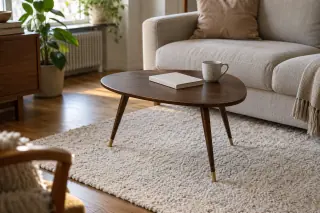
Follow older IKEA furniture into the catalogue, using documented examples to separate a design's history from a later reintroduction.

Compare older examples, authorised reissues and replicas through their construction, documentation, service options and the way you want to use them.
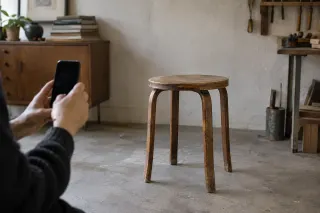
Use image search to find a candidate, then compare construction and primary records before trusting a familiar name in the results.
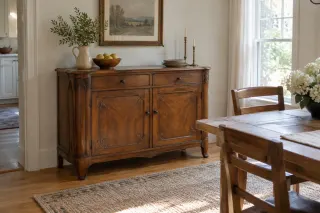
Compare whole forms and ornament using documented examples, then separate a style description from the age and maker of your purchase.
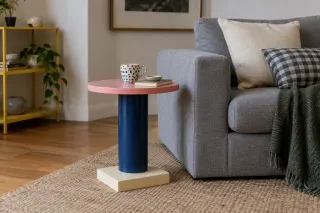
Separate a documented Memphis design from a later edition or colourful lookalike, and check whether the actual piece works at home.
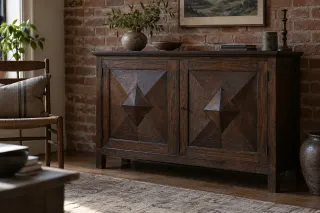
Read dramatic timber and metal furniture listings, separate style from attribution, and check the details that affect everyday use.
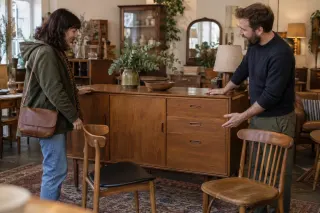
Compare dealer and private purchases, understand distance-return differences and ask about the real cost of returning bulky second-hand furniture.
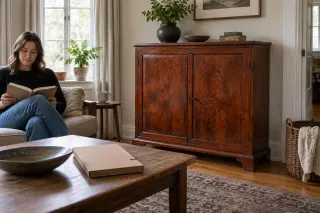
Check rosewood species, acquisition history, route and shipment documents before buying, including the limits of CITES finished-product exceptions.
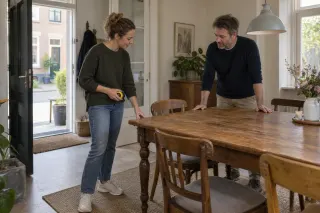
Plan a Marktplaats viewing, verify payment and collection terms, and distinguish local pickup from eligible protected shipping before buying.
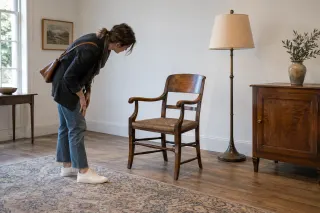
Calculate the current Catawiki buyer fee, set a realistic maximum bid and resolve delivery and condition questions before the auction closes.
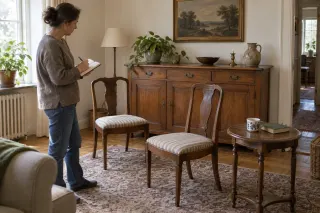
Compare sale routes for inherited furniture by net proceeds, effort and timing, with clear inventory, collection and unsold-item terms.
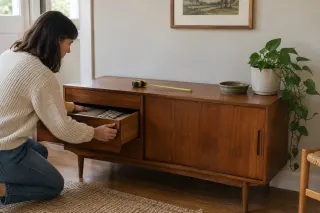
Set an asking price using relevant sale evidence, condition and collection costs, while keeping buyer totals and your net proceeds separate.
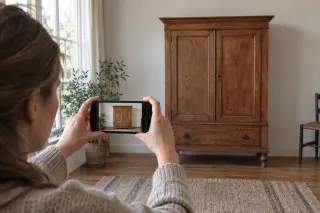
Create a clear phone-photo sequence that shows furniture shape, scale, working parts and wear, with honest colour and a final privacy check.
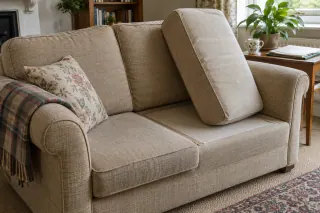
Work out the next step for an unlabelled sofa by separating charity acceptance, business supply and a private household sale.
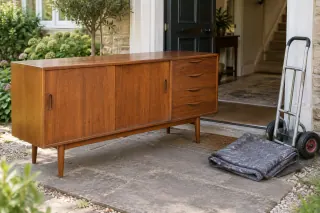
Plan an eBay UK furniture collection with an agreed inspection, checkout payment and the protection limits of using your own carrier.