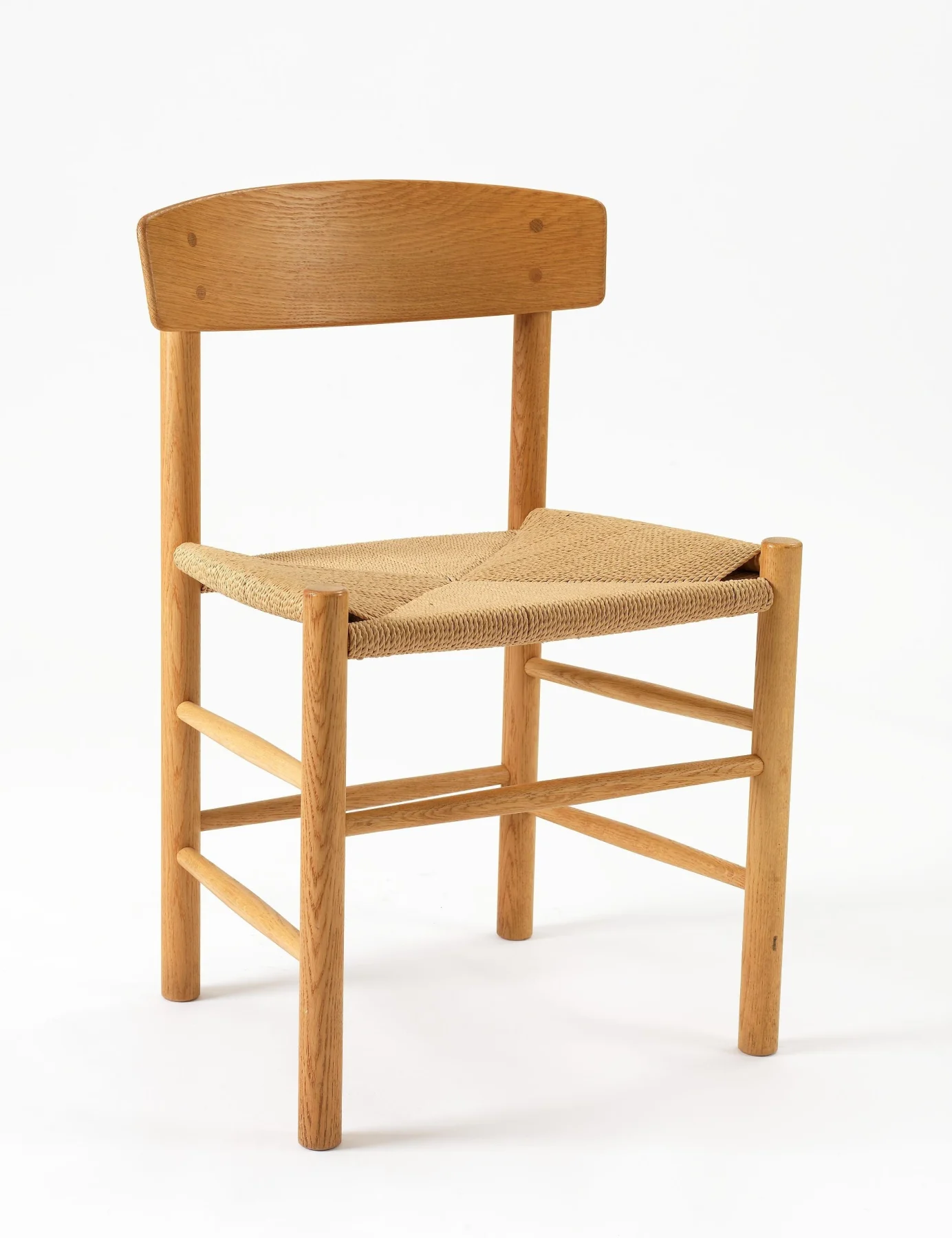
Locate the movement without sitting on it
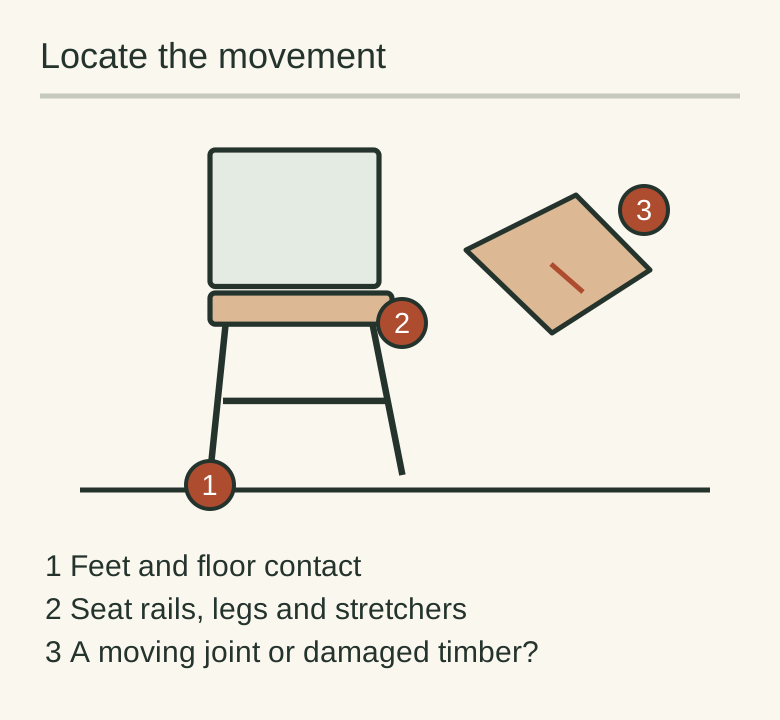
Start with the chair empty on a firm surface. Look at all four contact points. A rug edge, missing foot pad or uneven board can leave one foot clear of the floor. Photograph the gap and the surrounding feet before moving the chair; otherwise you may lose the explanation.
If safe handling is straightforward, compare it on another known level surface. Movement that changes with position suggests a floor-contact issue worth investigating. It does not clear the joints. Ask the seller to show you the chair at rest rather than demonstrating how much weight it can withstand.
Watch the joints, not just the top of the back
Look where each leg meets the seat frame and where stretchers meet the legs. A gap that visibly changes during gentle ordinary handling is different from a fixed dark line in an old joint. Note the location in plain language: “front left leg moves at the seat rail” is useful to a restorer.
Stop if timber cracks, flakes away or moves unexpectedly. Do not rack the frame, rock backwards on the chair or pull a loose joint apart to see how it is made. Upholstery and corner blocks may conceal connections, so an exterior inspection has a natural limit.
Why a squirt of glue is not a repair plan
A West Dean conservation case describes loose joints in pegged oak chairs. Dismantling the first chair damaged a joint, so the conservator changed the method for the remaining chairs. The useful lesson is that hidden fixings and retained decoration affect the repair; even a familiar loose joint needs an object-specific approach.[1]
Old chairs may already contain nails, screws, injected adhesive or replacement blocks. Adding another material can hide the evidence and complicate later work. Nor should you trim a leg simply because the chair rocks in one corner of the room. First establish whether the feet, floor or frame explain it.
Turn the observations into a useful quote
Send the restorer a small, complete set
- Whole chair from front and sideInclude its posture, seat shape and all legs.
- Accessible undersideShow blocks, screws, labels and previous repairs without removing upholstery.
- The moving connectionProvide a close still and, if safe, a short video during gentle handling.
- Your intended useDaily dining, occasional use and display require different decisions.
Ask whether the quote includes examination of the complete frame or only the reported joint. A chair may have one obvious loose connection and several quieter ones. Agree what the restorer should do if an earlier repair or hidden crack appears, and whether further work requires another estimate.
Judge the set chair by chair
For a set of six, number the chairs and keep six records. One repaired chair does not establish the condition of the others. Differences in pads, leg lengths or replacement rails may explain why they sit differently even when their backs appear identical.
Ask the seller
Which chair and which connection moves? Please show the feet, seat-to-leg joints and underside, and describe any previous repairs. I would like a structural assessment before using it, so please leave the joints and feet unchanged.
If the repair scope is acceptable, a loose chair can be a considered purchase. The decision should include that work and the time it will be unavailable, rather than treating visible movement as harmless character.