Start with two Stool 60 records
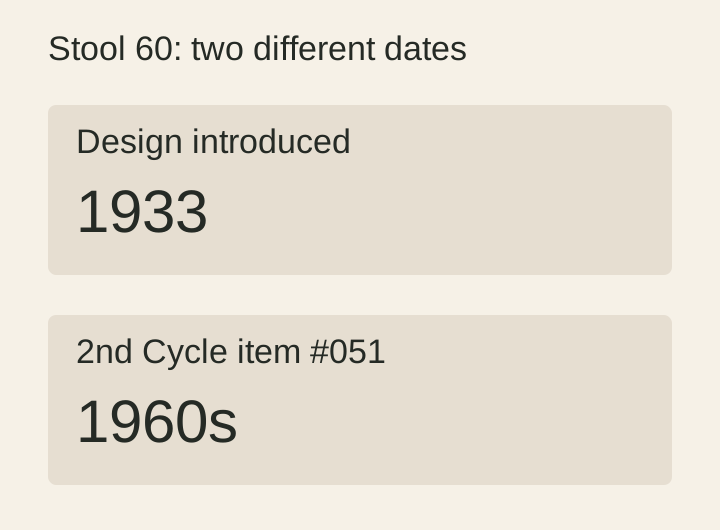
A round birch stool is a useful place to begin because the apparent simplicity can hide a large difference in age. Artek identifies Alvar Aalto’s Stool 60 as a 1933 design and says it has remained in continuous production. A newly made example is therefore current production of an old design; it does not need to have been brought back from a period of absence.[1]
Now compare Artek’s own 2nd Cycle record for item #051, a Stool 60 with a black linoleum seat. That specific record describes a stool from the 1960s. Its design date and its stated production period are different pieces of information. This is a dated-record example, not a claim that the item is currently available.[2]
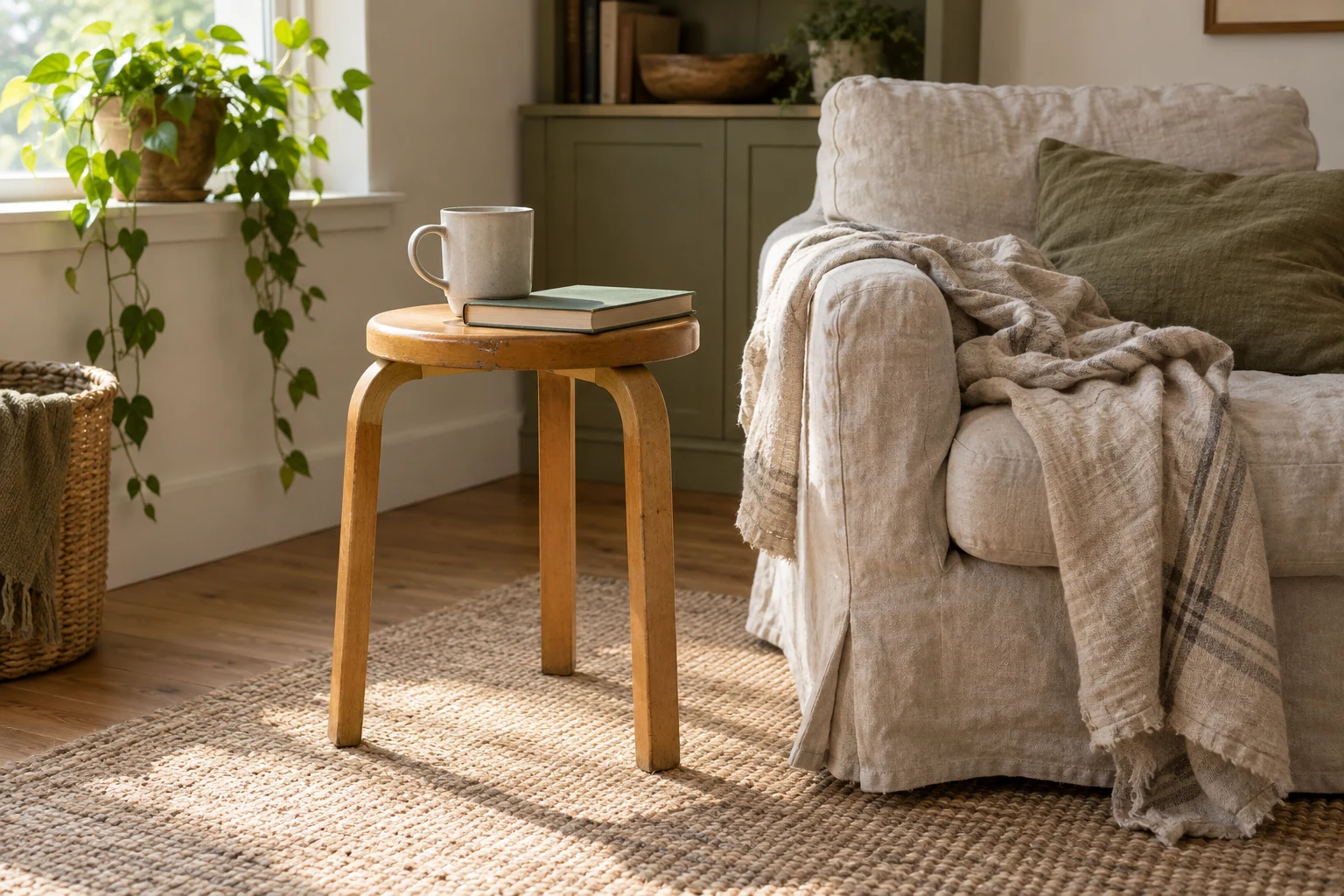
For a buyer, the older stool offers a particular surviving object: its surface, use history and alterations matter. The current stool offers a specified version from the producer. A photograph of three bent legs cannot tell you which production you are being offered. Keep the object record attached to the offer.
If a listing leaves those claims unclear, use the listing-language Guide to untangle the wording. Once you know what each seller means, the next question is which object better meets your priorities.
A reissue can have a different interior
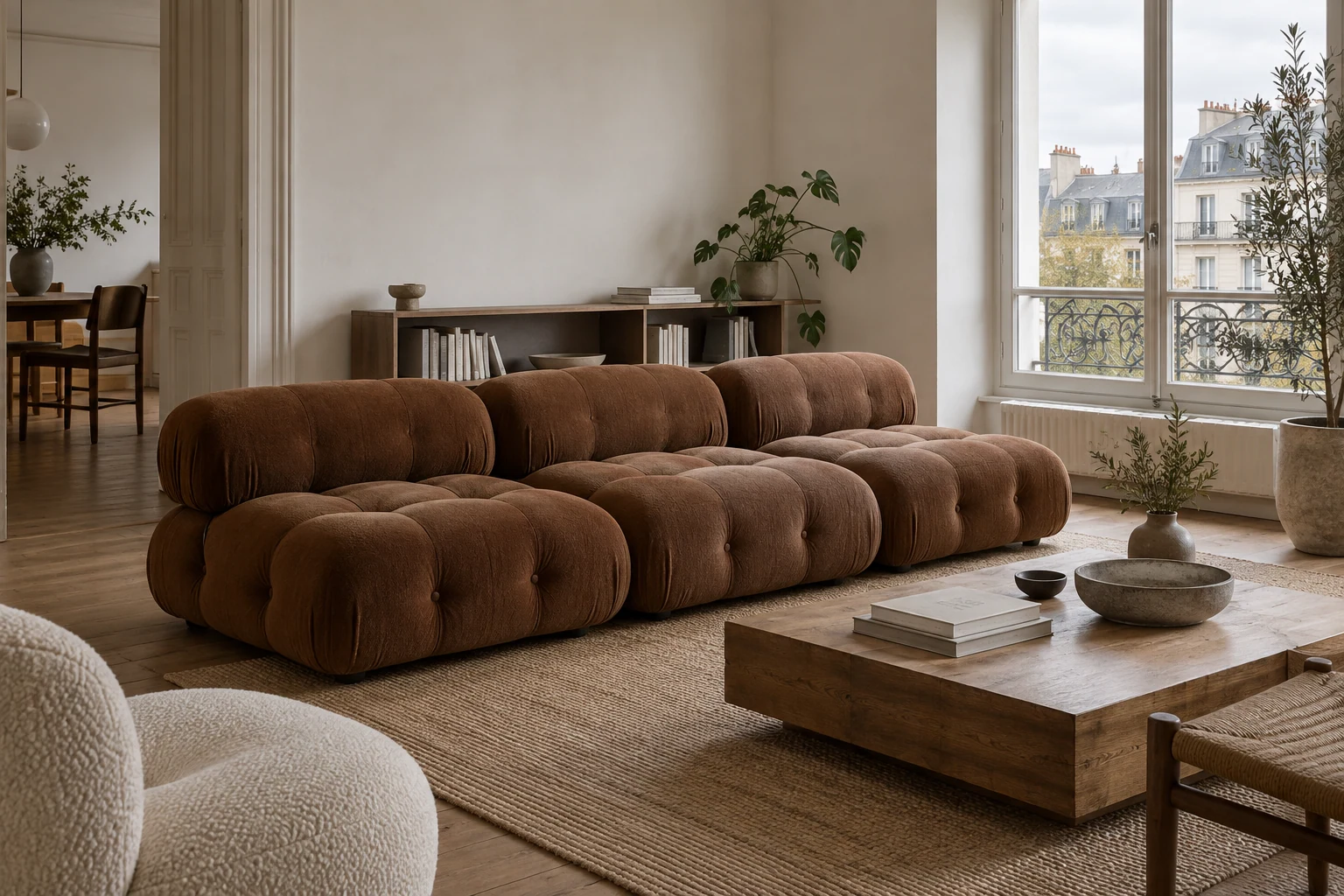
Camaleonda provides a different comparison. B&B Italia identifies Mario Bellini’s 1970 design and its 2020 version. Its current product account describes the familiar modular form and capitonné upholstery, but also says that the interior was completely redesigned for the return.[3]
The manufacturer’s construction account describes the later version as separable layers, including wood-based panels and foam components. That is useful edition information. It does not tell you the condition of an older sofa, establish what an upholsterer has put inside it, or promise that a current spare part fits it.[4]
Imagine comparing an older example that has been reupholstered with a used 2020-or-later edition. You need the restoration scope for the first and the correct production specification for the second. “Both are Camaleonda” is too broad a basis for assuming that they will feel the same, need the same work or accept the same components.
This is also why a later authorised edition is not automatically a lesser copy. A producer may deliberately revise an interior. The practical response is to discover what changed and try the edition you might buy. Whether you prefer the older or later result is a separate decision.
Decide which differences you want to pay for
Write down the reason you are looking for an older piece before comparing prices. It might be the colour of aged birch, an earlier finish, a specific production detail, or the pleasure of keeping an already-used object in circulation. Those reasons become much easier to assess when they are named.
| What matters to you | What should lead the decision |
|---|---|
| A particular older surface or production detail | Evidence that it survives on this example and a plan that preserves it. |
| Daily comfort and the right dimensions | A trial of the actual piece and edition, including its present upholstery. |
| A manageable repair | A specialist who has identified this production and agreed the work. |
| Predictable spending | Purchase, necessary work, transport and confirmed extras in one total. |
| A convincing design attribution | A coherent producer and object record, including any qualification that remains. |
An old chair that will immediately lose the very finish you wanted may be the wrong project. Equally, a more recent piece with good documentation can be a satisfying used purchase. Age and production authority answer different questions, and neither substitutes for liking the furniture in use.
Treat restoration as part of the object
New fabric does not by itself turn an older authorised frame into a replica. It does mean that “original upholstery” would be the wrong description of that fabric. Ask what was retained, replaced or reshaped, and whether photographs or invoices explain the work.
Separate changes that renew a consumable element from changes to the design you hoped to buy. Replacing a worn cover, changing the cushion profile and altering a frame are different scopes. An attractive result can still have changed the seating position or erased an earlier detail that mattered to you.
Use the account of the actual work when estimating the next job. A maker’s current materials list describes its current edition, not an unknown earlier restoration. If the relevant history is missing, have a specialist assess the piece before treating “fully restored” as money already saved.
Ask who can support this production
A familiar name does not guarantee that a current producer can repair every older version. Give the service contact the producer, approximate production period, model details and photographs of the actual assembly. Ask whether they can assess it, which parts are obtainable and who would carry out the work.
For a replica or lookalike, ask the same practical questions of its own maker. A resemblance does not make it eligible for the original producer’s service, and the word “replica” tells you little about its internal construction. Assess the stated manufacturer, materials, dimensions and repair route on their own evidence.
An unresolved production claim is its own category. Do not promote it to authorised production because the seller chose a confident title, or dismiss it as a copy merely because a label is missing. Keep the uncertainty visible and avoid paying a documented-edition premium until the evidence supports it.
Make the final choice about the offer
Put the two strongest offers side by side. For each, record the edition claim, what supports it, what you especially like, what must change and the confirmed cost of those changes. Include the time you will spend without the furniture while work is done.
If the older piece wins because of its surviving character, protect that character in the repair brief. If a later edition wins because it suits daily use and has a clear service path, check that the offer really belongs to that production. A good decision connects your reason for buying to the particular object you will receive.
A message for the seller
I am comparing older and later examples of this design. What supports the maker and production period of this piece? Please include any object-linked purchase records, the actual dimensions, and a clear account of replaced upholstery, parts or finishes. If you mention an authorised edition or available repairs, which producer or service contact confirms that for this version?