Start with where the smell is coming from
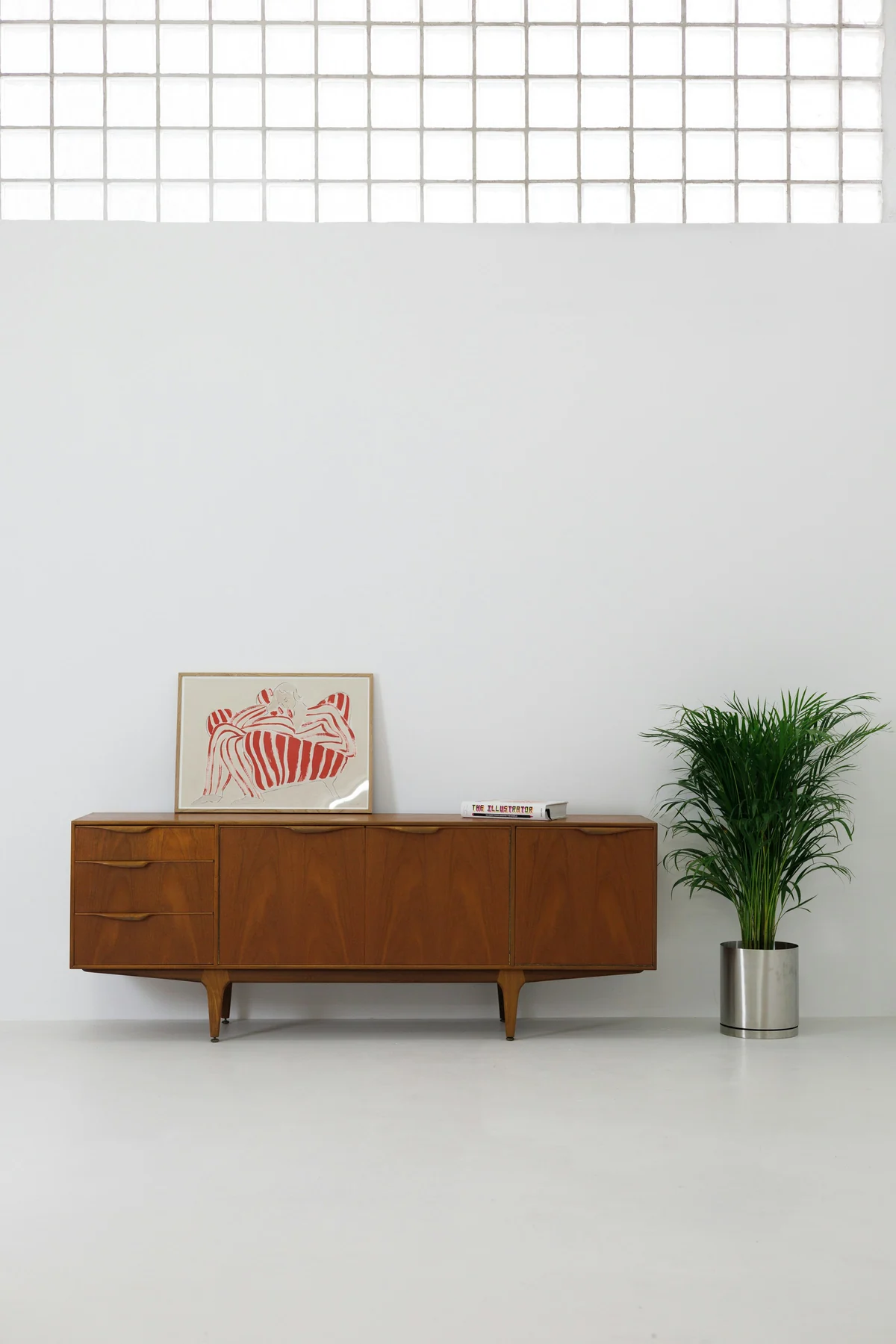
The attractive chest in the listing may have spent its last winter in a damp outbuilding. Or the smell may come from a scented drawer liner, spilled perfume or the room where it stands. Those are different problems. Before buying, ask the seller to describe the smell with the furniture empty, without adding polish or fragrance first.
Do not put your face inside a drawer to investigate. From an ordinary handling distance, note where you first notice the odour. If you can inspect in person, look at the back, underside and accessible drawer interiors in good light. Photograph staining, distorted boards, deposits and loose surfaces without brushing them away.
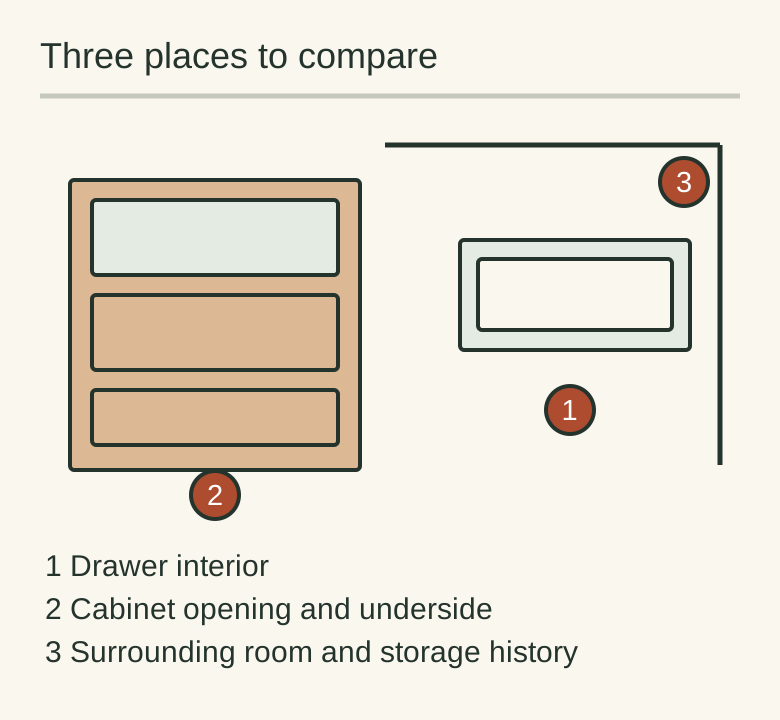
Record three separate places
- The drawerIs the smell associated with one compartment, its contents or a liner?
- The cabinetDoes the empty opening, back or base show a similar problem?
- The roomIs there evidence of a leak, damp wall or recent storage outside?
A smell is a clue, not a diagnosis
The Canadian Conservation Institute treats moisture control, isolation and appropriate cleaning precautions as central to a mould response. A suspected mould problem deserves that assessment; masking its odour does not resolve the underlying cause.[1]
A dry-looking surface can still leave questions about its history. Equally, an unfamiliar smell does not tell you that a particular fungus is present. Describe what you can observe rather than asking a seller to promise that a piece is “mould-free” from a photograph.
Why deodorising can make the decision harder
If a seller offers to spray the drawers before you arrive, ask them to wait. Fragrance changes the evidence you are trying to assess. A freshly perfumed cabinet may seem acceptable in a shop, yet still be unsuitable for bed linen once it has been shut overnight.
For an unknown vintage surface, skip internet recipes involving bleach, vinegar, steam, sanding or direct sun. This guide is not a cleaning recipe: the useful first purchase is sometimes an assessment of the finish and contamination. Do not mix cleaning products or use an ozone generator as a shortcut.
Loose paper liners can also carry labels or handwritten history. Ask before removing anything, and photograph it in place. If there are suspicious deposits, leave removal to the person assessing the problem.
Decide whether it suits your intended use
Imagine two buyers considering the same chest. One wants to store clean baby clothes next week; the other wants a workshop restoration project and has separate storage arranged. Even with the same asking price, their acceptable uncertainty is different. A future treatment possibility is not a present storage solution.
| What you have | Useful next step |
|---|---|
| Only the seller’s description | Request empty-interior, back and underside photographs plus storage history. |
| Persistent odour with no established cause | Obtain an appropriate assessment before household use. |
| Visible suspected mould or continuing damp | Pause handling and ordinary cleaning; agree isolation and professional advice. |
| A documented treatment and a dry, stable piece | Read the treatment scope and remaining limitations; reassess its intended use. |
A lower price cannot tell you whether the smell will leave. If treatment is essential to your decision, make the decision after you know its likely scope rather than mentally pricing it as a quick wipe.
Send a useful request before collection
Ask the seller
Could you photograph the empty drawers, their openings, the back and the underside? Please describe when the smell is noticeable, where the piece was stored, any leaks or damp, and every cleaning, fragrance or pest treatment you know about. Please leave it untreated until we have agreed the next step.
Keep the reply with the listing photographs. If the history is unknown, record it as unknown. For a piece already at home, do not fill it with textiles while you investigate; choose the next handling and storage step with the professional assessing the concern.