Ask which layer has changed
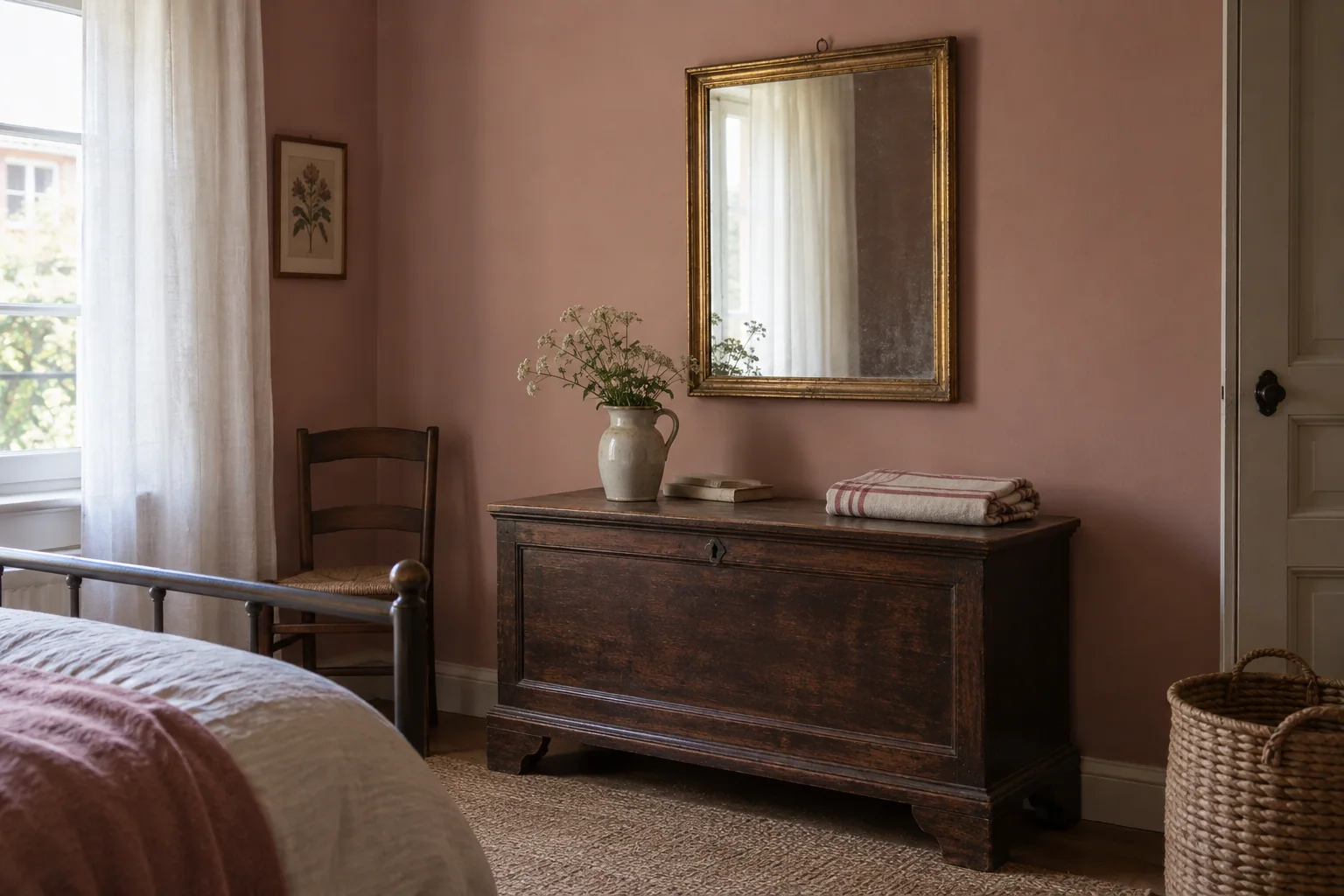
Look at the mirror in ordinary daylight from more than one angle without removing its backing. Note whether the marks appear on the front surface, seem behind it or remain difficult to locate. Photograph the complete mirror and a few representative areas. Record whether the appearance has recently changed, rather than calling every dark spot “foxing” and treating that as a diagnosis.
The Canadian Conservation Institute describes cloudiness among the possible signs of deteriorating glass. Cleaning is therefore not an automatic answer to a milky appearance. Stop if a surface appears unstable, flaking or unusually affected; ask a conservator to identify the material and condition before treatment.[1]
A glazier can discuss replacement options for an ordinary decorative mirror. A conservator is the more appropriate first contact when the glass or backing may be historically significant, unstable or of uncertain composition. Neither needs you to scrape off the backing as a preliminary test.
Decide what a better mirror means to you
| Option | What you keep | What changes or remains uncertain |
|---|---|---|
| Retain the existing plate | The old glass and surviving reflective surface. | The subdued or patchy reflection remains; condition and mounting still need assessment. |
| Specialist re-silvering, where suitable | The existing glass plate, if it can be treated. | The old reflective layer is replaced; not every plate or backing is suitable. |
| Fit a new mirror plate | The frame, if it can accept the new plate appropriately. | The original glass is removed; edge, bevel, thickness and reflection may differ. |
Re-silvering does not mean polishing the front until the old reflection returns. It changes the reflective treatment behind the glass and can sacrifice historical material. A new plate can give clearer daily use, but a modern flat reflection may look different within an old frame. Ask to see relevant examples of the proposed outcome before agreeing to it.
If the existing glass is retained separately after replacement, agree safe storage and documentation with the professional. Do not stack an uncertain old plate loose in a cupboard and regard its history as preserved.
An early backing needs particular care
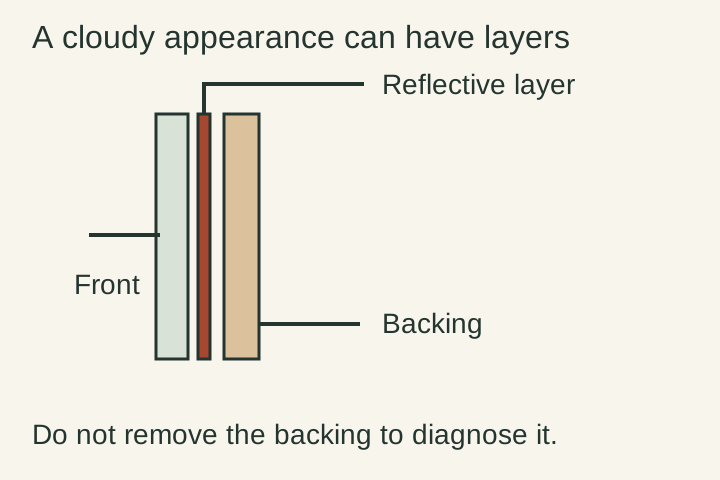
Some historical mirrors used a tin–mercury reflective layer. Cincinnati Art Museum’s conservation account of an 1872 mirror identifies that material in a specific object, while the Foundation for Advancement in Conservation explains the care issues of such mirrors. You cannot identify or rule it out reliably from a decorative front photograph.[2]
If the backing is unknown or there are signs of deterioration, leave it undisturbed and seek specialist advice before removal or treatment. Do not sand, strip, heat or scrape the reverse. This is where the material assessment changes the job: a routine decorative re-silvering quote may not cover handling an old amalgam backing.[3]
Choose between a reflection and an atmosphere
Consider two ordinary uses. Above a mantel, a slightly imperfect reflection may add light and depth without needing to be crisp. At a dressing table, the same plate may be frustrating every morning. That practical difference can justify a different outcome without pretending the old glass has no value.
Tell the professional which role matters and what you want retained. Ask how the plate will be removed, supported, treated or replaced, whether the frame or fixing needs work, and who will handle transport and refitting. Bevel, shape and thickness belong in a replacement specification; the outside frame dimensions are not enough.
Message to adapt
This mirror has [describe the appearance and any recent change]. Please assess whether the problem is on the front, in the glass or in the reflective layer, and whether the backing needs conservation handling. I would like separate proposals for retaining it, suitable re-silvering and a correctly fitted replacement, with the effect on original material explained.
Choose the reflection you need with a clear account of what will be kept. An old mirror can remain useful with imperfections; it should not have to survive an uninformed cleaning experiment first.