Begin with a dated record
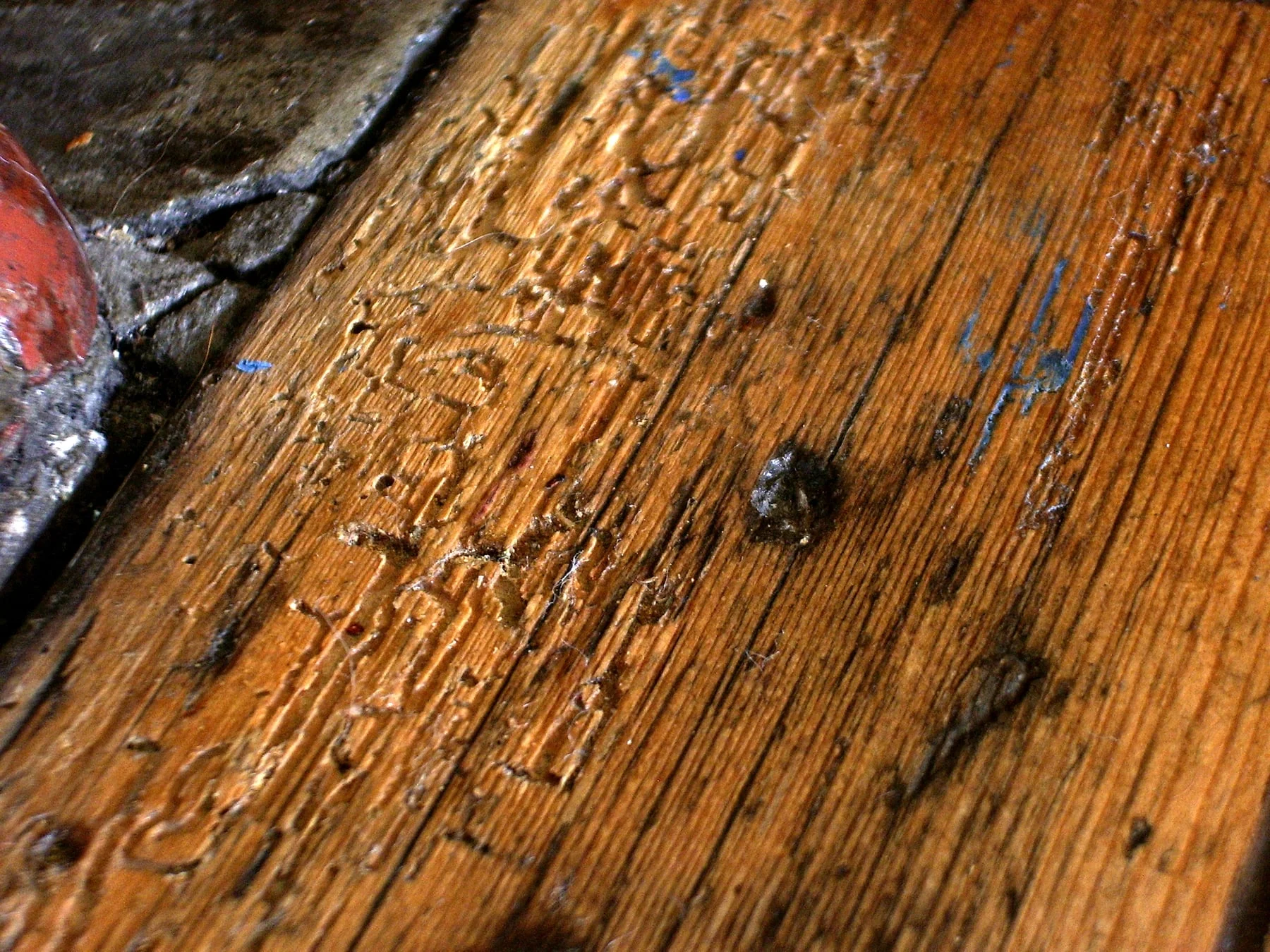
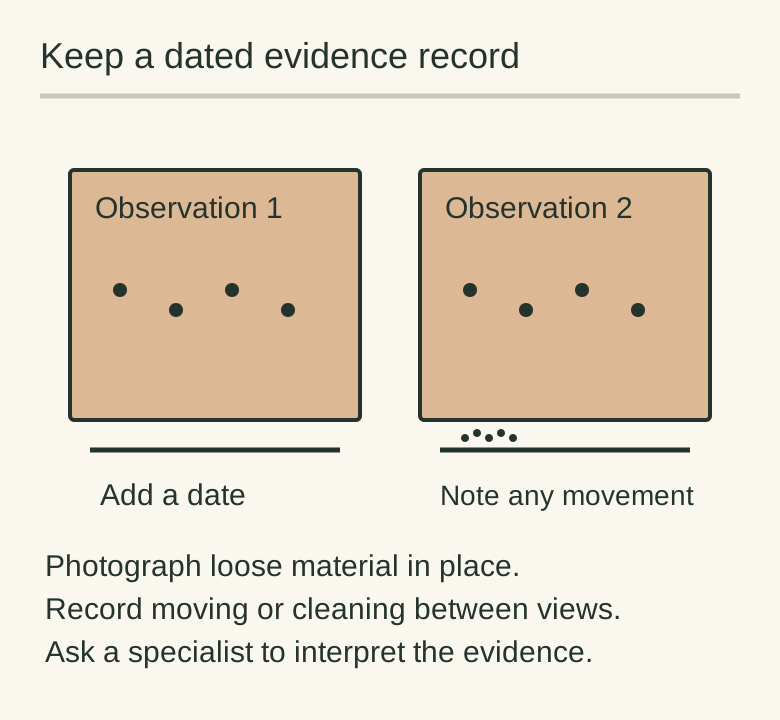
A few small holes can turn an otherwise enjoyable viewing into an argument about whether the furniture is safe to buy. Replace that argument with evidence. Photograph the entire piece, then mark the affected areas on a copy of the image. Take close views with a scale held nearby, without pressing tape onto the finish.
Record loose dust beneath the object before it is moved. Note the date and whether the seller recently transported, brushed or cleaned it. Dust that appears after movement may have come from an old tunnel; do not call every fresh-looking pile a fresh attack.
What holes and dust can tell you
English Heritage’s furniture-beetle fact sheet distinguishes exit holes, frass and adult insects, and notes that old frass can be dislodged from historic damage. Its advice treats inspection and environmental conditions as part of assessing the problem. Holes alone are an incomplete record of present activity.[1]
“Woodworm” is a broad everyday description. A buyer should not identify a species from hole diameter alone or assume every powdery deposit came from an insect. Photograph any visible insect without handling or crushing it and ask the specialist what identification evidence is useful.
Check damage separately from activity
A piece can have inactive damage and still have weakened timber. Look at the location: holes in a decorative panel raise a different use question from extensive damage around a chair joint or a narrow leg. Soft, crumbling or visibly lost wood is a reason to stop ordinary use and obtain a structural assessment.
Do not probe holes with a screwdriver or test a suspect chair by sitting heavily on it. You are trying to learn about the object without enlarging the damage. Ask for photographs of inaccessible areas and record those that remain concealed by upholstery or construction.
| Question | Evidence to request |
|---|---|
| Is there possible current activity? | Dated observations, identified insects if available, storage conditions and an appropriate monitoring plan. |
| Is the object fit for its proposed use? | Condition of the timber and joints, extent of losses and an assessment of affected structural parts. |
| What has already been done? | Treatment report, date, method, scope and follow-up, rather than a generic “treated” label. |
Make treatment history specific
A seller’s “professionally treated” claim is worth following up. Ask whether the report identifies this piece, what area was treated, who did the work and what further observation was recommended. A receipt for a household product does not answer those questions.
Do not spray an unknown insecticide into every hole, fill them before assessment, or improvise an oven, freezer or heat treatment. Furniture combines wood, glue, finish, metal and sometimes textiles. A treatment decision needs to account for the complete object as well as the pest concern.
If monitoring is proposed, agree its location, duration, observations and decision point with the specialist. An arbitrary week without dust is not a clearance certificate. Keep a suspect acquisition separate from other vulnerable furniture while that plan is resolved.
Decide before bringing it into the collection
Ask the seller
Please send whole-object and close photographs of the holes, the affected underside and any loose material before cleaning. When was the piece moved, and has new material been observed while it stood undisturbed? Please include any treatment report and the storage history.
You can buy a repair project knowingly, but include both the pest assessment and structural work in that decision. If the seller cannot provide evidence and separate assessment is impractical, declining the piece is a reasonable result.