Design
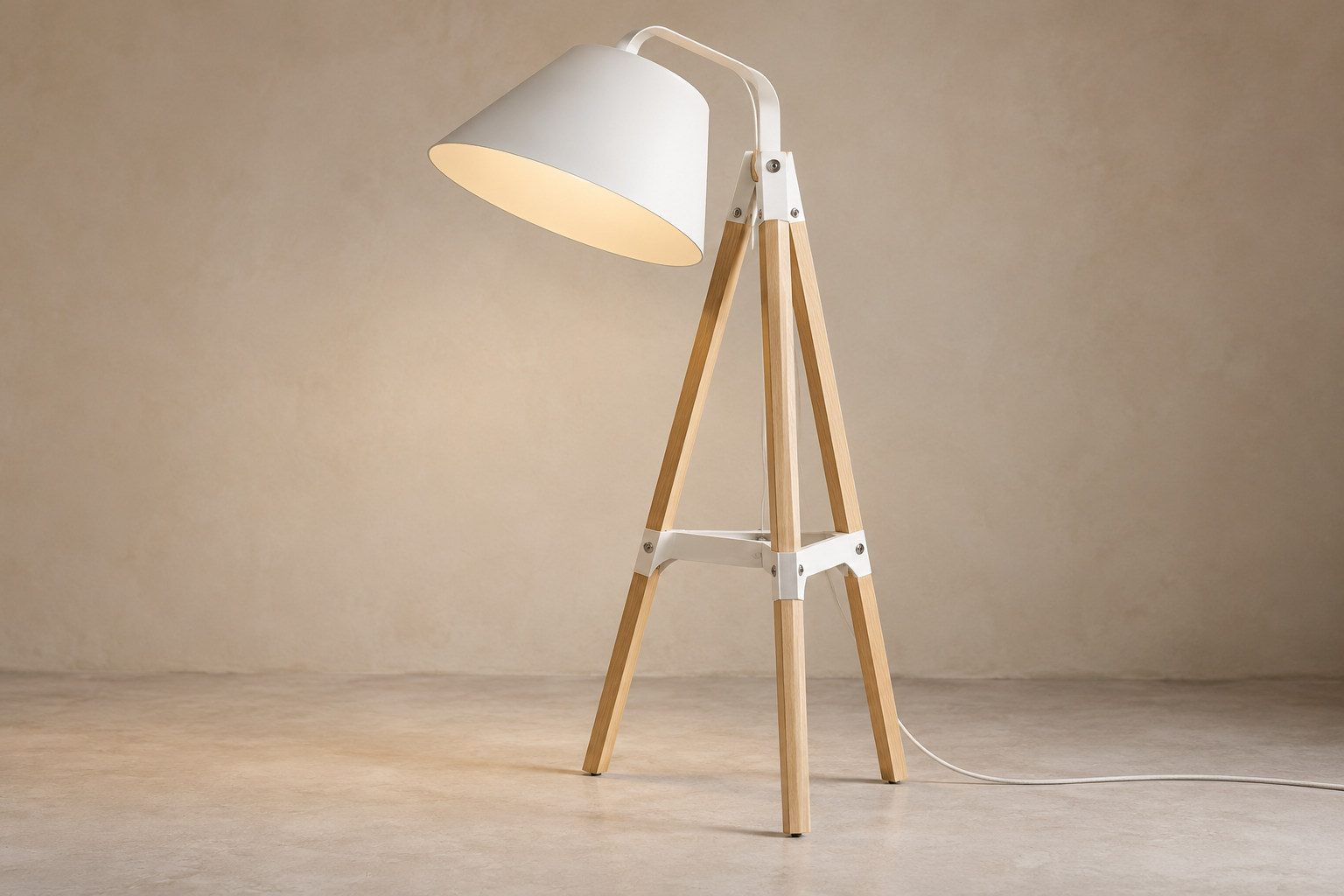
Construction Lamp Floor
Joost van Bleiswijk’s Construction Lamp turns visible screws, joints and a structural base into the visual subject of a floor light.
Objects · people · ideas
Furniture models and individual historic pieces.
Joost van Bleiswijk’s Construction Lamp turns visible screws, joints and a structural base into the visual subject of a floor light.
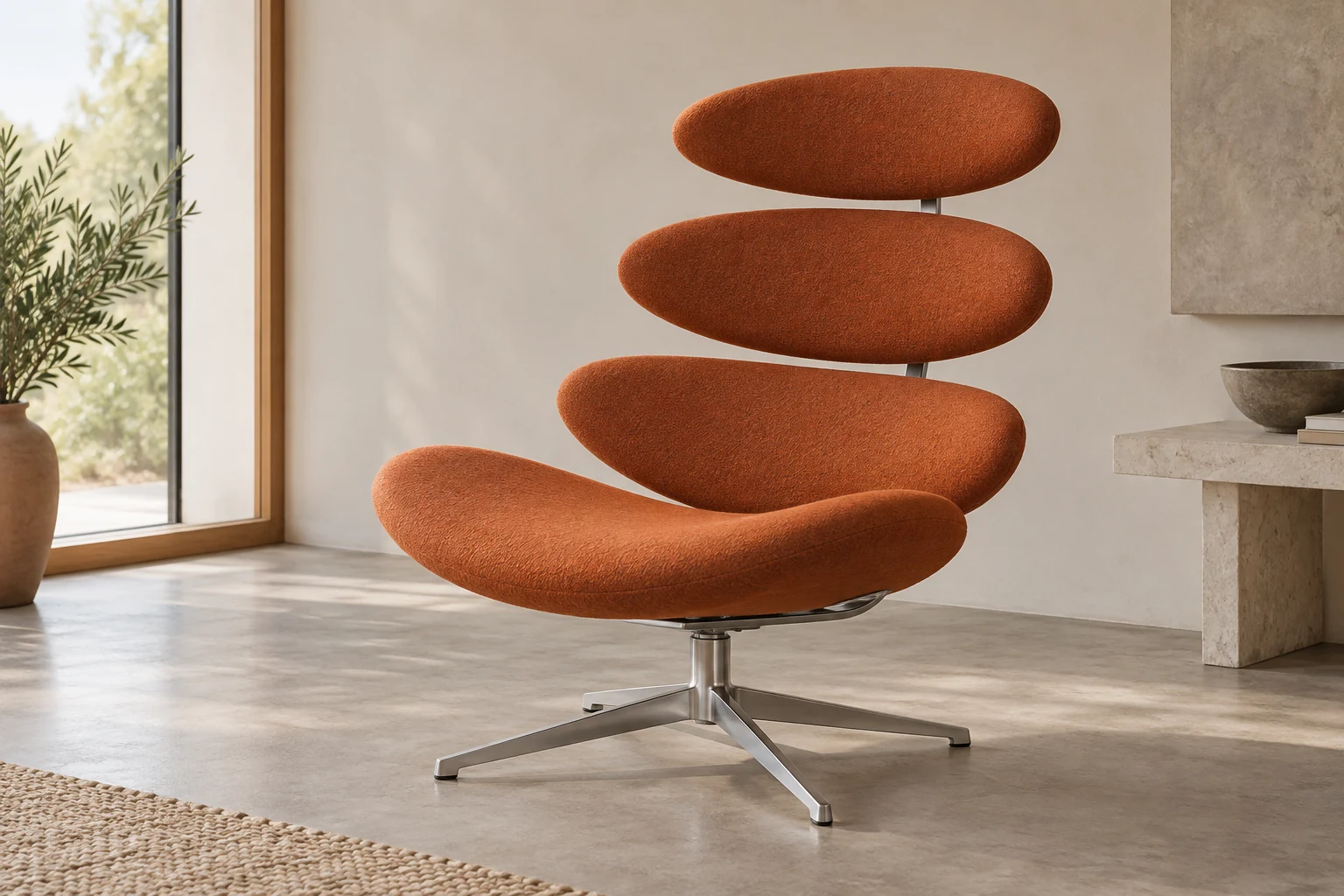
See how Poul M. Volther's Corona Chair divides one reclining body into four elliptical support zones, turning gaps and a spring-steel spine into the design.
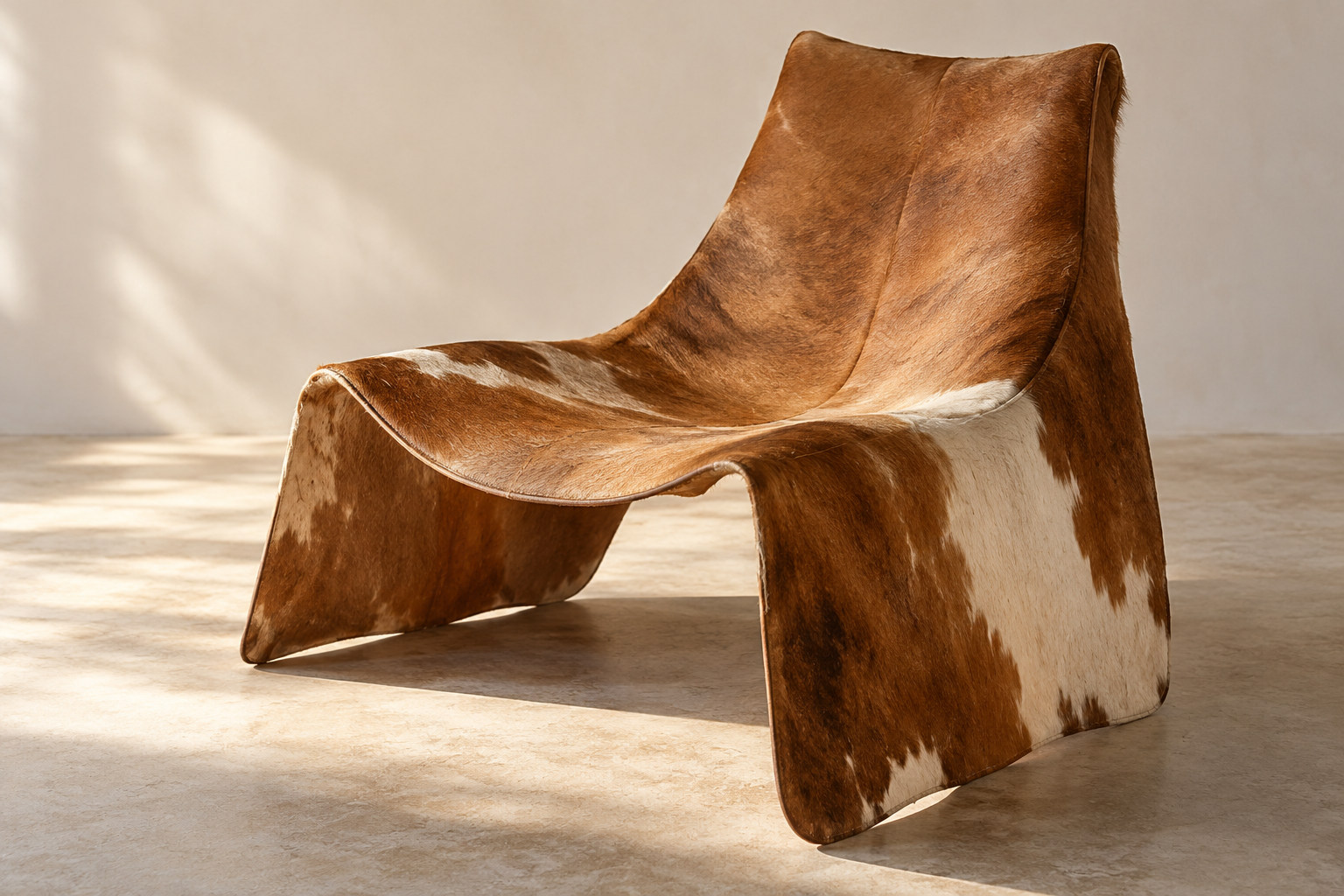
Niels van Eijk’s Cow Chair asks the hide itself to hold a furniture shape. Centraal Museum’s 1997 unicum anchors a story about changing a material’s usual role.
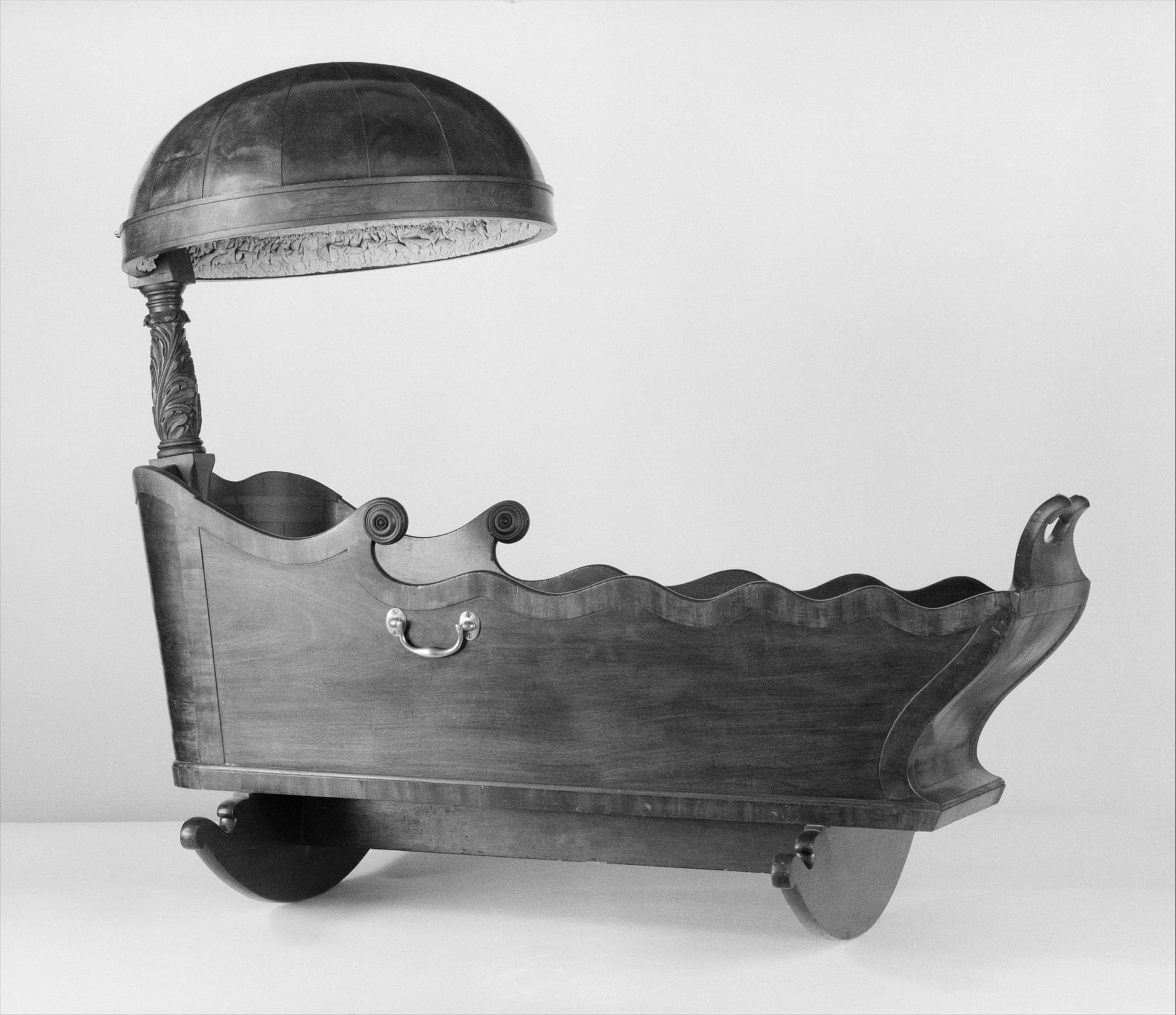
A New York cradle of 1815–20 brings late Federal taste into the nursery through a broad hood, rounded wooden enclosure and curved rockers.
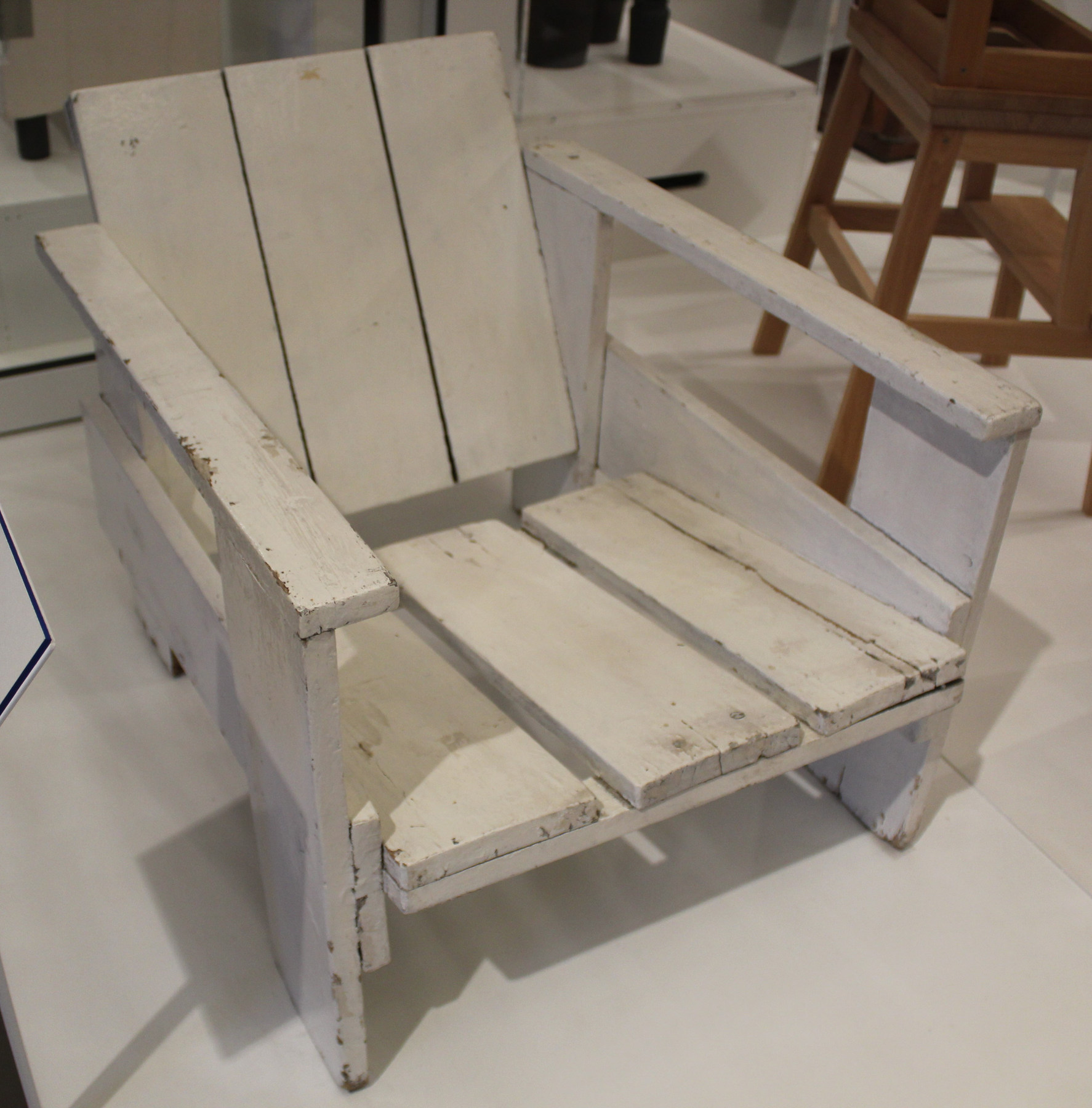
How Gerrit Rietveld’s Crate Chair connected ordinary boards, visible assembly and a different way of selling furniture.
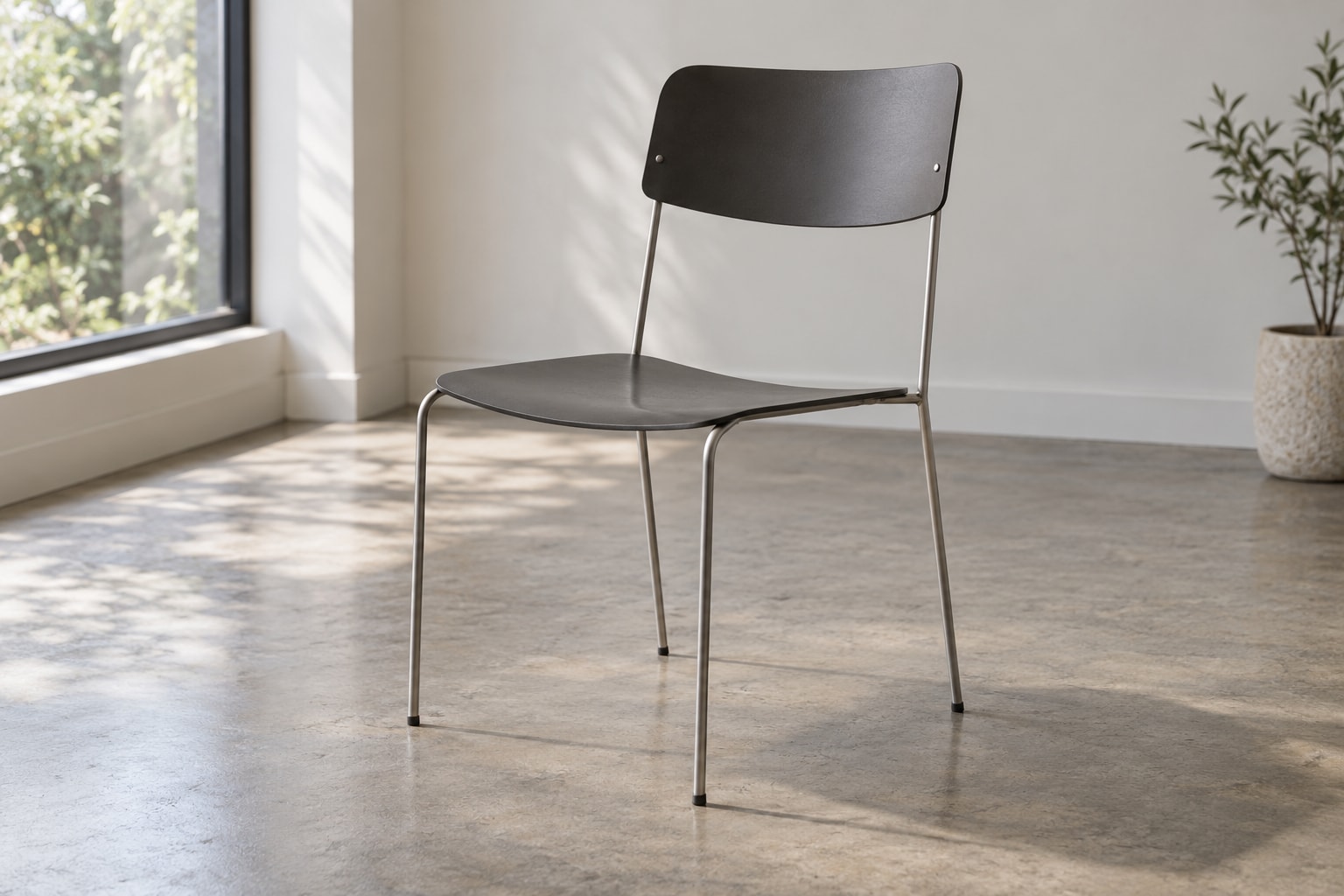
Why David Rowland’s 40/4 chair is named after a stack, how small gaps return space to a room, and what separates the 1964 steel example from later variants.
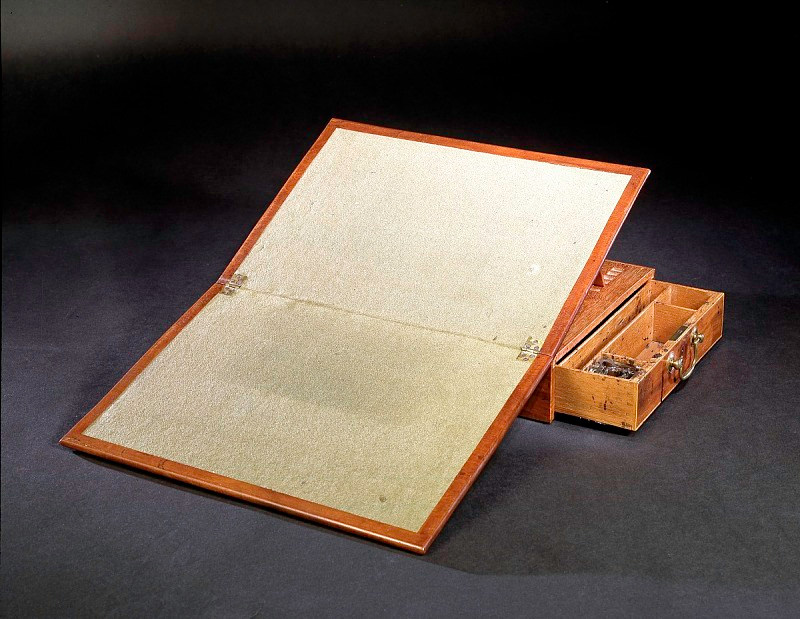
Open the small mahogany desk made by Benjamin Randolph for Thomas Jefferson, then follow its journey from a working tool to a replacement wedding gift.
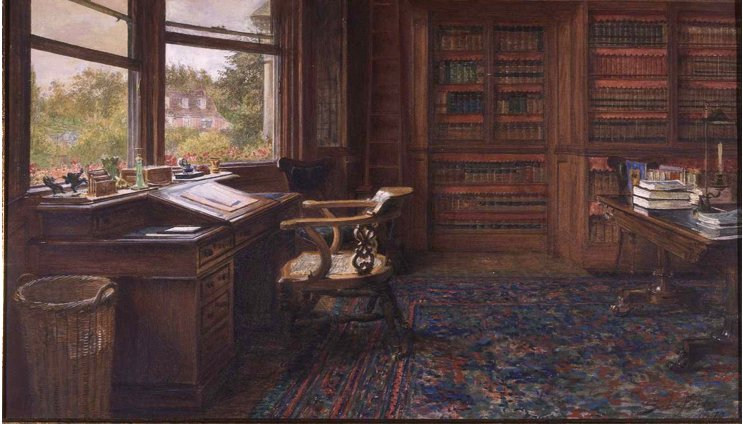
Explore Dickens’s surviving Gad’s Hill desk and chair, the manuscripts around their history, and the empty study that became an image of memory.
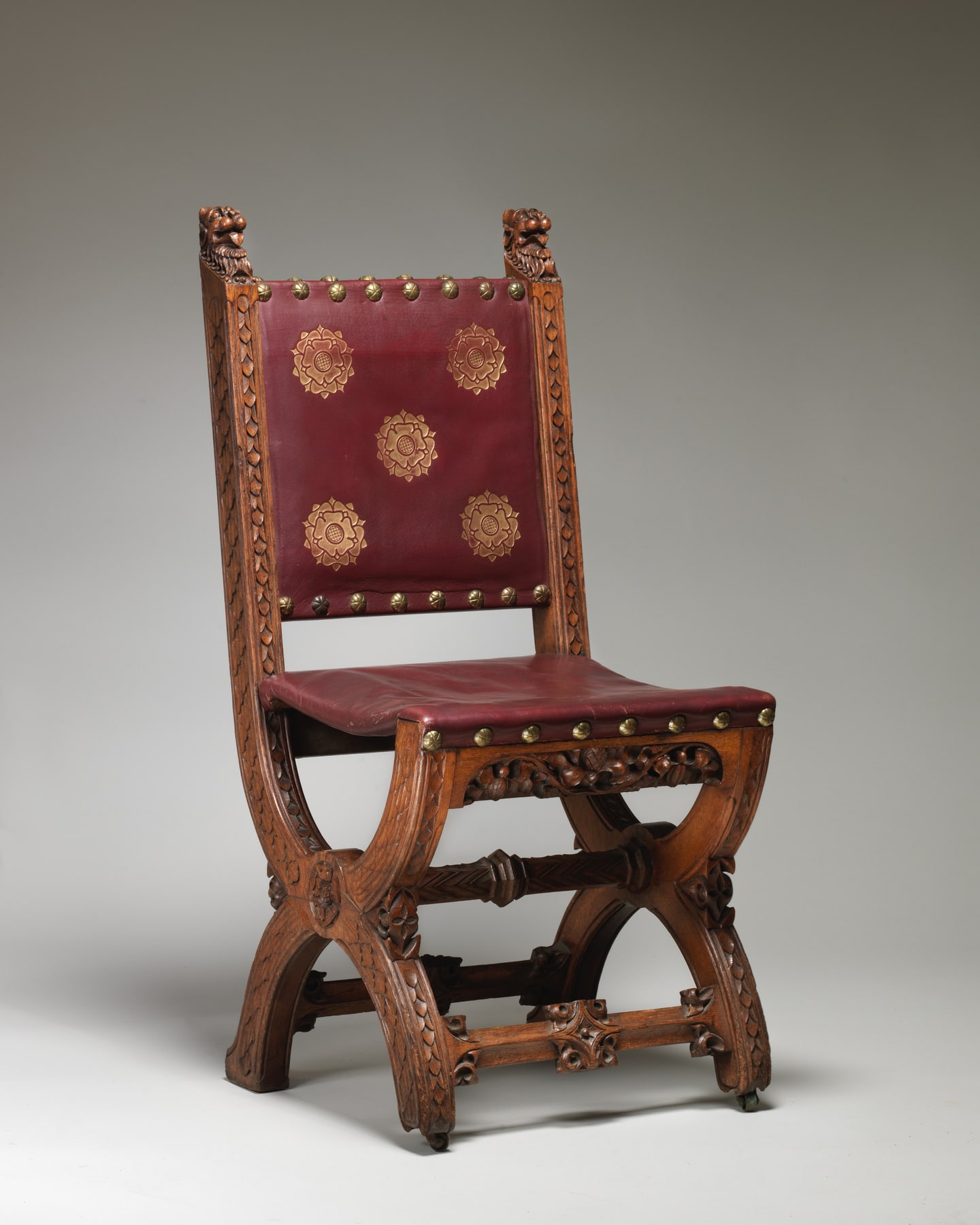
Made in 1859 after Pugin’s death, a Speaker’s House chair separates design from manufacture. Its oak X-frame helps explain the afterlife of a Gothic interior.
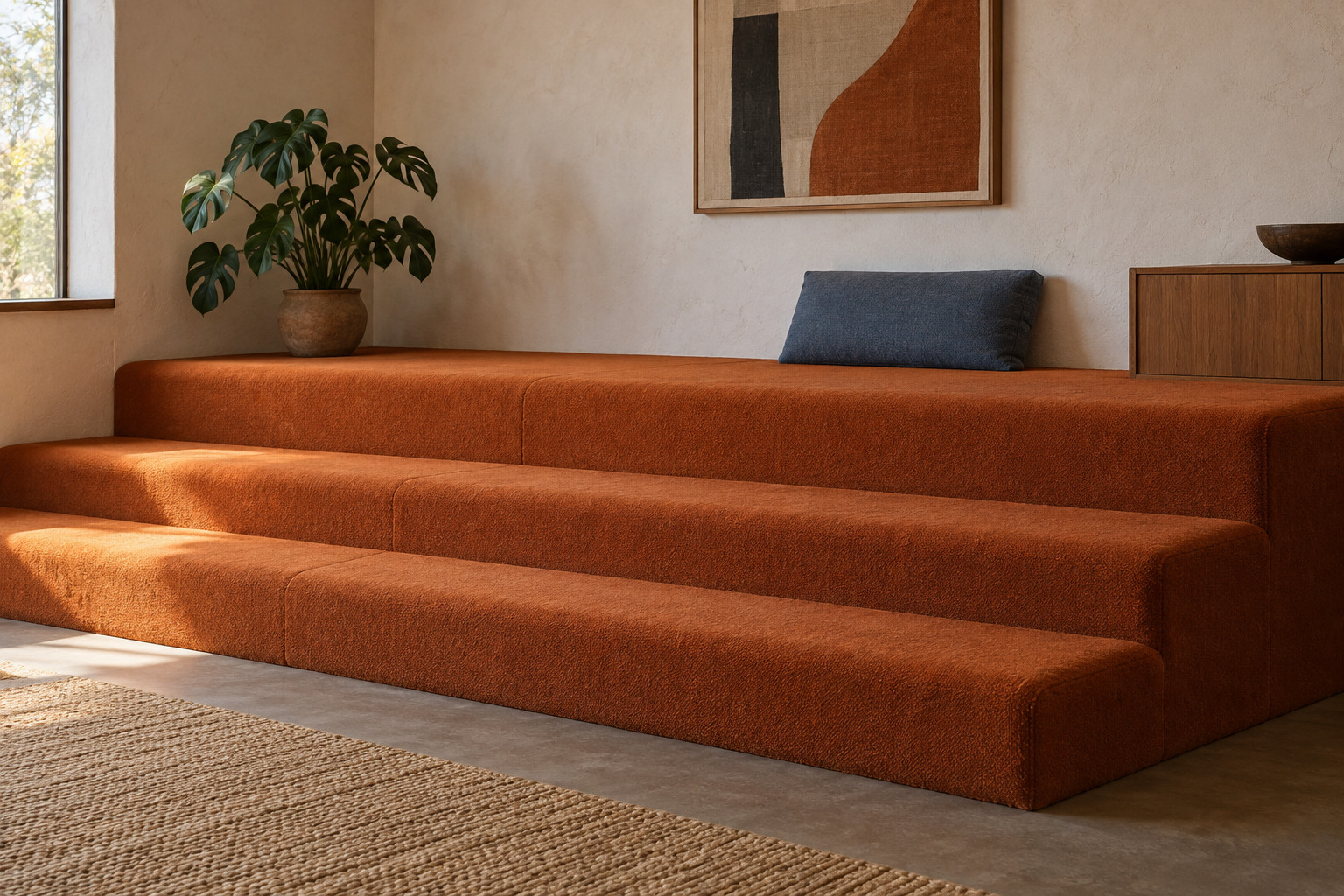
Explore Nanna Ditzel’s upholstered landscapes and Hallingdal textile: furniture that lets the body choose its own place in a room.
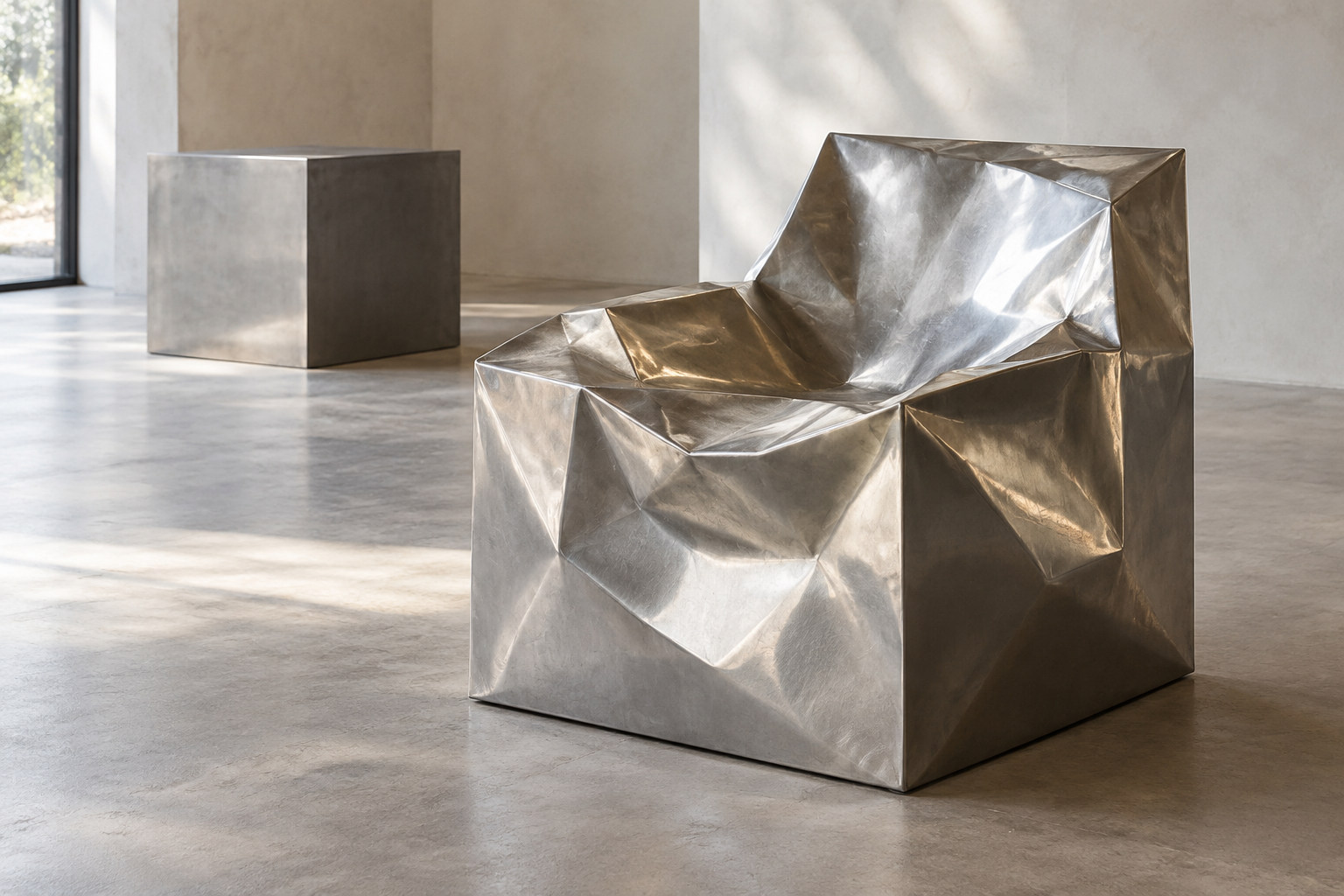
Marijn van der Poll’s Do Hit gives the owner a role in its final form. Museum records distinguish the 2000 design from the later shaping of individual steel examples.
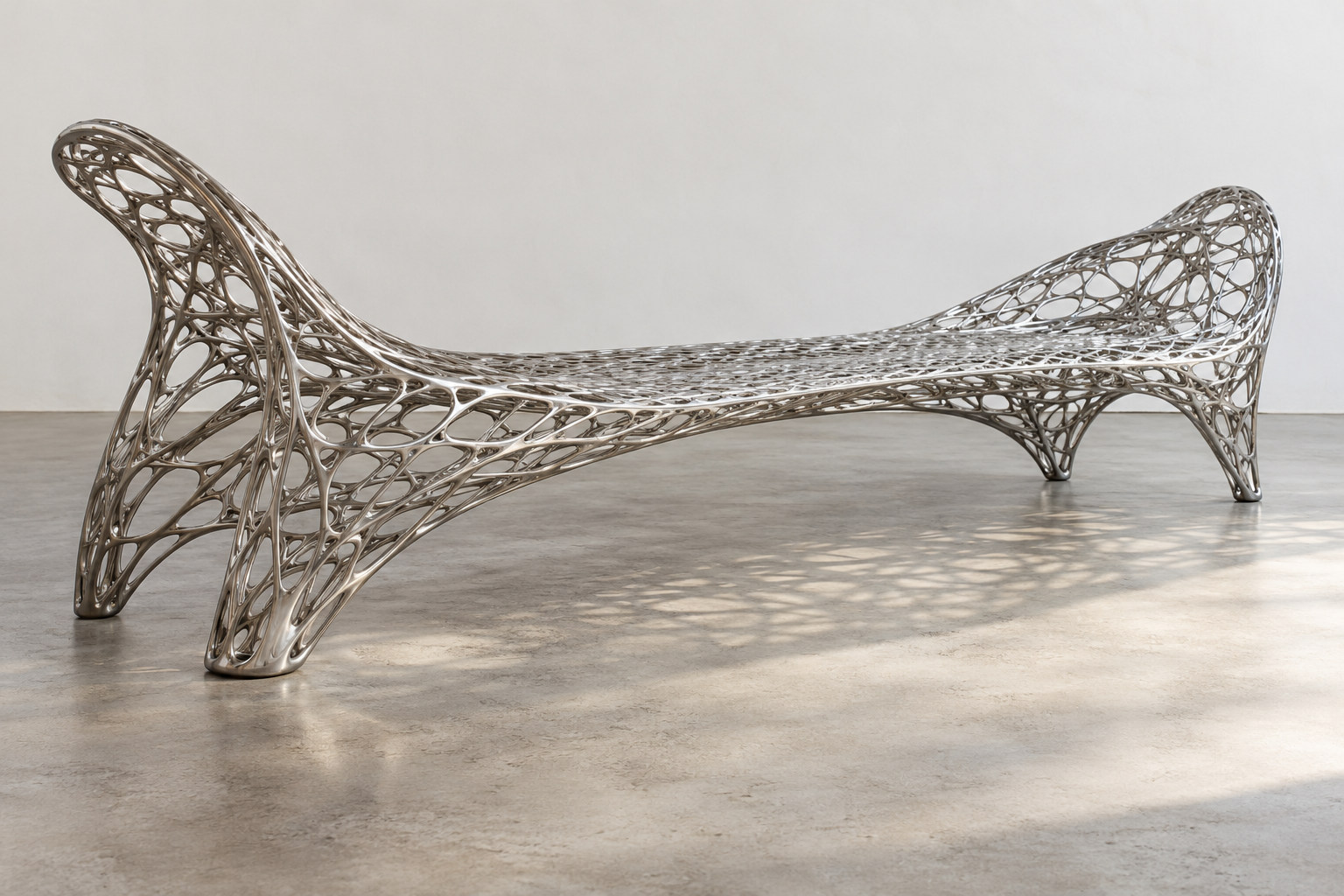
Joris Laarman’s Dragon Bench explores robotic metal deposition through an open steel lattice. Museum records distinguish its 2014 prototype from later, differently catalogued examples.
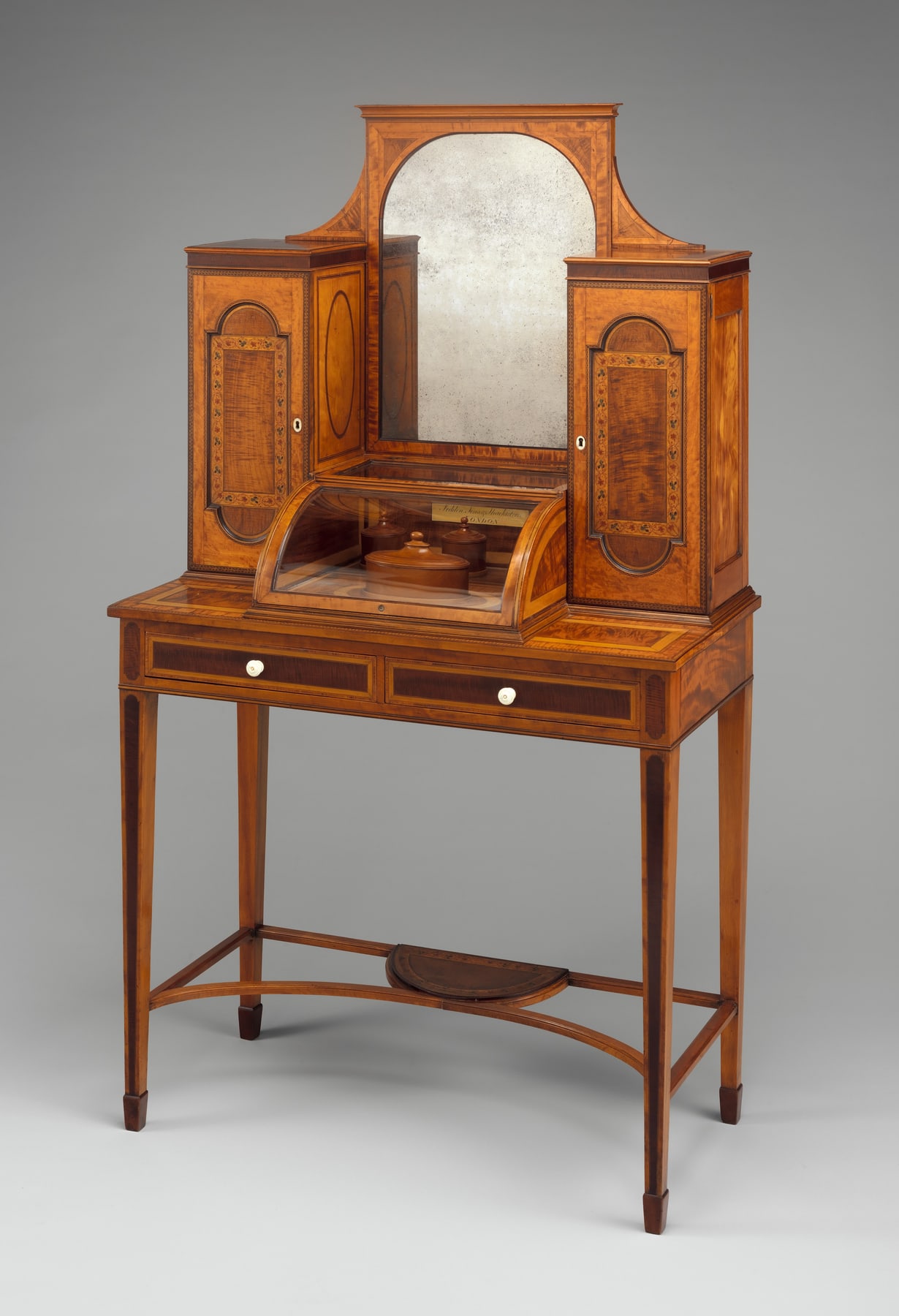
A compact London dressing table by Seddon, Sons and Shackleton organises a mirror, cupboards, containers and legroom around the person sitting before it.
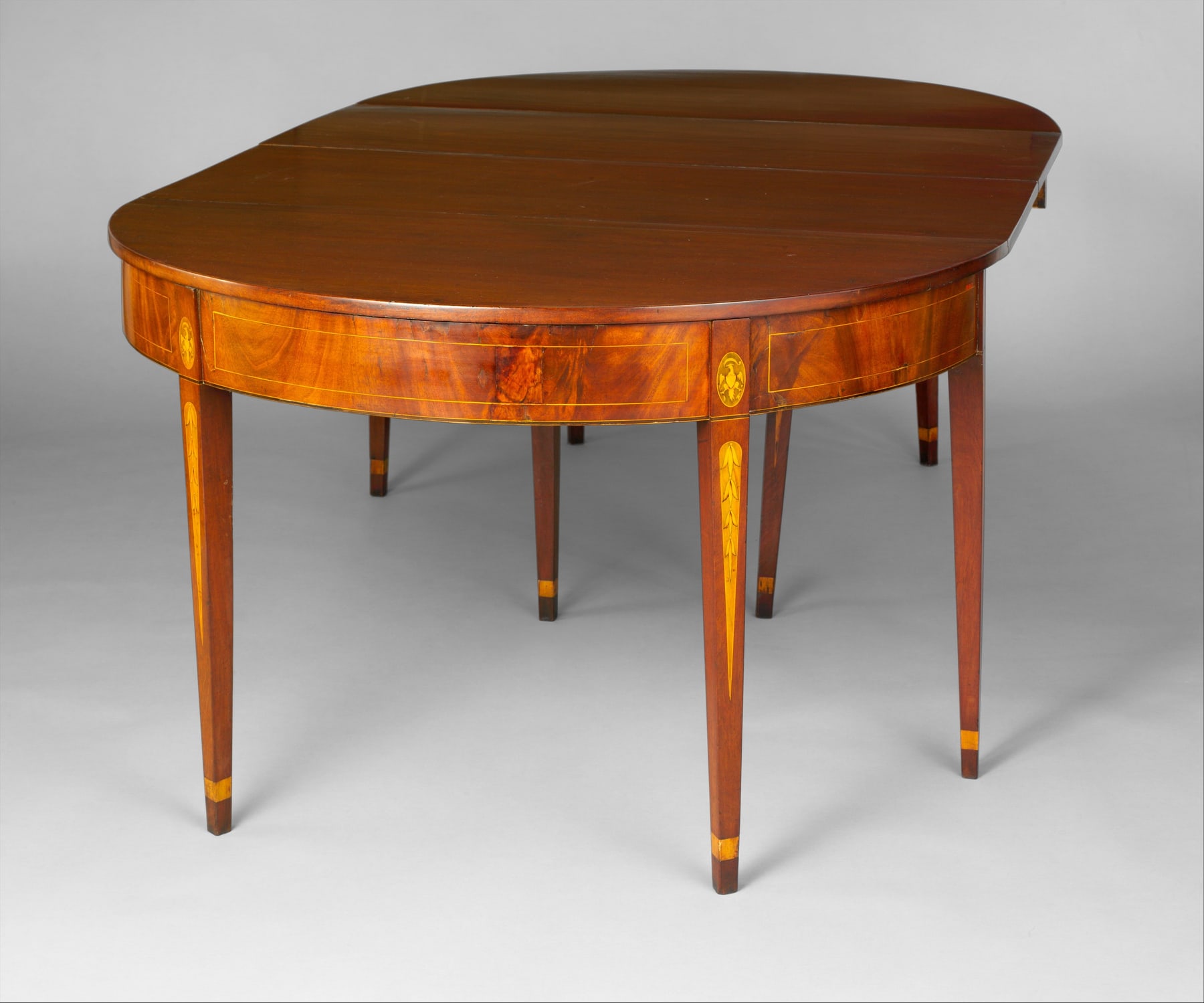
A Baltimore dining table divides into two demilune sections. See how hinged leaves let one piece of dining furniture occupy a room in several different ways.
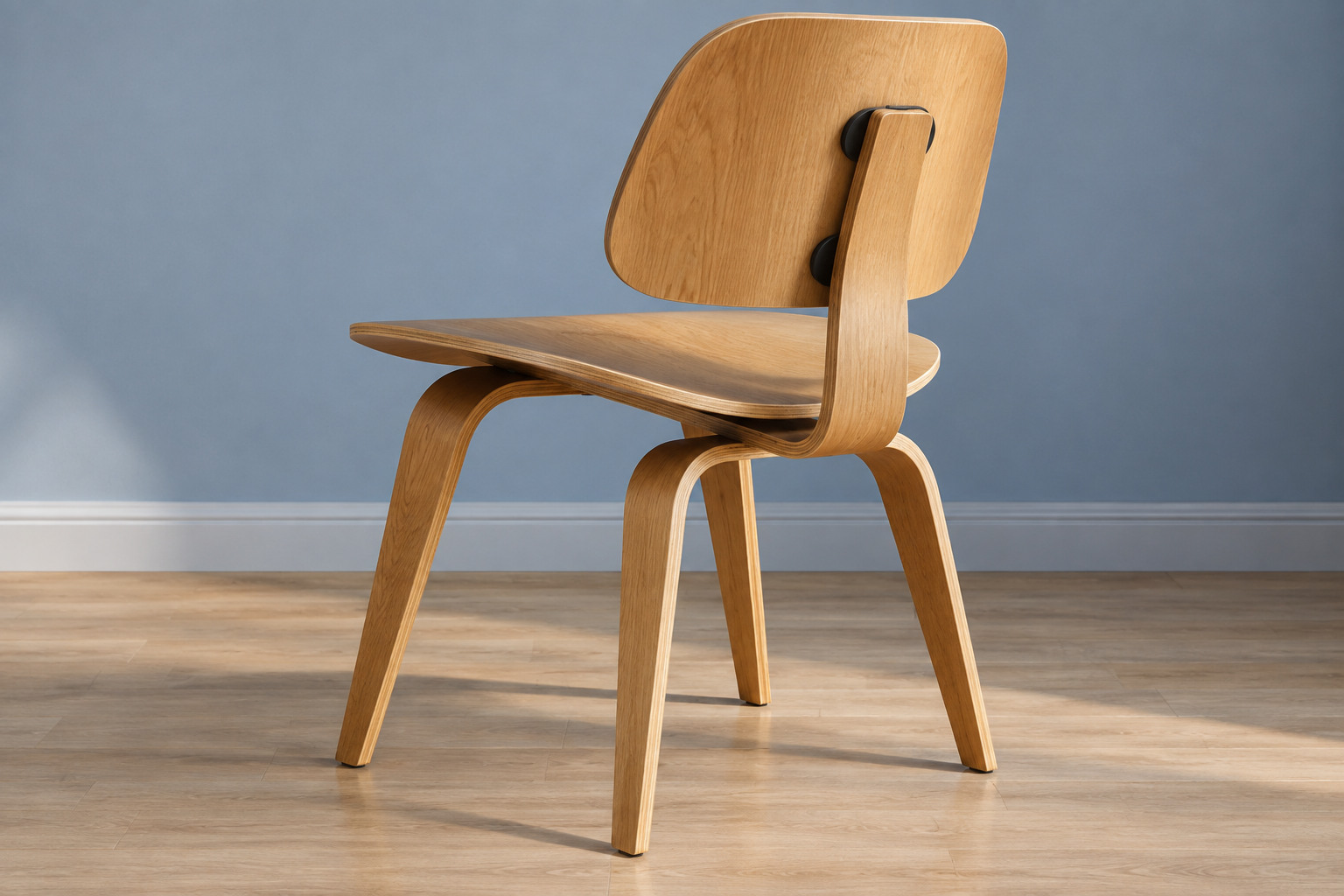
See how Charles and Ray Eames turned the limits of moulded plywood into DCW’s separate seat and back, joined through resilient rubber mounts.
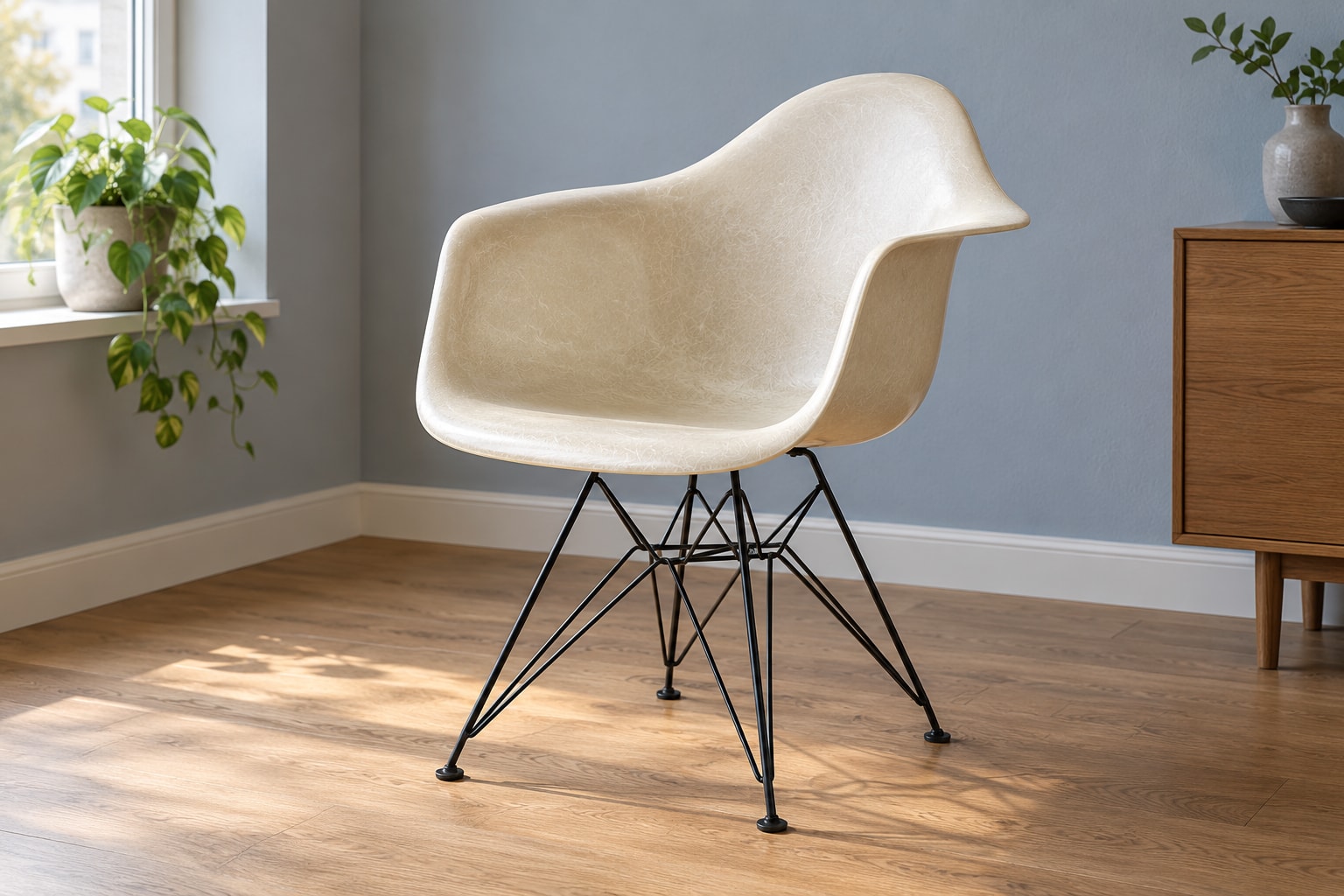
How Charles and Ray Eames developed a family of moulded shell chairs, why one seat can use different bases, and how early fibreglass differs from later plastics.
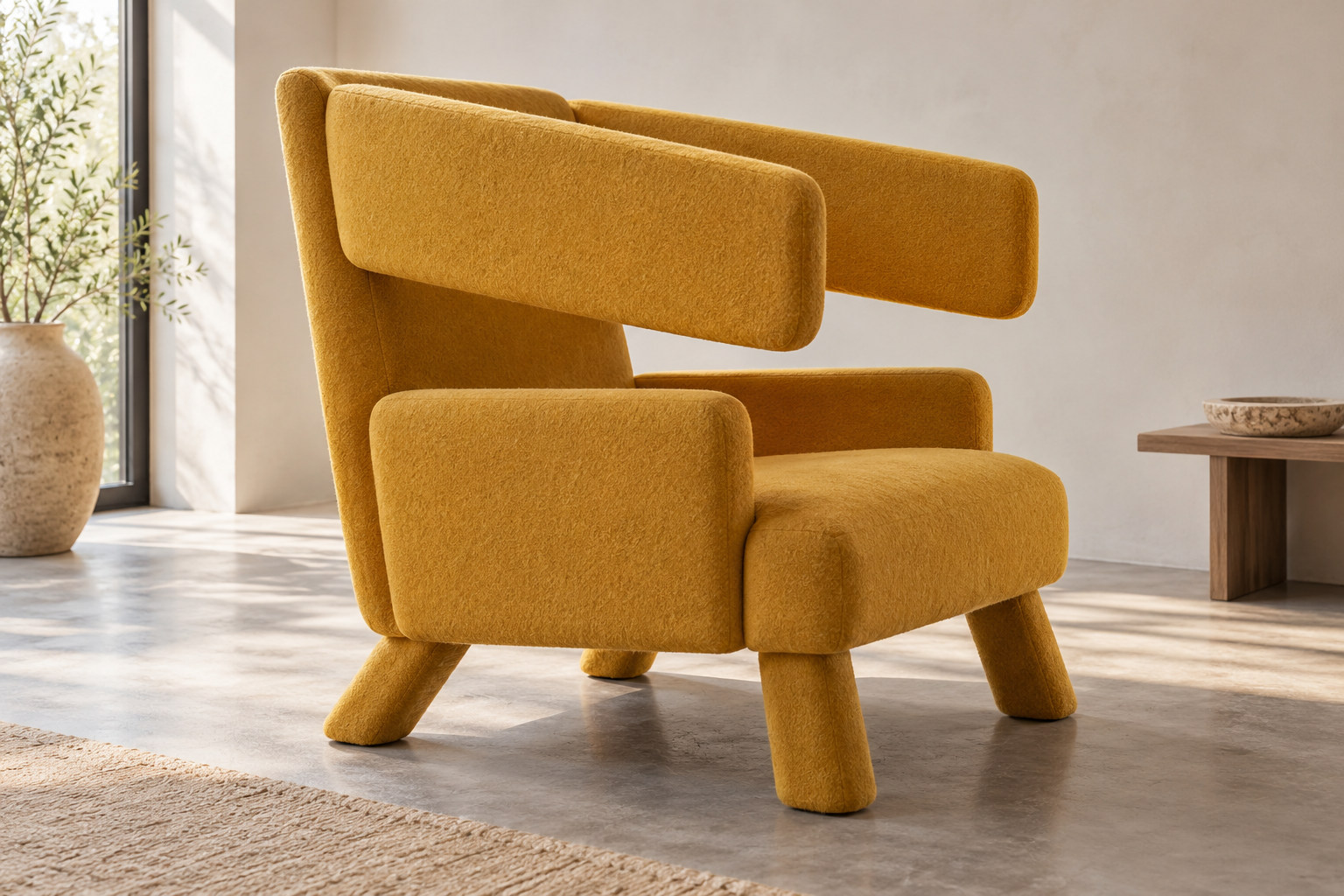
The EarChair extends its upholstered sides to suggest a small conversational place. Its direction matters as much as its footprint.
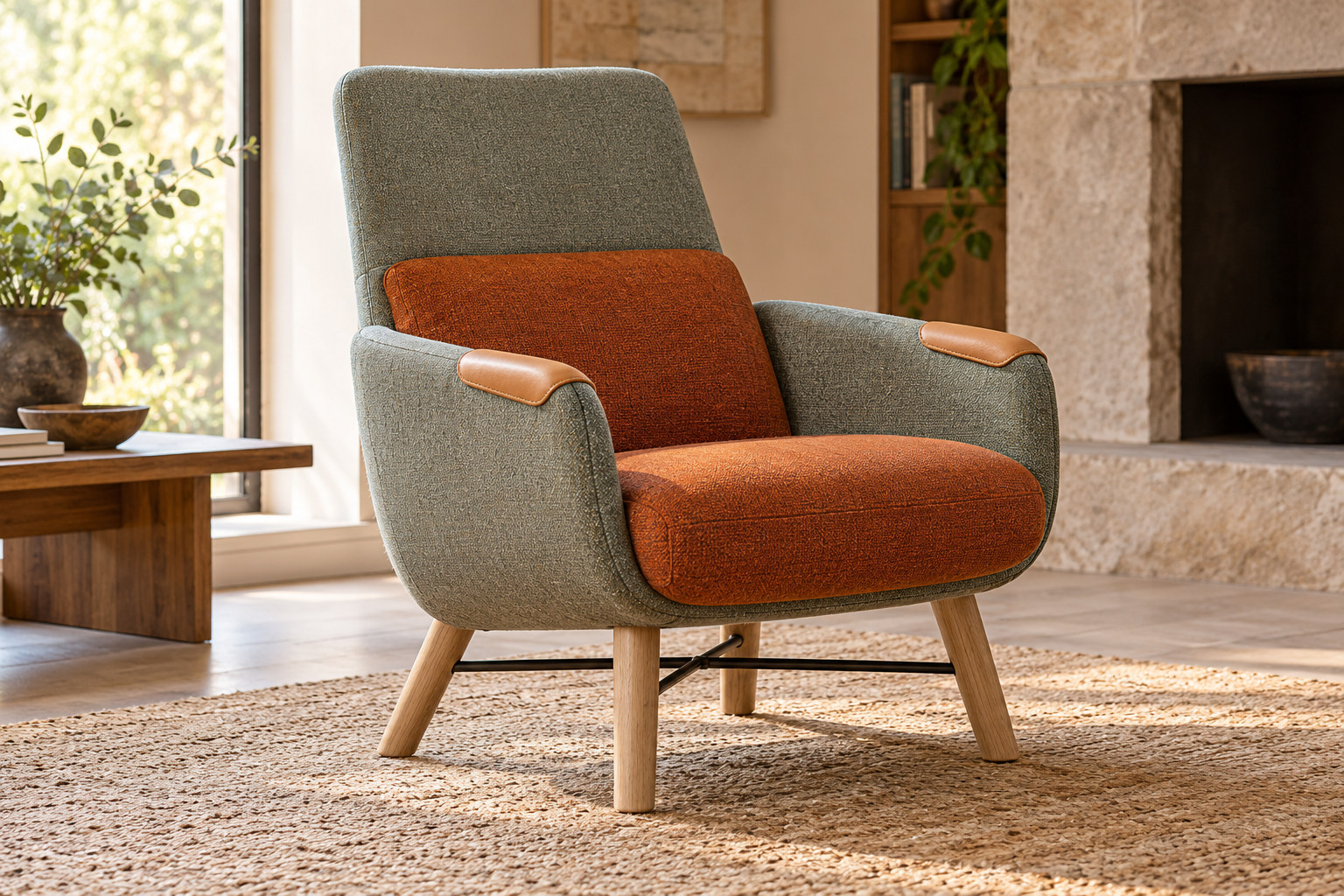
Hella Jongerius’s East River Chair gives fabric, leather, wood and metal distinct roles. Its colour differences help the parts remain legible.
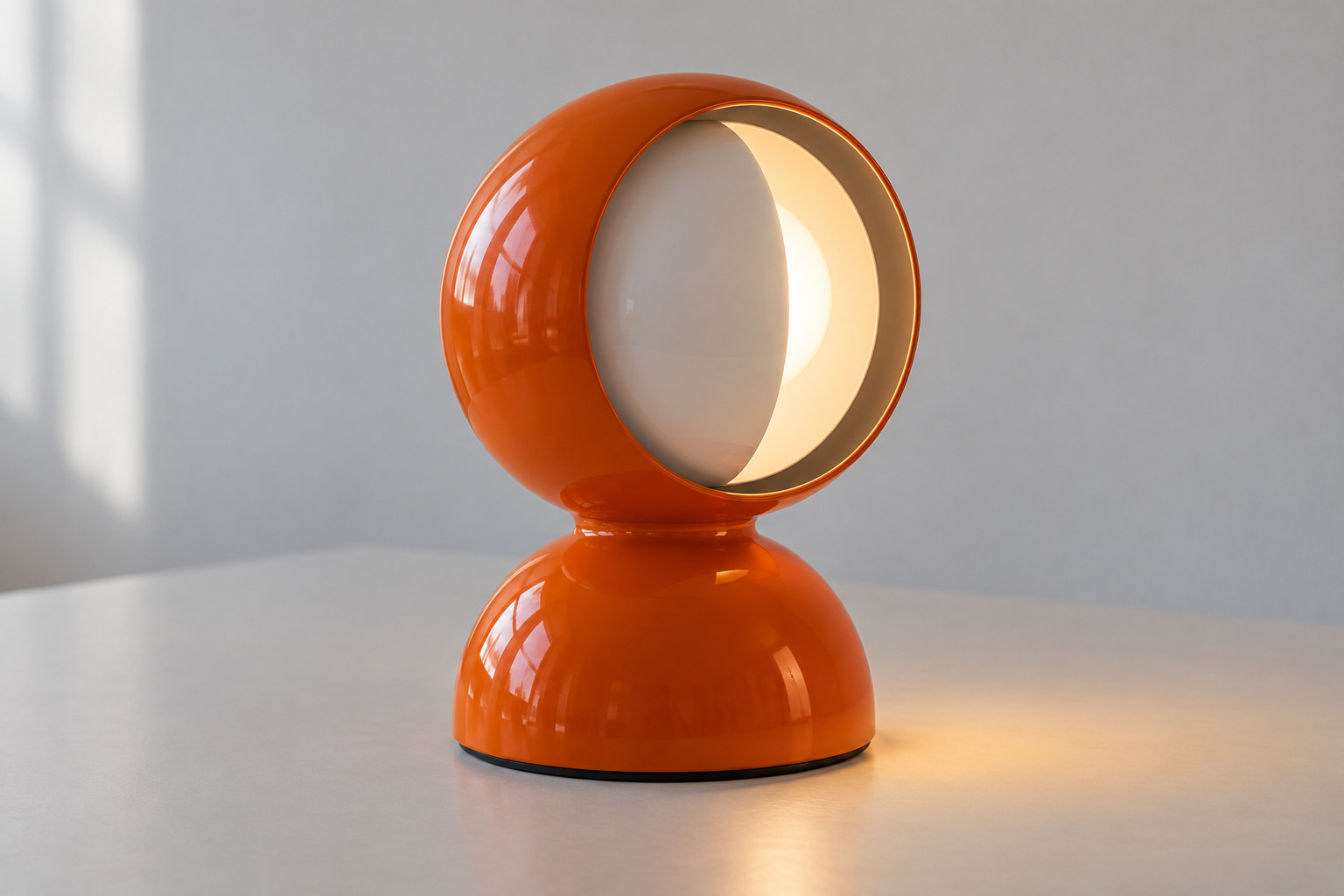
Turn the inner shade of Vico Magistretti’s Eclisse lamp and discover a simple light-control idea linked to the dark lantern in Les Misérables.
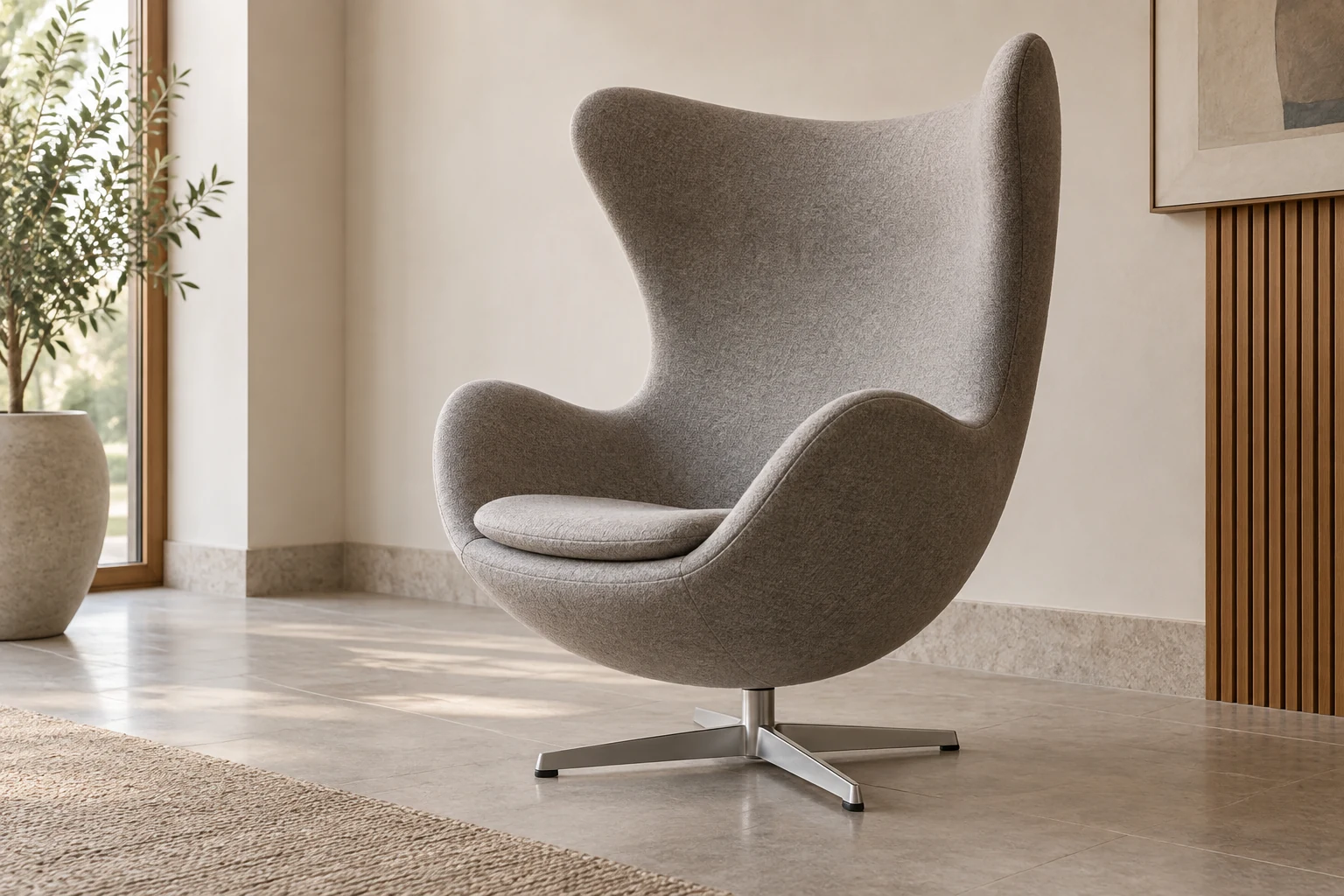
See how Arne Jacobsen's 1958 Egg Chair used a padded moulded shell to create privacy, focus and small social enclaves inside the SAS Royal Hotel lobby.
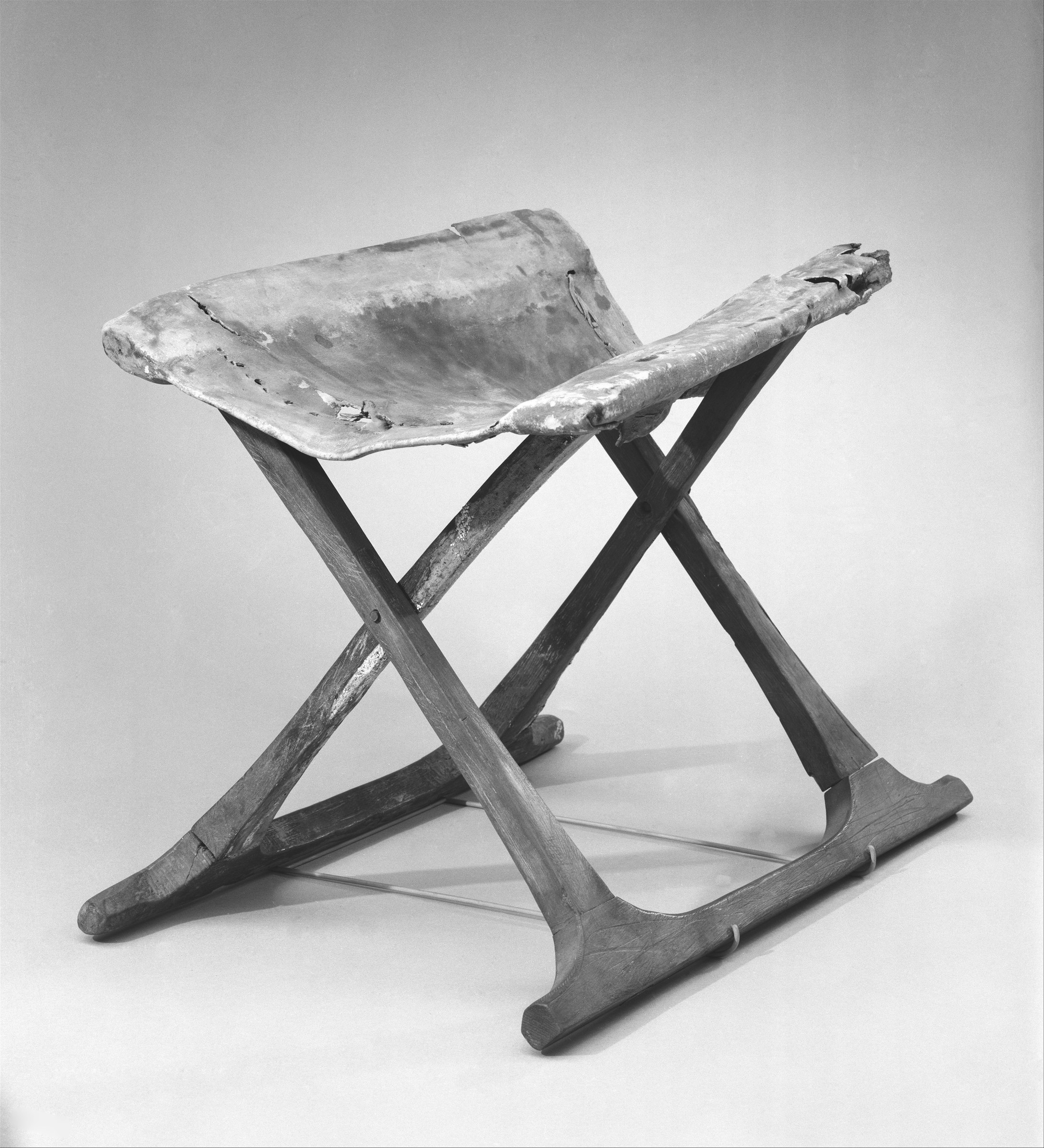
Look through the leather and crossed frame of Egyptian Folding Stool 12.182.58 to see how portable geometry could also become a visible language of dignity and office.
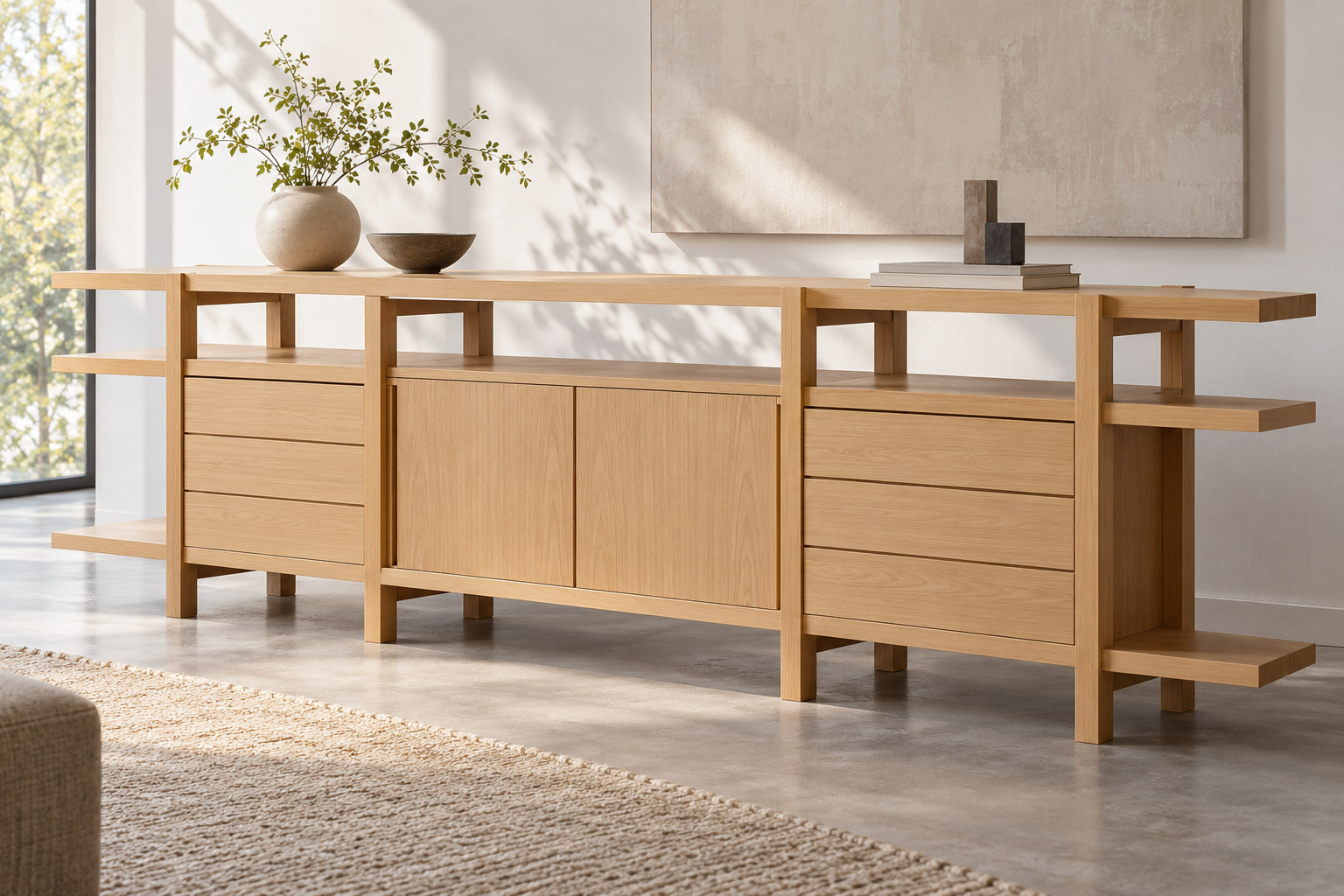
The Elling sideboard separates rails, drawers and doors into a visible framework. Rietveld’s 1919 design has a history of loss, reconstruction and later production.
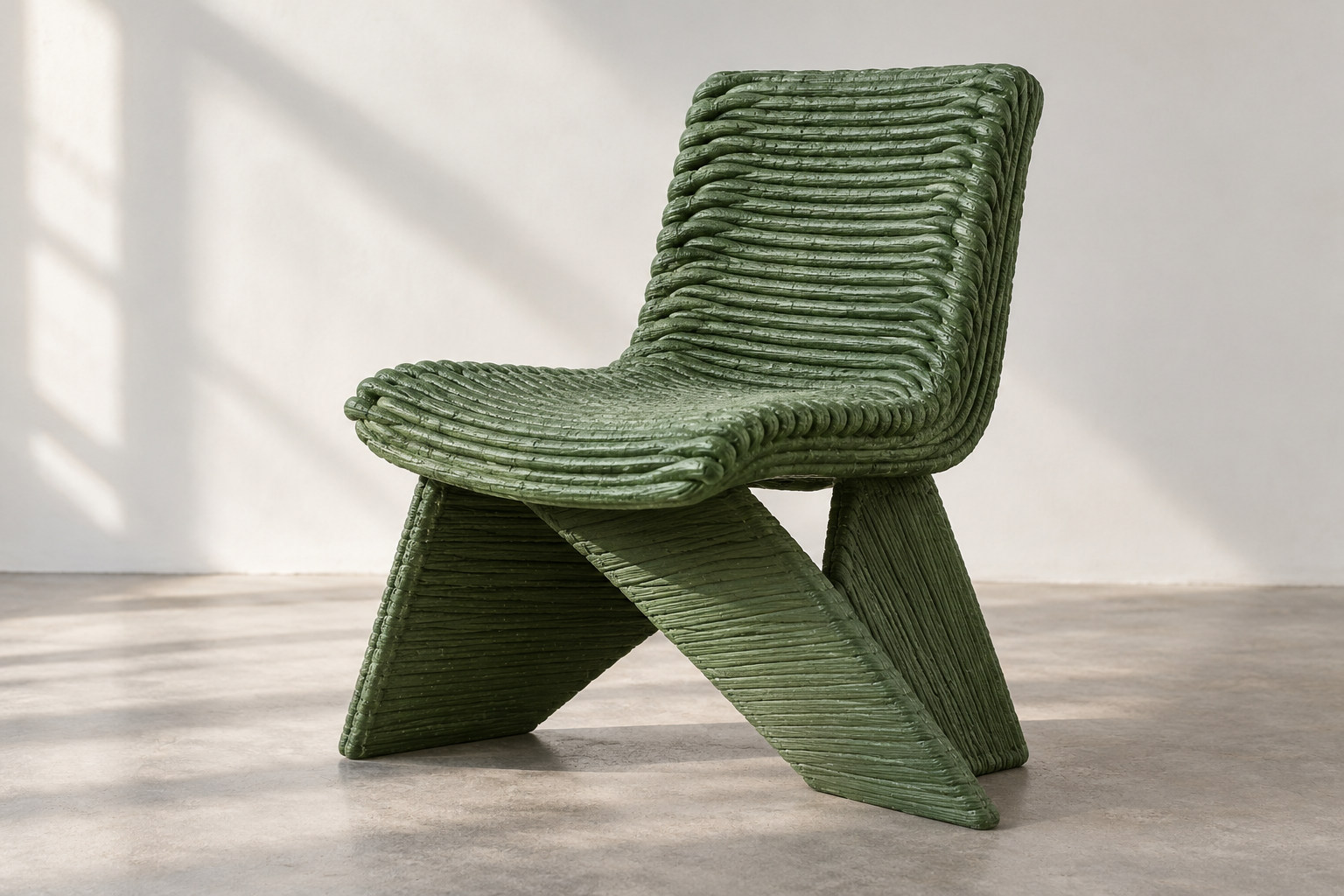
Dirk Vander Kooij’s Endless chair makes its robotic production visible in thick layers, connecting a familiar seat with a specific history of reclaimed plastic.
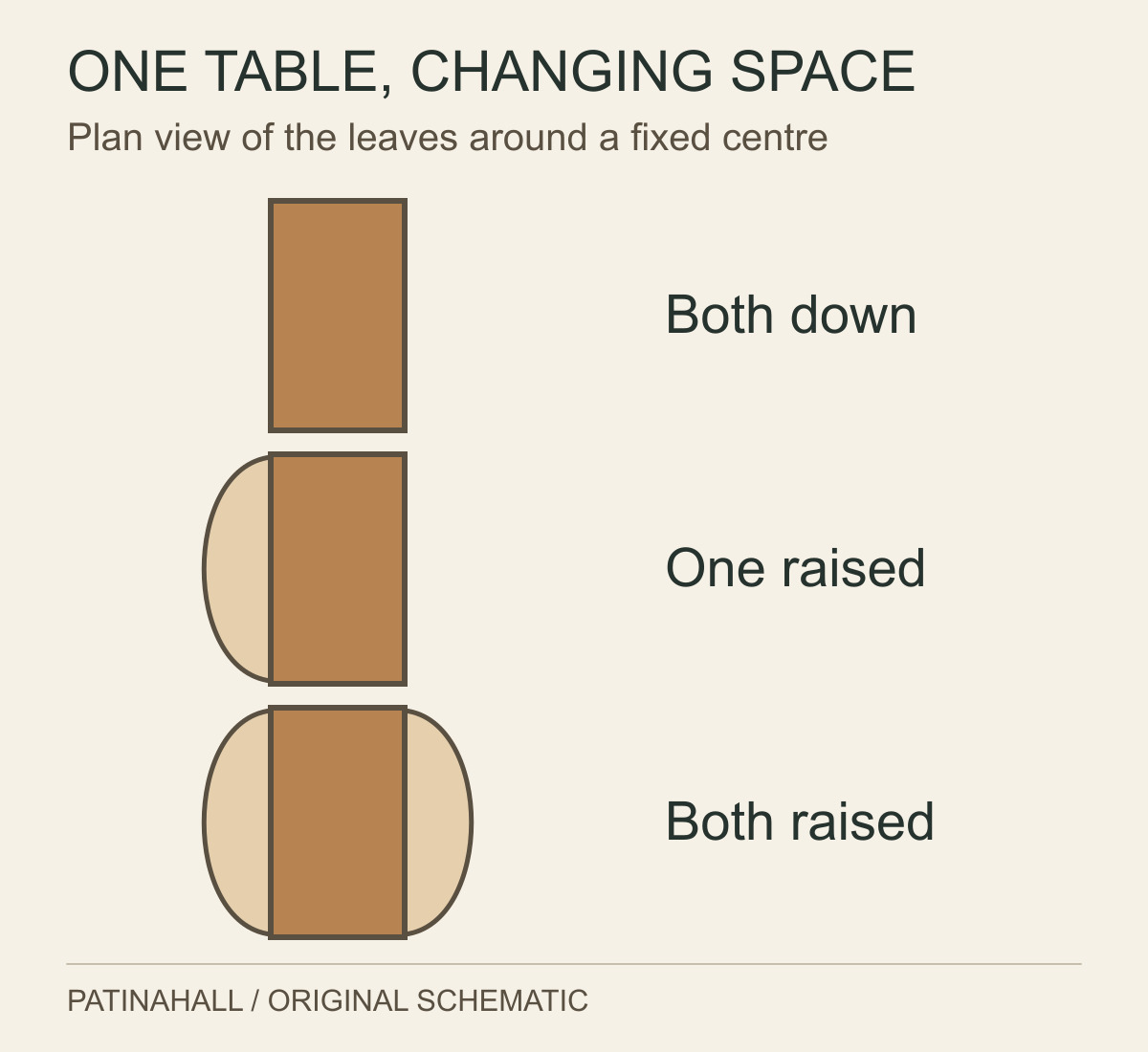
How Ercol's drop-leaf dining table changes its footprint, what supported the vintage 384 leaves, and how its catalogue dimensions differ from today's 7384.