Historic object
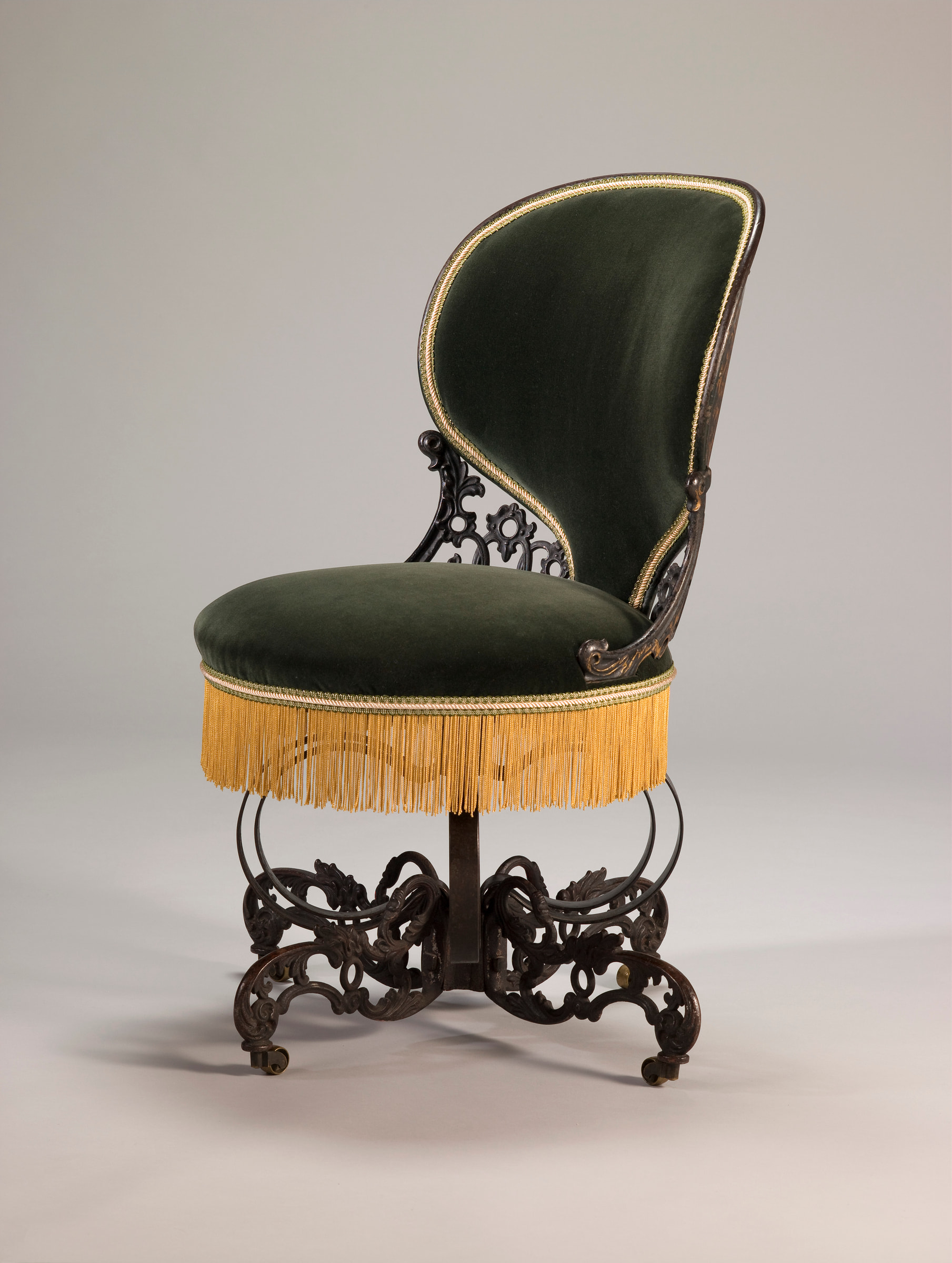
Warren Centripetal Spring Chair 147:1965
Look beneath the velvet and fringe of Warren’s Centripetal Spring Chair 147:1965 to see how crossed leaf springs, a central support and casters made furniture move.
Objects · people · ideas
Furniture models and individual historic pieces.
Look beneath the velvet and fringe of Warren’s Centripetal Spring Chair 147:1965 to see how crossed leaf springs, a central support and casters made furniture move.
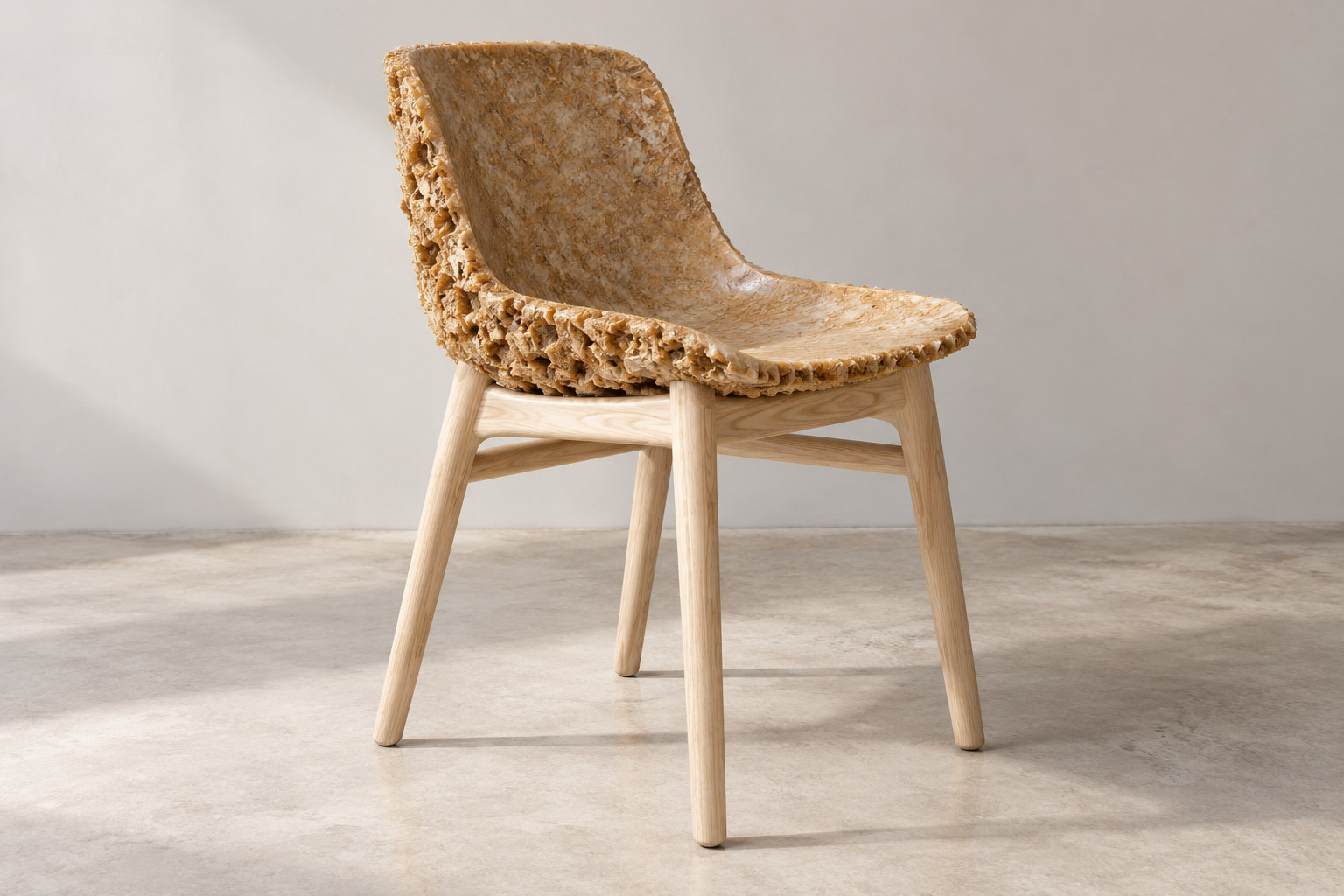
Marjan van Aubel and James Shaw’s Well Proven Chair brings workshop shavings into a shaped seating material, in contrast with its recognisable timber support.
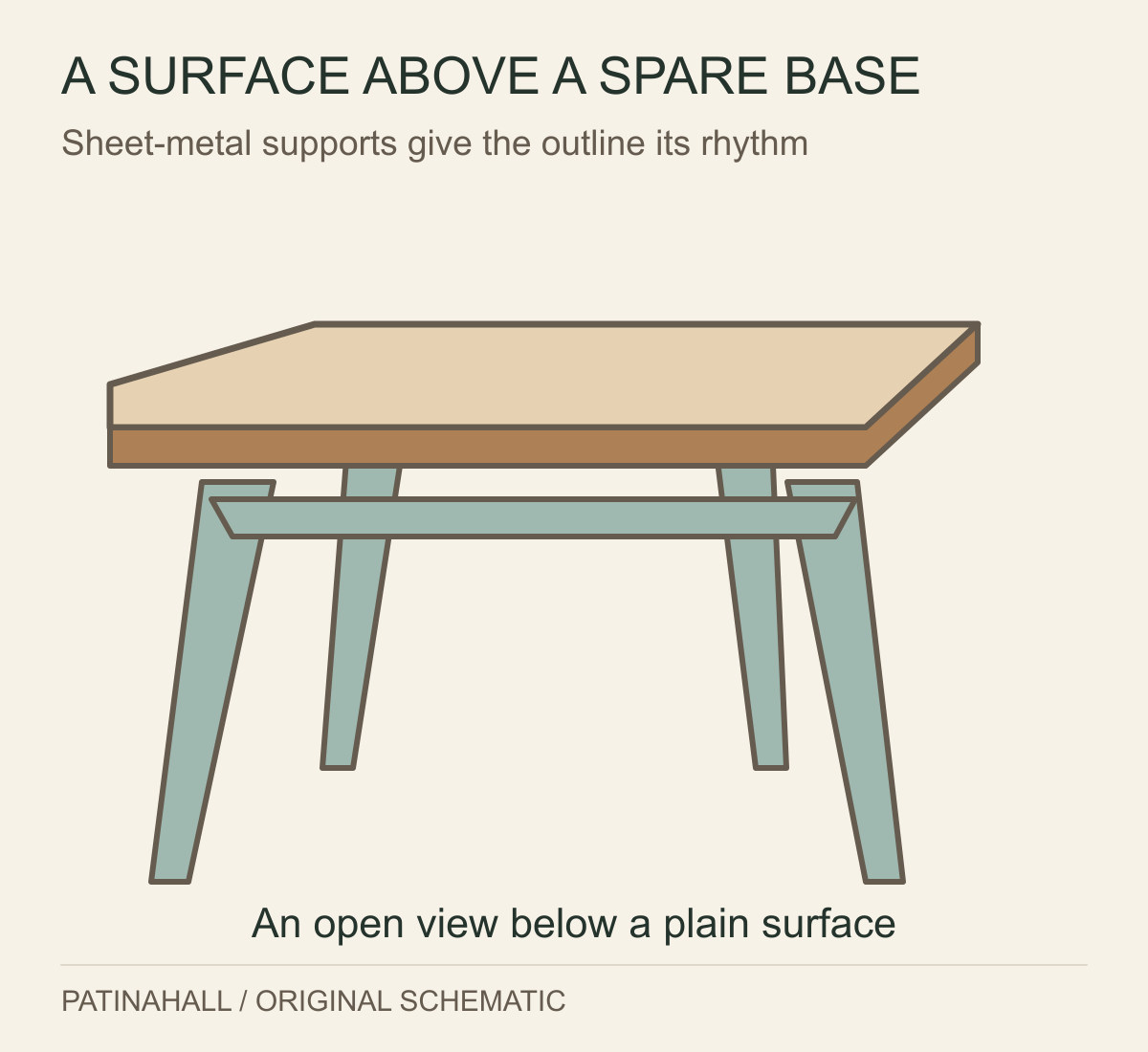
A Pyramid table can look like something remembered from school. Wim Rietveld’s spare steel base belongs to furniture made for repeated daily use, and that useful simplicity travels easily into a home.
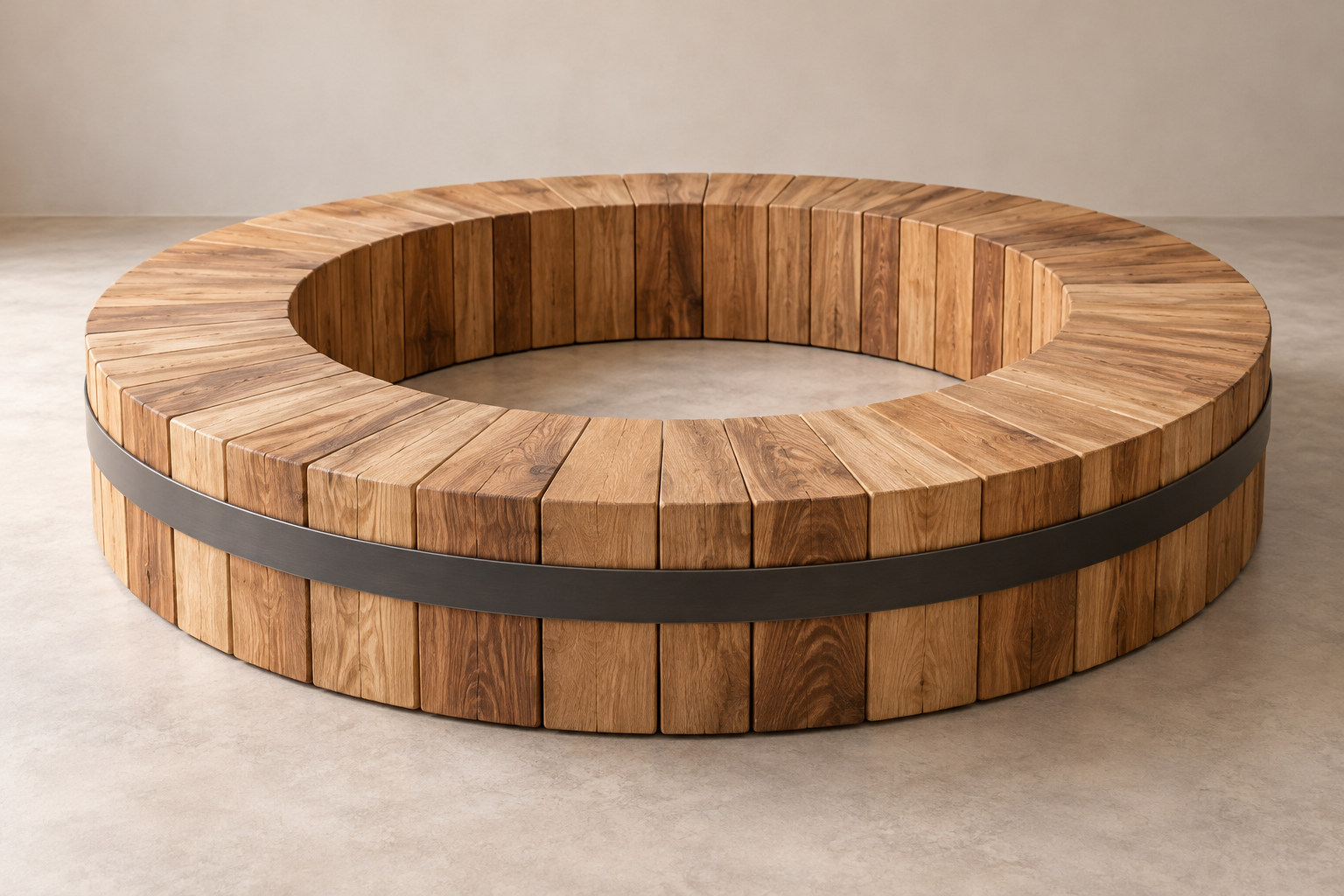
Chris Kabel’s Wood Ring uses a circular timber seat to create an inward shared space. Its grain and retaining metal belt make the material arrangement visible.
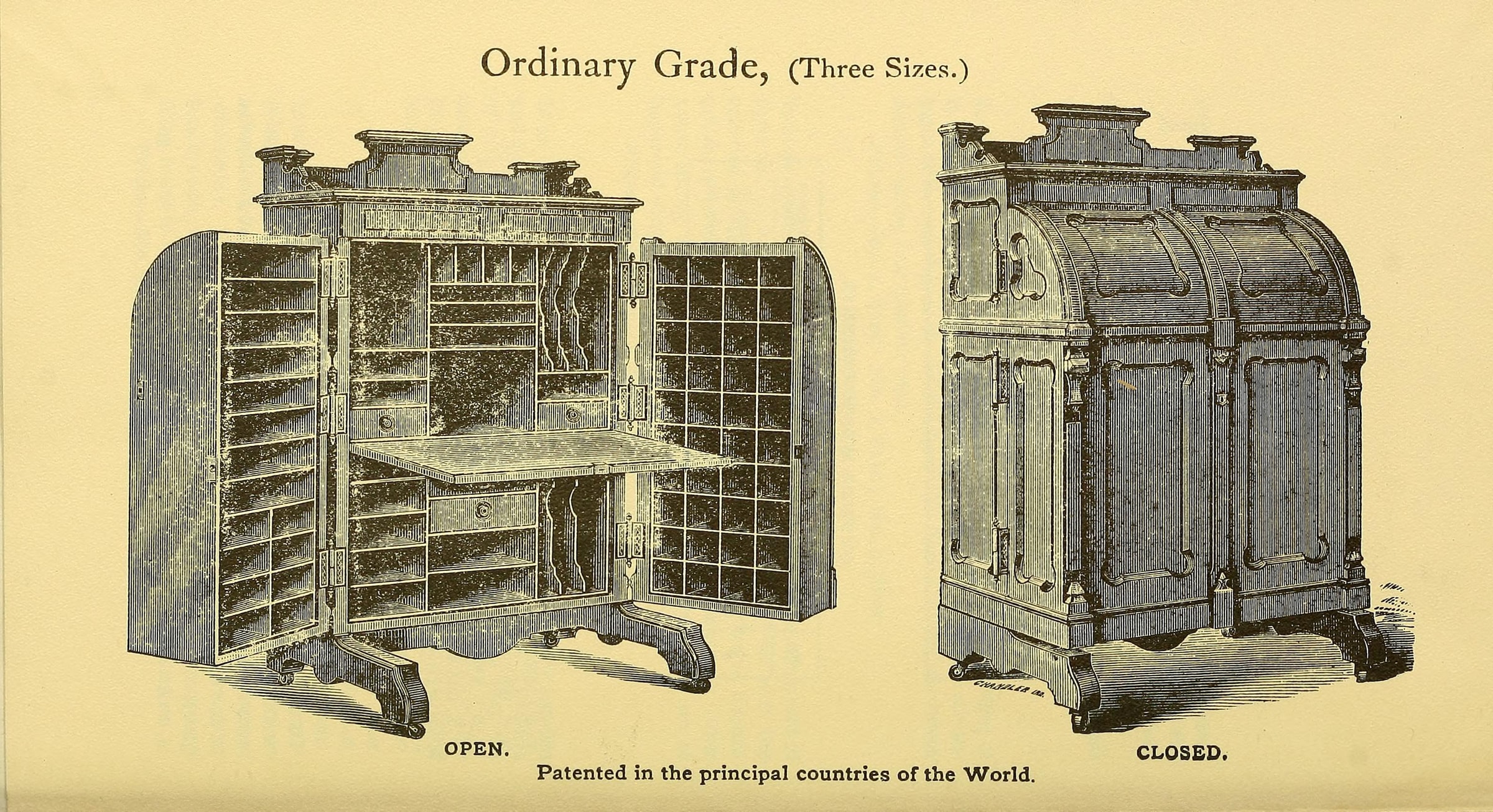
Open William S. Wooton’s 1874 patent secretary to see how hinged filing wings, a writing leaf, grades and locks compressed a Victorian office into one cabinet.
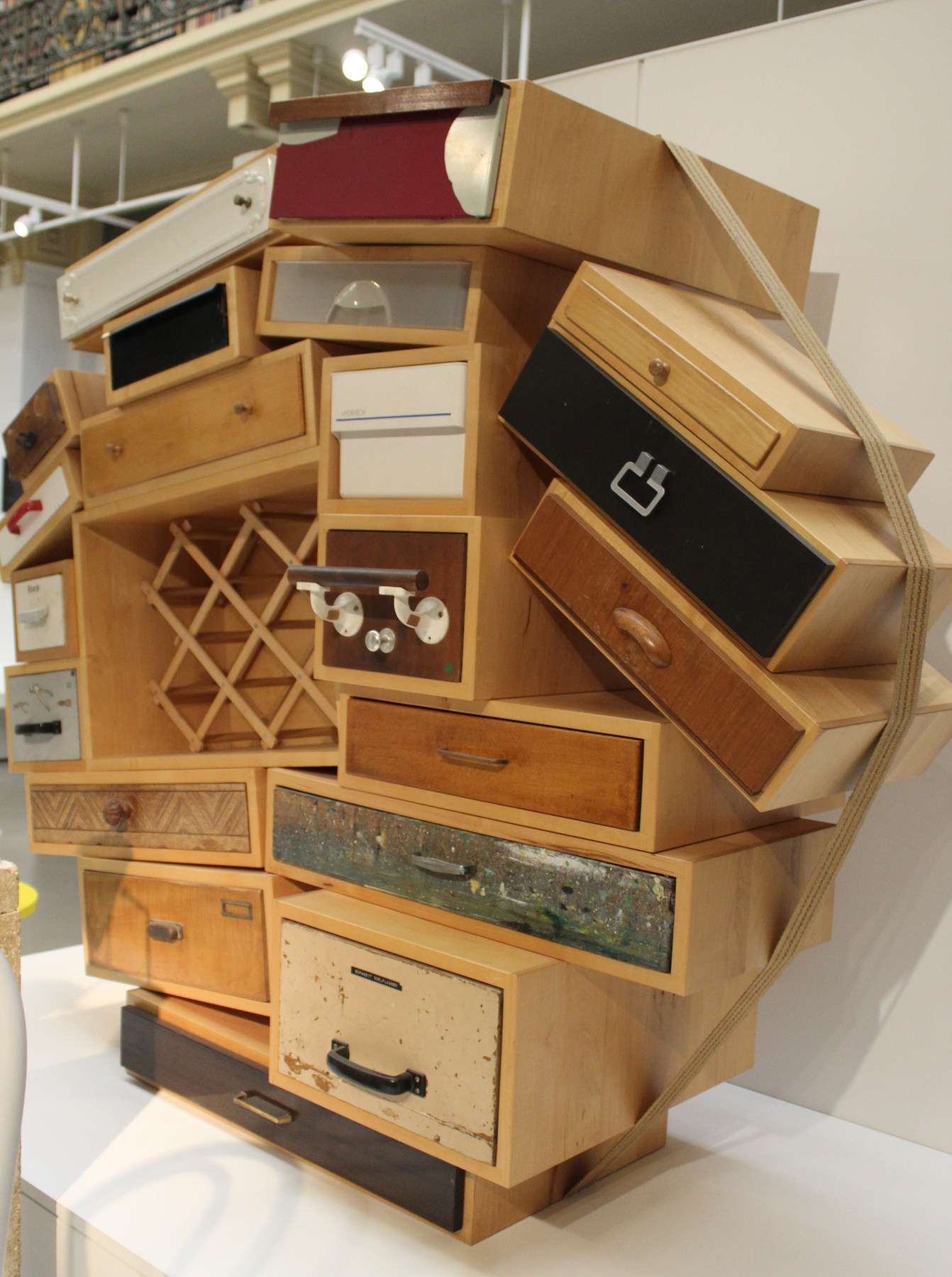
New maple housings give old drawers somewhere to work again. Tejo Remy’s chest reverses the usual relationship between a cabinet and its contents.
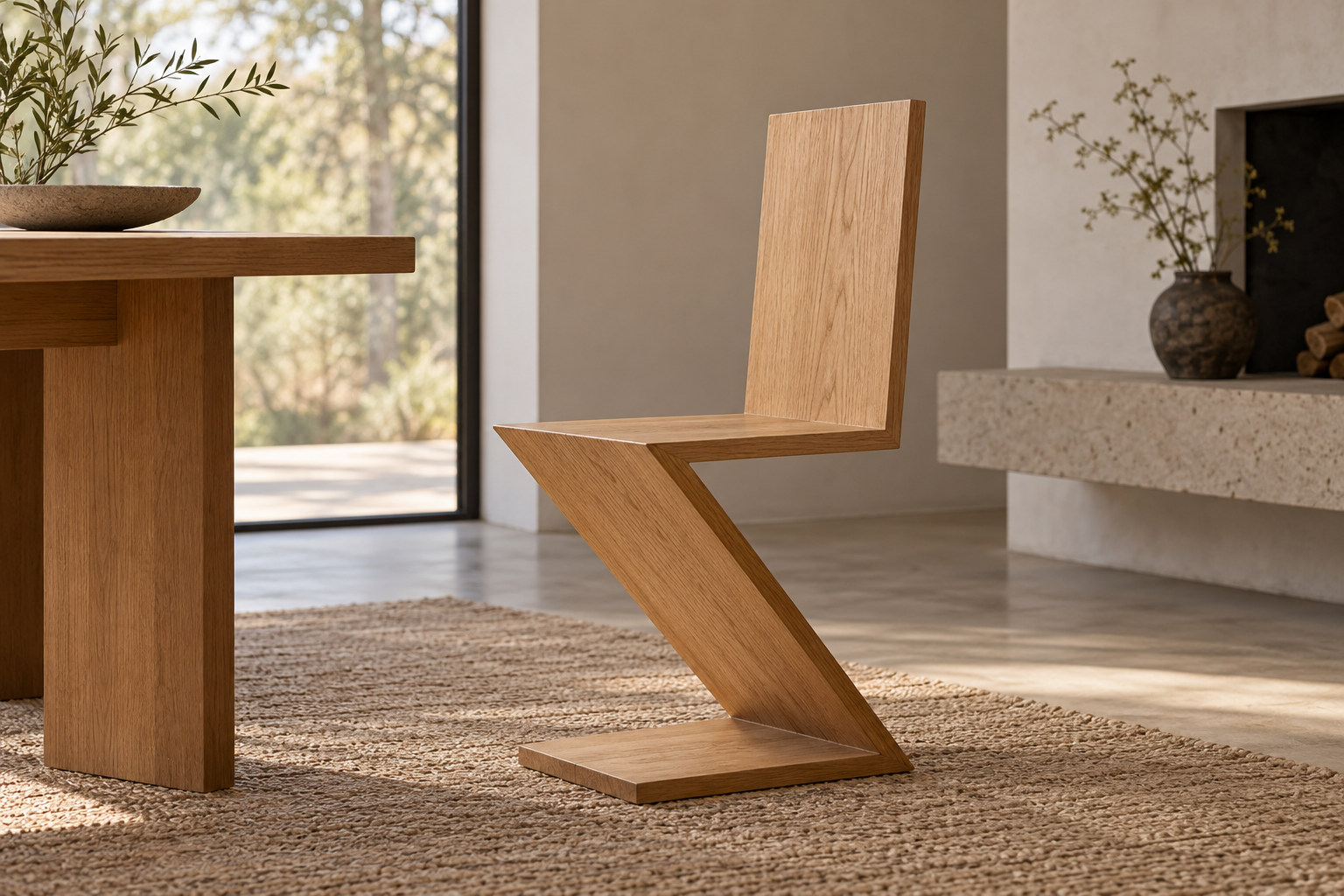
Four wooden planes give Rietveld’s Zig-Zag Chair its outline. The corners explain why a simple silhouette can conceal demanding work.
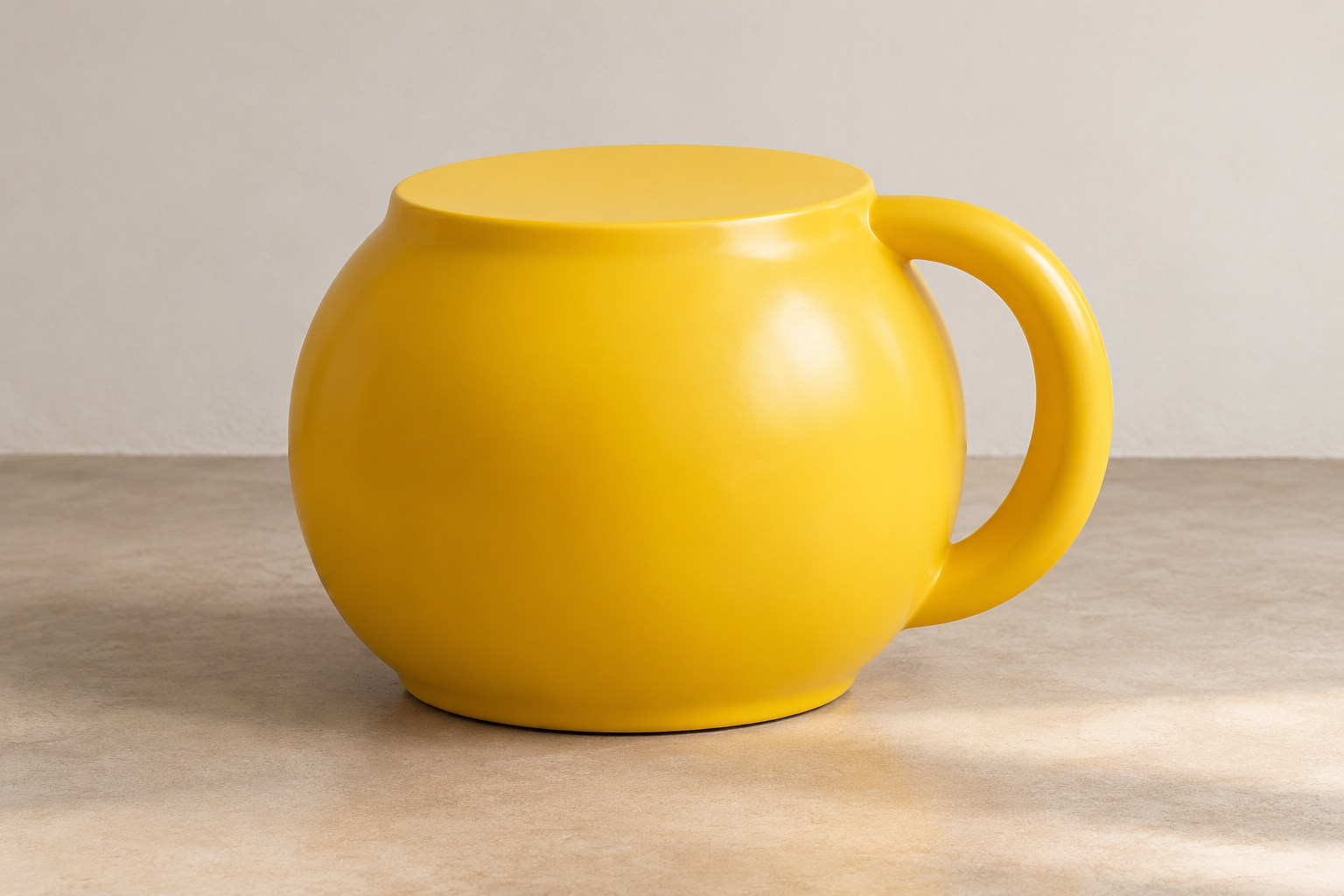
Richard Hutten’s Zzzidt gives a hard sphere flat faces and a handle. A small change in form makes carrying, sitting and placing things part of one object’s story.