Design
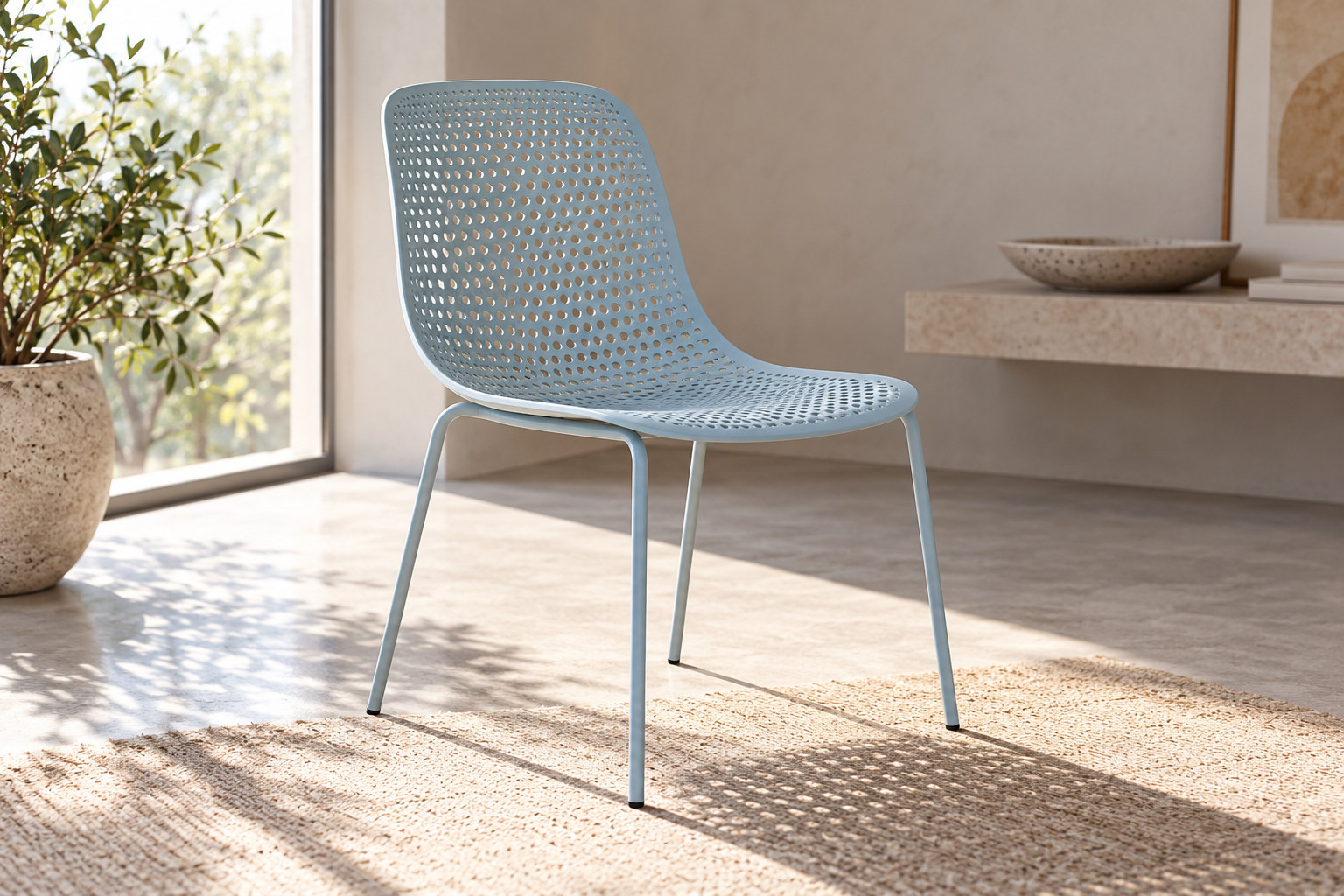
13Eighty chair
Scholten & Baijings’s 13Eighty chair makes perforation part of its texture, transparency and use. Small holes do several jobs in the plastic shell.
Objects · people · ideas
Discover the objects, people and ideas that shaped furniture, from historic pieces to modern designs.
Scholten & Baijings’s 13Eighty chair makes perforation part of its texture, transparency and use. Small holes do several jobs in the plastic shell.
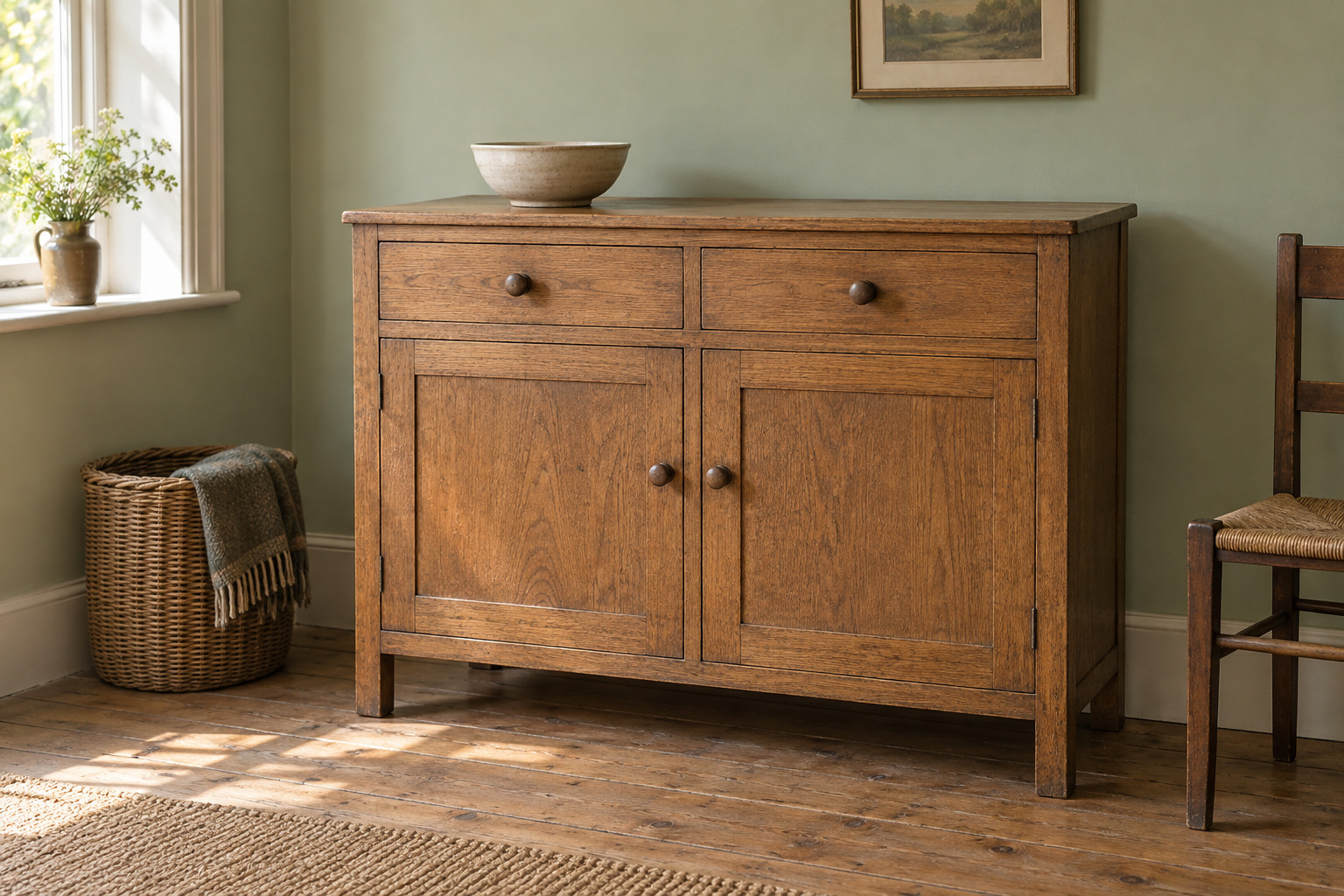
Explore Britain’s 1943 Utility Furniture scheme through its limited range, purchasing permits and the everyday decisions made under wartime shortages.
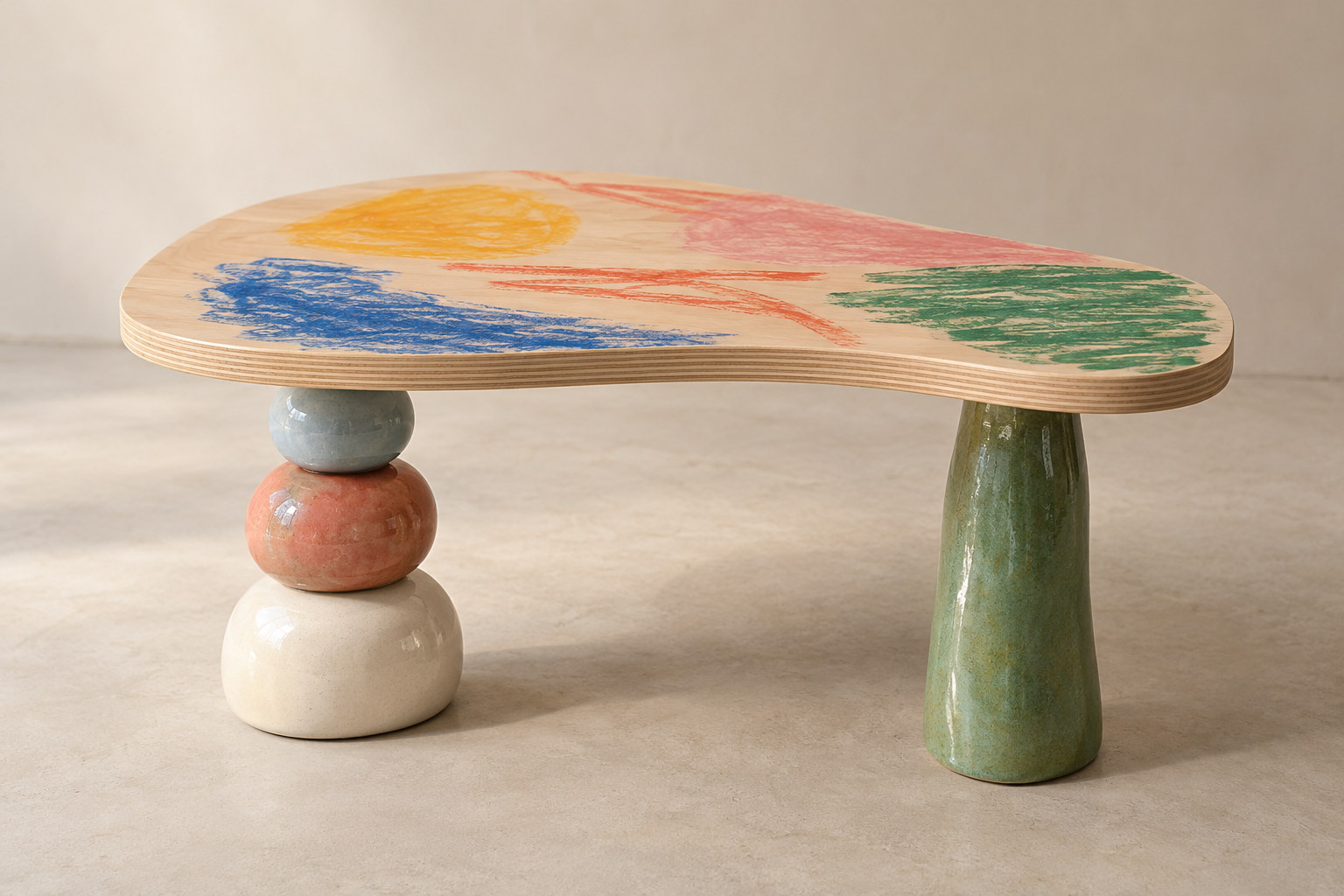
Kiki van Eijk’s 3D Collage Tables carry drawing into furniture through wax crayon, varnished wood and hand-built glazed clay.
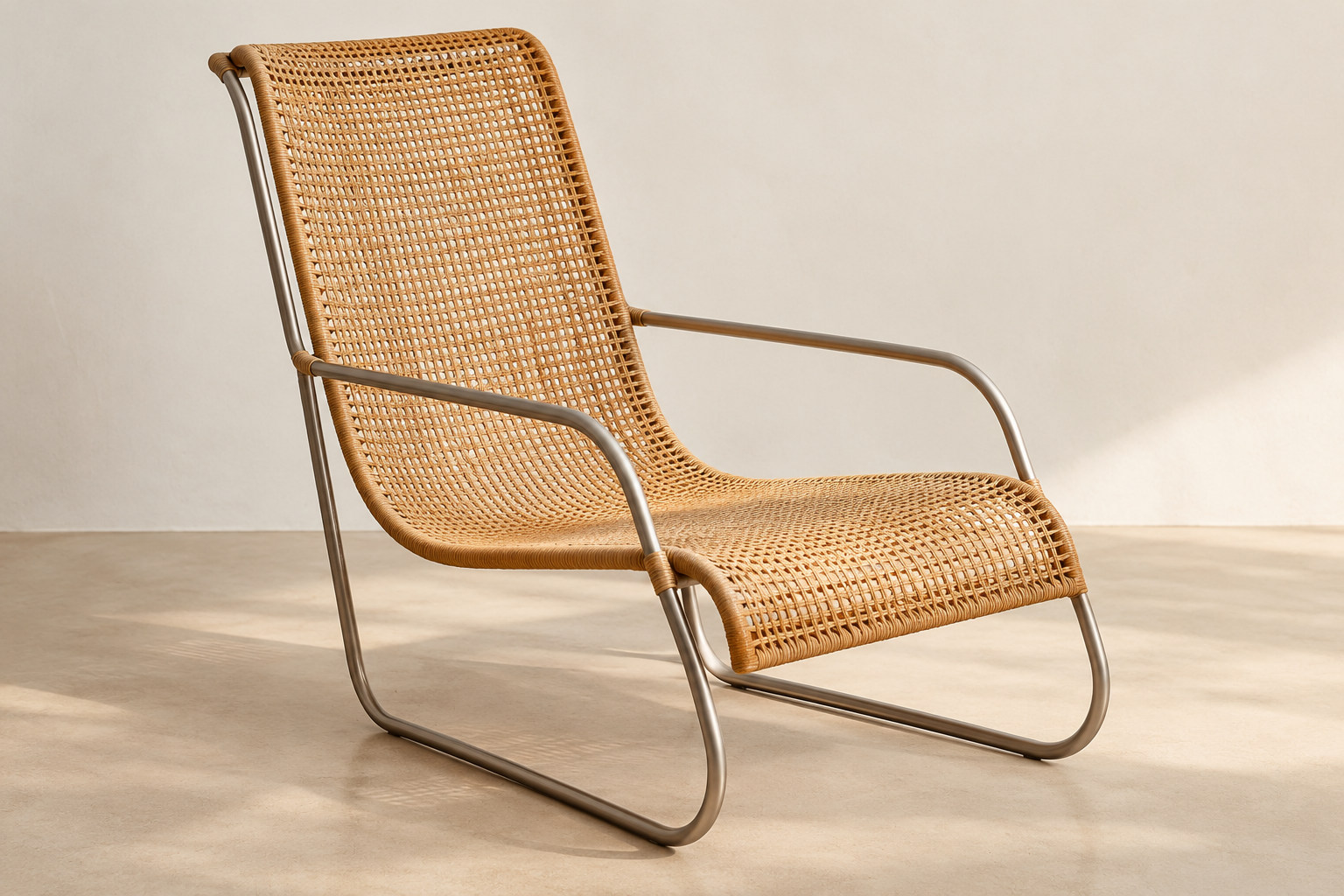
Centraal Museum’s 514C by Dirk van Sliedregt places woven cane beside a bent-metal frame. The two materials give the chair different kinds of visible continuity.
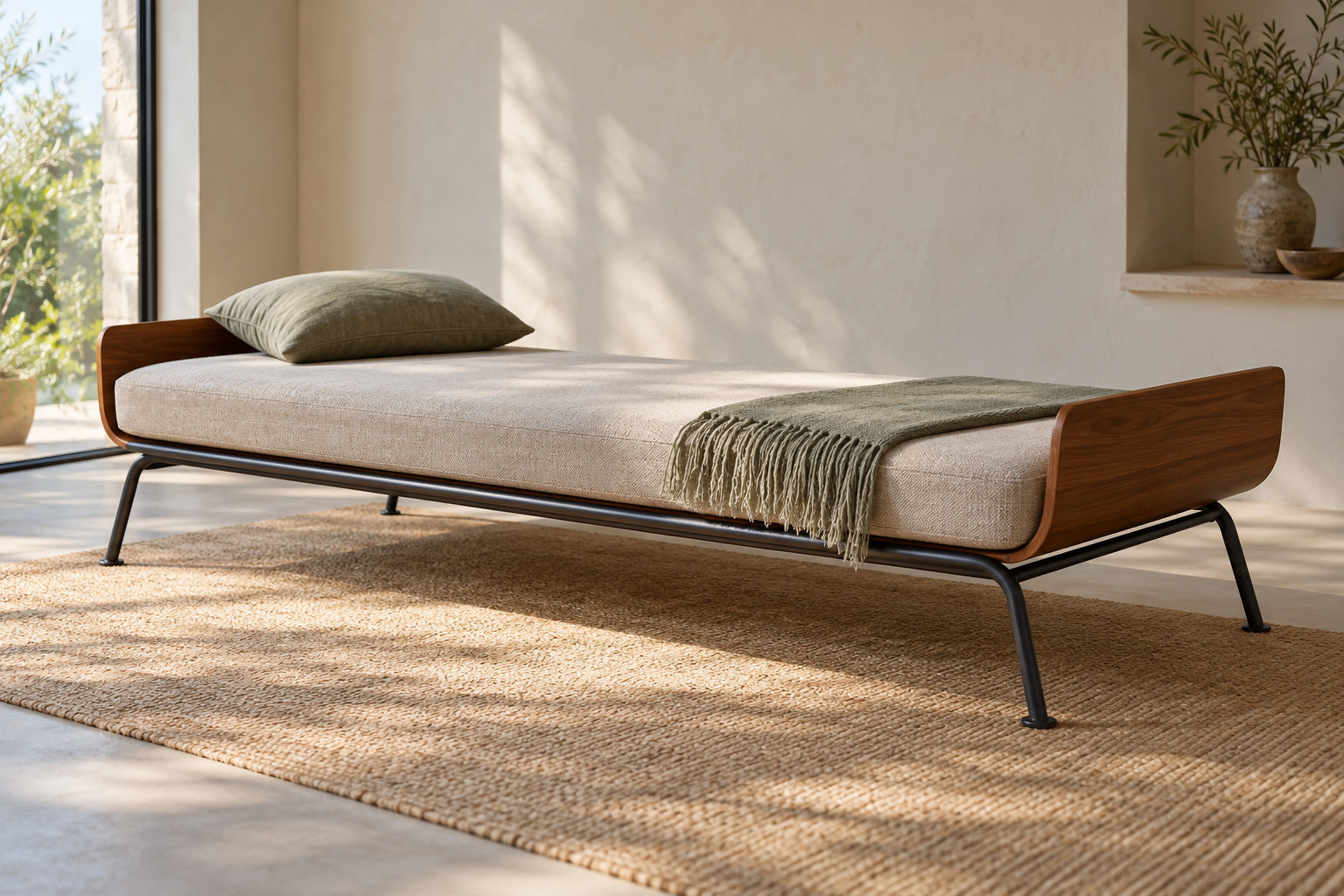
A.R. (Dick) Cordemeijer’s career connects Auping’s Cleopatra with industrial furniture at Gispen. Heritage records help keep collaboration, adaptation and name variants precise.
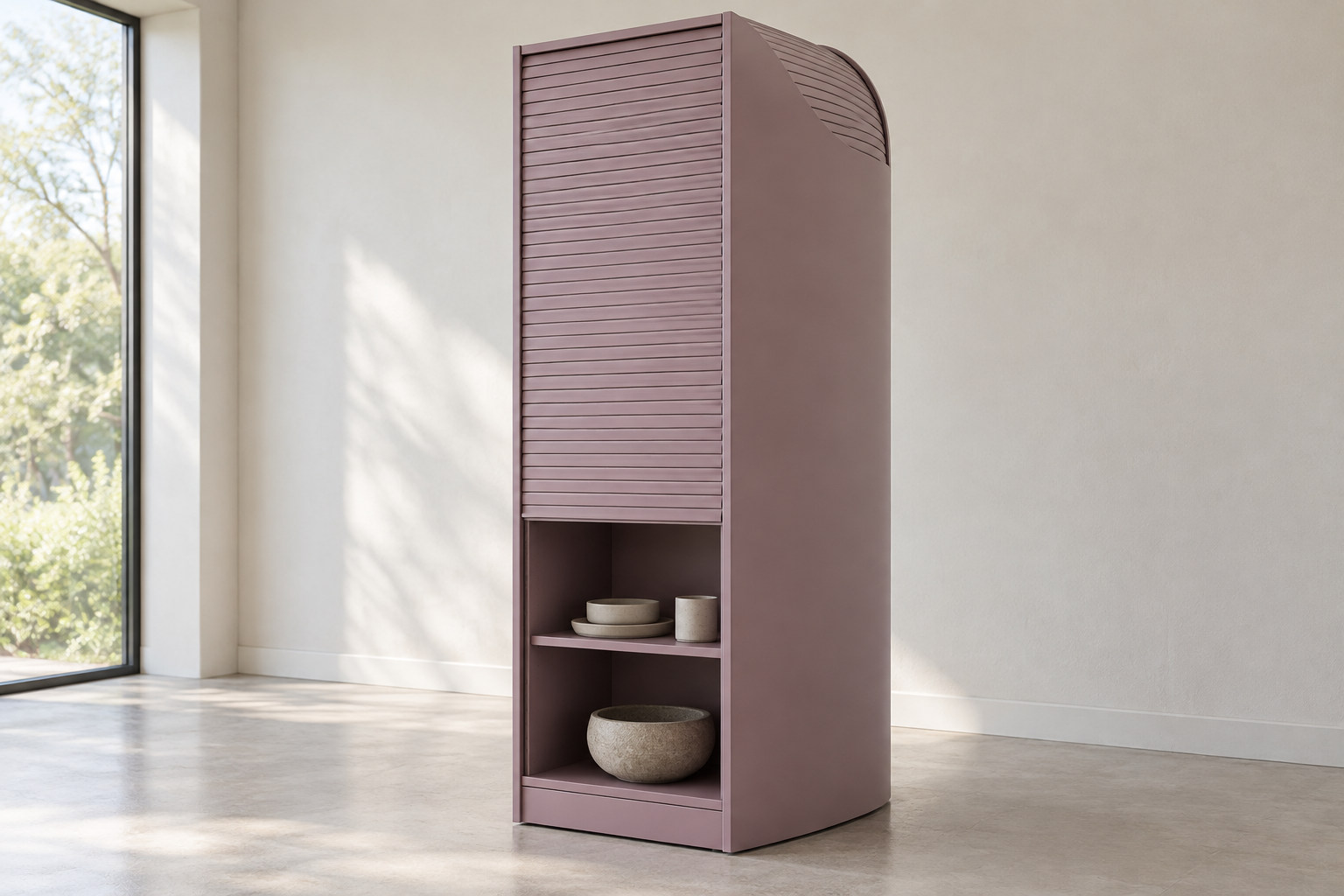
Aldo van den Nieuwelaar’s A’dammer cupboard uses a rolling shutter to change what a compact storage column reveals to the room.
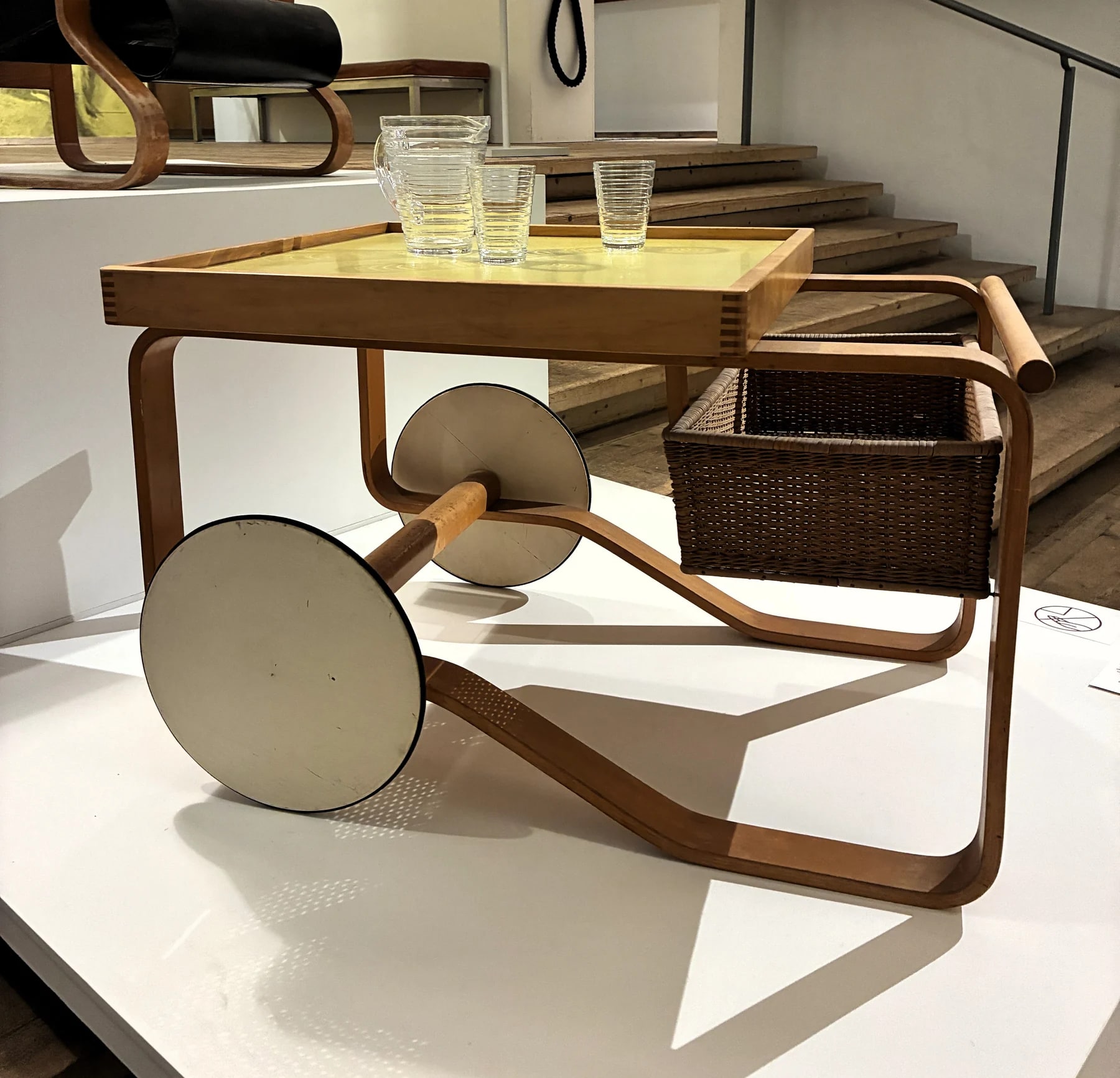
Aalto’s tea trolleys let a serving surface travel to the person who needs it. Large wheels and curved birch frames turn that movement into the design’s main feature, while trays, shelves and baskets give different versions their own ways of carrying things.
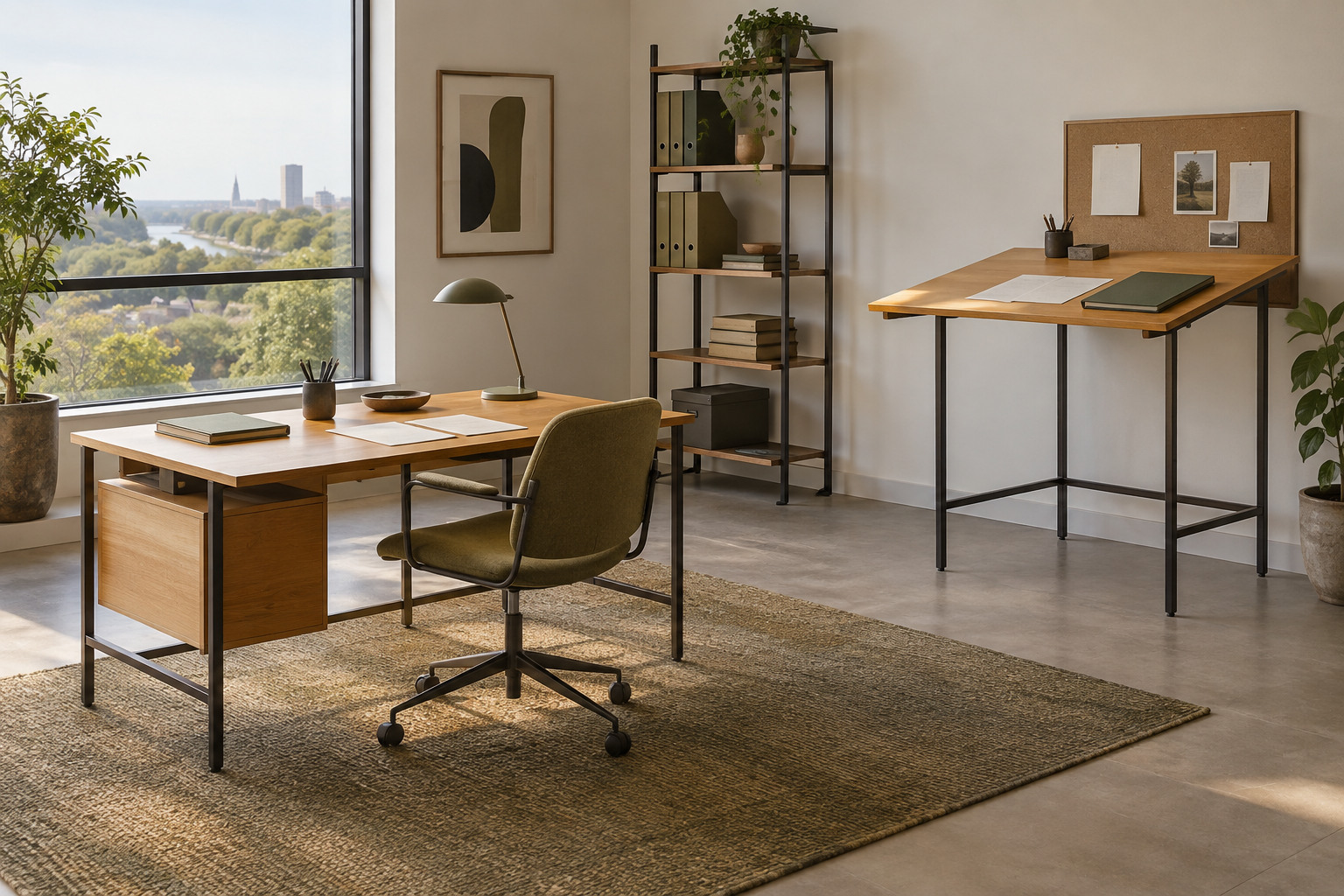
Read the original Action Office through its different work heights, then follow the move from freestanding furniture to the 1968 panel system.
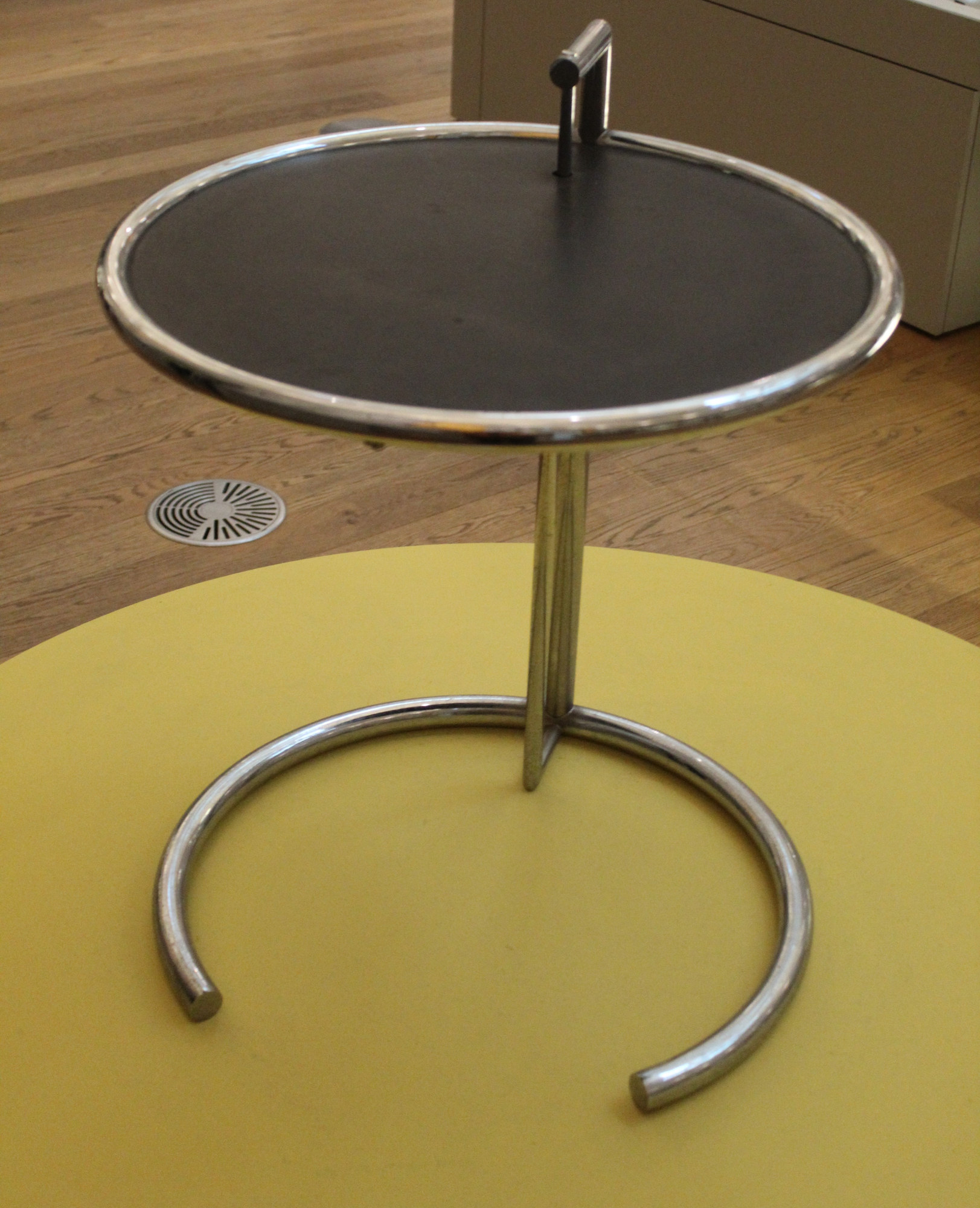
See how Eileen Gray turned an incomplete circle, two telescopic uprights and a small pin on a chain into a table that approaches a bed instead of waiting beyond reach.
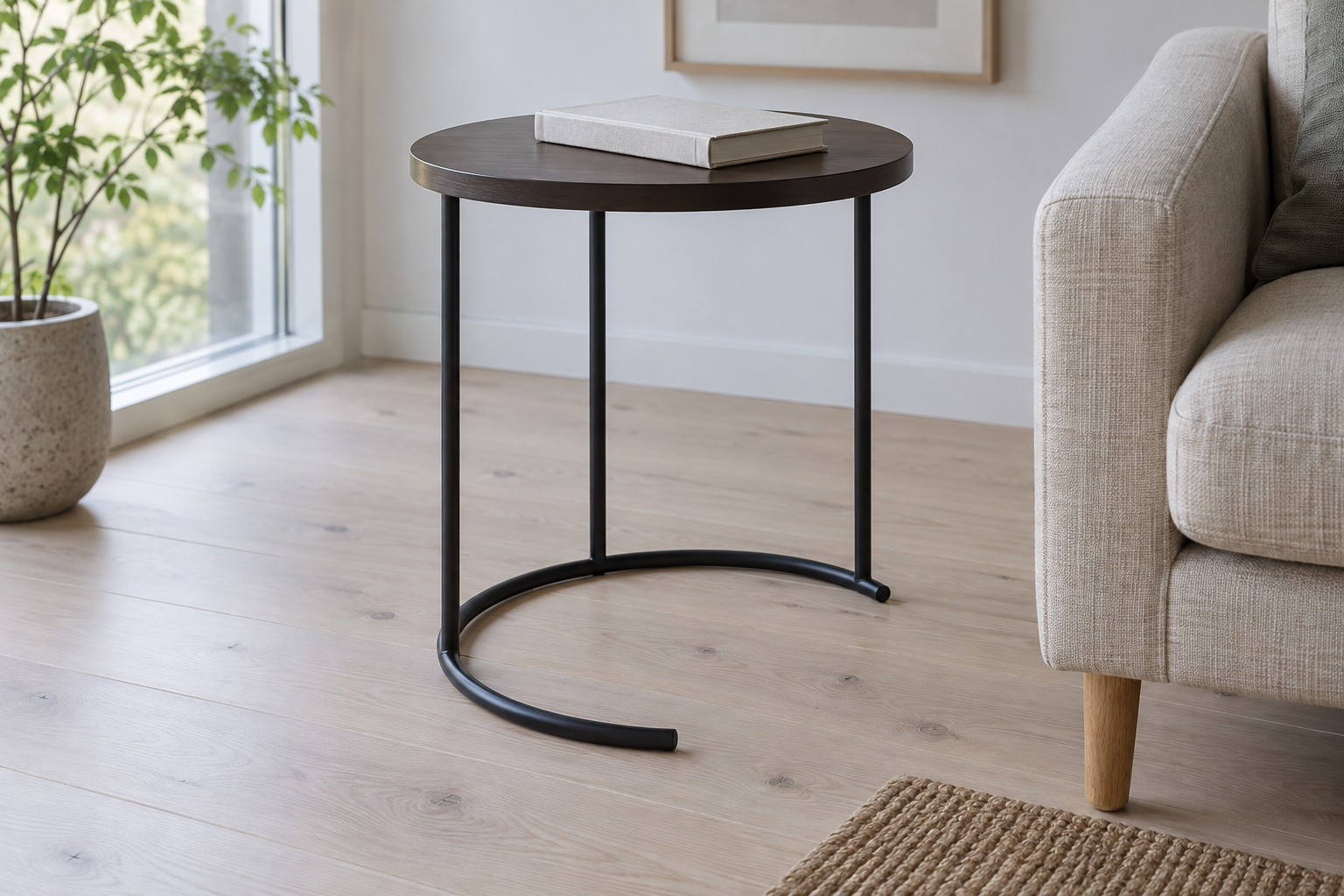
Explore Aino Aalto’s work through the open base of Side Table 606, the Savoy interior and the everyday relationships that give a room its character.
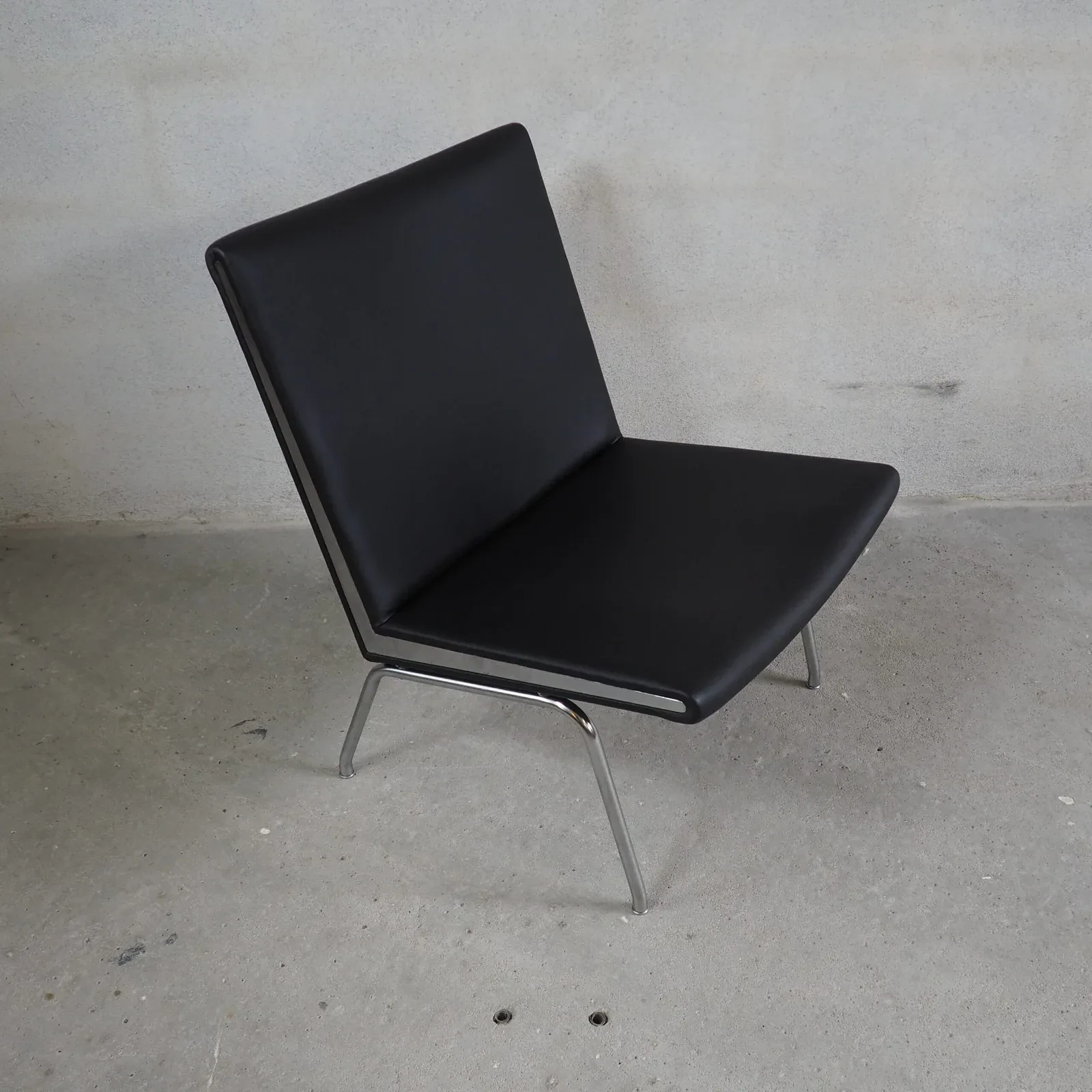
Untangle Hans J. Wegner’s 1958 Airport Chair history: CH401, A.P. Stolen, later makers, Kastrup use and the limits of resemblance.
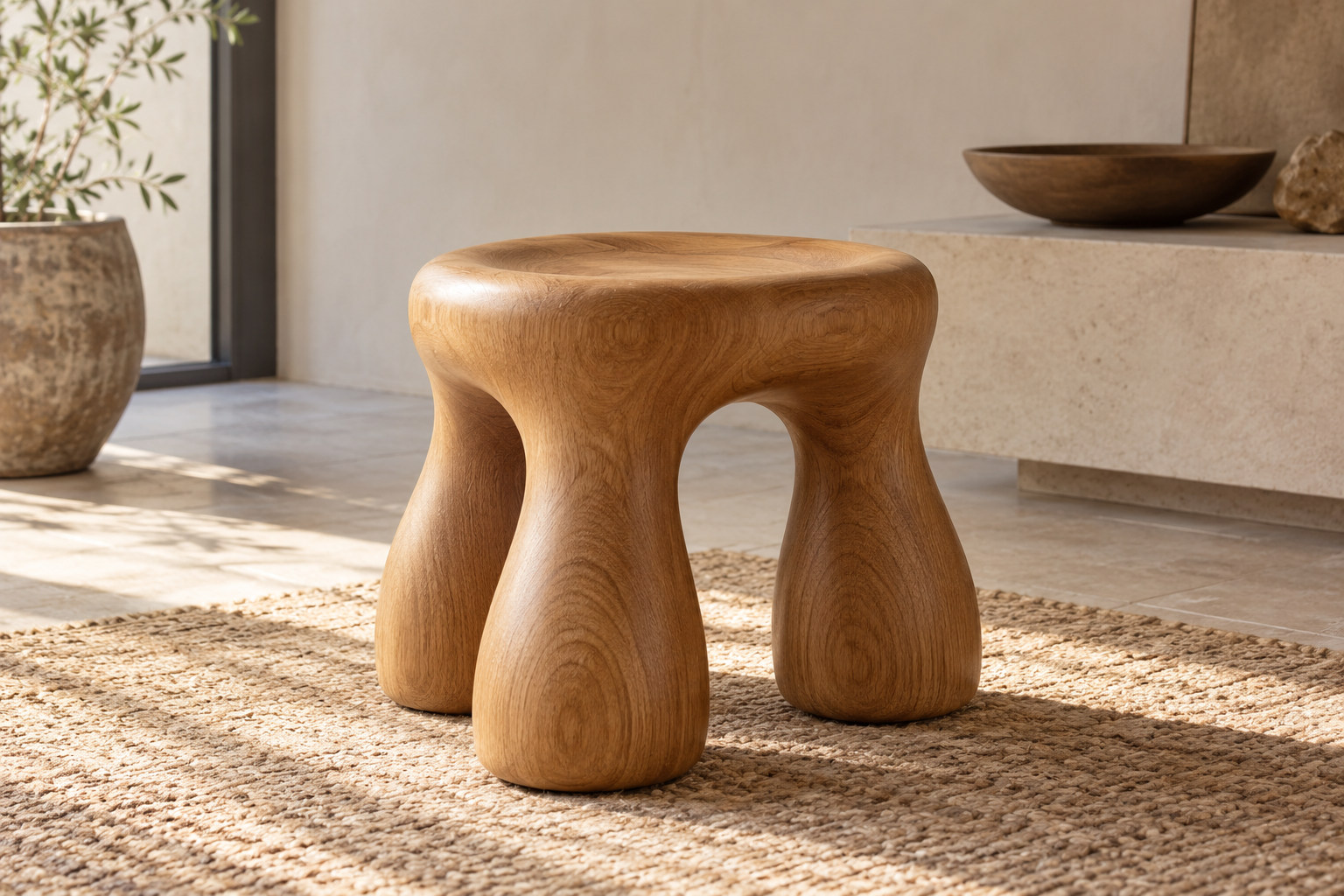
Aldo Bakker gives useful objects forms that invite a slower look. His furniture connects material, recognisable use and specialised making.
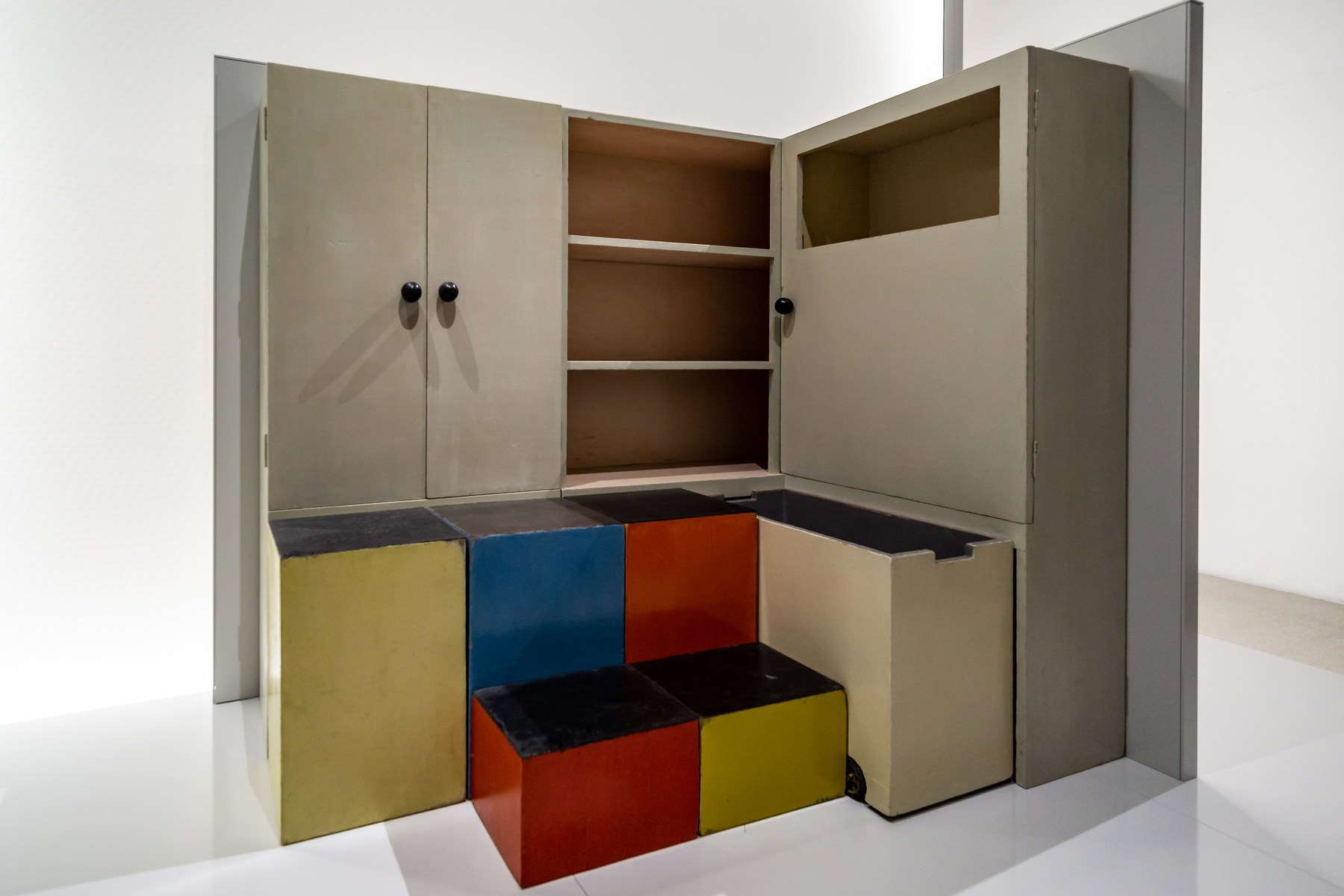
Alma Siedhoff-Buscher gave a cupboard removable seats and an opening for puppet theatre. Her Haus Am Horn design made room for children to change the furniture’s use.
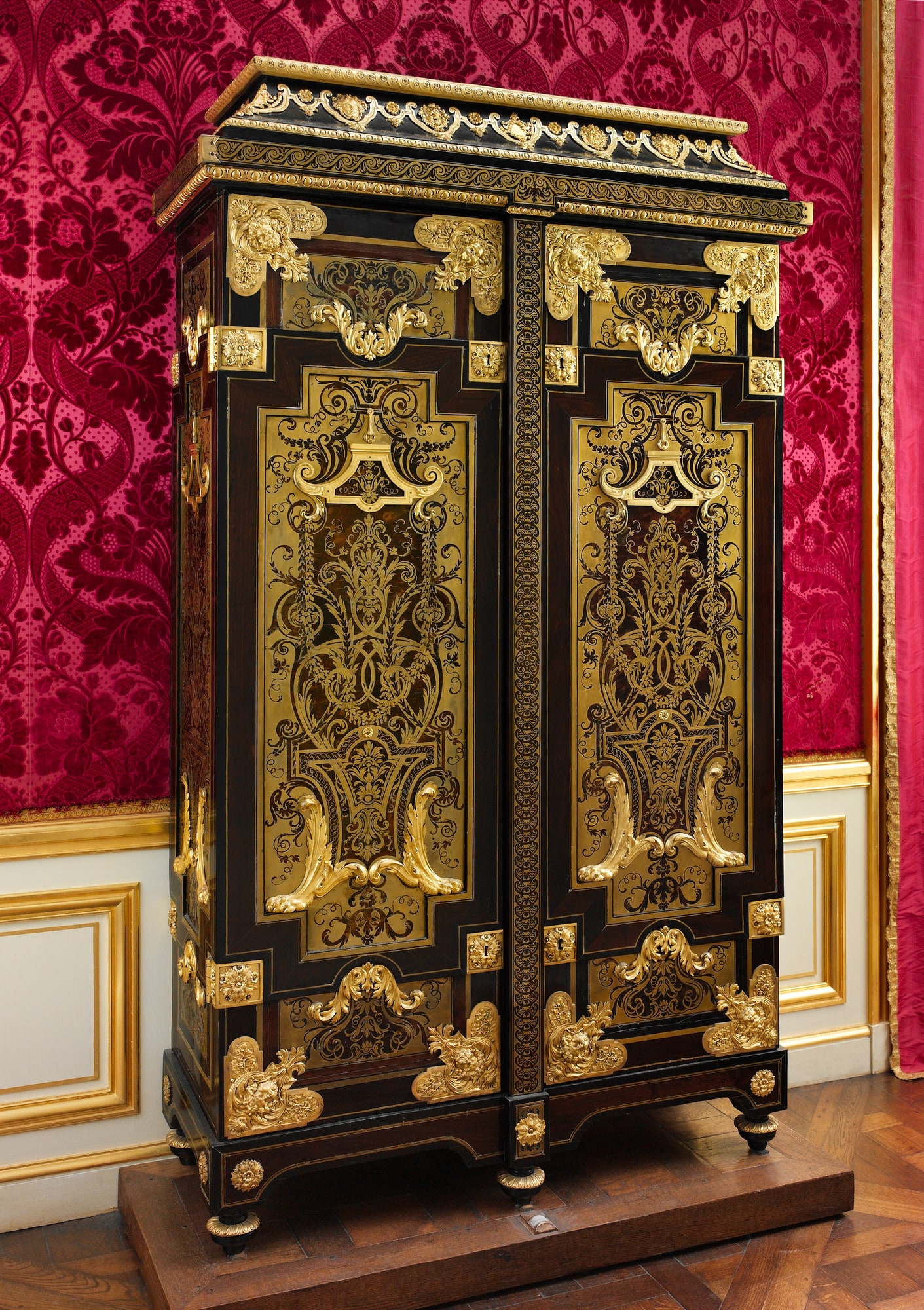
Look beneath Boulle furniture’s famous surface to its wooden body, reversed marquetry patterns, bronze mounts and a revealing workshop inventory.
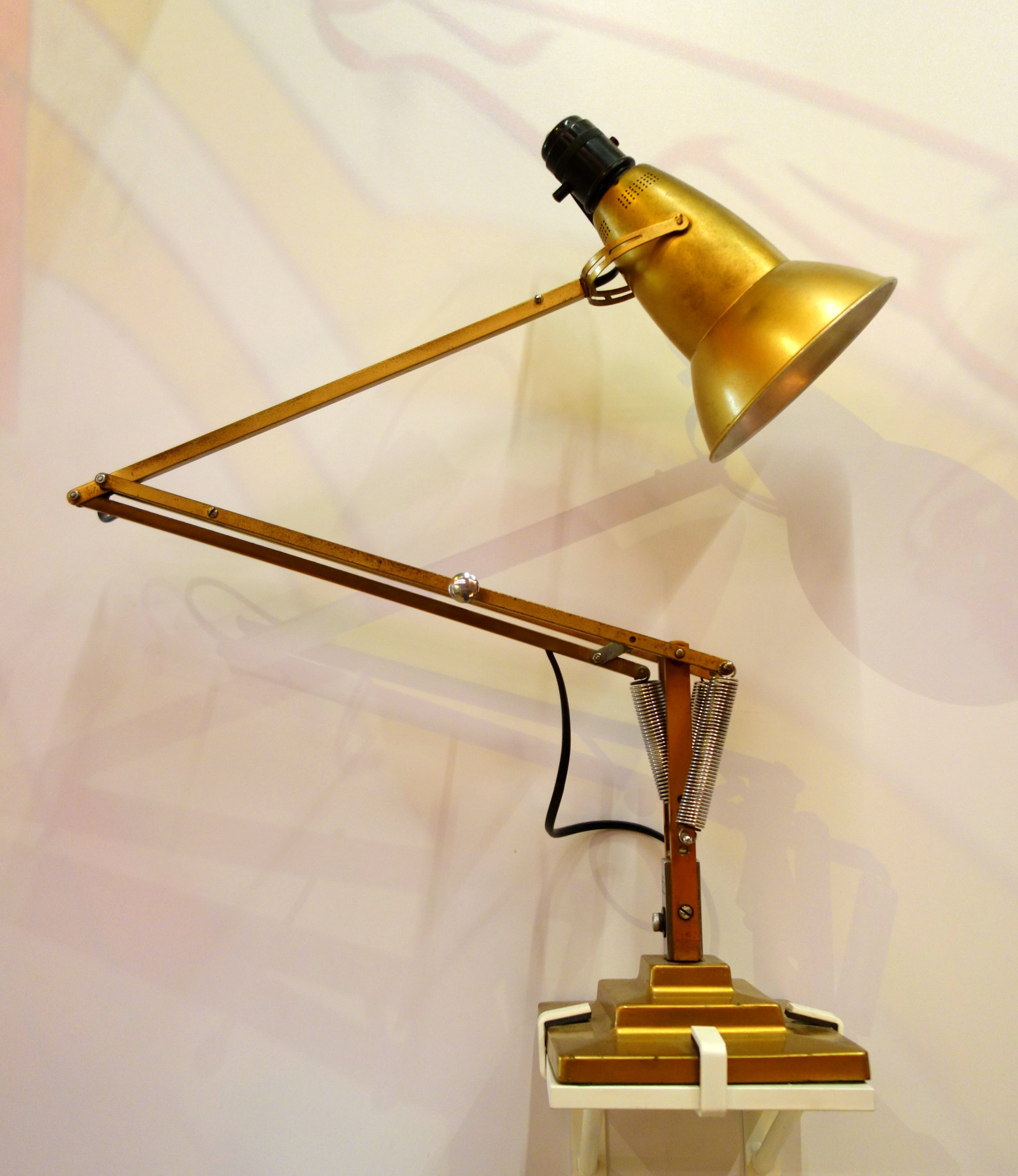
An Anglepoise 1227 makes a small mechanical performance out of moving a desk lamp. Pull the shade towards the work and the arms change position; the springs are there to help the lamp stay where it is put.
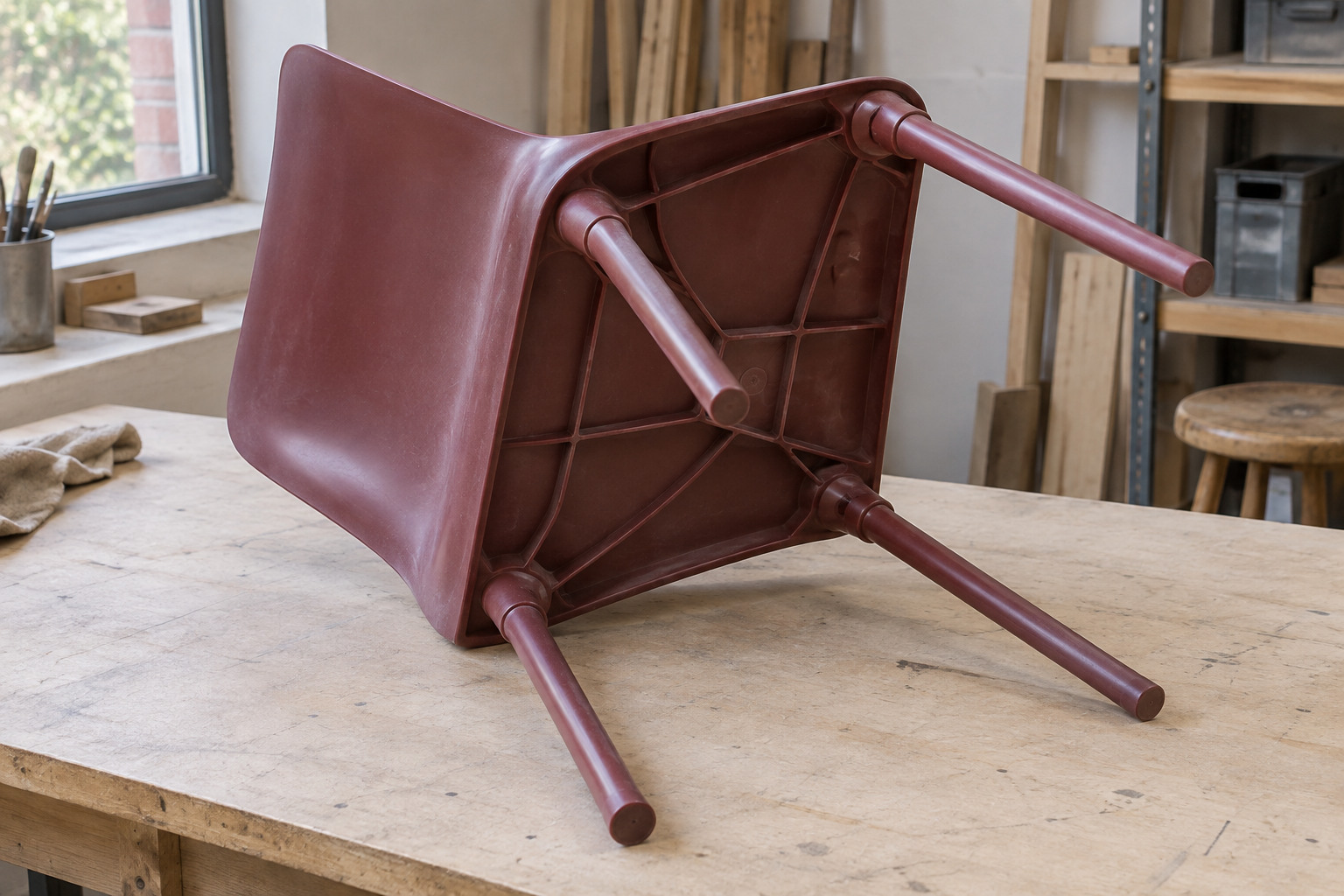
Turn over Anna Castelli Ferrieri’s Kartell 4870 chair to understand its ribs, separate legs and carefully planned stacking.
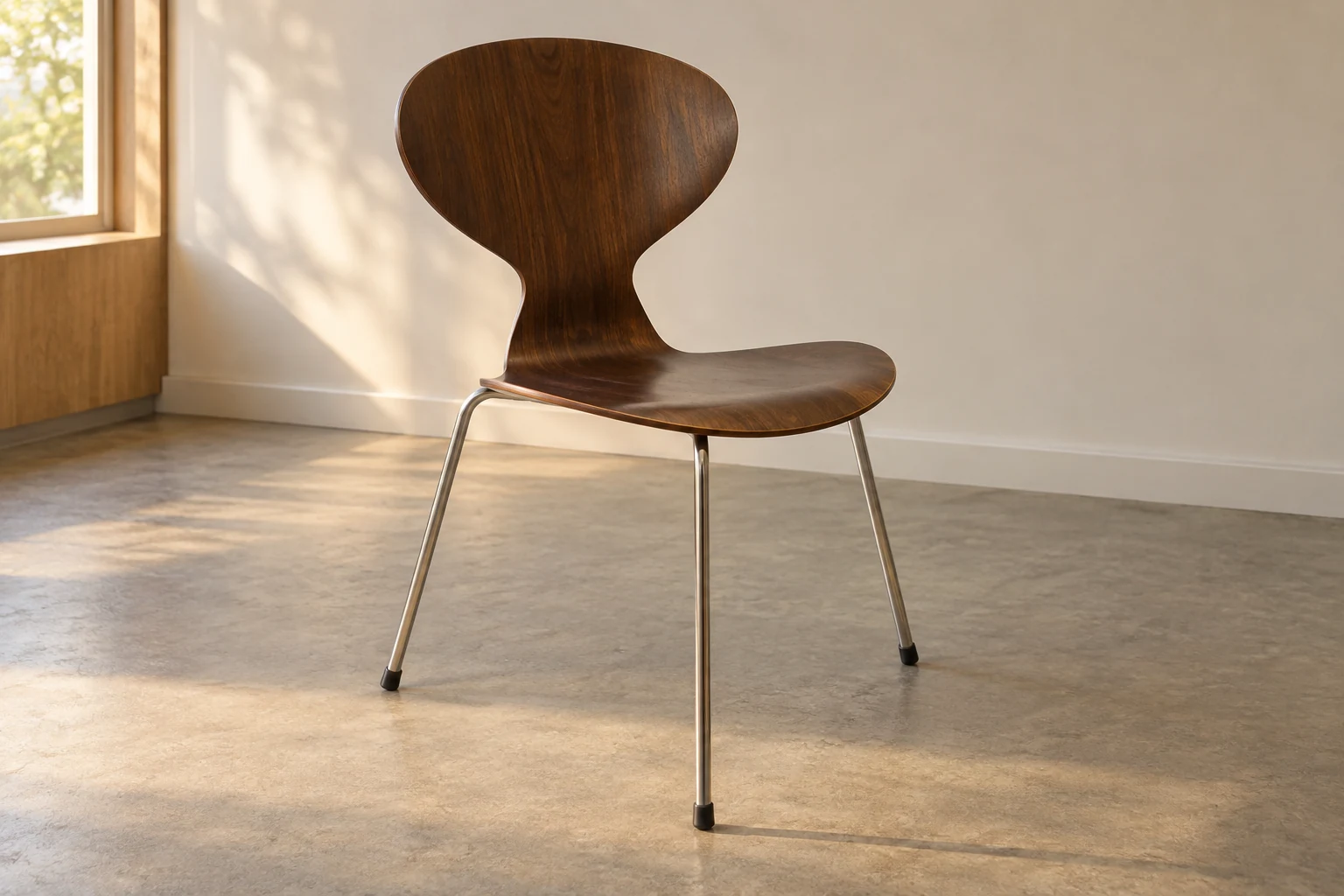
See how Arne Jacobsen's 1952 Ant Chair turned a canteen brief, one double-curved plywood shell and three legs into an economy of space and material.
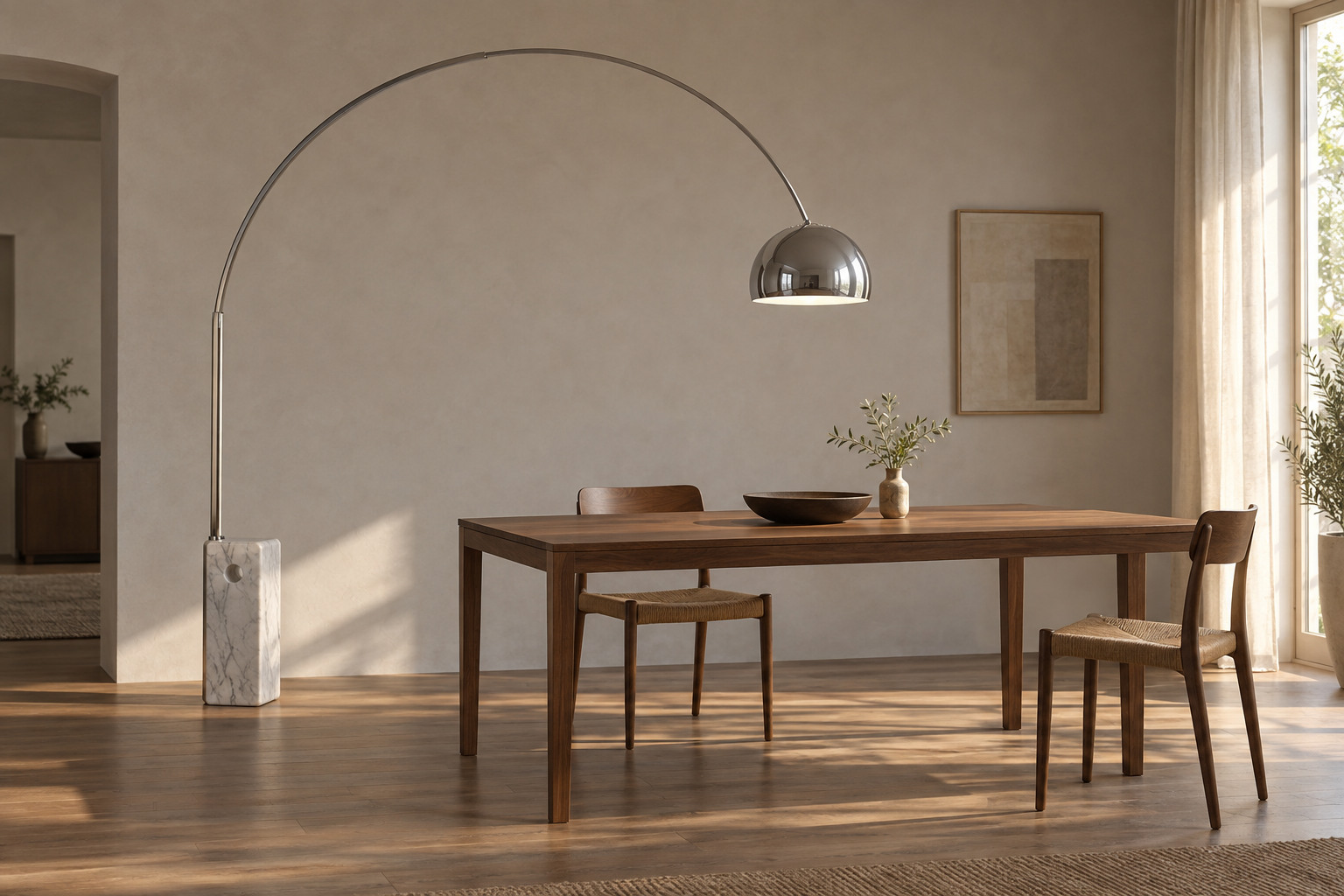
Read Arco through the distance between its marble support and overhead light, the walking space beneath its curve and the practical hole in its base.
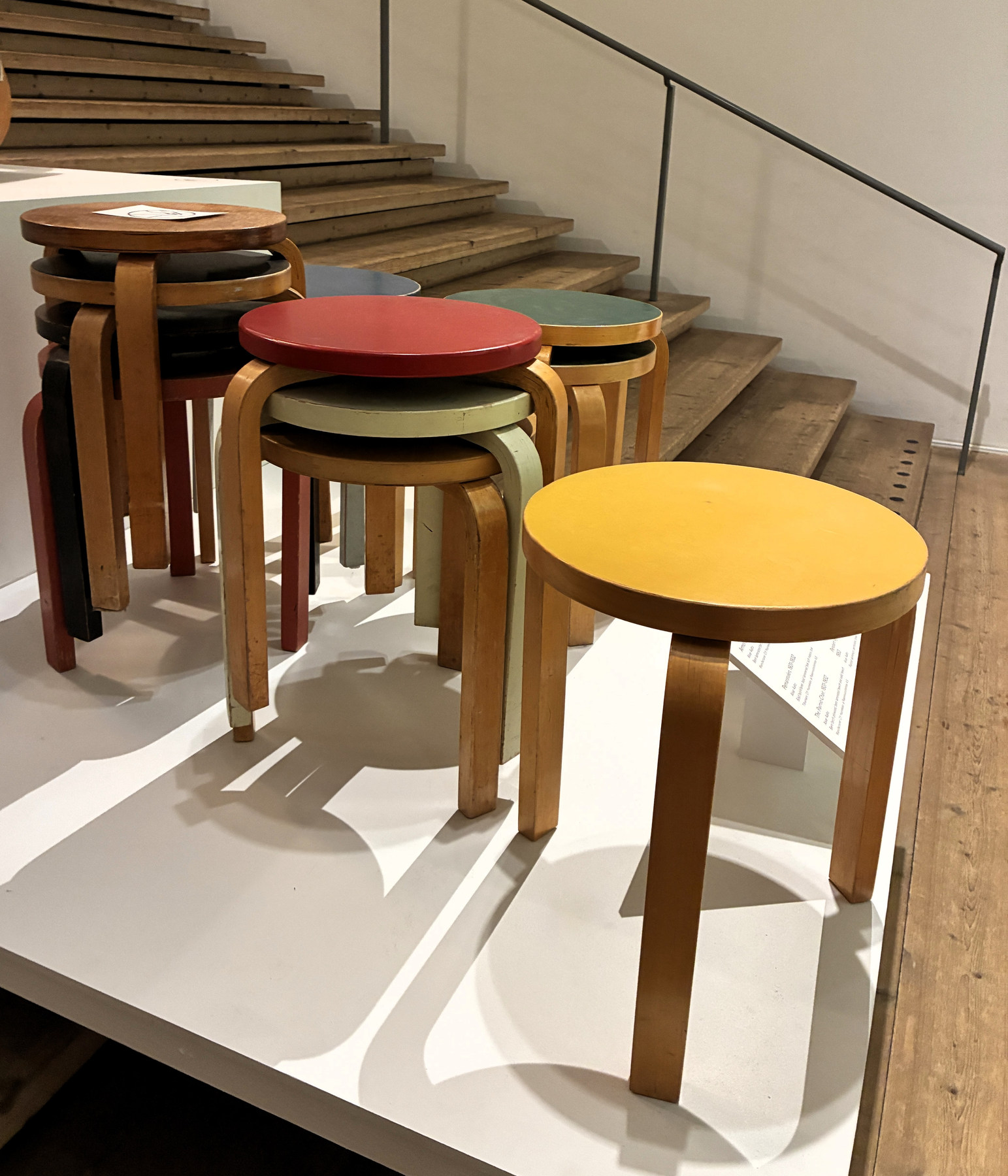
A round wooden seat and three legs seem almost too simple to carry much history. Turn Stool 60 over in your mind, though, and its most important feature appears: each leg bends beneath the seat to make the connection.
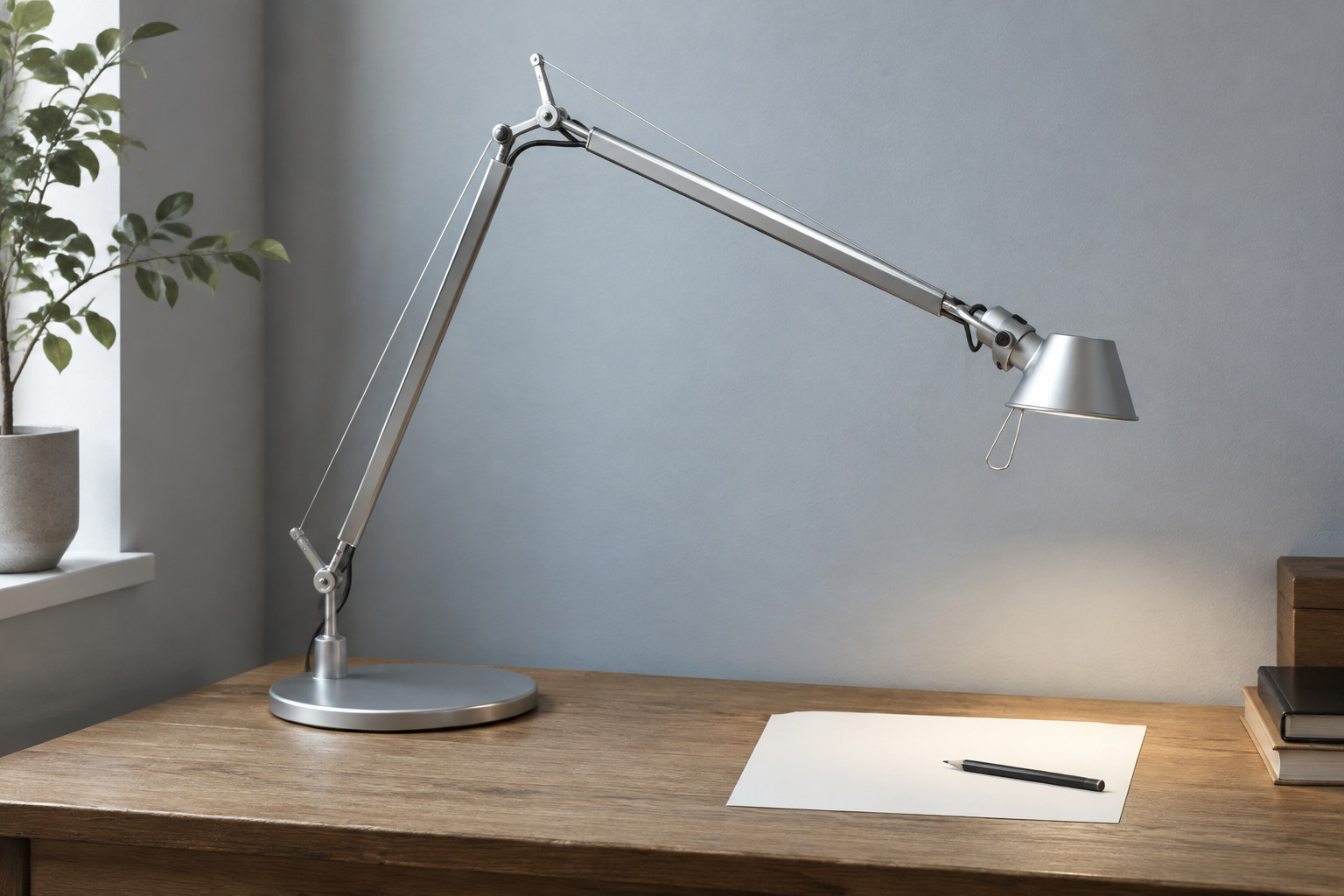
Tolomeo looks light partly because so much of its balancing system is drawn in thin lines. Aluminium arms carry the shade, while fine steel cables connect their movement to springs hidden within the structure.
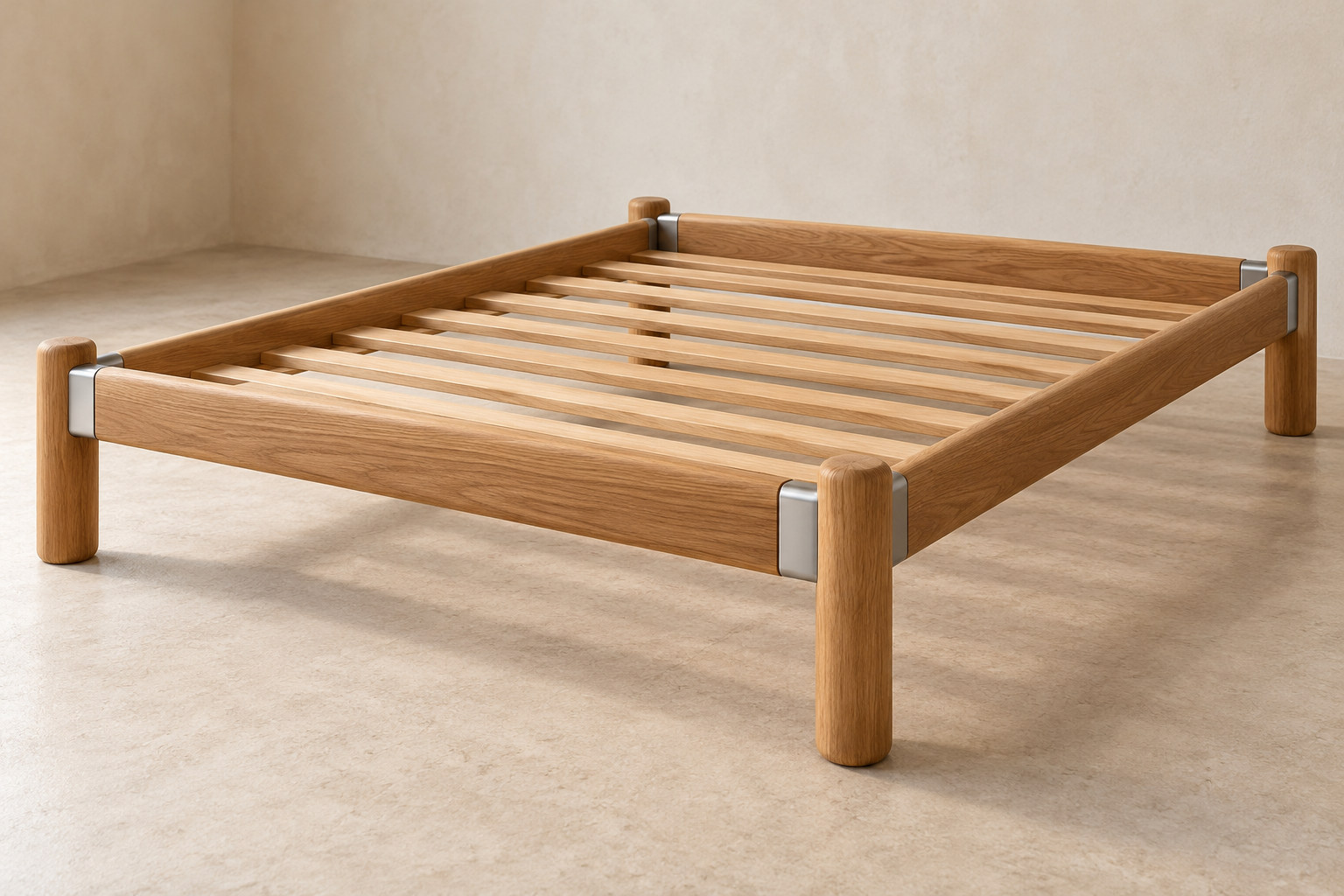
Frans de la Haye’s Auronde for Auping makes rounded timber and visible aluminium connections into a recognisable bed. The character appears where its parts meet.
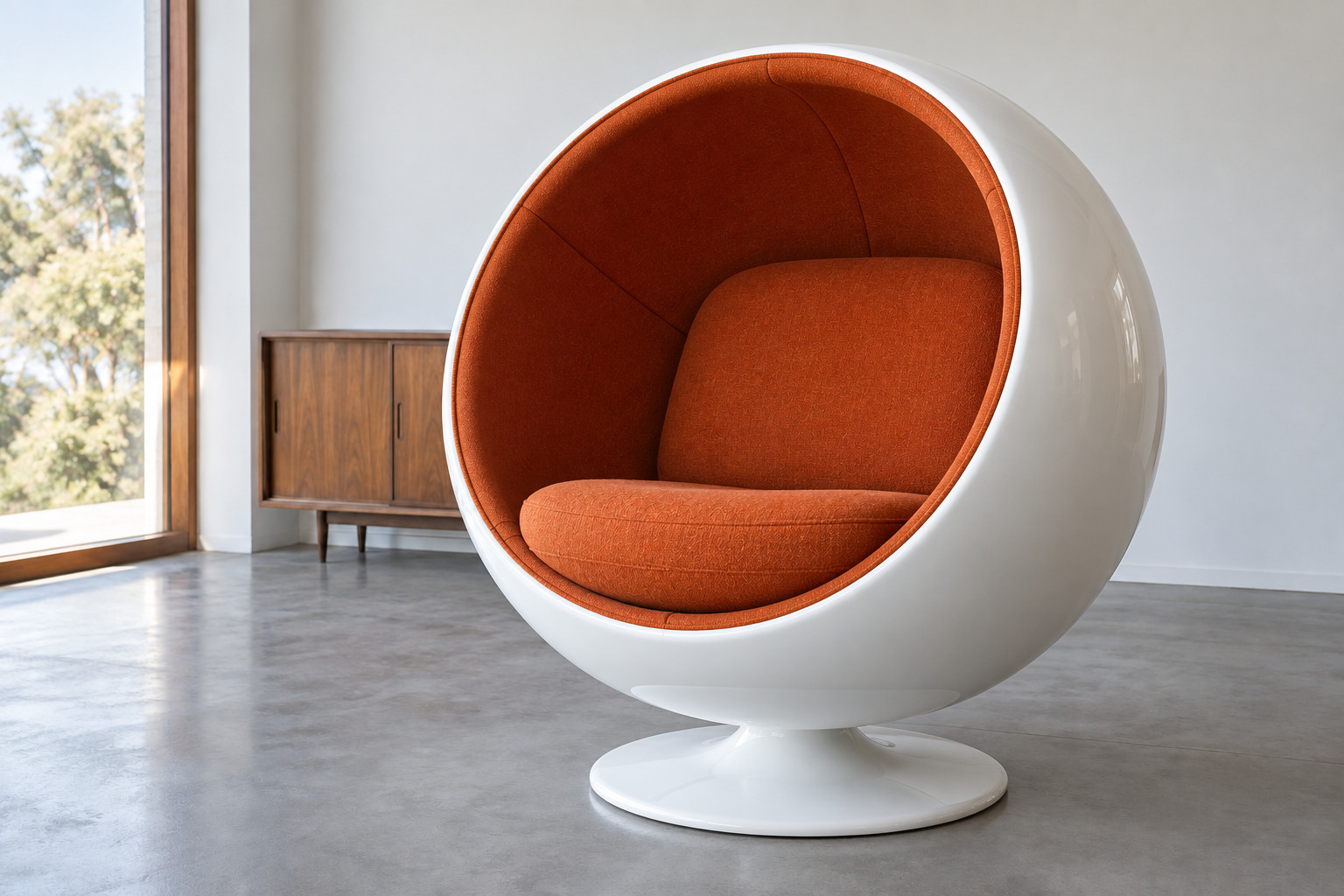
Discover how the Ball Chair’s opening, fibreglass shell and swivel base change the sitter’s relationship with the surrounding room.
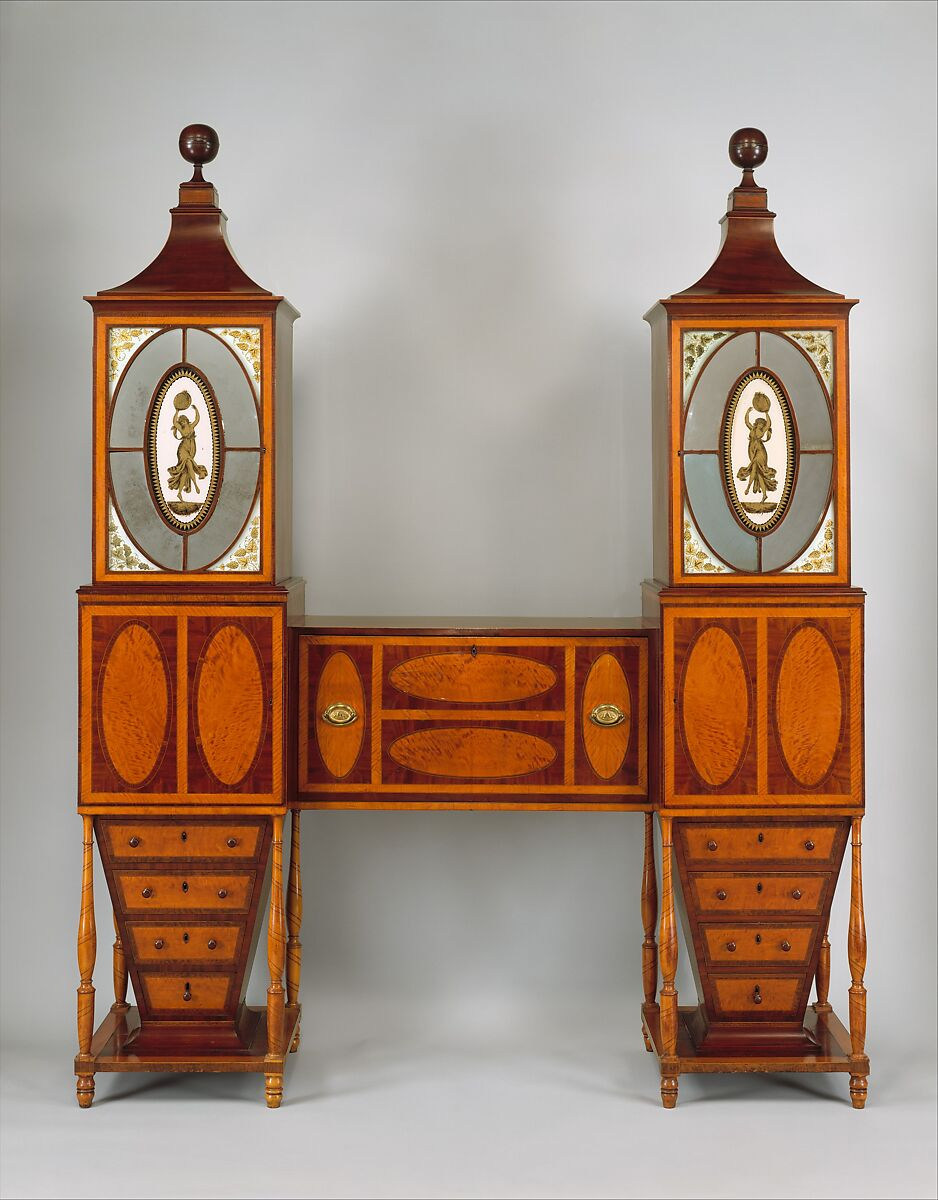
Explore a Baltimore bookcase shaped like an H: its adaptation of a Sheraton design, decorated glass, spiral inlay and inscription recording a marriage.
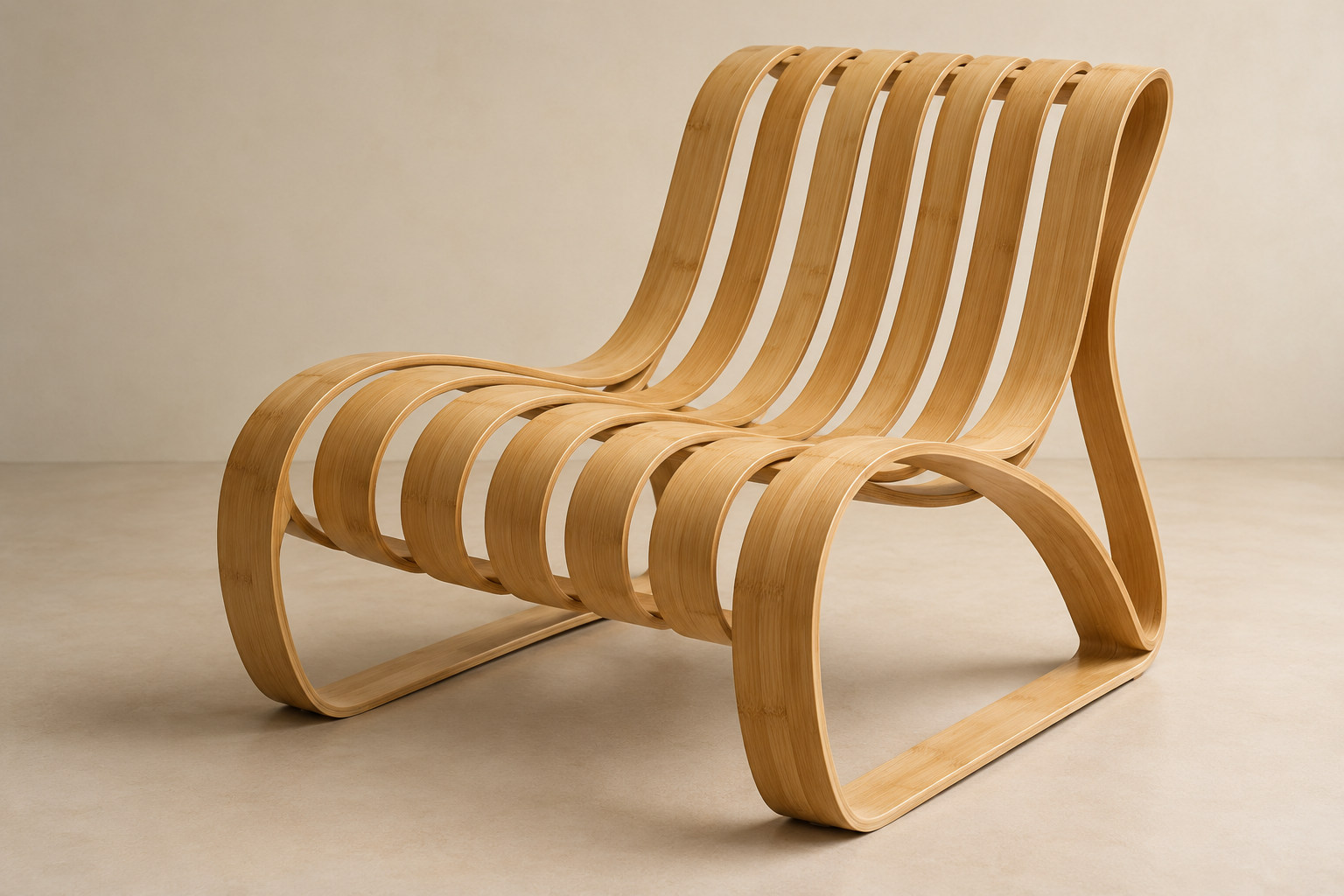
Tejo Remy and René Veenhuizen turn bent bamboo strips into a chair whose seat and supports belong to one continuous-looking arrangement.