Design
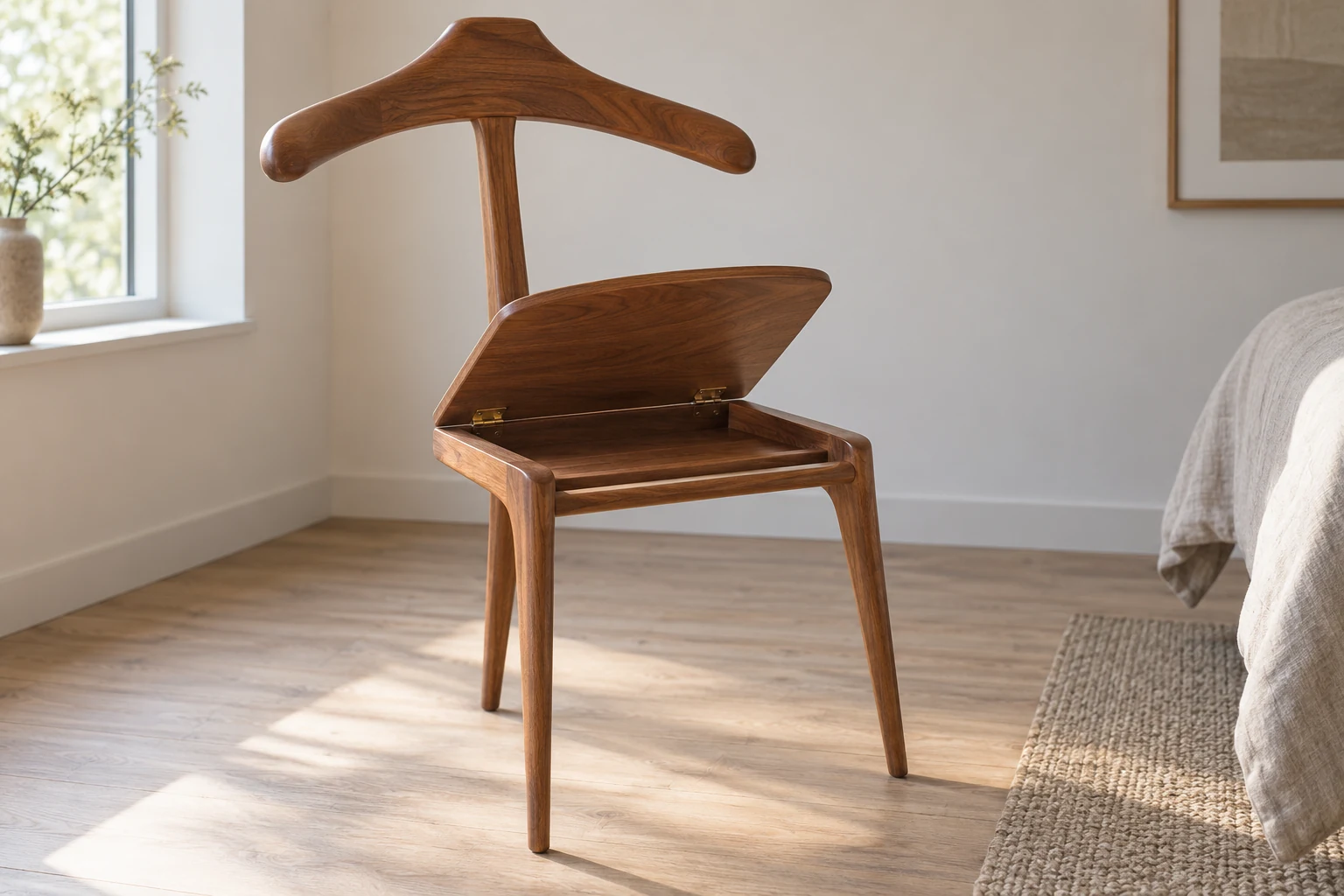
Valet Chair
See how Hans J. Wegner’s 1953 Valet Chair turns a hanger, trouser support, seat and pocket-sized compartment into one remarkably composed object.
Objects · people · ideas
Discover the objects, people and ideas that shaped furniture, from historic pieces to modern designs.
See how Hans J. Wegner’s 1953 Valet Chair turns a hanger, trouser support, seat and pocket-sized compartment into one remarkably composed object.
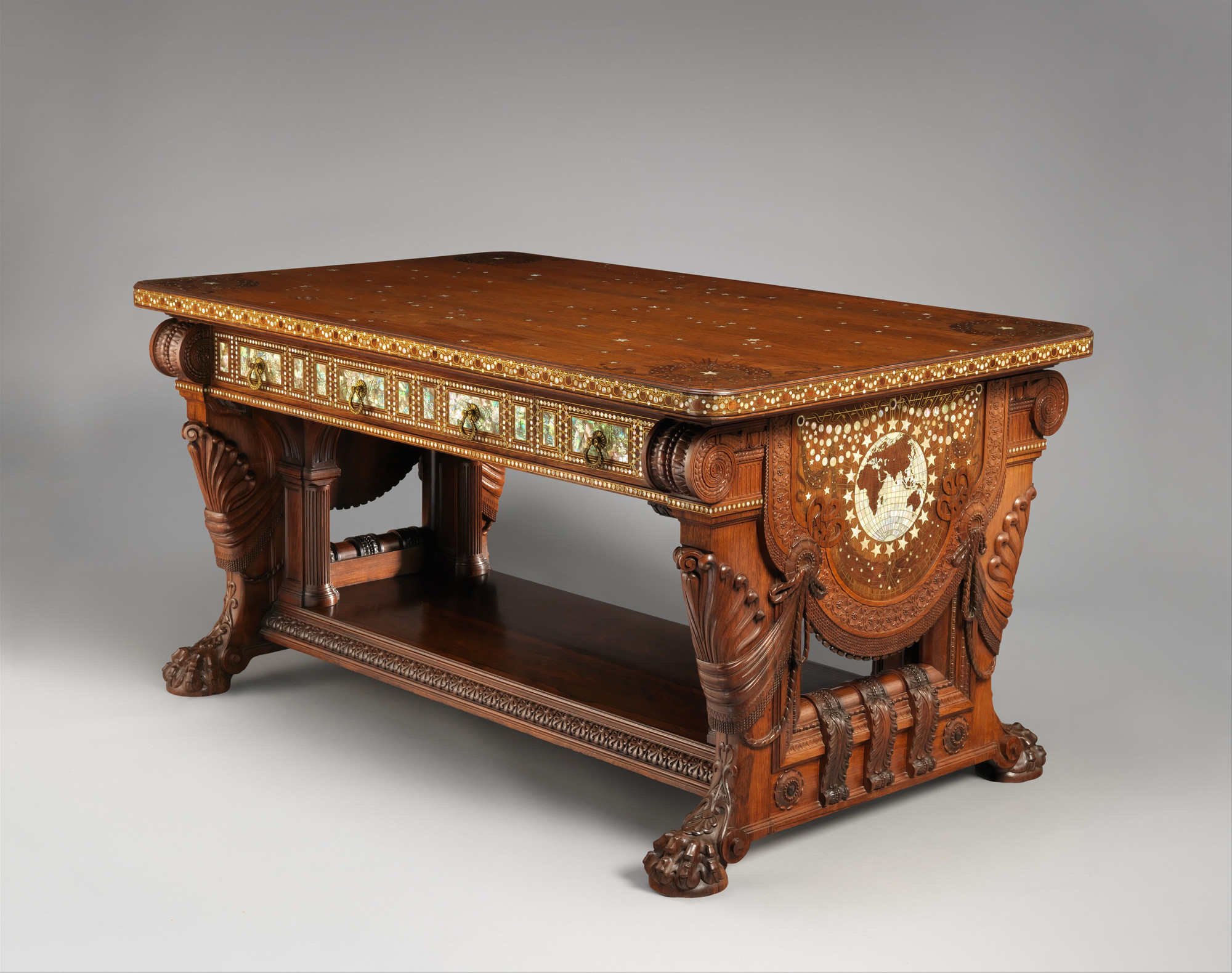
Look across Herter Brothers' monumental Vanderbilt library table: a birthday sky, shell-inlaid globes and imperial references turn furniture into portraiture.
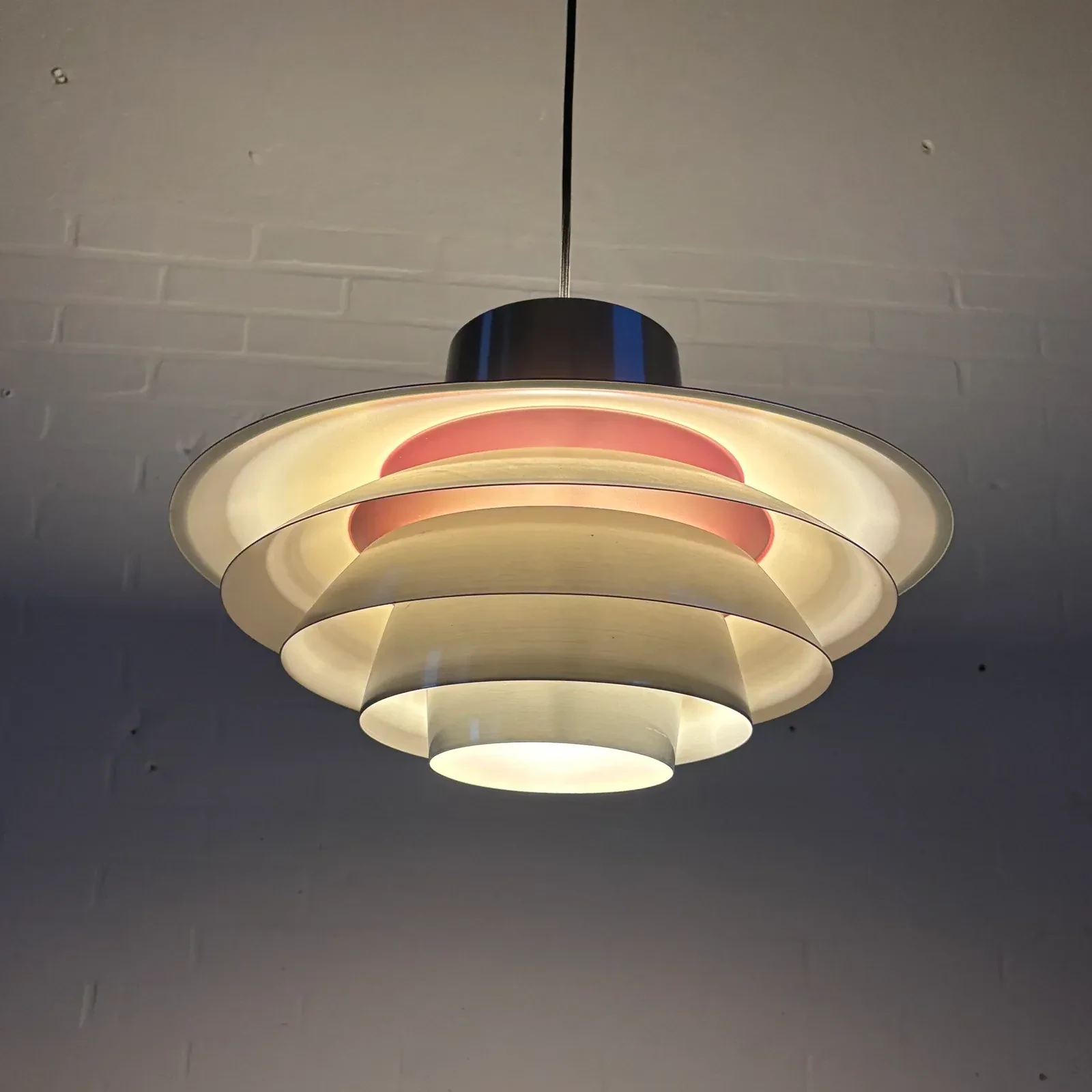
See how Sven Middelboe’s 1968 Verona pendant uses nested aluminium shades to conceal the bulb, soften glare and make the fitting itself glow.
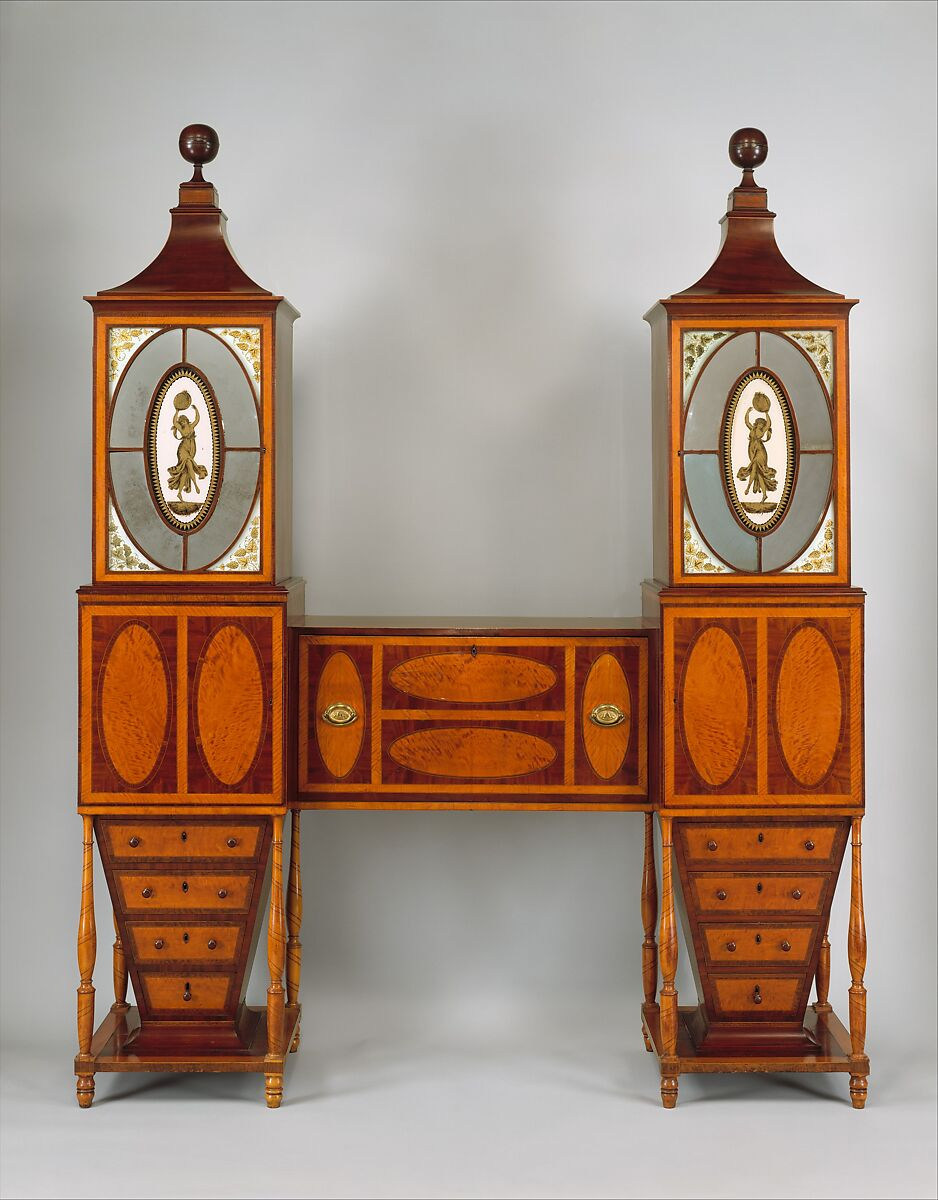
See how verre églomisé puts decoration behind glass, why its making works in reverse, and how a chair or cabinet can turn that surface into a personal statement.
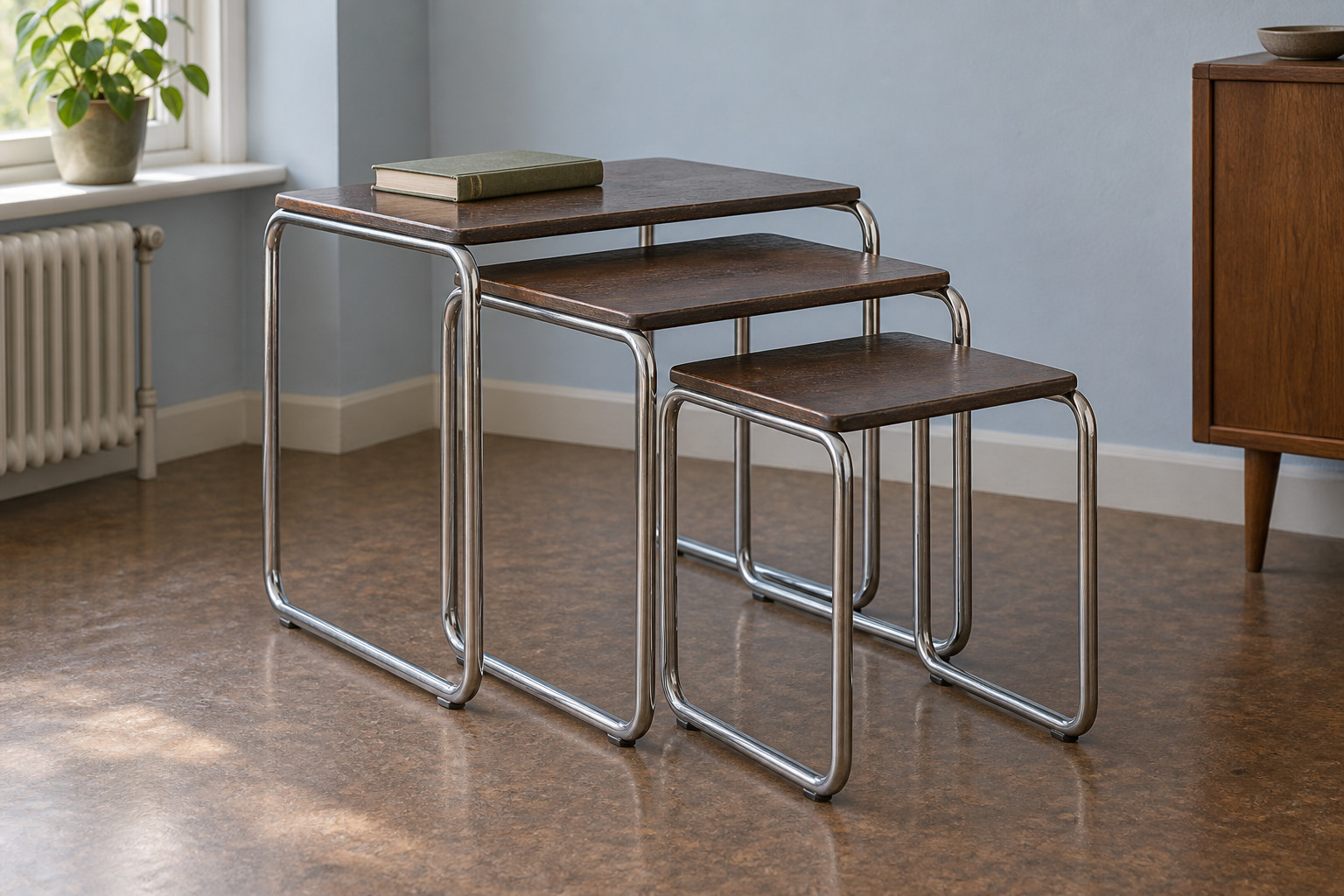
Read a Czech metal-furniture catalogue as a proposal for domestic life, from beds and chairs to plant stands and coordinated interiors.
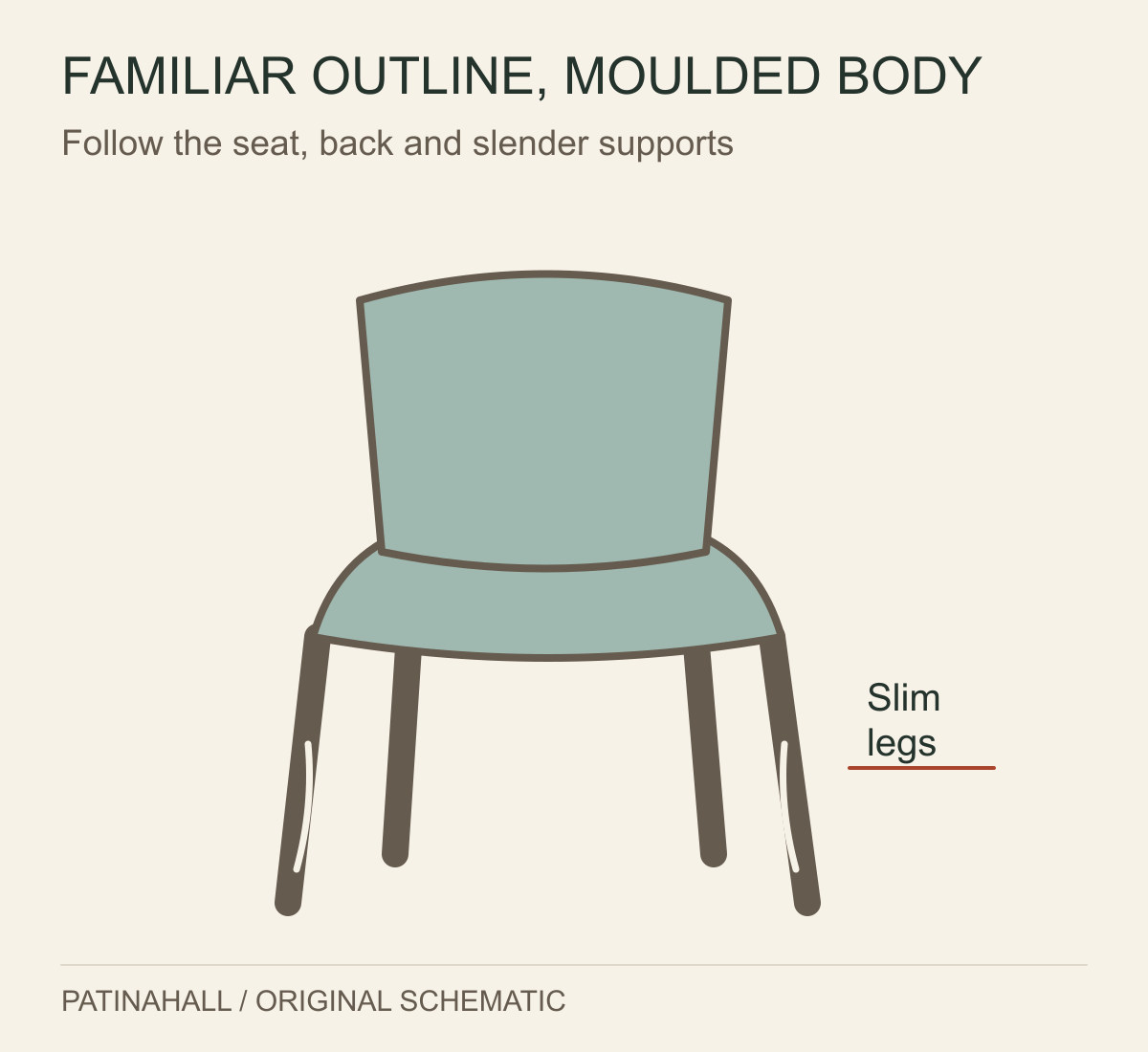
Selene’s smooth seat gives little away. Look at the legs instead: their folded section is the clever part. Vico Magistretti used shape to give a slender plastic chair the presence of an ordinary dining chair.
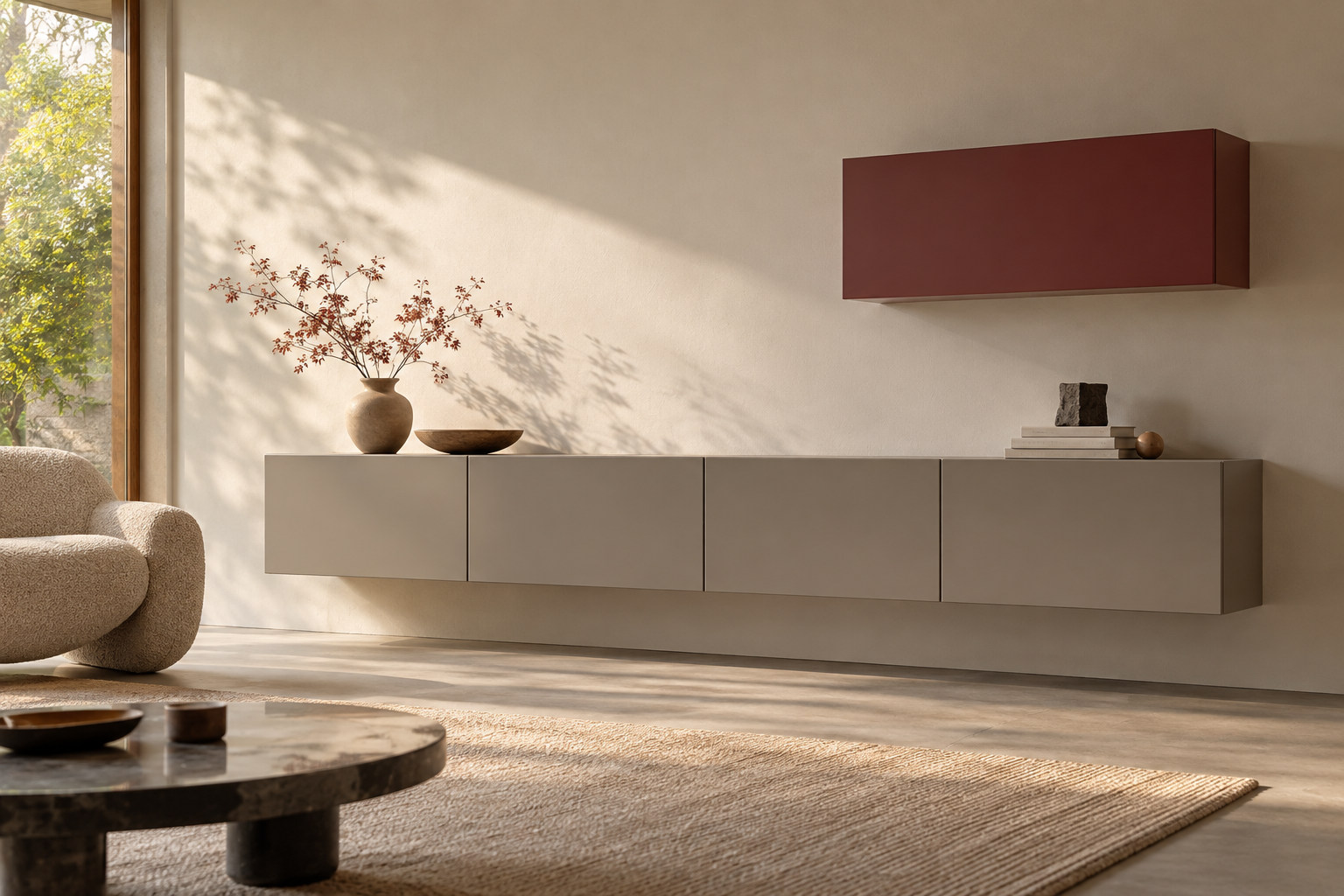
Vision turns storage into a composition of planes and volumes. Pierre Mazairac and Karel Boonzaaijer designed the system for Pastoe in 1985.
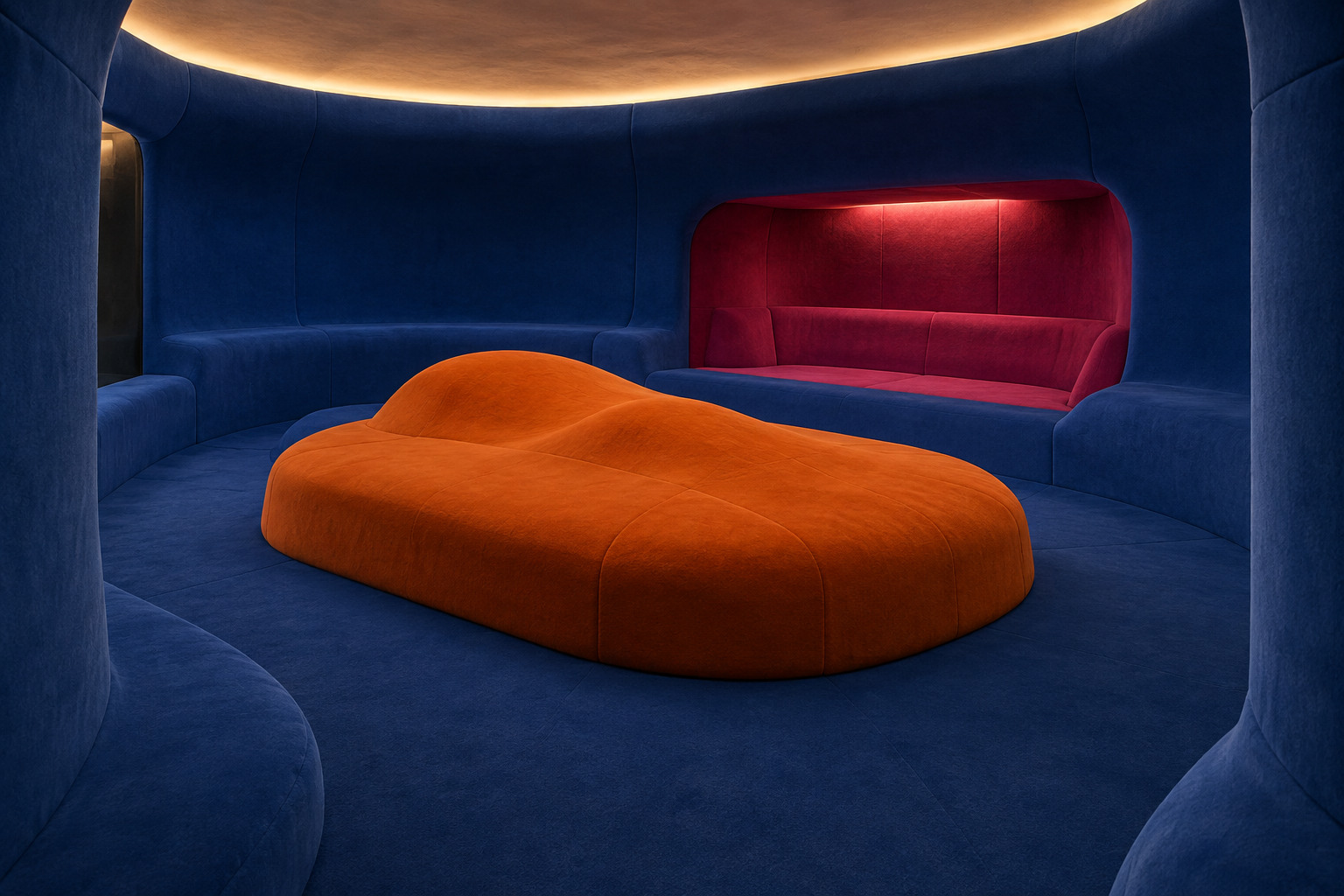
Enter the idea behind Verner Panton’s 1970 Visiona 2: a temporary interior where colour, upholstery and changing levels shaped ways to rest.
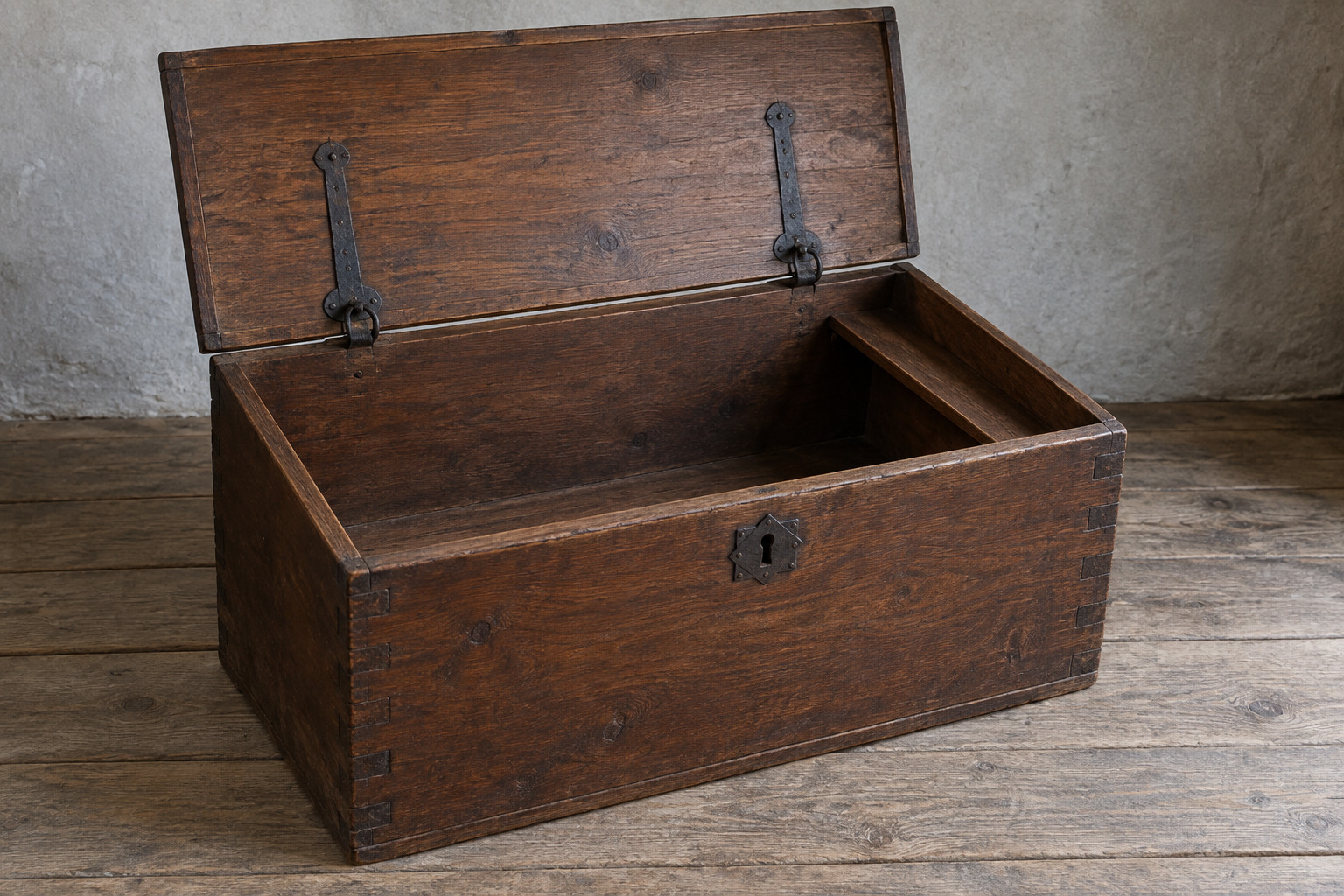
Look inside the Mary Rose carpenter’s cabin, where three different chests held tools, clothing traces and a small collection of personal possessions.
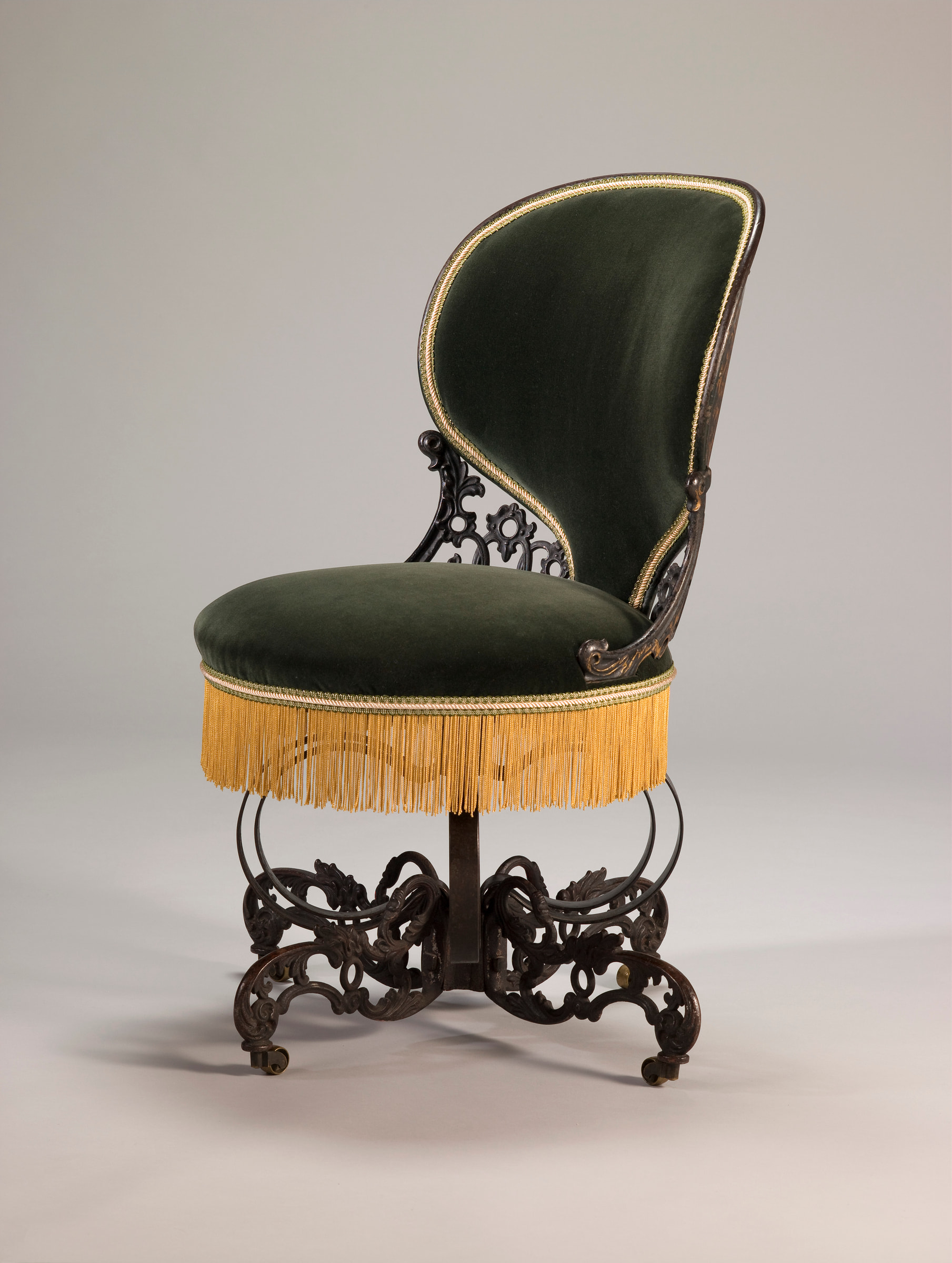
Look beneath the velvet and fringe of Warren’s Centripetal Spring Chair 147:1965 to see how crossed leaf springs, a central support and casters made furniture move.
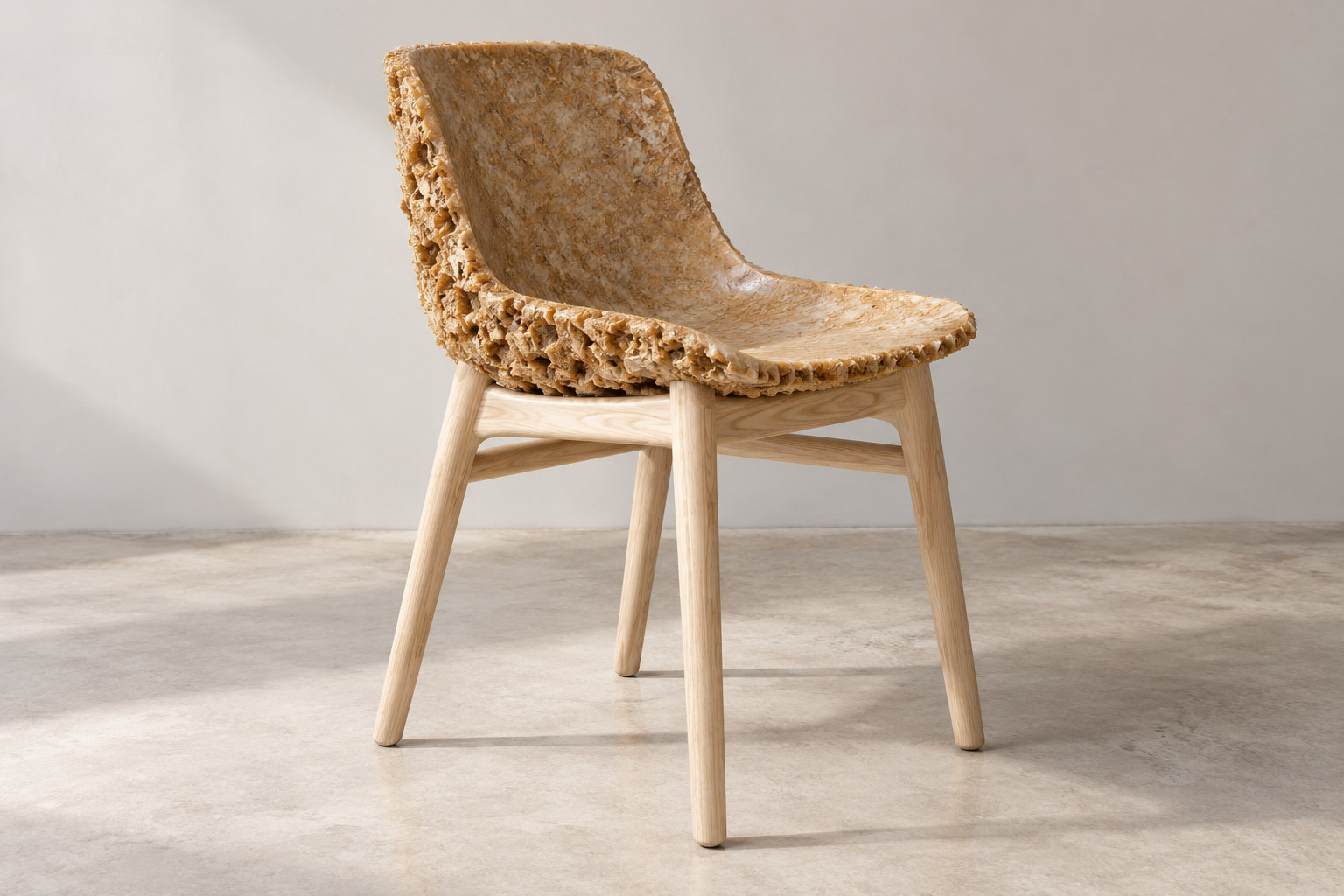
Marjan van Aubel and James Shaw’s Well Proven Chair brings workshop shavings into a shaped seating material, in contrast with its recognisable timber support.
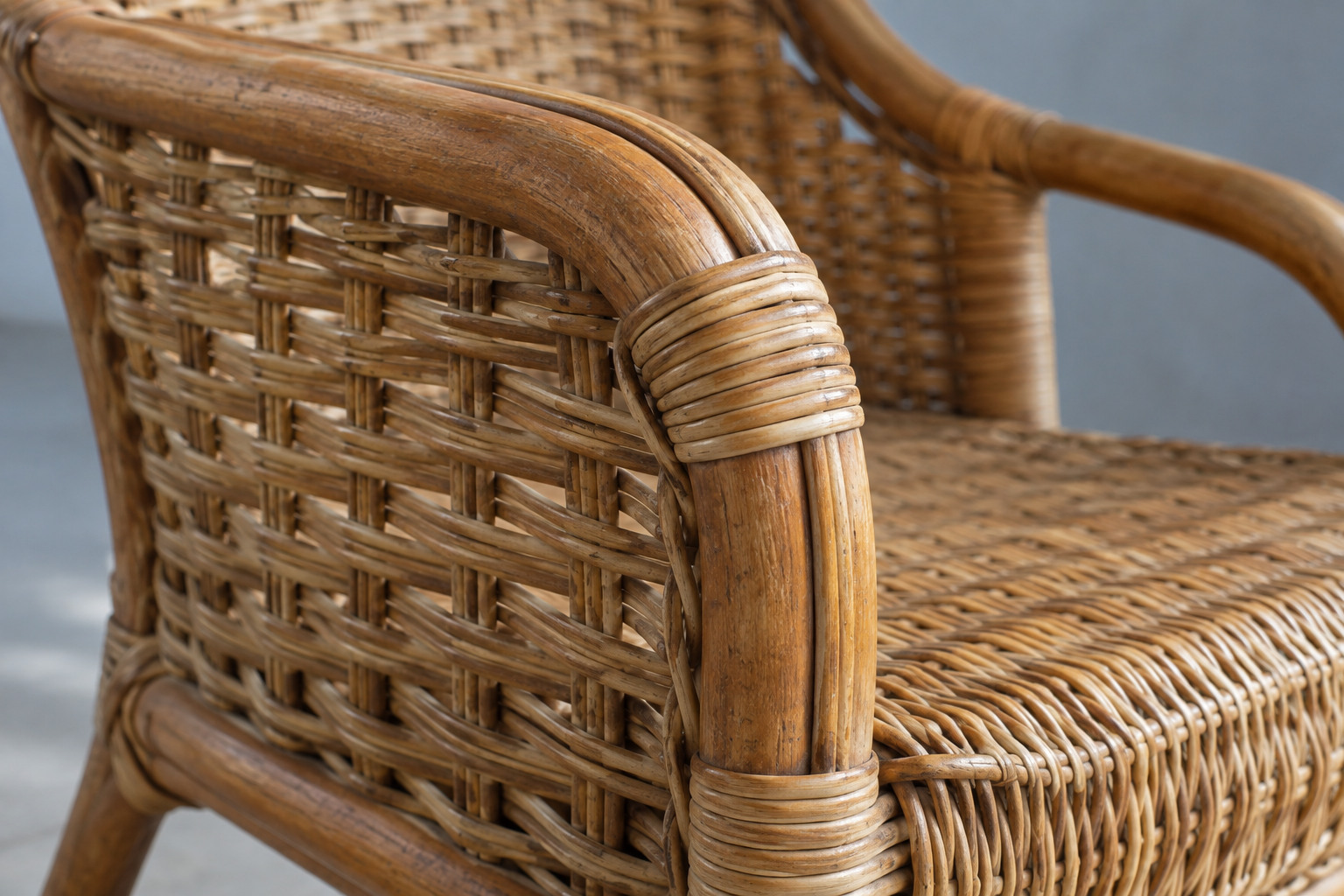
Learn to distinguish wicker weaving from its materials, then follow woven furniture through household catalogues, the Dryad business and a global craft collection.
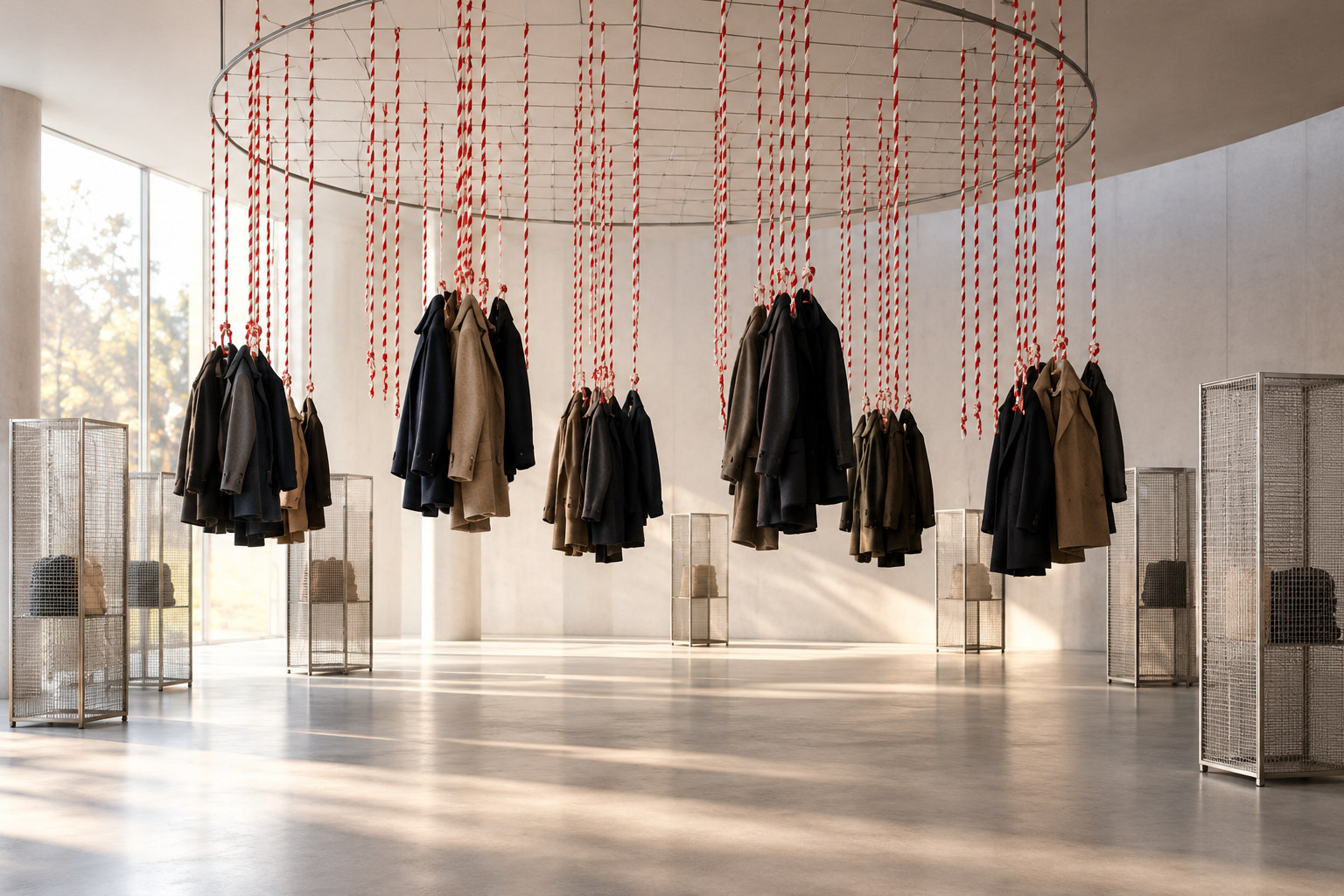
Wieki Somers and Dylan van den Berg’s collaborative studio reconsiders everyday objects through material and use. A museum cloakroom shows how a small ritual can organise a room.
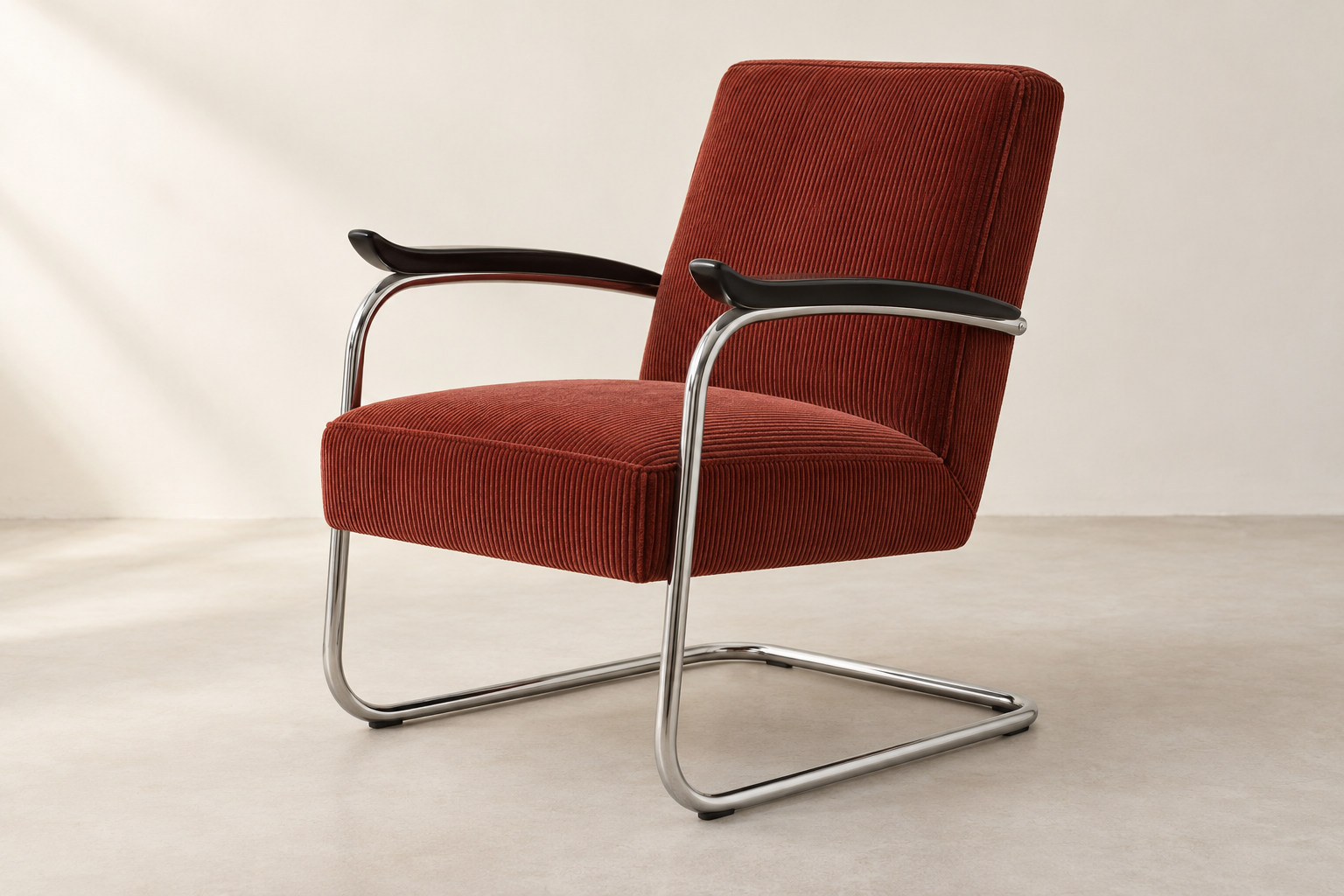
Willem Hendrik Gispen’s career connected a metalworking business, individual commissions and serial furniture without reducing them to one style.
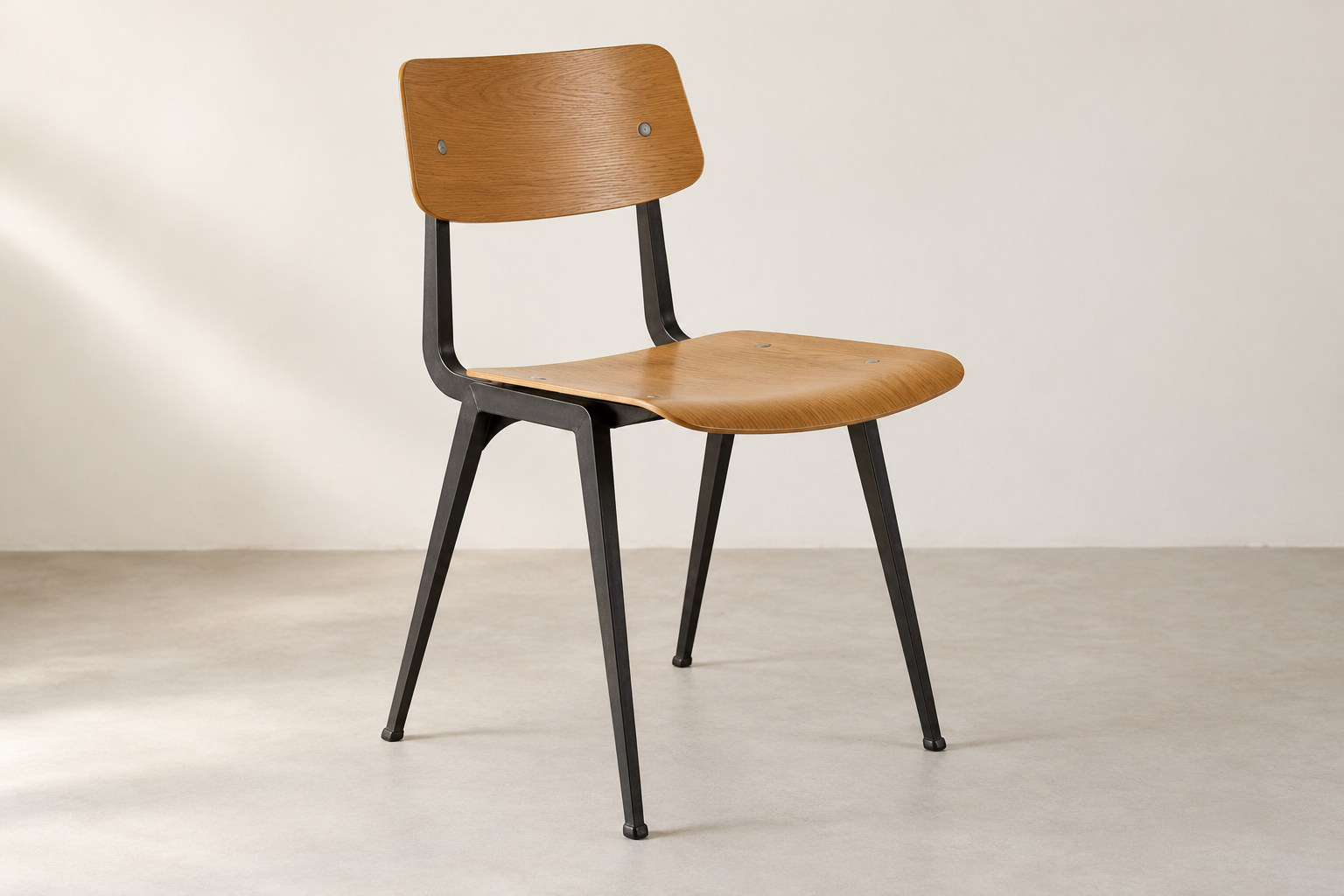
Wim Rietveld brought drawing-office experience to furniture, transport and machinery. Follow a career shaped by production and collaboration.
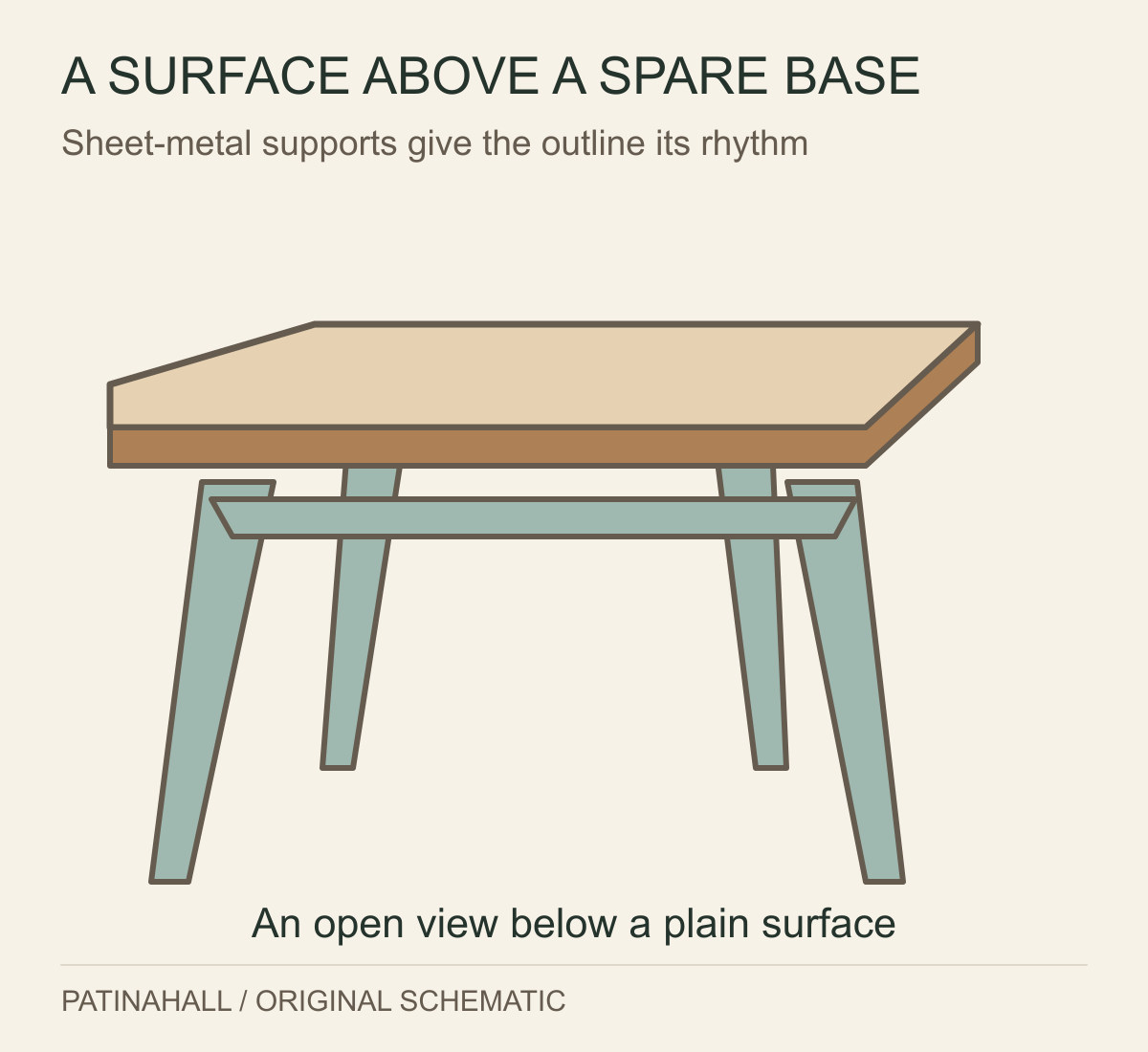
A Pyramid table can look like something remembered from school. Wim Rietveld’s spare steel base belongs to furniture made for repeated daily use, and that useful simplicity travels easily into a home.
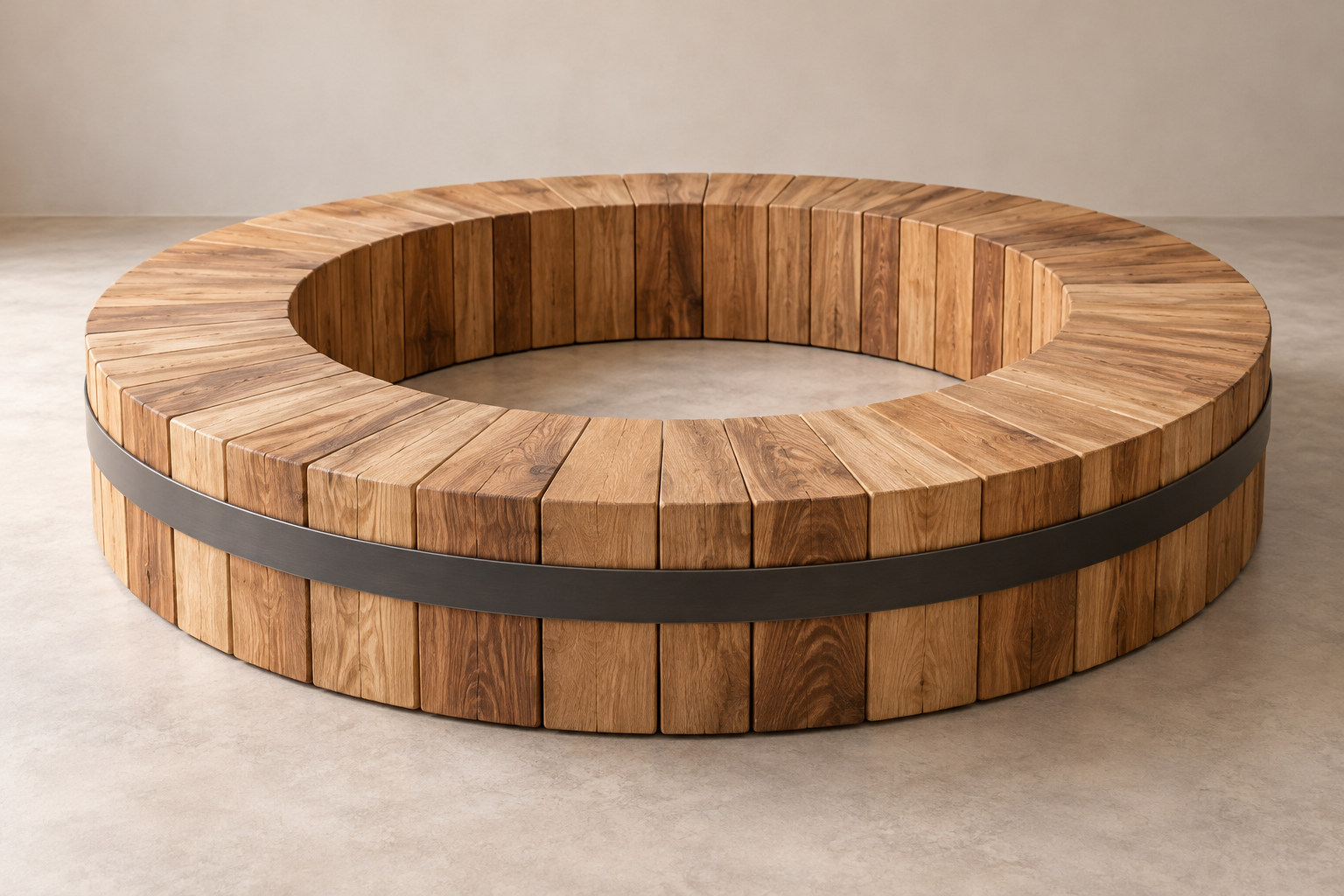
Chris Kabel’s Wood Ring uses a circular timber seat to create an inward shared space. Its grain and retaining metal belt make the material arrangement visible.
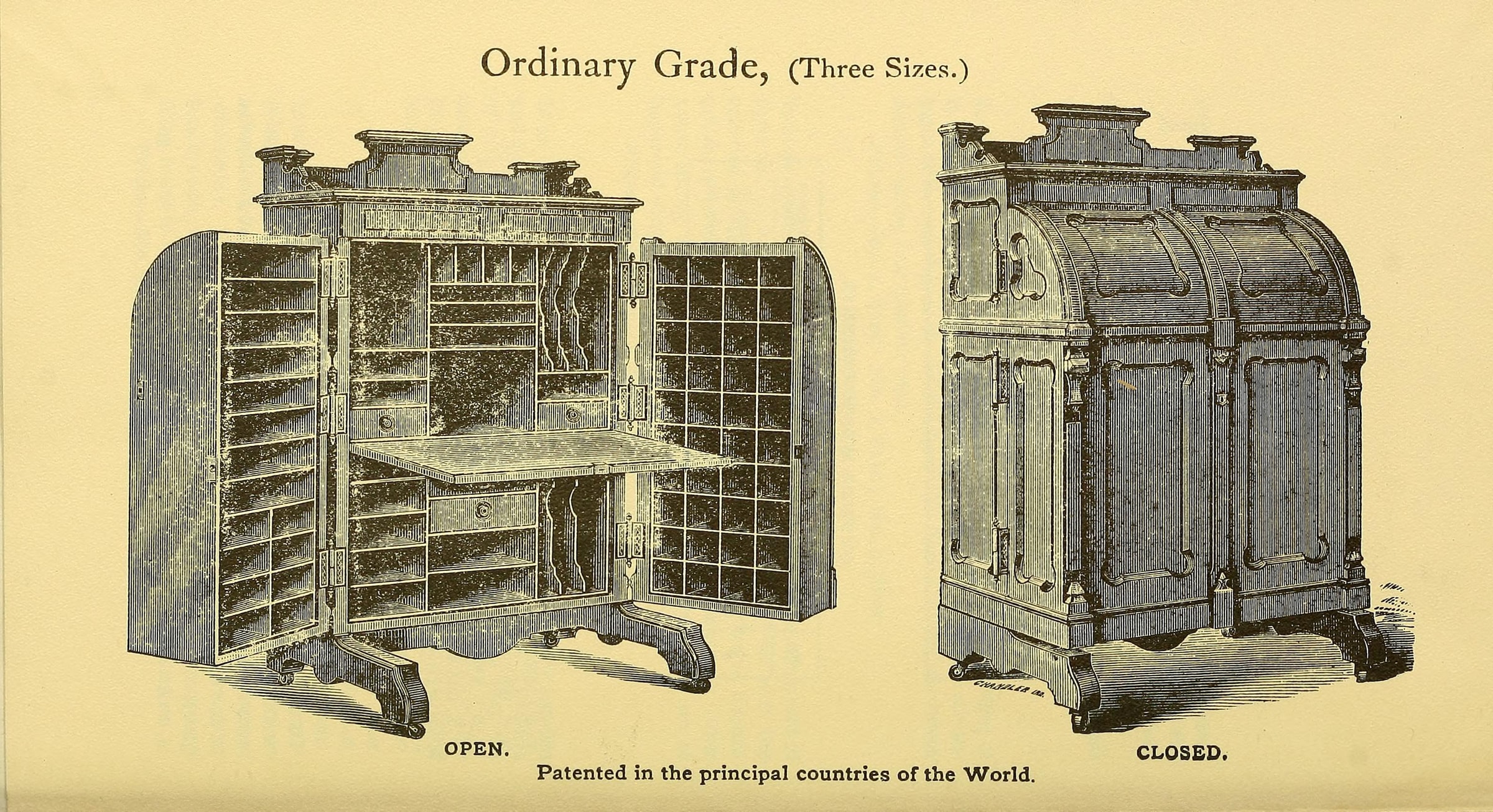
Open William S. Wooton’s 1874 patent secretary to see how hinged filing wings, a writing leaf, grades and locks compressed a Victorian office into one cabinet.
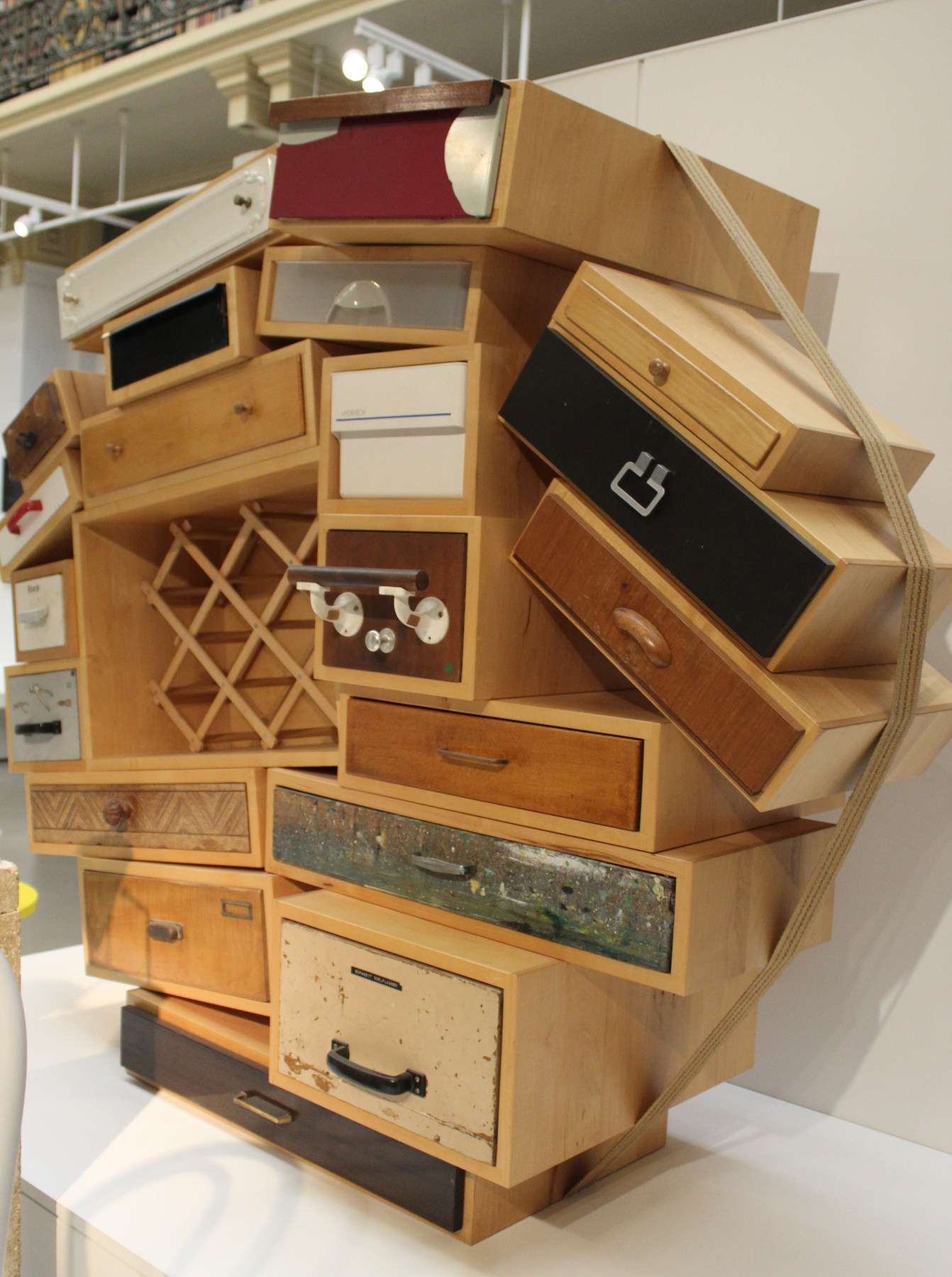
New maple housings give old drawers somewhere to work again. Tejo Remy’s chest reverses the usual relationship between a cabinet and its contents.
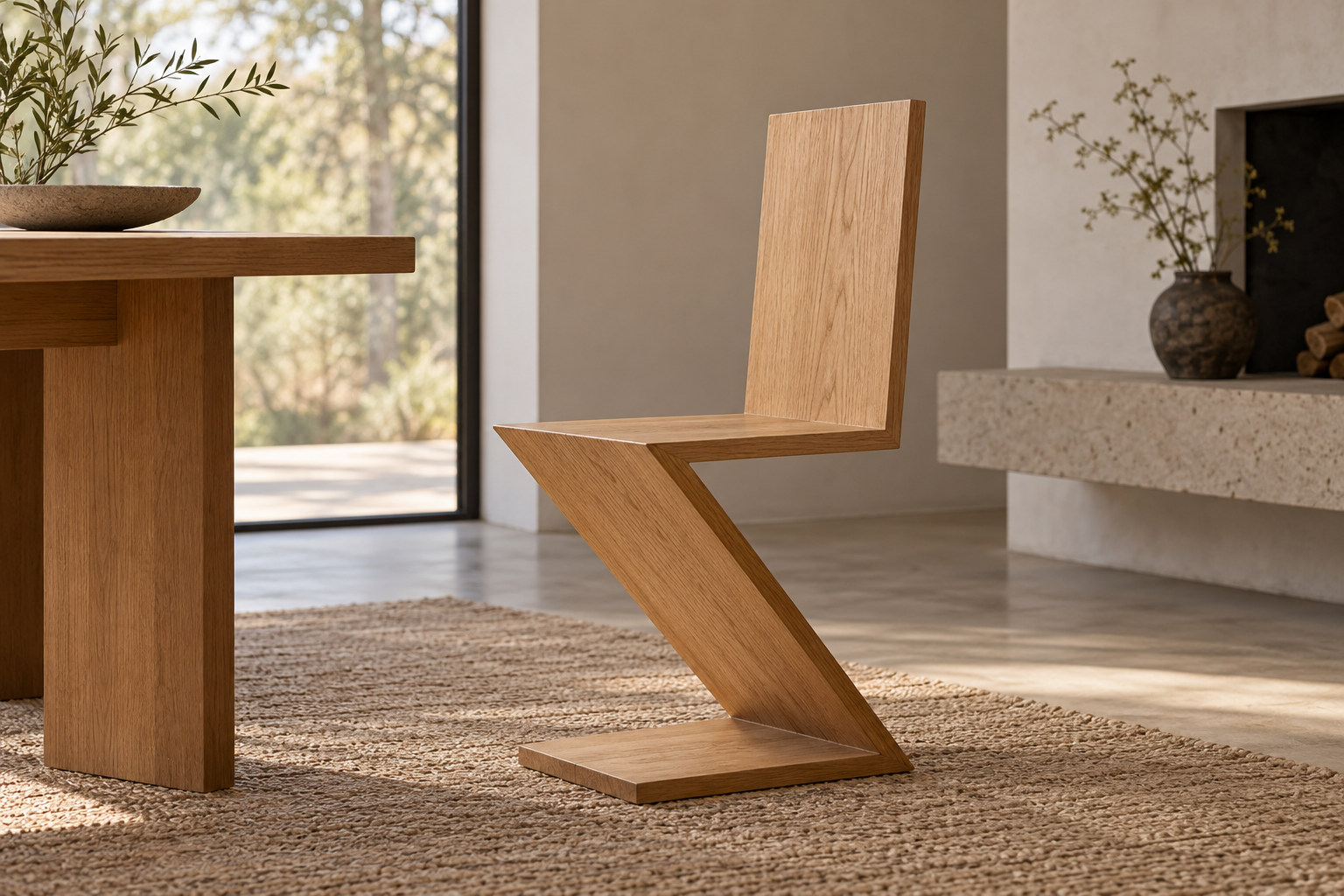
Four wooden planes give Rietveld’s Zig-Zag Chair its outline. The corners explain why a simple silhouette can conceal demanding work.
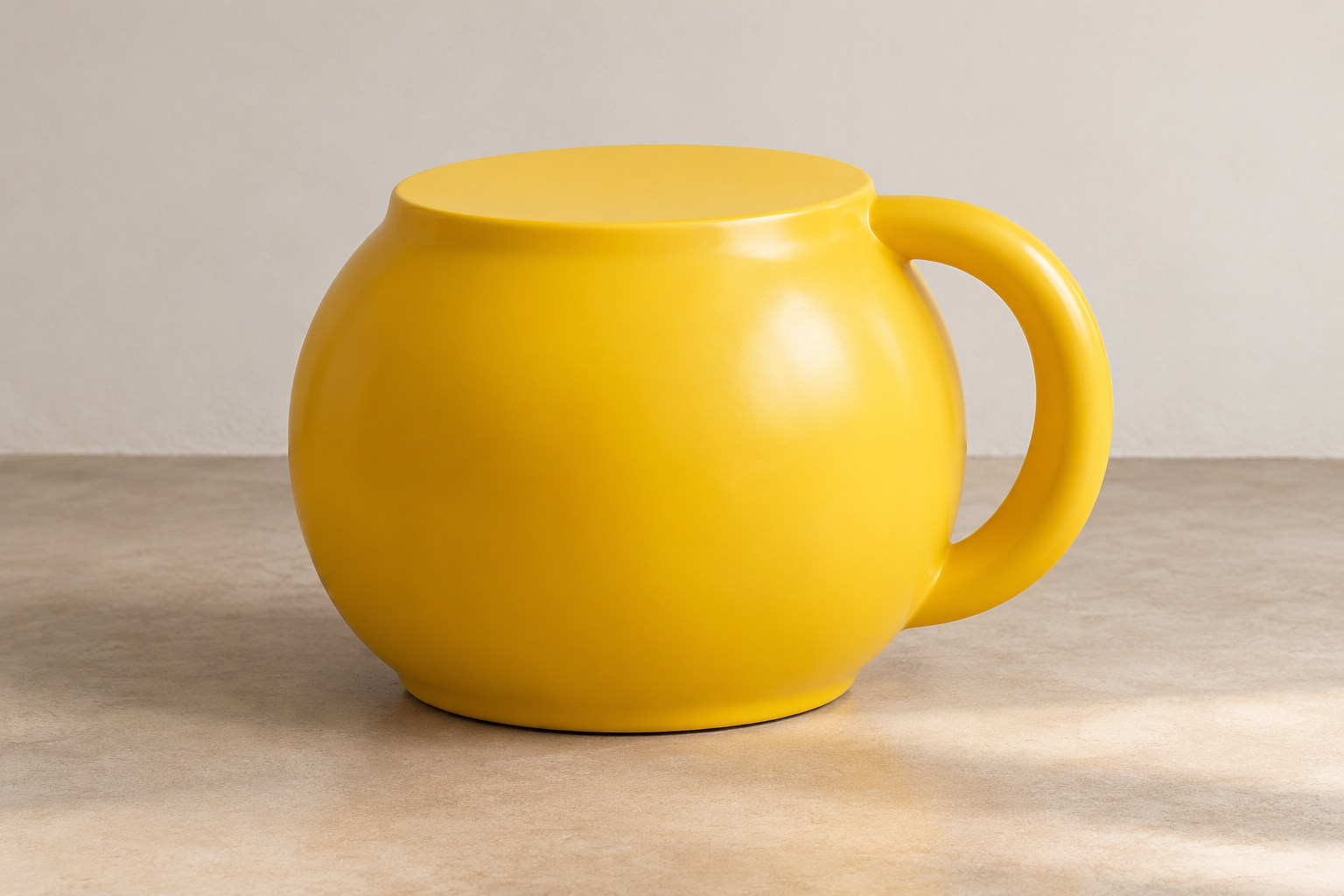
Richard Hutten’s Zzzidt gives a hard sphere flat faces and a handle. A small change in form makes carrying, sitting and placing things part of one object’s story.