Begin with something people recognise
An everyday object arrives with associations before a designer changes it. Studio Wieki Somers works with that recognition, using material investigation and technical experiment to make familiar things newly noticeable. TextielMuseum describes both designers and this material approach.2
The studio was founded in 2003 by Wieki Somers and Dylan van den Berg.1 Keeping both names visible matters. The name above the door is not a reason to turn a collaborative practice into the work of one person alone.
Let an activity organise a space
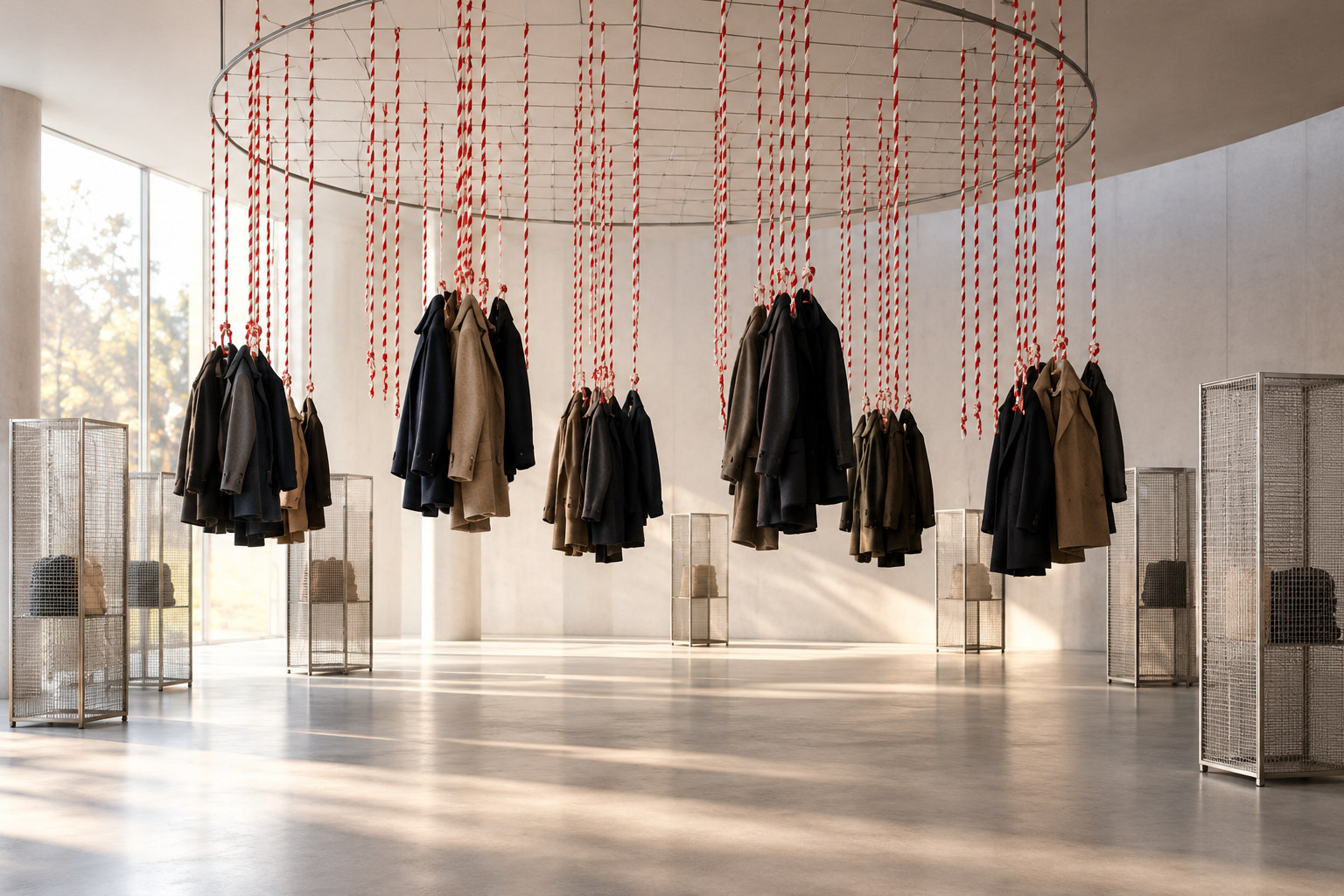
The Merry-Go-Round cloakroom offers a particularly vivid example. Boijmans credits Somers and van den Berg with the commissioned 2008 artefact.3 Its original operation raised coats into the room above the floor, making storage an overhead collective presence.
The activity stayed recognisable: visitors left their belongings. Its spatial role changed. An entrance service could become part of the museum encounter, showing how attention to an ordinary action can generate a room-scale design idea.
Material gives the association a body
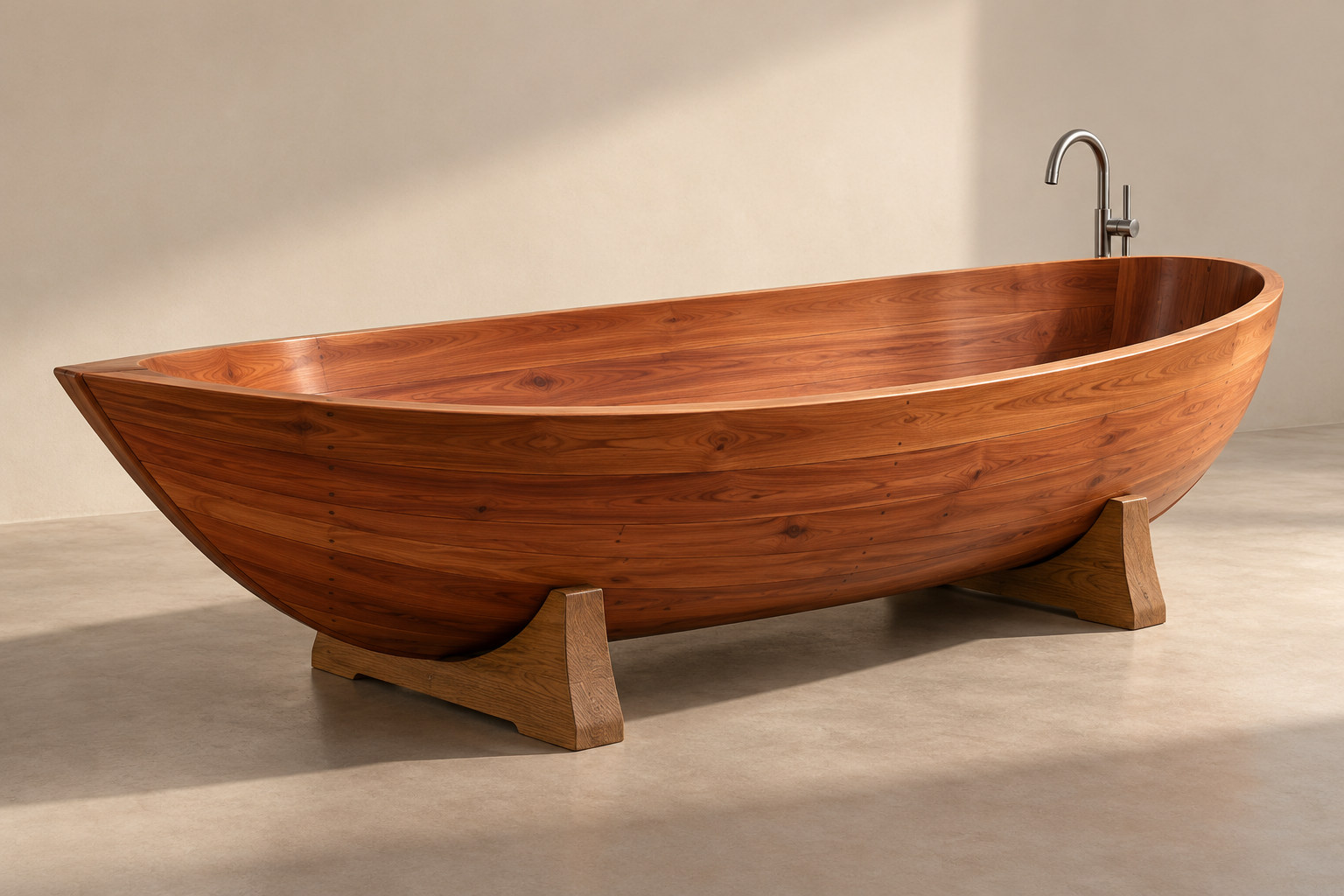
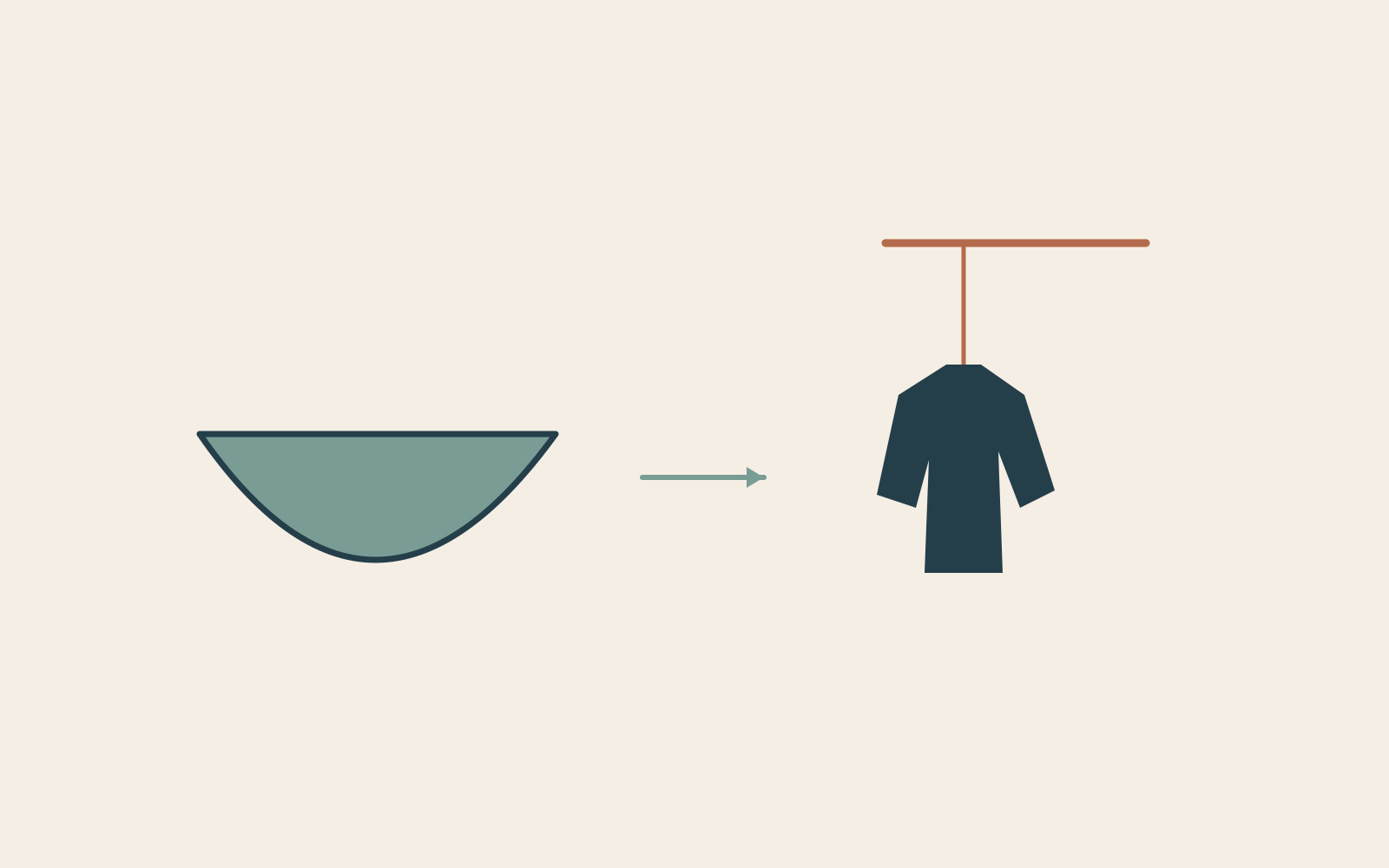
The studio’s practice connects material, technique and use rather than treating them as separate finishing stages.12 The separately covered Bathboat makes a familiar vessel association tangible; the cloakroom instead changes where everyday belongings appear.
That range is the profile’s real subject. The work does not need to begin with an unprecedented object type. It can begin with something people already know, then use material and a carefully observed ritual to make that knowledge feel fresh.