Design
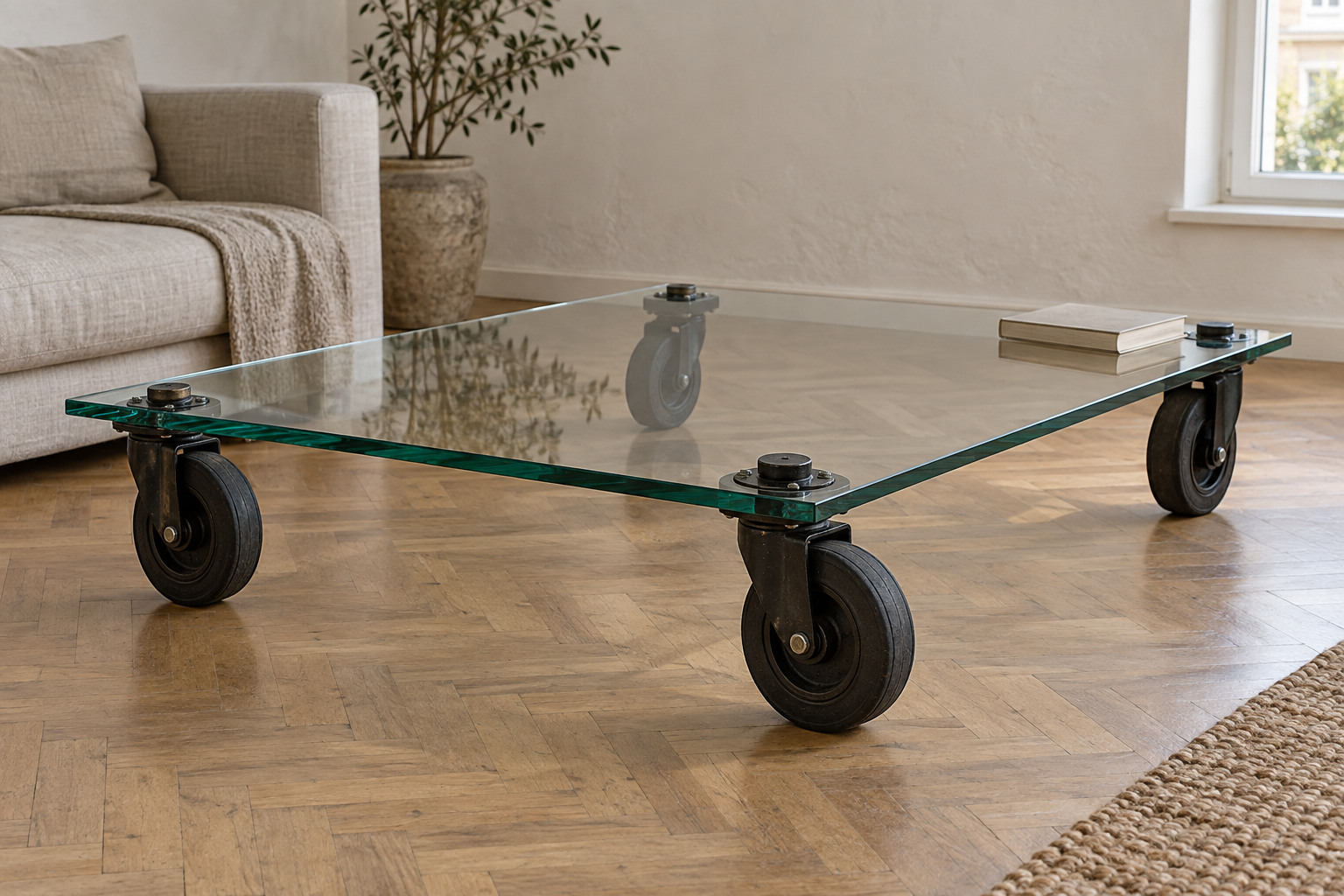
Tavolo con Ruote
Look through Gae Aulenti’s glass table to see how four industrial castors turn a workshop idea into living-room furniture.
Objects · people · ideas
Discover the objects, people and ideas that shaped furniture, from historic pieces to modern designs.
Look through Gae Aulenti’s glass table to see how four industrial castors turn a workshop idea into living-room furniture.
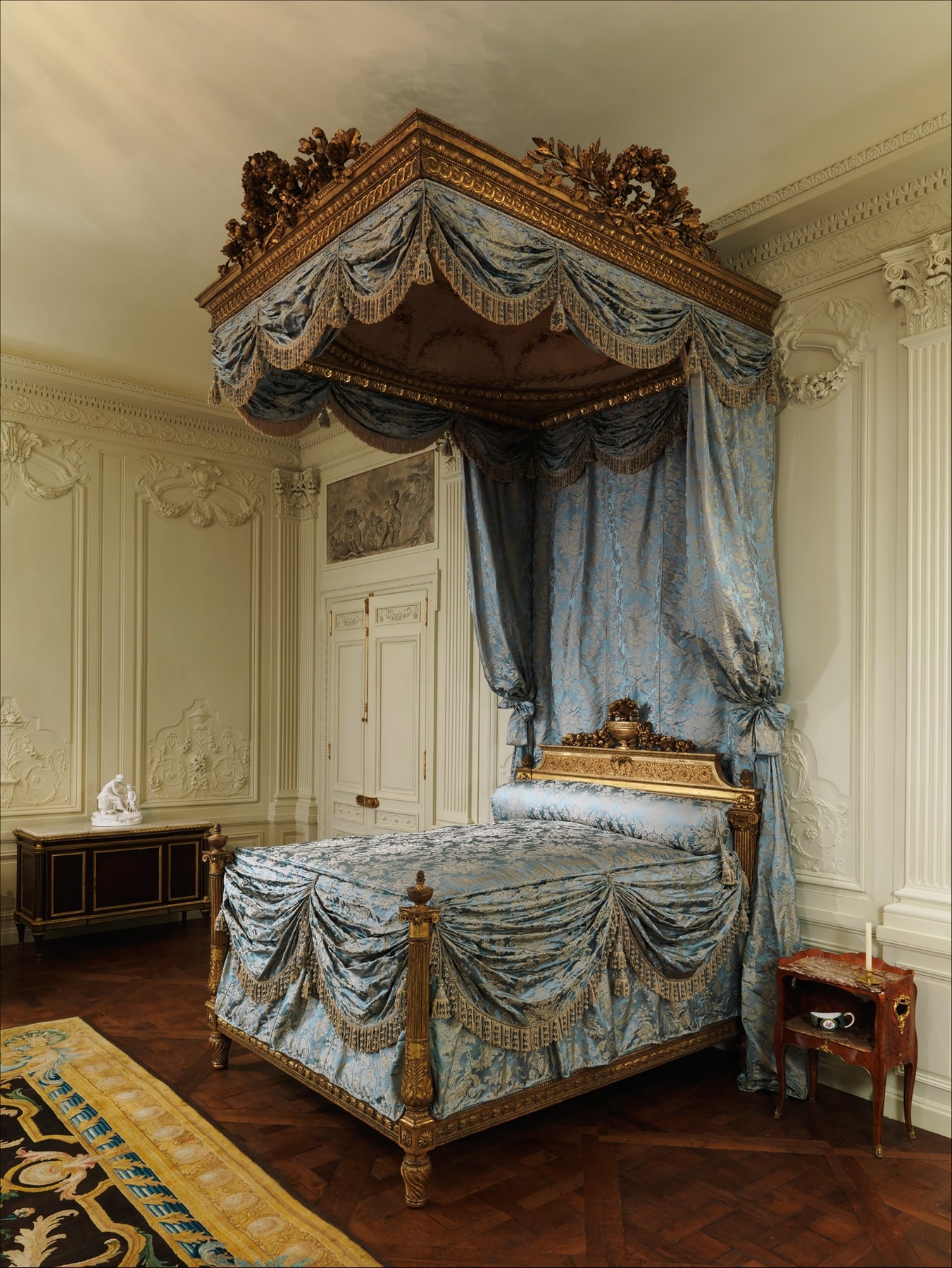
Georges Jacob’s eighteenth-century tester bed separates its canopy from its frame. Explore ceiling suspension, collaborative making and replacement textiles.
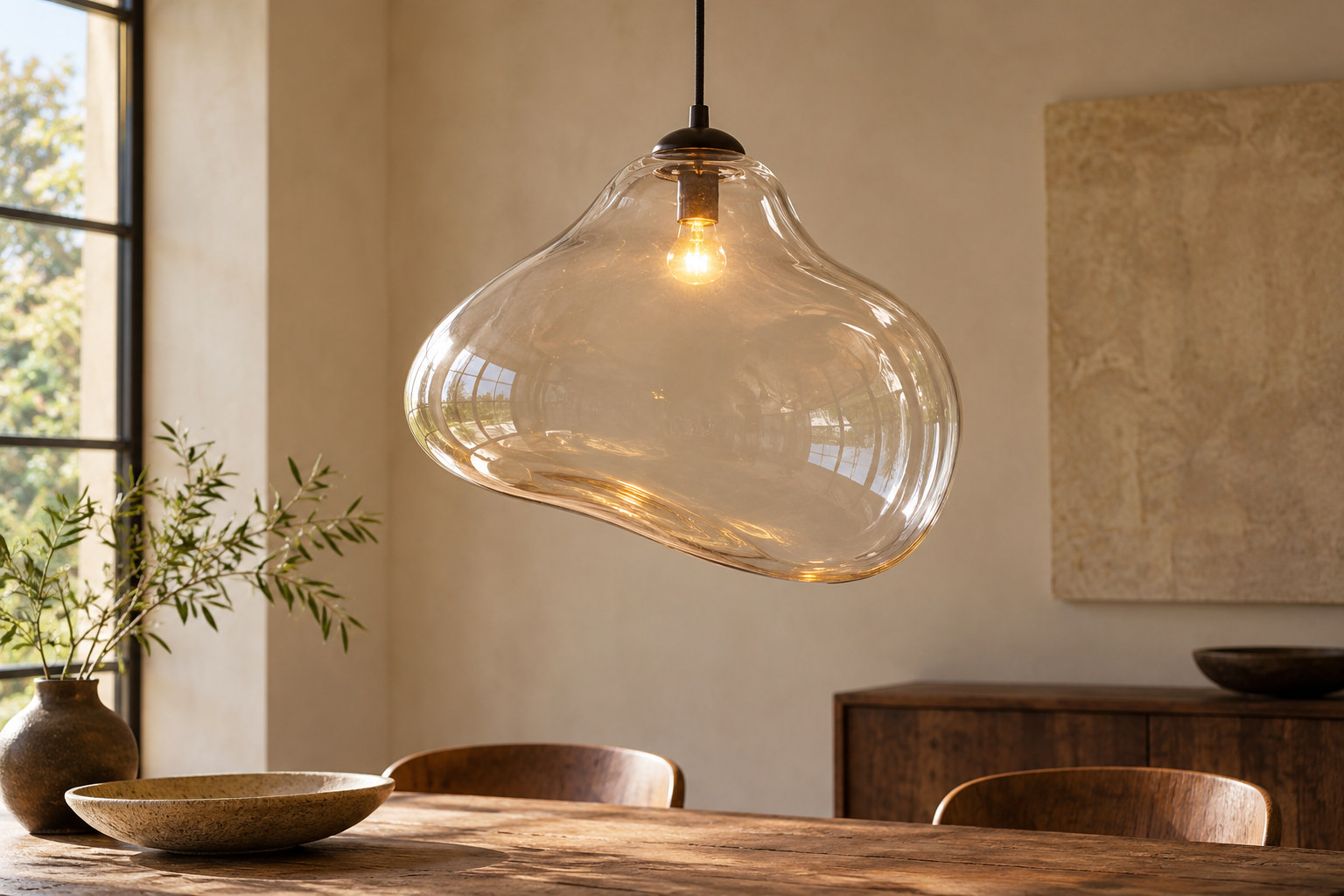
Alex de Witte’s Big Bubble gives a hanging light a variable mouth-blown glass outline. Craft control leaves room for differences between examples.
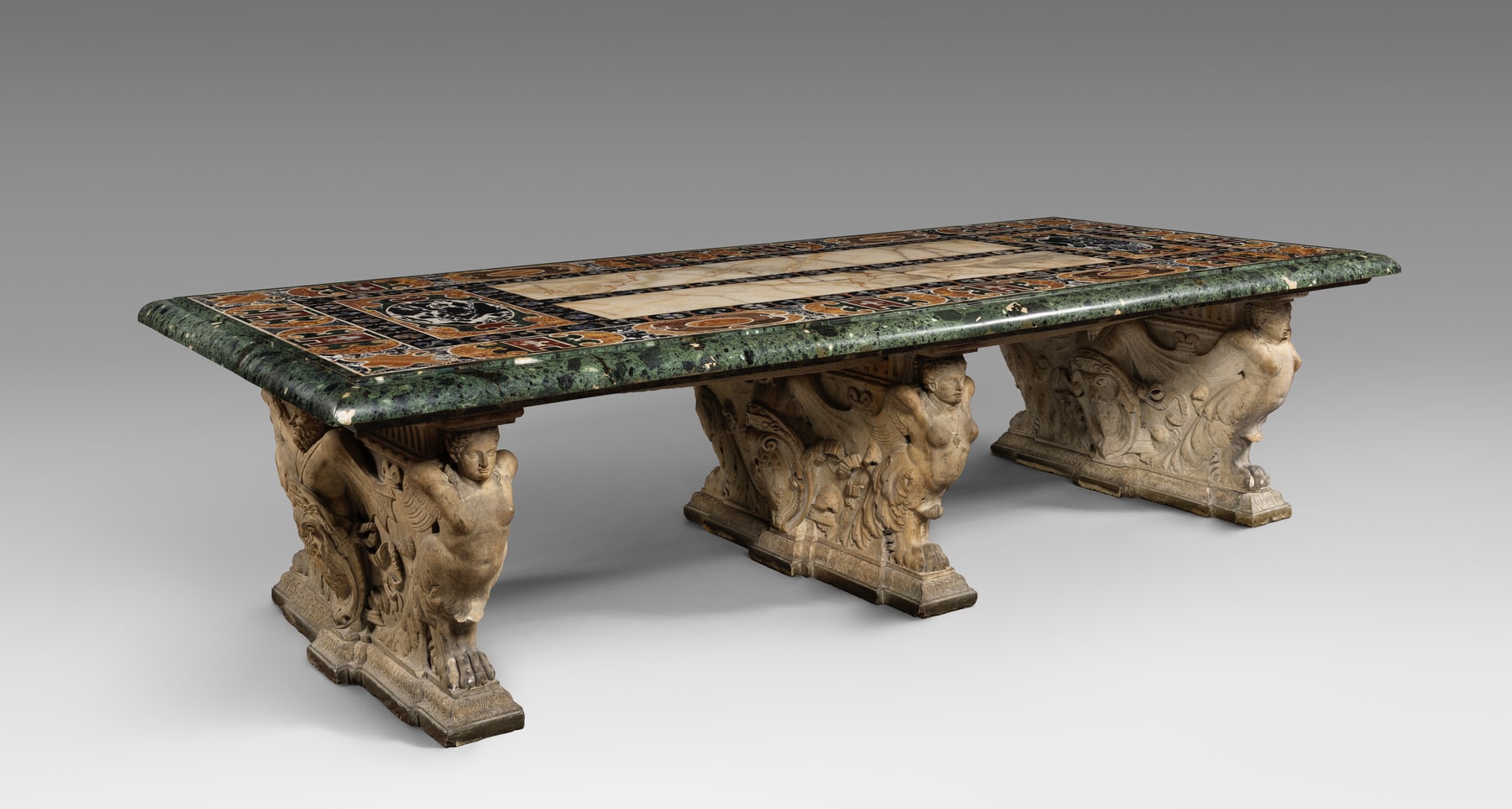
Nearly four metres wide, the Farnese Table turns coloured stone into a statement of Renaissance power. Explore its alabaster panels, carved piers and attributions.
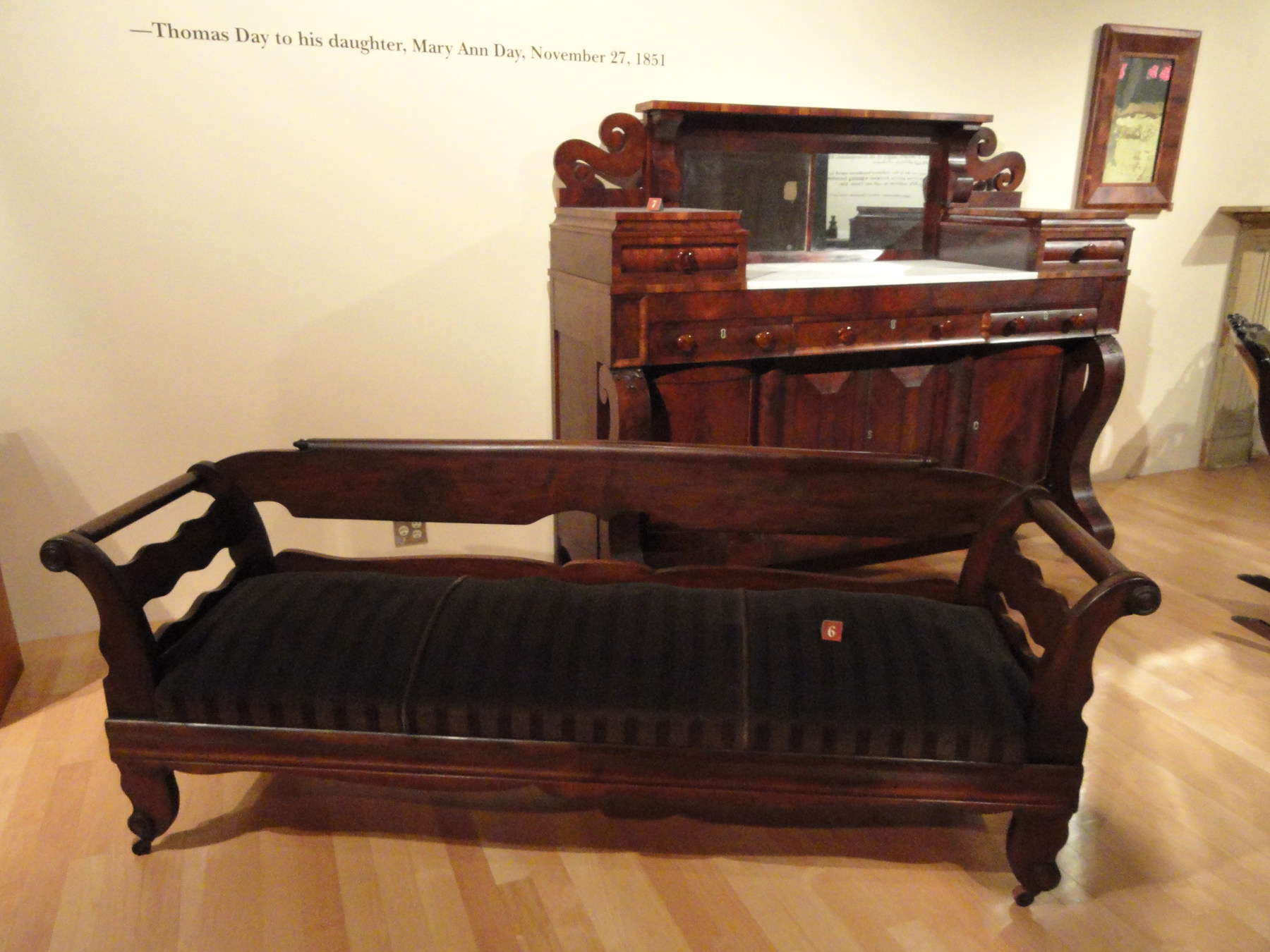
Thomas Day’s furniture leads into the history of a free Black cabinetmaker, his family’s legal restrictions and the enslaved people who worked in his business.
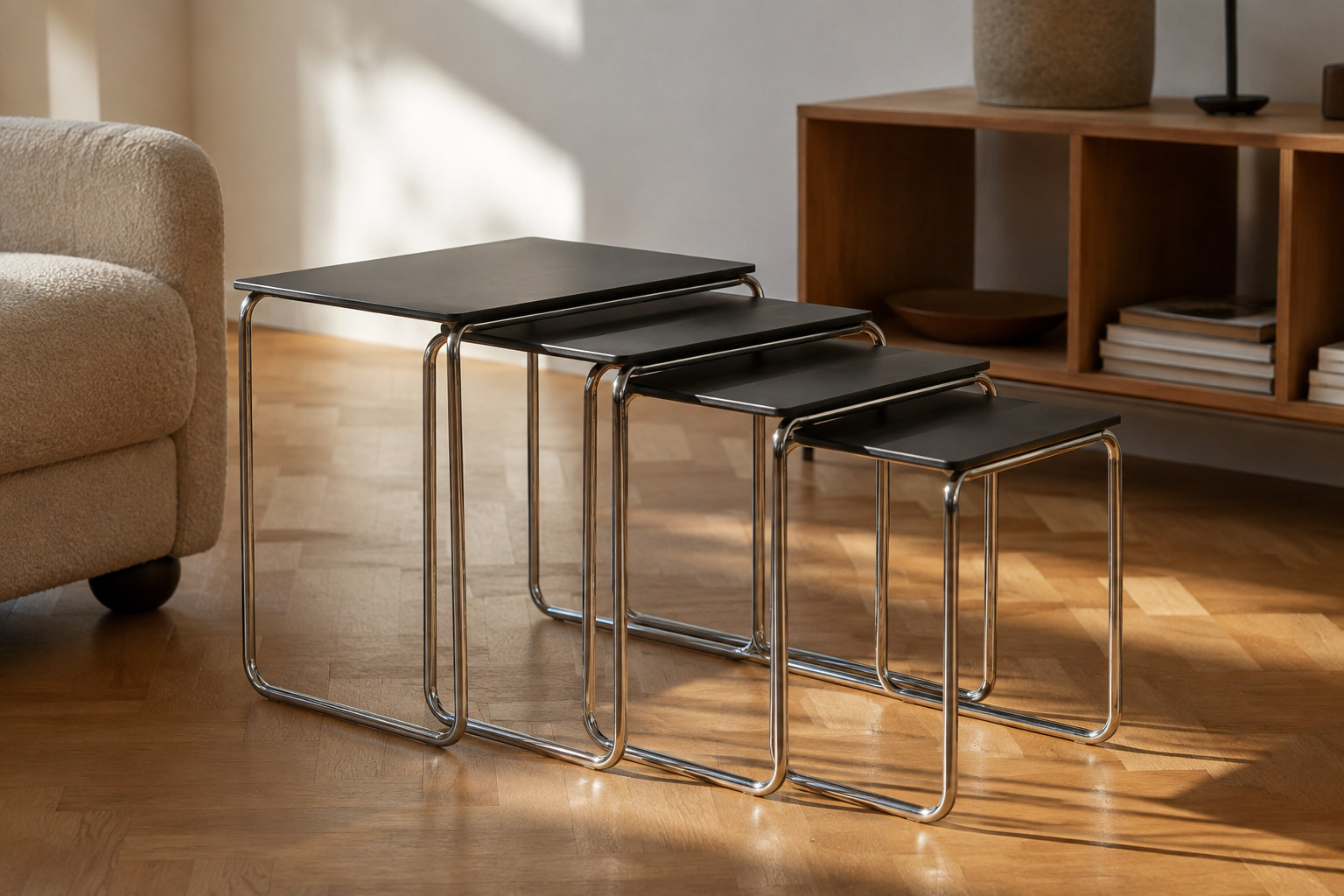
A nest of B 9 tables is furniture waiting to spread out. Marcel Breuer’s four small surfaces can gather into one compact group, then separate to follow the people sitting around a room.
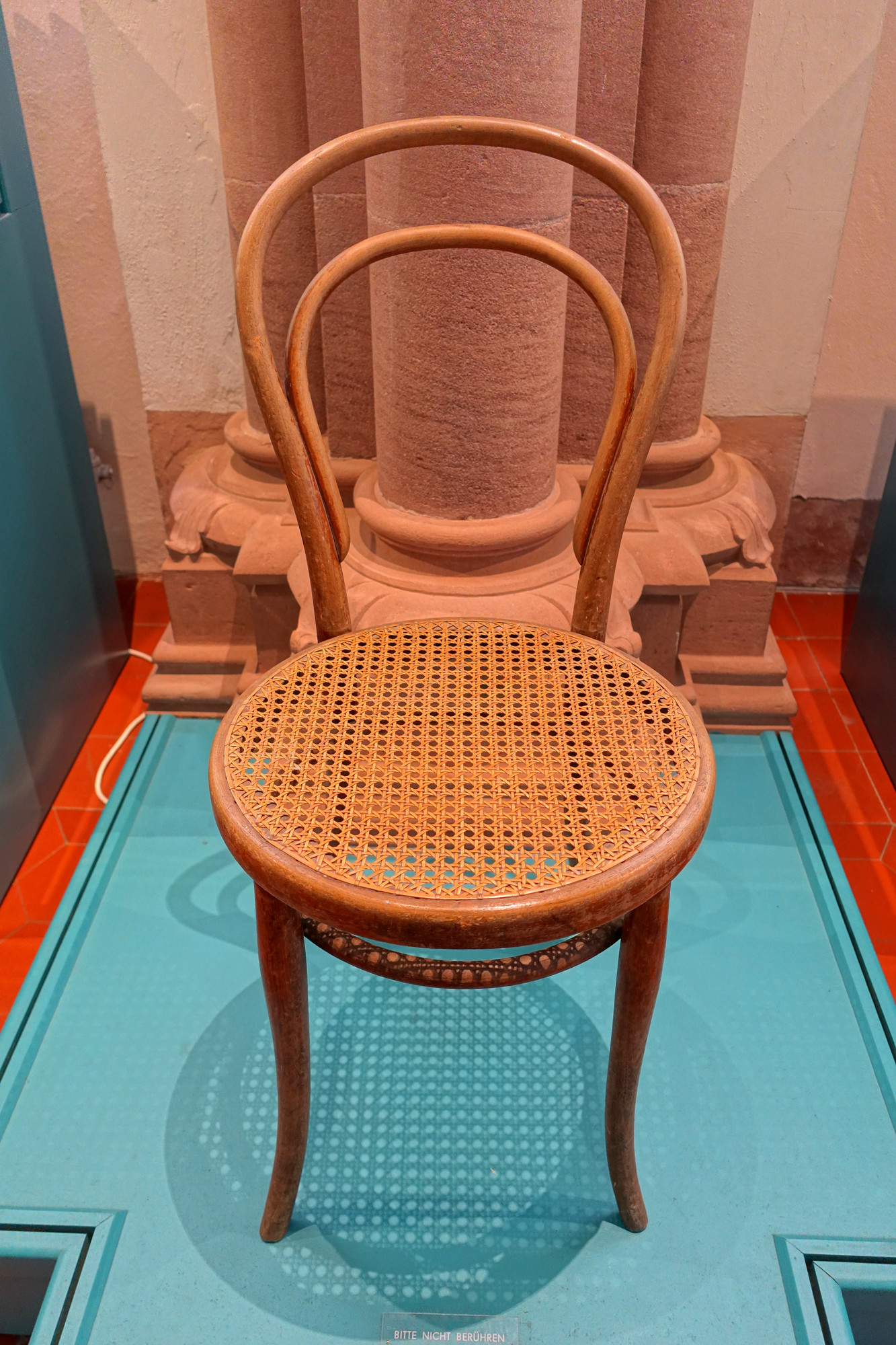
See how Michael Thonet joined steam-bent beech, six wooden parts, simple hardware and compact shipping to turn one 1859 café chair into a global system.
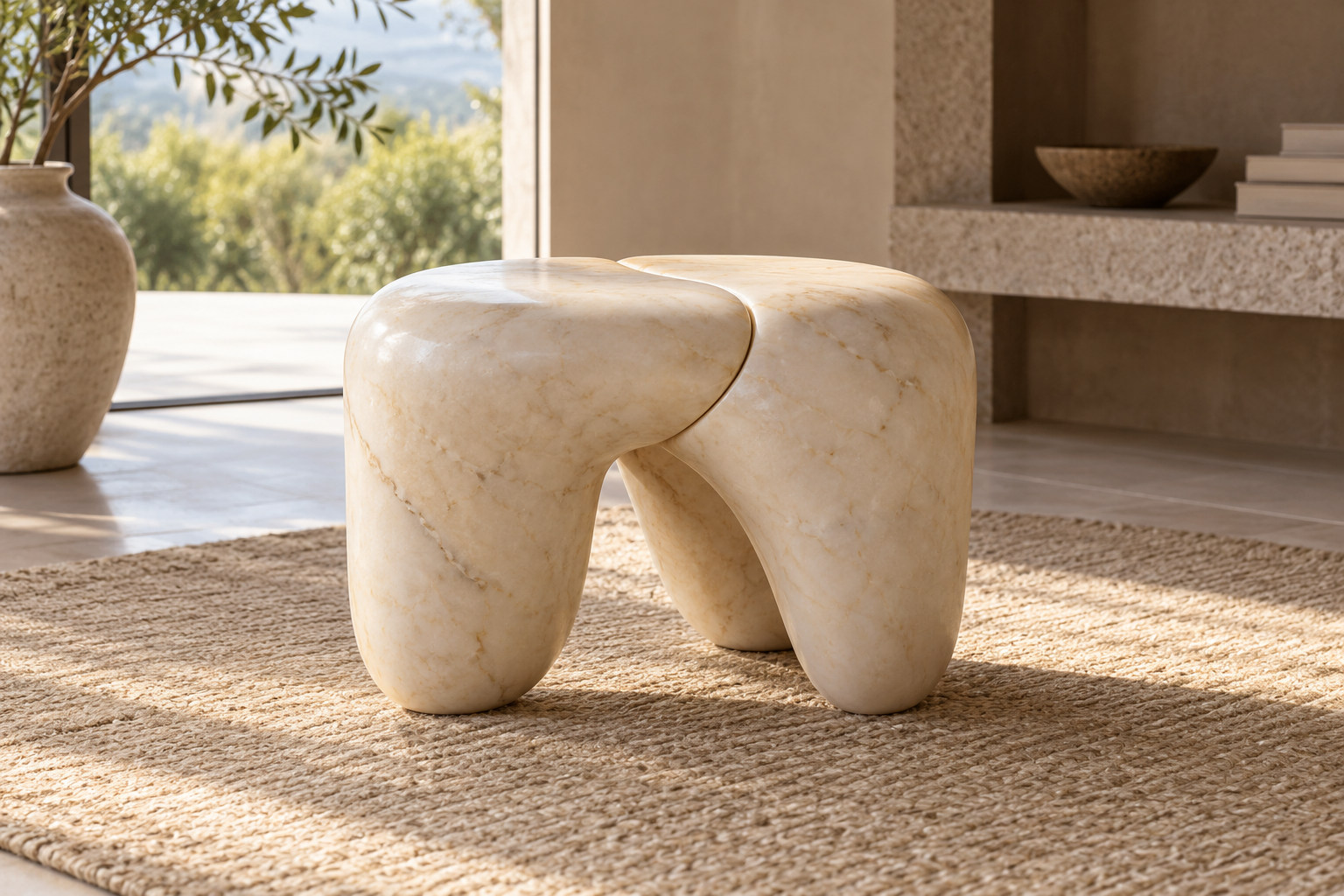
Aldo Bakker’s Three Pair combines three curved stone elements into a small seat. Its assembly is part of the outline a reader learns to follow.
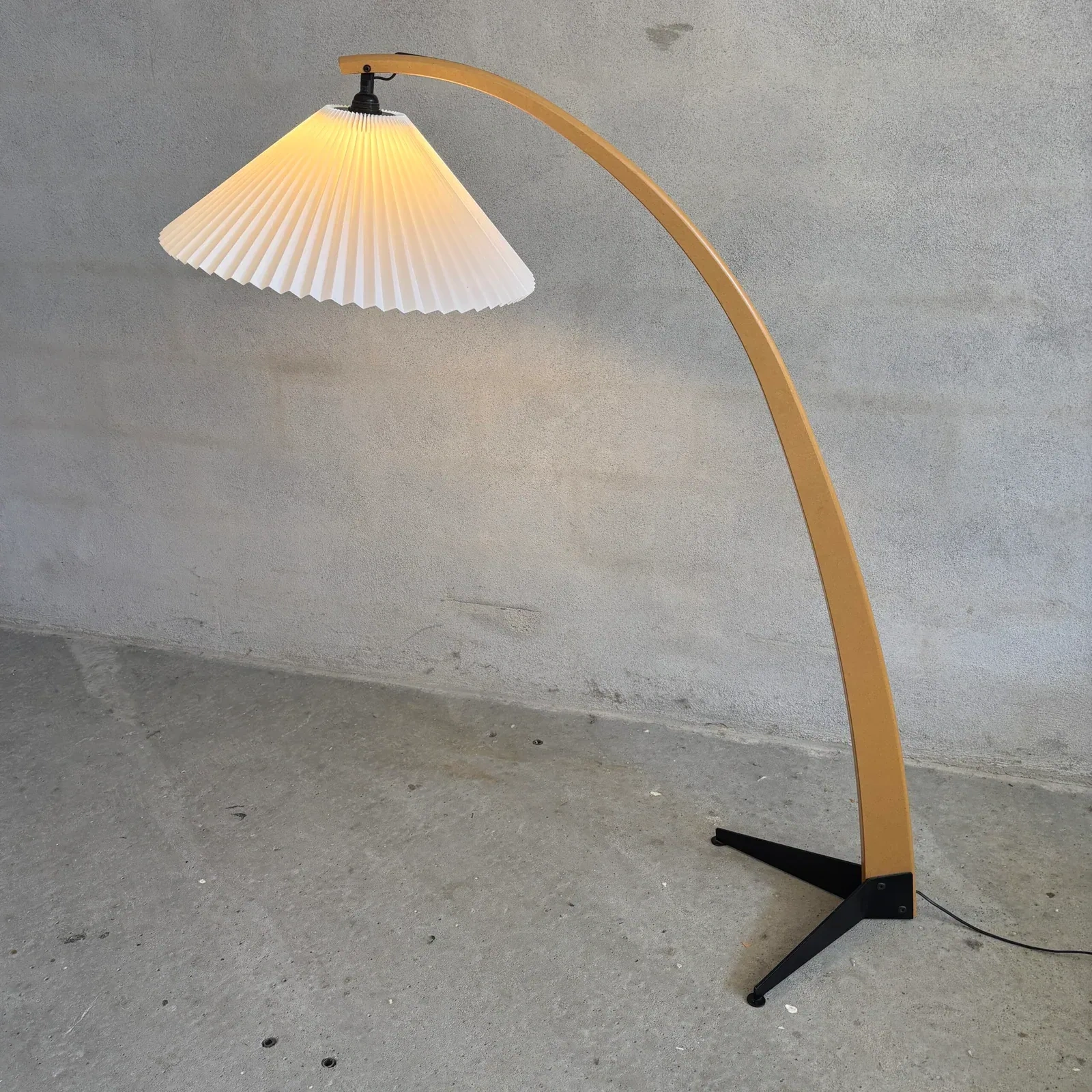
Read Mads Caprani’s Timberline Floor Lamp as a balance problem: a long laminated curve, distant pleated shade, discreet cable and anchoring iron base.
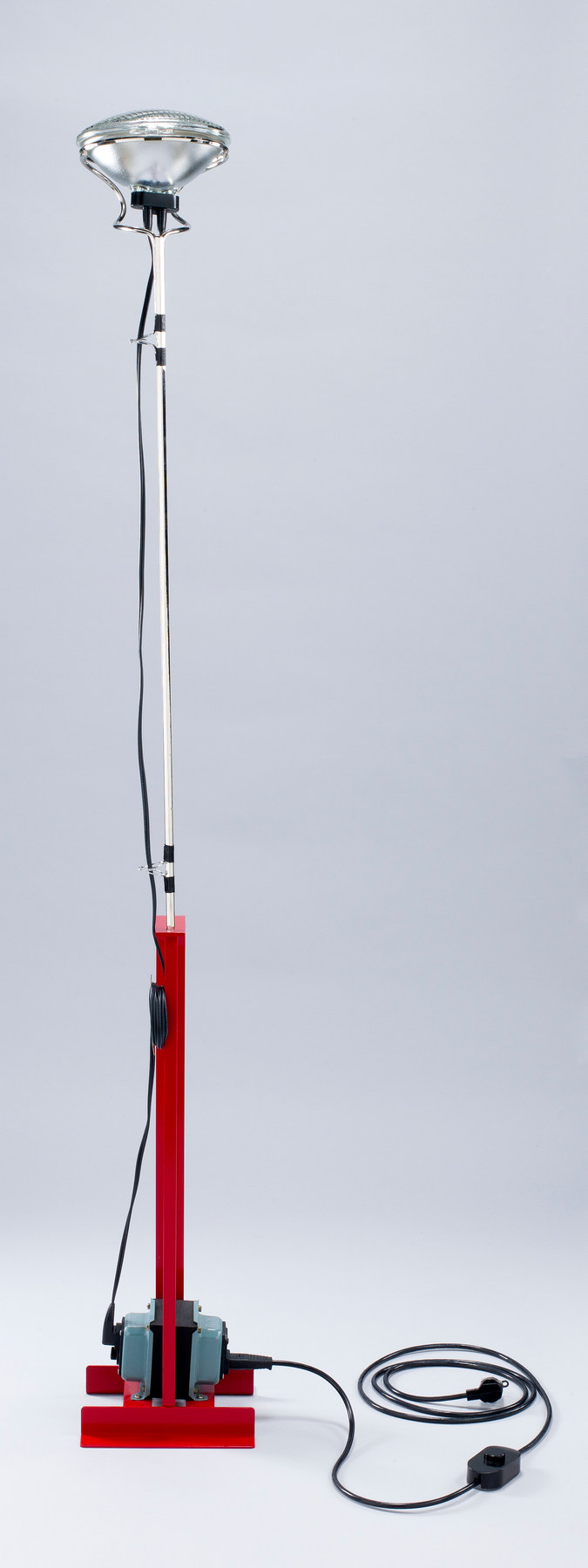
Follow Toio from an automobile headlamp and fishing-rod rings to a floor lamp whose borrowed parts keep their practical jobs visible.
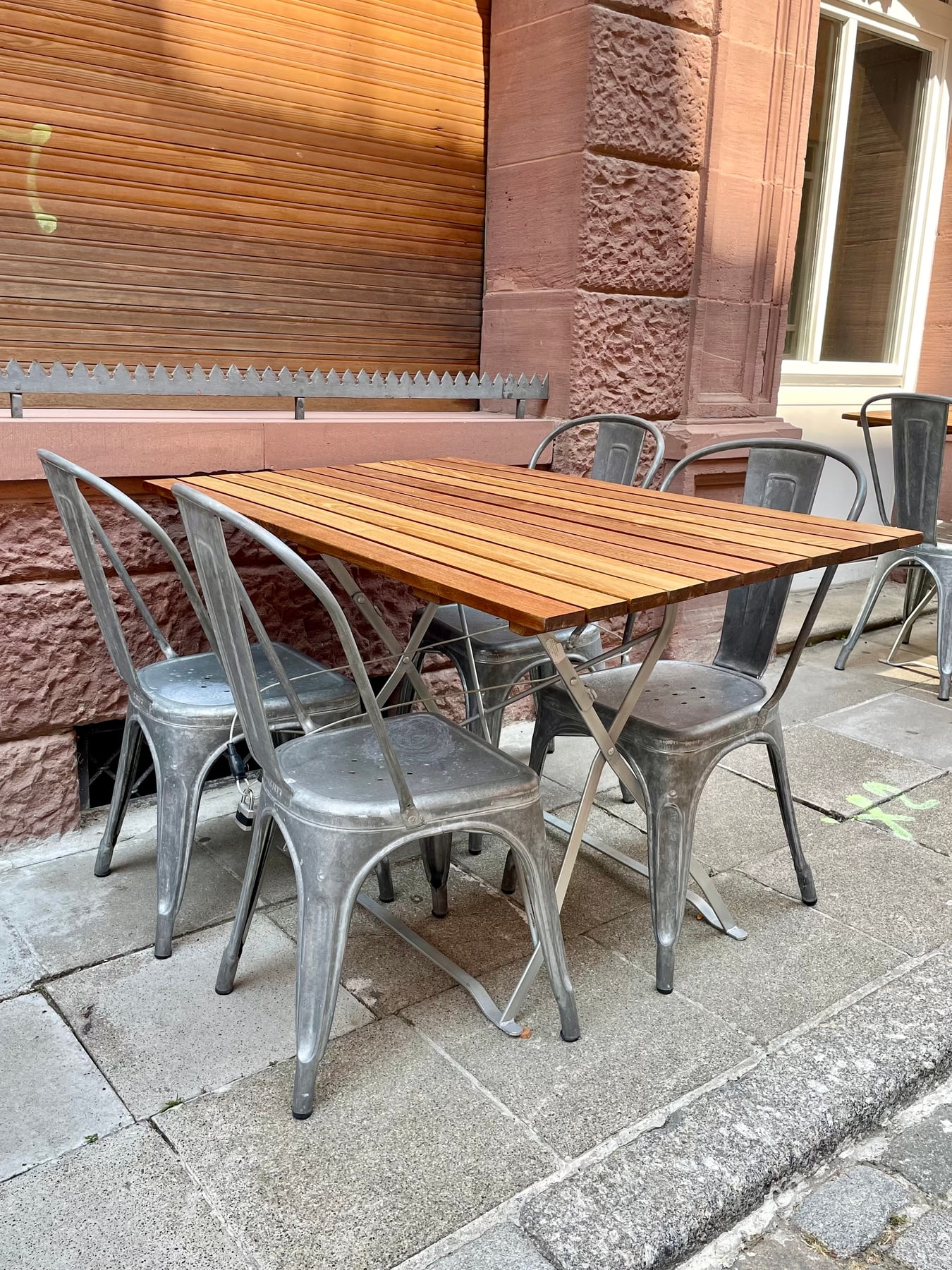
Tolix Chair A makes its industrial construction part of the view. Its shaped metal surfaces and open frame turn the practical business of sitting, moving and stacking into a recognisable outline.
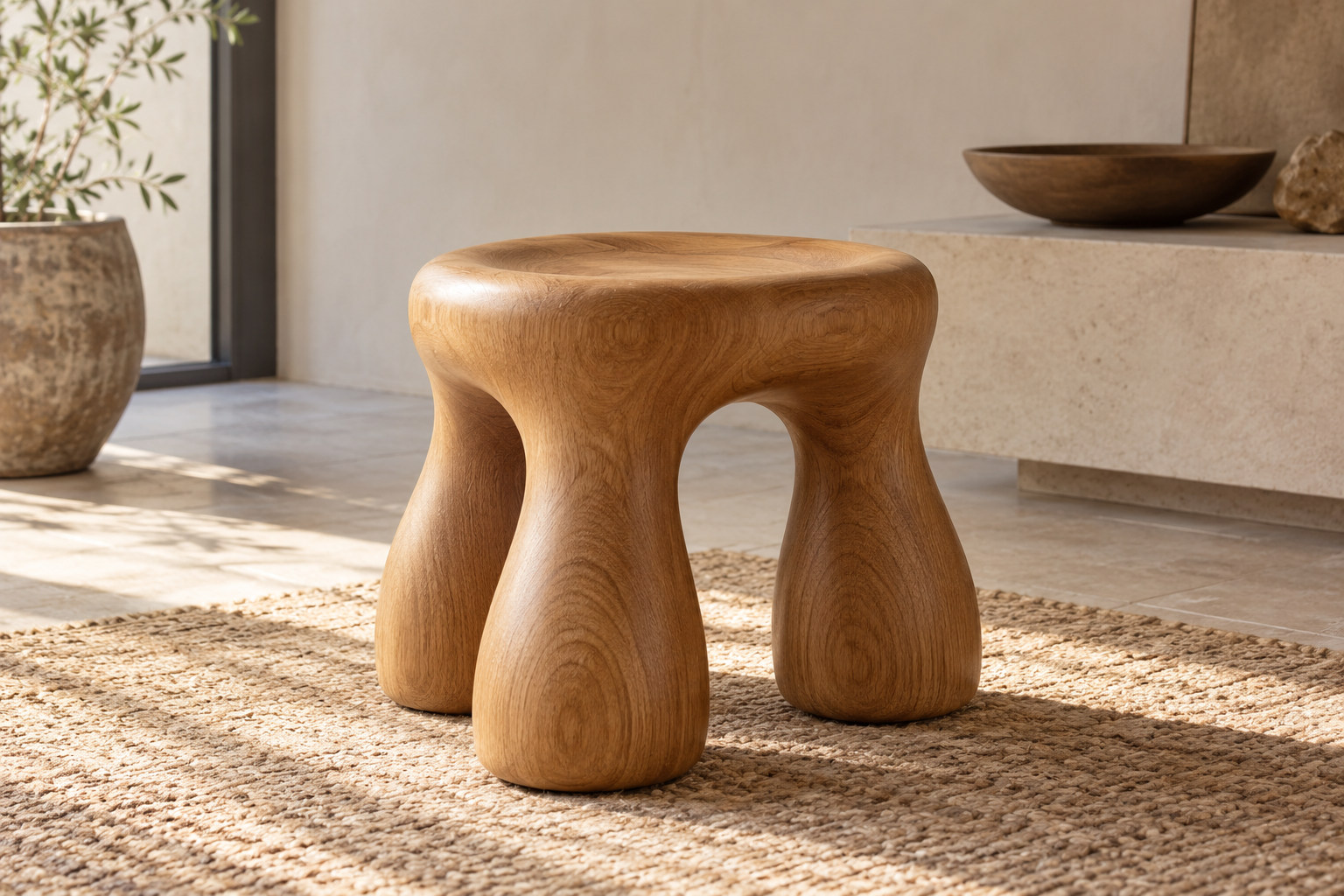
Aldo Bakker’s wooden Tonus stool turns solid oak into swelling, muscular transitions. Rutger Graas’s making keeps the craft partnership visible.
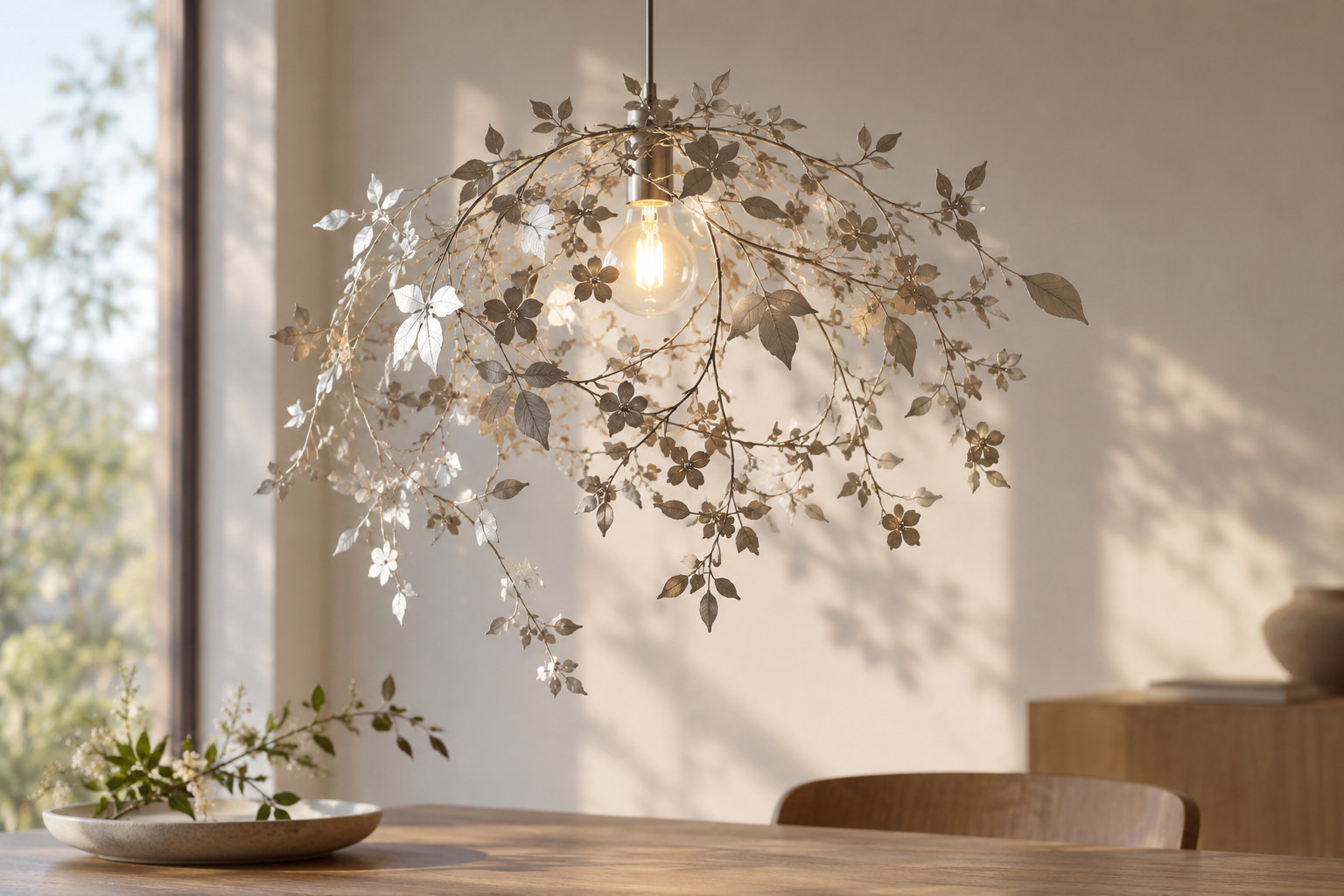
Tord Boontje makes ornament active through precise processes, materials and collaboration. His lights and cut panels give pattern a role in everyday space.
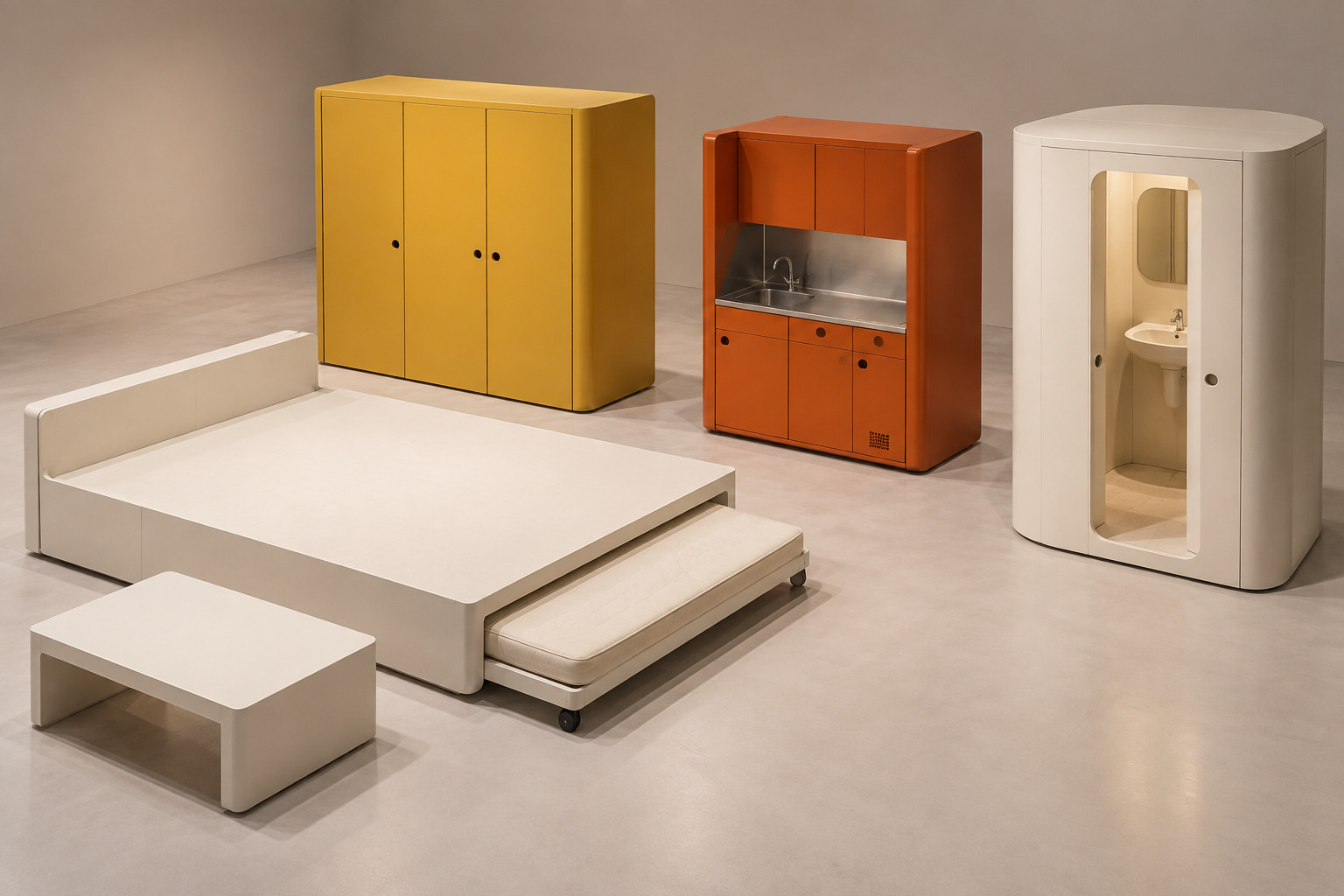
Explore the four independent volumes of Total Furnishing Unit, the 1972 exhibition proposal by Joe Colombo with Ignazia Favata.
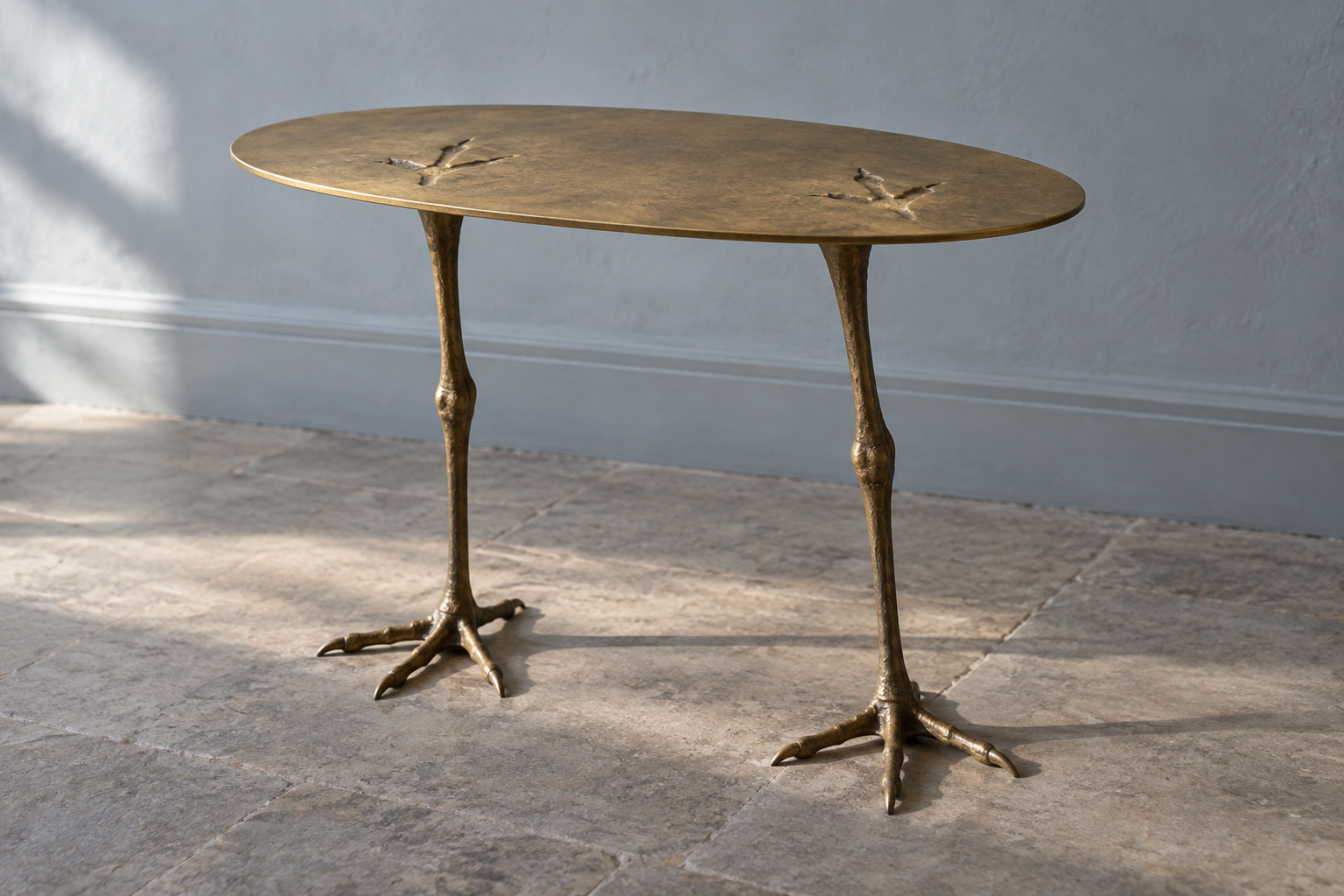
Look at Meret Oppenheim’s Traccia through its two bird-like legs, oval top and footprints, keeping the 1939 idea distinct from later editions.
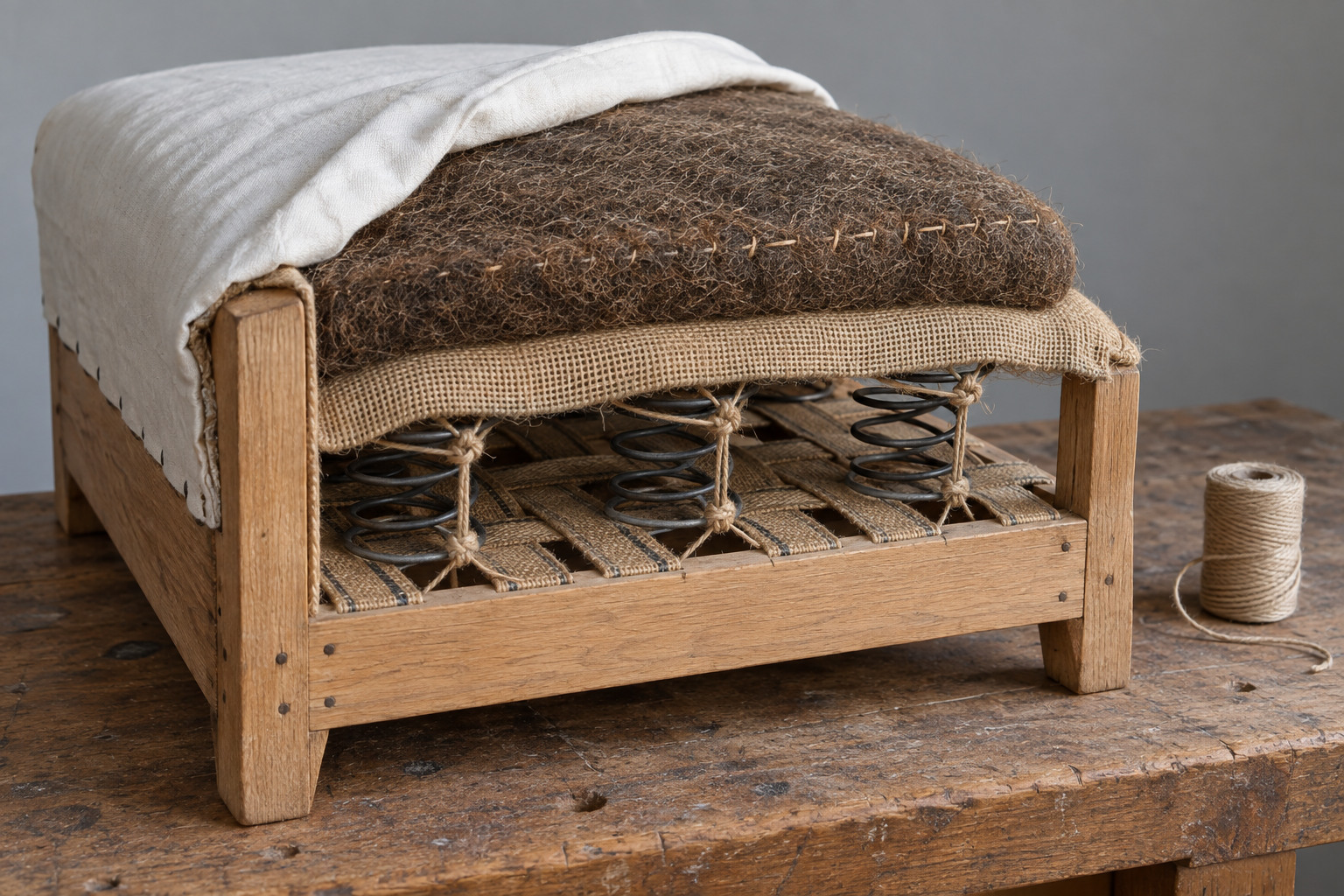
Look beneath the cover to see how webbing, springs, hair and stitching shape a seat, and why old upholstery can preserve valuable evidence.
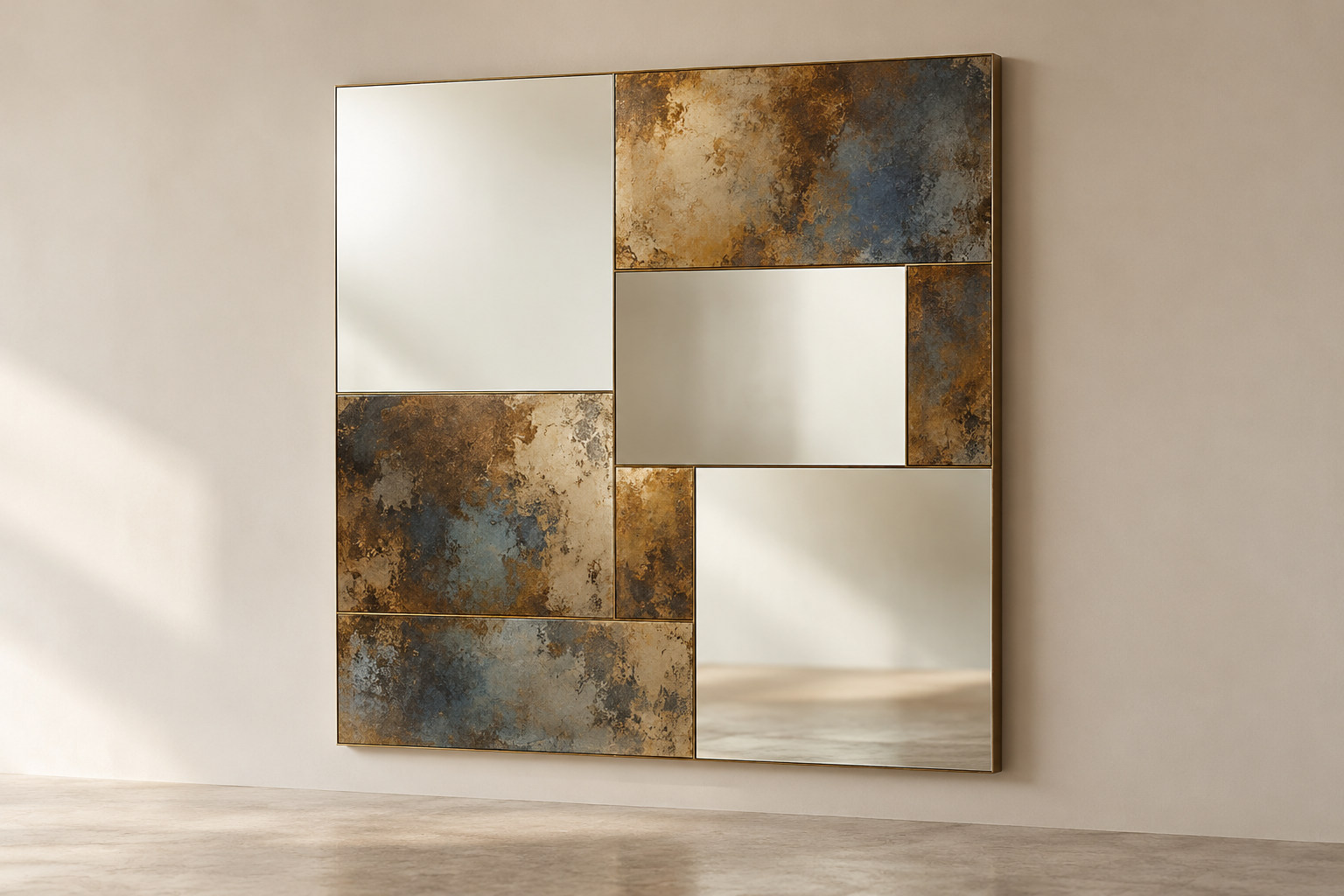
Lex Pott and David Derksen bring the silver layer of a mirror into view. Transience sets irregular surface changes within a clear geometric composition.
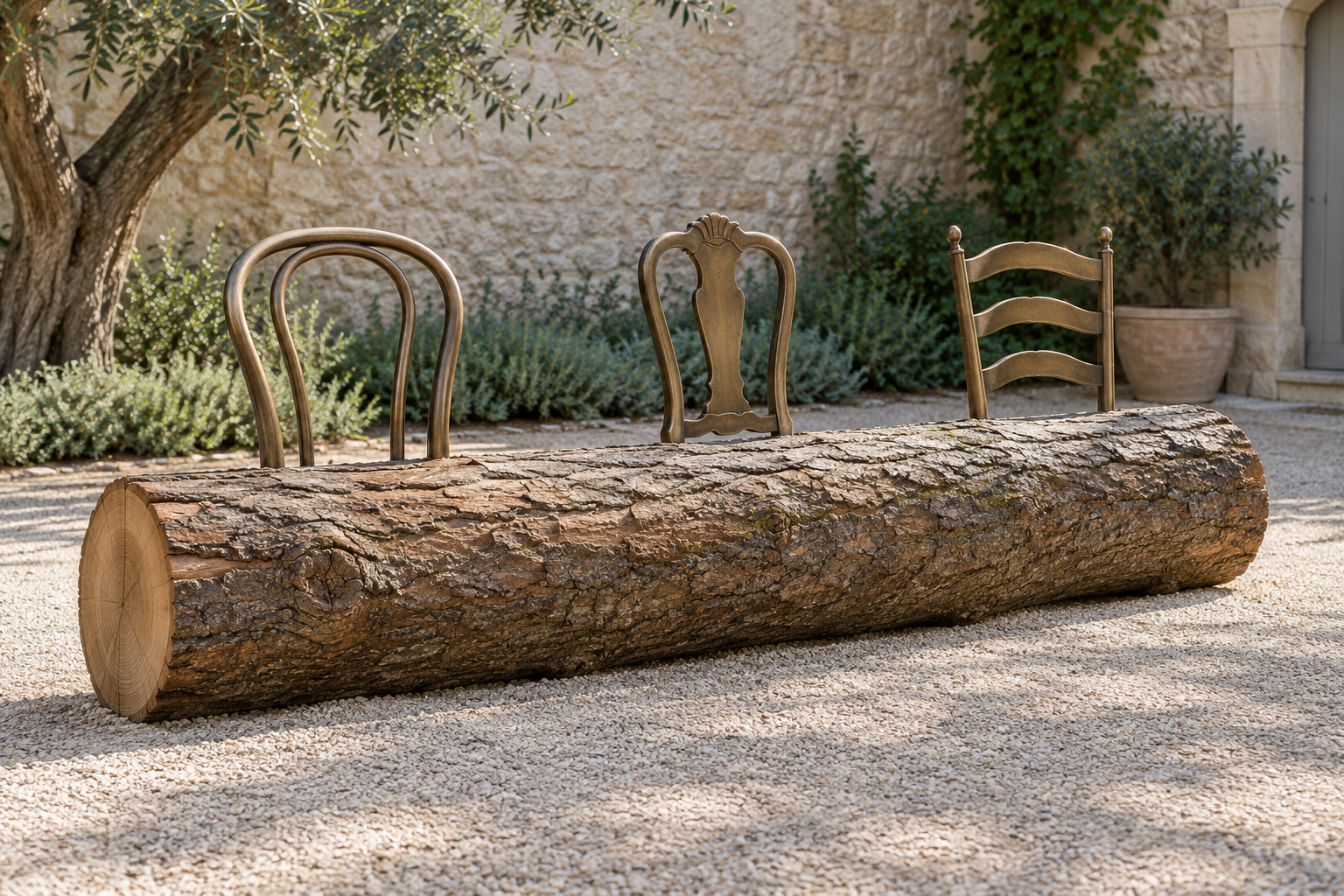
Jurgen Bey’s Tree Trunk Bench pairs a locally chosen trunk with bronze chair backs, making a shared seat from something a place can already provide.
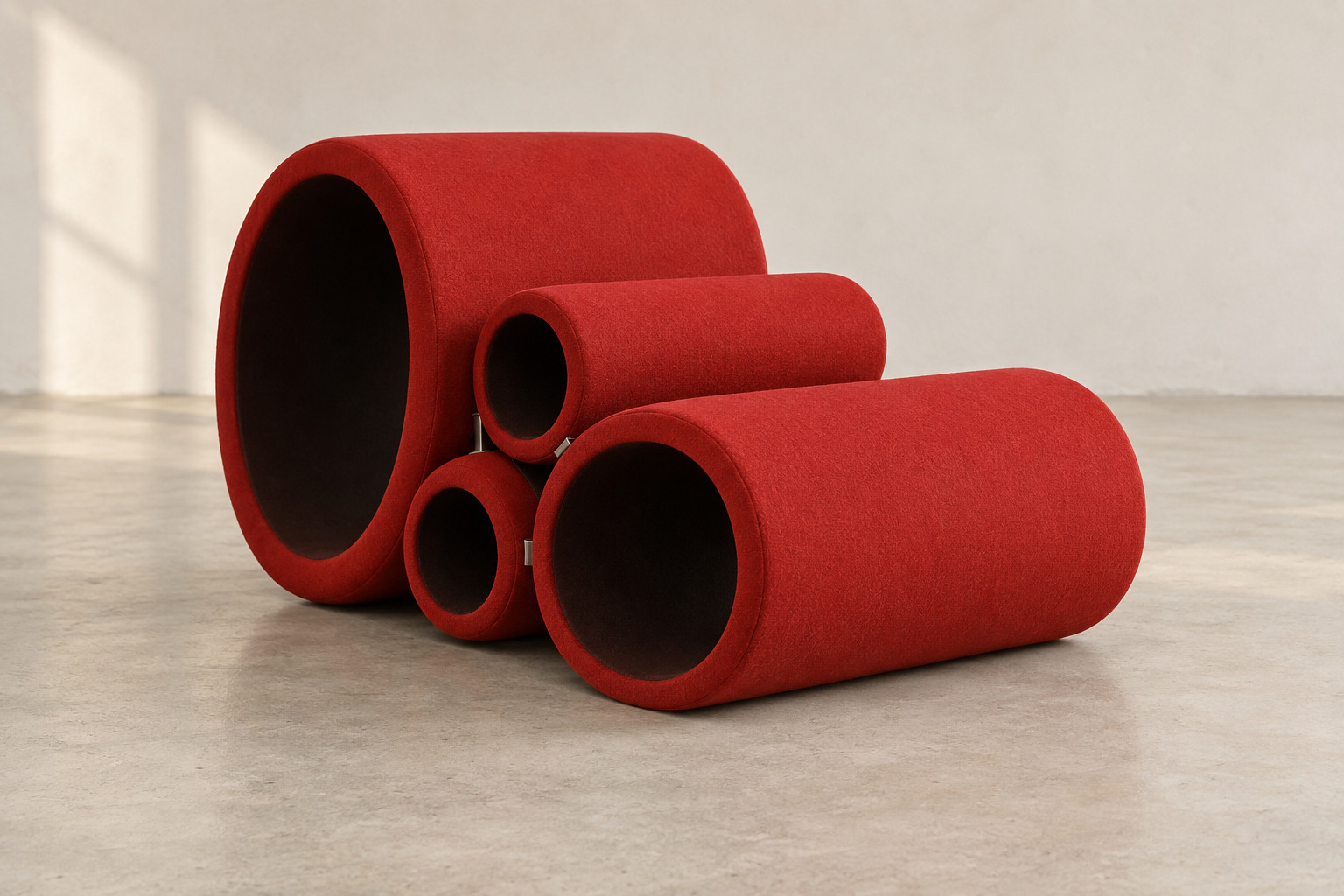
Discover how Joe Colombo’s four hollow padded tubes can become a seat, change arrangement and pack inside one another without folding.
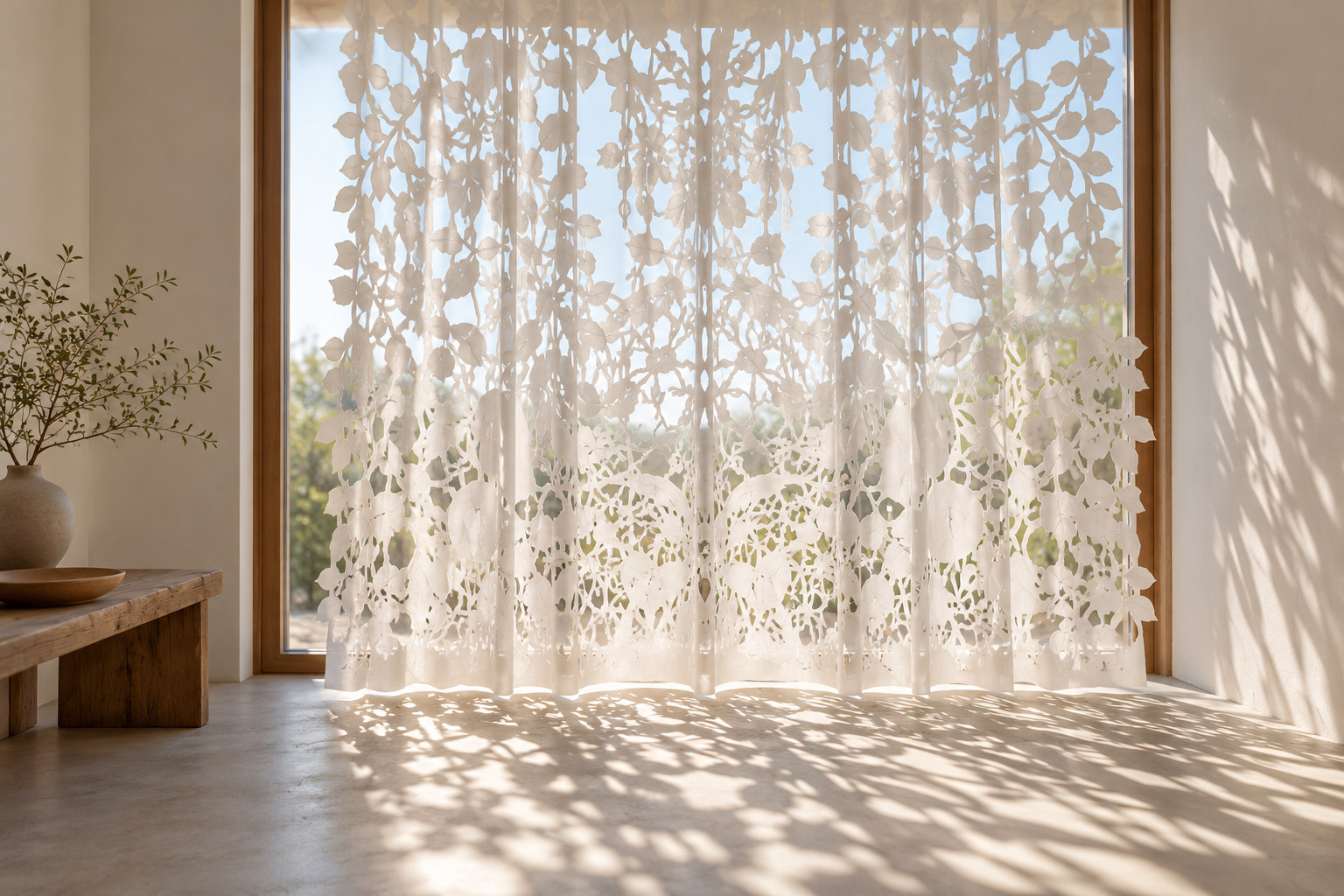
Tord Boontje’s Until Dawn turns four folded, die-cut layers into a reflected natural pattern. The manufacturing sequence becomes part of the curtain’s appearance.
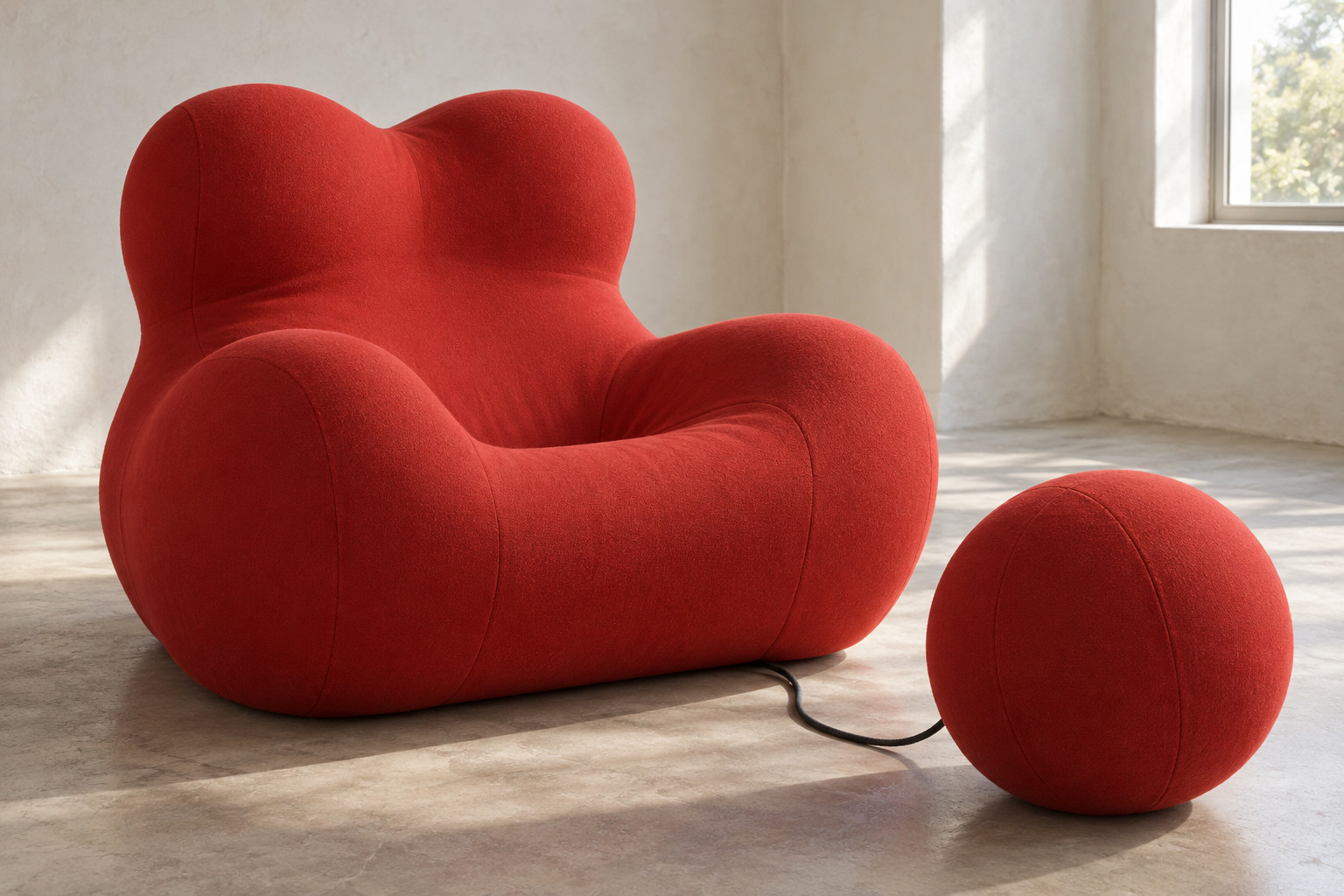
Discover the original vacuum-packed UP5_6, its chair-and-ball imagery, and why the 2000 re-edition arrives in a different way.
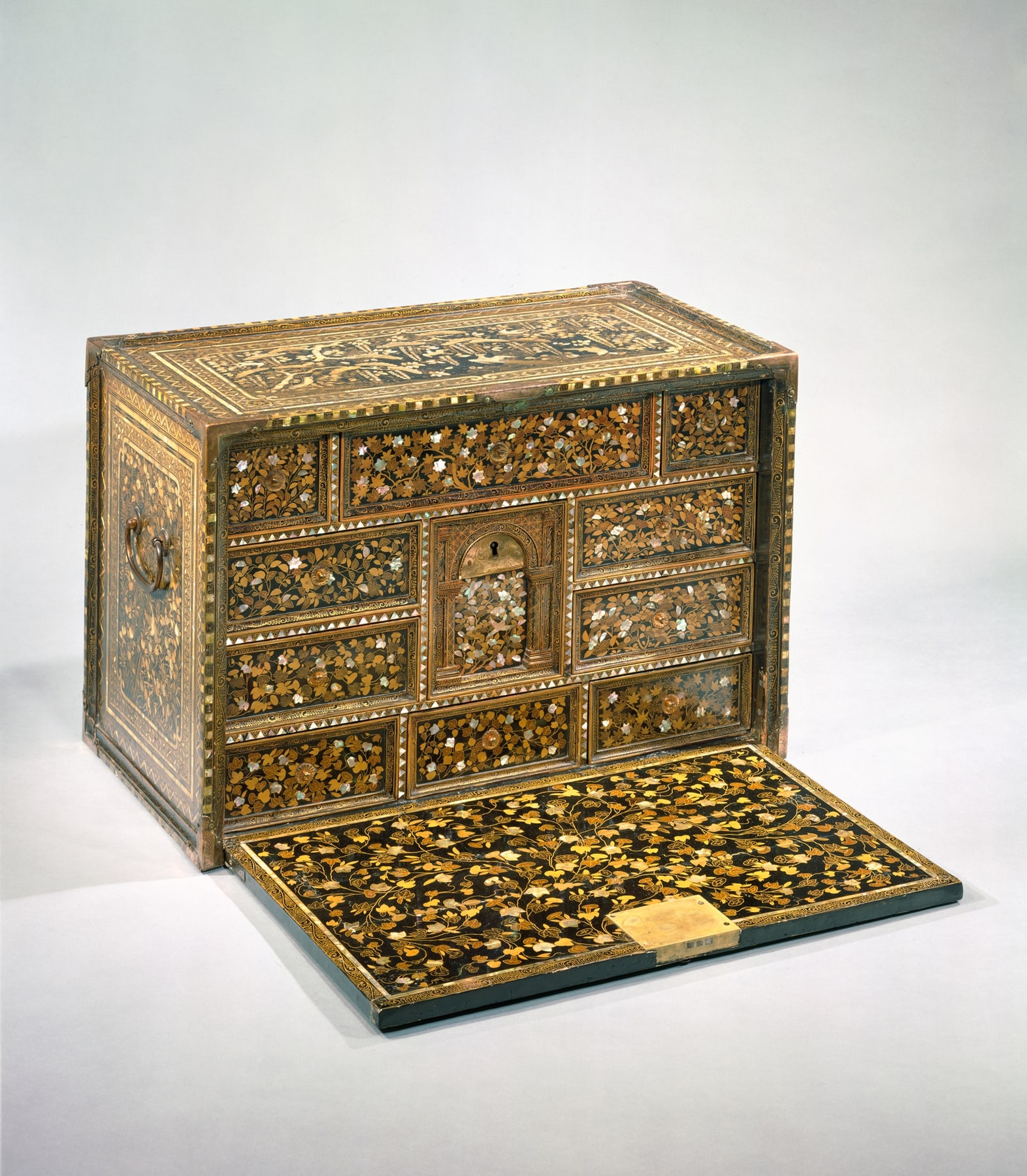
Discover how urushi begins with cultivated trees, cures in humid conditions and becomes a ground for gold and shell on Japanese lacquered furniture.
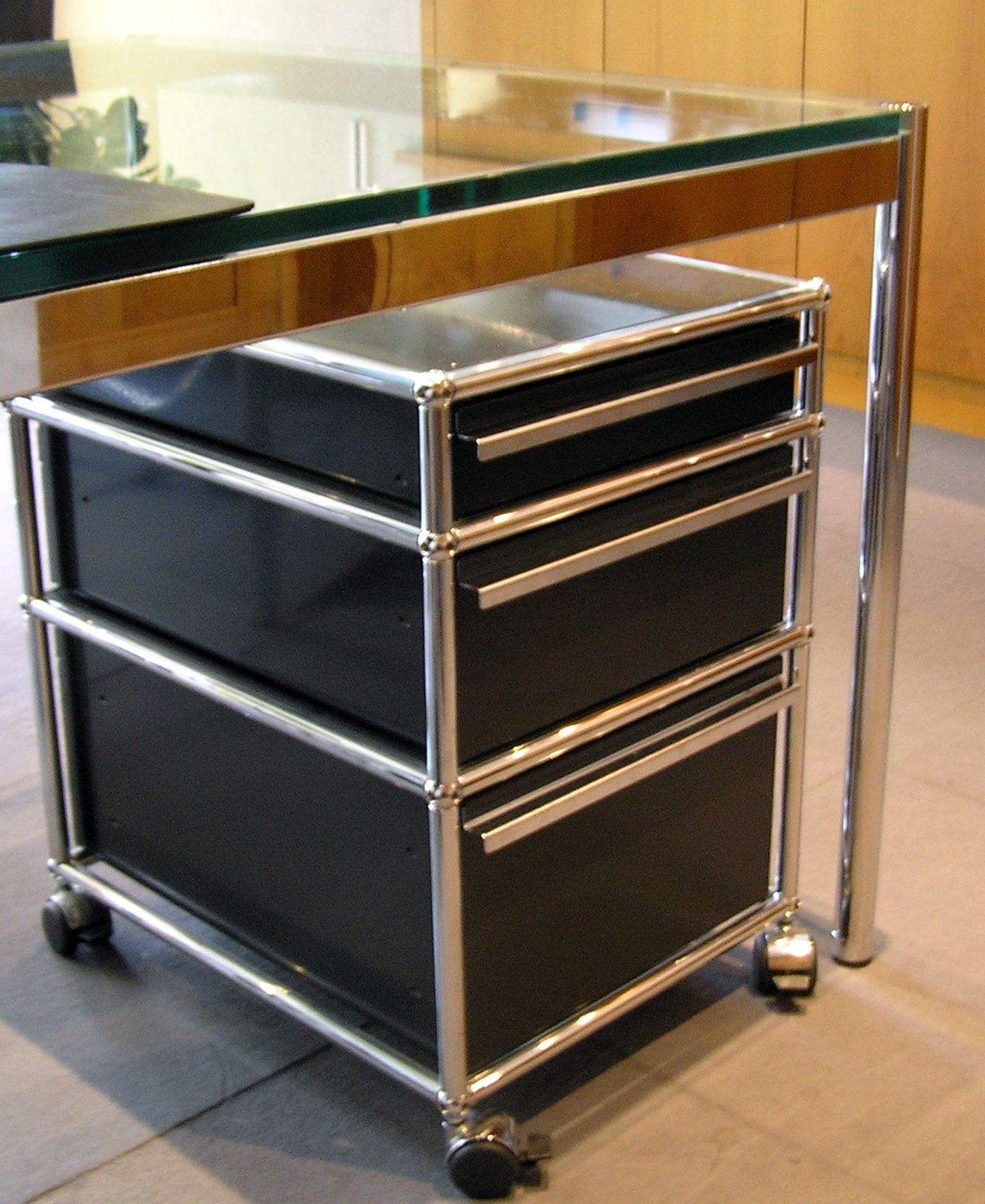
A USM Haller sideboard is one arrangement of a larger idea. Behind the coloured panels is a repeated metal skeleton, developed from an architect and an engineer’s interest in buildings that could adapt.
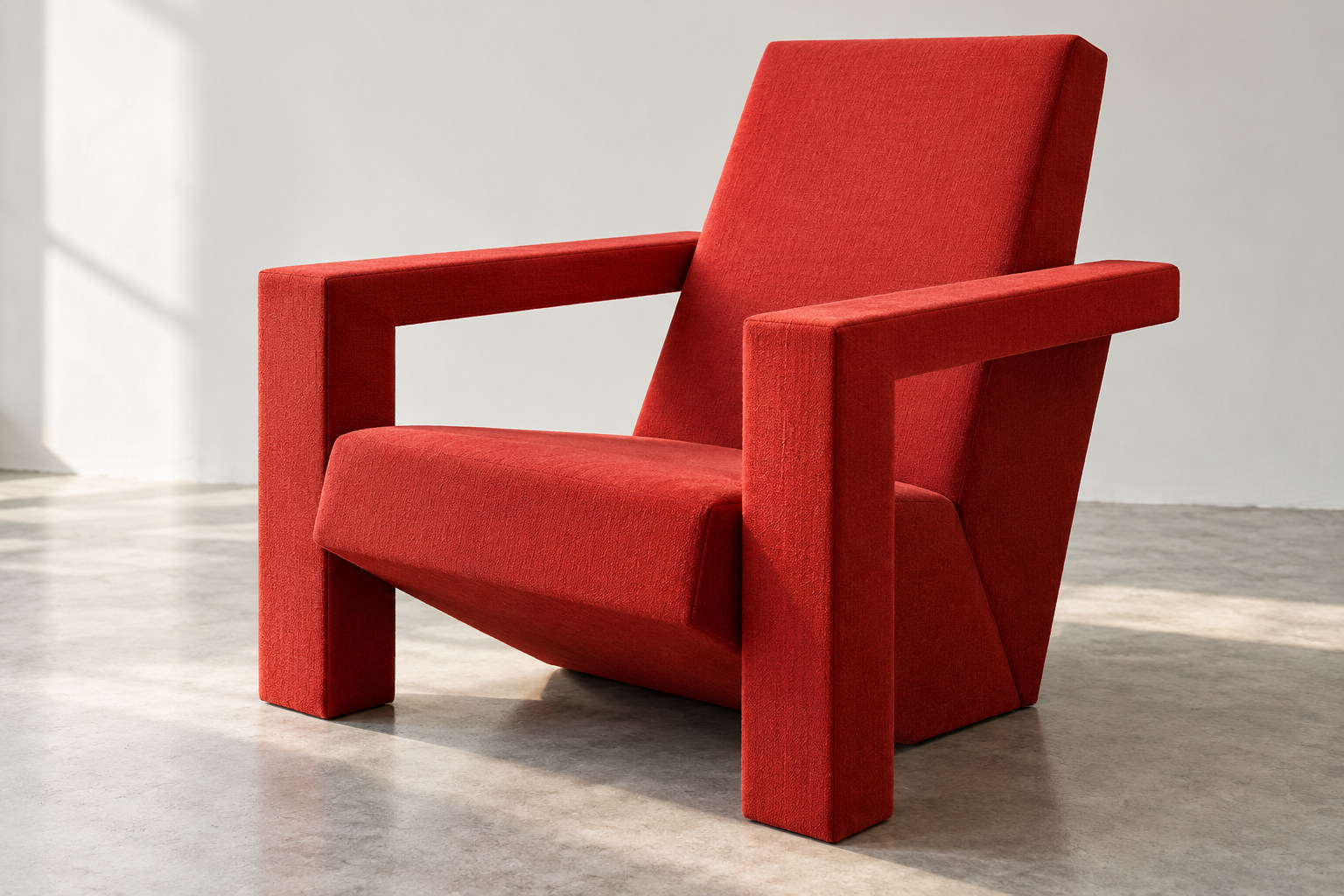
How Gerrit Rietveld’s Utrecht armchair brings a firm geometric outline together with padded volumes, and why its later Cassina production is a separate chapter.