Ornament takes responsibility
A decorative pattern can be imagined as the final layer on an object that already exists. Boontje’s work offers a different sequence: begin with the pattern, then let it determine how the object occupies space.
MoMA identifies him as a Dutch designer born in 1968. His studio biography connects furniture, lighting and products and traces studies in Eindhoven and London. The range is useful context for a practice whose ideas travel between several kinds of domestic object.41
The common thread is not that every work looks the same. It is the possibility that natural forms, materials and making processes can be considered together from the beginning.
Precise tools leave room for a forest
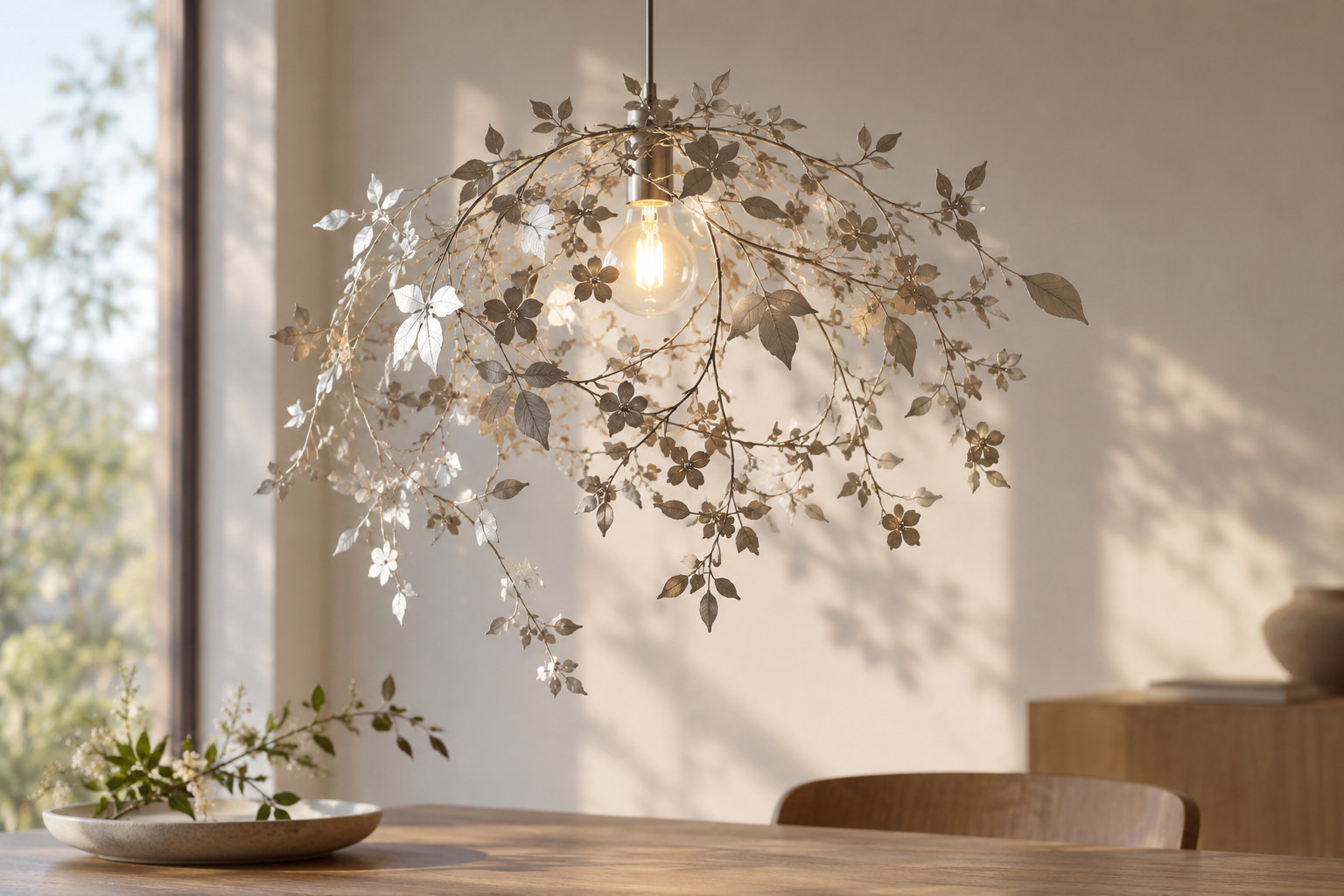
In the Garland account, Boontje describes recognising photographic metal etching as a way to make the intricate pattern he wanted. A process encountered in computer components becomes a route to fine leaves and flowers around a bulb.2
The resulting shade remains open and loosely arranged. Exact cutting gives the pattern a vocabulary; the surrounding light and space help it become a volume. The contrast makes an industrial process feel available for something imaginative and domestic.
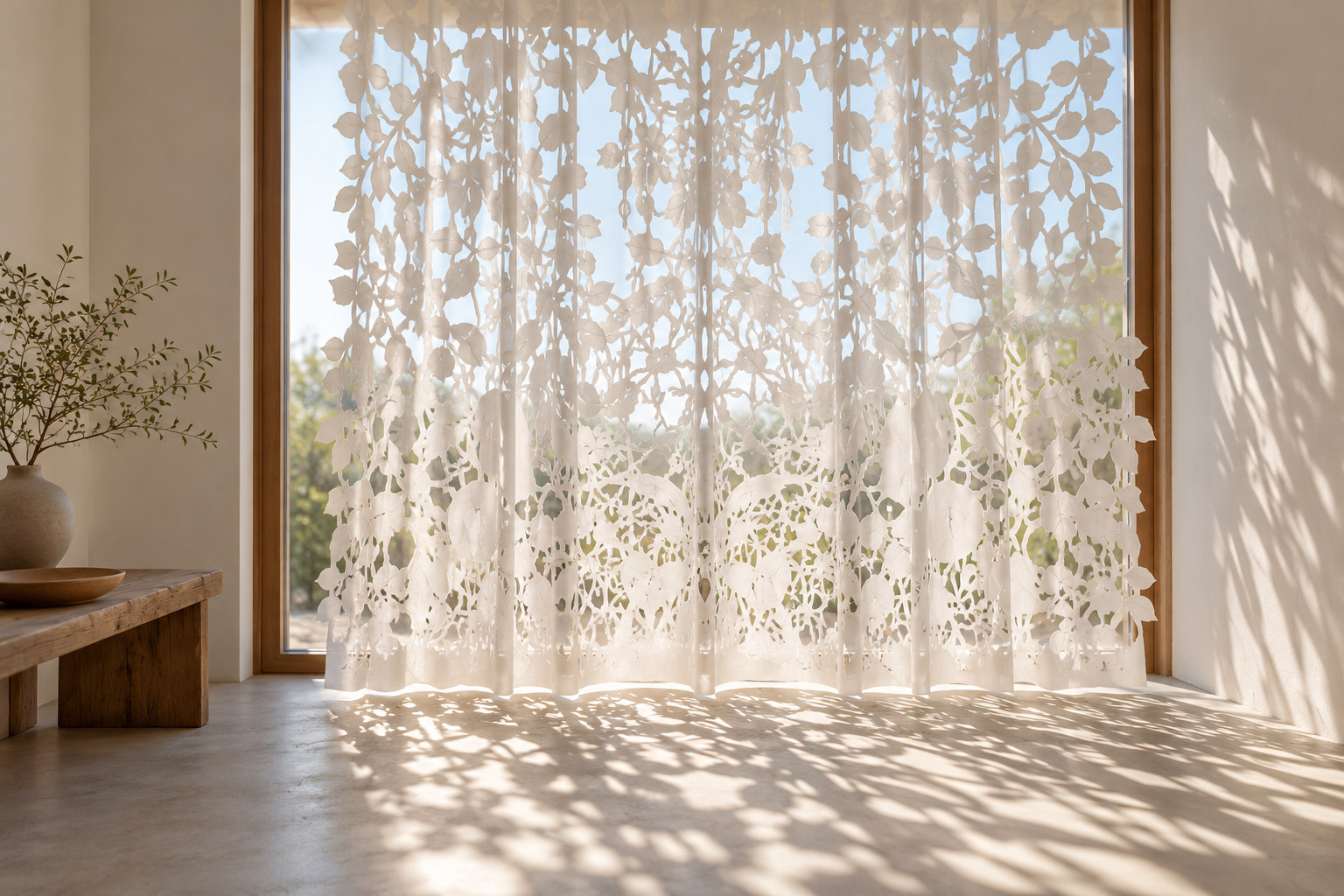
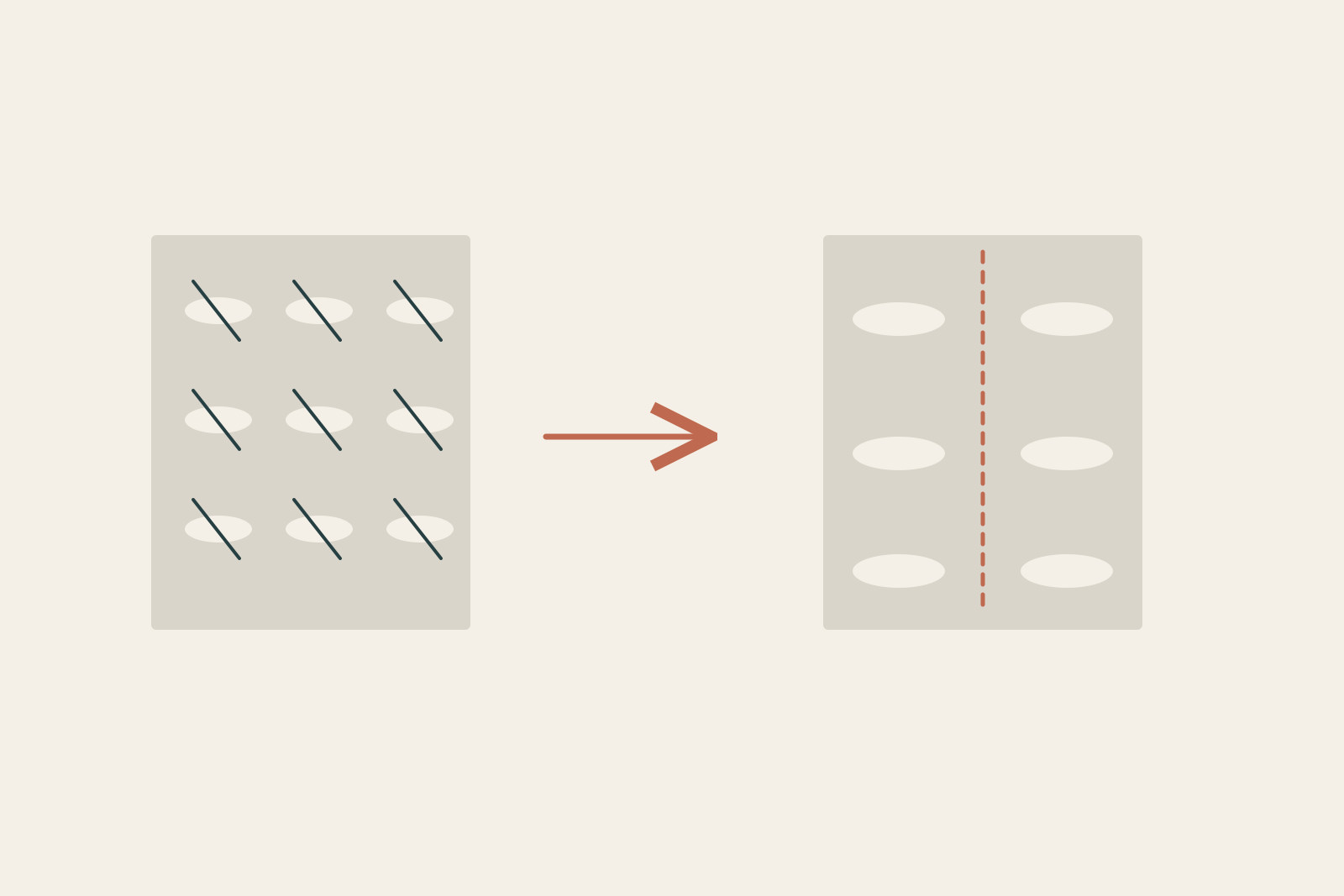
Until Dawn arrives at a related question through another material. The studio describes four layers of Tyvek cut while folded, so that reflected relationships appear when the curtain is opened. Manufacturing order becomes visible within the scene.3
The name can include other people
The studio’s milestones record a practice established in 1996 and Transglass launched with Emma Woffenden in 1997. MoMA also lists the Transglass works with both names. Both collaborators retain their credit for those works.14
Other projects have different relationships with production. Garland’s studio account distinguishes versions for Habitat and Artecnica from its later studio relaunch. A recurring idea can therefore reach a room through more than one production setting.2
That history keeps collaboration and version visible without requiring every object to become an exhaustive biography. The people, material and manufacturer named for one work are a precise starting point for understanding that work.
A pattern changes what the room does
The effect of Boontje’s approach is easiest to see in the space around an object. A cut pattern lets the background through; light can send it onto another surface; a flat panel can suggest a scene with depth.
Ornament has become active. It gives a shade its outline, makes a curtain’s openings and asks the room to participate. The natural association remains, but the useful question is what the pattern has been allowed to do.