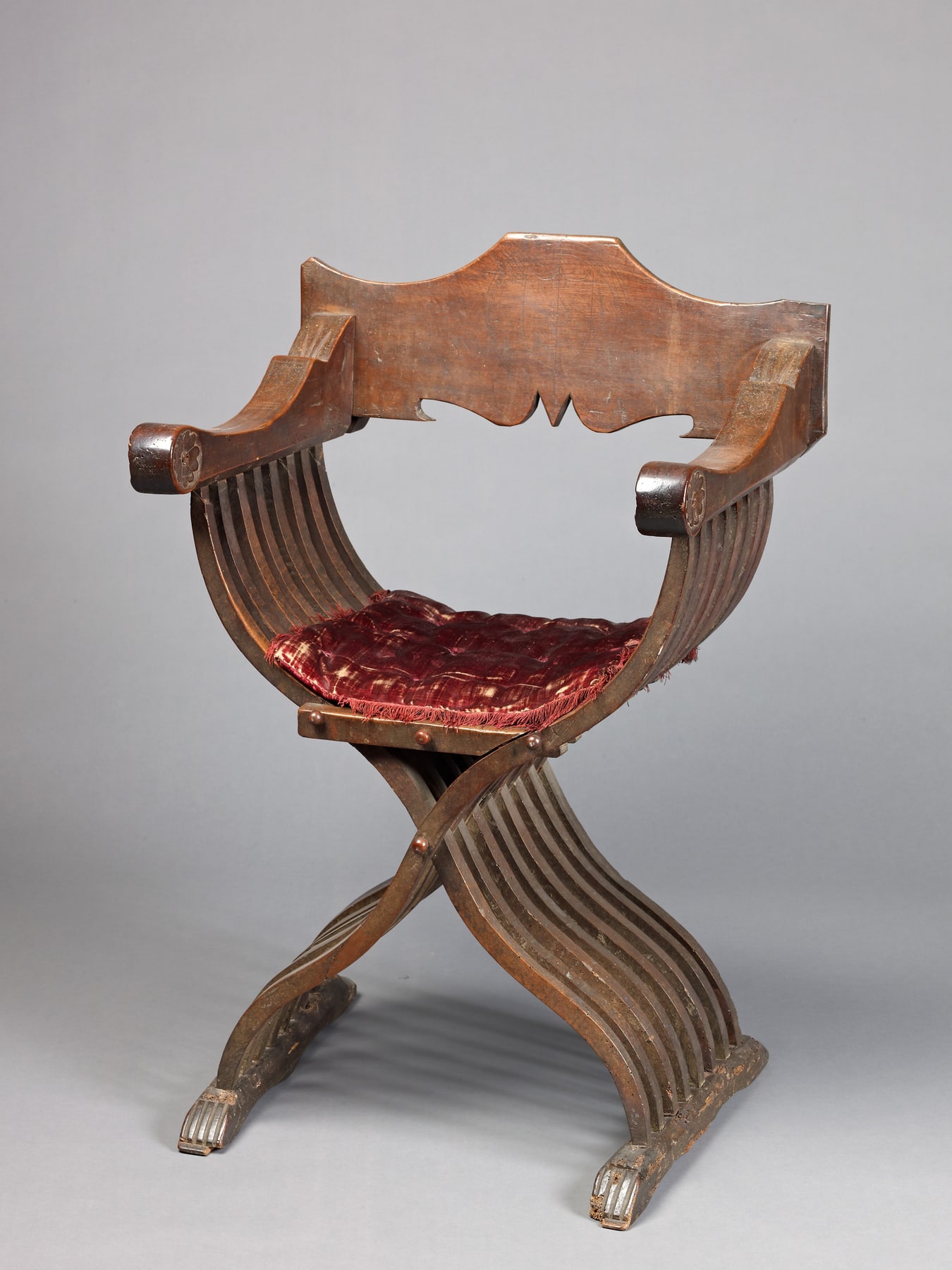
Historic object
Folding armchair (sedia a Savonarola type) 1975.1.1982 ab
A Savonarola chair at the Met combines a nineteenth-century assembly with earlier parts and fifteenth-century velvet. Its appearance holds several dates.
Objects · people · ideas
Discover the objects, people and ideas that shaped furniture, from historic pieces to modern designs.
A Savonarola chair at the Met combines a nineteenth-century assembly with earlier parts and fifteenth-century velvet. Its appearance holds several dates.
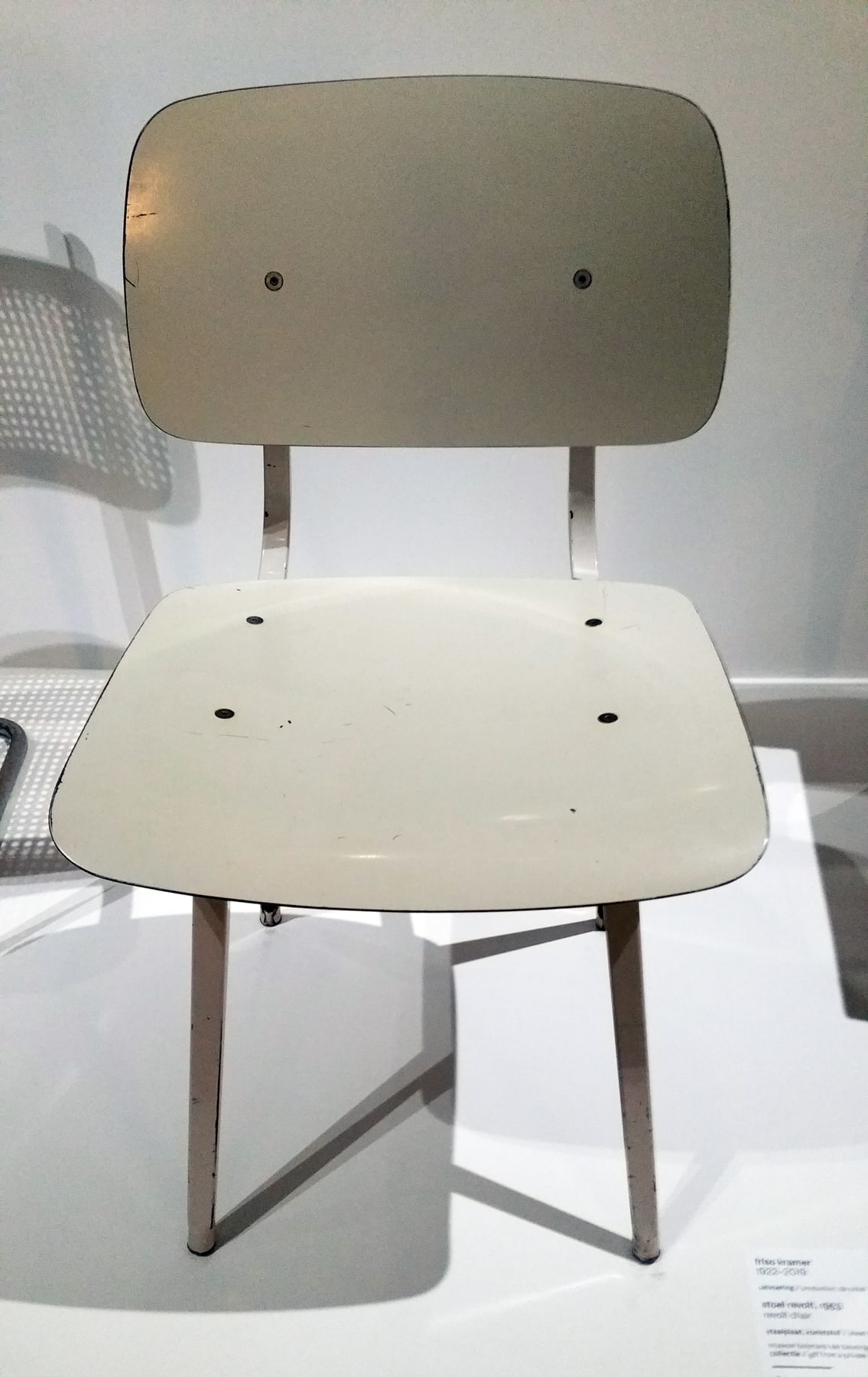
Revolt’s seat and back look reassuringly ordinary. Its more surprising idea sits underneath: Friso Kramer shaped the metal frame from sheet steel, giving a daily-use chair a different way to stand.
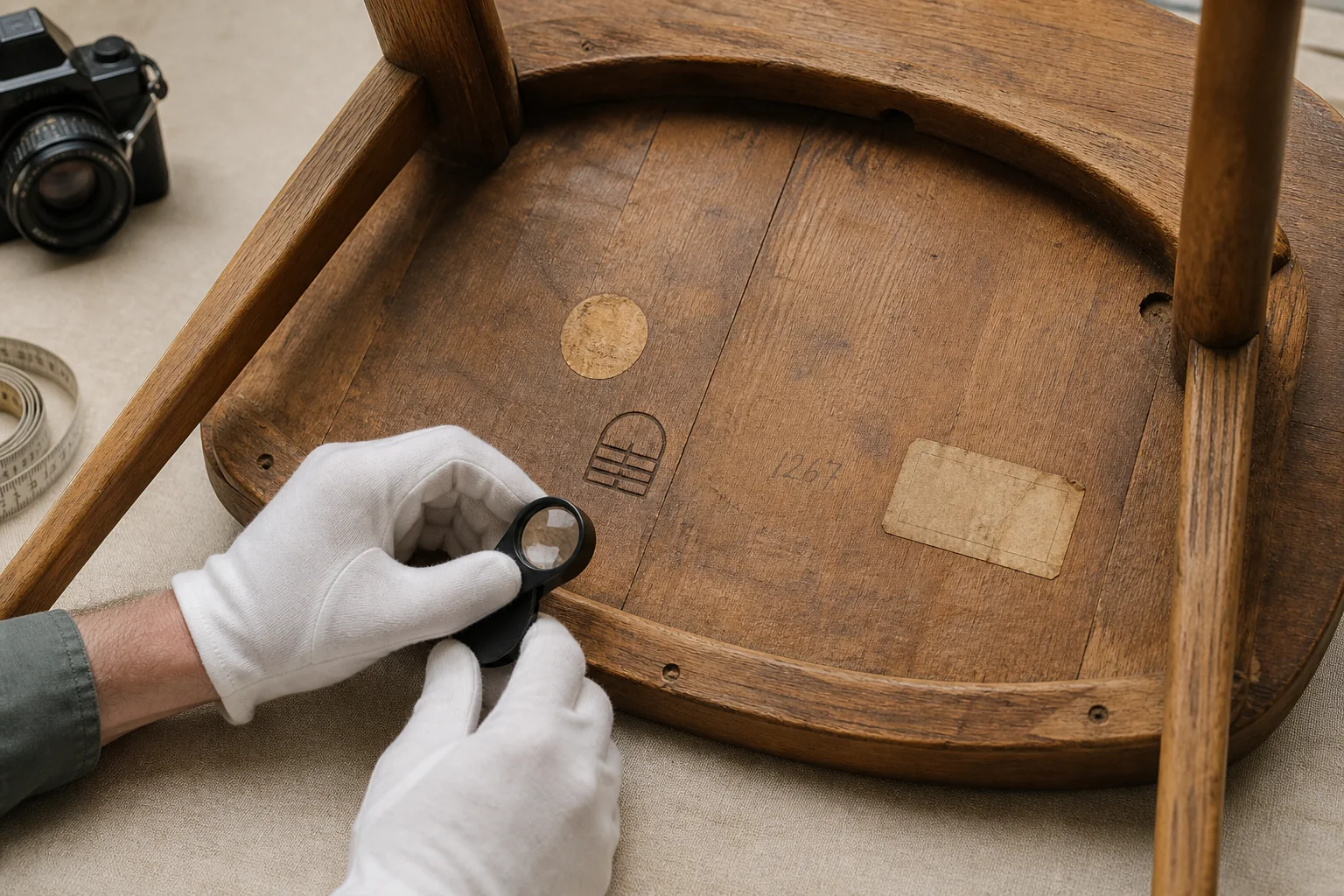
A collector's guide to the Furnituremakers Danish Control mark: what it certifies, what it cannot attribute, where it appears and how to verify it.
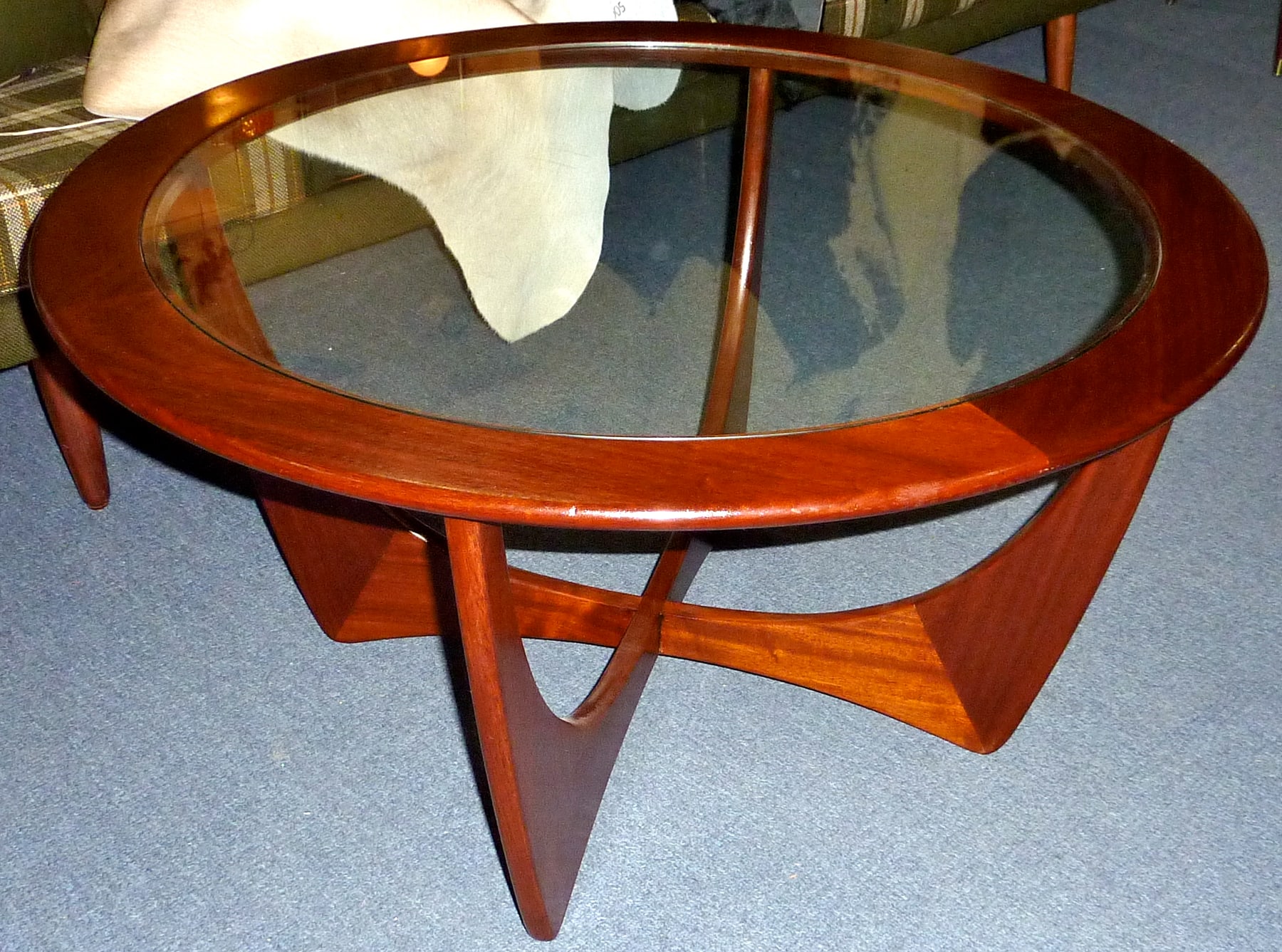
A glass-topped G Plan coffee table lets you see the furniture underneath the furniture. The curved base supplies much of its character, while the familiar “Astro” name hides a surprisingly untidy model history.
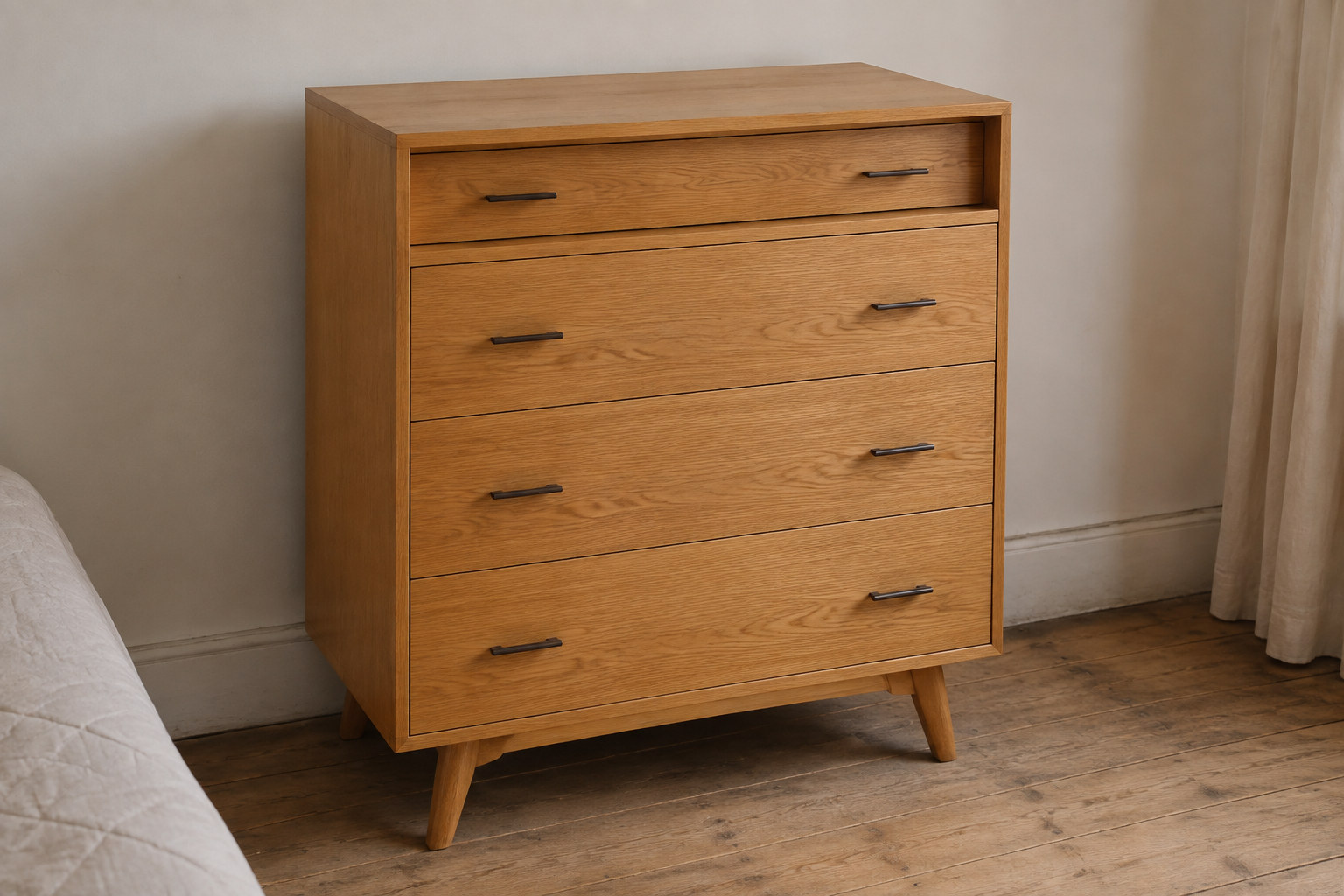
G Plan did not begin with the long teak sideboards that dominate many vintage searches. Brandon opens an earlier chapter: light oak, compact storage and carefully fitted drawers for the routines of a 1950s home.
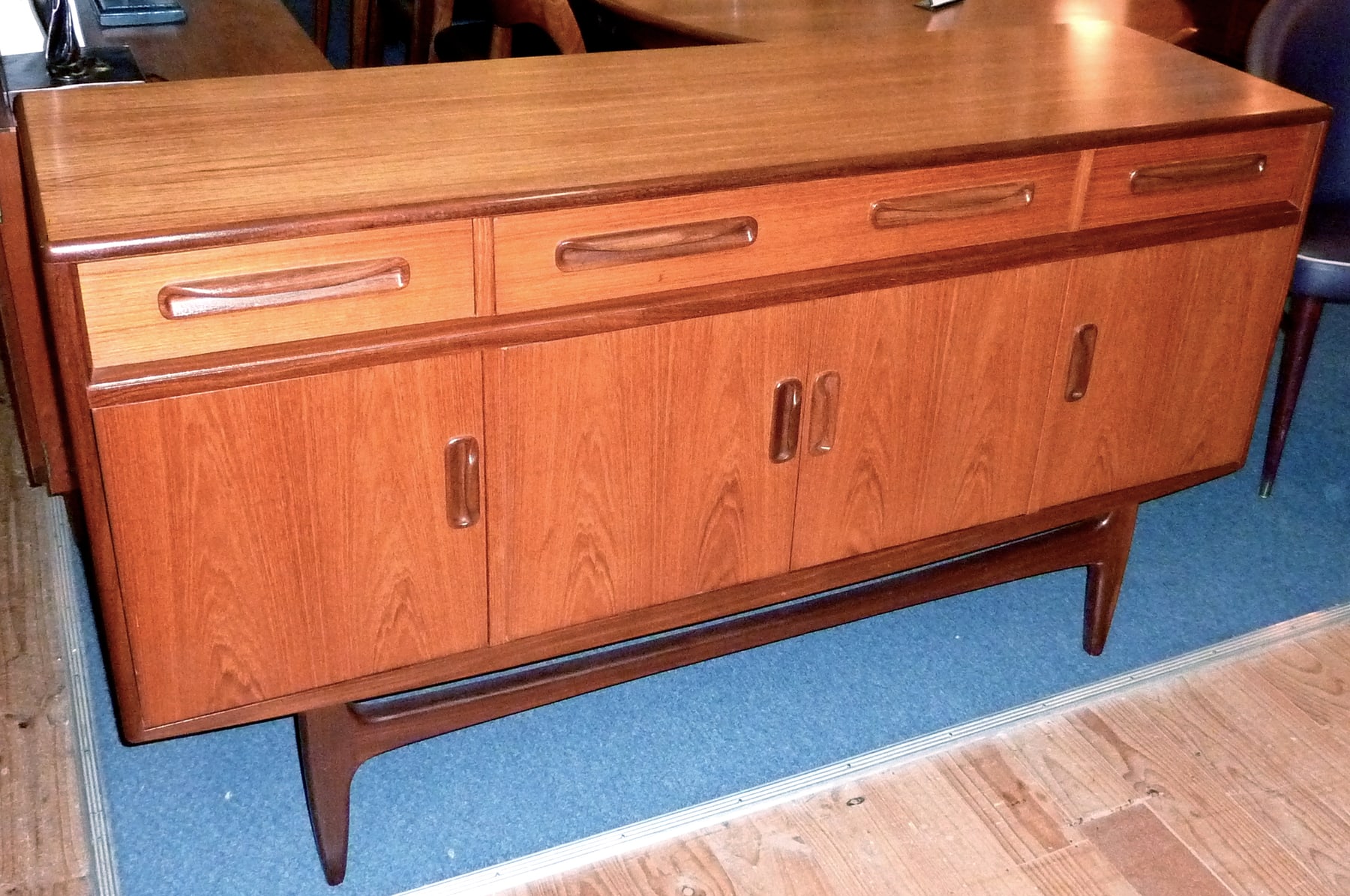
Why G Plan Fresco sideboards look familiar: shaped handles, different cabinet fronts and the history behind the long 4070 and shorter 4072 models.
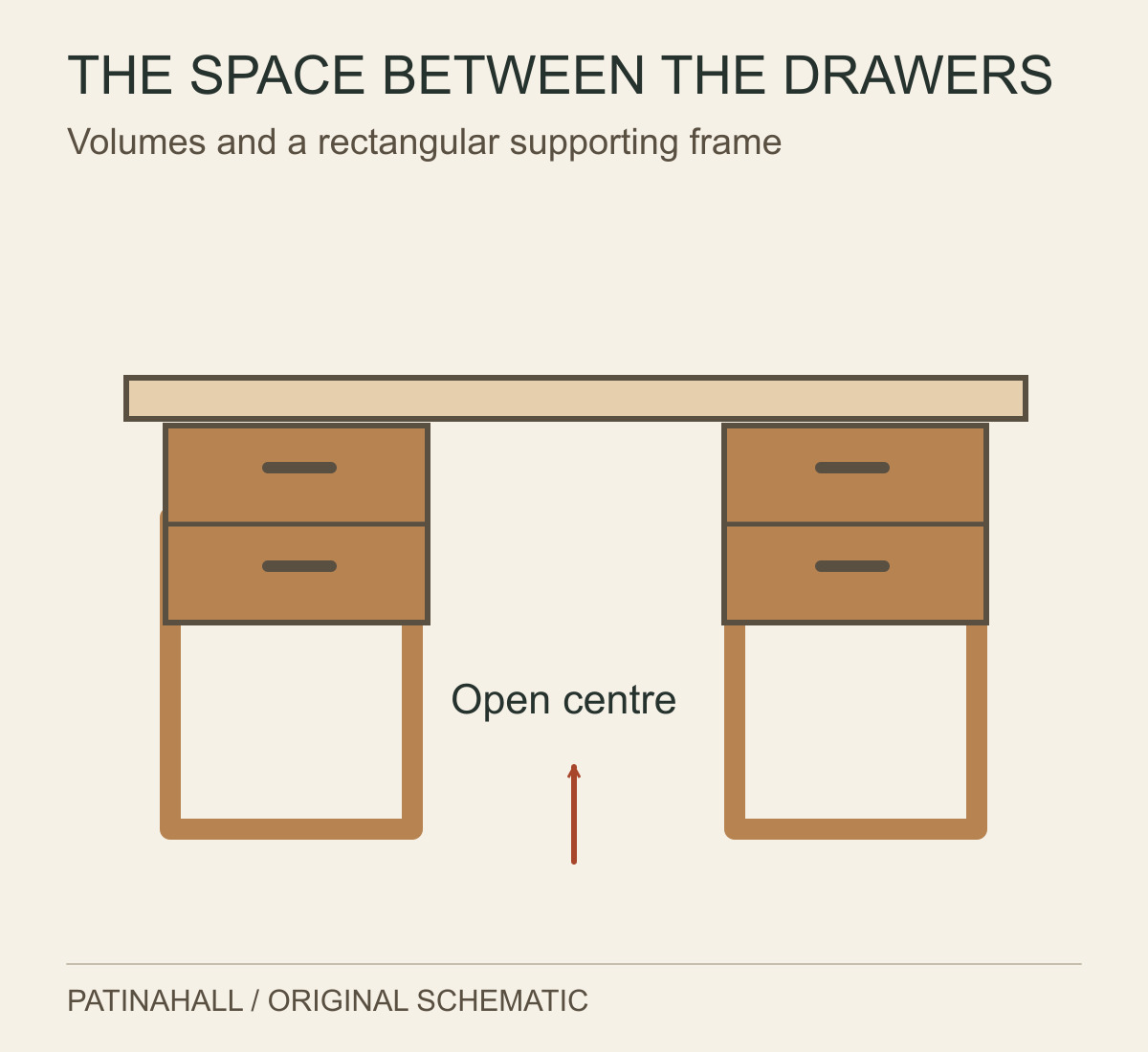
Quadrille’s detachable mirror was part of a practical idea: one piece could serve as a bedroom dressing table or a desk. Its open centre and separate drawer groups make that change possible without rebuilding the furniture.
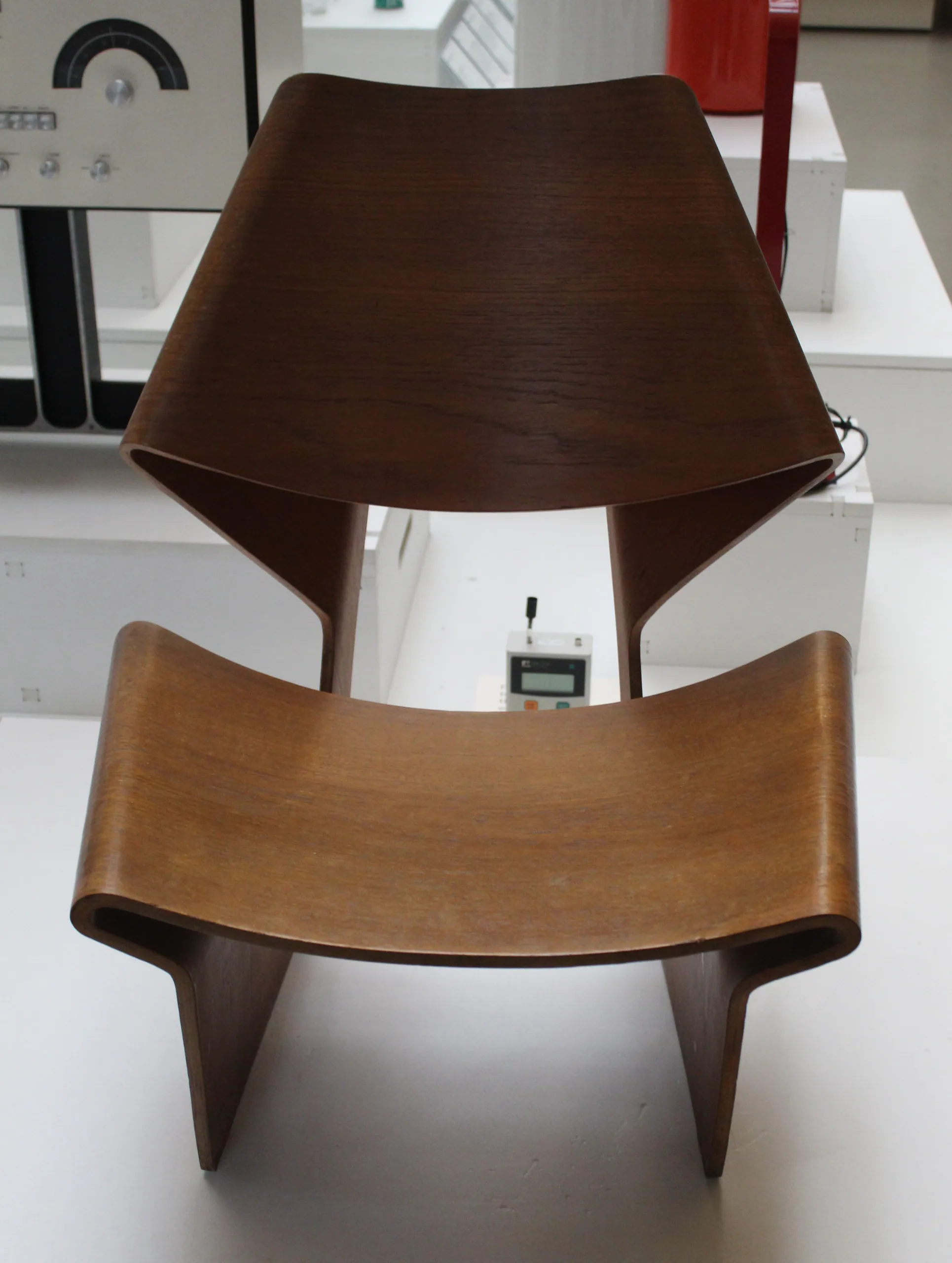
See how Grete Jalk's 1963 GJ Chair turns two moulded-plywood shells, a narrow gap and demanding lamination into the illusion of one continuous bow.
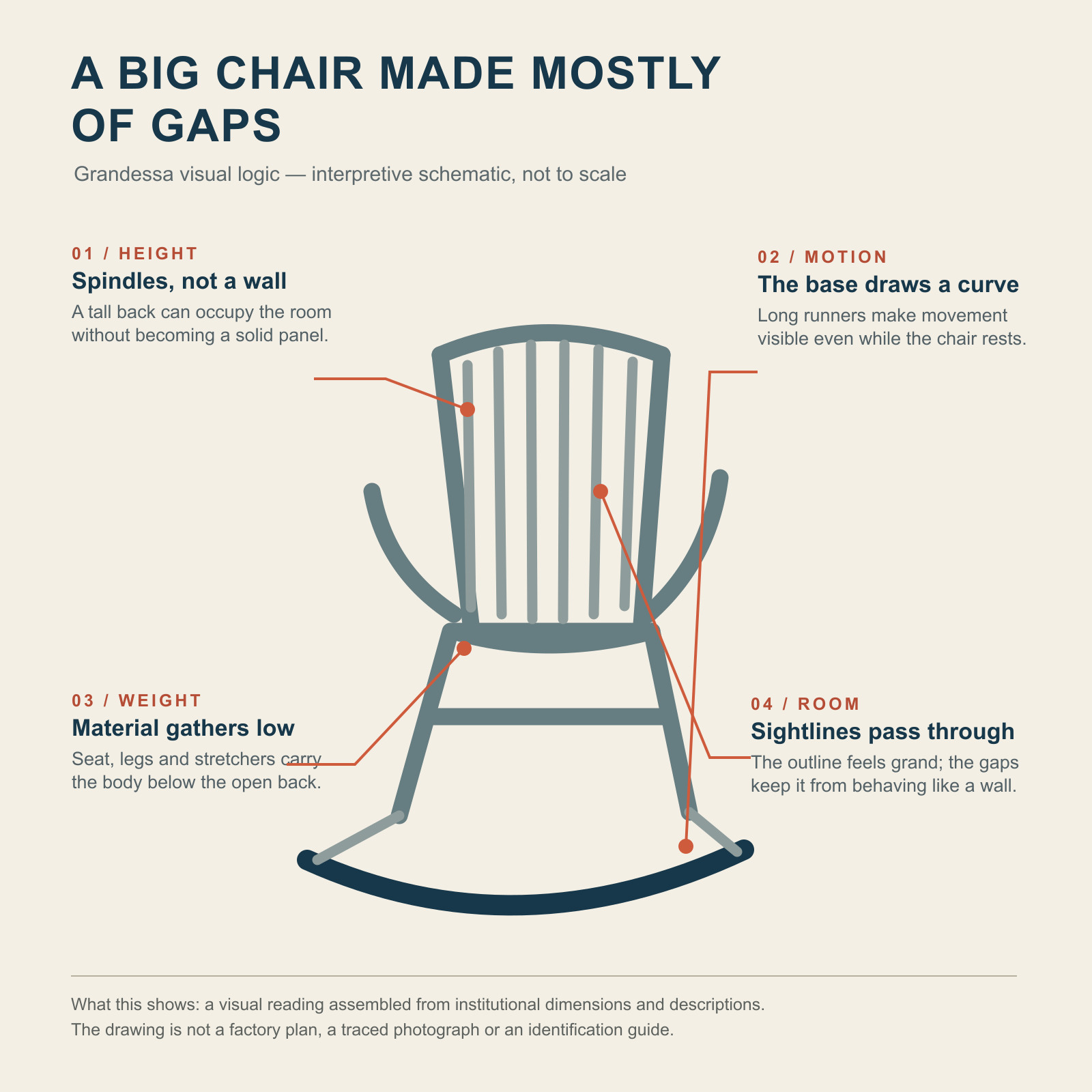
Discover how Lena Larsson's 1958 Grandessa Rocking Chair for Nesto turns a tall wooden outline, open spindles and long runners into furniture for an active room.
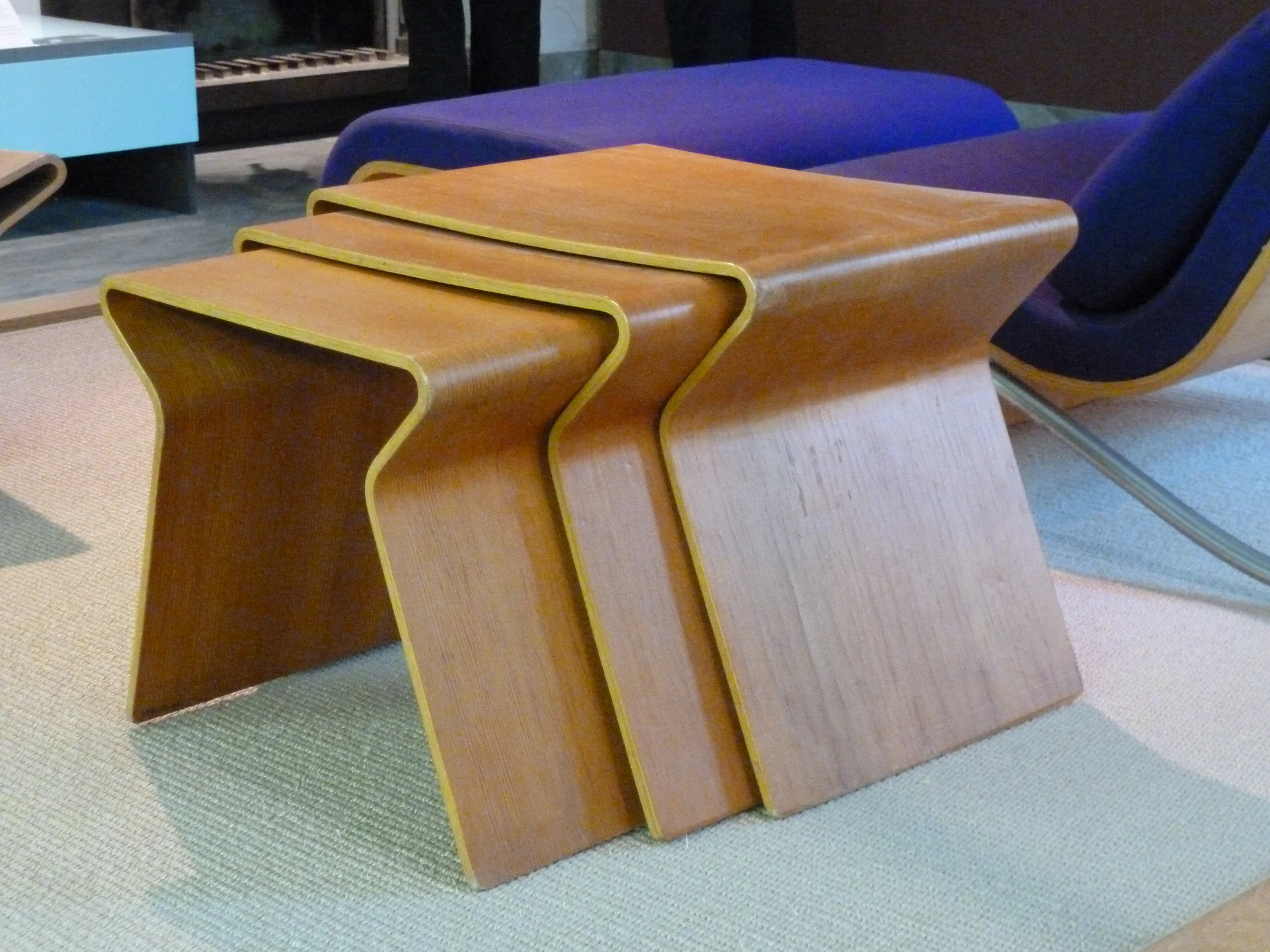
Meet Grete Jalk beyond the GJ Chair: at the workbench, in Mobilia's editorial room, inside travelling exhibitions and across four volumes of furniture history.
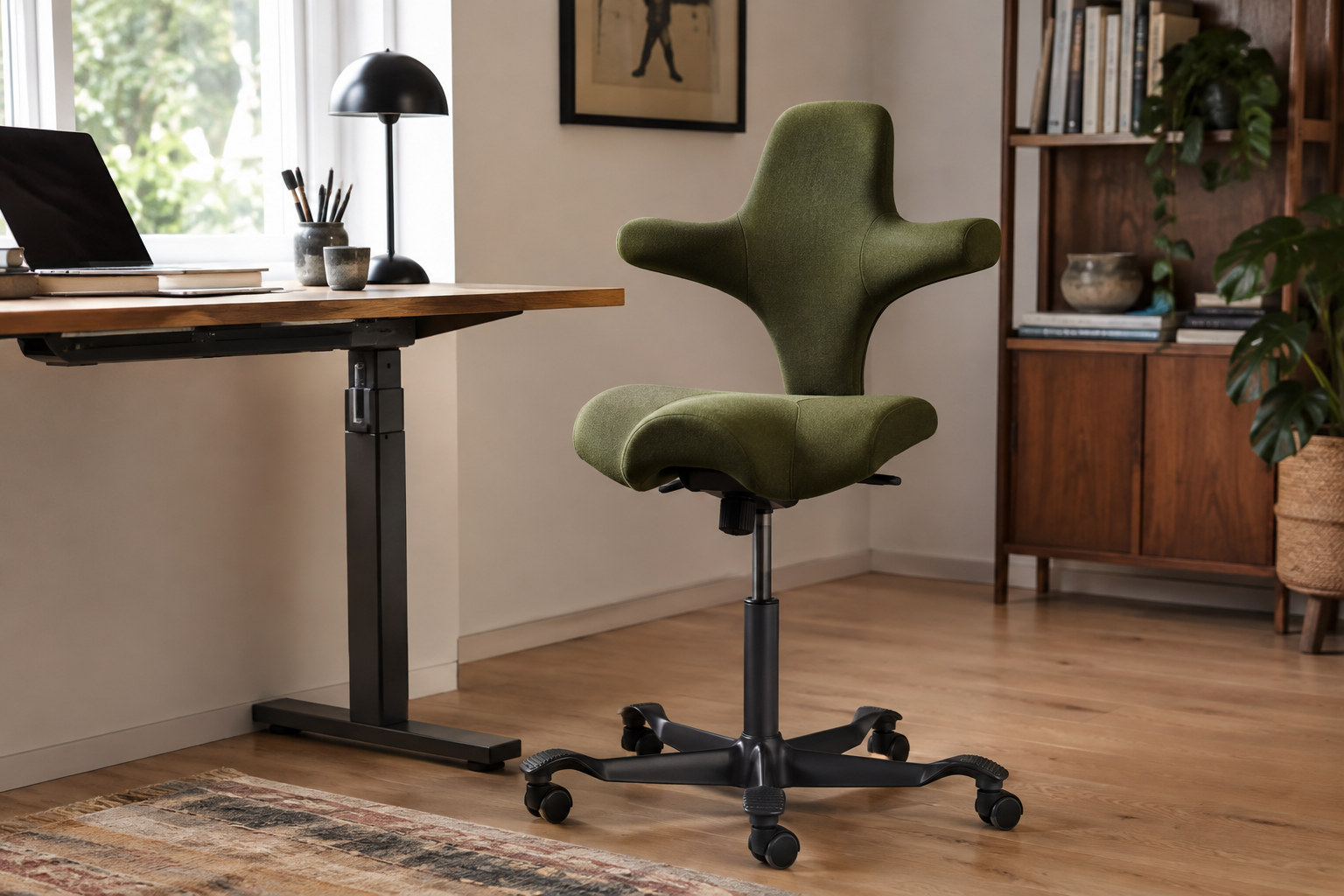
Capisco hardly resembles the padded office chair most people would draw from memory. Its saddle-like seat and branching back come from Peter Opsvik’s interest in allowing a person to change how they sit.
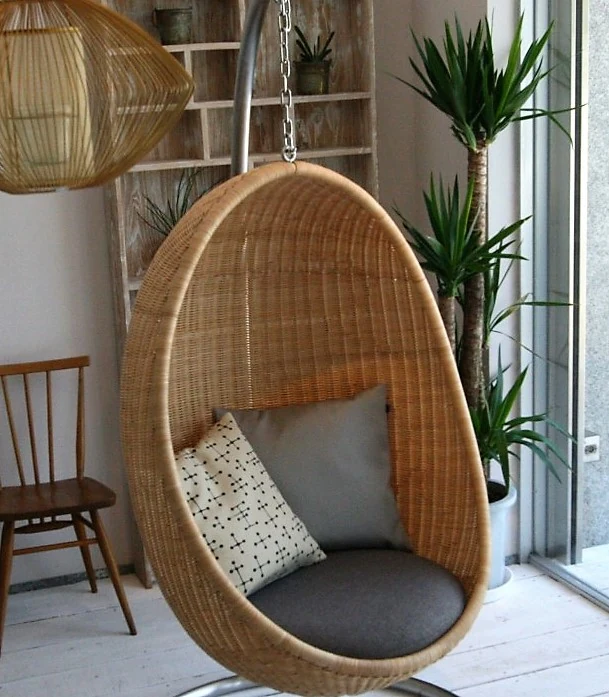
See how Nanna and Jørgen Ditzel's Hanging Egg removes legs, suspends a woven rattan shell and turns sitting into a gently moving room within a room.
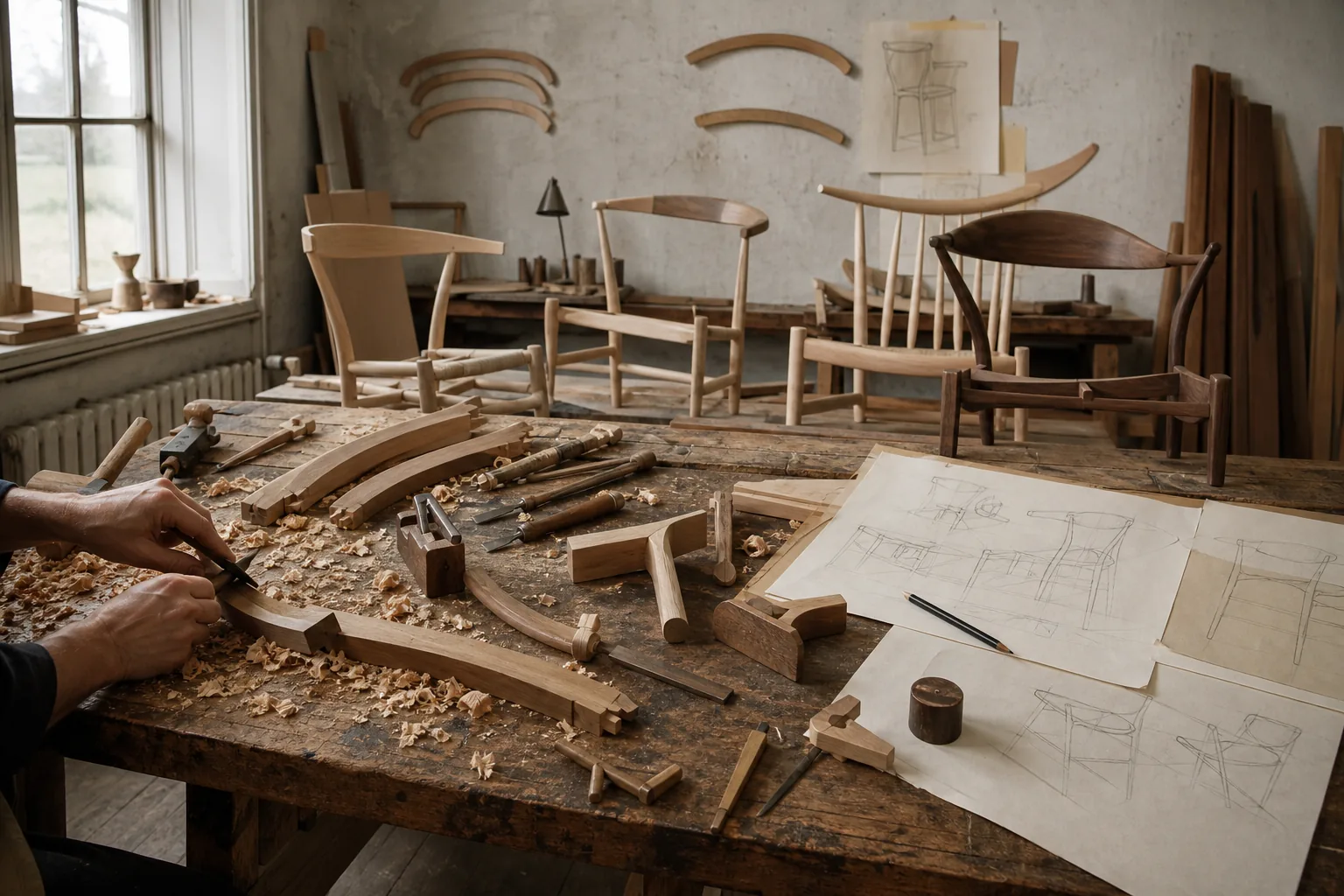
Follow Hans J. Wegner from a cabinetmaker's apprenticeship in Tønder through workshops, manufacturers and a lifetime of chair-making questions.
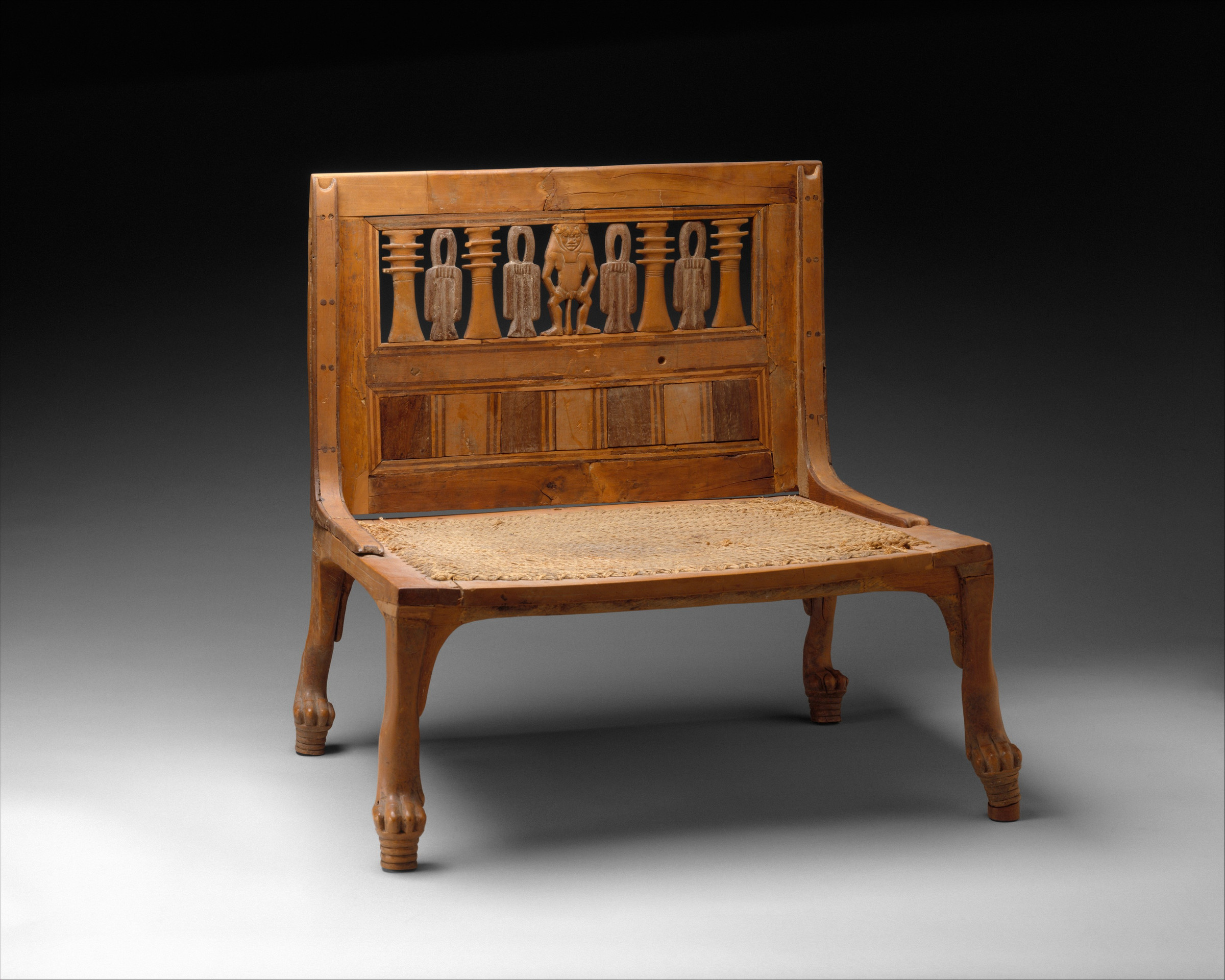
Read Hatnefer's low Dynasty 18 chair through its original linen cord, pegged mortise-and-tenon joints, protective symbols and exact tomb findspot.
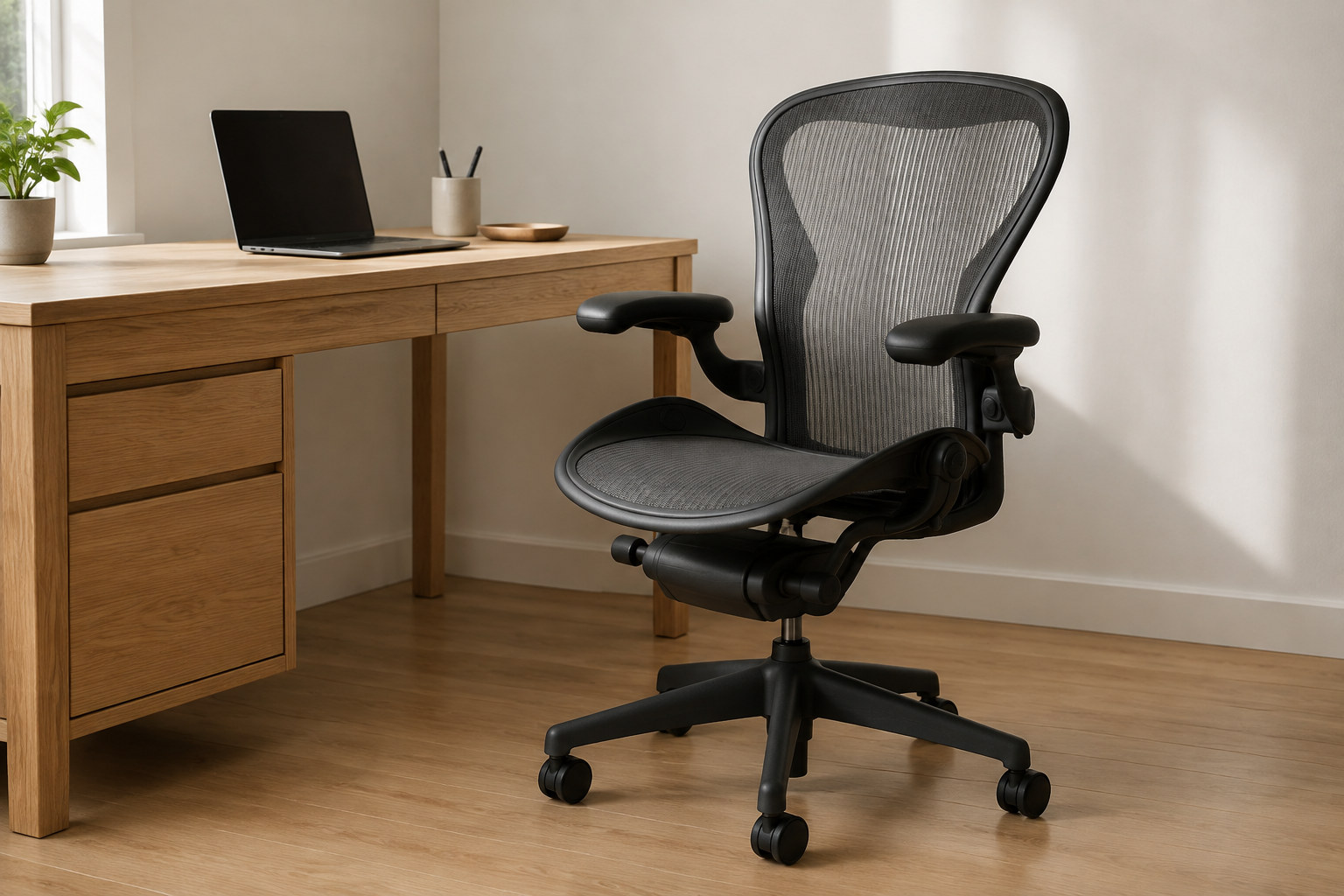
Aeron made an office chair’s supporting surface visible. Where a conventional chair hid foam beneath upholstery, Bill Stumpf and Don Chadwick stretched a mesh-like material across an exposed frame.
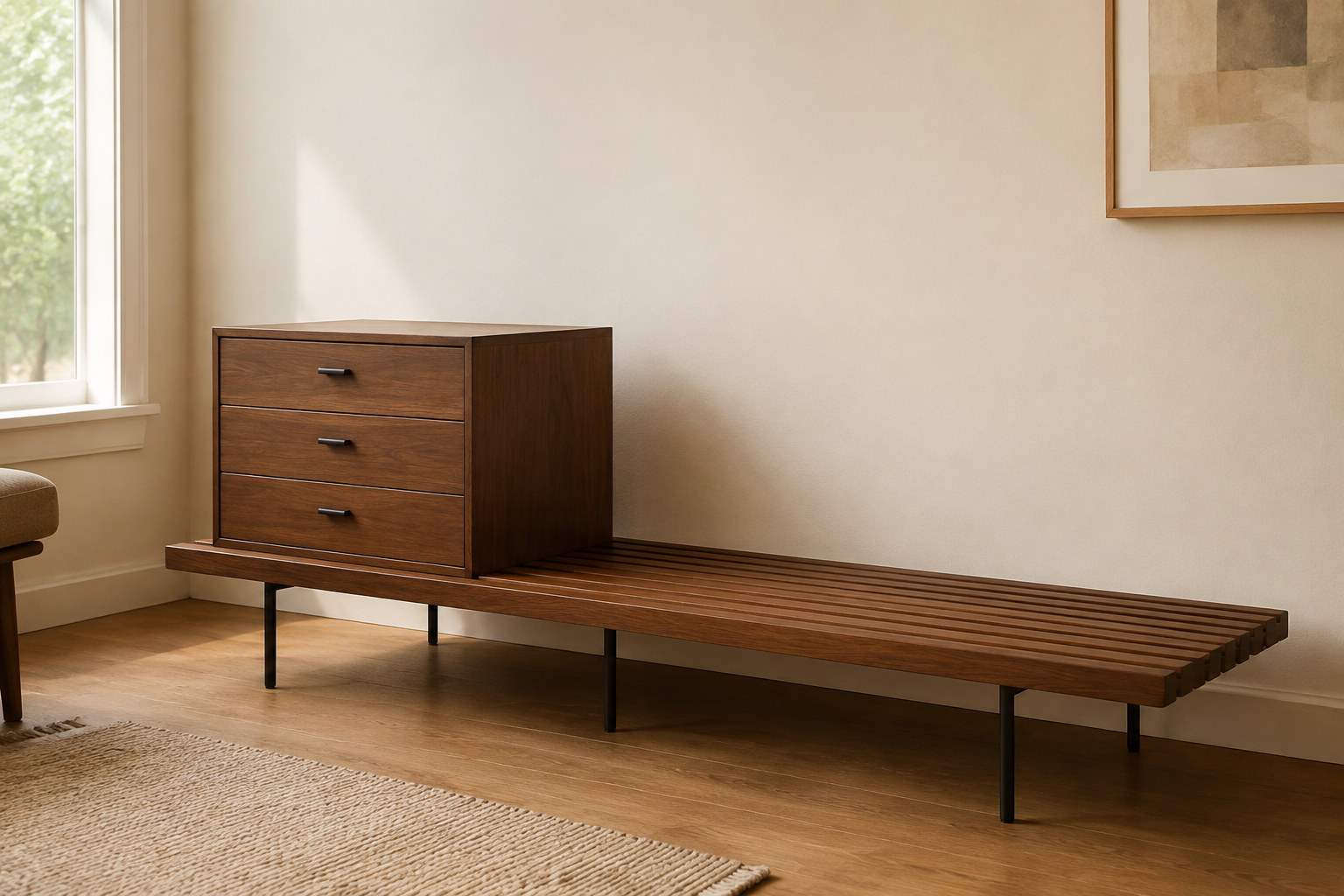
A small Interplan cabinet can look rather self-contained in a vintage shop. Robin Day’s larger idea appears when you imagine the space around it: another unit, a low bench and several ways to organise the same room.
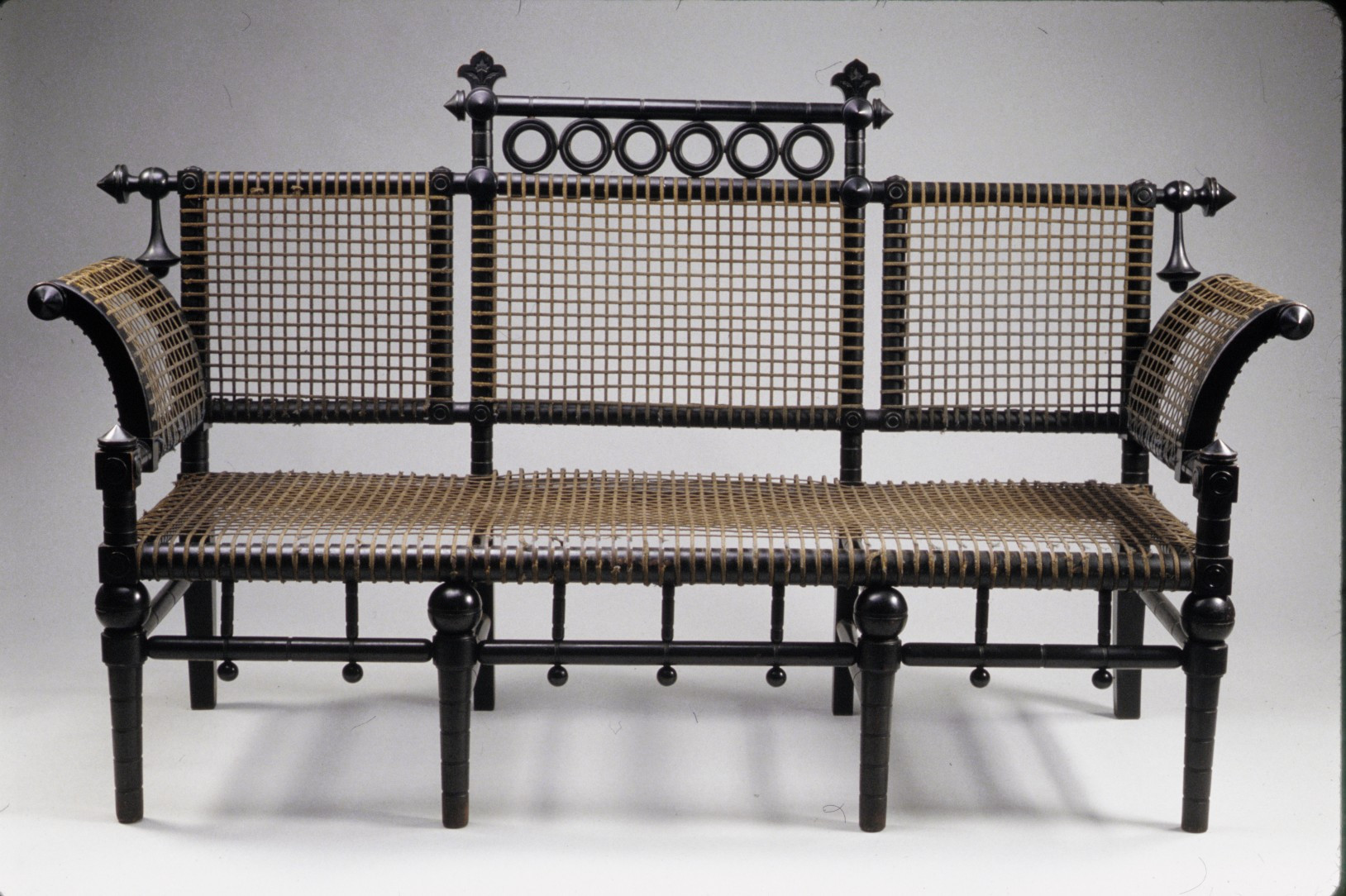
See how George Jakob Hunzinger’s 1876 patent turned textile-covered steel strips, grooved frames and interchangeable parts into a furniture system.
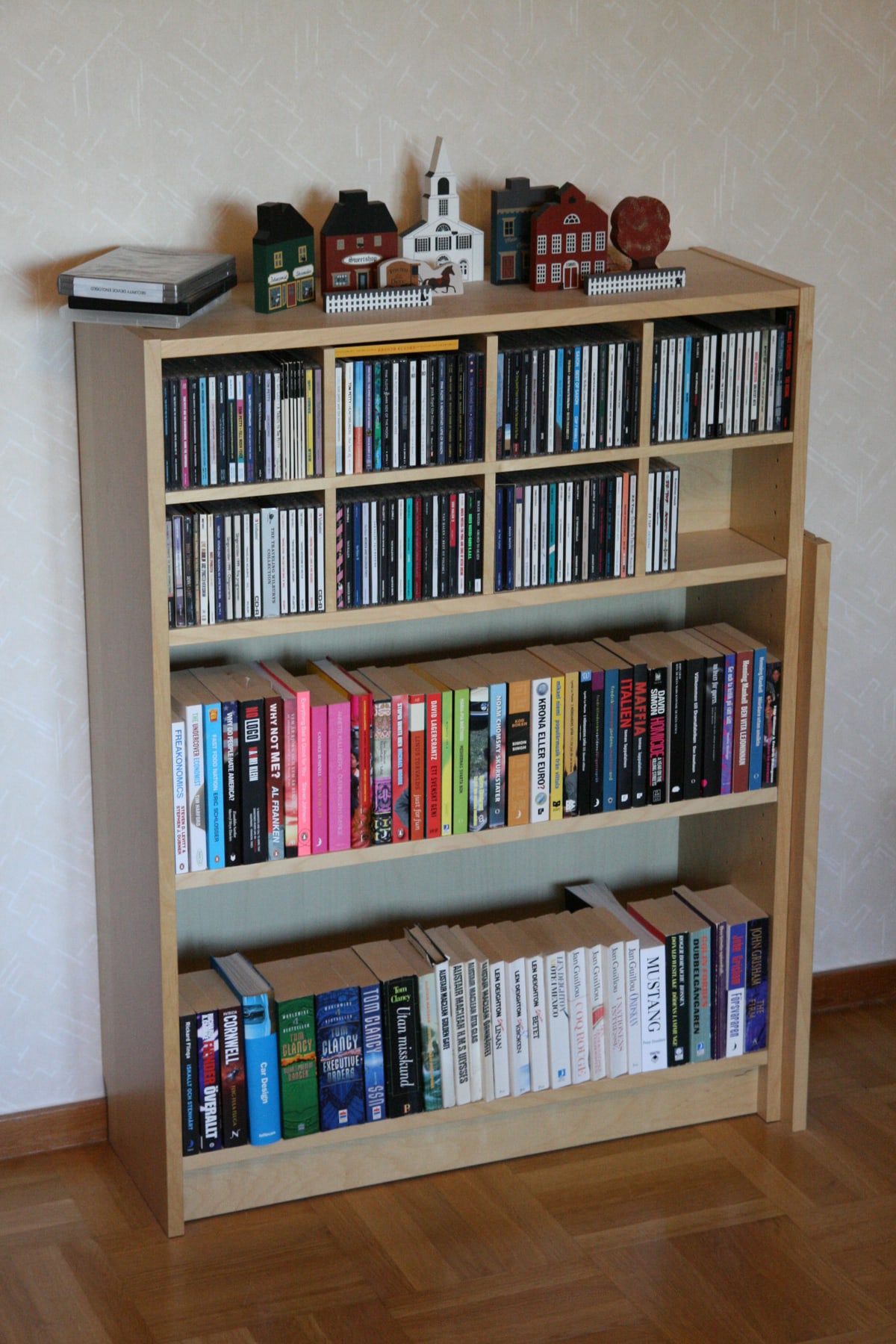
The history of IKEA BILLY, from incompatible earlier shelves to a repeatable bookcase, with the 1978 and 1979 dates explained and a look at its adjustable interior.
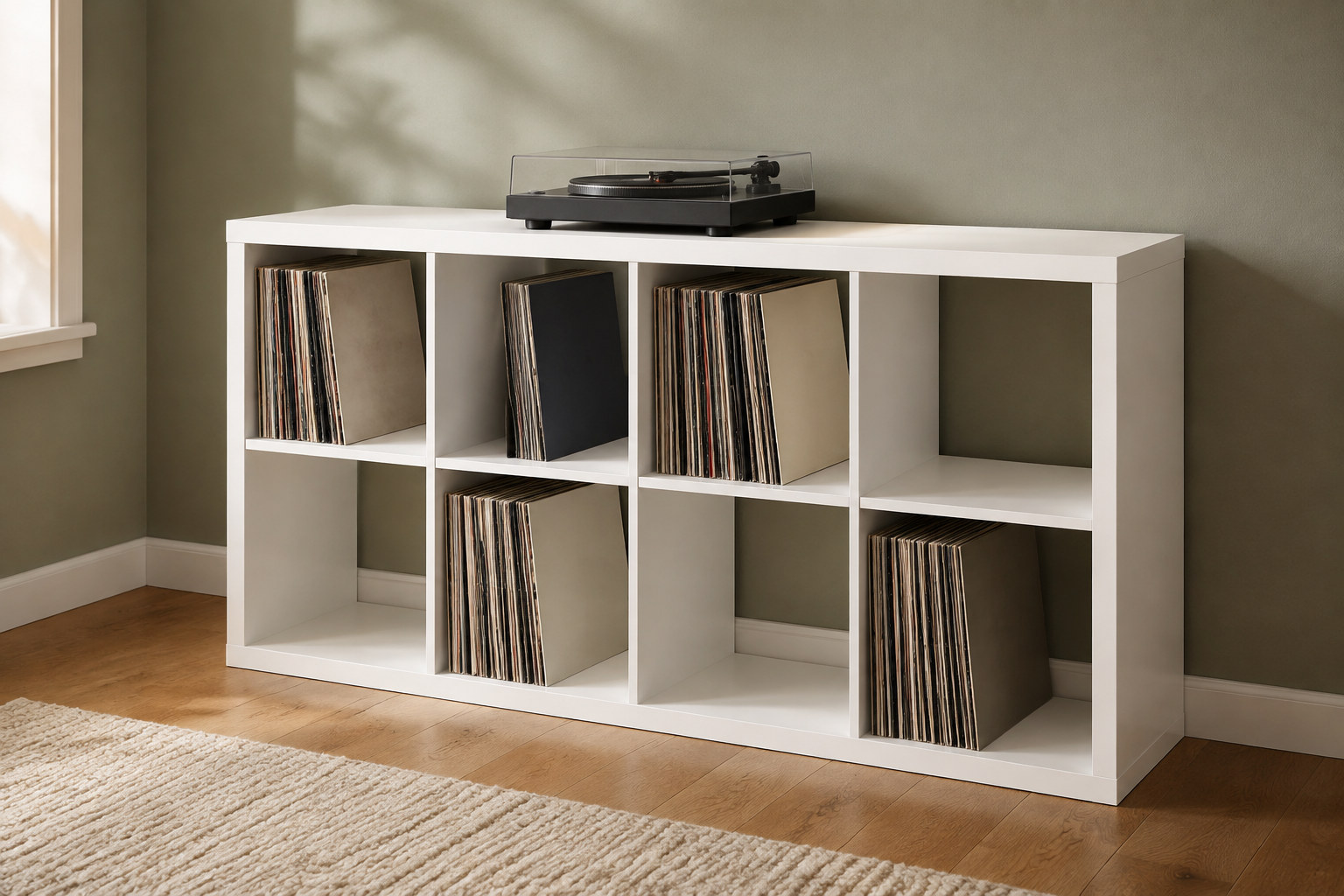
A shelf full of records makes the size of an empty compartment surprisingly important. When IKEA replaced EXPEDIT with KALLAX in 2014, that useful opening became the part of the design it chose to preserve.
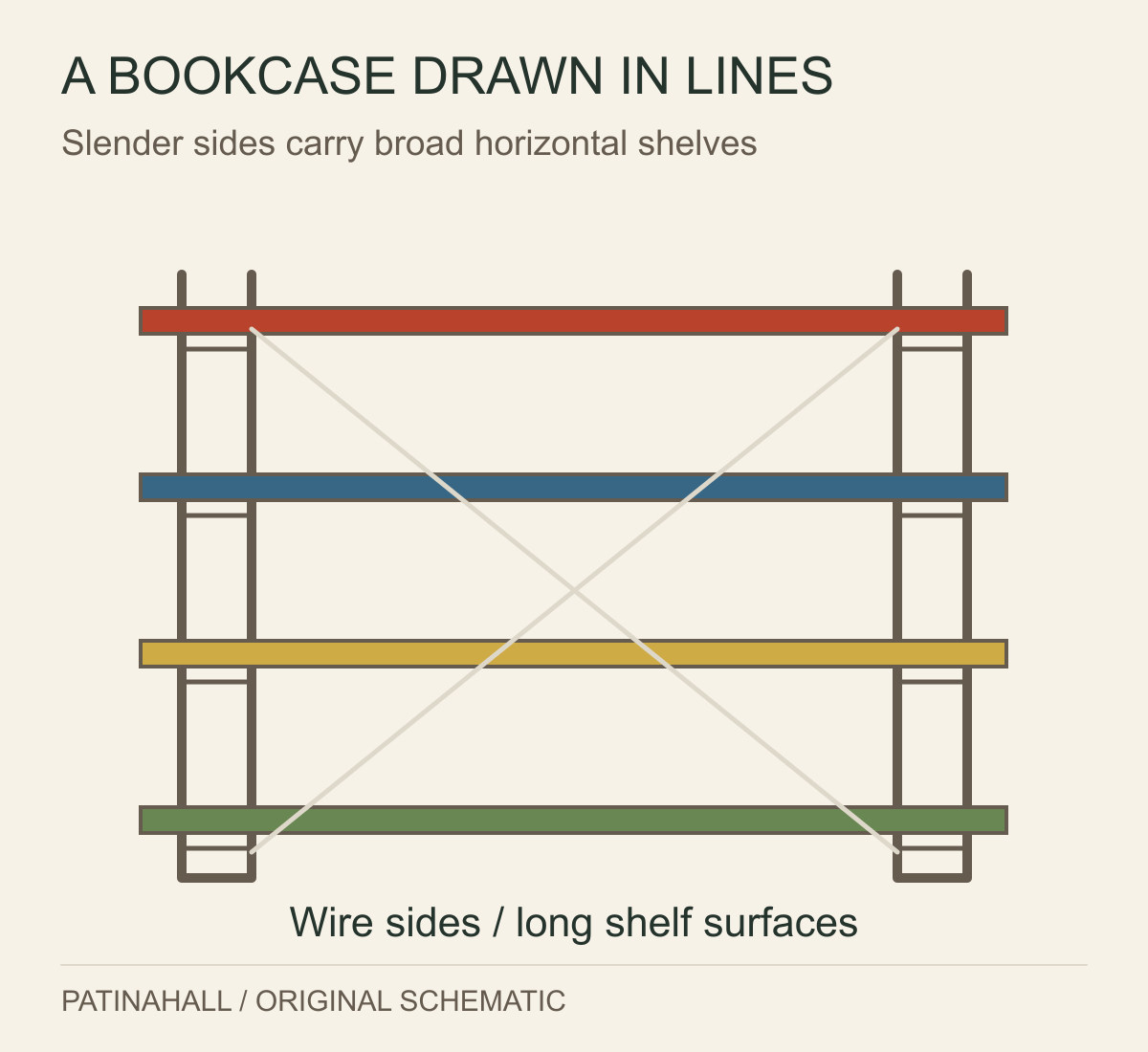
GUIDE made a bookshelf from slender wire sides and broad laminate shelves. Niels Gammelgaard found an opportunity for colour inside the production process, giving a practical open structure a playful edge.
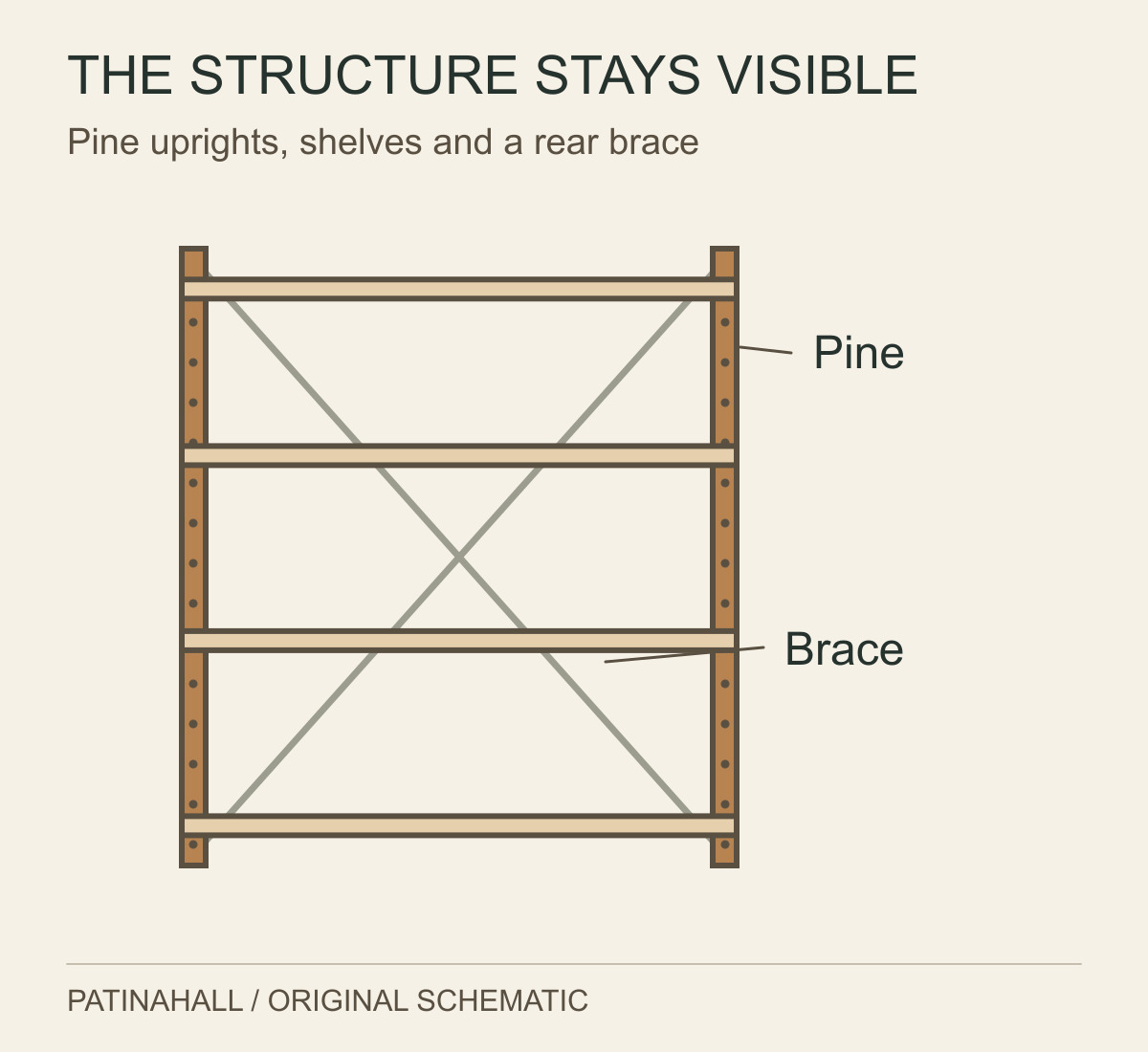
How IKEA IVAR grew from earlier storage shelving, why its pine frame and visible adjustment holes matter, and how the familiar name differs from the system’s ancestry.
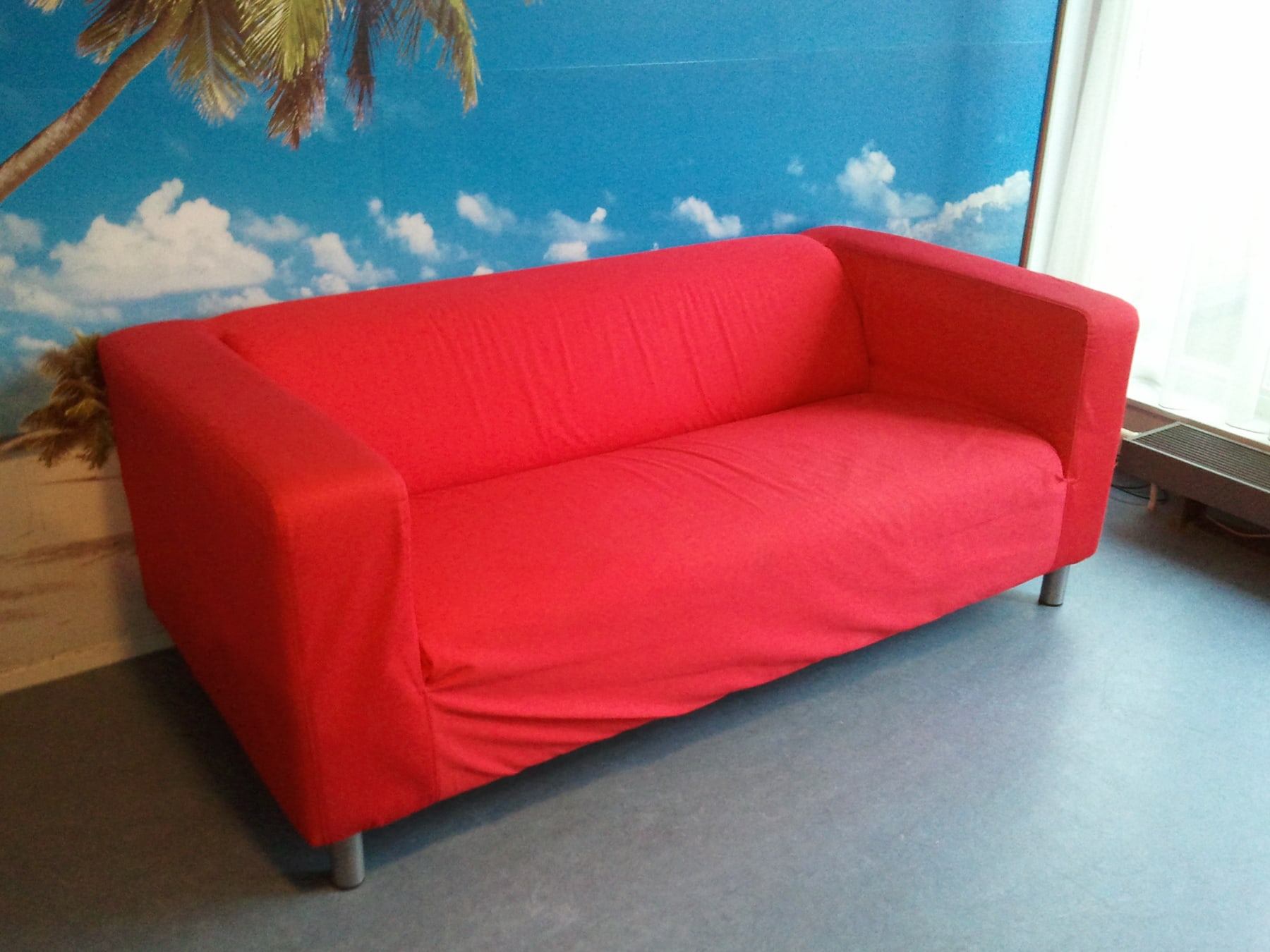
KLIPPAN looks like a simple upholstered box. Its more interesting feature can be taken off: a cover that brings laundry, changing tastes and the possibility of a second life into the design of a sofa.
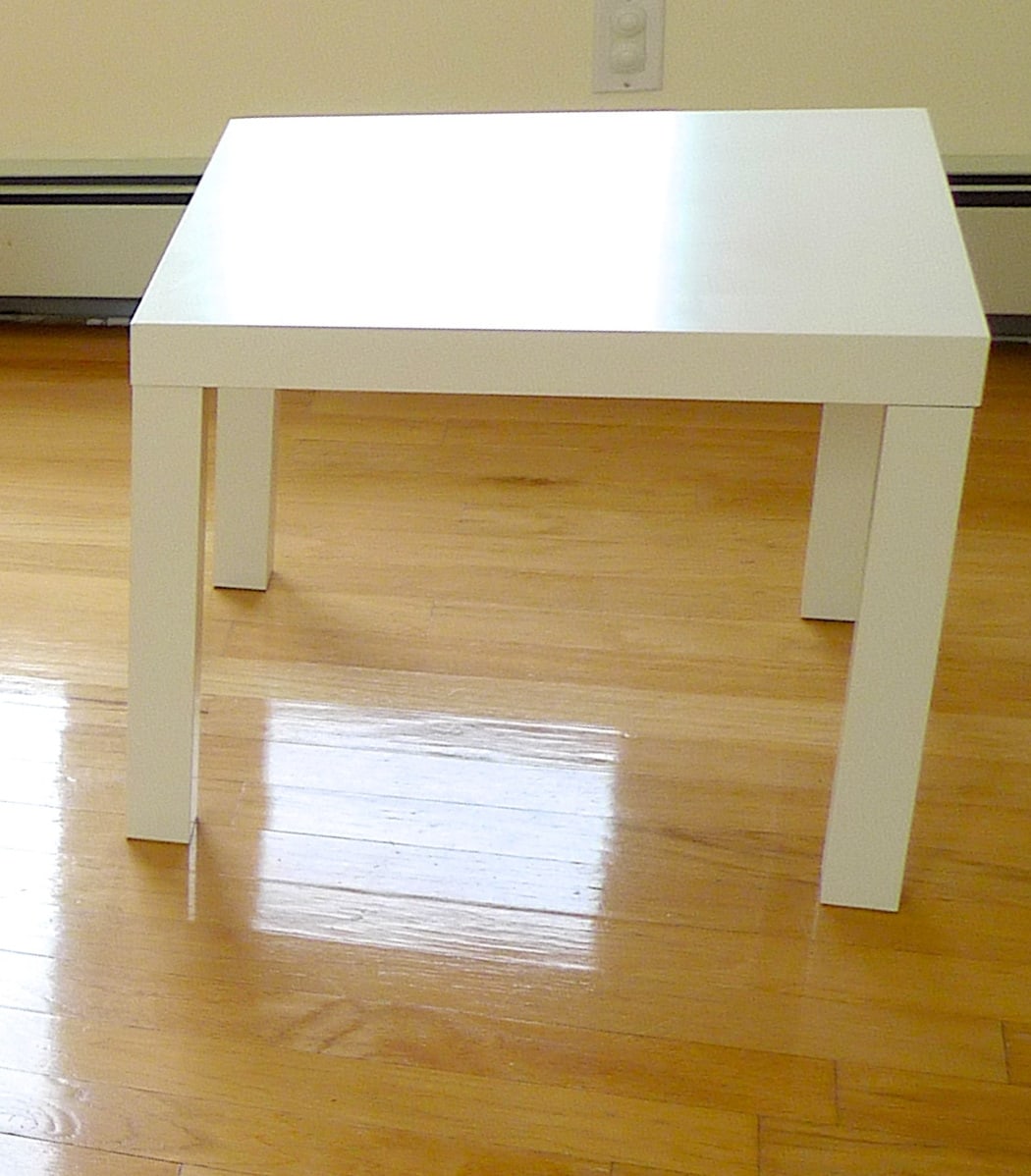
Why IKEA LACK is light despite its thick square shape: its connection to door manufacture, the 1979 product entry, and the honeycomb filling in today’s tabletop.
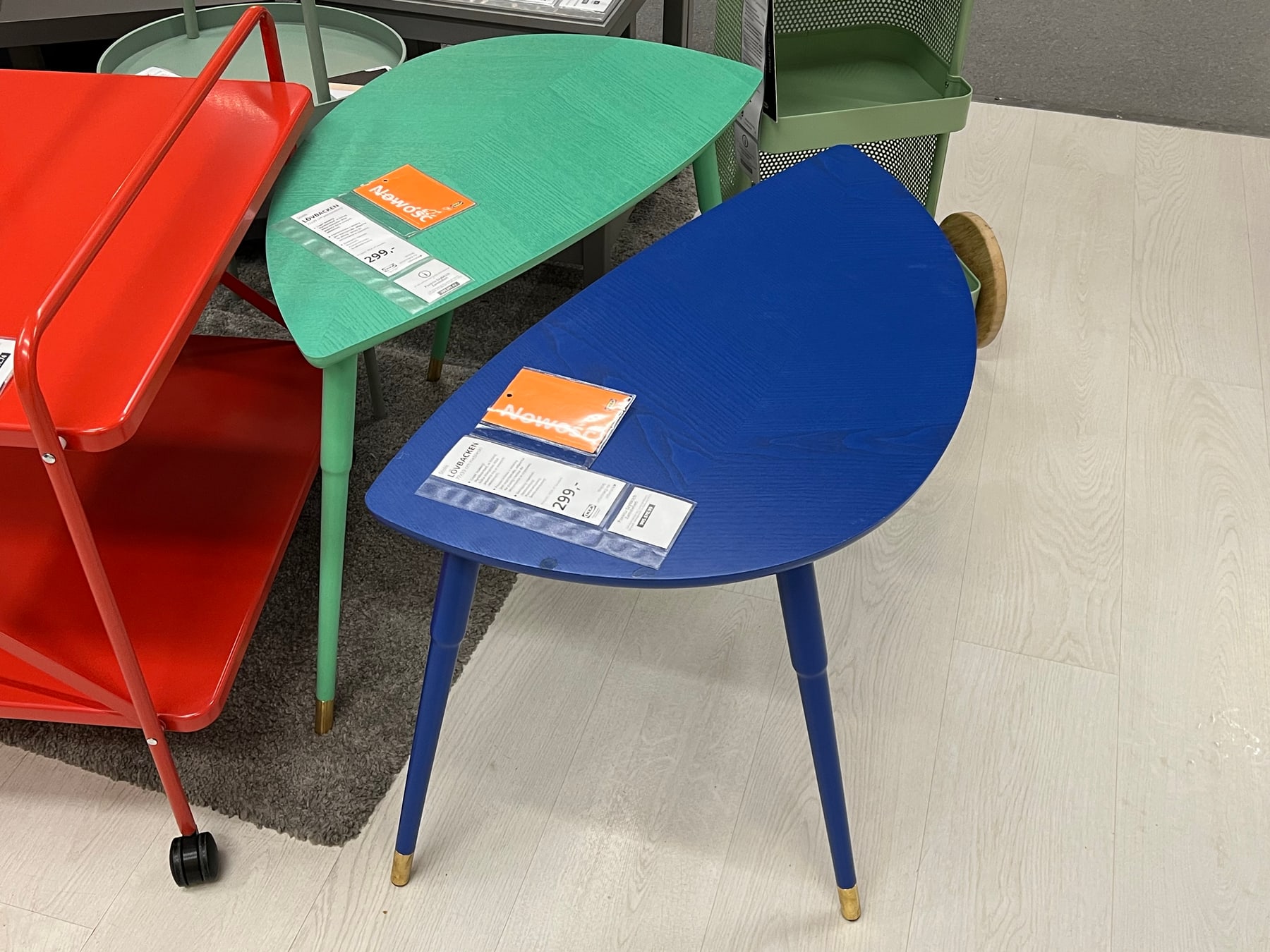
The little leaf-shaped IKEA table has lived through two very different eras. LÖVET belonged to the 1950s catalogue; LÖVBACKEN brought the outline back in 2013, with a new name and a fresh material brief.