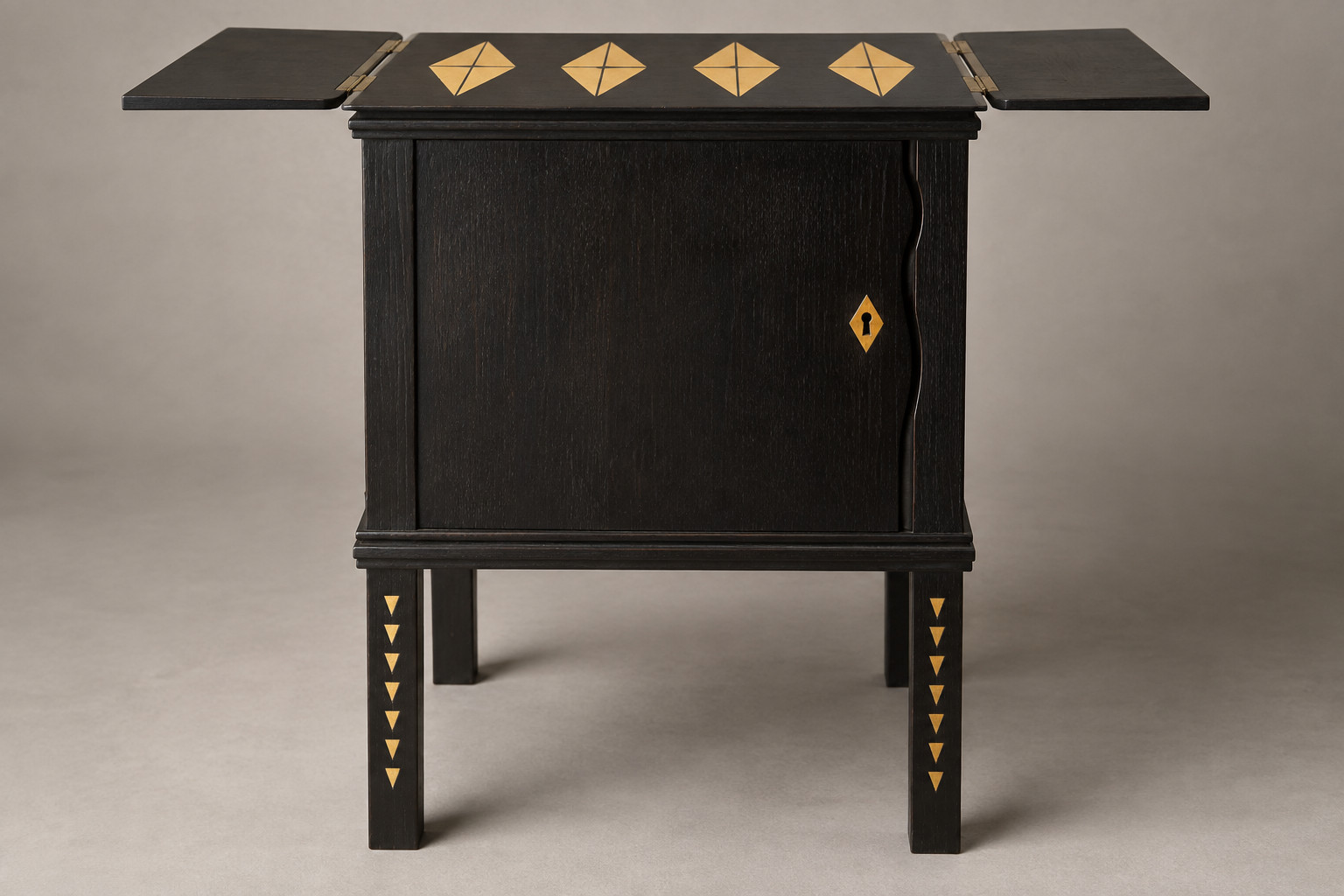
Historic object
Mackintosh smoker’s cabinet CIRC.856:1,2-1956
Mackintosh’s yellow inlay was made from milk protein. A conservation investigation explains why keeping its original curled pieces mattered more than a perfectly flat pattern.
Objects · people · ideas
Discover the objects, people and ideas that shaped furniture, from historic pieces to modern designs.
Mackintosh’s yellow inlay was made from milk protein. A conservation investigation explains why keeping its original curled pieces mattered more than a perfectly flat pattern.
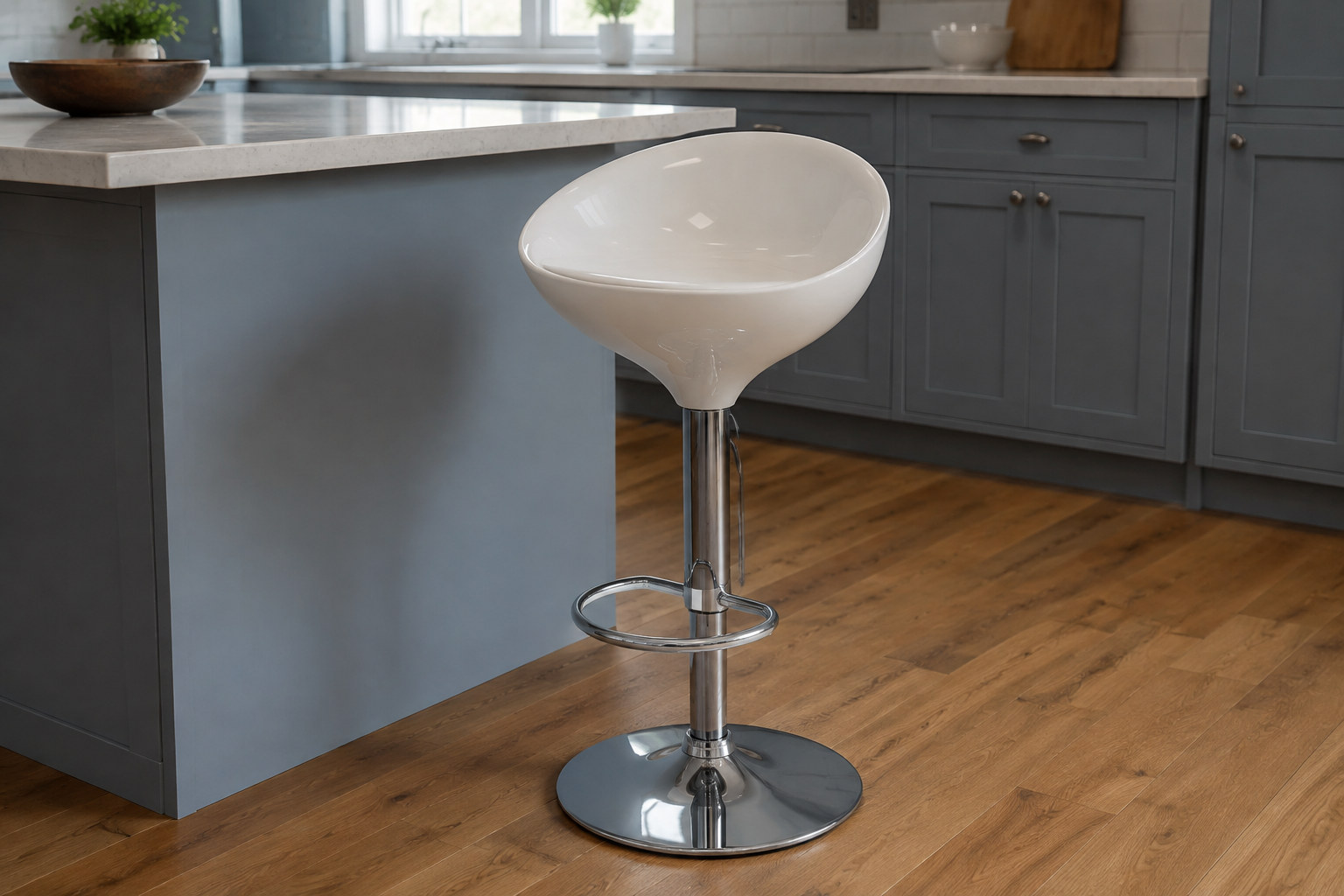
Bombo gathers a bar stool around one central column. The rounded seat seems to hover above its base, while a footrest gives the sitter a second point of contact well above the floor.
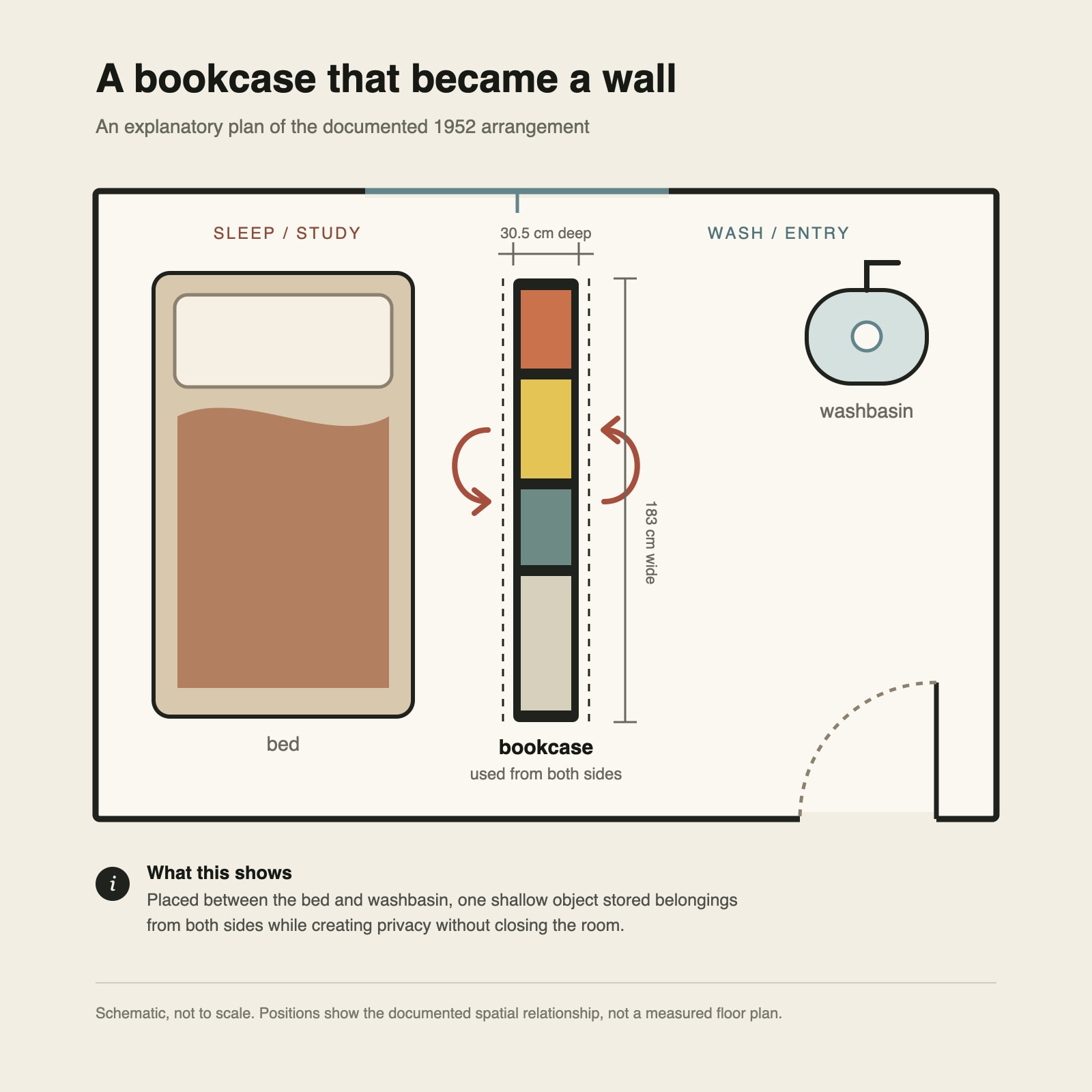
See how Charlotte Perriand used one shallow, two-sided bookcase to store belongings, screen a washbasin and reorganise a 13-square-metre student room.
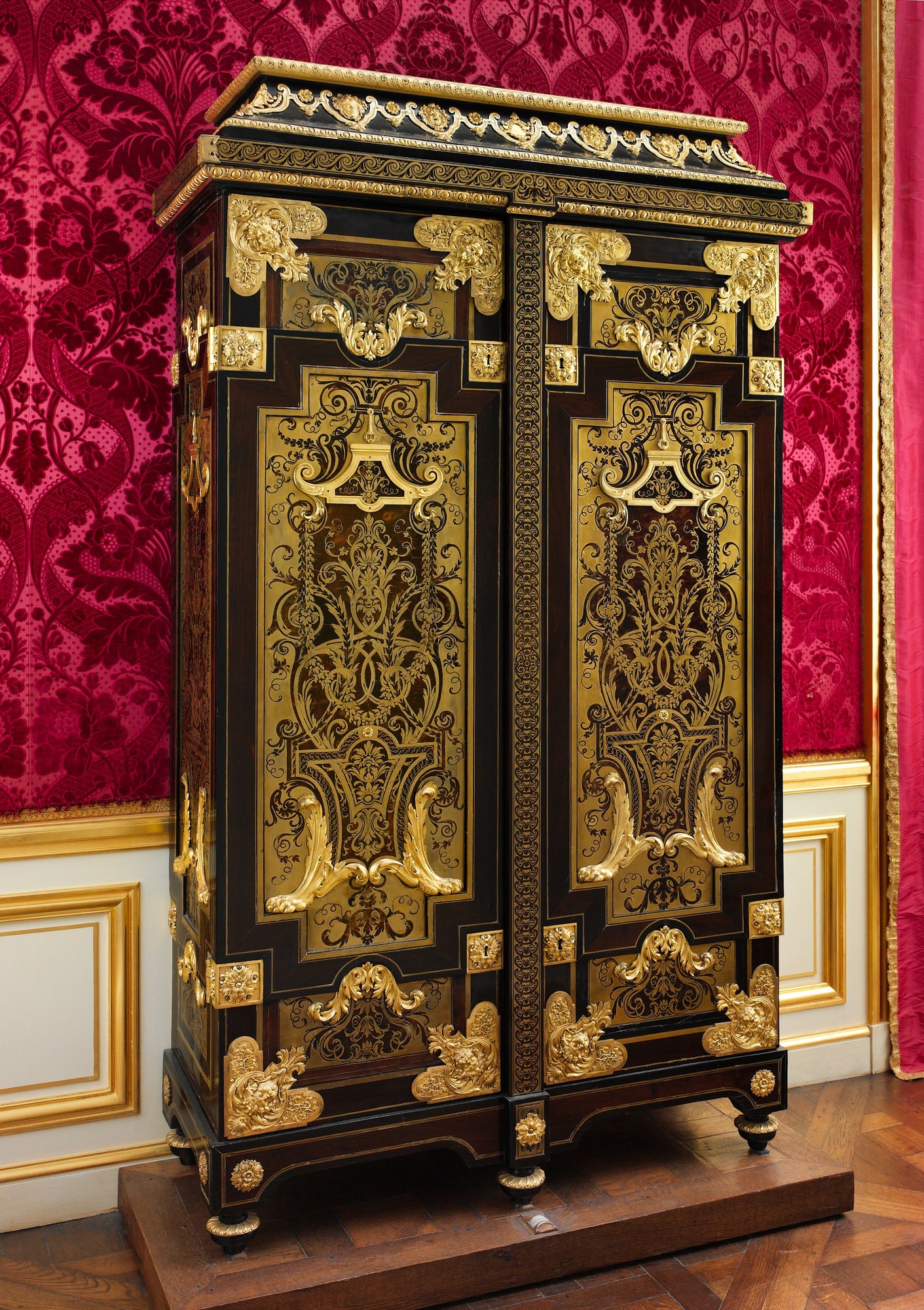
See how marquetry turns thin veneers and other fitted materials into an image, why grain changes the drawing and how one cut can produce two reversed patterns.
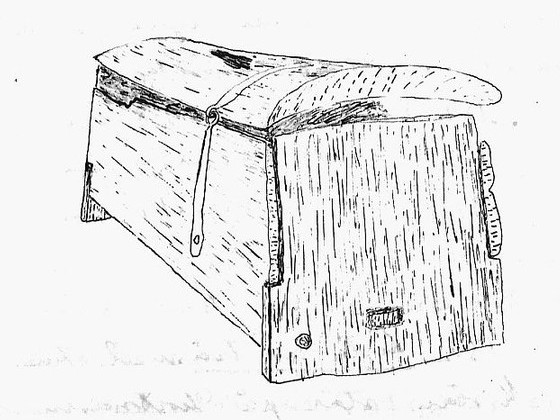
Saws, drawknives, tongs and hammers travelled together in the Mästermyr chest. Its oak boards, iron lock and reusable scrap reveal the connections between crafts.
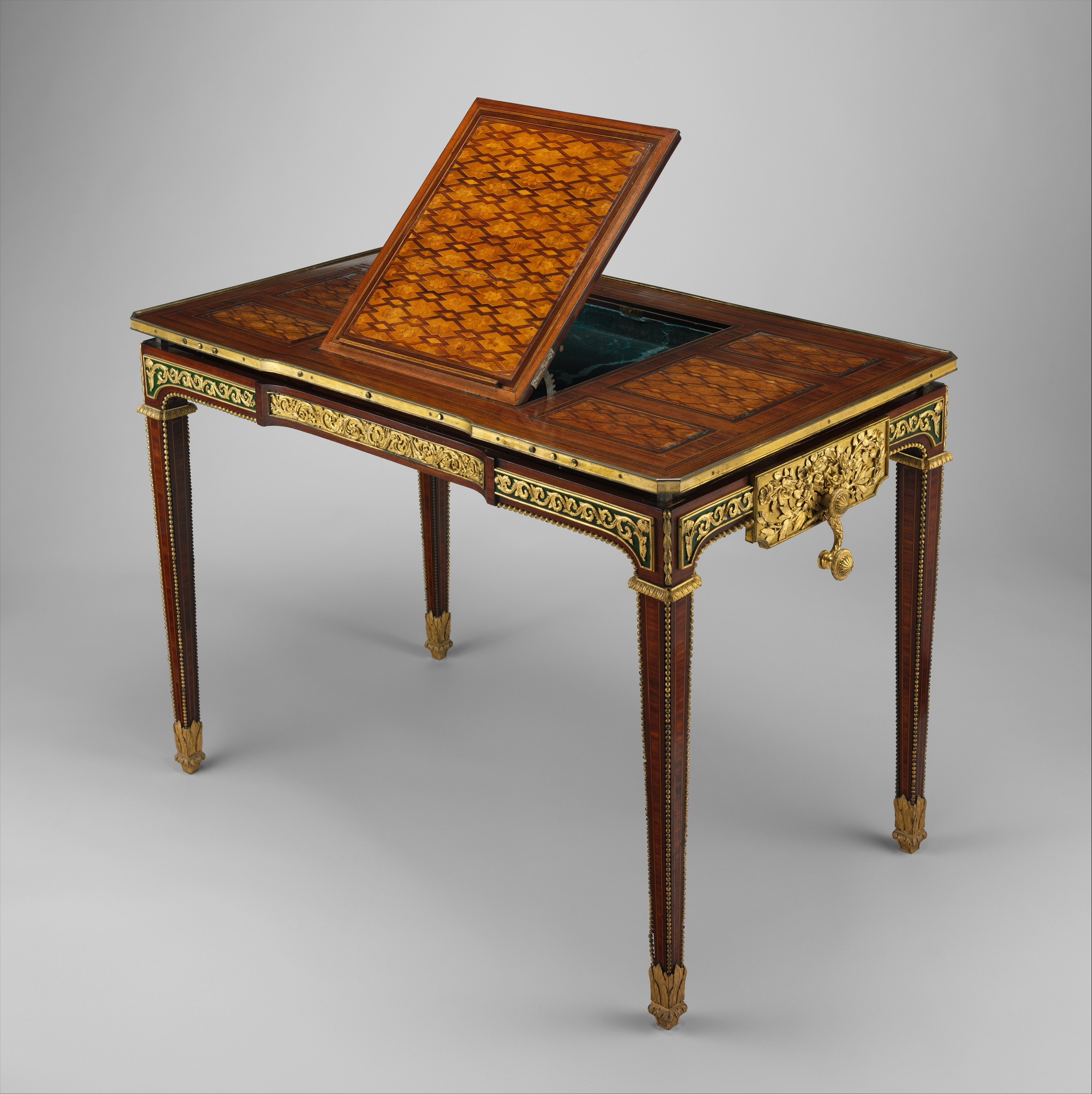
Open Riesener’s 1778 table for Marie Antoinette: a crank raises its marquetry top while panels become a lectern, mirror and six compartments.
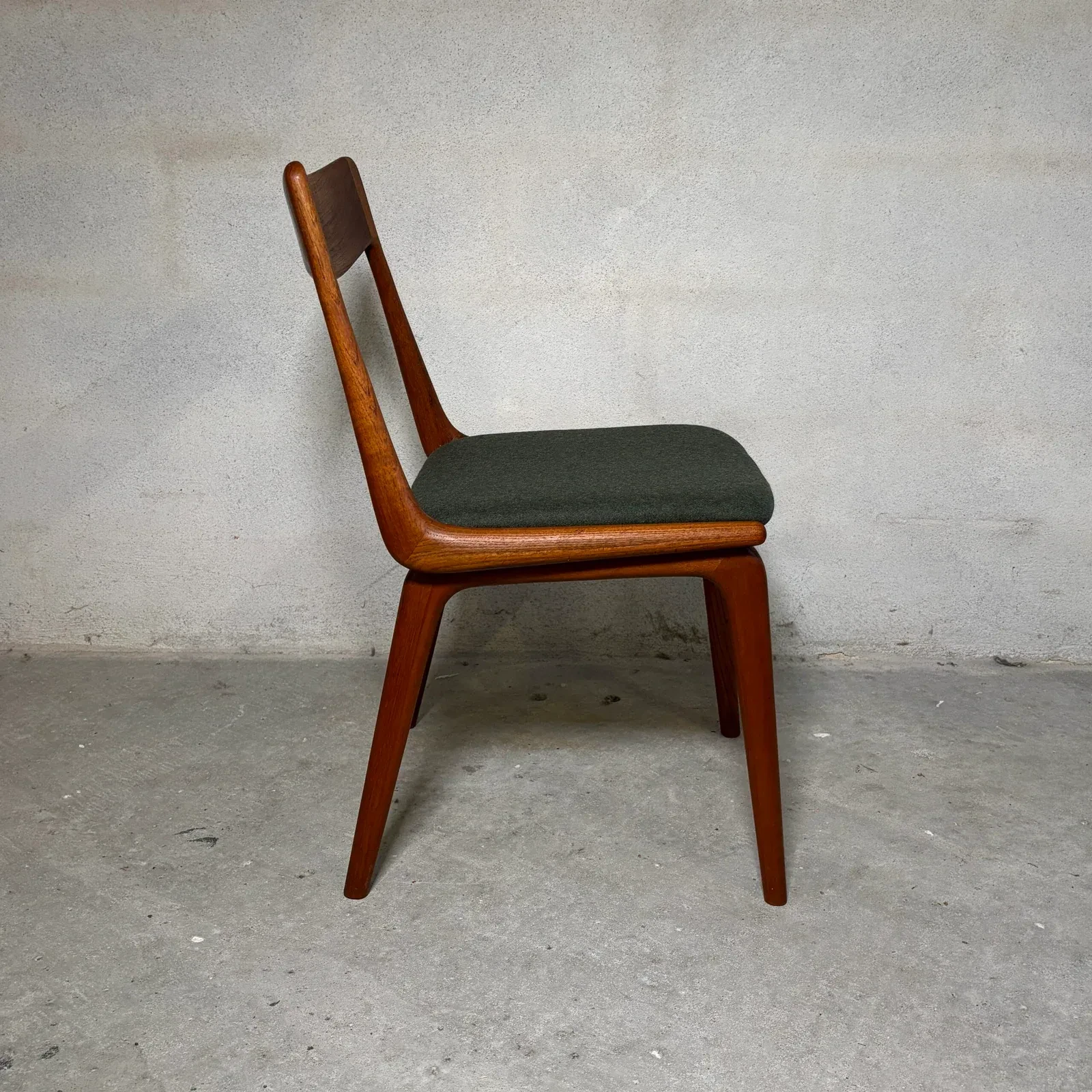
Read Alfred Christensen’s Model 370 Boomerang Chair in profile, where one angular timber side member turns seat support into the defining silhouette.
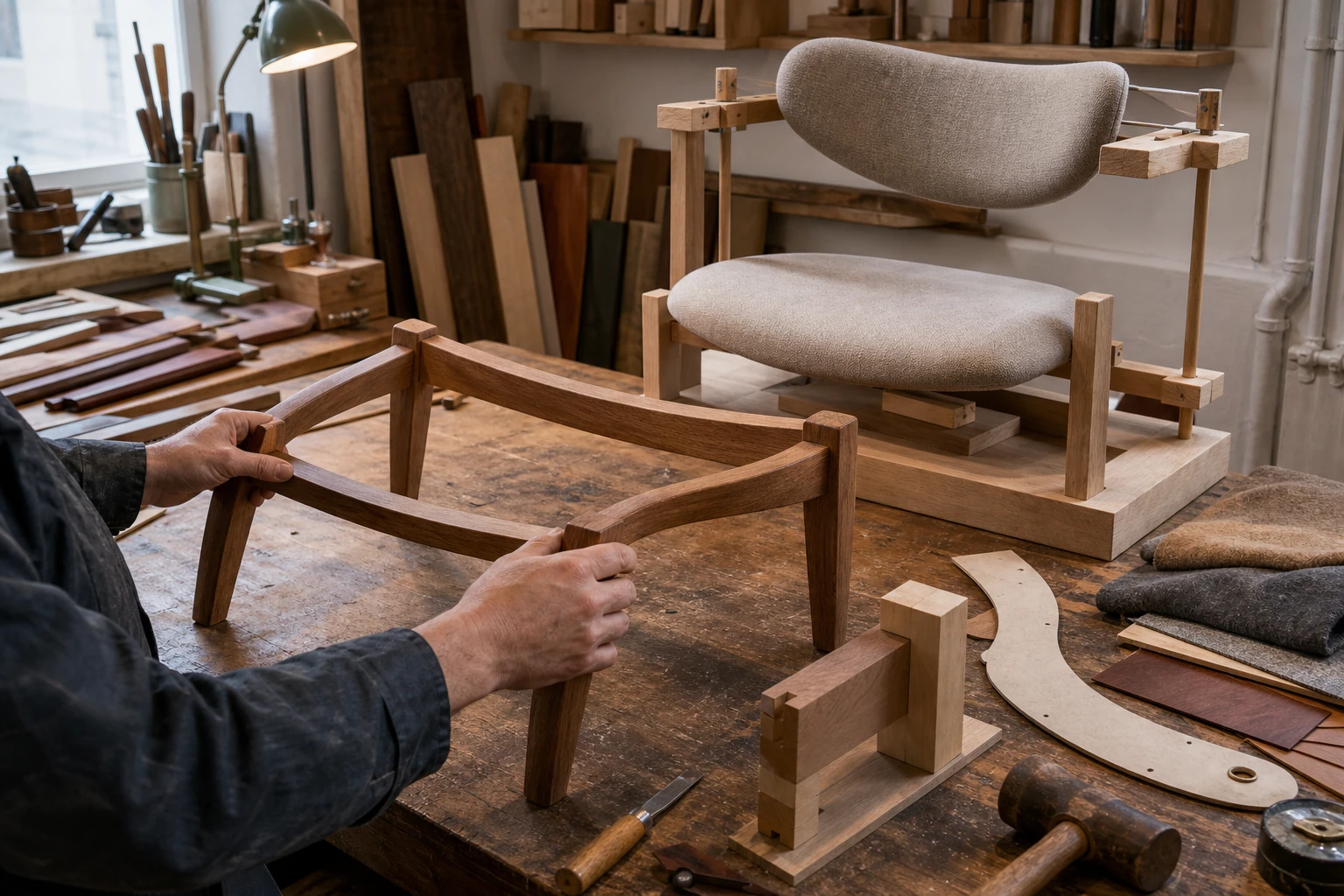
Use Guild records and museum objects to understand how cabinetmaker Niels Vodder turned Finn Juhl's demanding furniture ideas into small-series physical work.
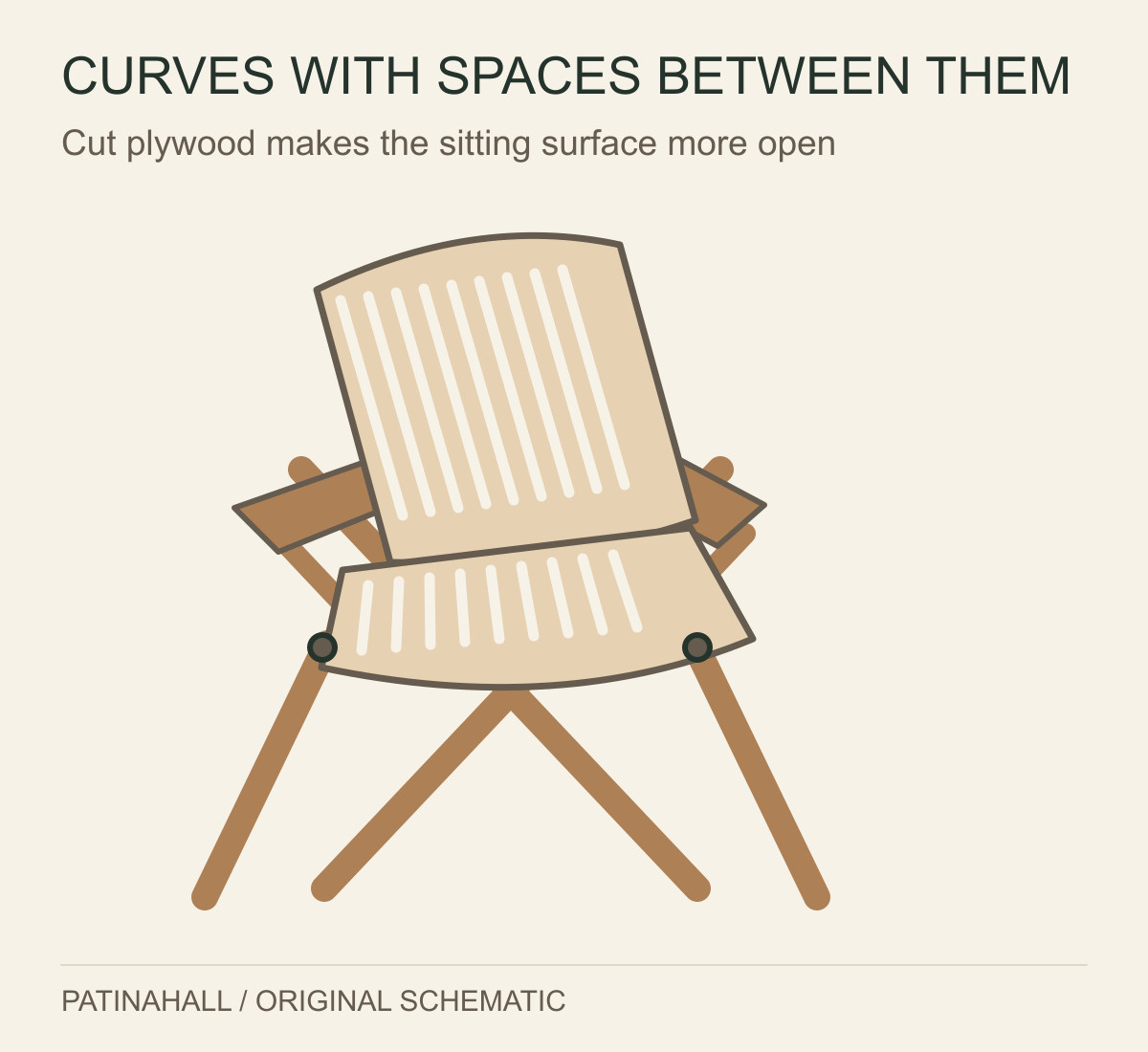
Rex offers a shaped wooden seat and a useful way to put it away. Niko Kralj combined curved, slotted plywood with folding, so a chair generous enough for sitting could make room for the rest of life.
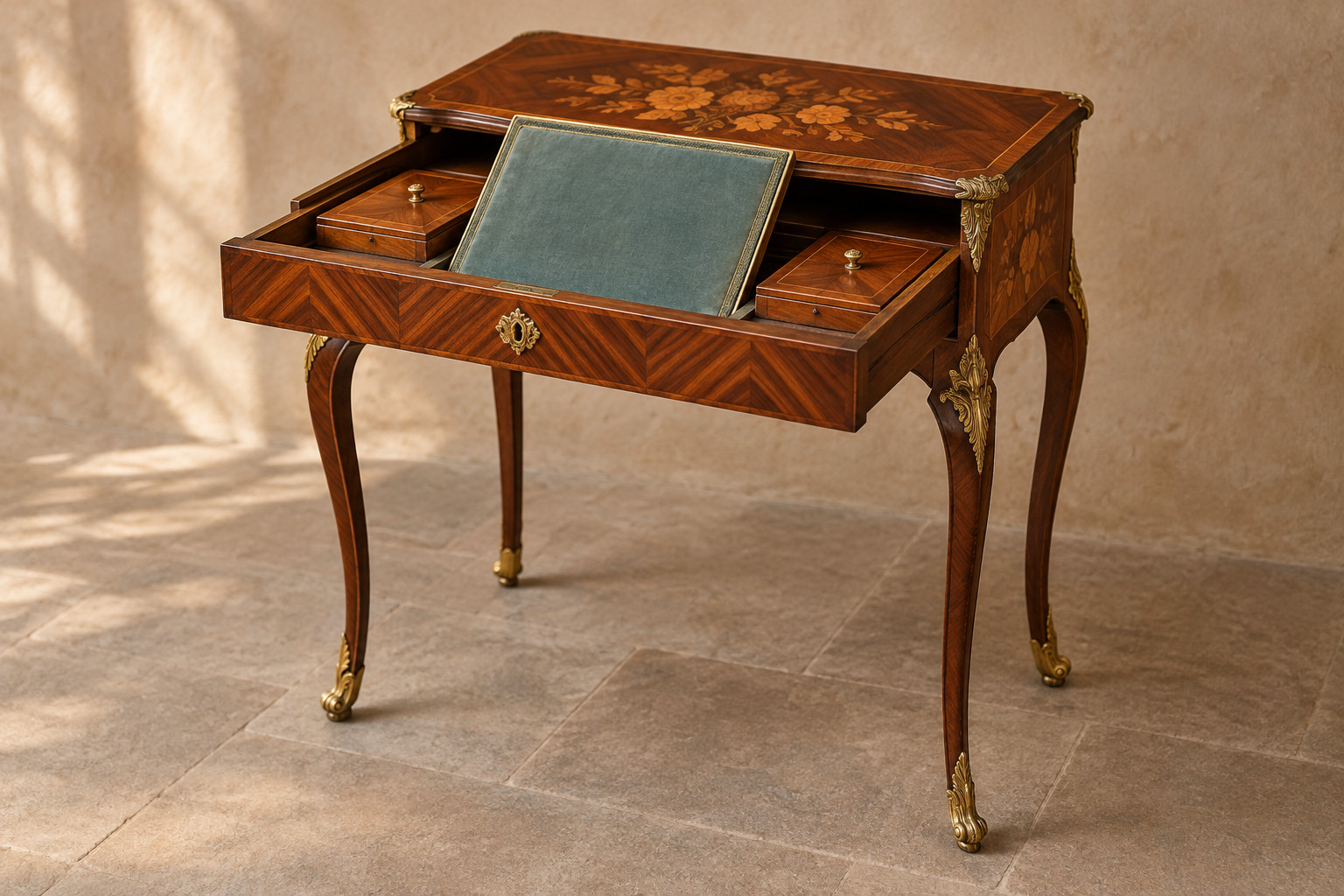
Oeben’s Getty mechanical table opens a hidden workspace and rewinds its springs when closed. Its darkened floral inlay reveals another, slower transformation.
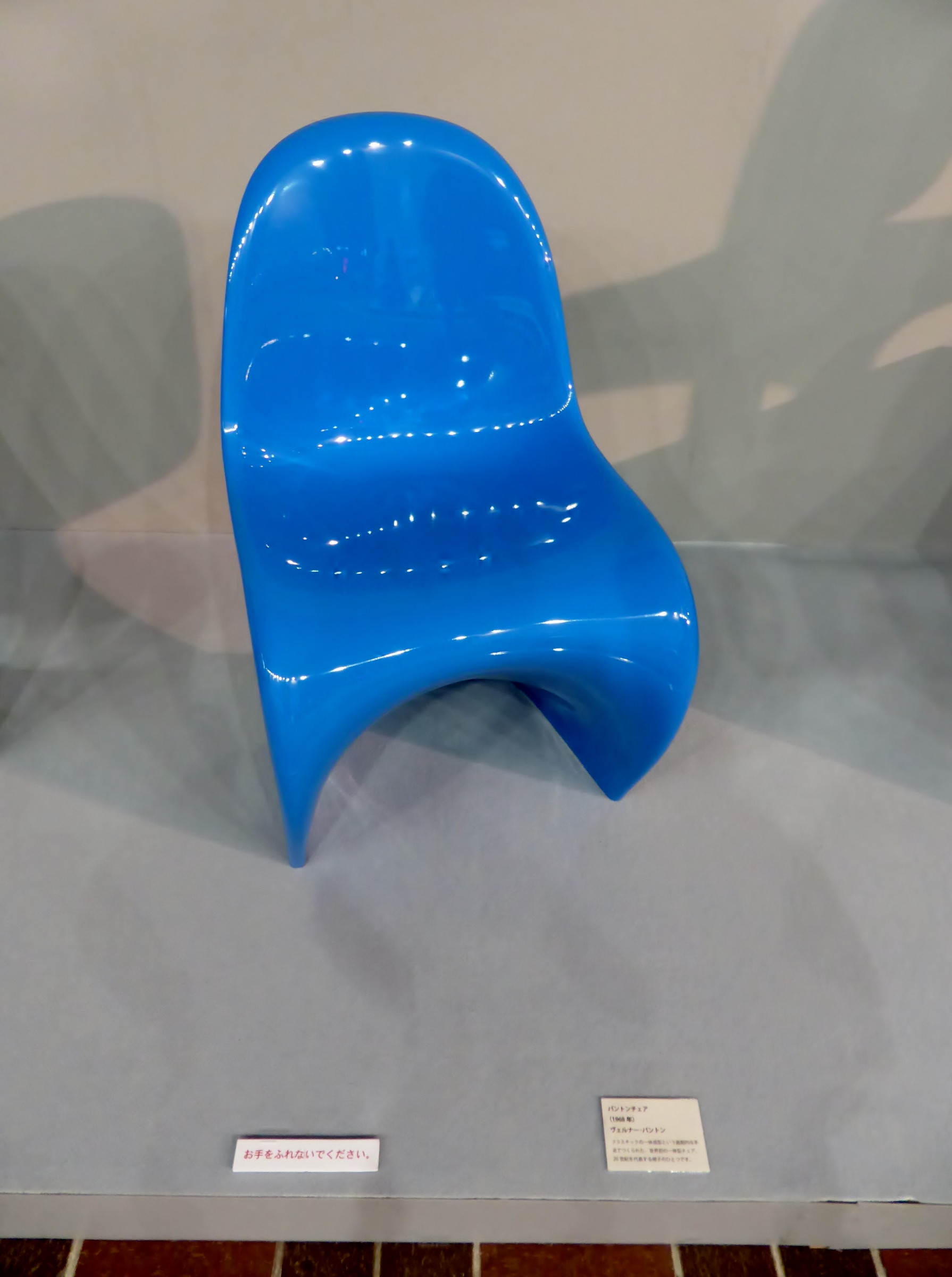
Follow Verner Panton's one-piece cantilever through its 1967 pilot, polyurethane series, thermoplastic failure and 1999 polypropylene return.
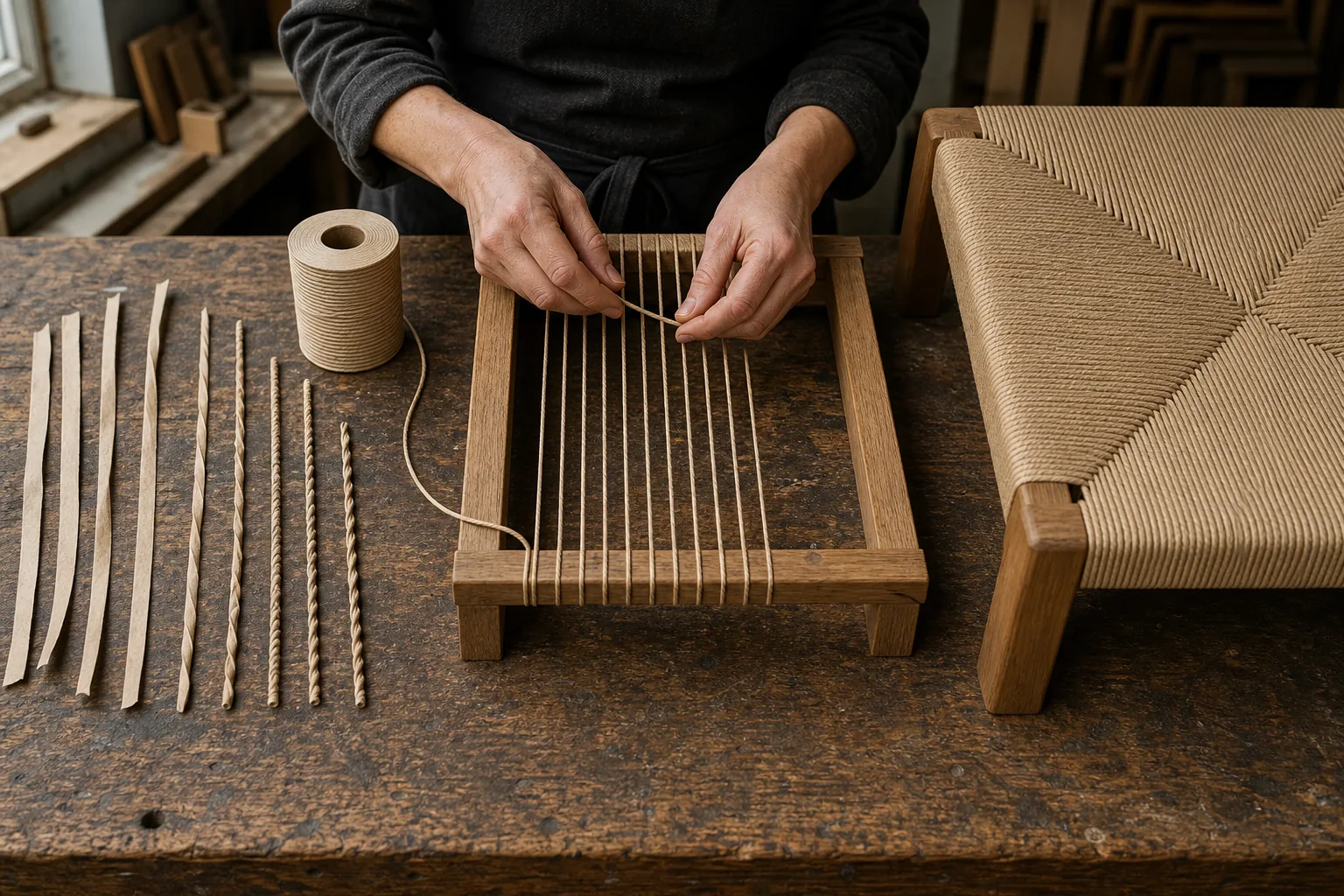
See how thin paper becomes twisted cord, how a weaver turns tension into a chair seat, and why patina and repair belong to the material's life.
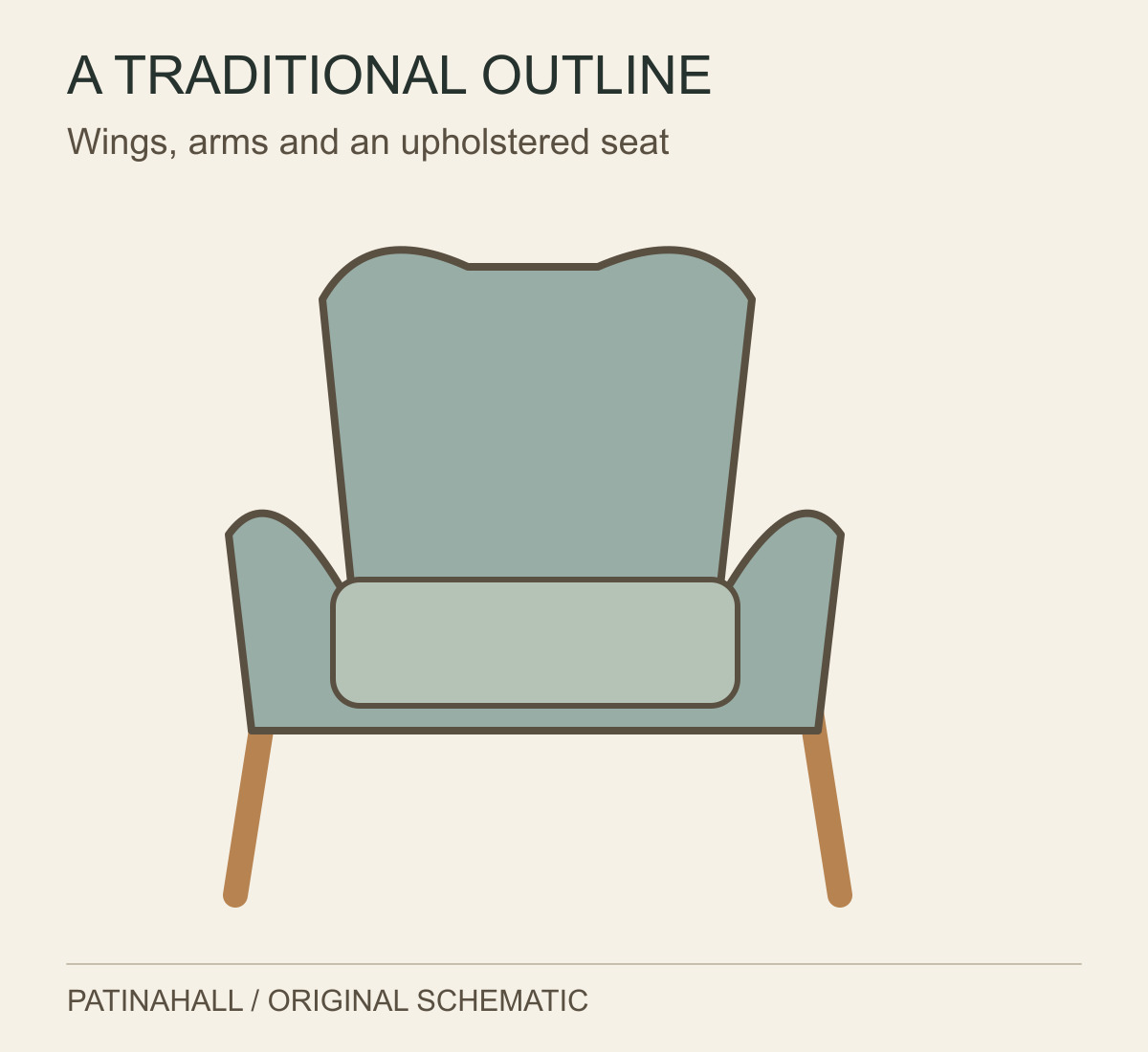
The Parker Knoll Penshurst wing chair, the tension springs beneath its cushion, and what a documented 1966 example reveals about upholstery and furniture history.
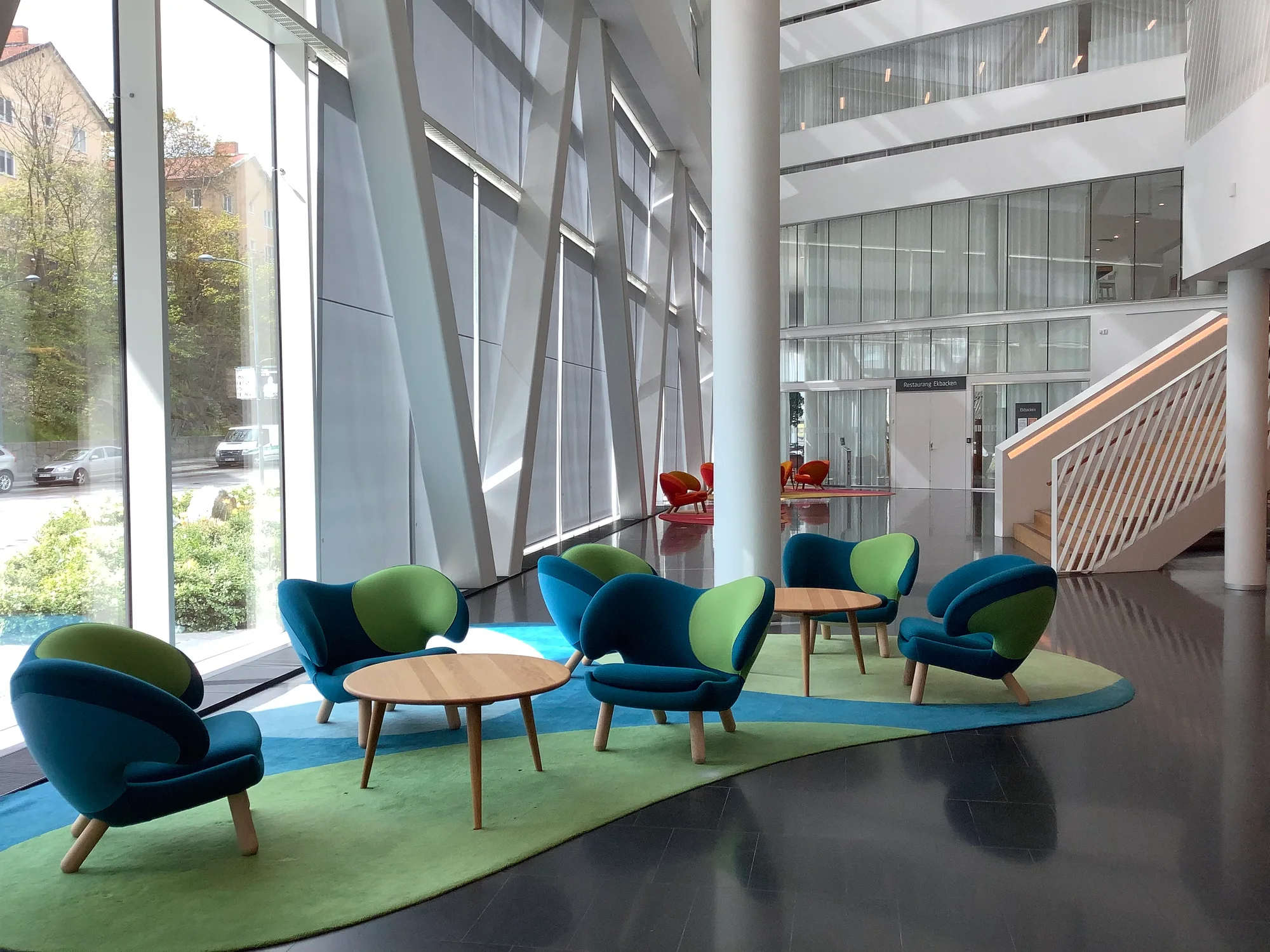
Read Finn Juhl's 1940 Pelican Chair through its hidden frame, low upholstered body, projecting sides, difficult debut and much later return.
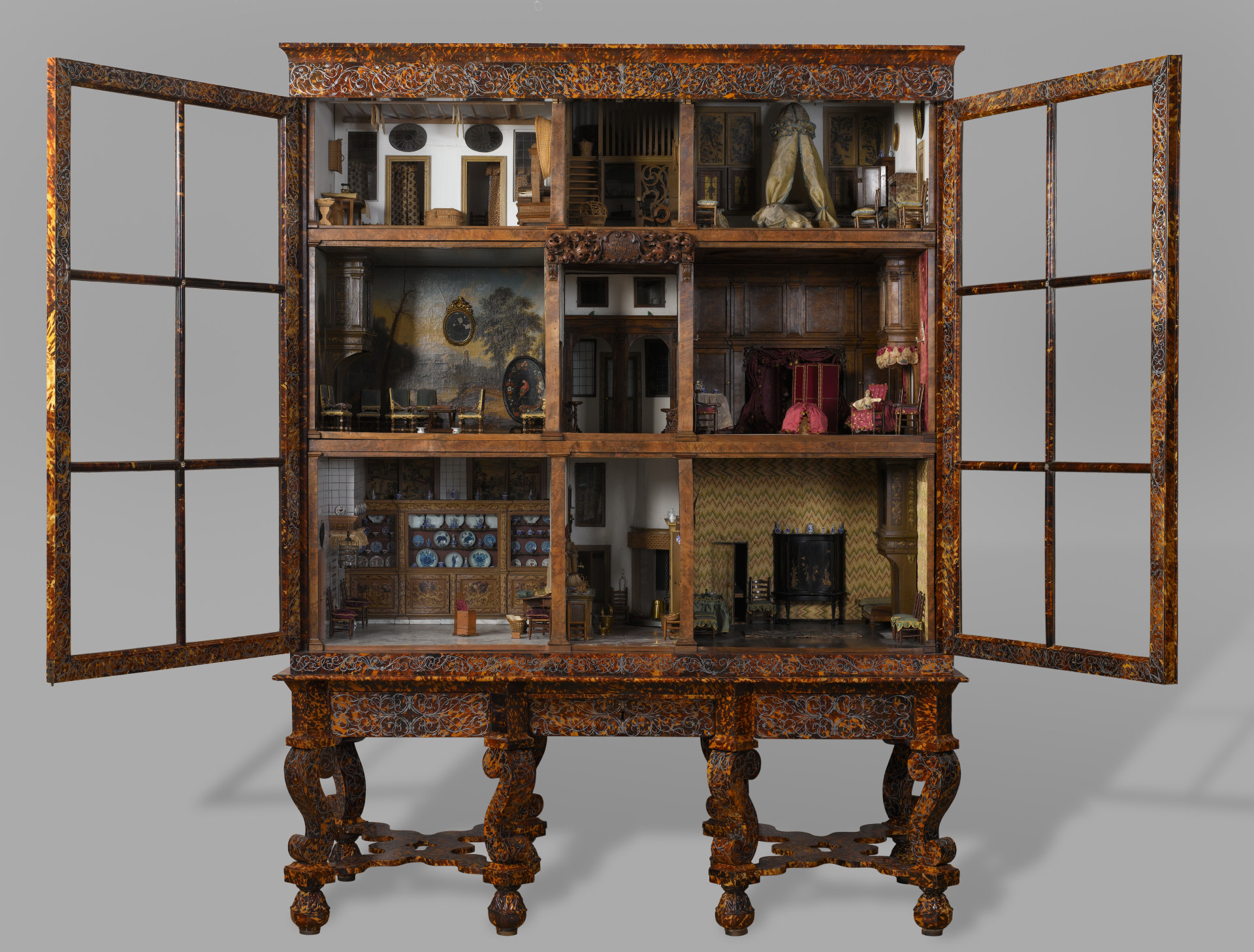
Open Petronella Oortman's c. 1686–1710 dolls' house and see why its full-size cabinet, exact materials and ordered rooms made it a collection, not a toy.
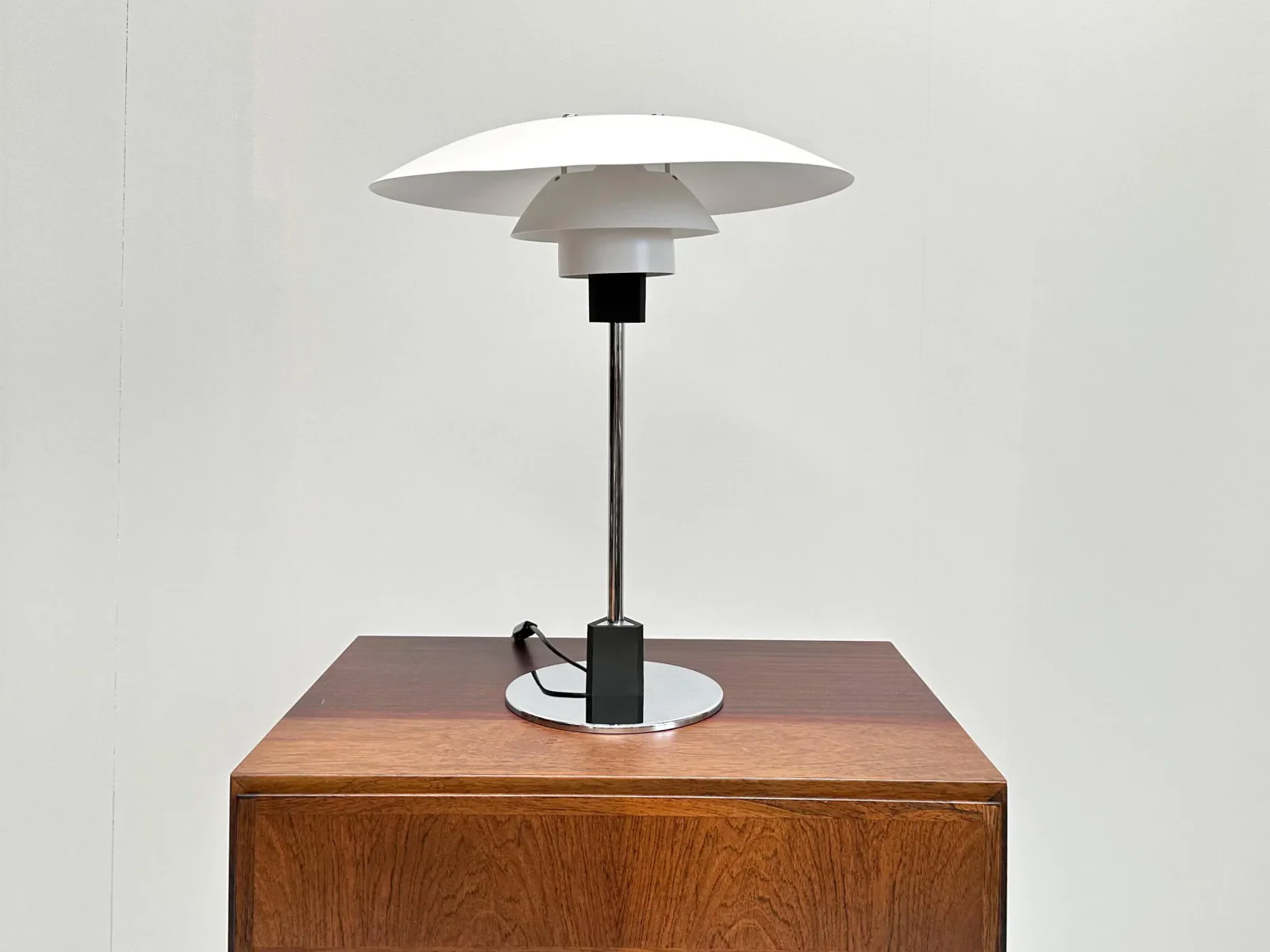
Decode Poul Henningsen’s PH 4/3: a 40-centimetre-class top shade paired with smaller 3/3 lower shades to control glare and bring light closer.
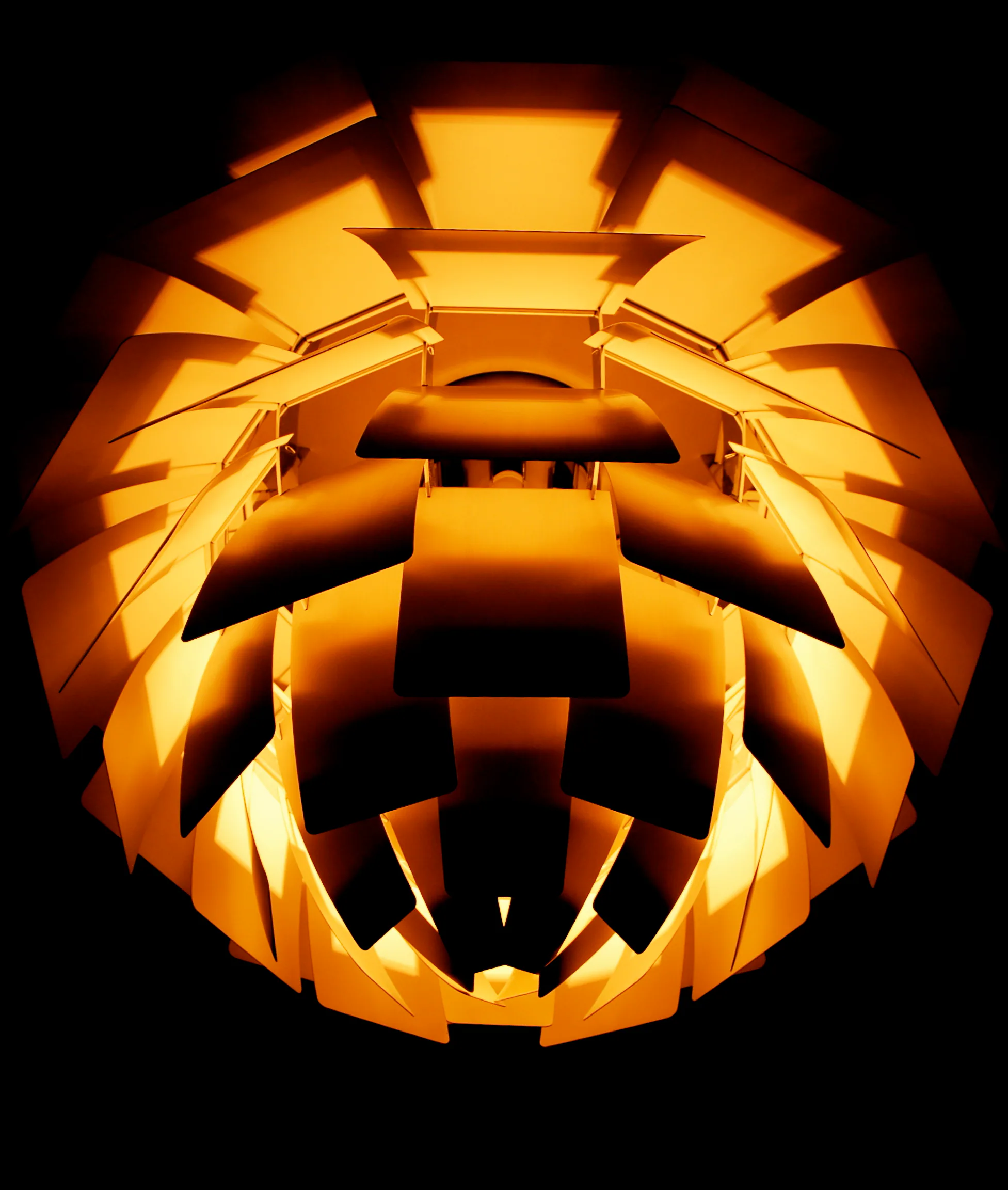
See how Poul Henningsen's PH Artichoke overlaps 72 metal leaves to hide a bright bulb from every viewing angle while making the whole lamp glow.
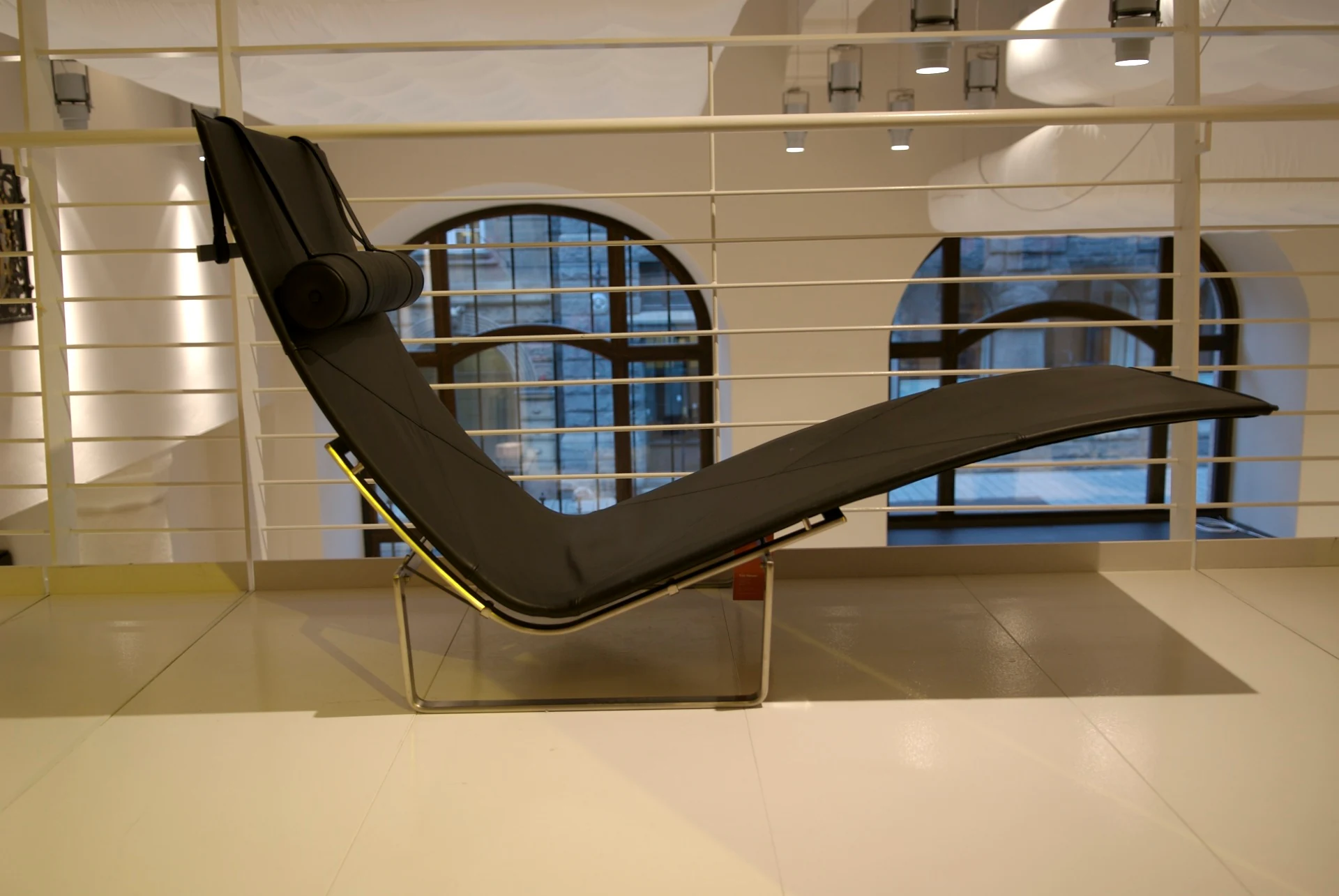
See how Poul Kjærholm's 1965 PK24 balances one long curved surface on a right-angled steel base, making gravity and friction part of the construction.
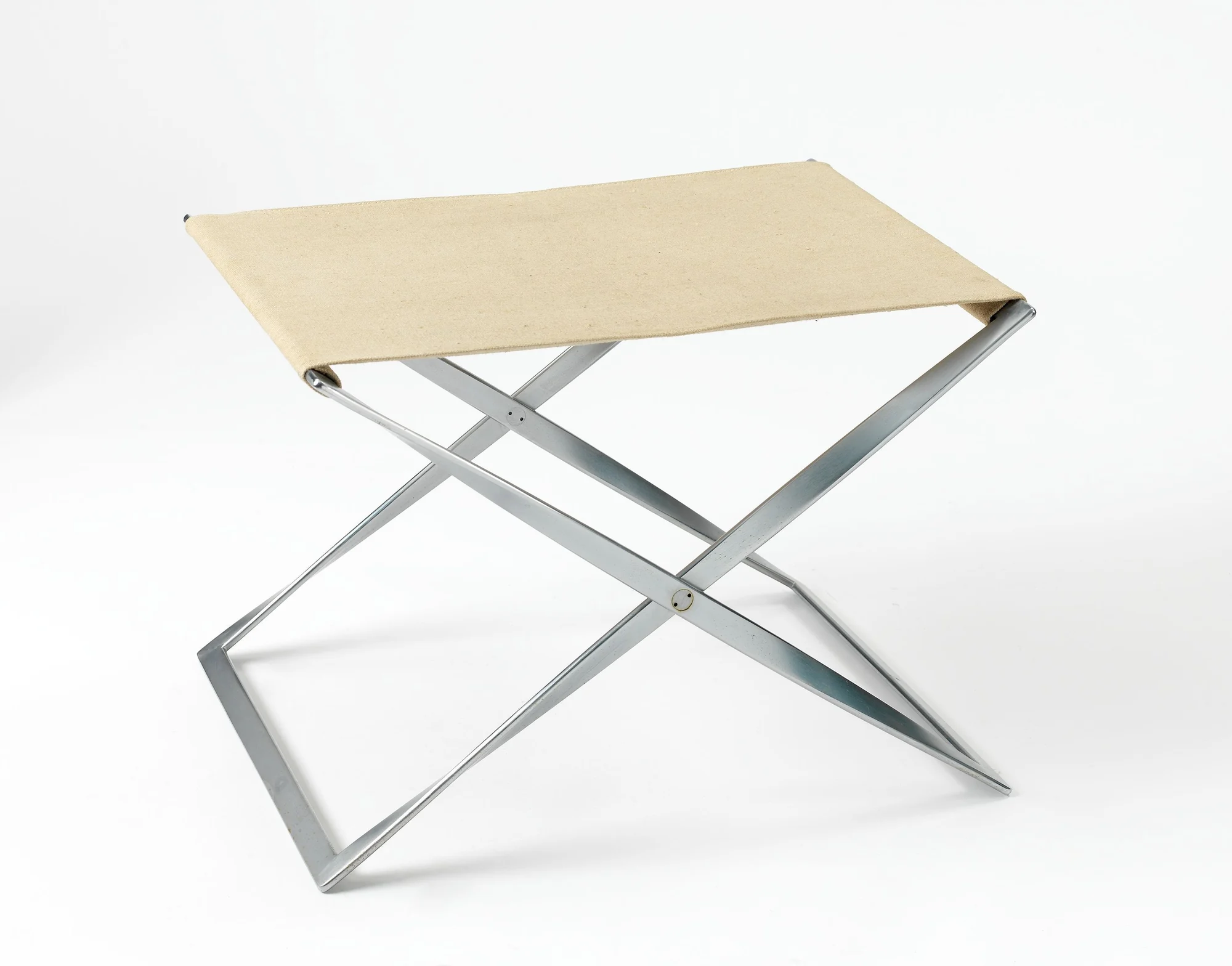
See how Poul Kjærholm's 1961 PK91 uses an ancient X-frame, crossing steel ribbons, canvas and dovetailed corners to make metal behave like cabinetmaking.
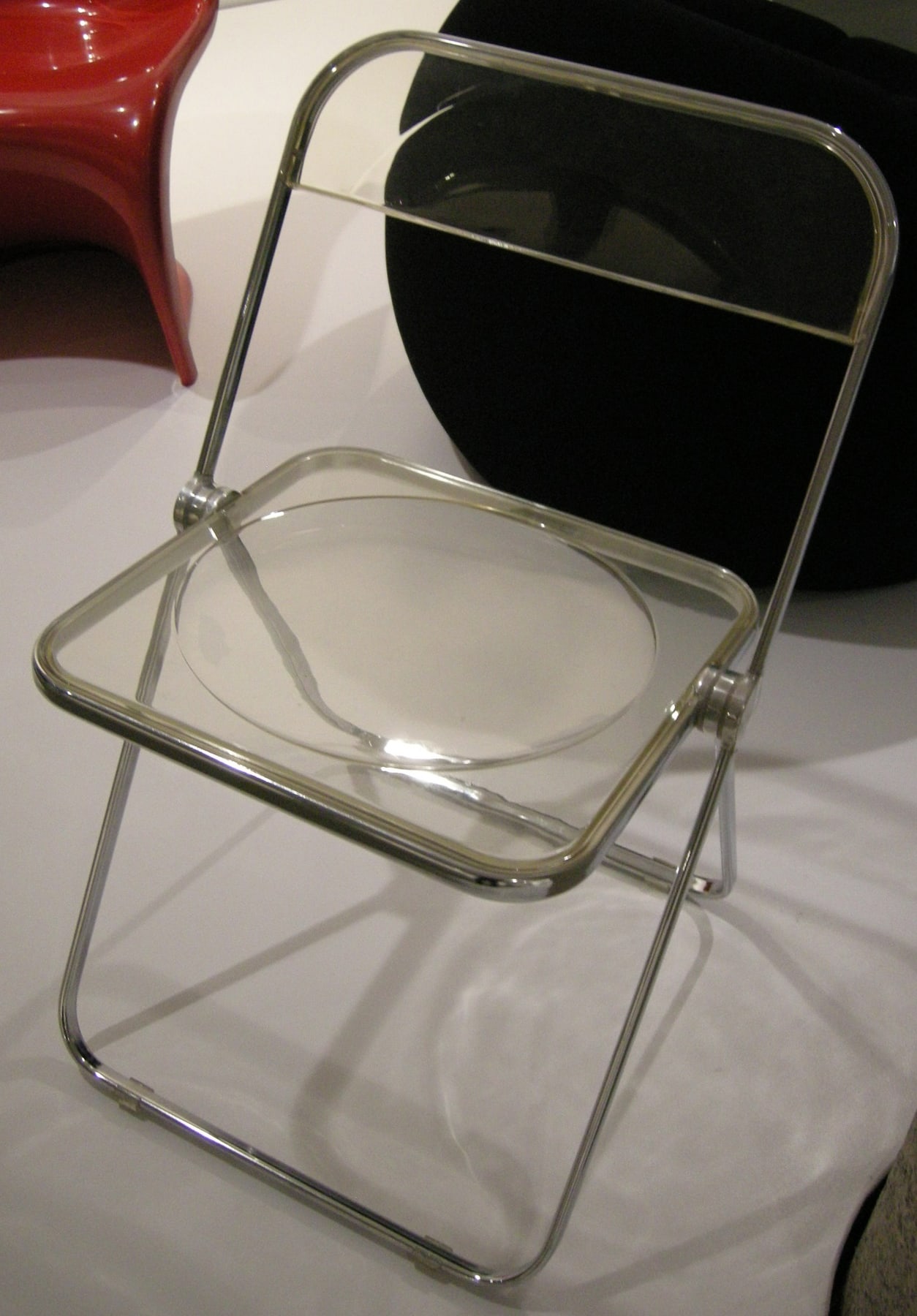
The story of Giancarlo Piretti’s Plia folding chair, its concentrated three-disc joint, the 1967 museum record and why a spare chair can deserve a place in the room.
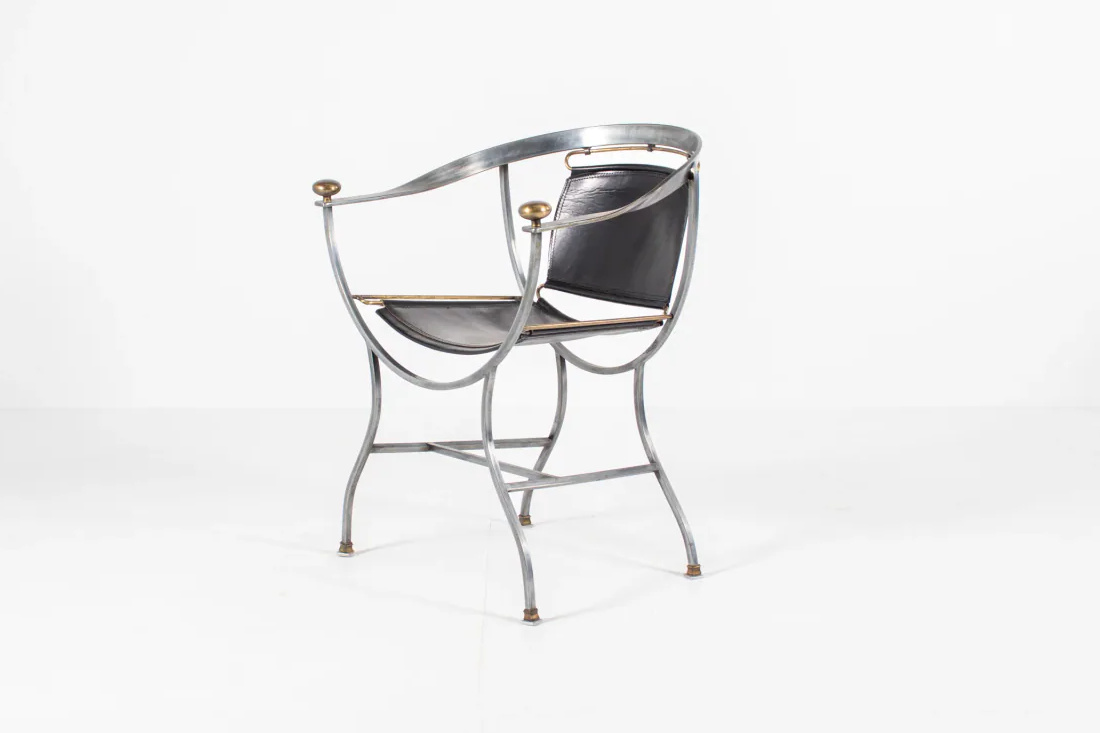
Read Alberto Orlandi's Pompei Armchair through its enclosing steel rail, leather planes, curule-like stance and brass details, then see why later catalogues date it only to circa 1980–85.
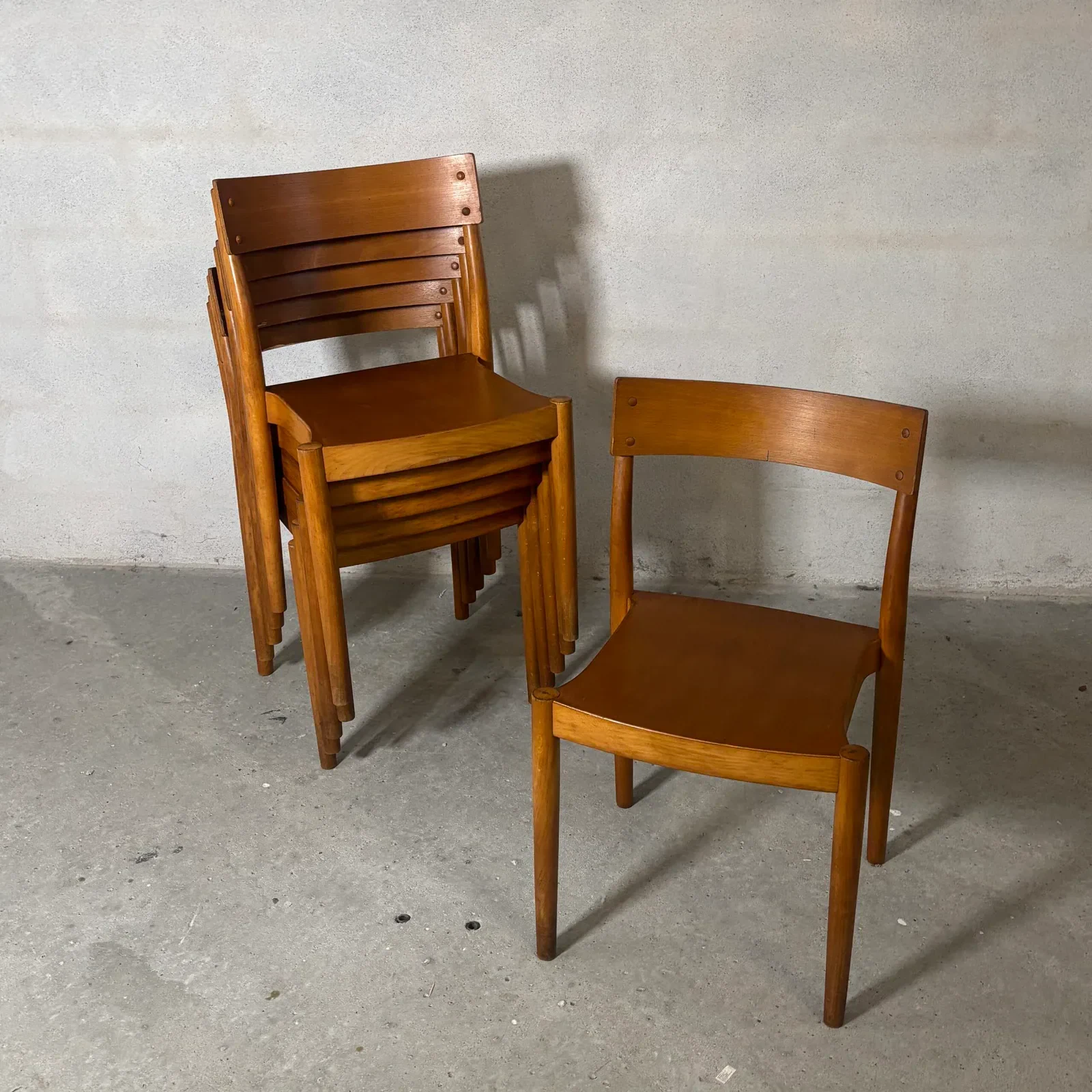
See how Peter Hvidt and Orla Mølgaard-Nielsen turned export and stacking into the quiet geometry of the 1944–45 Portex chair.
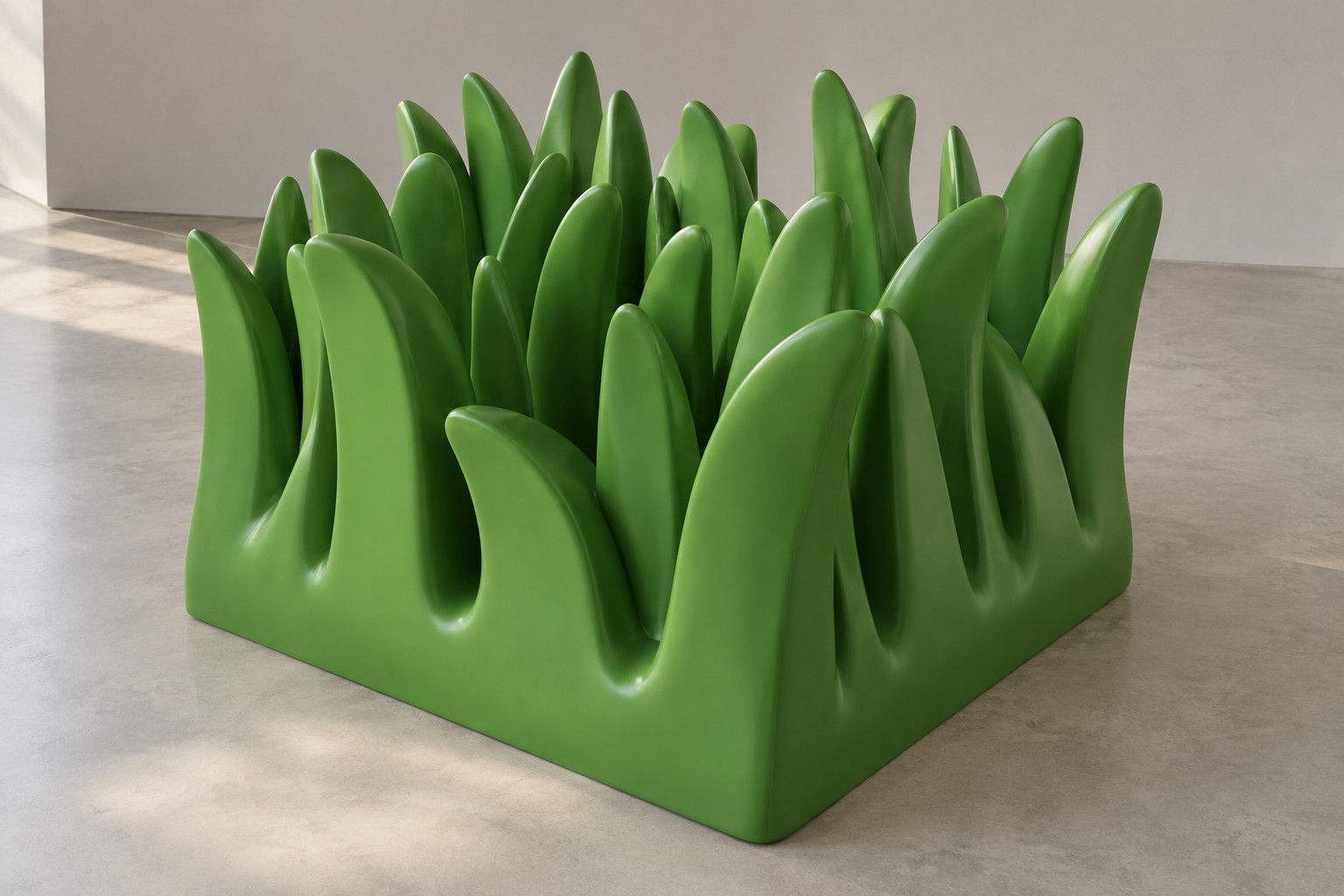
How Pratone’s oversized soft grass changes the act of sitting: the human scale, yielding polyurethane and shared space behind Ceretti, Derossi and Rosso’s design.
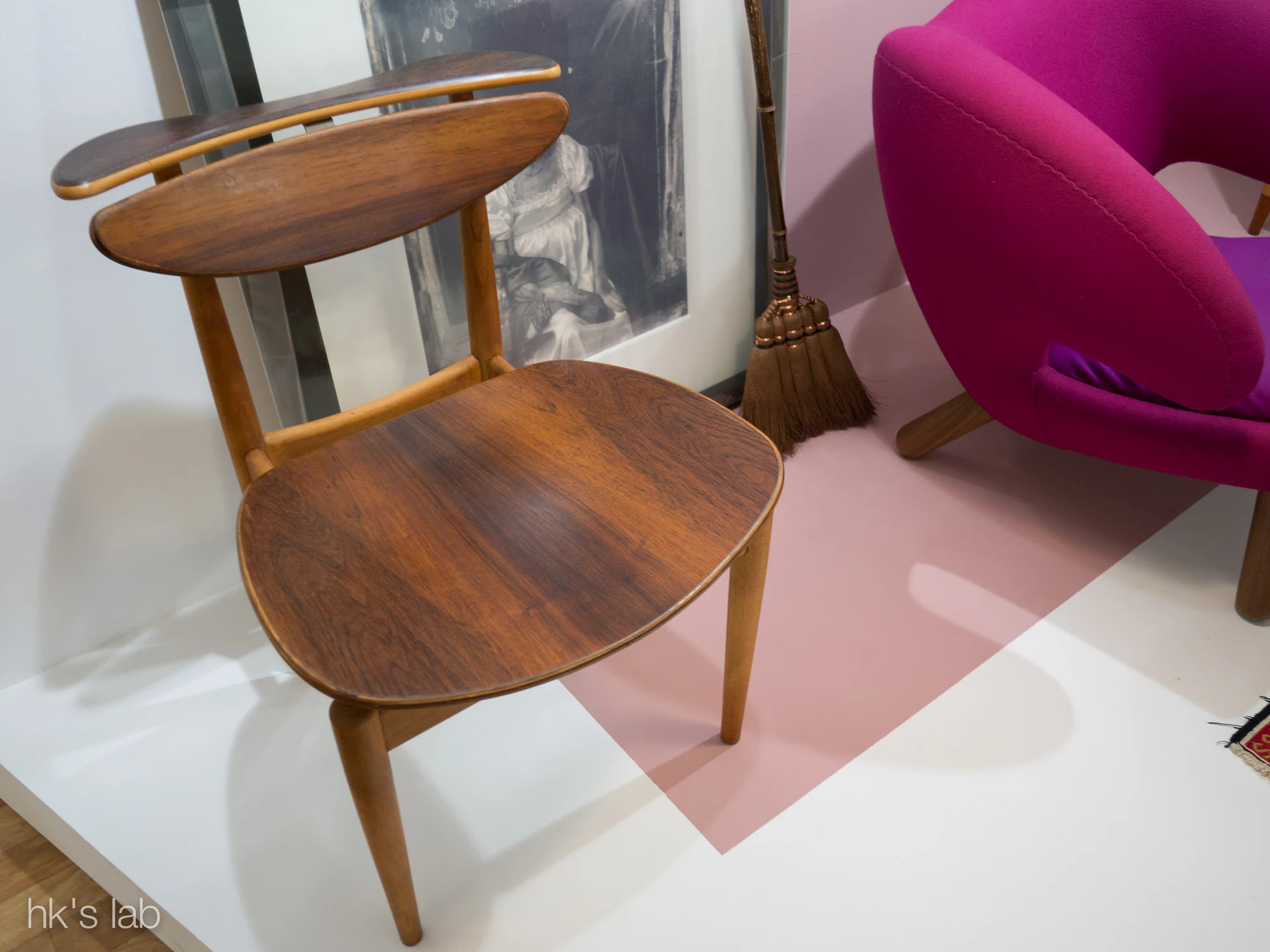
See how Finn Juhl's 1953 Reading Chair uses an open back and one horizontal rail to support two ways of sitting without adding a mechanism.