Leave one decision unfinished
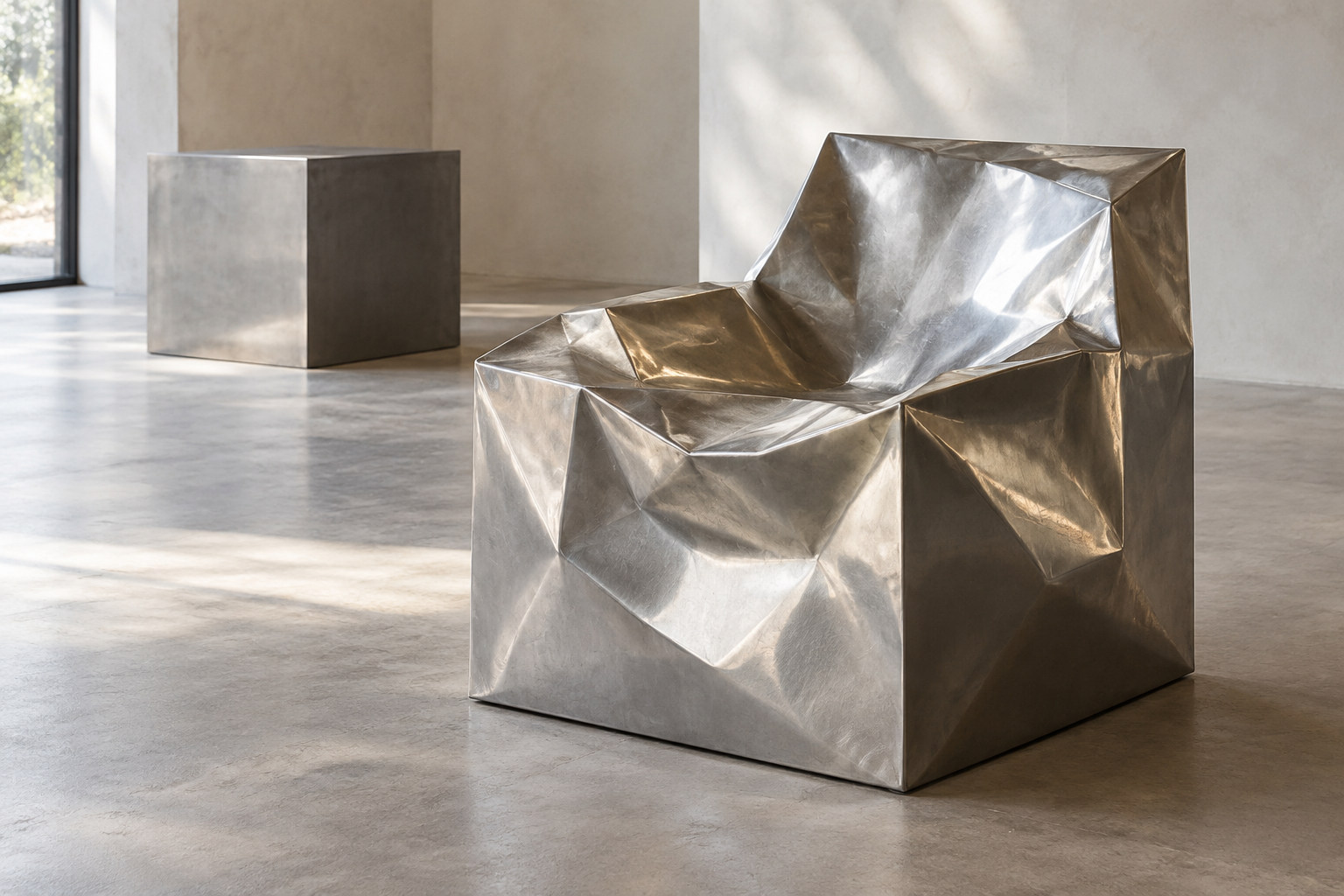
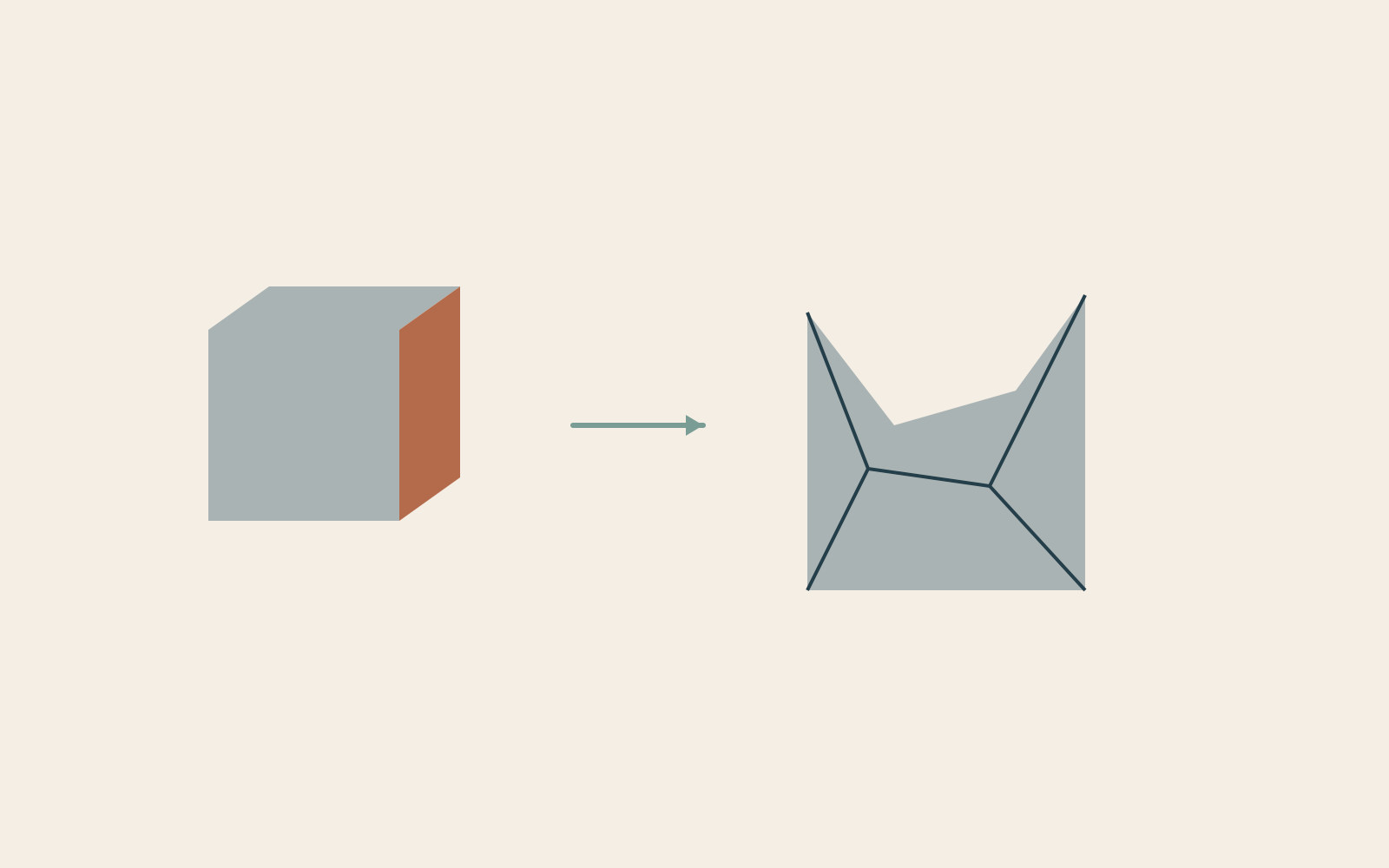
An unformed steel box does not yet offer the familiar invitation of a seat. Do Hit makes that incompleteness the starting point. Its concept allows participation to change the volume, so the final chair records an encounter as well as a design.
Centraal Museum dates the design to 2000, and Kunsthal’s contemporary exhibition account describes the active role offered to the user.13 The object asks how much a designer must decide before someone else can take part.
One concept can produce different objects
The formed surface retains the evidence of change: flat areas meet irregular depressions and folds. Where a conventional production chair aims to repeat one finished outline, Do Hit gives individuality a role within the concept itself.
SFMOMA’s record makes the distinction especially clear. Its example is described as designed in 2000 and formed in 2010, then acquired in 2011.2 Those are three different events. A later forming date need not mean that the underlying idea was newly designed that year.
Participation has its own credits
Centraal names Marijn van der Poll as designer, Droog as promoter, KesselsKramer as initiator and do create as brand.1 Keeping those roles visible helps explain how an unusual proposal reached an audience.
The lasting interest is the shift in authorship of the final shape. Do Hit allows a repeatable starting condition to yield distinct physical outcomes. It makes the person who encounters the object part of the story the object can tell.