Read the contact points
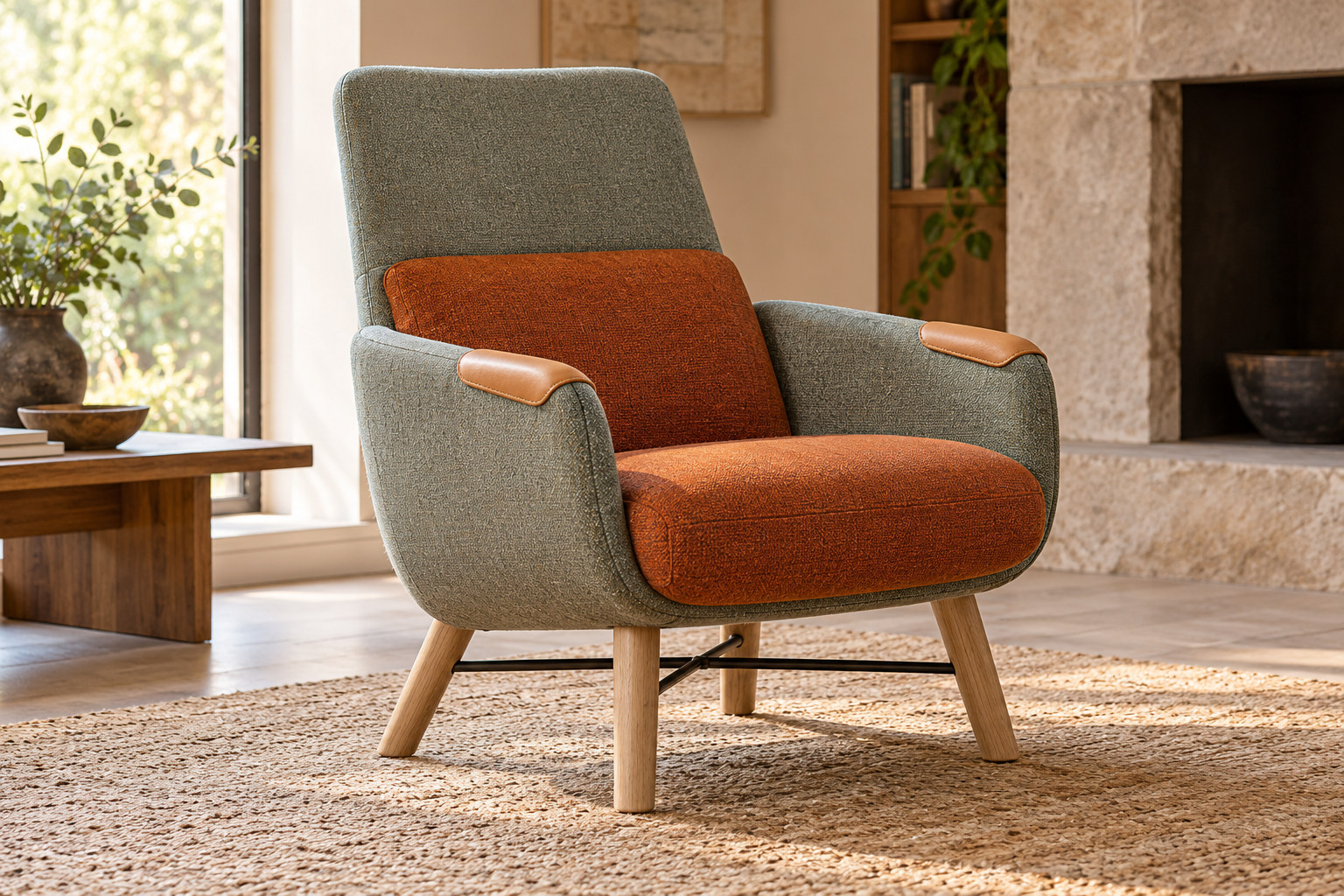
The fabric seat and back establish a padded centre. Leather at the arms introduces another surface where hands and forearms meet the chair. Wood and metal remain visible elsewhere rather than being disguised as upholstery.
Vitra describes these different materials as part of Hella Jongerius’s East River Chair of 2014.1 Their contrasts make a useful visual map. The eye can follow separate tasks within one object without needing a cutaway drawing to expose its internal structure.
A chair arrives from a room
East River developed from the UN Lounge Chair made for the North Delegates’ Lounge in New York in 2013. The lounge was a collaborative commission, with Jongerius working alongside other designers and architects.2
Jongeriuslab’s account places the new furniture among retained existing pieces. The interior was composed through relationships between old and new rather than supplied as one entirely matching suite.2 The chair’s varied materials make sense within that wider interest in difference.
Let the joints remain a conversation
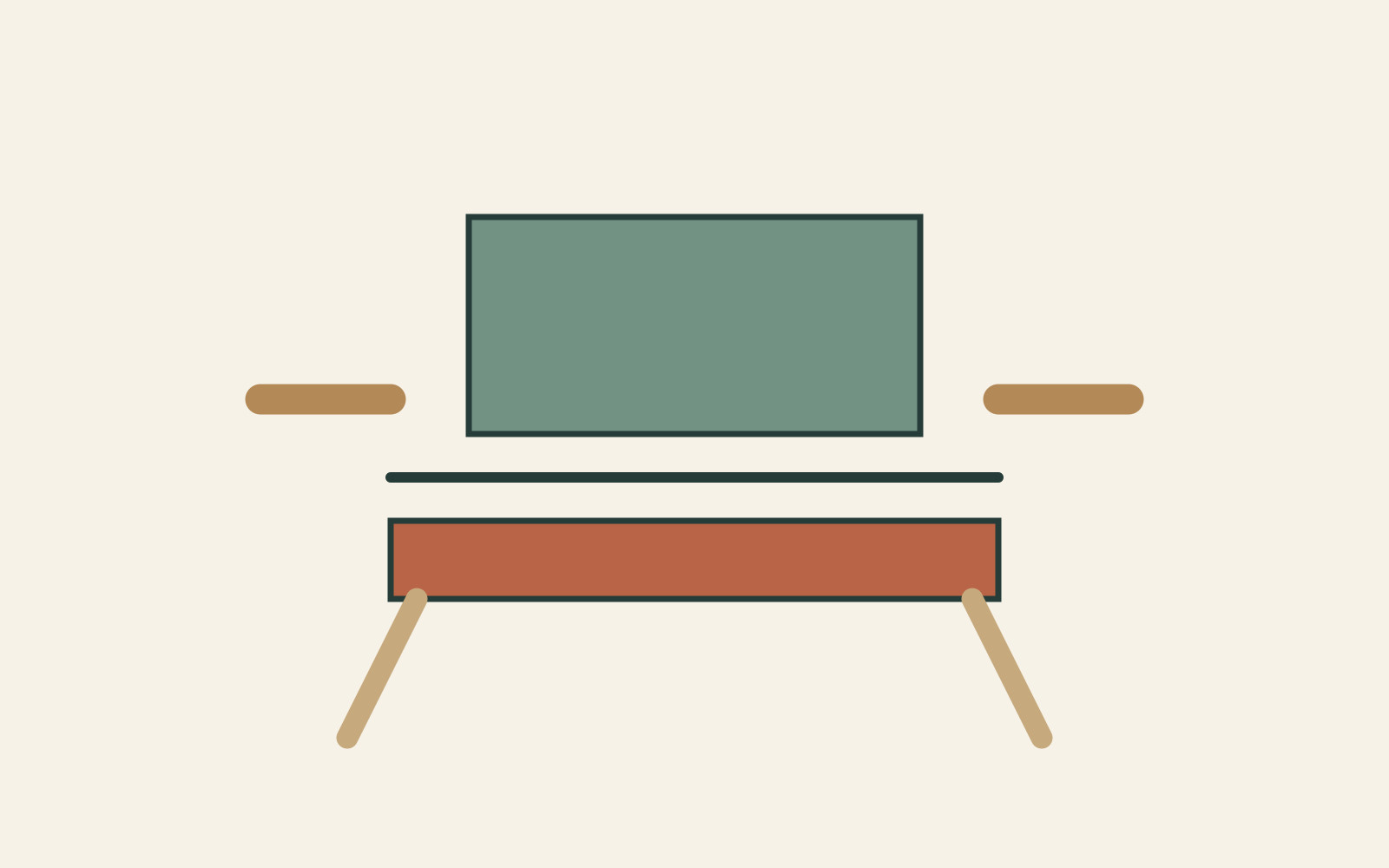
A single colour or surface can make unlike components look uniform. East River allows the transitions to remain part of its appearance. The chair gathers its parts without asking the reader to forget what each one is.
That is the useful pleasure in a second look. Move from fabric to leather, then to the frame, and the object becomes an arrangement of contacts and supports. A compact chair can contain a surprisingly varied material landscape.