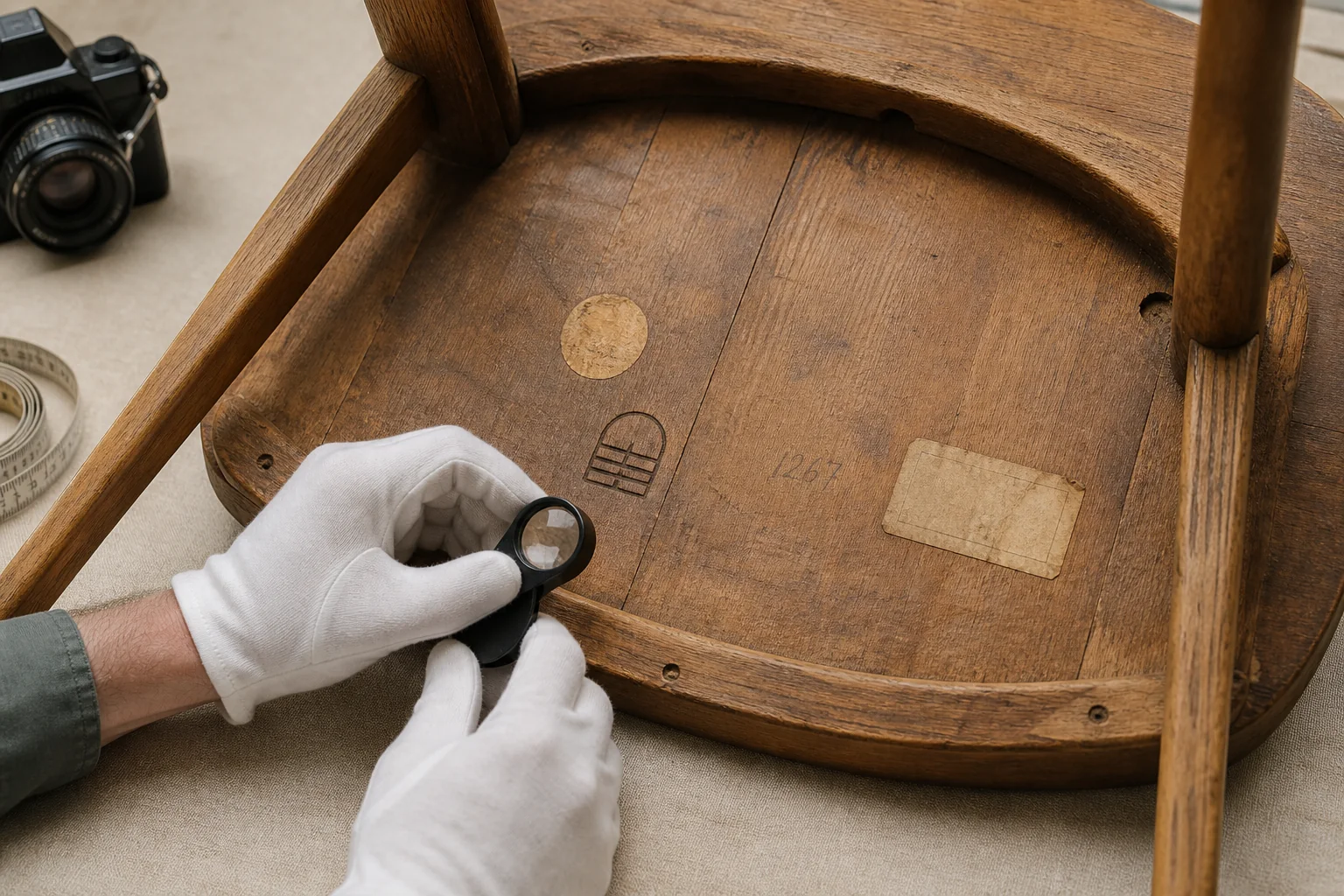
Mark
Furnituremakers Danish Control
A collector's guide to the Furnituremakers Danish Control mark: what it certifies, what it cannot attribute, where it appears and how to verify it.
Objects · people · ideas
Discover the objects, people and ideas that shaped furniture, from historic pieces to modern designs.
A collector's guide to the Furnituremakers Danish Control mark: what it certifies, what it cannot attribute, where it appears and how to verify it.
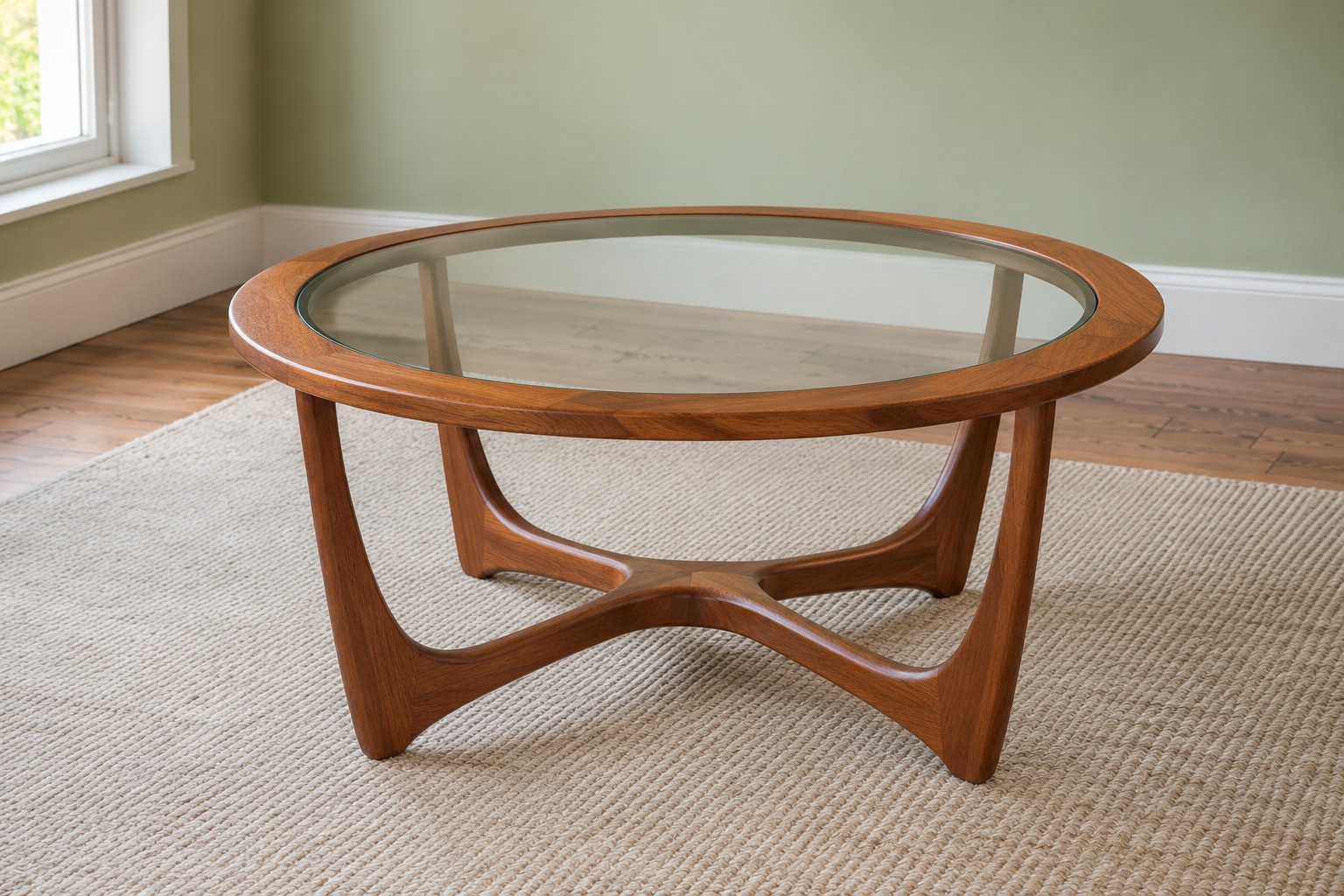
A glass-topped G Plan coffee table lets you see the furniture underneath the furniture. The curved base supplies much of its character, while the familiar “Astro” name hides a surprisingly untidy model history.
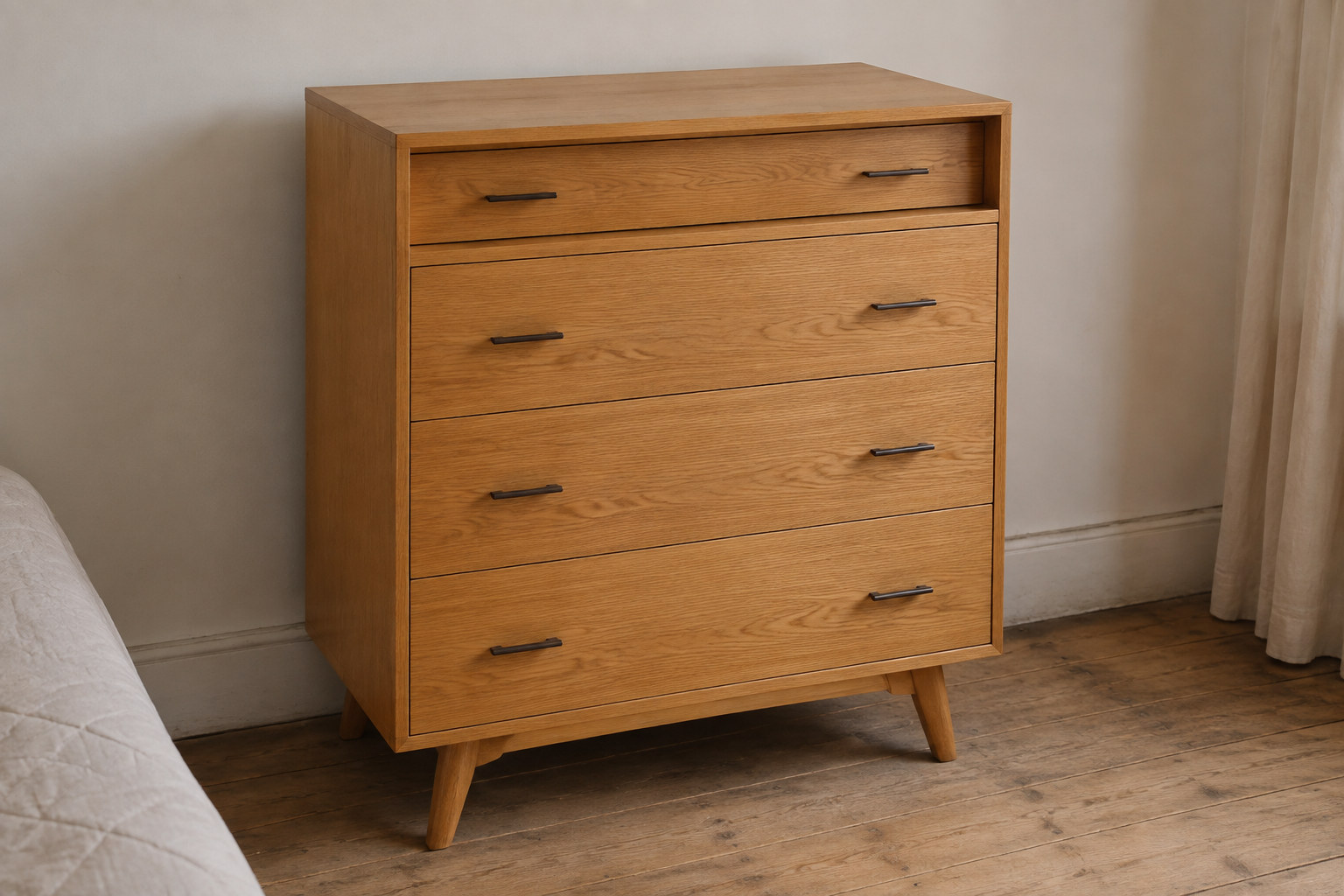
G Plan did not begin with the long teak sideboards that dominate many vintage searches. Brandon opens an earlier chapter: light oak, compact storage and carefully fitted drawers for the routines of a 1950s home.
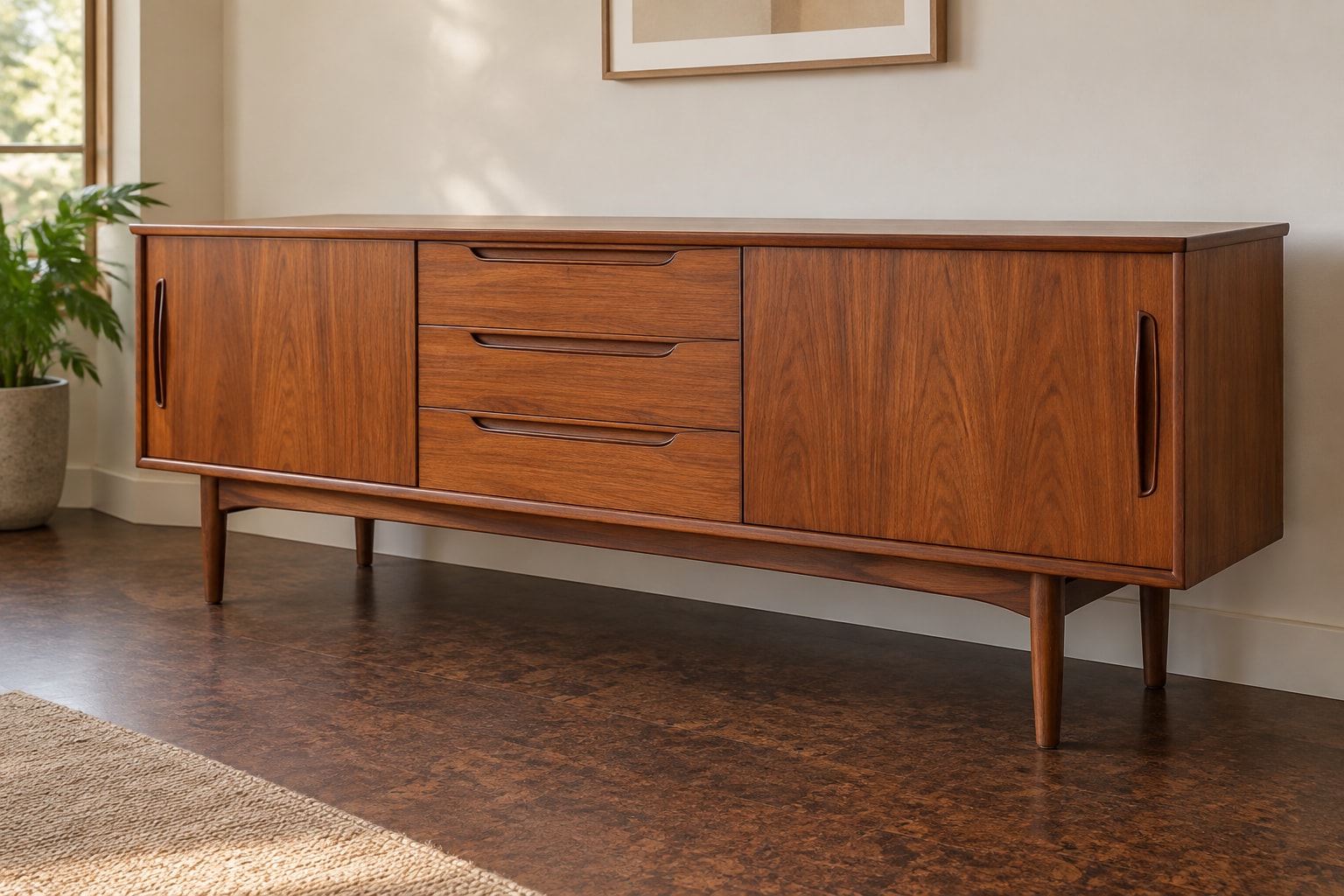
Why G Plan Fresco sideboards look familiar: shaped handles, different cabinet fronts and the history behind the long 4070 and shorter 4072 models.
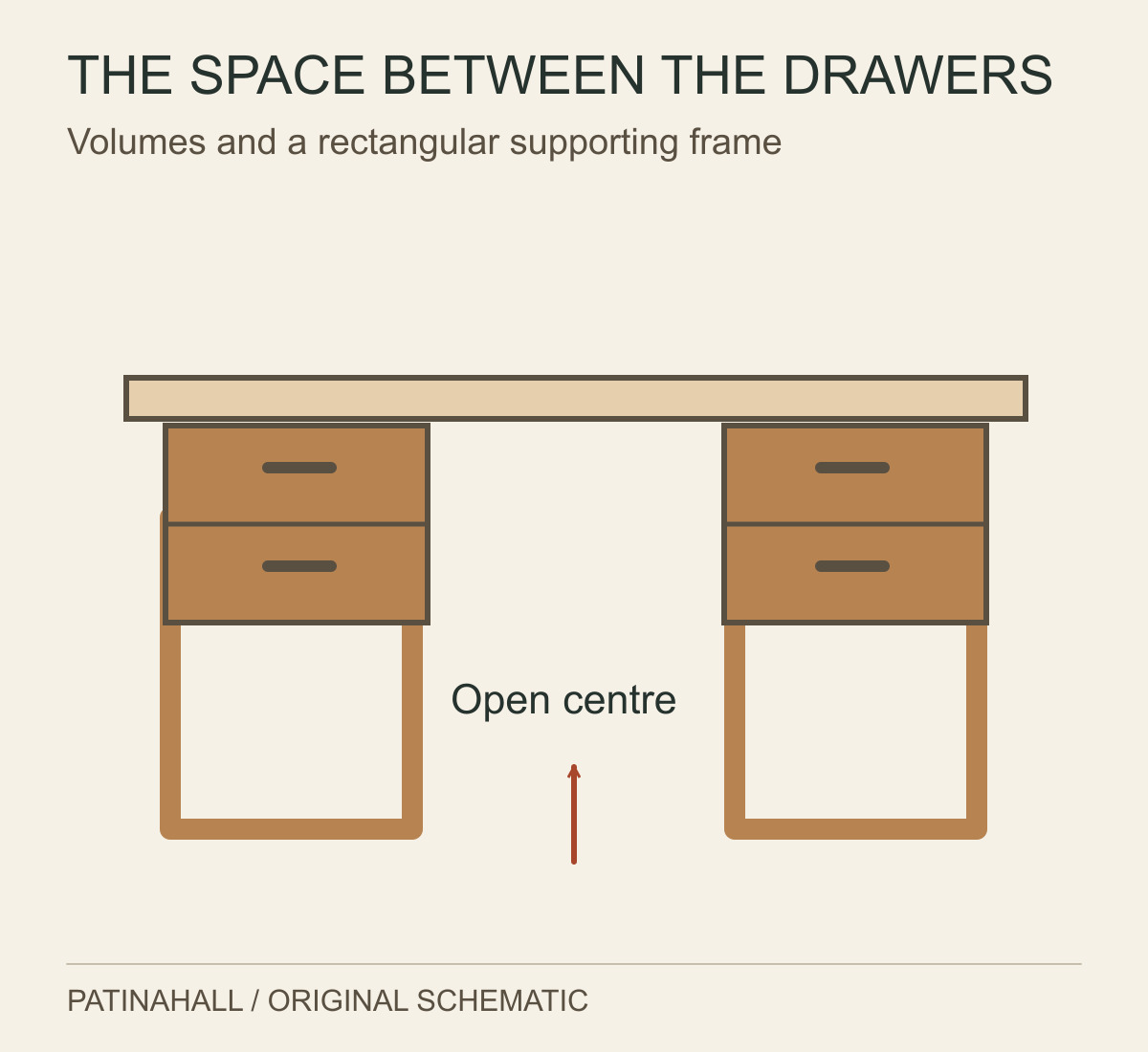
Quadrille’s detachable mirror was part of a practical idea: one piece could serve as a bedroom dressing table or a desk. Its open centre and separate drawer groups make that change possible without rebuilding the furniture.
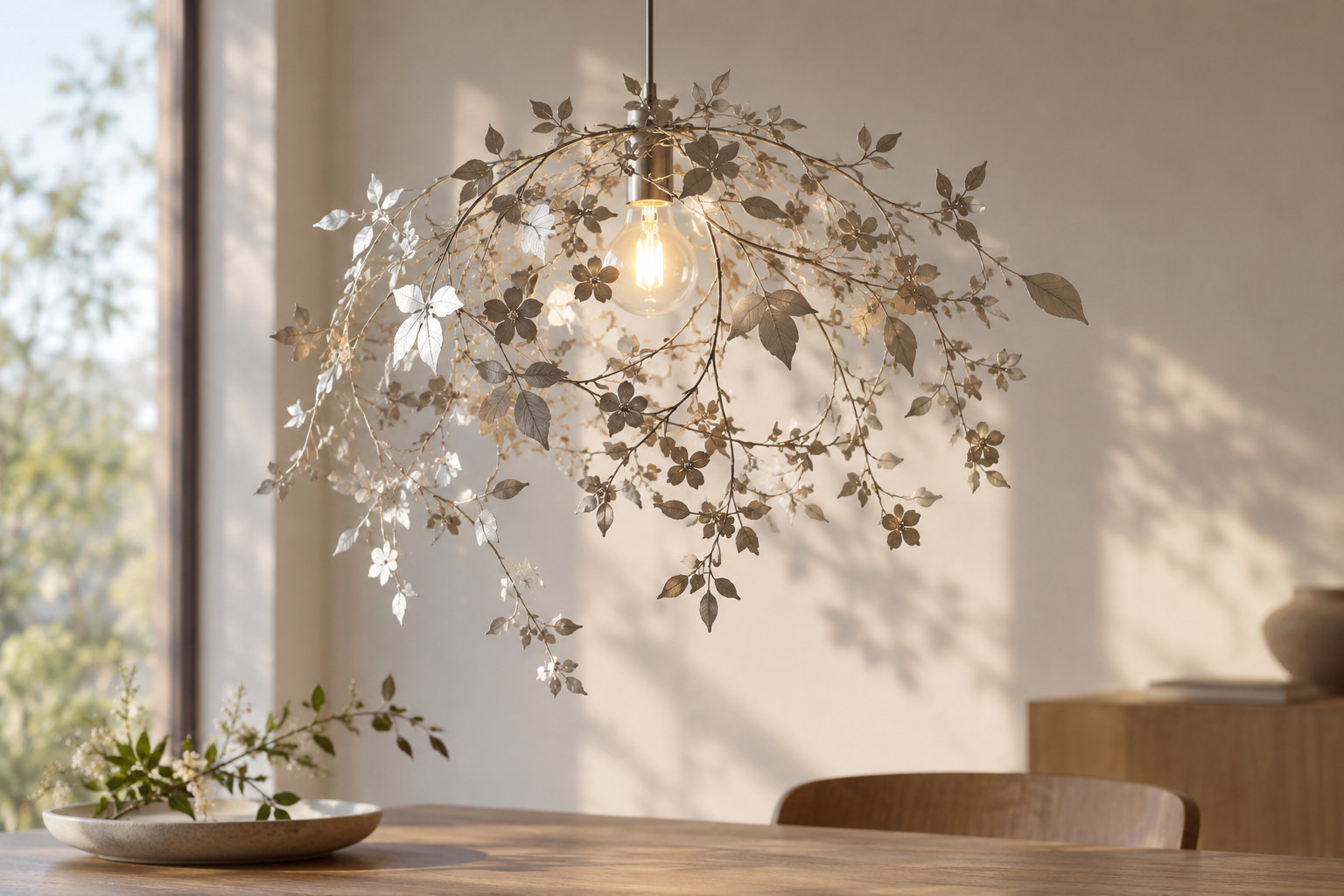
Tord Boontje’s Garland Light turns a precisely cut metal sheet into an open shade. MoMA’s silver-plated brass example keeps its own 2002 identity.
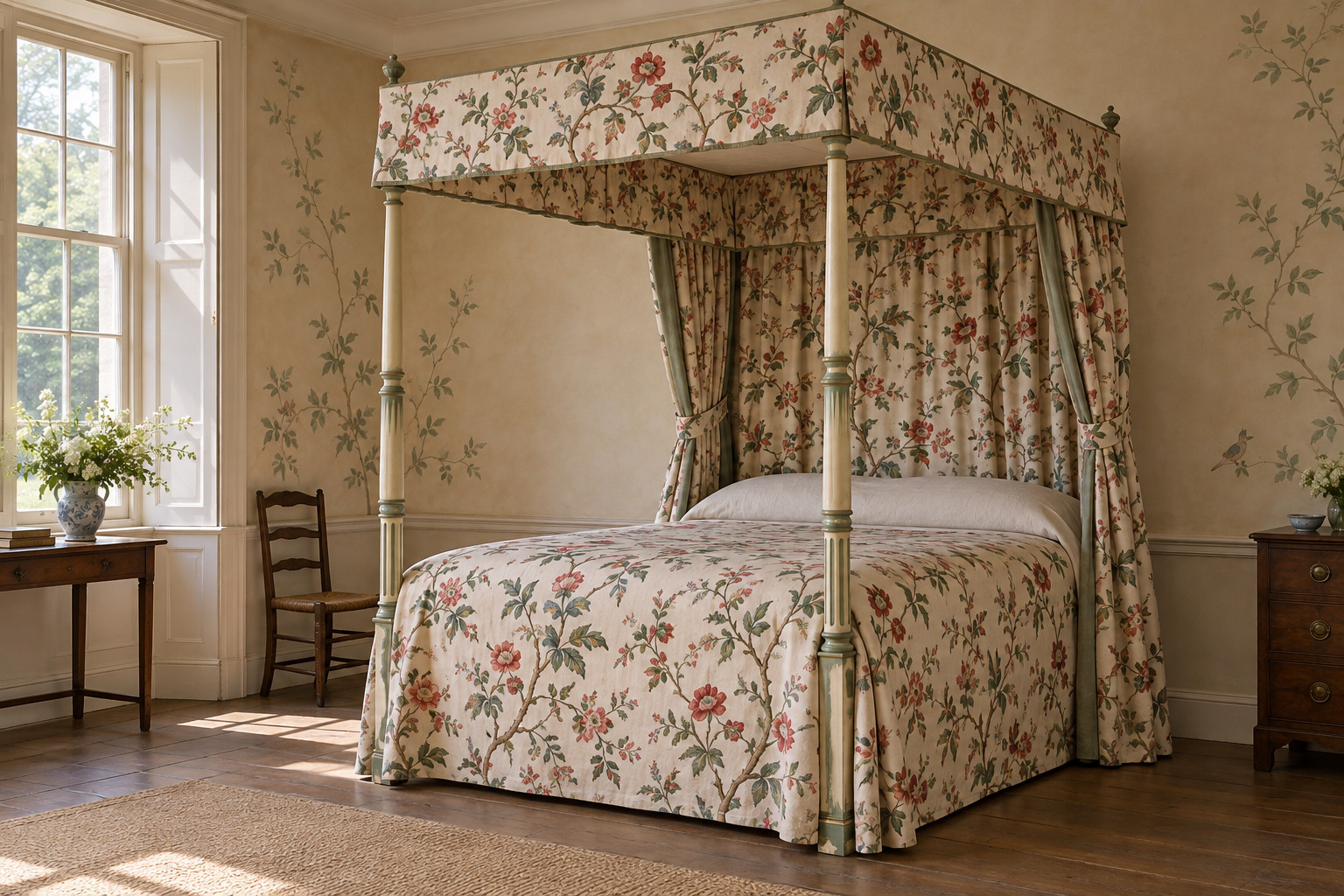
Follow the Indian chintz, painted furniture and correspondence behind David and Eva Maria Garrick’s bed, now in the V&A collection.
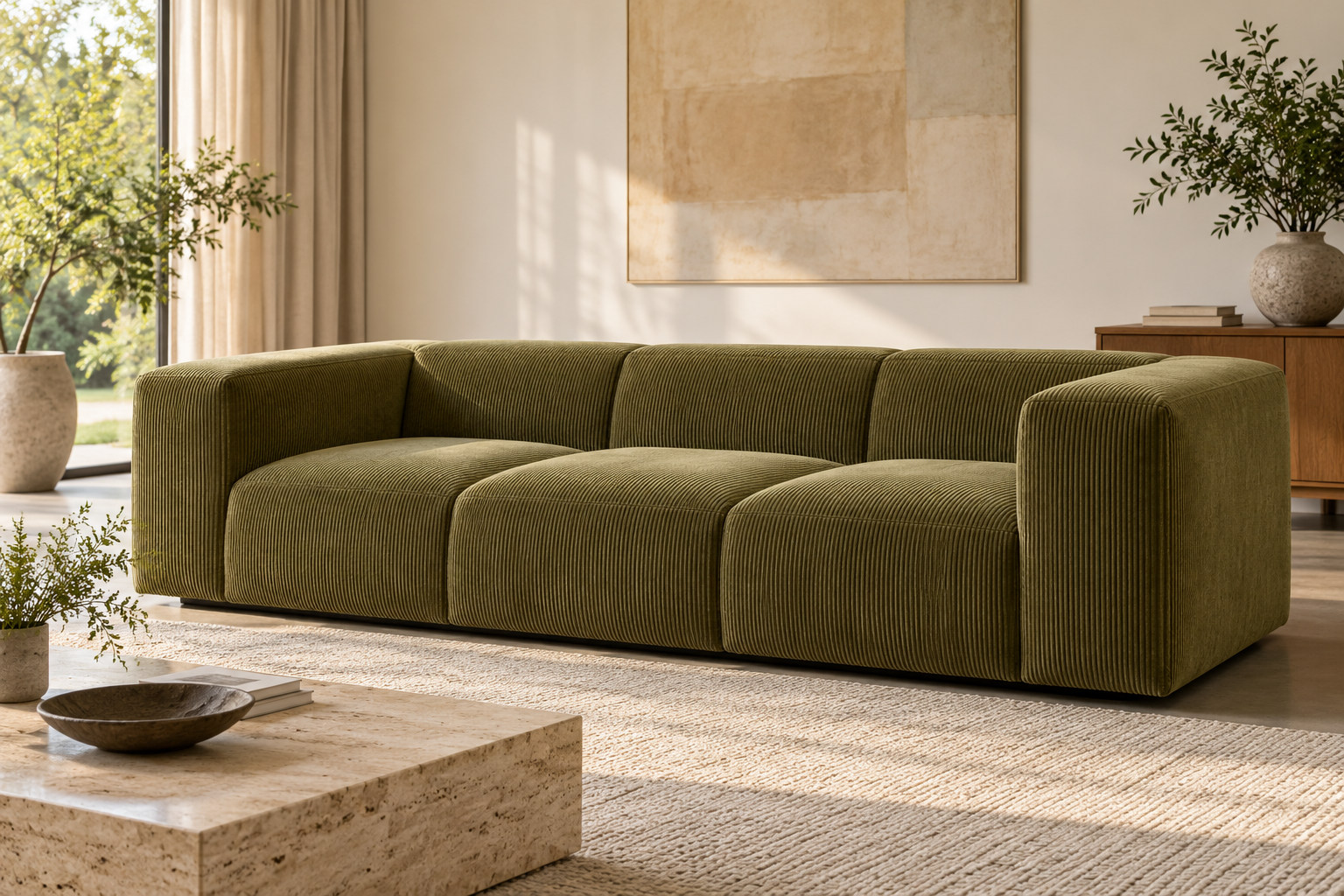
Jan des Bouvrie’s 1969 Gelderland 430 Cube Sofa gives a sitting area a clear upholstered centre. Its block-like form belongs to a changing Dutch living room.
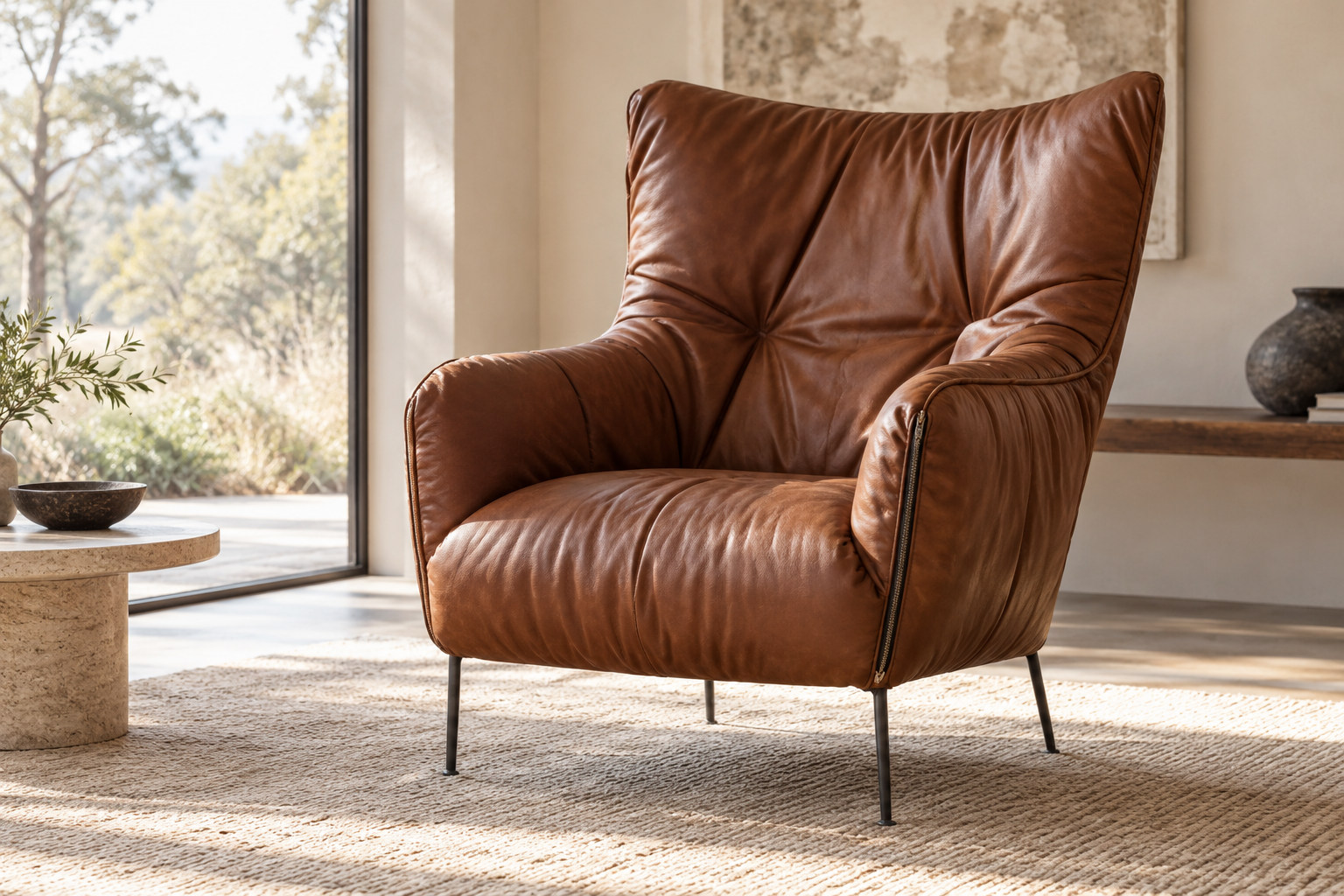
Gerard van den Berg connects technical furniture knowledge with expressive upholstered forms. Charly and Hidde show different ways to shape a soft seat.
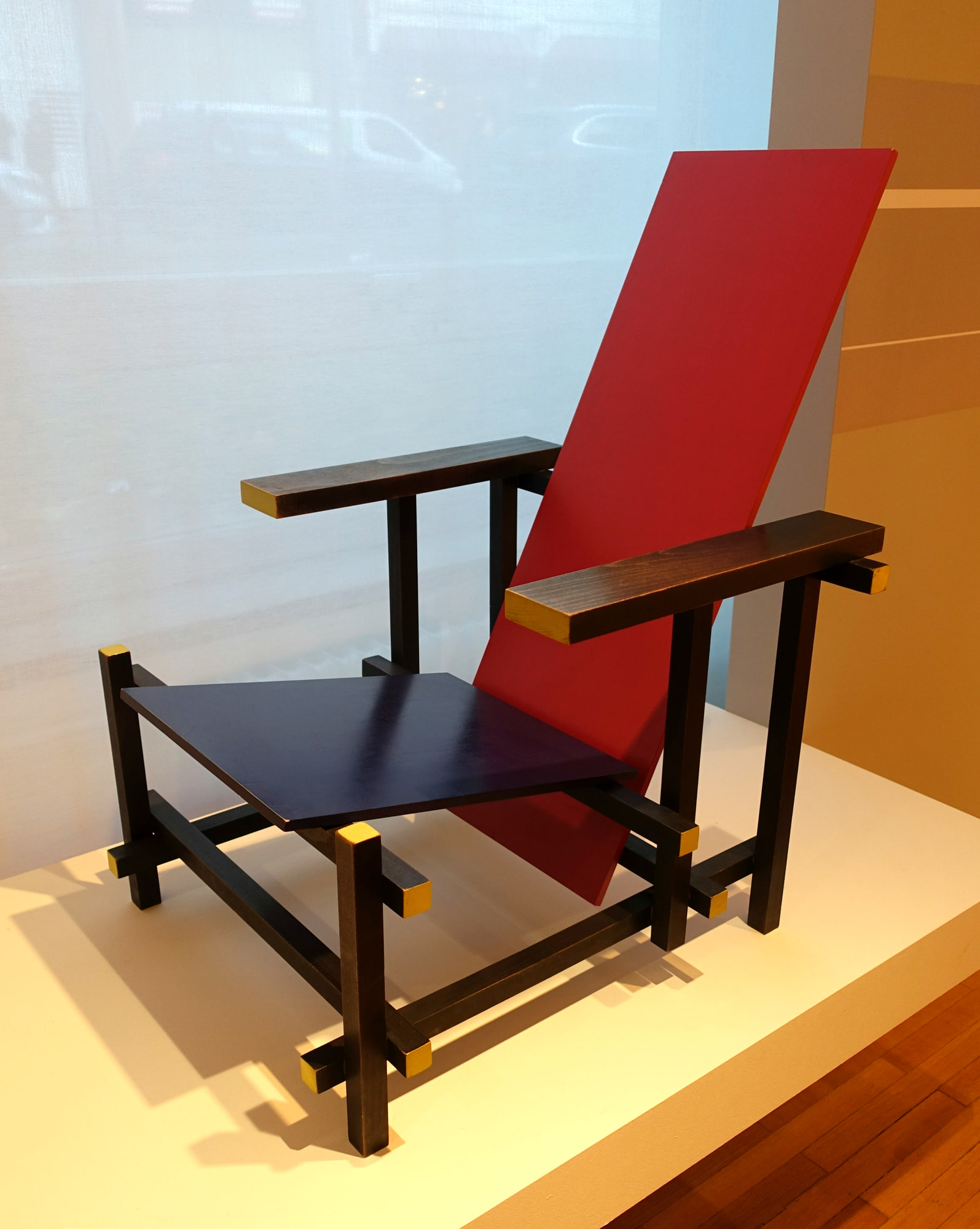
Explore the Rietveld Schröder House through movable partitions, shared authorship and the everyday decisions of the family who lived there.
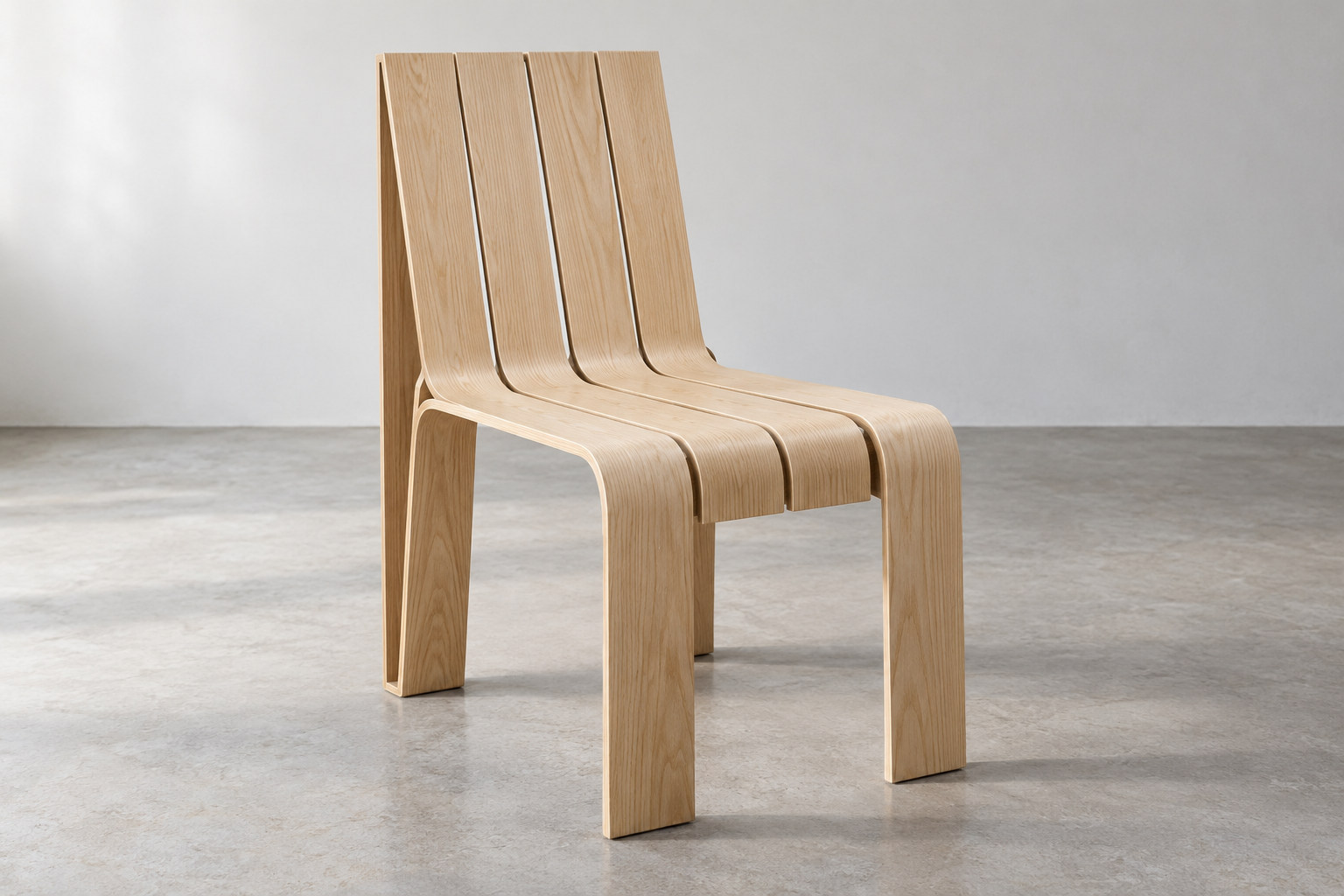
Gijs Bakker’s jewellery and furniture can be read together through material and the body. His Strip Chair makes that connection visible at a larger scale.
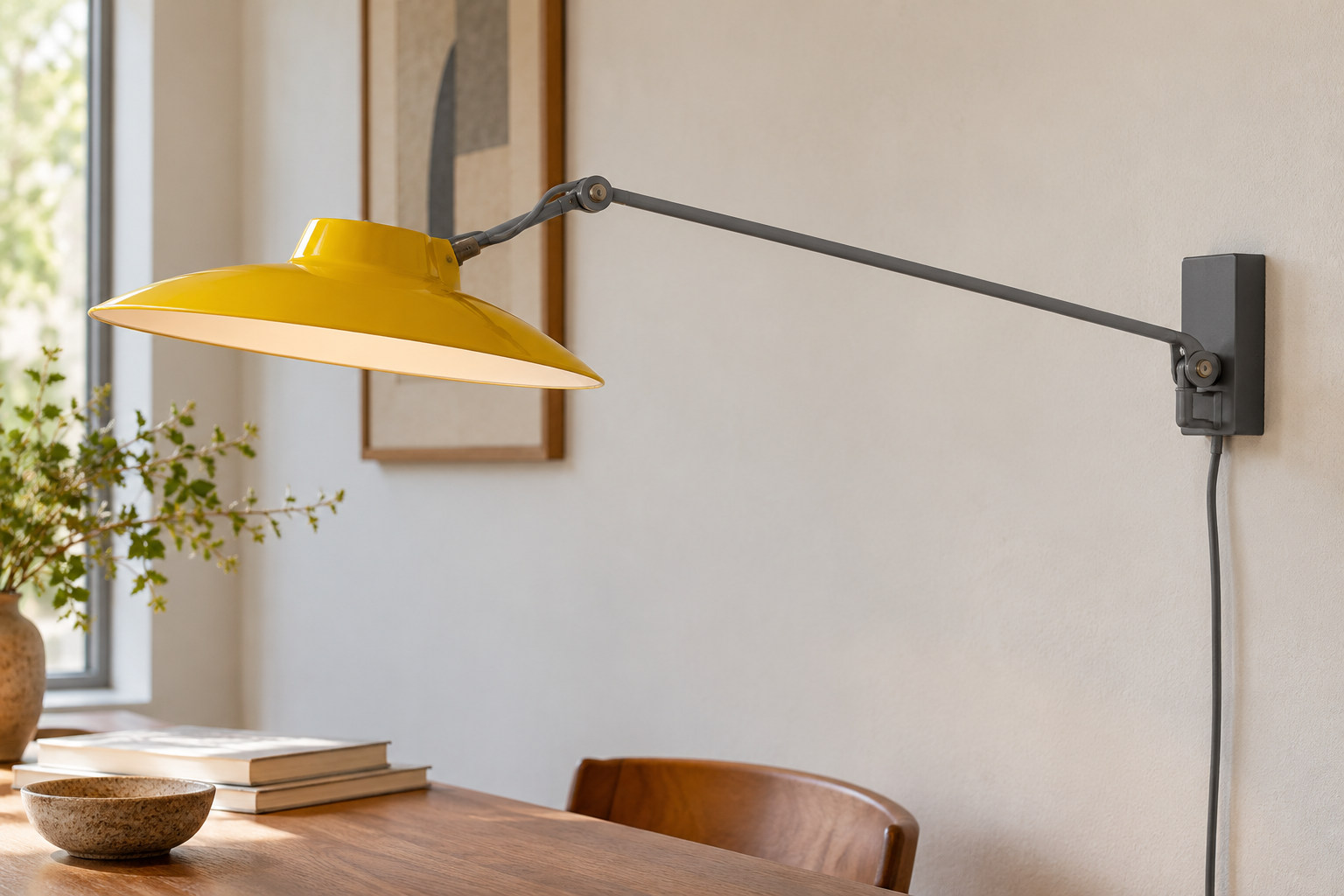
Wim Rietveld’s Panama wall lamp makes reach visible. A broad shade can occupy the room while the lamp stays attached to the wall.
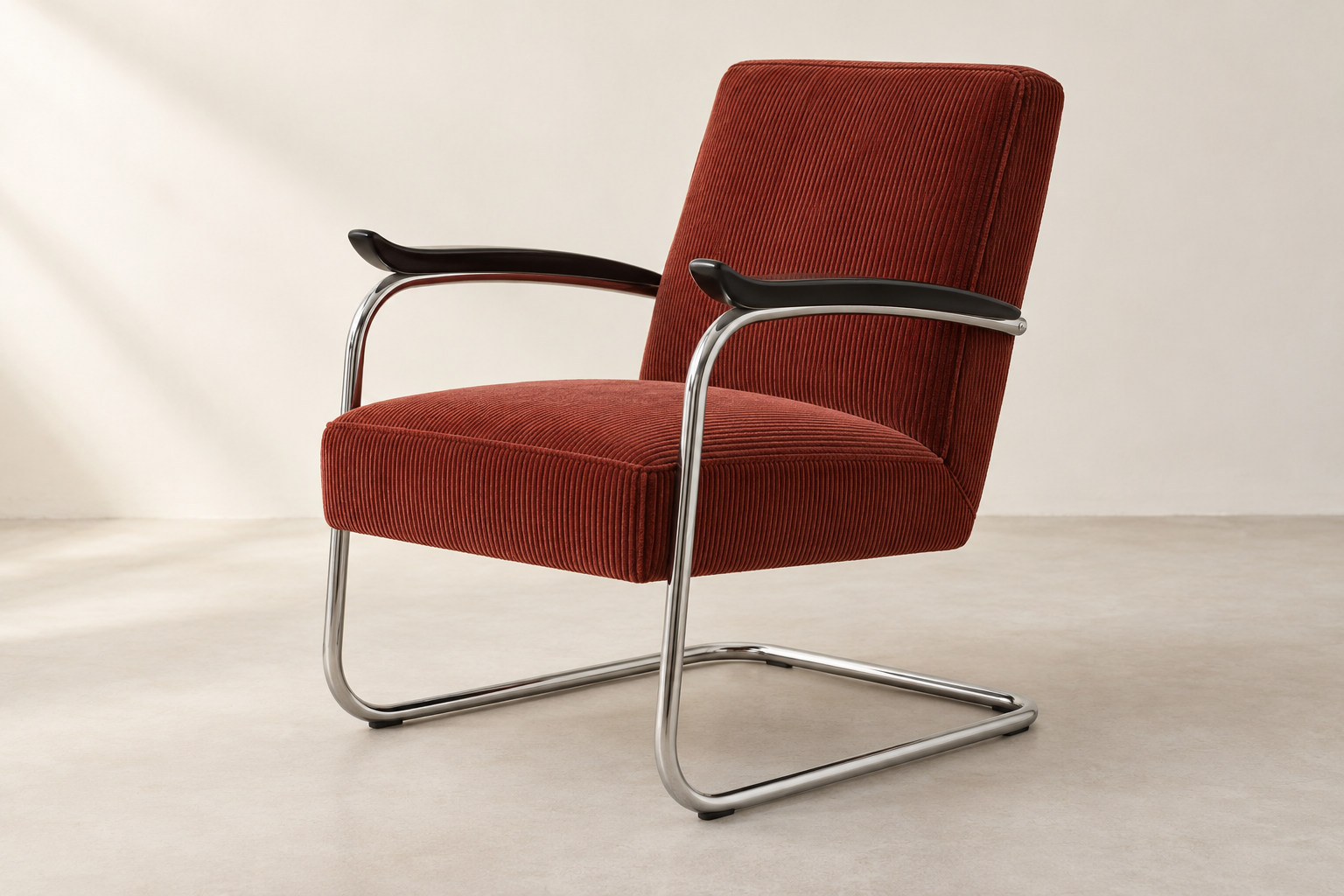
A closer look at Gispen 412: how a tubular outline supports upholstery, leaves space open and allows movement through the frame.
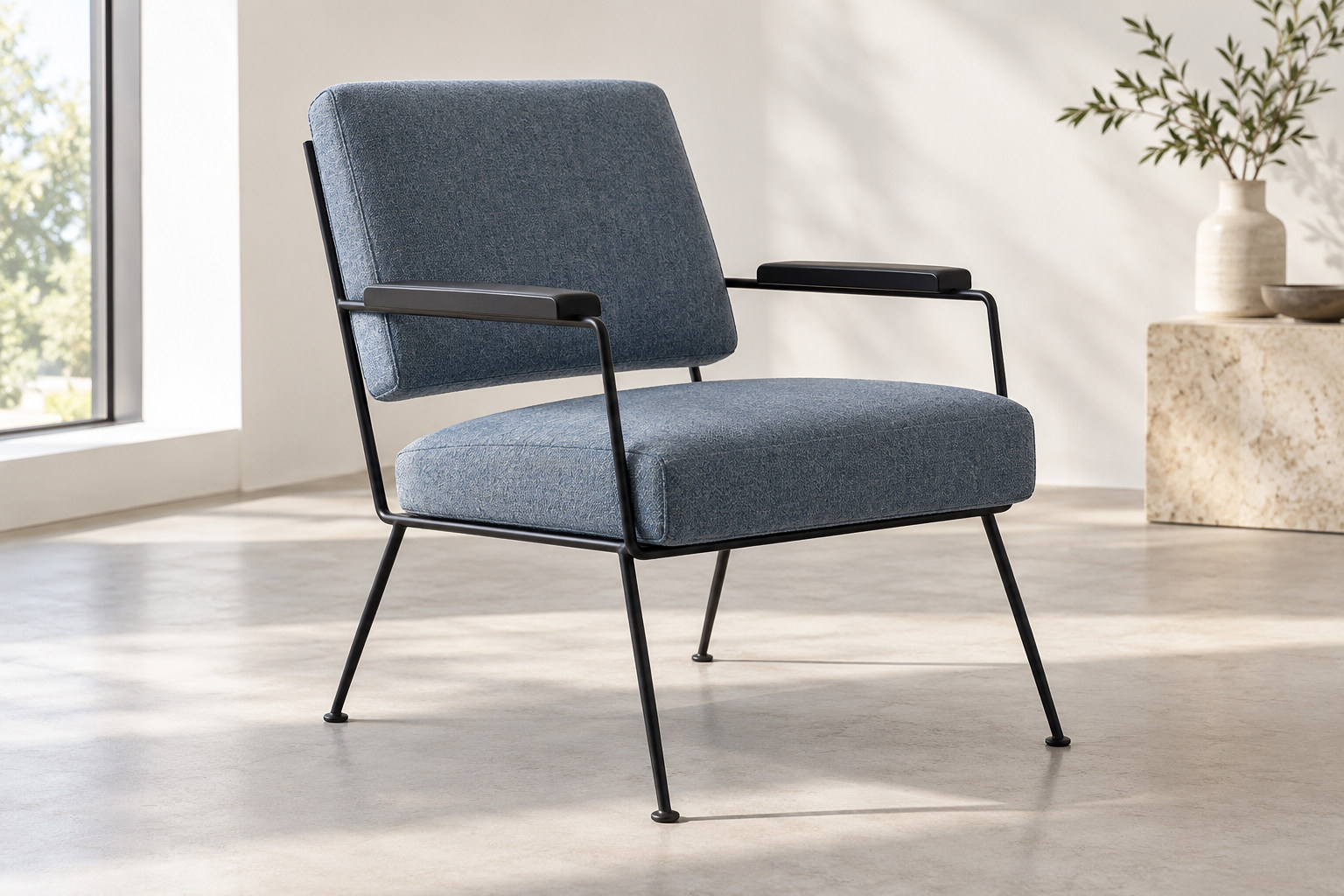
Wim Rietveld’s armchair began as Gispen 415 before becoming 1401. Its open relationship between frame, seat and back helps explain a design history with later, separately credited revisions.
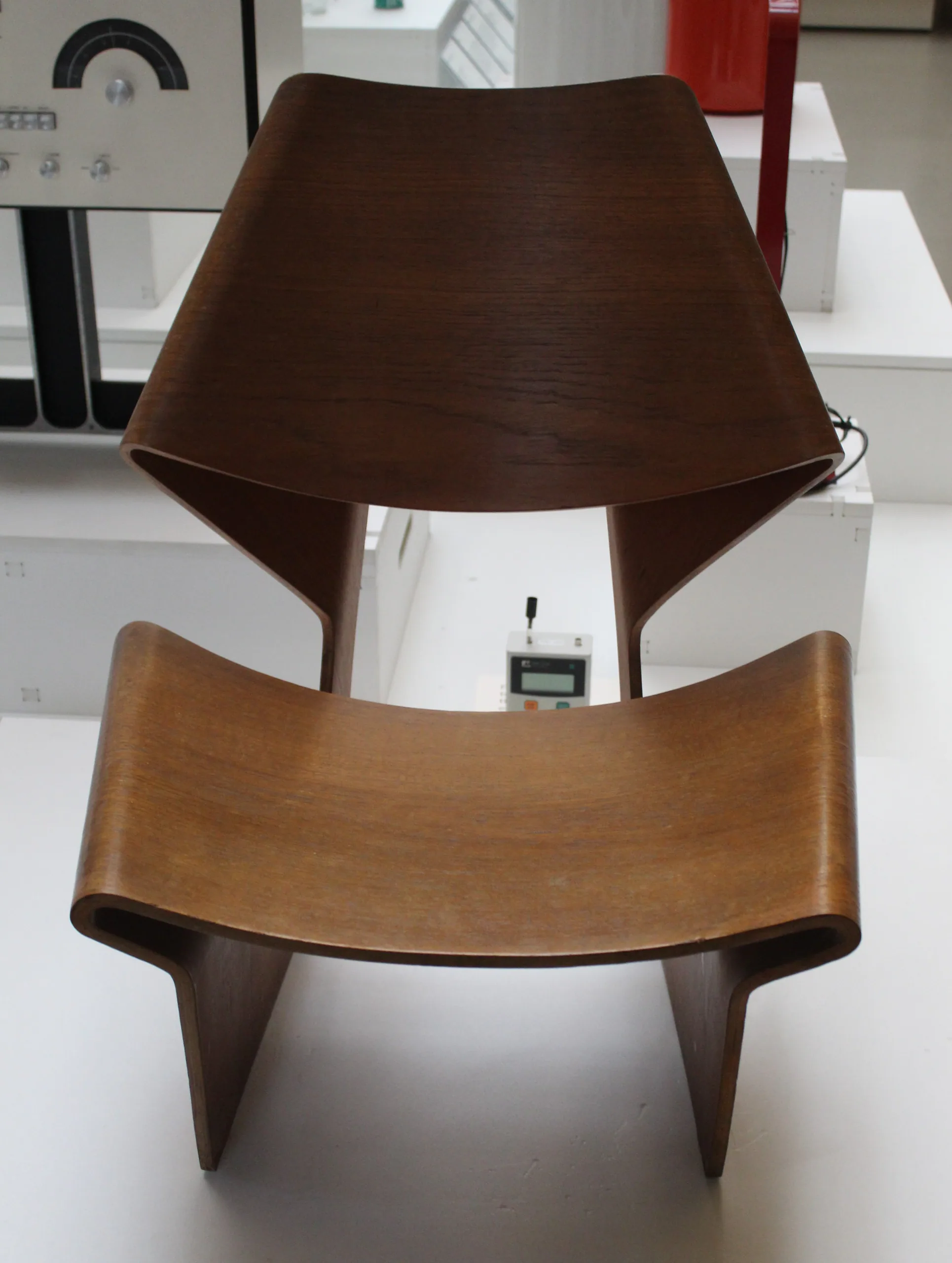
See how Grete Jalk's 1963 GJ Chair turns two moulded-plywood shells, a narrow gap and demanding lamination into the illusion of one continuous bow.
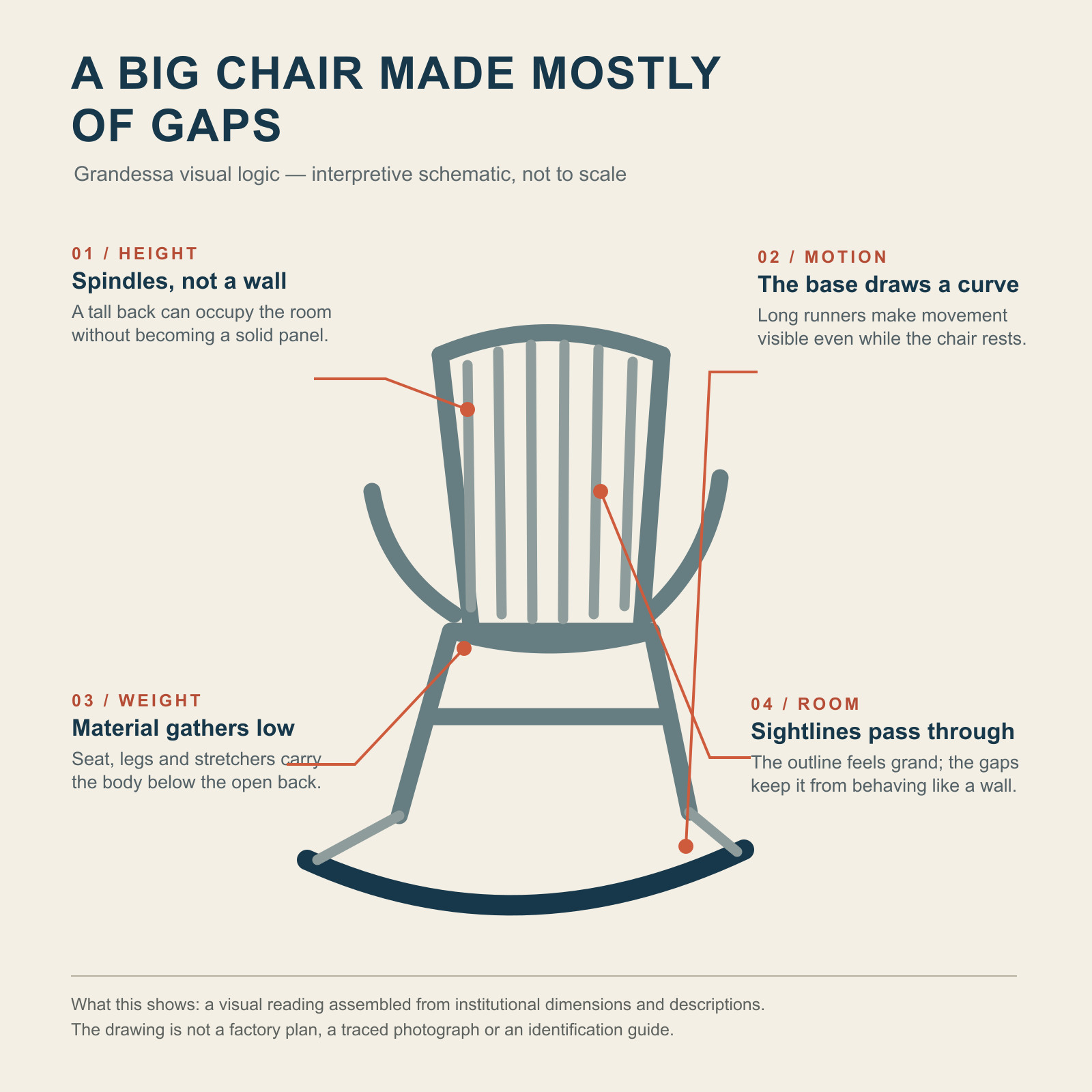
Discover how Lena Larsson's 1958 Grandessa Rocking Chair for Nesto turns a tall wooden outline, open spindles and long runners into furniture for an active room.
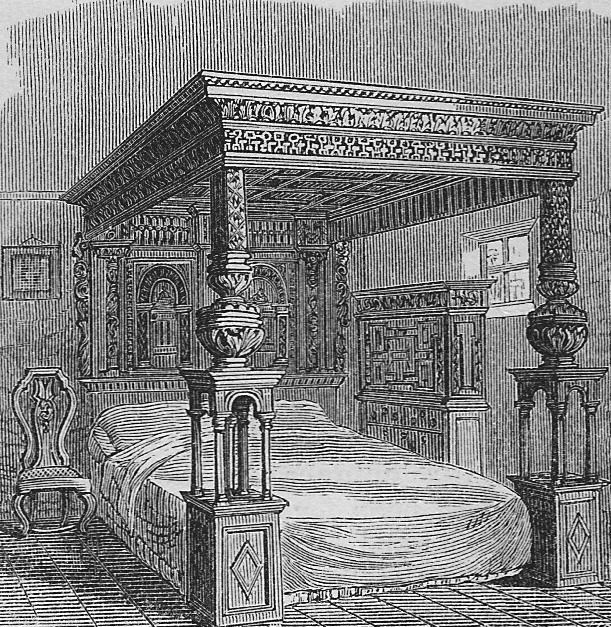
Discover why the enormous Great Bed of Ware became an inn attraction, a literary reference and a piece of furniture carrying generations of visitors’ marks.
Meet Grete Jalk beyond the GJ Chair: at the workbench, in Mobilia's editorial room, inside travelling exhibitions and across four volumes of furniture history.
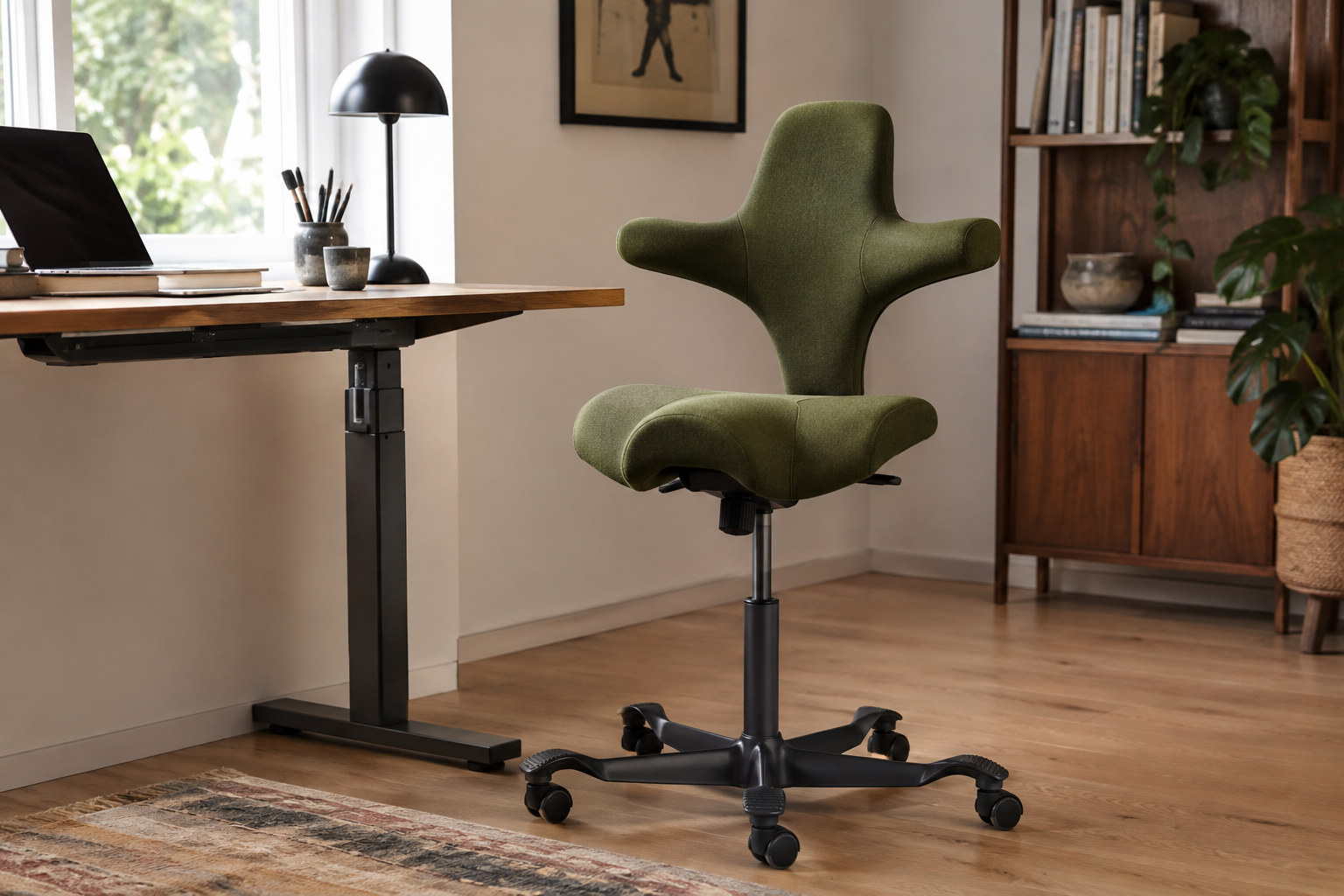
Capisco hardly resembles the padded office chair most people would draw from memory. Its saddle-like seat and branching back come from Peter Opsvik’s interest in allowing a person to change how they sit.
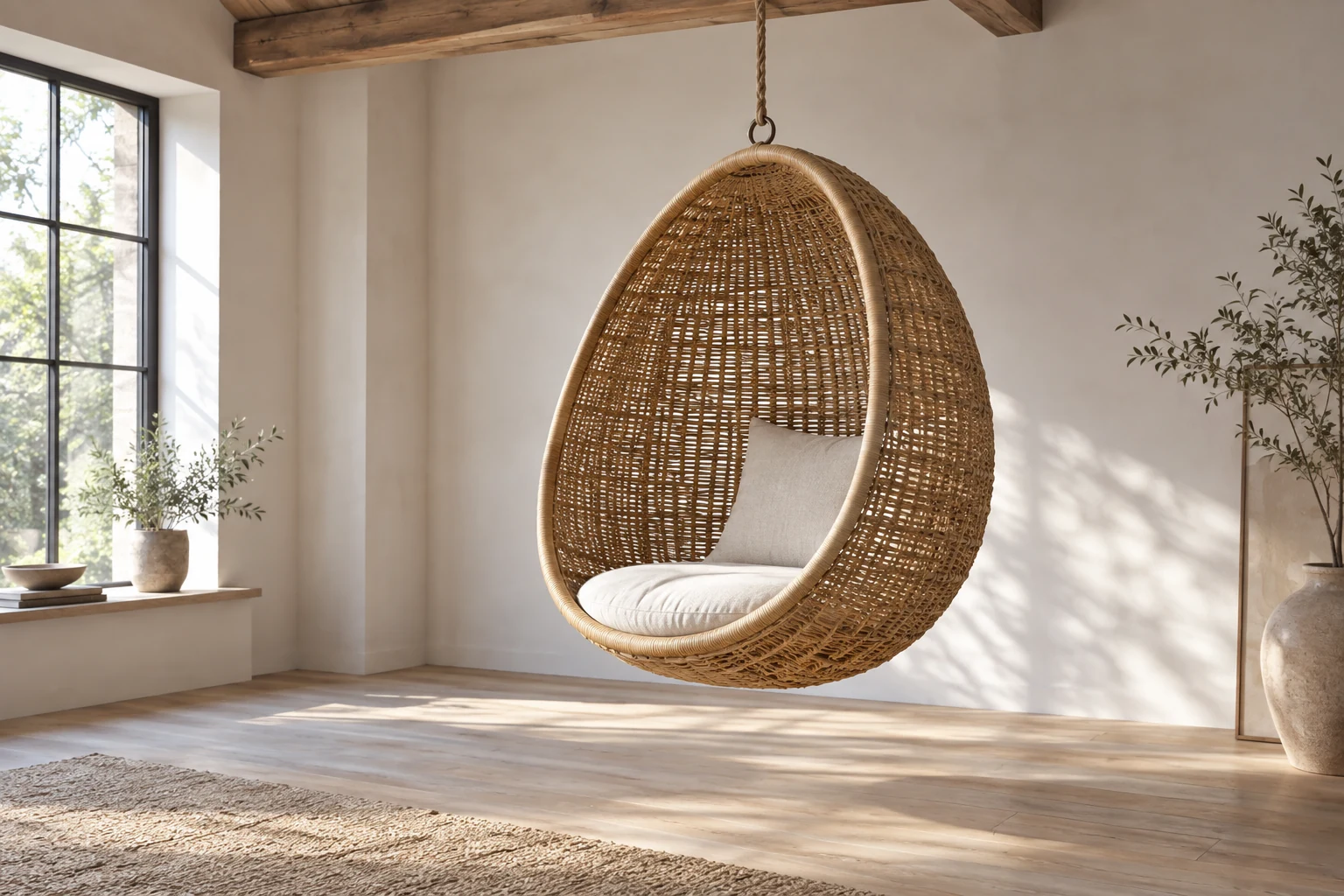
See how Nanna and Jørgen Ditzel's Hanging Egg removes legs, suspends a woven rattan shell and turns sitting into a gently moving room within a room.
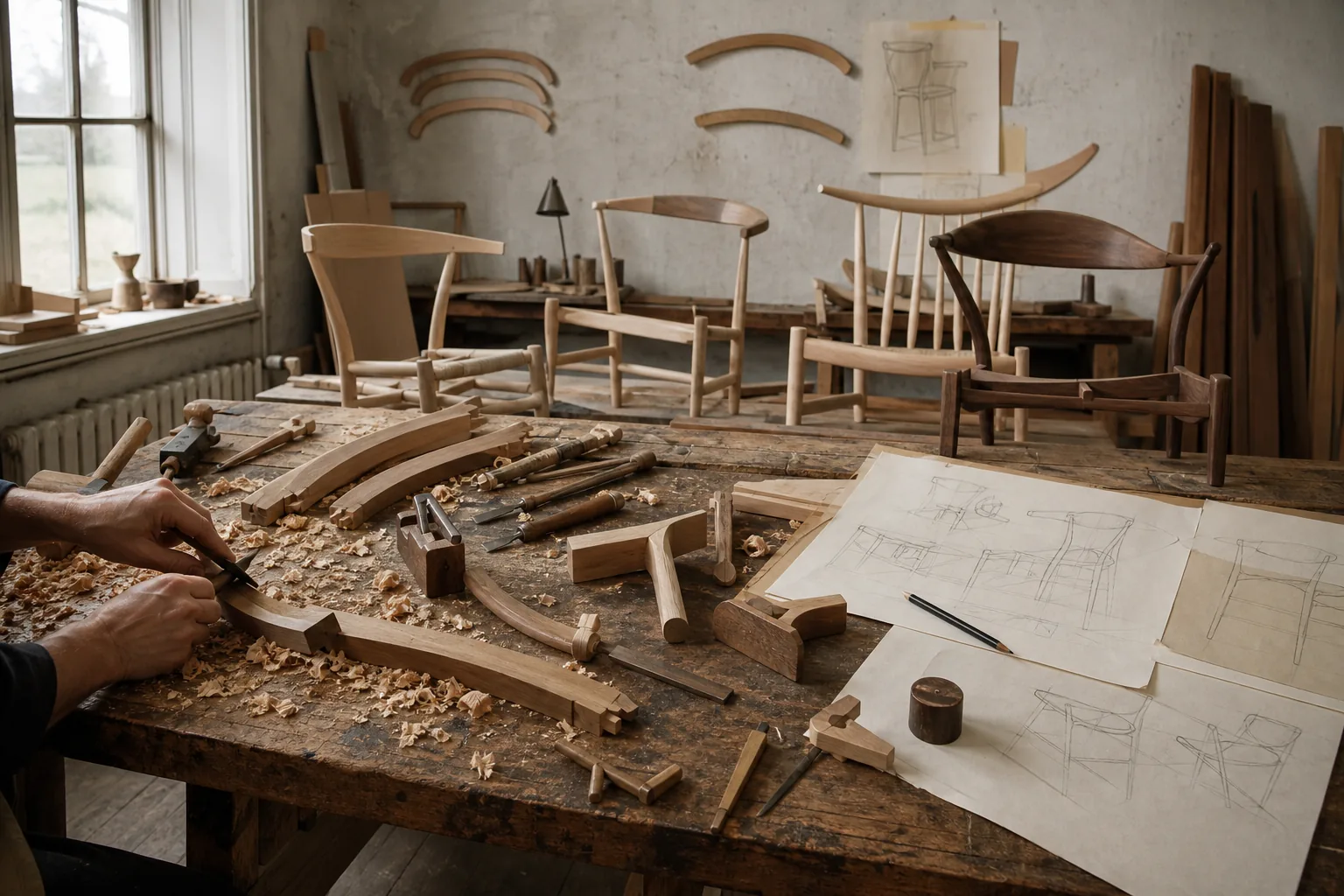
Follow Hans J. Wegner from a cabinetmaker's apprenticeship in Tønder through workshops, manufacturers and a lifetime of chair-making questions.
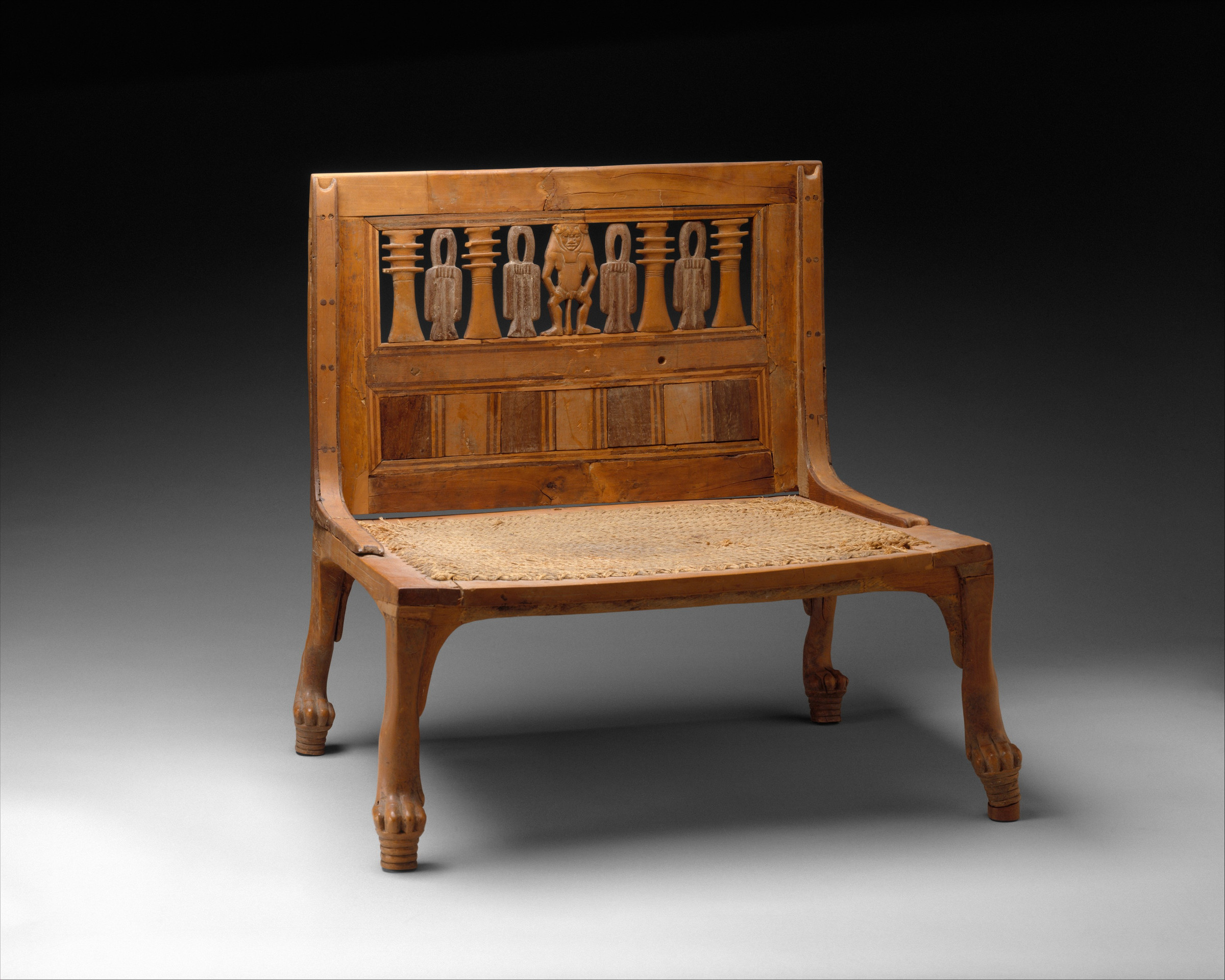
Read Hatnefer's low Dynasty 18 chair through its original linen cord, pegged mortise-and-tenon joints, protective symbols and exact tomb findspot.
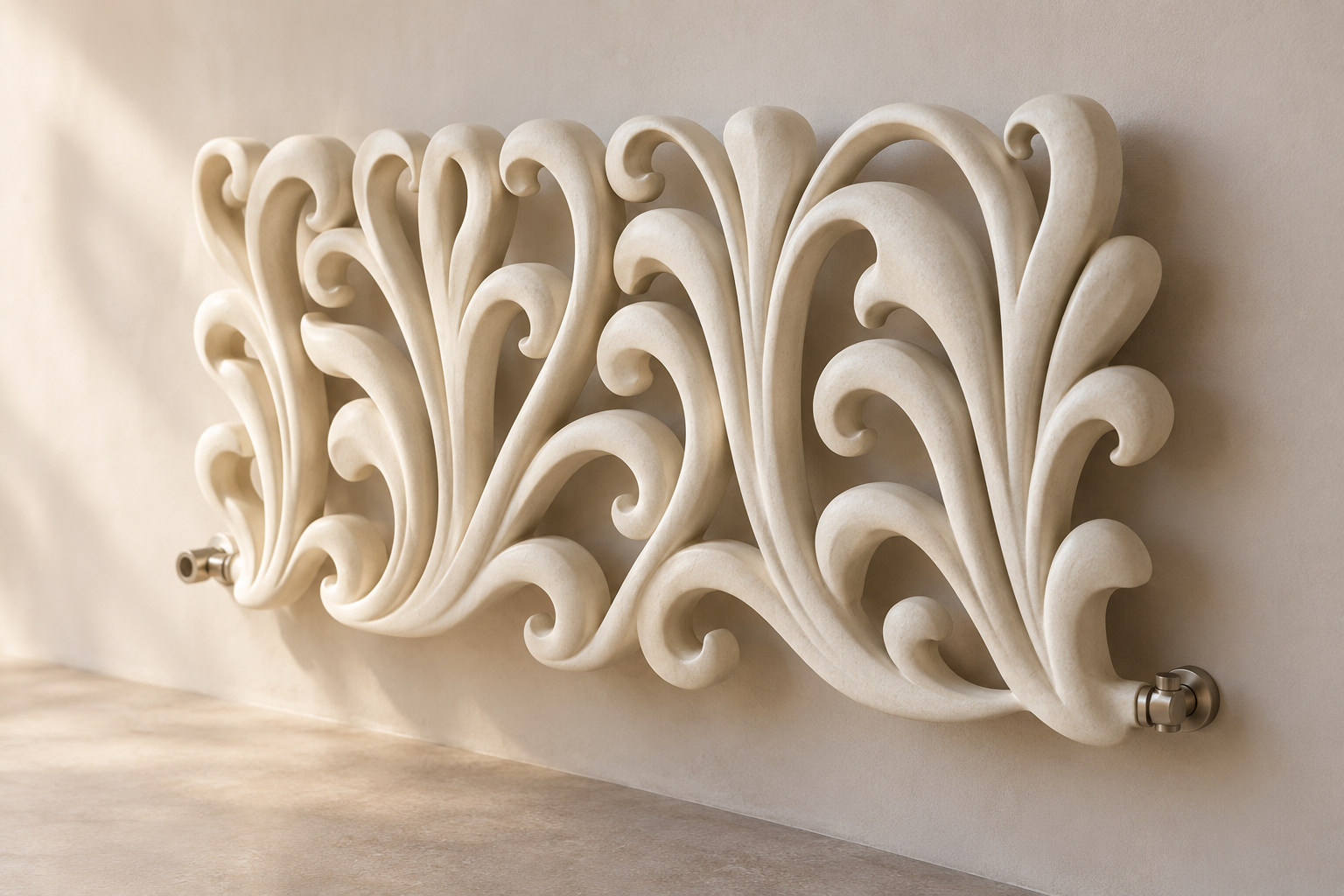
Joris Laarman’s Heatwave gives a wall radiator an ornamental outline, connecting curling decoration with a useful heating surface.
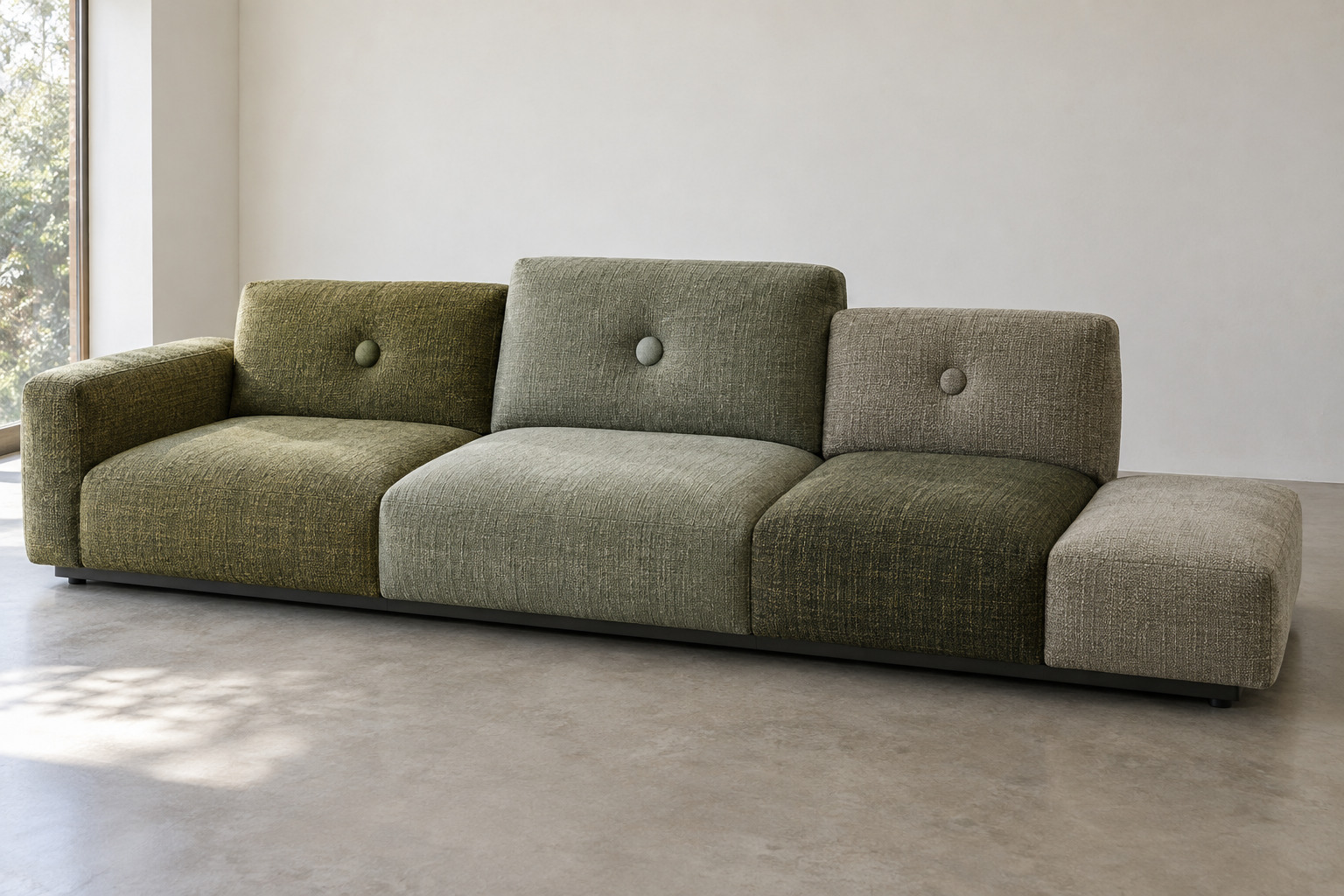
Hella Jongerius studies how colours and materials behave together. Her experiments connect industrial repetition with differences in surface and light.