Design
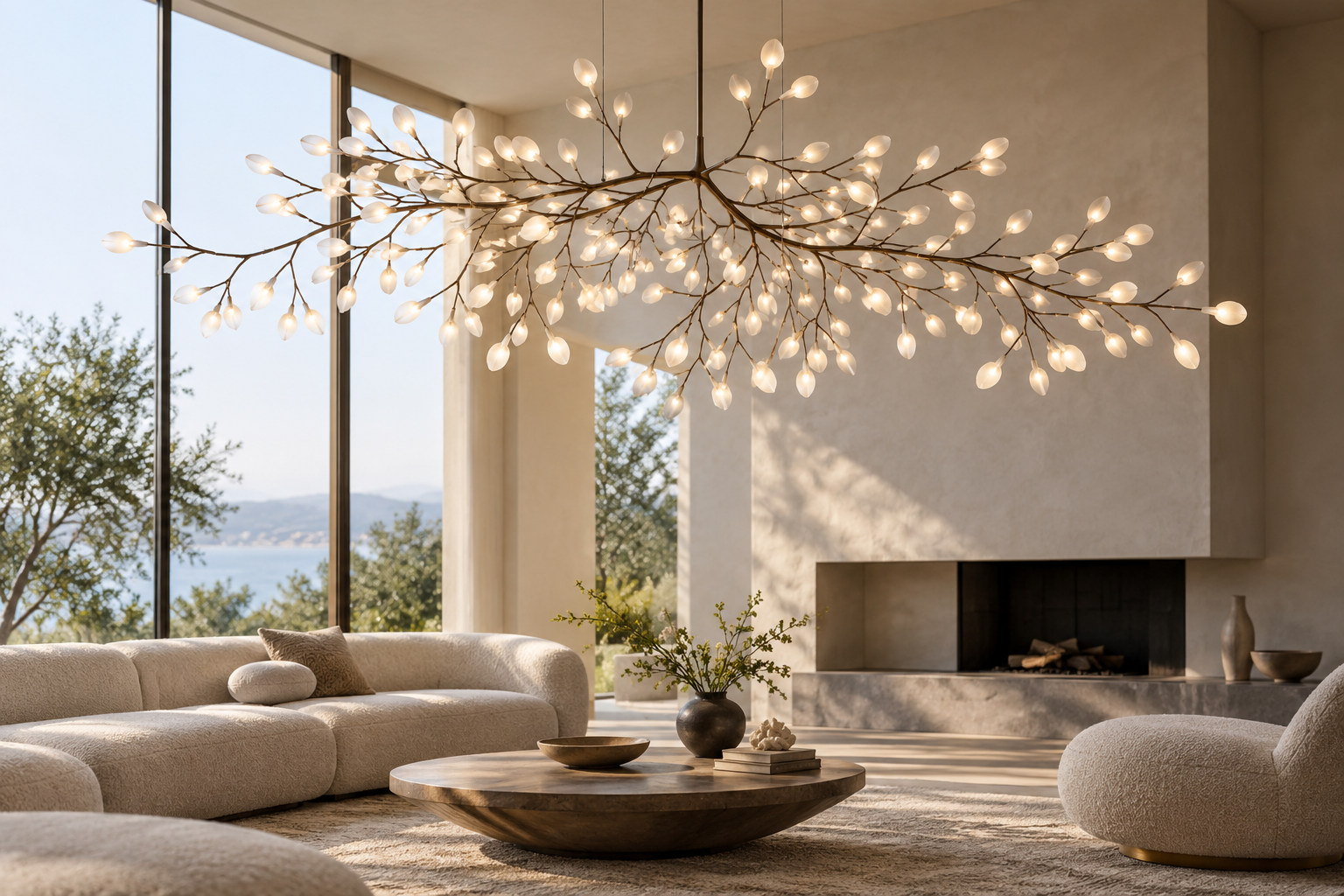
Heracleum
Bertjan Pot’s Heracleum makes slender branches carry light and structure together. Its 2010 development and later family retain distinct design and technical contributions.
Objects · people · ideas
Discover the objects, people and ideas that shaped furniture, from historic pieces to modern designs.
Bertjan Pot’s Heracleum makes slender branches carry light and structure together. Its 2010 development and later family retain distinct design and technical contributions.
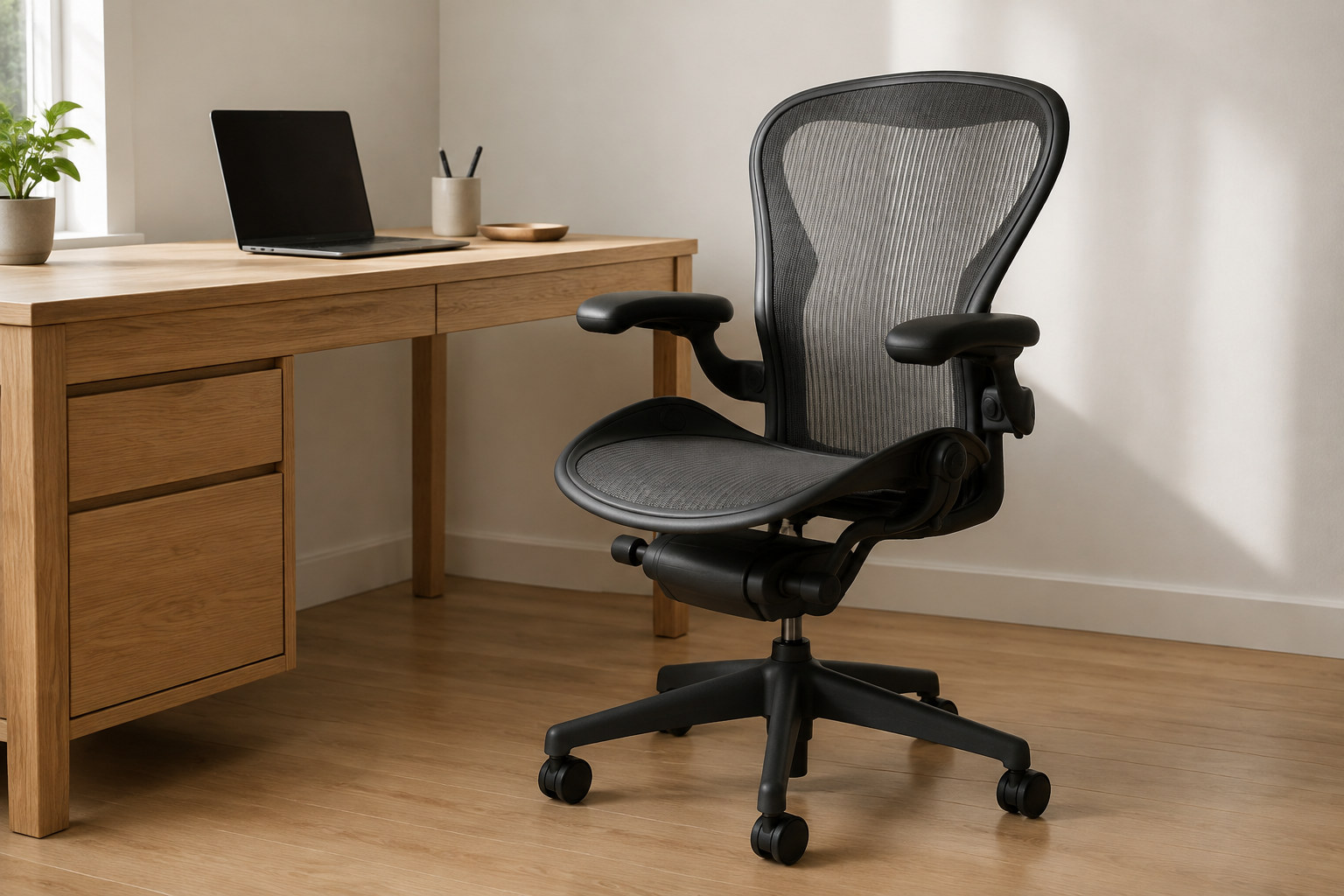
Aeron made an office chair’s supporting surface visible. Where a conventional chair hid foam beneath upholstery, Bill Stumpf and Don Chadwick stretched a mesh-like material across an exposed frame.
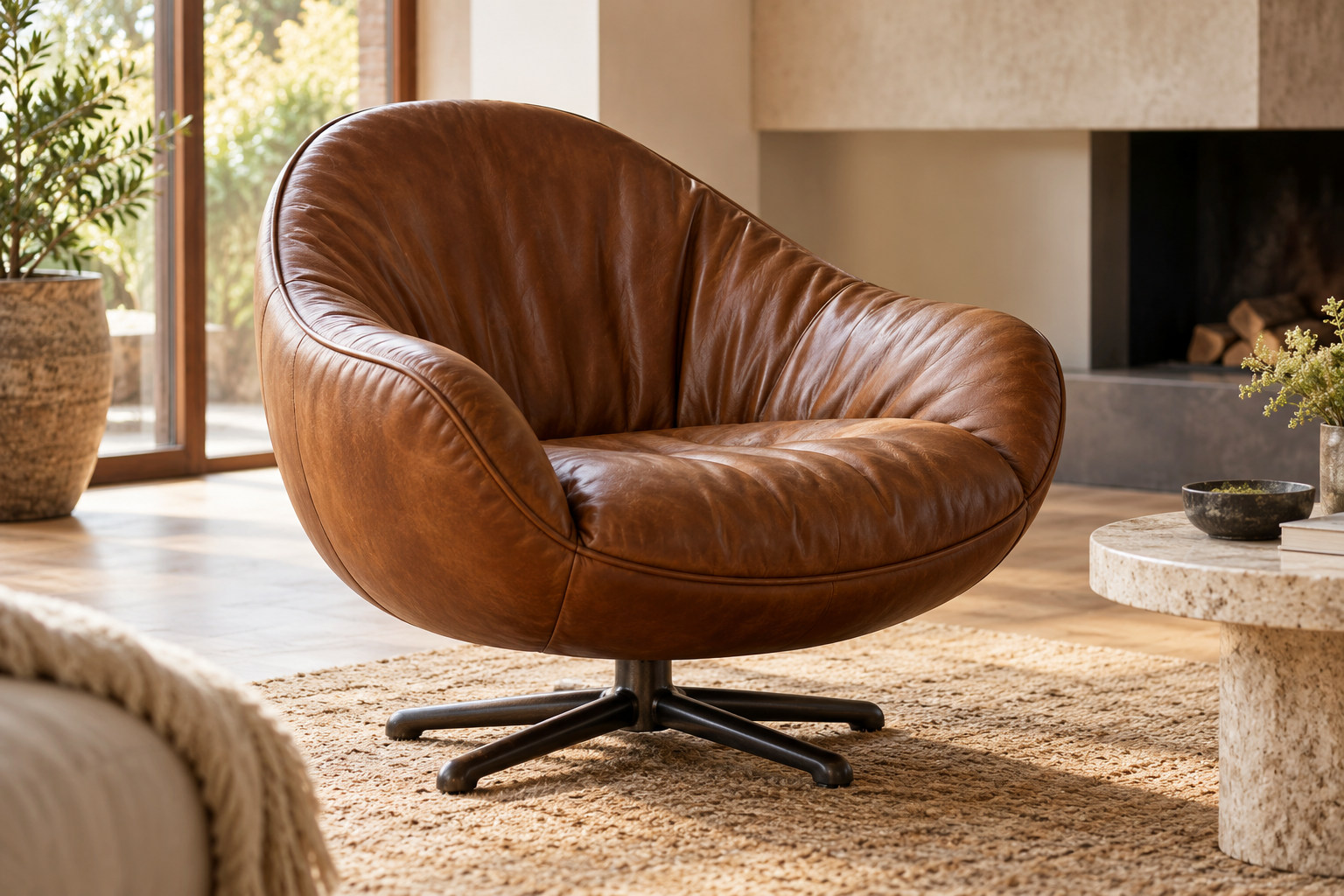
Hidde turns the idea of a catching glove into a broad cupped armchair. Its loose cover lets folds become part of the visible character.
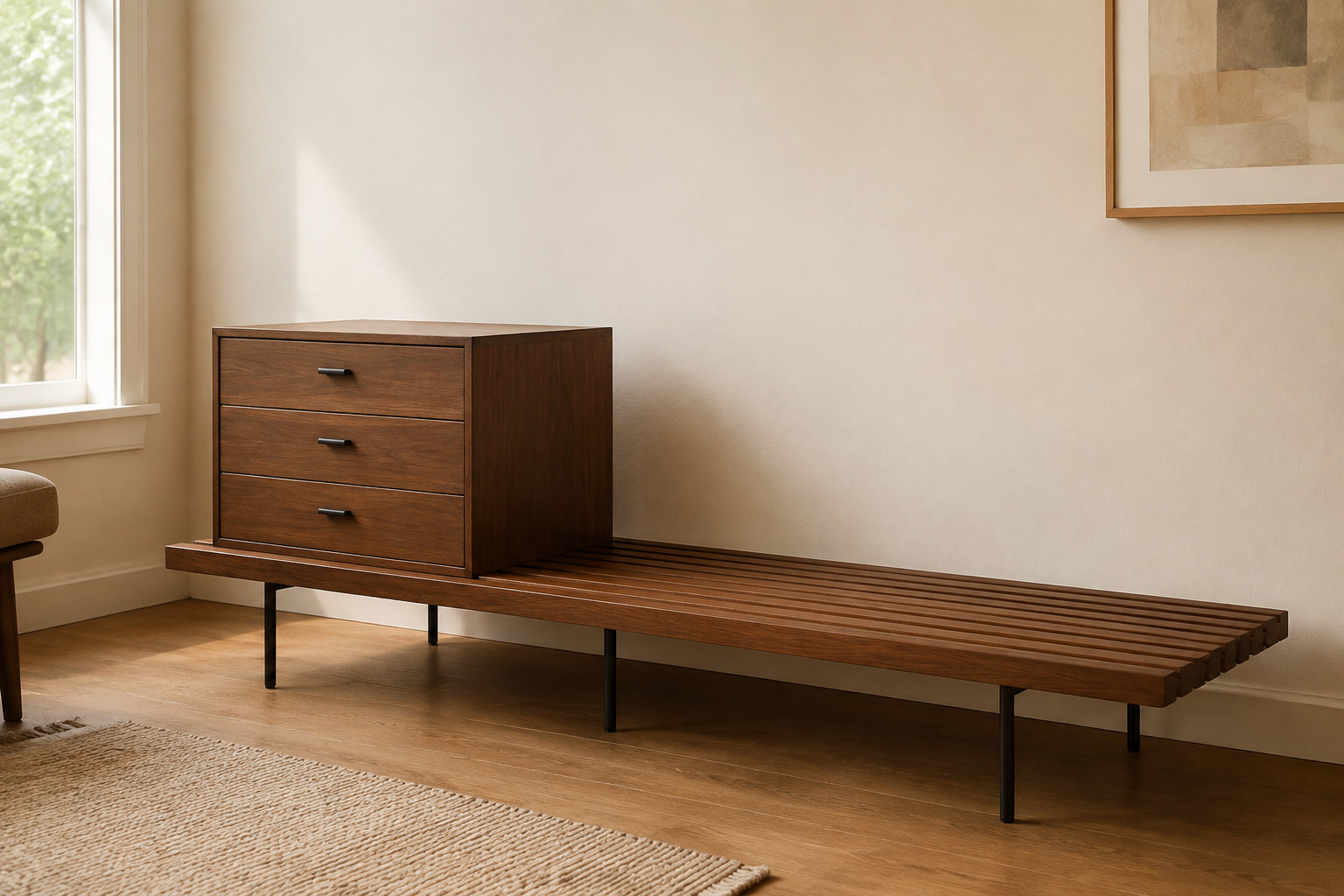
A small Interplan cabinet can look rather self-contained in a vintage shop. Robin Day’s larger idea appears when you imagine the space around it: another unit, a low bench and several ways to organise the same room.
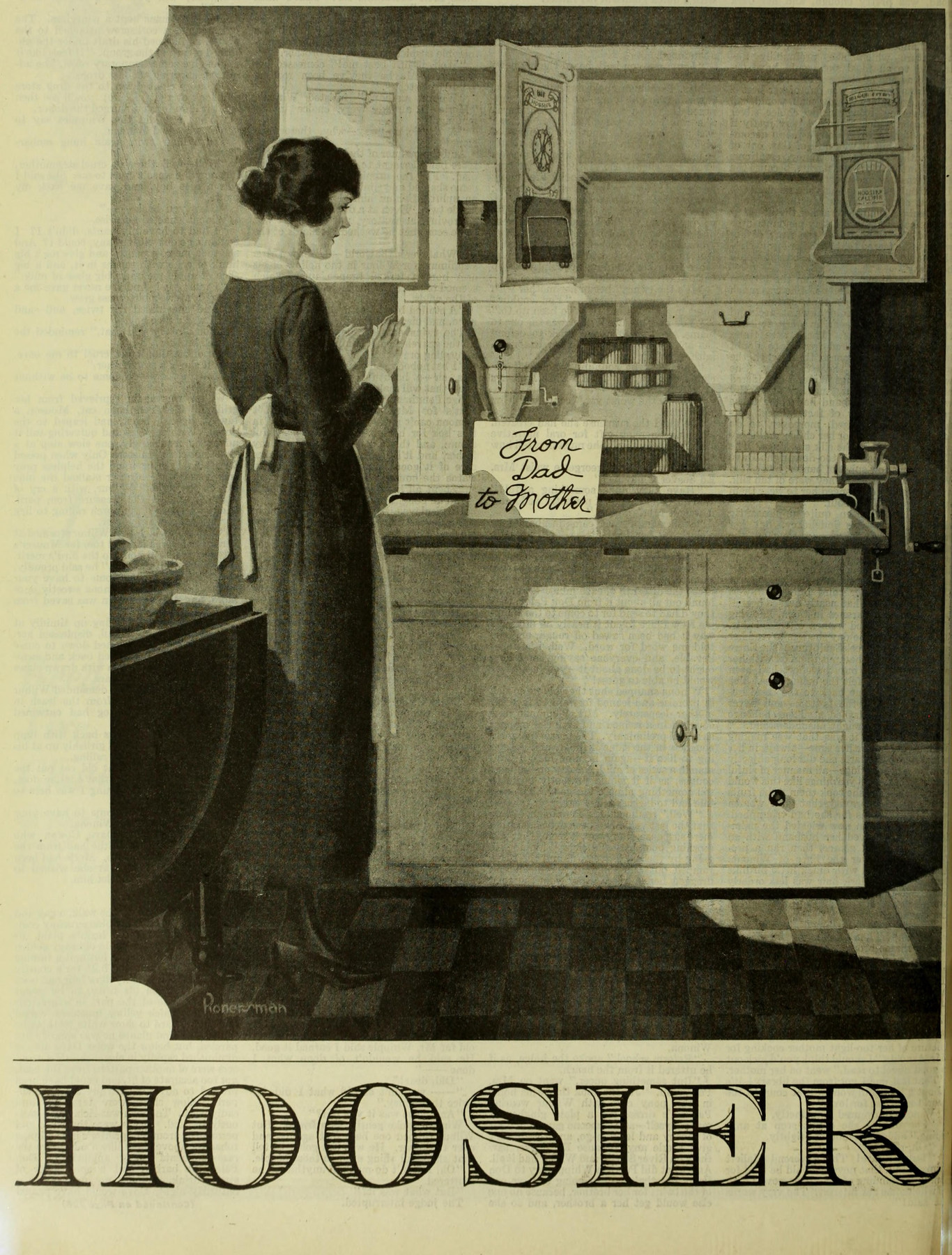
Read the Hoosier cabinet as a compact kitchen workplace, from flour storage and an enamel counter to the advertising promise of fewer steps.
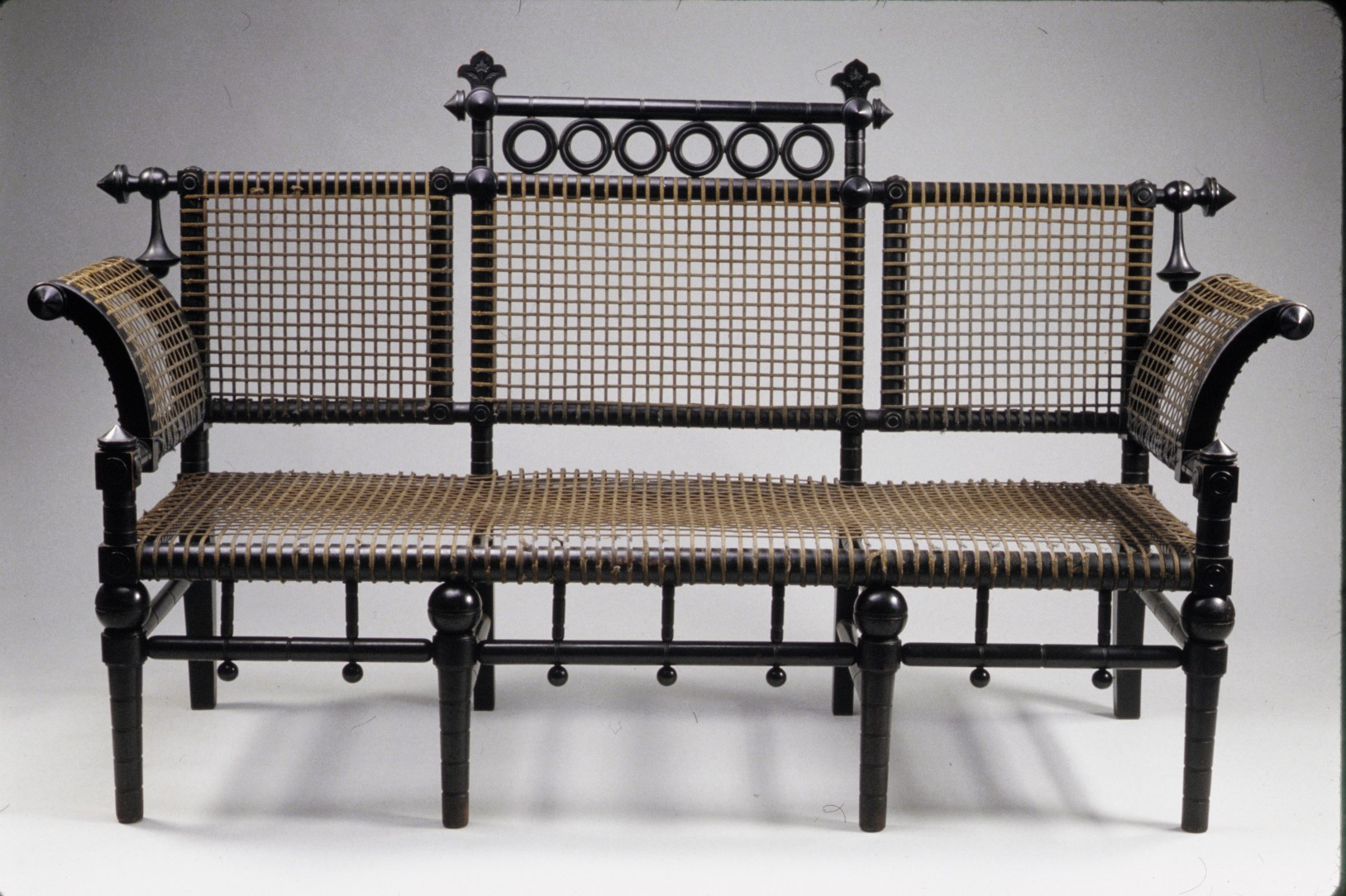
See how George Jakob Hunzinger’s 1876 patent turned textile-covered steel strips, grooved frames and interchangeable parts into a furniture system.
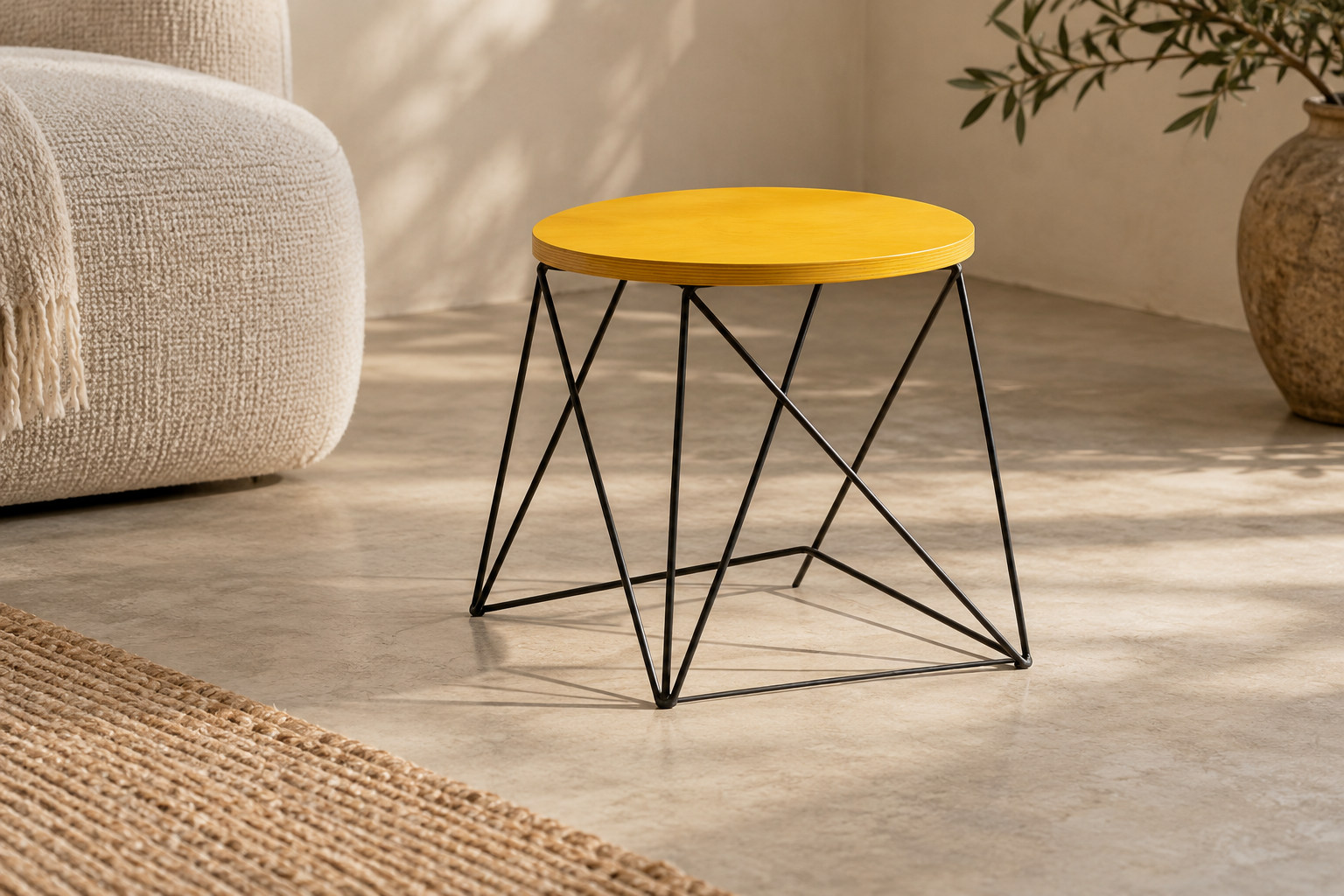
Constant Nieuwenhuys’s IJhorst uses a circular top and an open wire-steel base. Its small size makes a geometric structure easy to notice in the room.
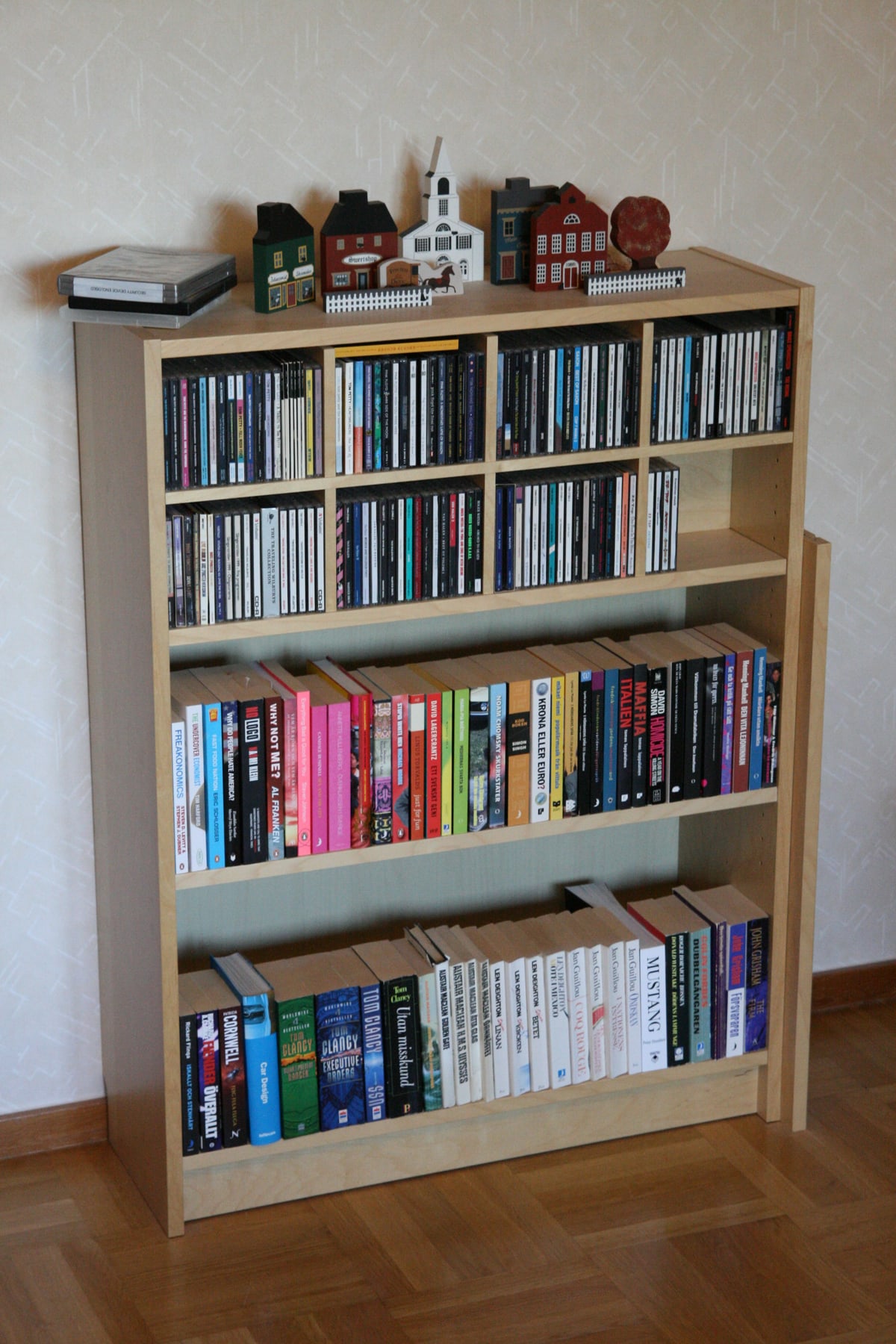
The history of IKEA BILLY, from incompatible earlier shelves to a repeatable bookcase, with the 1978 and 1979 dates explained and a look at its adjustable interior.
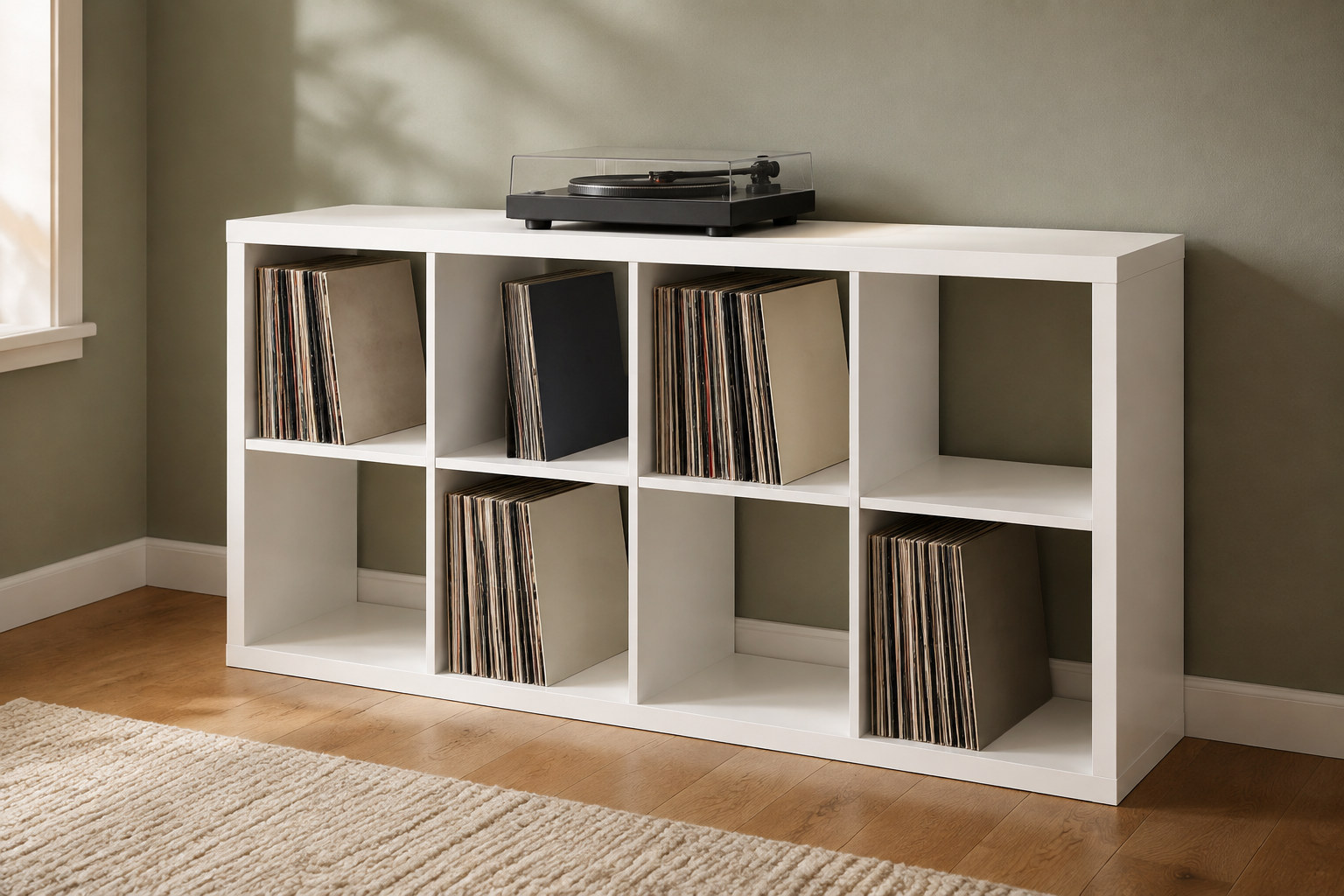
A shelf full of records makes the size of an empty compartment surprisingly important. When IKEA replaced EXPEDIT with KALLAX in 2014, that useful opening became the part of the design it chose to preserve.
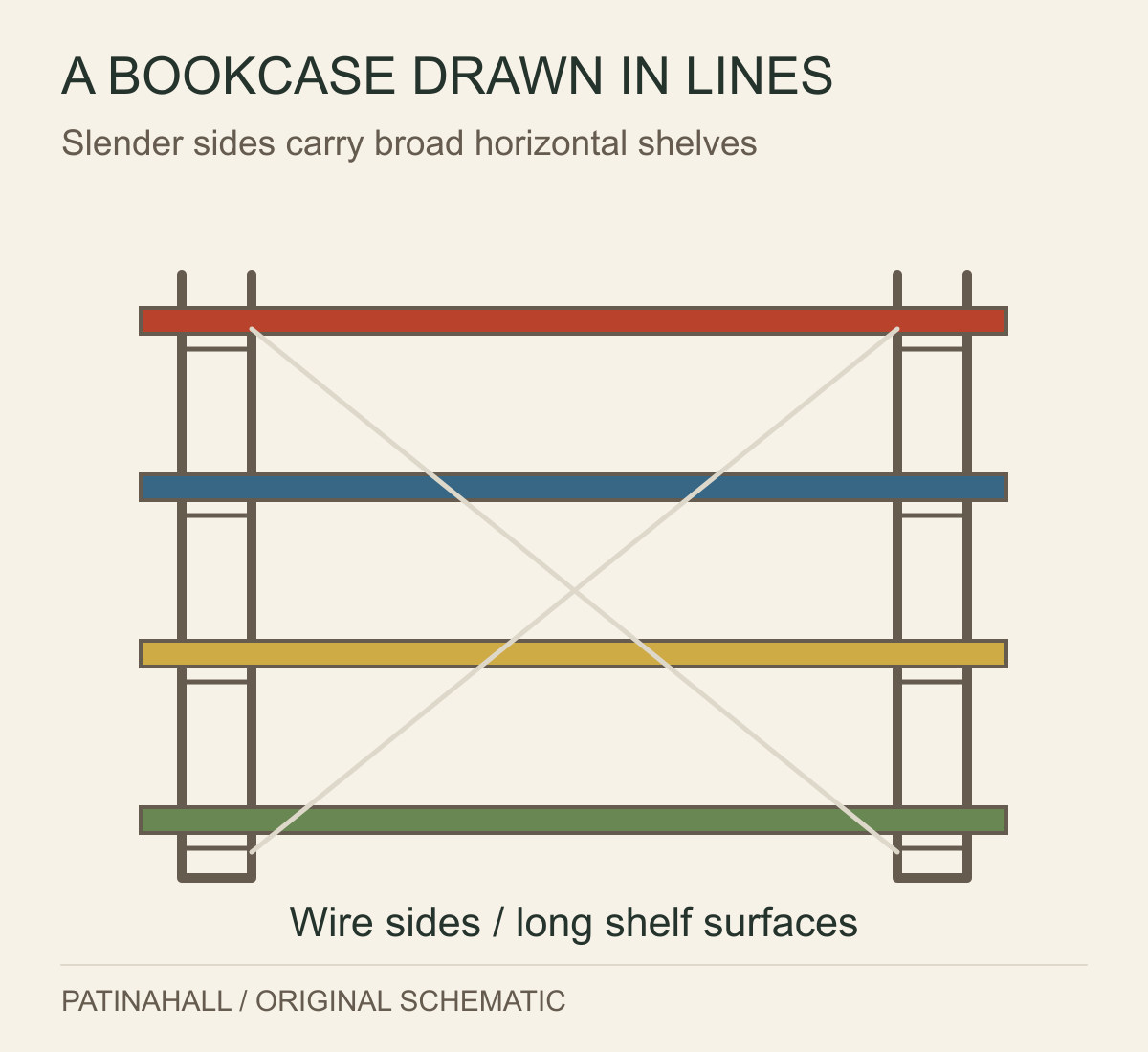
GUIDE made a bookshelf from slender wire sides and broad laminate shelves. Niels Gammelgaard found an opportunity for colour inside the production process, giving a practical open structure a playful edge.
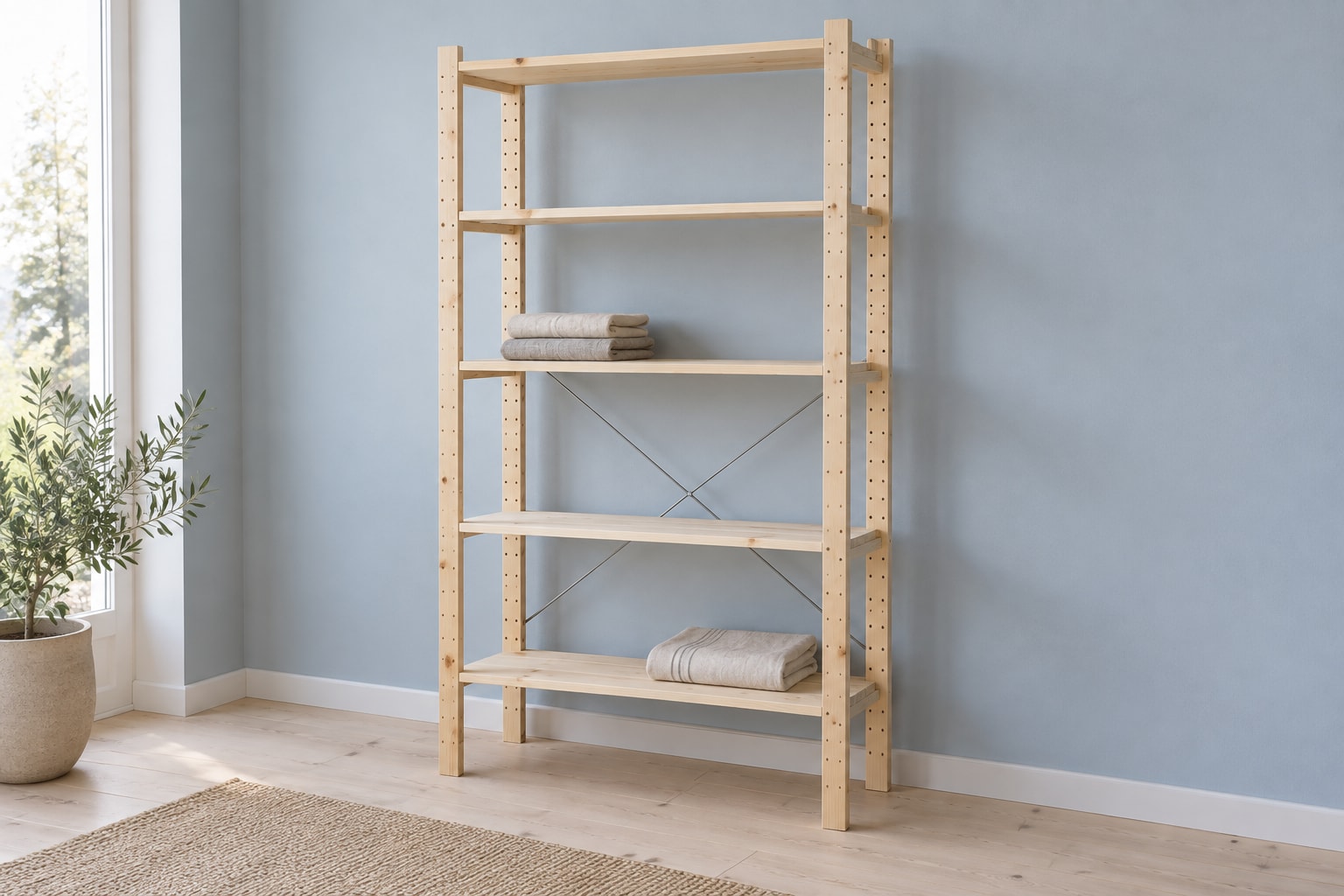
How IKEA IVAR grew from earlier storage shelving, why its pine frame and visible adjustment holes matter, and how the familiar name differs from the system’s ancestry.
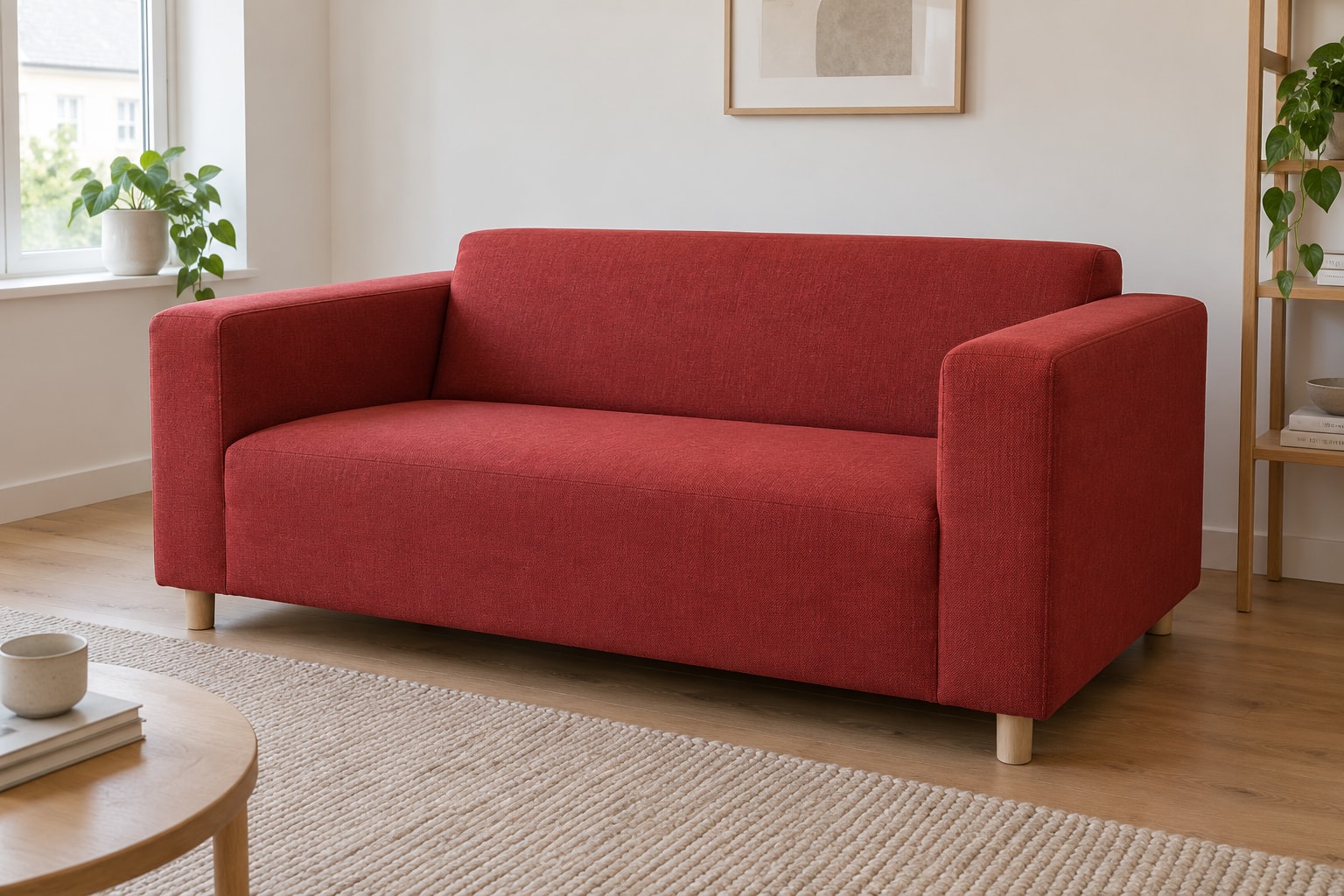
KLIPPAN looks like a simple upholstered box. Its more interesting feature can be taken off: a cover that brings laundry, changing tastes and the possibility of a second life into the design of a sofa.
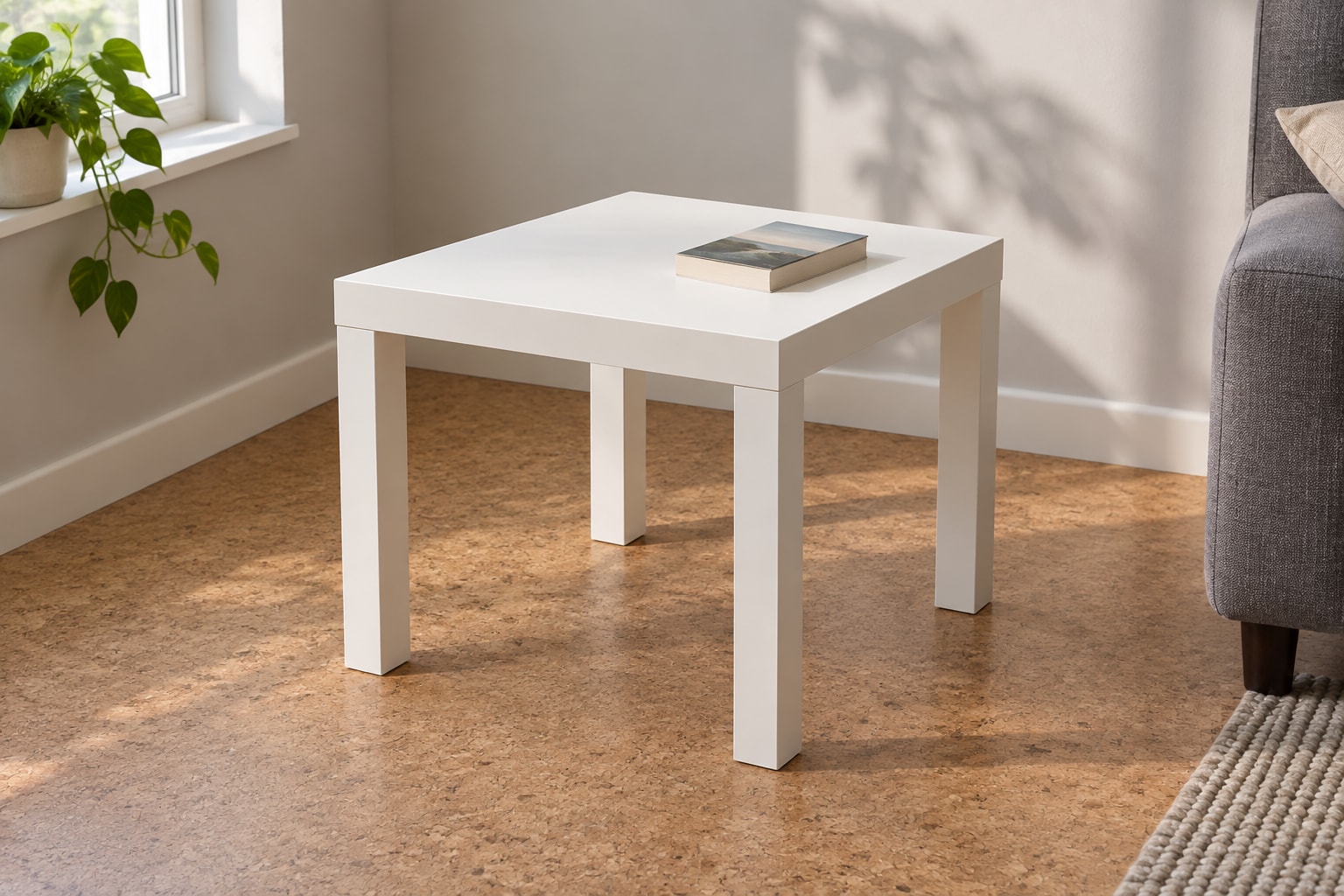
Why IKEA LACK is light despite its thick square shape: its connection to door manufacture, the 1979 product entry, and the honeycomb filling in today’s tabletop.
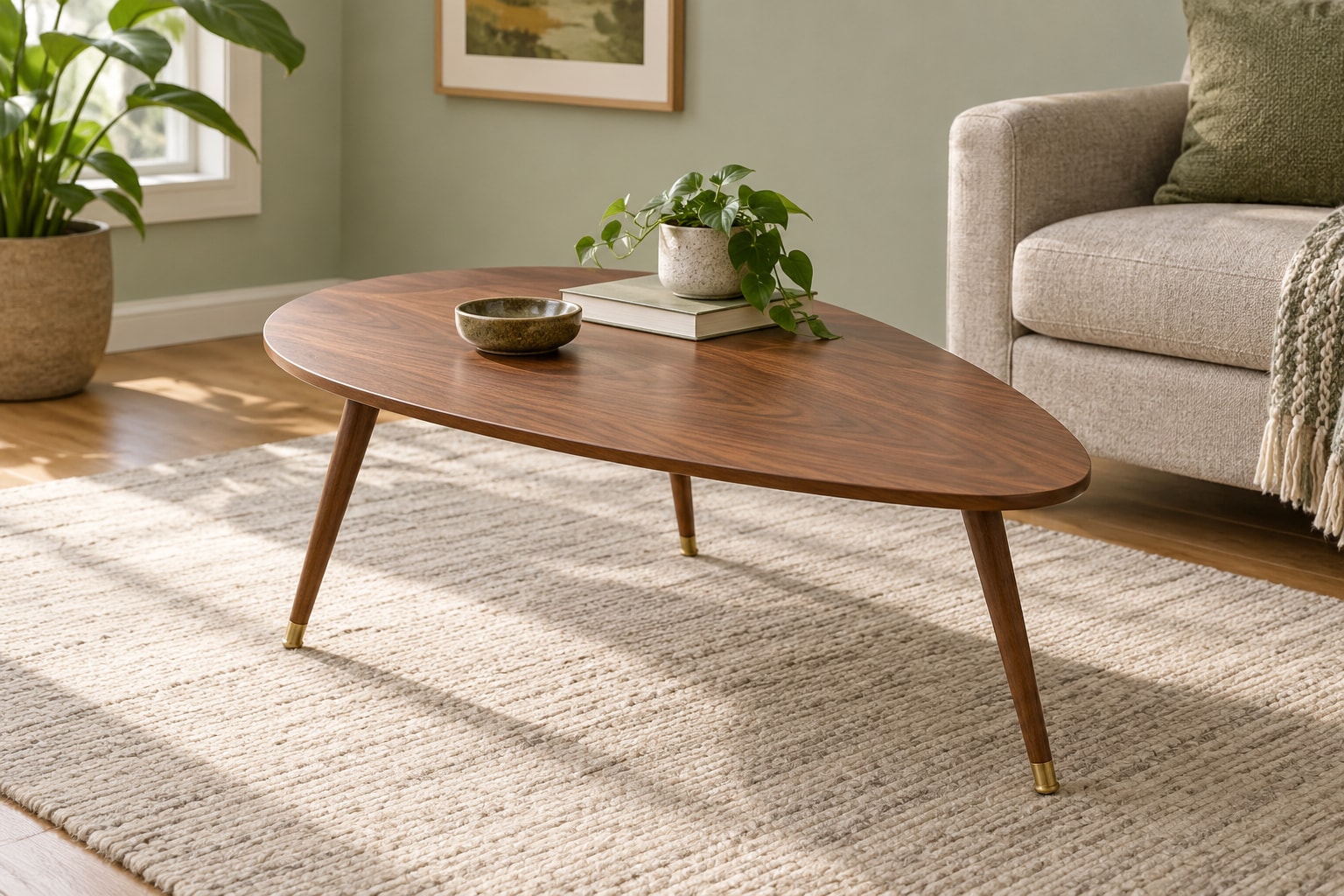
The little leaf-shaped IKEA table has lived through two very different eras. LÖVET belonged to the 1950s catalogue; LÖVBACKEN brought the outline back in 2013, with a new name and a fresh material brief.
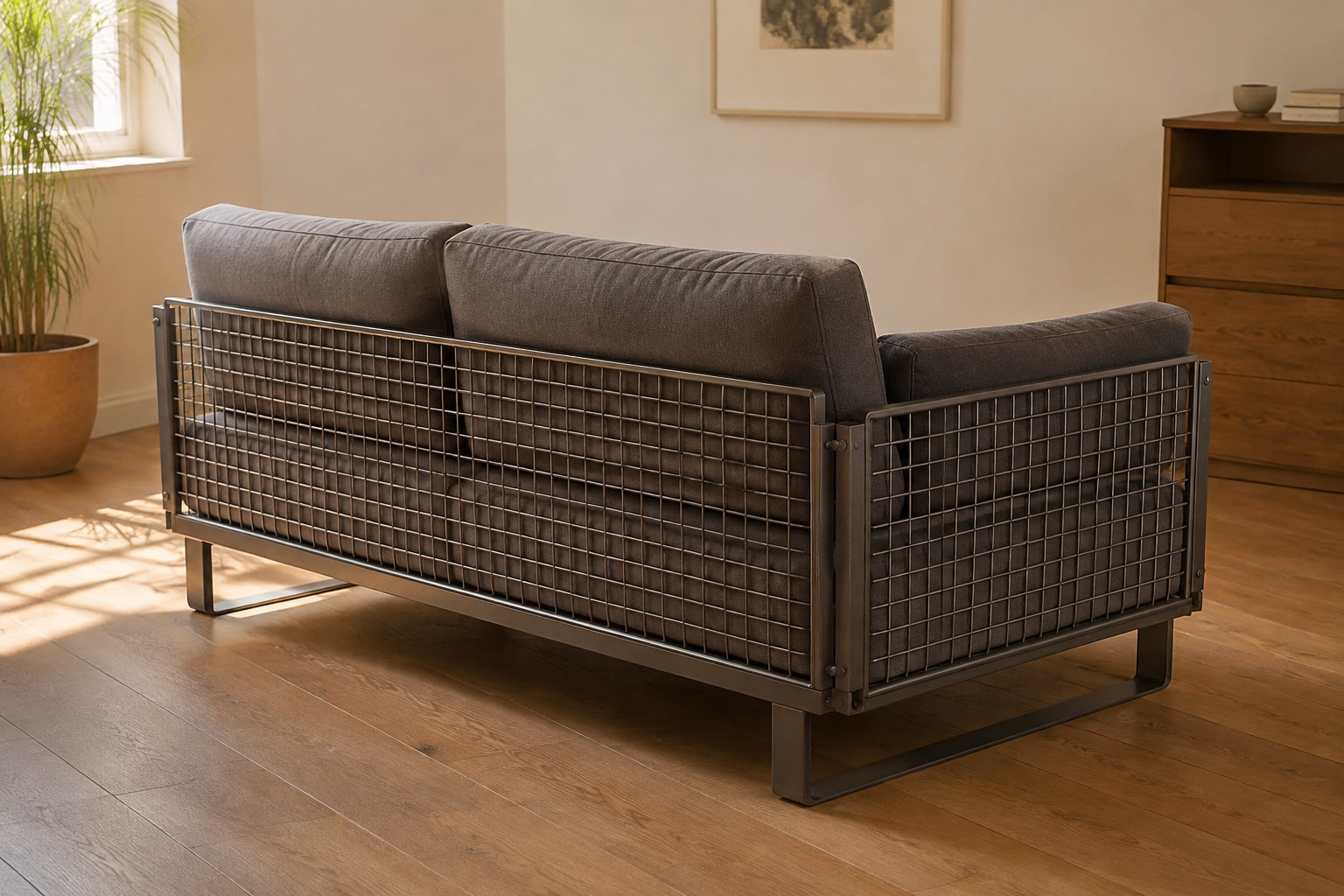
The wire grid behind MOMENT’s cushions has an unexpectedly practical origin. IKEA Museum connects the sofa to a visit to a shopping-trolley factory, where a different kind of steel furniture suggested a new way to build a seat.
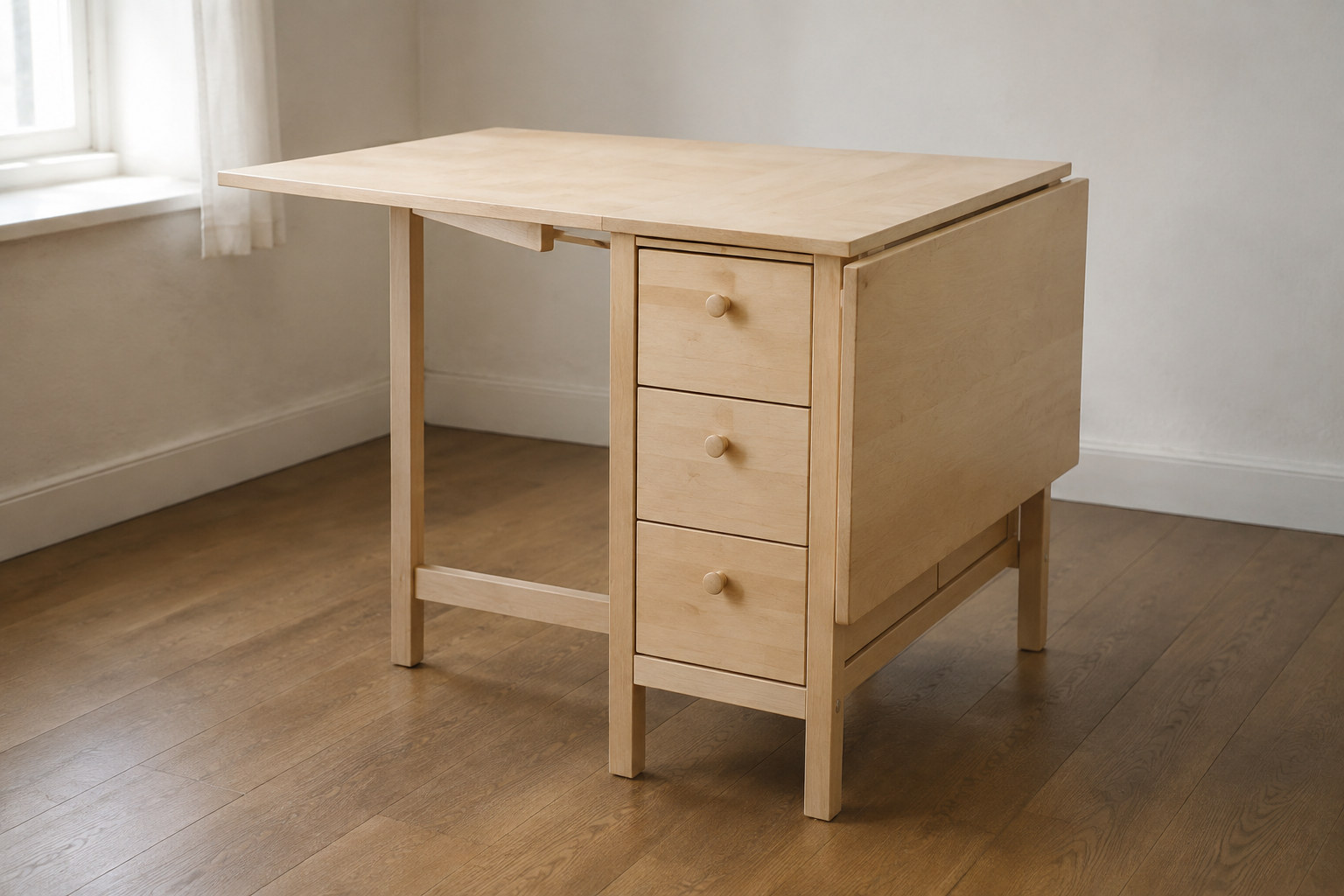
NORDEN changes the amount of table in a room. Its folding leaves are easy to notice; the more revealing detail is underneath, where a leg swings out to meet the surface it will support.
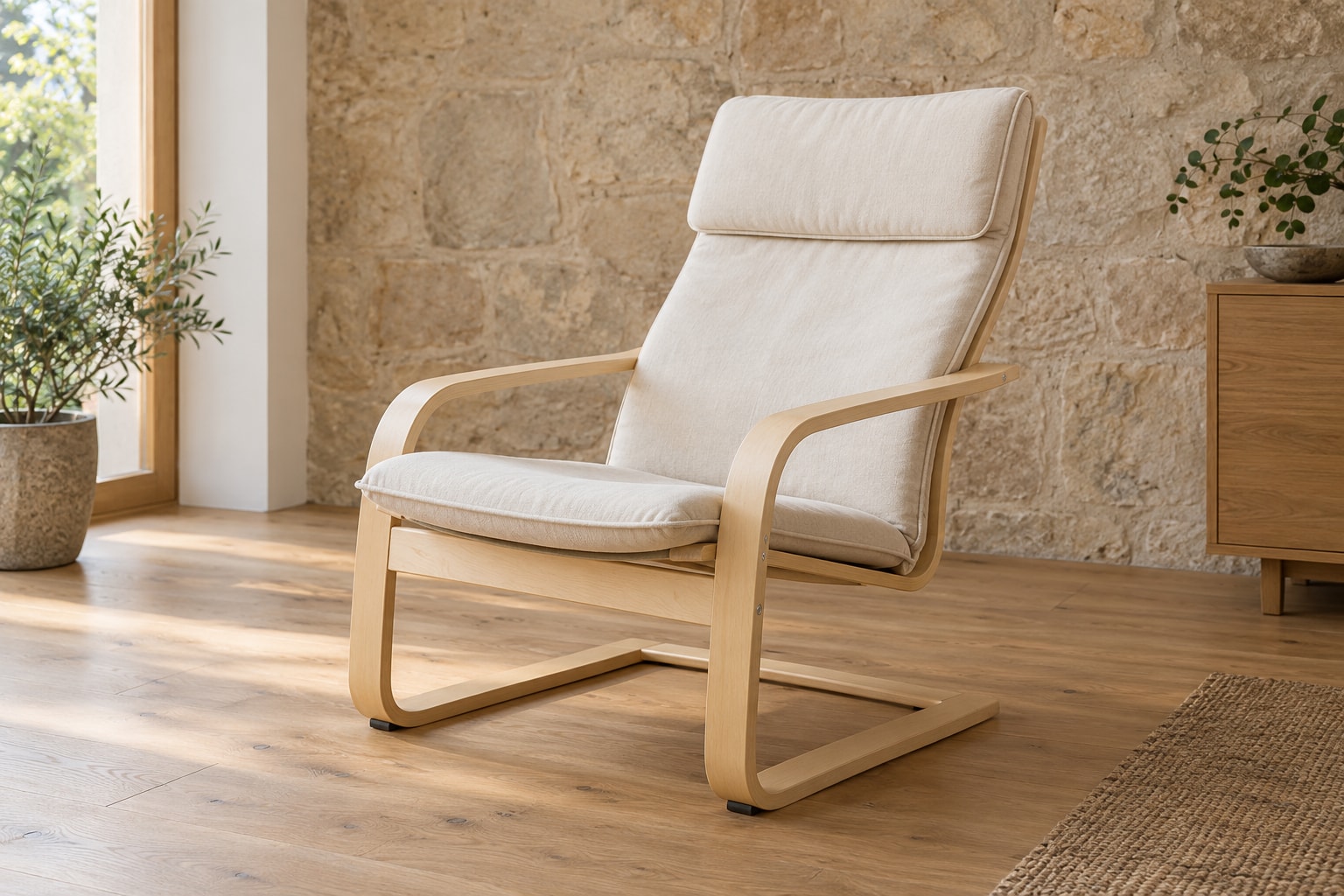
The history of IKEA POEM and POÄNG, Noboru Nakamura’s bentwood frame, its separate cushions, and how a familiar armchair uses flexibility as part of its comfort.
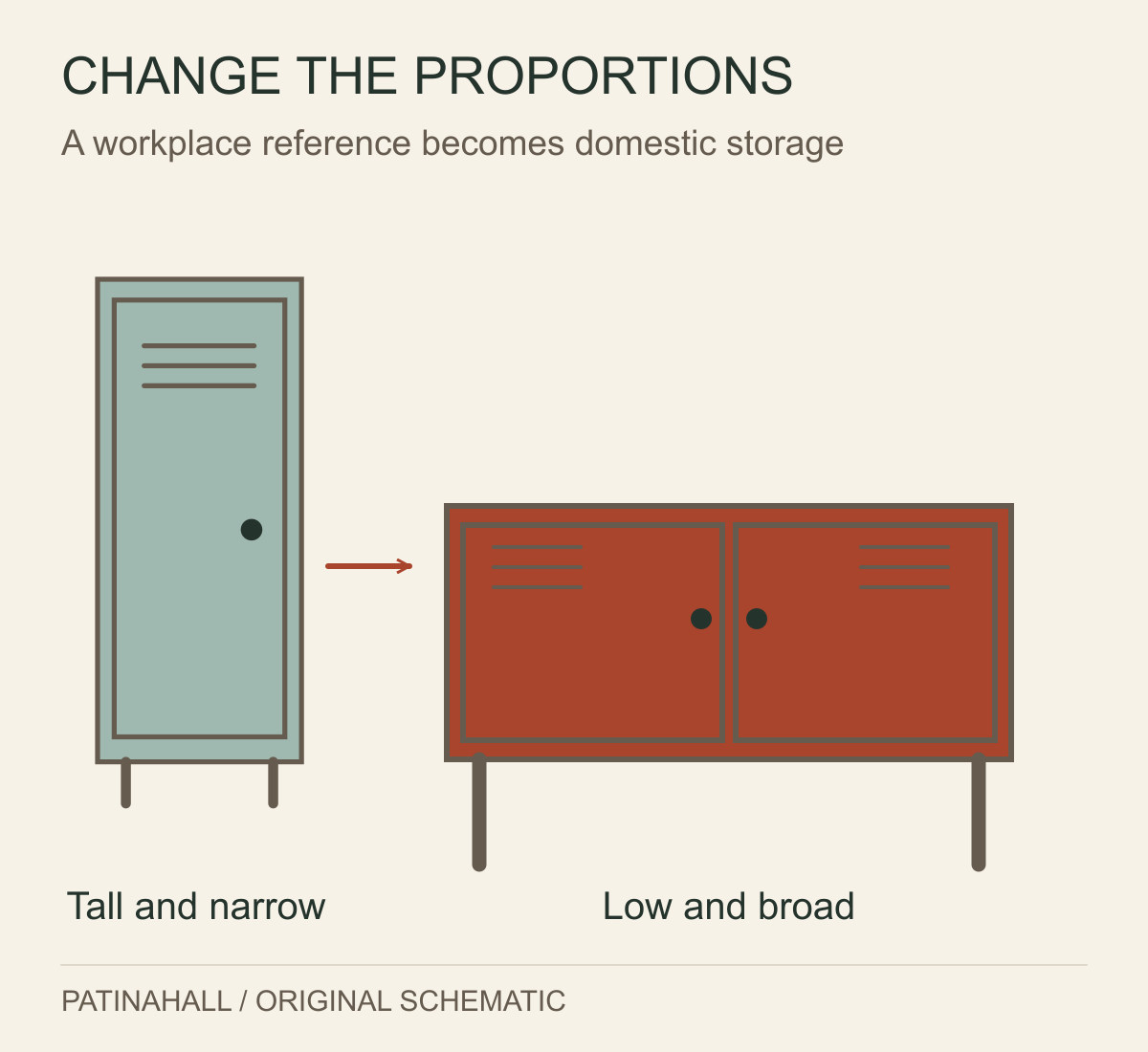
IKEA PS brought the metal locker into the living room by changing its proportions. The low cabinet owes as much to a Danish sideboard and a friend’s record collection as it does to changing-room furniture.
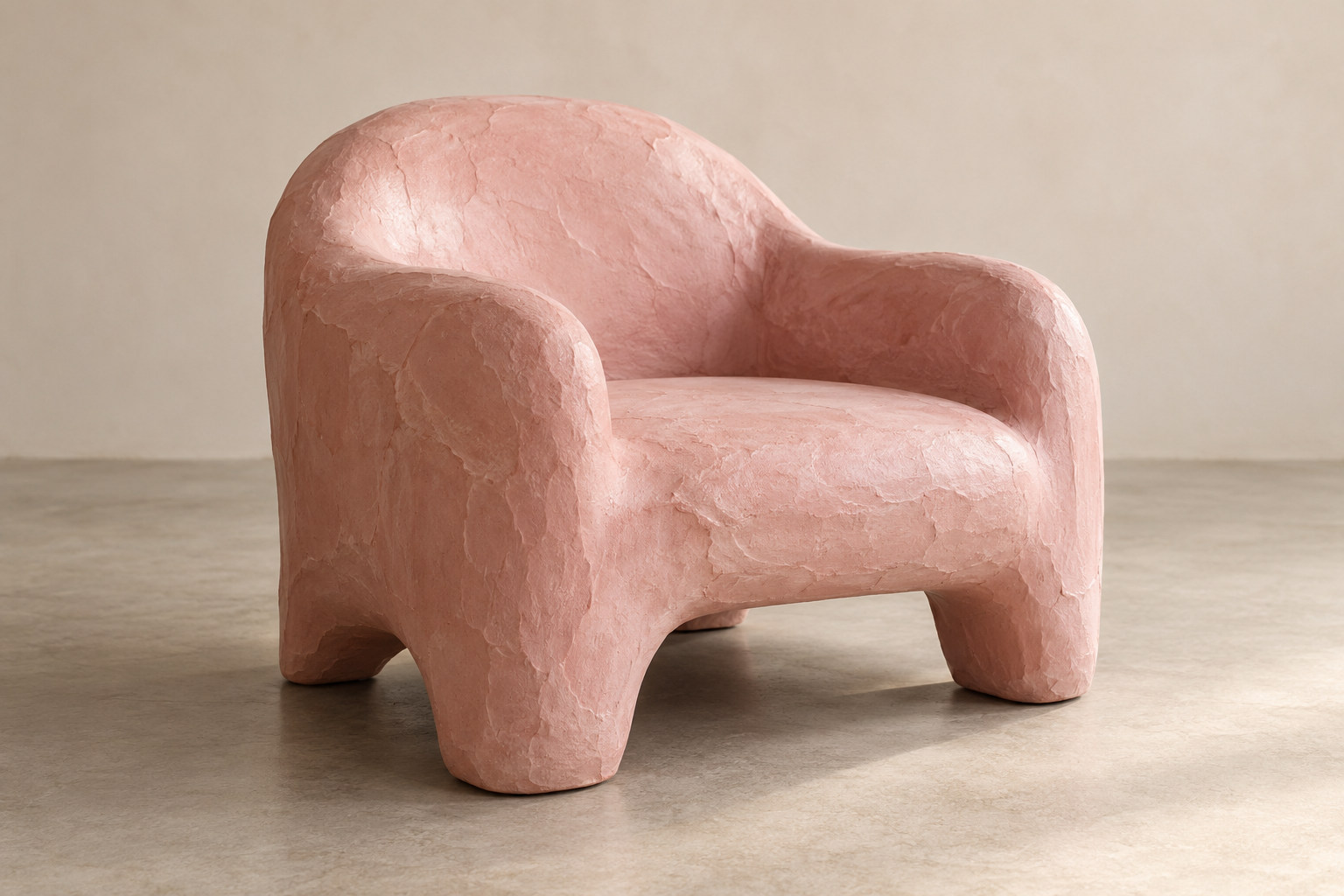
Ineke Hans’s Smallroom seating and Drawer Table show a furniture practice attentive to changing activities, from working and reading to making room to eat.
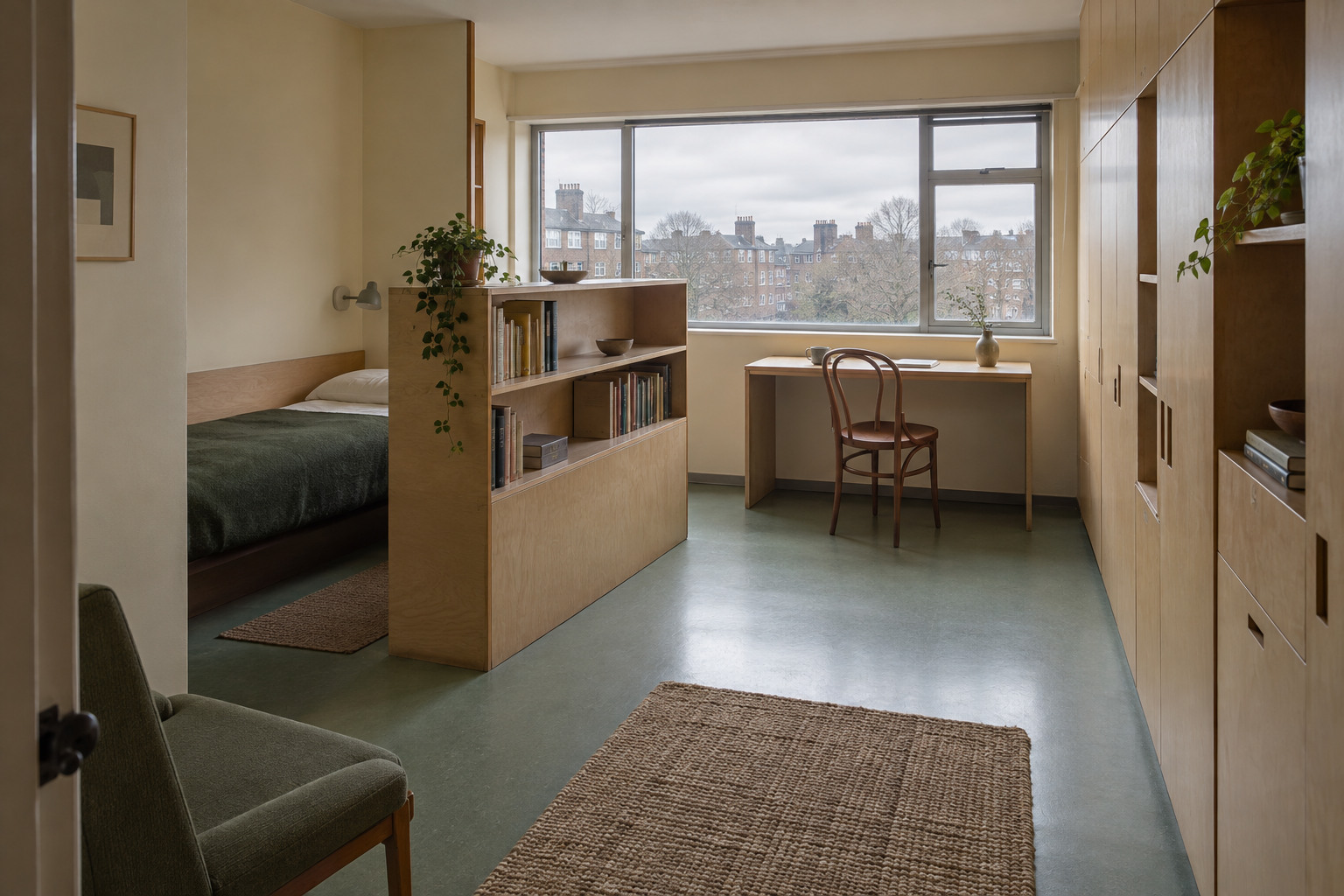
Look inside the idea of Isokon’s minimum flat, from fitted storage and a screened sleeping place to the shared facilities beyond the apartment.
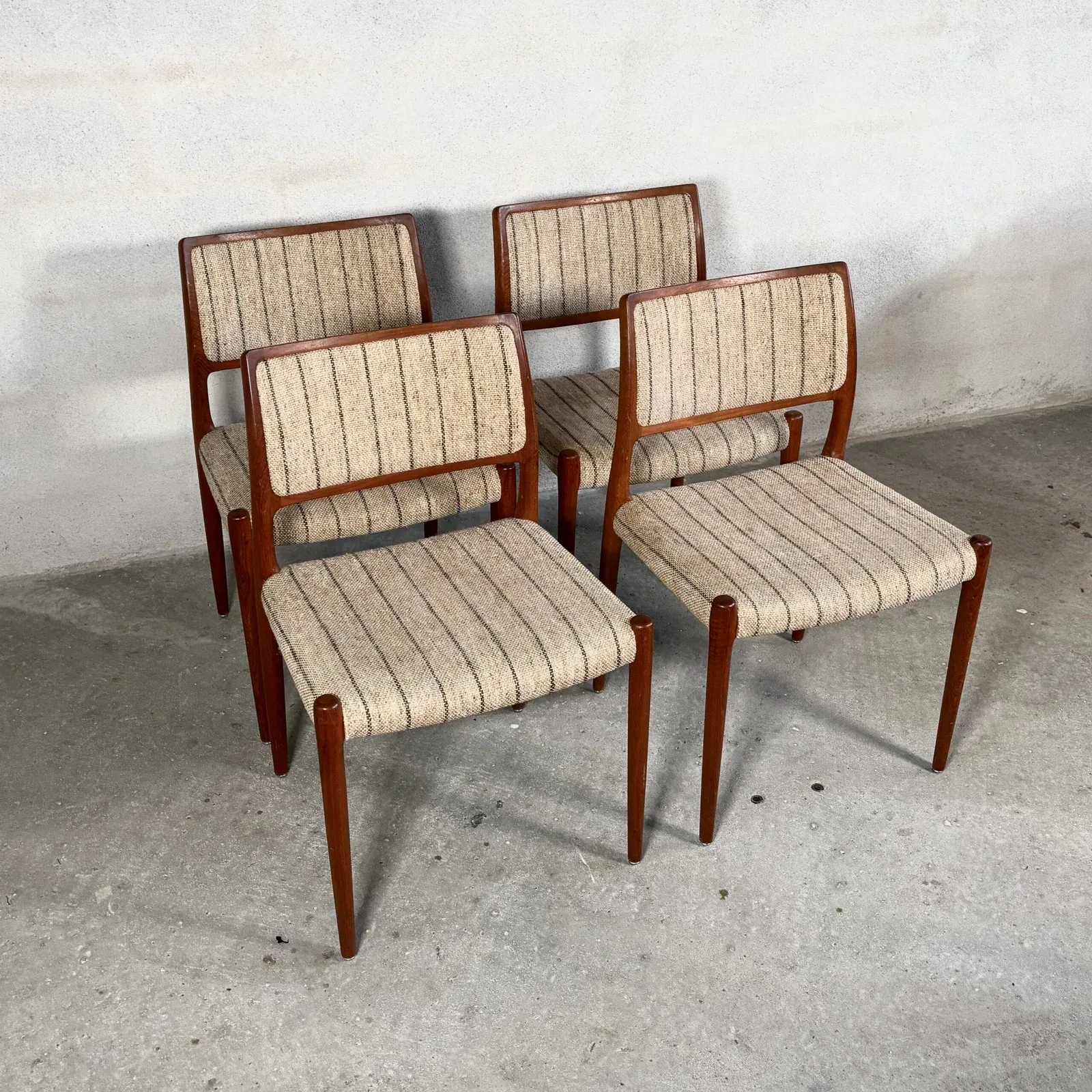
Explore Niels O. Møller’s 1968 Model 80 as a precise timber outline holding two upholstered planes rather than hiding beneath them.
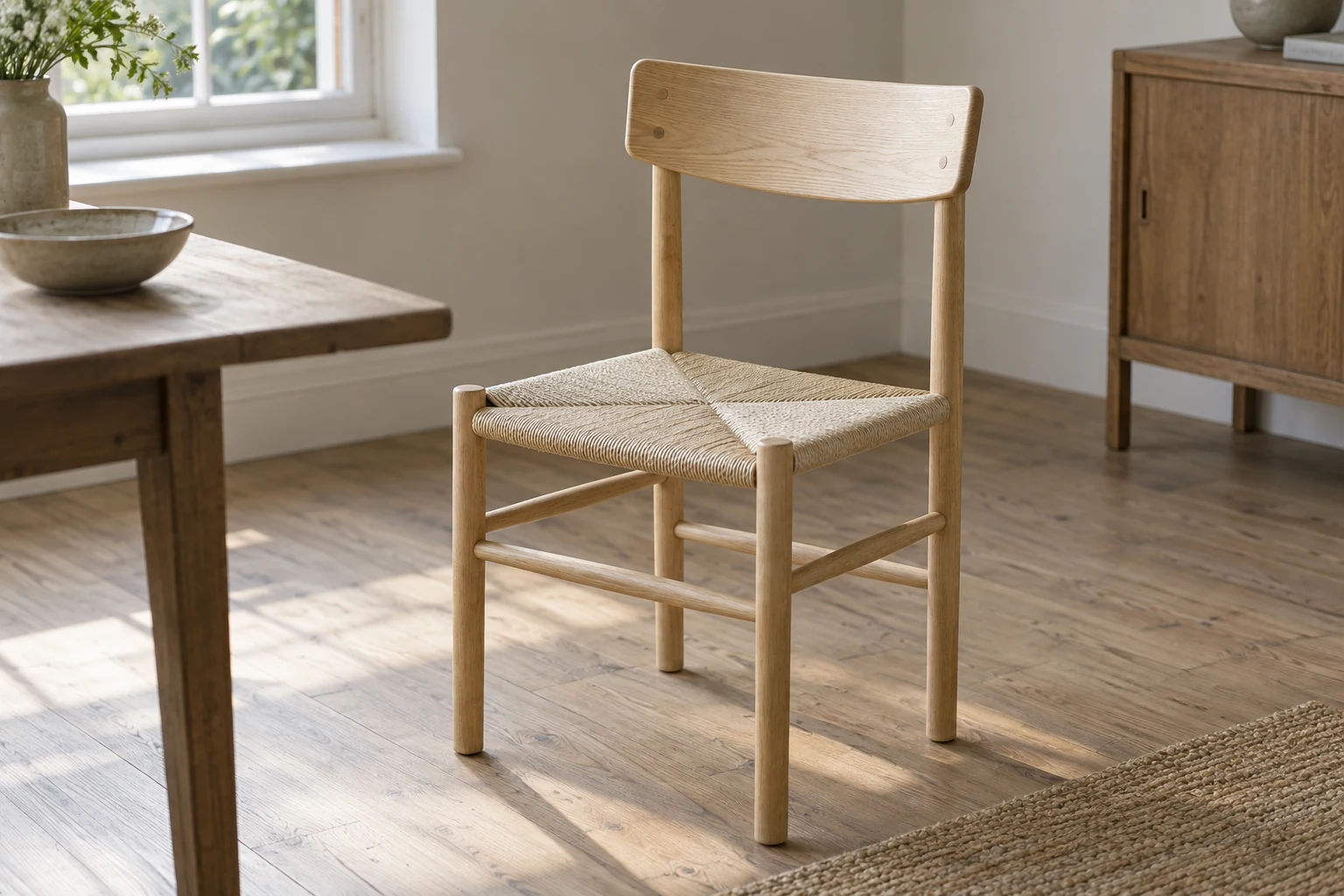
See how Børge Mogensen's 1947 J39 turns four plain legs, a curved back and a woven seat into a Danish classic whose modesty is carefully designed.
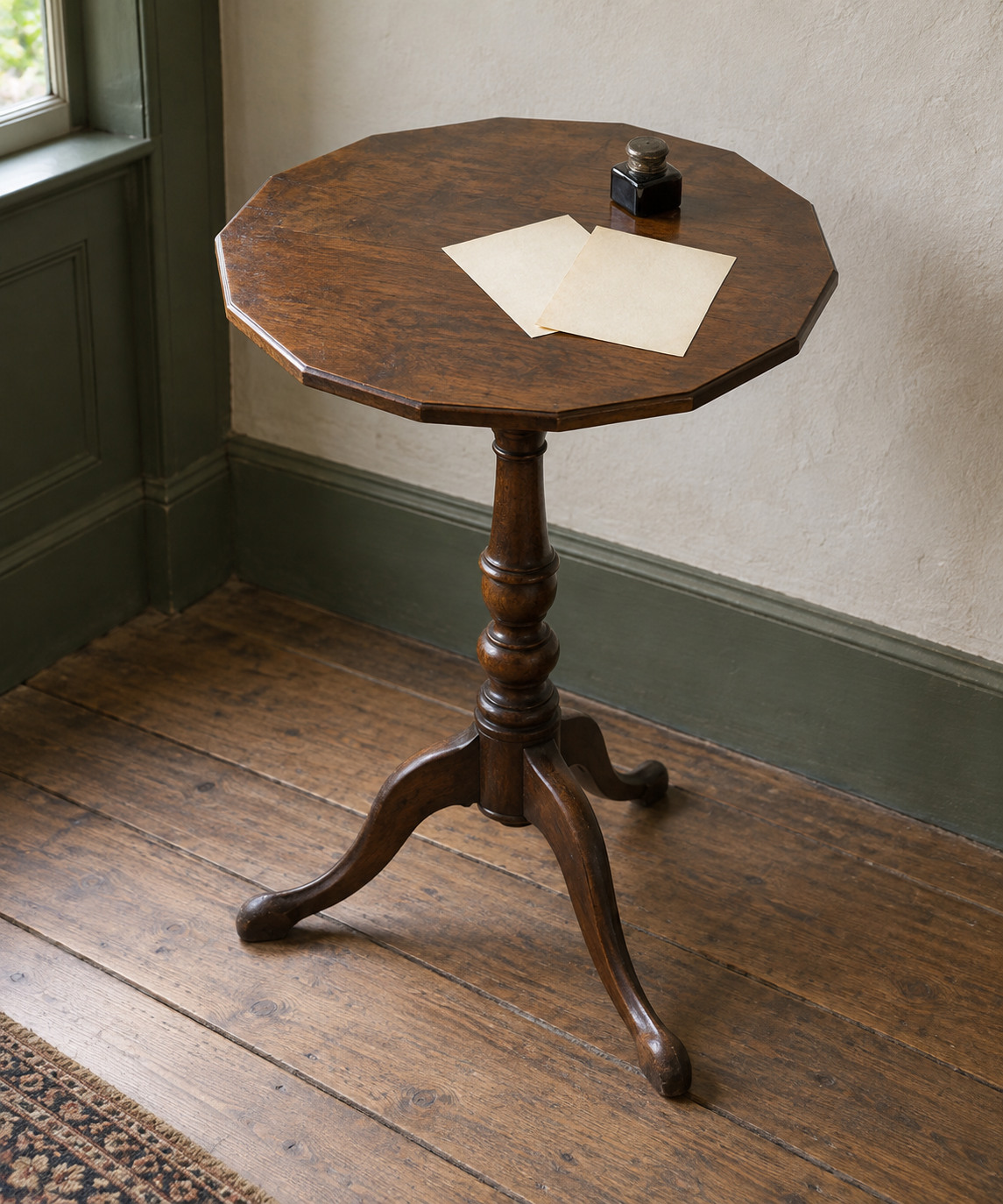
Read Jane Austen’s small writing table through its twelve-sided walnut top, the provenance note beneath it and the working life of the Chawton years.
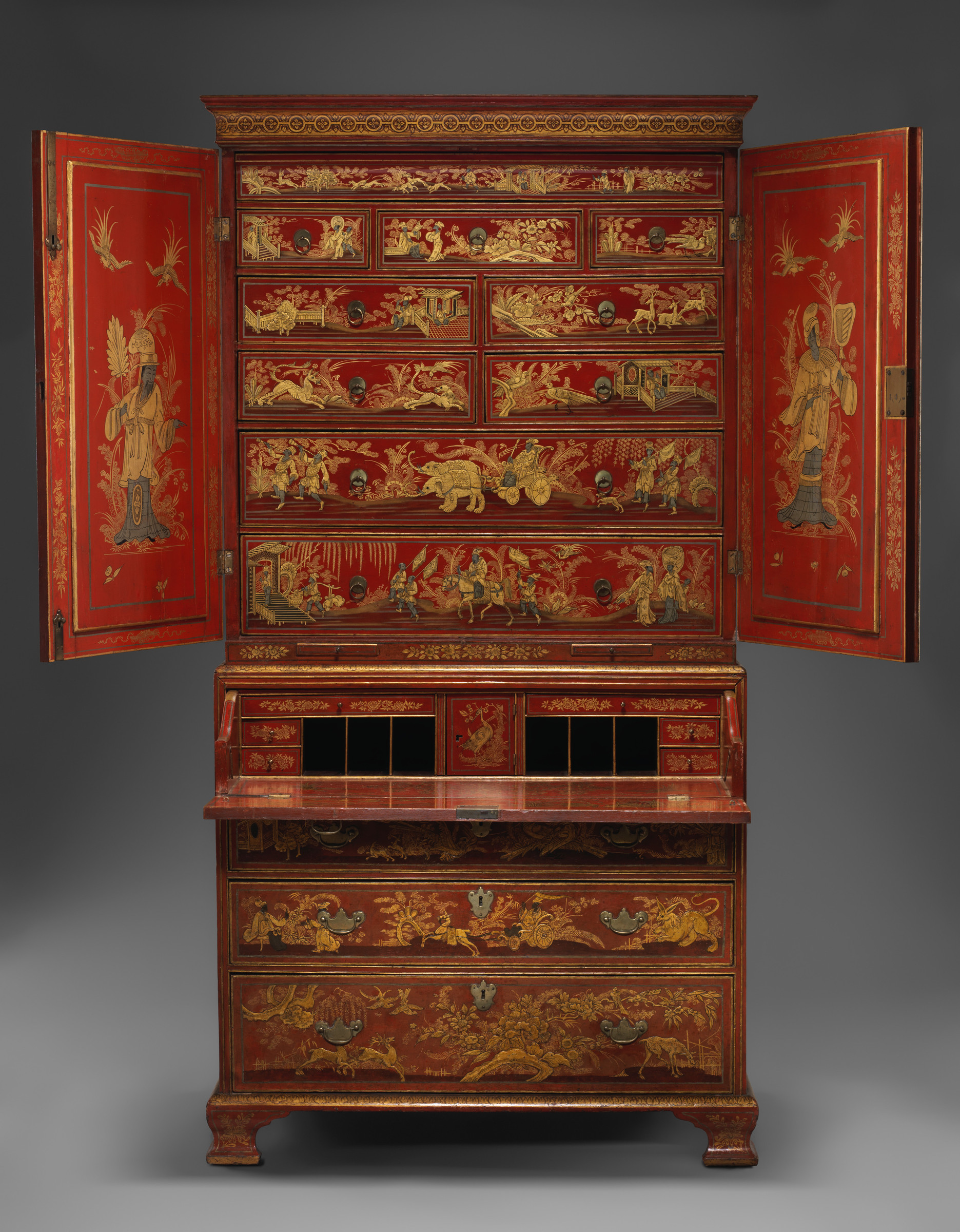
Open British Secretary Cabinet 2014.186 to see how practical storage, imported lacquer, substitute varnishes and printed patterns met on one red surface.