Designer profile

Ineke Hans: furniture that makes room for change

A laptop needs somewhere to go when dinner arrives. Ineke Hans treats such small changes of activity as furniture questions, designing the edges, storage and supporting surfaces that let a room serve people throughout a day.

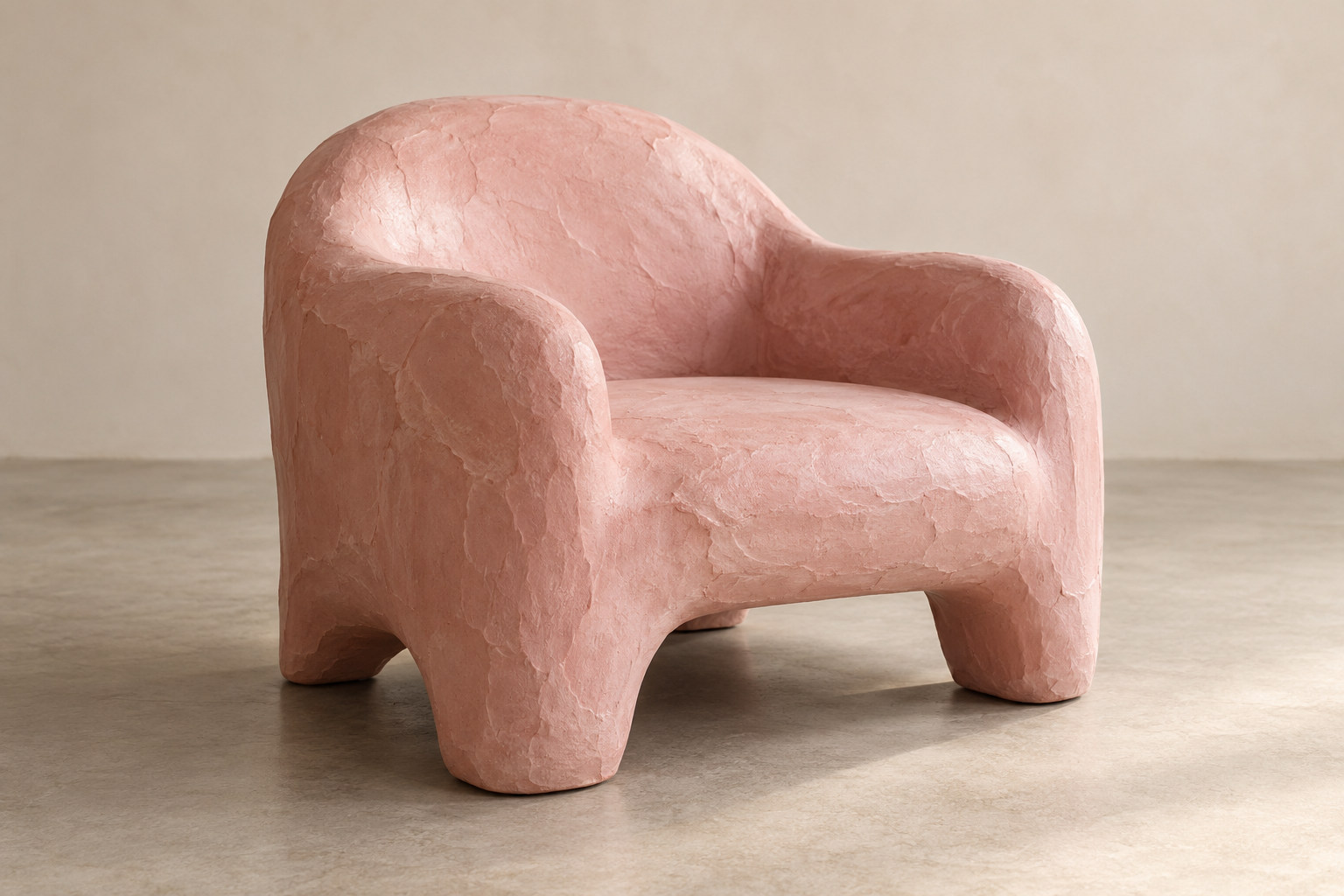
A rounded pink armchair has broad arms and a continuous irregular-looking outer surface.
PatinaHall editorial reconstruction. It is not a documentary photograph. A covered volume introduces the light-core and firm-cover idea. The pink armchair interpretation is not a material cross-section, condition record or exact reproduction of a Fracture specimen.
On this page
Key facts & takeaways

At a glance

Subject
Ineke Hans
Entry
Designer profile
Last reviewed
25 October 2026

Three things to remember

  1. Changing activities can be a starting point for design.
  2. Smallroom gives the arm of a seat several possible roles.
  3. The Drawer Table brings storage into the everyday shared table.

Somewhere for the things between activities

A table can serve breakfast, work, a newspaper and a game in the course of one day. Ineke Hans's Drawer Table starts with the moment between those activities: the objects from one need somewhere to go before the next can begin.3

Her studio dates the design for Arco to 2015. Drawers fit beneath a thin-looking top, bringing storage close to the surface people are using. The studio describes felt-like drawers made from recycled PET, sized in relation to a person's sitting place.3

The important observation is social as well as physical. Changing an activity is easier when its small belongings have a nearby destination. A drawer can help a table remain shared space.

The arm becomes useful space

Smallroom, dated 2012 and developed for Offecct, asks another question about an easily overlooked area: what can the arm of a seat do? Hans's project account describes options for ordinary upholstered support, a working surface or a shallow container for reading material and plants.2

The arm becomes the boundary between a seated person and the larger room. Giving that boundary a surface or a container changes what can happen beside the seat.

The back and side panels address a related balance. The studio describes them as giving privacy while keeping the surrounding space visually open. Furniture helps define a smaller place within a room, at the scale of someone sitting down.2
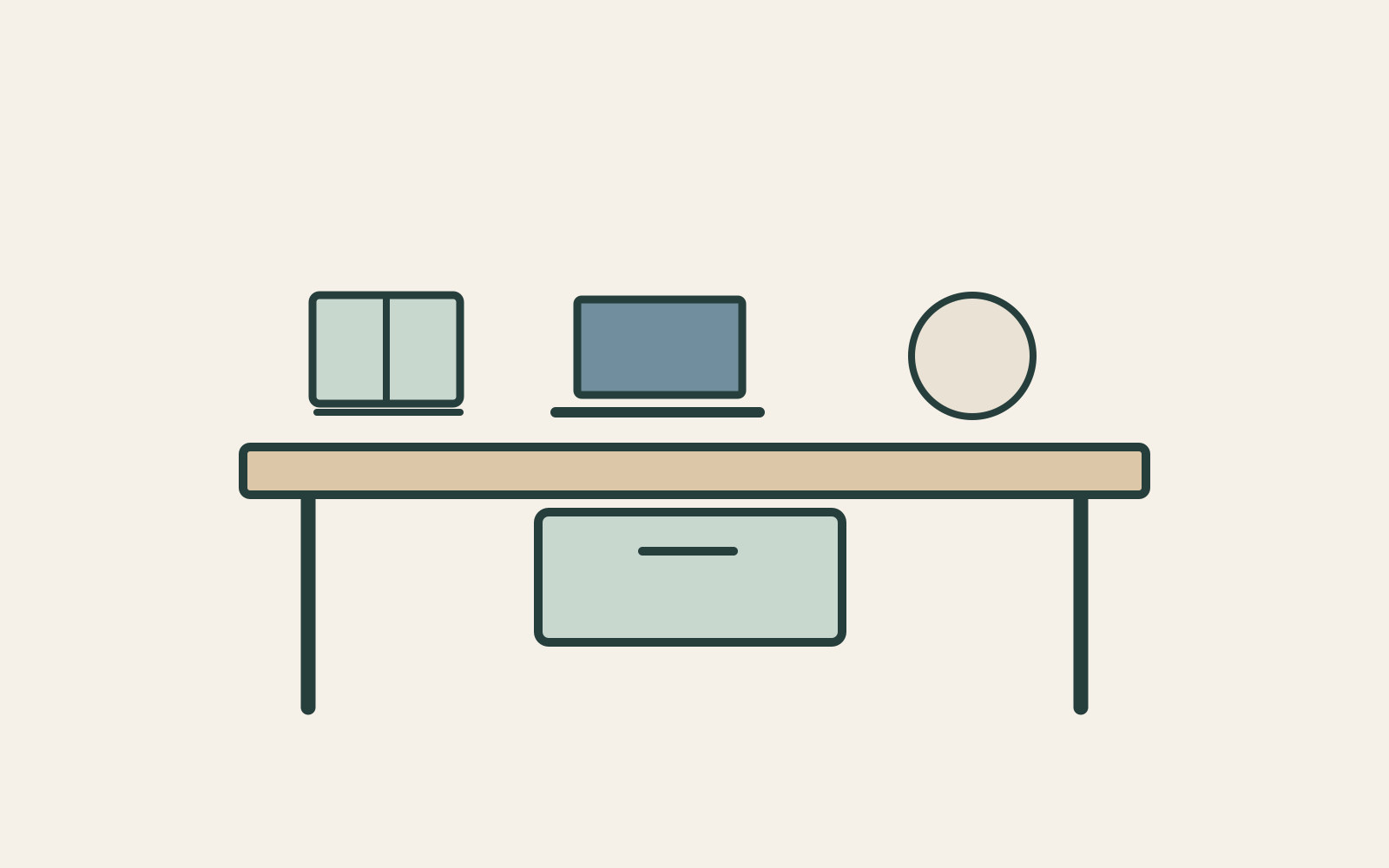
A shared table has changing activity symbols above and nearby storage beneath.
Nearby storage can help one shared surface serve different activities. Original PatinaHall schematic, not to scale; the arrangement explains the profile’s question rather than reproducing Drawer Table.

Designing around social habits

Hans's studio biography identifies social context as a recurring concern in her furniture, products and spaces. She set up her studio in the Netherlands in 1998, with furniture and product collections alongside later client work.1

The two projects give that broad interest a concrete form. One looks beneath a tabletop; the other looks beside a sitter. Both find useful space in a familiar piece of furniture by paying attention to what people are trying to do.

That is a rewarding way to look at Hans's work. Start with an ordinary transition—put the laptop away, pick up a book, move from conversation to work—and notice the small part designed to make room for it.
Research notesEvidence, connections and limits

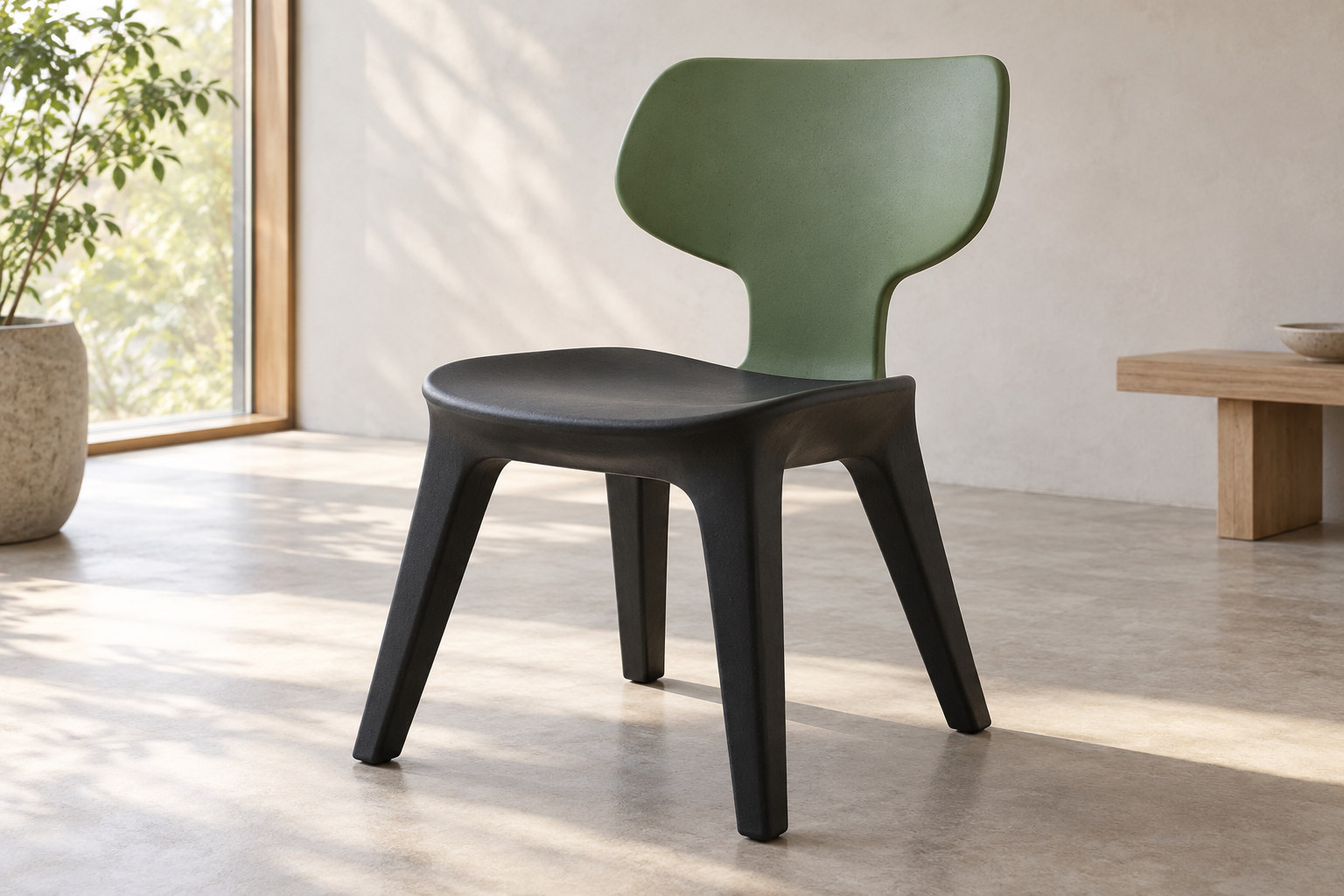
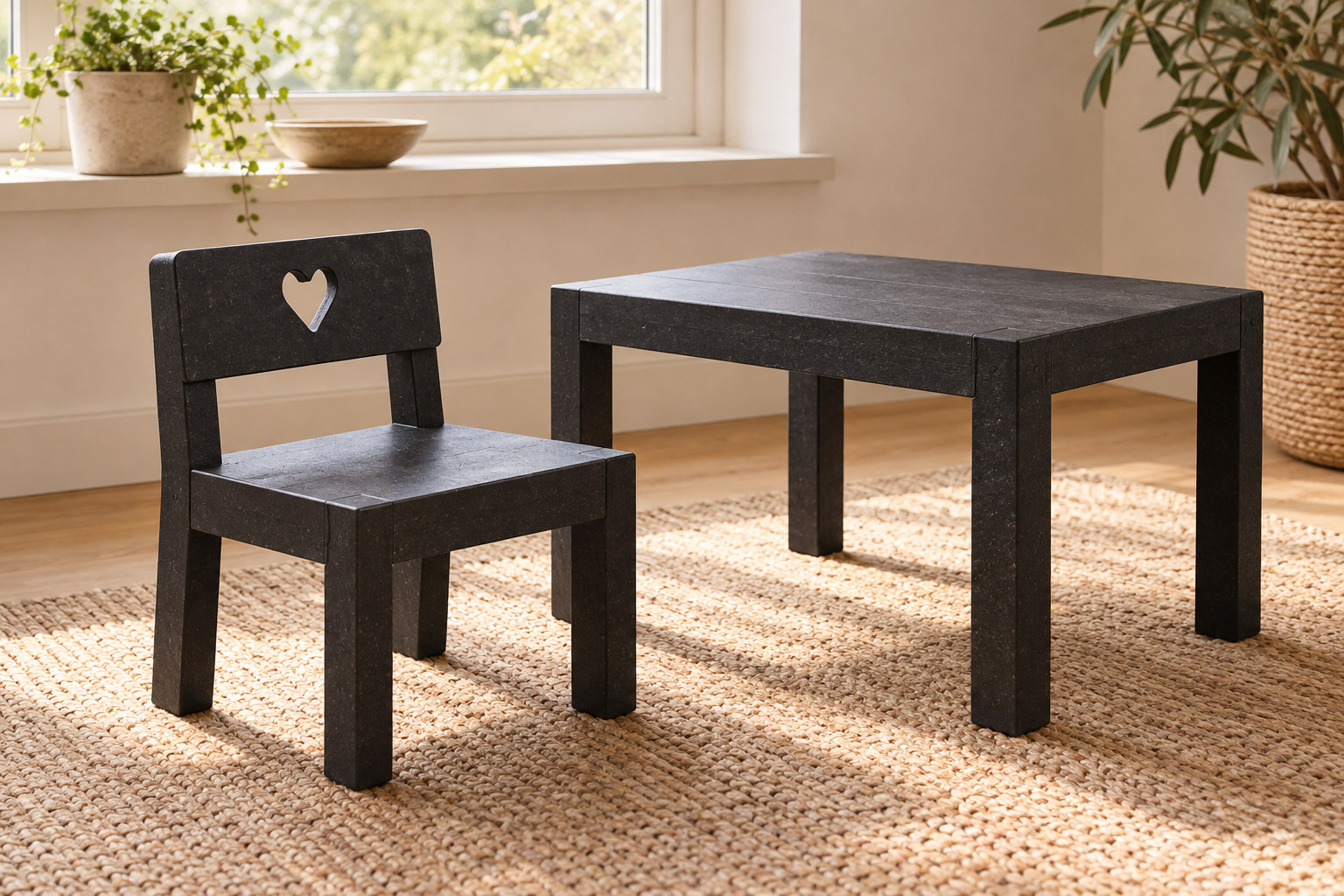
The project descriptions explain particular designs and their intended uses, rather than proving that every configuration suits every person or room. They do not make the pictured related Fracture work a portrait or a documentary view of Hans’s studio.

Evidence map

Connected subjects and evidence

Reviewed connections

  • REX chairdesigned byIneke Hansdocumented

    The cited record explicitly identifies this designer for the repeatable design or coherent project family.

    Reviewed 23 October 2026 by PatinaHall editorial.
  • Fracture Furnituredesigned byIneke Hansdocumented

    The studio credits Ineke Hans and identifies INEKEHANS/ARNHEM with the early experiments. Cappellini's later selection and distribution are separately recorded roles.

    Reviewed 25 October 2026 by PatinaHall editorial.
    • Source 52006 heading; making process; exhibition and production credits
    • Source 62007 heading; materials and selected collection; distribution

Research trail

Sources and further reading

  1. Ineke Hans: On InekeIneke Hans StudioAccessed 25 October 2026
  2. Ineke Hans: SmallroomIneke Hans StudioAccessed 25 October 2026
  3. Ineke Hans: The Drawer TableIneke Hans StudioAccessed 25 October 2026
  4. REX, 2021 with CircuformIneke Hans StudioAccessed 23 October 2026
  5. Ineke Hans Studio, First FracturesIneke Hans StudioAccessed 25 October 2026
  6. Ineke Hans Studio, Fracture FurnitureIneke Hans StudioAccessed 25 October 2026

Last reviewed 25 October 2026. Found an error or a stronger primary source? Contact PatinaHall.