A chair includes its next destination
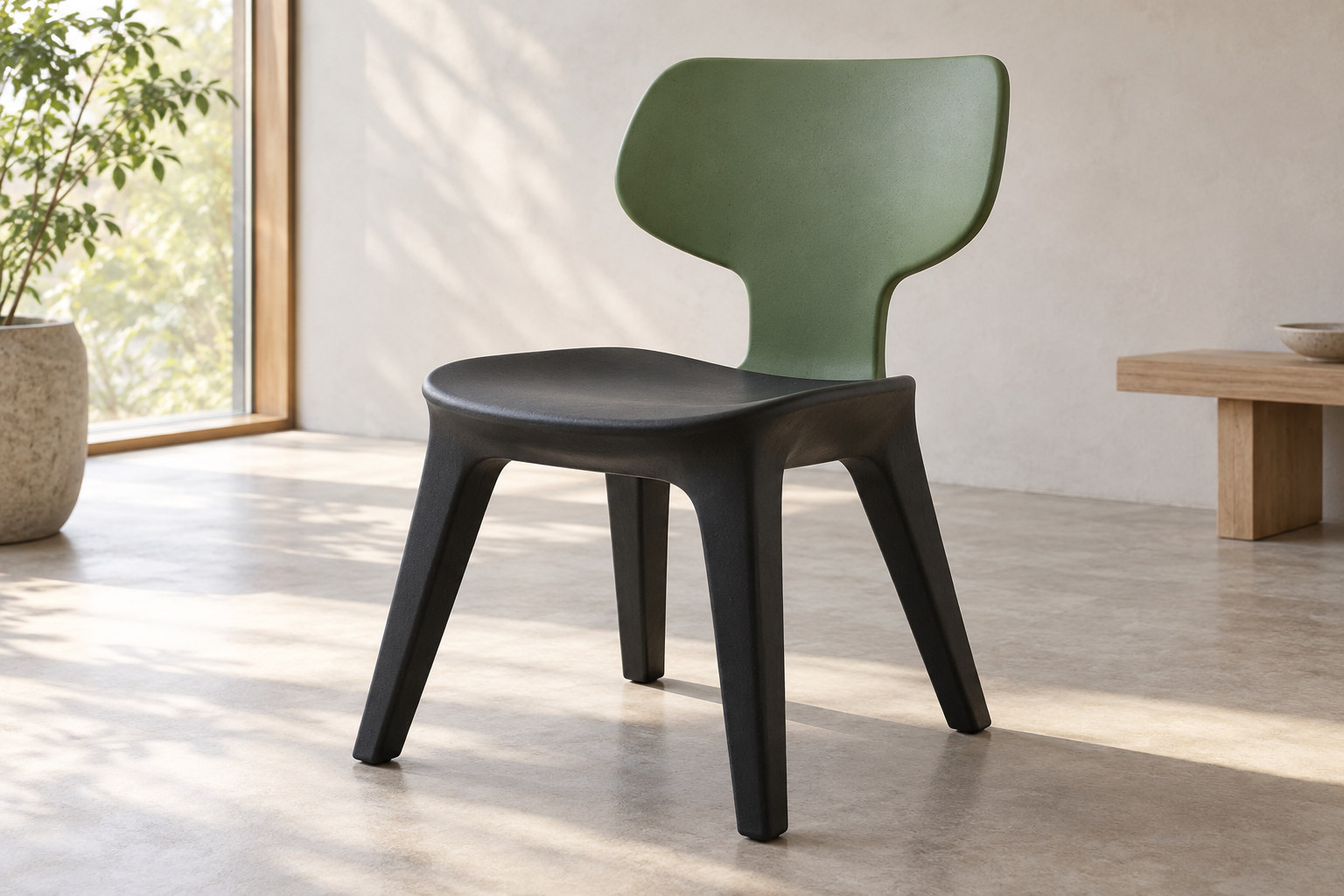
A chair usually arrives with instructions about using it. REX also arrived with a proposal about returning it. Ineke Hans’s studio dates the Circuform project to 2021 and identifies recycled PA6 as its material.1 The return route is part of the design’s offer, alongside the seat, back and supporting legs.
This gives an ordinary object a larger frame. The question is not only where the chair will go in a room, but where it can go when that room no longer needs it. A later life is considered while the product is being developed, rather than left entirely to its last user.
Parts and organisation belong together
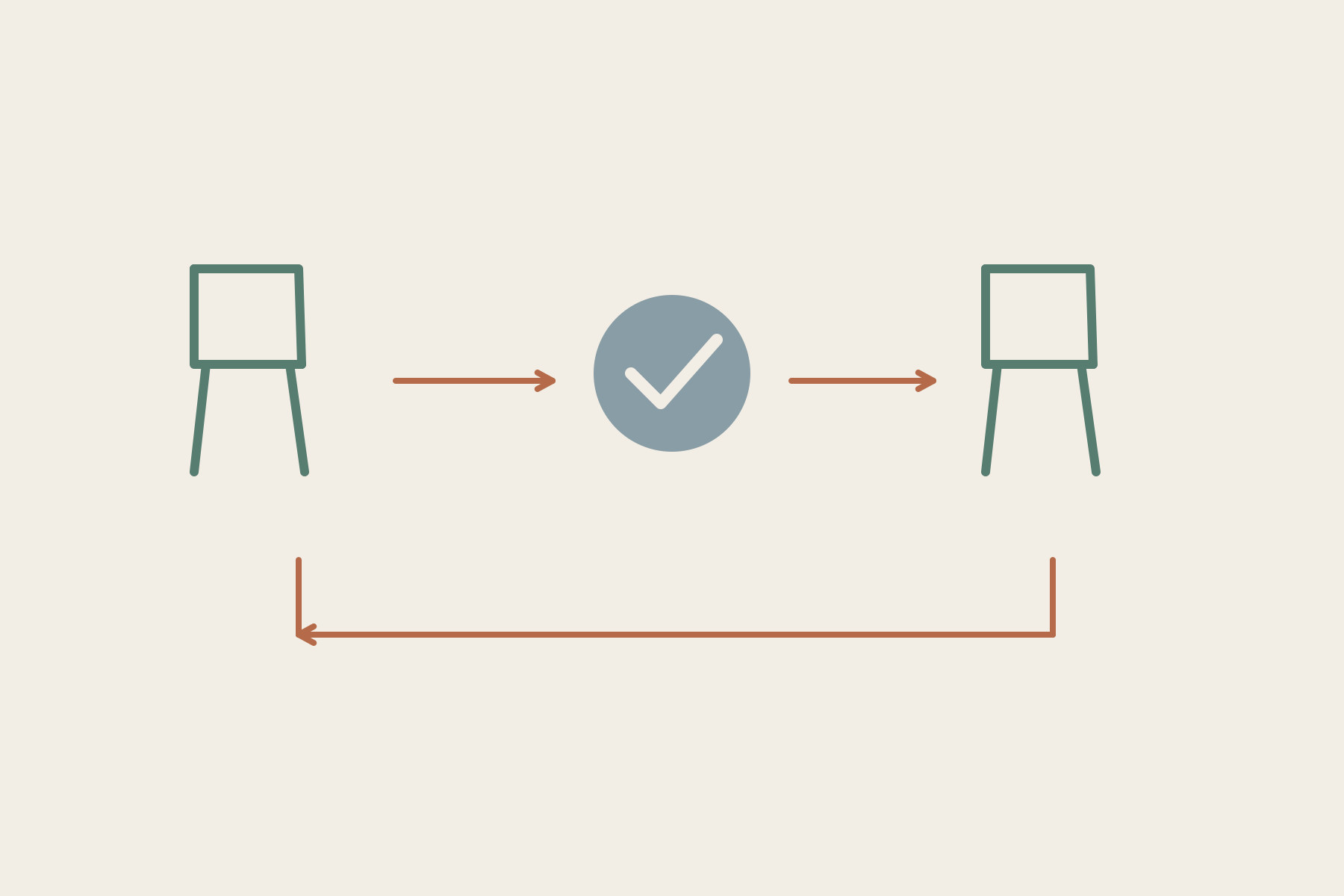
The REX project develops Hans’s 2011 chair design, with separately formed seat and back components. The recognisable furniture form is accompanied by an organised route through collection and assessment. Circuform’s account describes returned chairs being checked, cleaned, repaired and offered again, with damaged material directed towards reprocessing.2
These are different sorts of design work. A component can be shaped for manufacture, while a service makes it possible to bring a used object back into view. The second task needs people, places and decisions as well as a suitable material. Simply calling a plastic recyclable would not do all of that work.
A useful promise has a specific scope
The documented deposit scheme explains the project’s thinking; it is not a current financial offer from this article. Nor does the scheme by itself establish how many chairs actually return or quantify an environmental saving.
Its interest is concrete enough without those assumptions. REX makes the handover after use part of a familiar product’s story. The chair is asked to be useful in a room, and its producer is asked to remain part of the conversation afterwards.