Design story

Fracture Furniture: a light core gets a firm skin

Fracture Furniture starts with a division of labour: a light core provides volume, while a hardening outer covering helps make it furniture. Ineke Hans developed the idea through an exhibition that gave experimentation time and space.

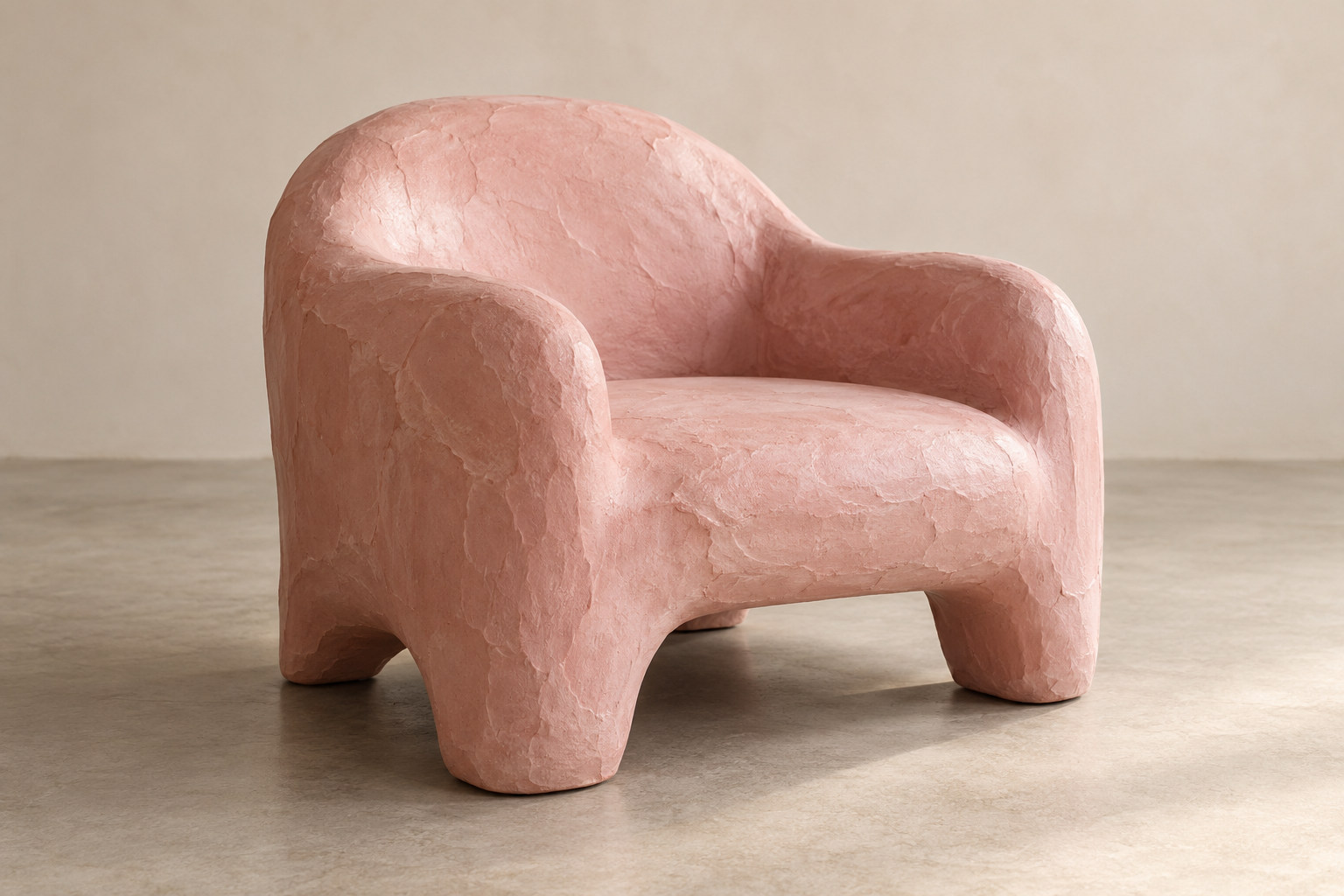
A rounded pink armchair has broad arms and a continuous irregular-looking outer surface.
PatinaHall editorial reconstruction. It is not a documentary photograph. A covered volume introduces the light-core and firm-cover idea. The pink armchair interpretation is not a material cross-section, condition record or exact reproduction of a Fracture specimen.
On this page
Key facts & takeaways

At a glance

Subject
Fracture Furniture
Entry
Design story
Last reviewed
25 October 2026
First presented
2006documented

Three things to remember

  1. The core and covering do different jobs.
  2. First Fractures was an experimental 2006 project.
  3. The selected 2007 collection has its own material description.

Volume first, surface next

A chair can look substantial without being solid throughout. Ineke Hans's Fracture Furniture makes that distinction the basis of its construction: a very light polystyrene core gives the object volume, then a hardening cover wraps around it.1

The two materials have different jobs. The core offers a form to work over; the covering changes what that form can become. The studio's early account compares the wrapping material to the bandage used around a broken arm. It is an unexpectedly familiar analogy for a chair-making experiment.1

This helps explain why the surface deserves attention. It belongs to the making of the object, rather than arriving simply as decoration after the structure is finished.

Time out for an experiment

The first models appeared in 2006 at Mayday for Playday. Hans describes the exhibition as time away from commissions, giving the studio room to try materials uncommon in furniture. The experiments ranged across stools, tables, coatstands and different kinds of chair.1

The range matters. A technique was being explored through several everyday forms, each asking something different of the same basic relationship between core and cover. A seat makes the question immediate because its volume must also become somewhere for a person to sit.
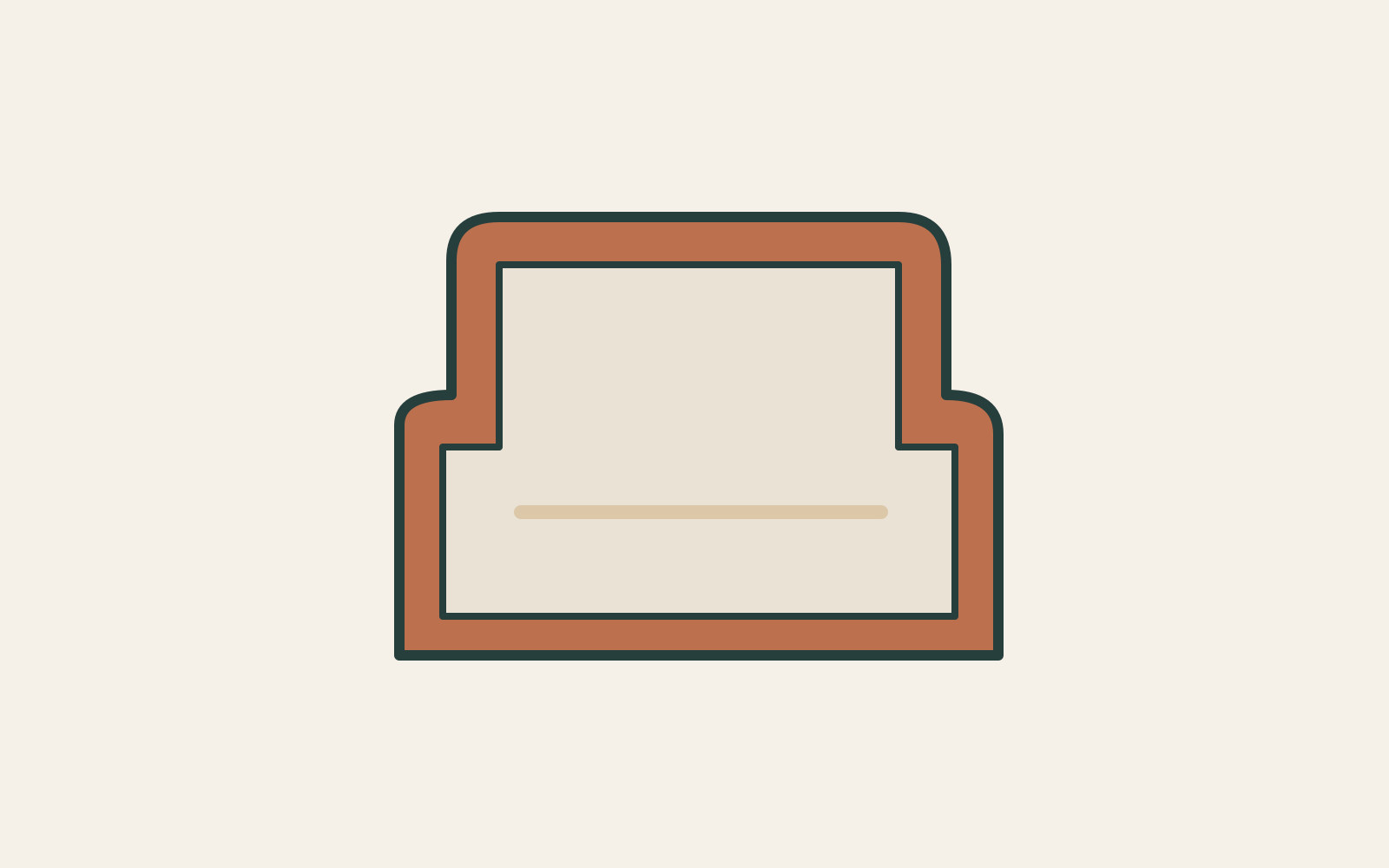
A pale seat-like volume is enclosed by a contrasting outer band.
Core and cover have different roles. Original PatinaHall schematic, not to scale; this is a conceptual material relationship, not a section through a particular Fracture object.

An experiment becomes a selection

A separate studio account describes the selected Fracture Furniture collection of 2007. It specifies polystyrene inside, synthetic resin around it and a polyester surface, with Cappellini distributing the work. Armchair and stool forms brought the material investigation into a more focused group.2

The selected pieces were available in red, pink and black. Colour makes their volumes easy to notice, but the more surprising idea sits beneath that visible finish: the light interior and the harder outside are working together.2

The title offers a useful way back into the object. Think of wrapping as a making action, then look at the resulting chair. The thing that seems to finish the form is also part of what allows that form to become furniture.

Research notesEvidence, connections and limits

The studio describes two stages of the work. Its lightness and strength aims do not establish a certified load capacity, curing instruction or environmental benefit; Cappellini’s distribution role is not treated as a factory credit.

Evidence map

Connected subjects and evidence

Reviewed facts

  • First presented 2006documented

    The studio identifies the first Fractures experiments with Mayday for Playday in 2006. Cappellini's selected collection is described separately in 2007.

    Reviewed 25 October 2026 by PatinaHall editorial.
    • Source 12006 heading; making process; exhibition and production credits
    • Source 22007 heading; materials and selected collection; distribution

Reviewed connections

  • Fracture Furnituredesigned byIneke Hansdocumented

    The studio credits Ineke Hans and identifies INEKEHANS/ARNHEM with the early experiments. Cappellini's later selection and distribution are separately recorded roles.

    Reviewed 25 October 2026 by PatinaHall editorial.
    • Source 12006 heading; making process; exhibition and production credits
    • Source 22007 heading; materials and selected collection; distribution
  • Fracture Furnitureuses techniqueHardening cover around a light Fracture furniture coredocumented

    The early work used a polystyrene core and a hardening bandage-like covering. The 2007 account describes the selected range's resin covering and polyester surface.

    Reviewed 25 October 2026 by PatinaHall editorial.
    • Source 12006 heading; making process; exhibition and production credits
    • Source 22007 heading; materials and selected collection; distribution

Research trail

Sources and further reading

  1. Ineke Hans Studio, First FracturesIneke Hans StudioAccessed 25 October 2026
  2. Ineke Hans Studio, Fracture FurnitureIneke Hans StudioAccessed 25 October 2026

Last reviewed 25 October 2026. Found an error or a stronger primary source? Contact PatinaHall.