Know the work behind the outline
Montis records Gerard van den Berg’s technical education in furniture manufacture at the MTS in Rotterdam. It identifies him as a company co-founder and a designer associated with Montis until 1990.1
The background matters because upholstery is a meeting of different kinds of work. A frame, shaped padding and a sewn cover must make sense together. A relaxed appearance can depend on quite deliberate decisions about where a surface turns or gathers.
A jacket and a catching glove
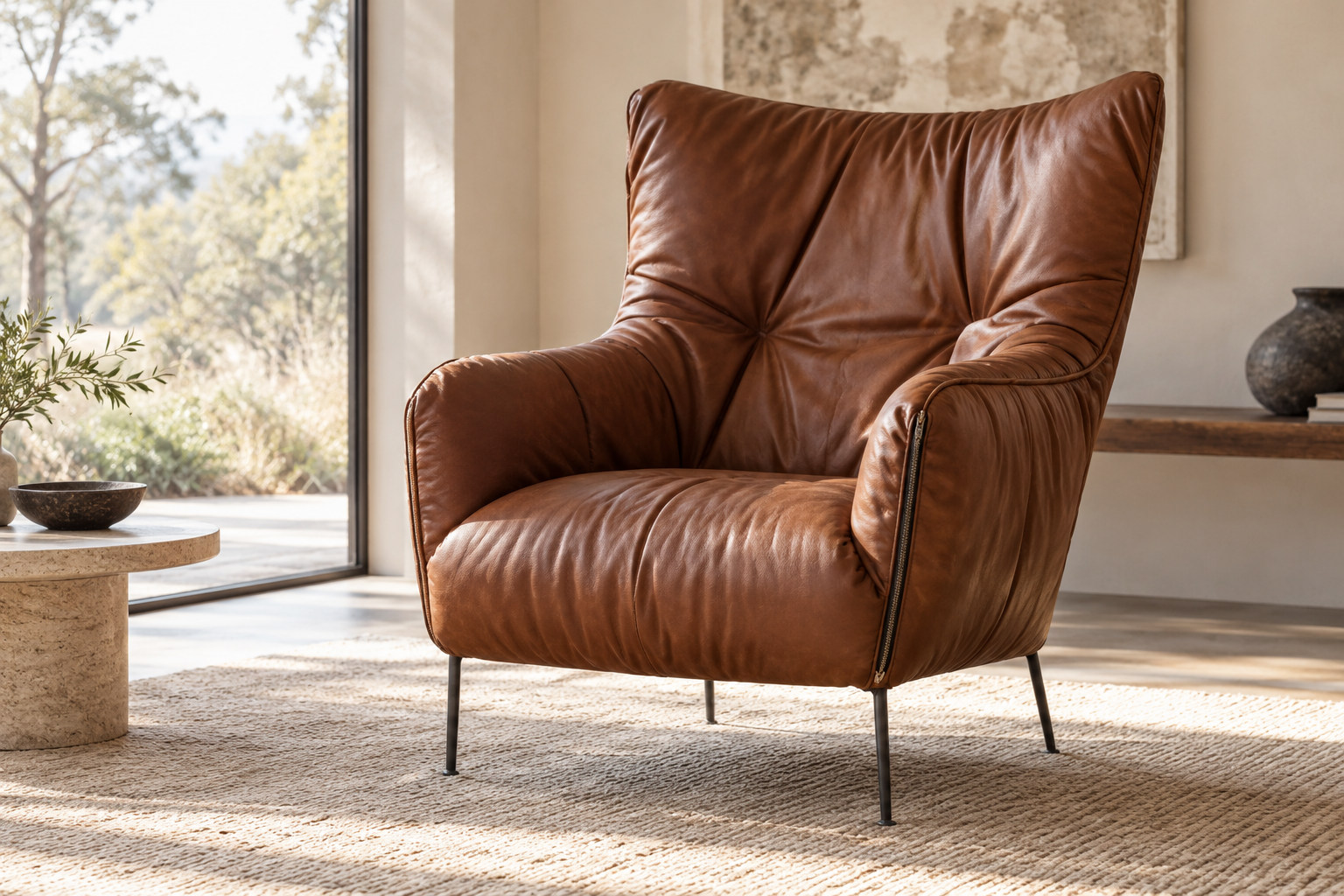
Charly’s padded-cover idea makes the outer surface look like a garment. Montis’s technical sheet records the chair with Van den Berg and 1983, distinguishing the current standard model from Charly Flex.3
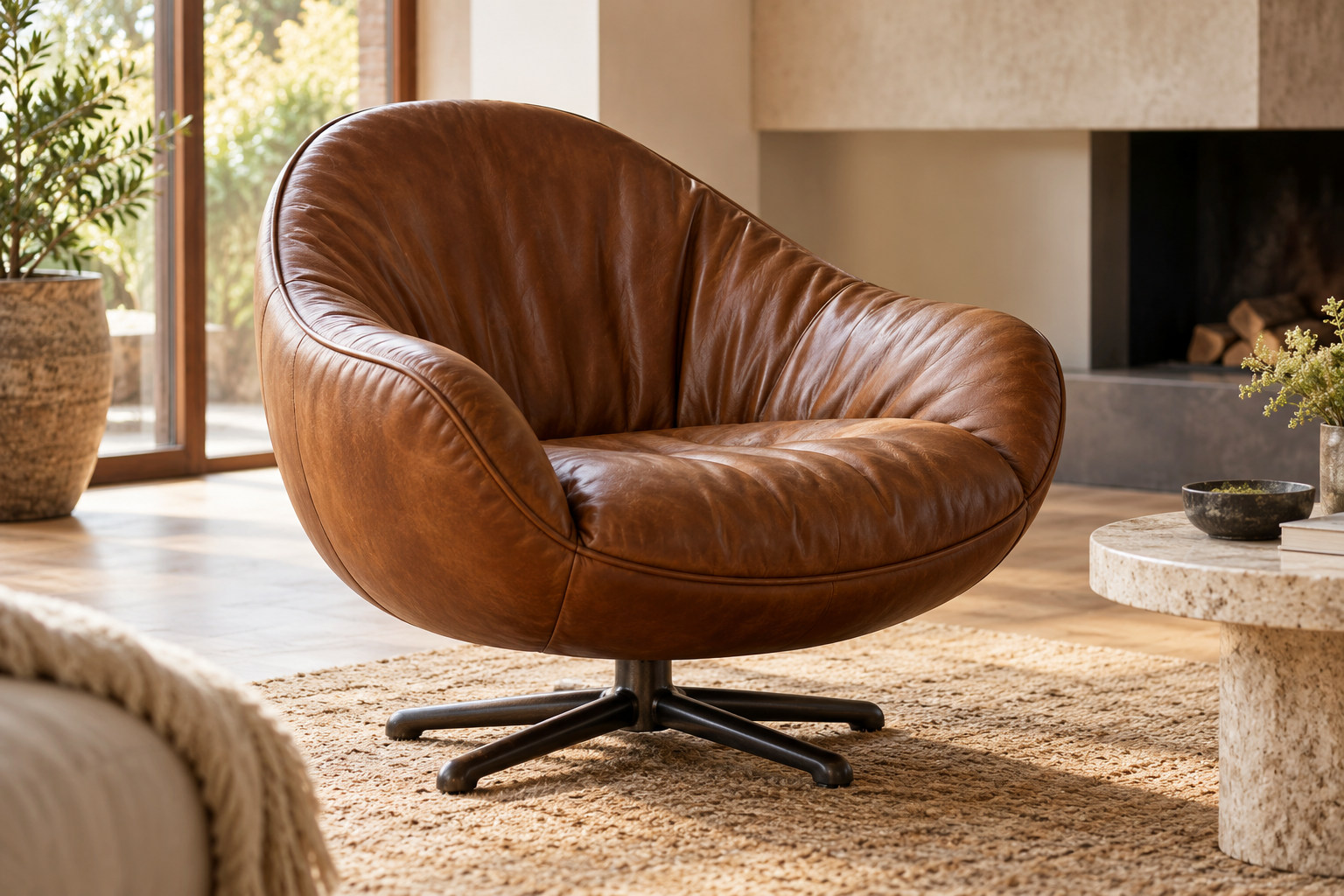
Hidde uses another accessible reference. LABEL describes its inspiration as a baseball glove and names the chair after the designer’s eldest grandson.4 The cup becomes a way to think about a seated body. The two chairs offer different starting images for the practical task of shaping upholstery.
Furniture knowledge can be a family inheritance
LABEL’s account describes Gerard and Ton growing up in their father’s furniture factory in Hellevoetsluis. It carries that family story into another generation and identifies LABEL’s beginnings in 1991.2
Such a history does not make every chair the same. It helps explain a continuity of attention: forms are developed by people who know that a cover has to be cut, padding shaped and a structure made. Soft furniture can reveal that knowledge through the confidence of its outline.