Design story

Cube 430: a new centre for the living room

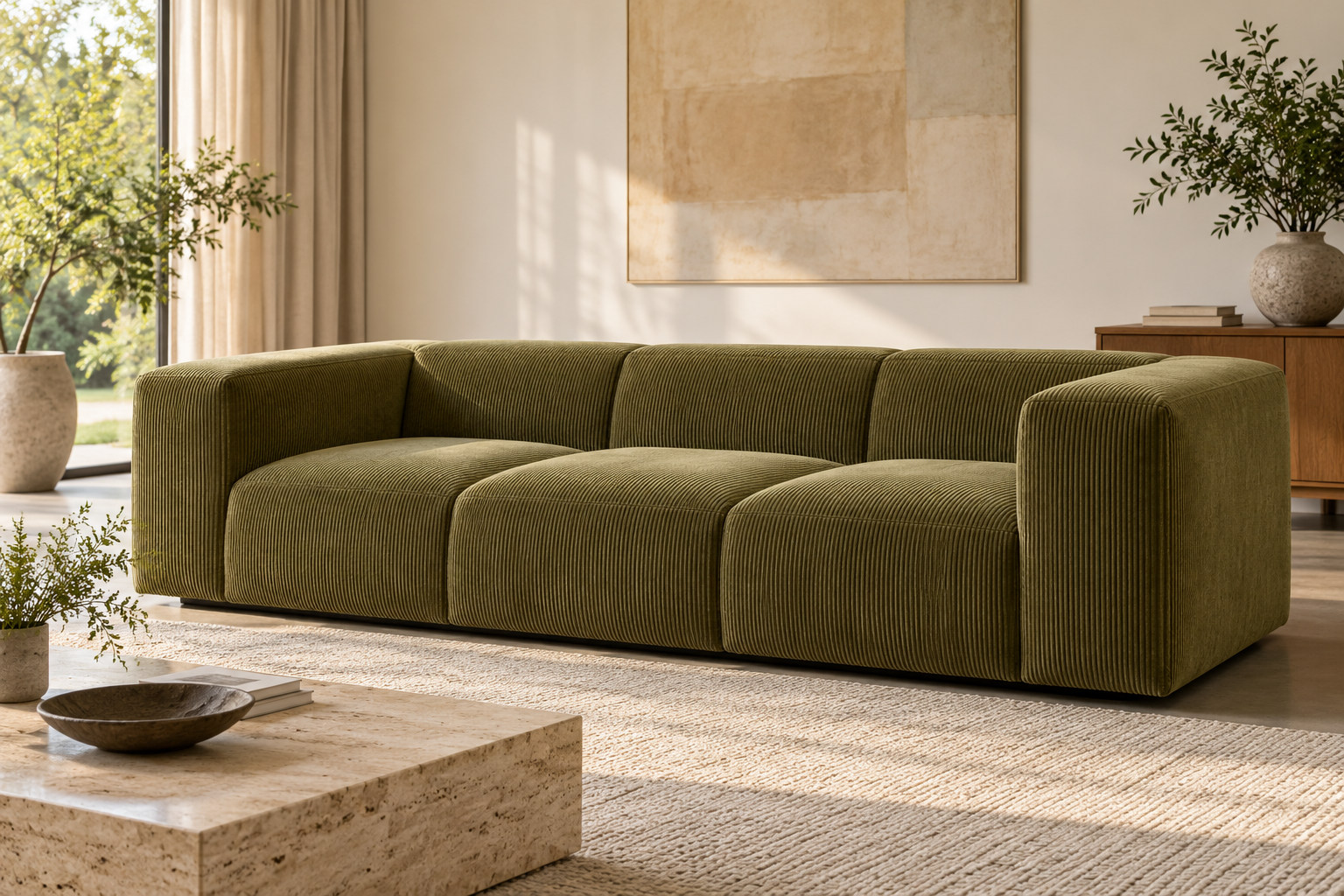
A sofa can organise a room before anyone sits down. Jan des Bouvrie’s Cube 430 gives the sitting area a clear, fully upholstered block: soft surfaces held within an angular outline. Its simplicity makes sense beside the changing place of the sofa in the Dutch living room.

Low angular upholstered sofa interpretation with square arms and back organised as one block.
PatinaHall editorial reconstruction. It is not a documentary photograph. The upholstered back, arms and seats collect within a clear rectangular outline.
On this page
Key facts & takeaways

At a glance

Subject
Gelderland430 Cube Sofa
Entry
Design story
Last reviewed
26 October 2026
Designed
1969documented

Three things to remember

  1. The Cube Sofa is associated with Gelderland model 430.
  2. Its angular outline is fully upholstered.
  3. The 1969 design history does not make every later version materially identical.

A room gathers around the sofa

The Culemborg local canon places the 430 Cube Sofa in 1969 and connects it to Jan des Bouvrie and furniture factory Gelderland. Its account also describes a living room in which television and increased leisure helped the sitting area become a centre of domestic life.1

That setting gives the sofa’s shape a useful context. A clearly defined upholstered volume can organise a group of seats without requiring elaborate ornament. It reads immediately as somewhere to settle.

The design’s interest lies in the relationship between those two qualities: an angular outline and a soft place for the body. It gives comfort a strong shape within the room.

A block gives the sitting area a centre

The canon describes the sofa as robust, fully upholstered and angular. Its shape allows the arms, back and sitting area to be read as parts of one substantial whole.1

A visible timber frame would give the eye another set of lines to follow. Here upholstery supplies the dominant reading. The distinction between structure and softness becomes less visible from outside, while the overall boundary remains clear.

This can make the surrounding space easier to read as well. A simple upholstered block has a front, sides and a back that can help establish the arrangement around it. The shape supplies a centre without needing to fill the room with detail.
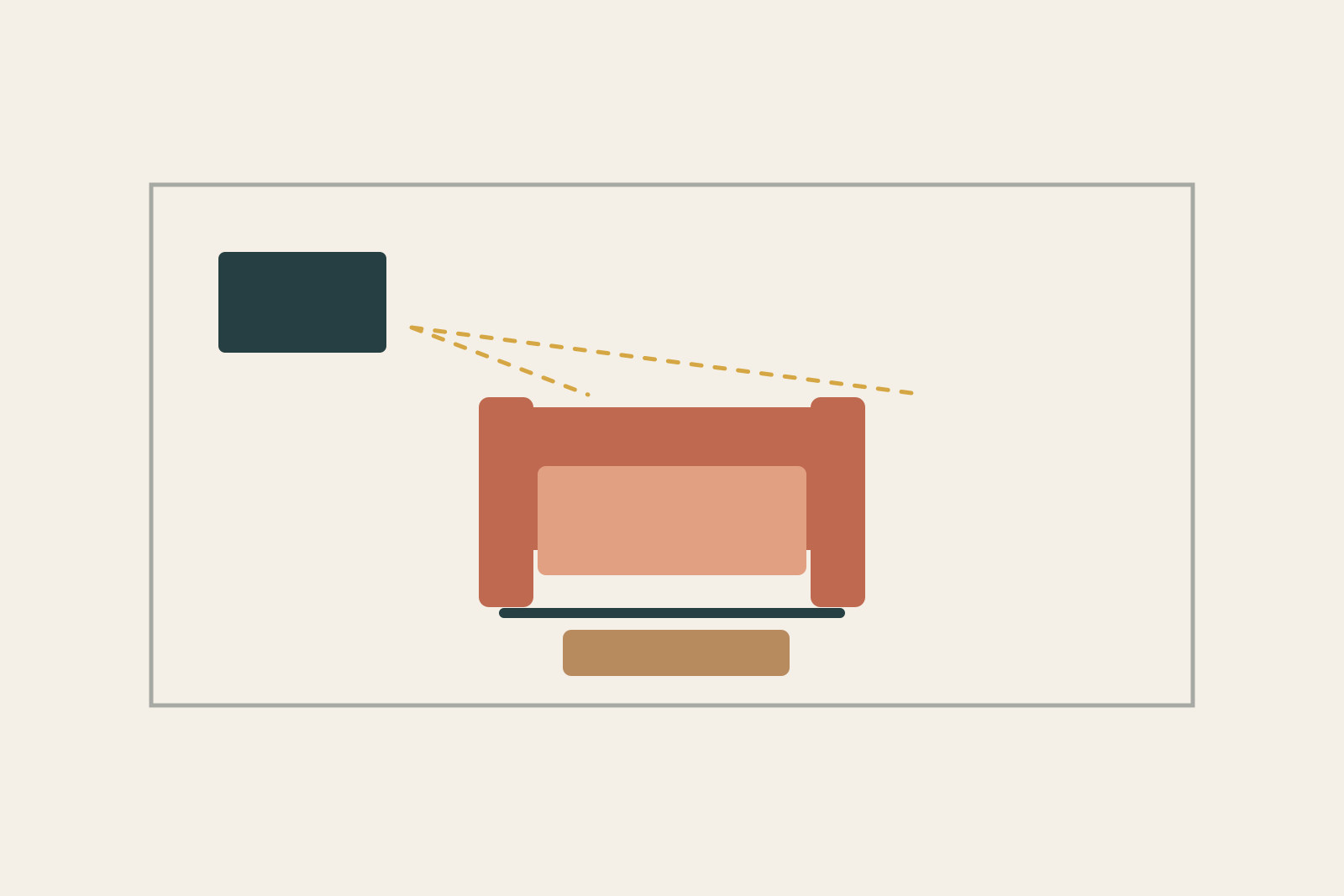
An invented room composition gives the upholstered block a centre in a sitting arrangement.
An invented room composition gives the upholstered block a centre in a sitting arrangement. Original PatinaHall schematic, not to scale.

A manufacturer and a local industry

Gelderland’s history identifies the Cube Sofa as des Bouvrie’s 1969 debut as a furniture designer and names model 430 among its continuing references. The local canon places the factory within Culemborg’s wider furniture industry.21

That context keeps the sofa connected to people and production. Its apparent simplicity is a design offered through a furniture company, within a town whose making history reaches beyond one celebrated name.

The two records also have different jobs. The local history explains a changing domestic setting; the manufacturer describes its own collection and design relationships. Together they give the object a firmer setting than a familiar silhouette alone could supply.

The family continues to have versions

Gelderland’s current catalogue distinguishes 430 Cube sofas and armchairs. Recognising the family name therefore does not establish one universal size, upholstery or set of internal parts.3

The broader idea remains easy to see: a sitting area can gain a clear centre through a volume that is both soft and direct. Cube 430 lets the sofa take its place in the room with a particularly readable outline.

Research notesEvidence, connections and limits

The local canon and manufacturer history establish the design and its context. Current catalogue entries do not prove uninterrupted production or unchanged construction since 1969; no original colour is assumed for every example.

Evidence map

Connected subjects and evidence

Reviewed facts

  • Designed 1969documented

    The Culemborg local canon dates Jan des Bouvrie’s Gelderland 430 design to 1969. Gelderland’s own history gives the same year for his Cube Sofa debut. This is a design-family history rather than a manufacture date for a particular vintage sofa.

    Reviewed 26 October 2026 by PatinaHall editorial.
    • Source 1Work or object record and accompanying maker account: Gelderland 430 Cube Sofa. Gelderland Model 430

Reviewed connections

  • Gelderland430 Cube Sofadesigned byJan des Bouvriedocumented

    The local canon and Gelderland identify Jan des Bouvrie as designer of the 430 Cube Sofa. The article reads its angular, fully upholstered form in the living-room context described by the canon. White upholstery is not treated as a mandatory original feature.

    Reviewed 26 October 2026 by PatinaHall editorial.
    • Source 1Work or object record and accompanying maker account: Gelderland 430 Cube Sofa. Gelderland Model 430
    • Source 2About Gelderland history: Jan des Bouvrie Cube debut 1969 and model 430 identification
  • Gelderland430 Cube Sofamanufactured byGelderlanddocumented

    The Culemborg canon explicitly identifies the furniture factory Gelderland as the company for which des Bouvrie designed the 430. Gelderland’s history confirms the model’s place in its collection. The current catalogue does not prove unchanged construction or uninterrupted production since 1969.

    Reviewed 26 October 2026 by PatinaHall editorial.
    • Source 1Work or object record and accompanying maker account: Gelderland 430 Cube Sofa. Gelderland Model 430
    • Source 2About Gelderland history: Jan des Bouvrie Cube debut 1969 and model 430 identification
    • Source 3Current collection inventory: 430 Cube Sofa and 430 Cube Armchair separately listed; no uninterrupted-production statement

Research trail

Sources and further reading

  1. Gelderland Model 430Canon van Nederland / Culemborg local canonAccessed 26 October 2026
  2. About GelderlandGelderlandAccessed 26 October 2026
  3. Gelderland collection overviewGelderlandAccessed 26 October 2026

Last reviewed 26 October 2026. Found an error or a stronger primary source? Contact PatinaHall.