Designer profile

Dirk Vander Kooij: designing the machine as well as the chair

A machine’s limits can look like something to overcome. In Kooij’s account of its workshop, they also become sources of character: the scale of a deposited line or the movement of pressed material can help shape the furniture.

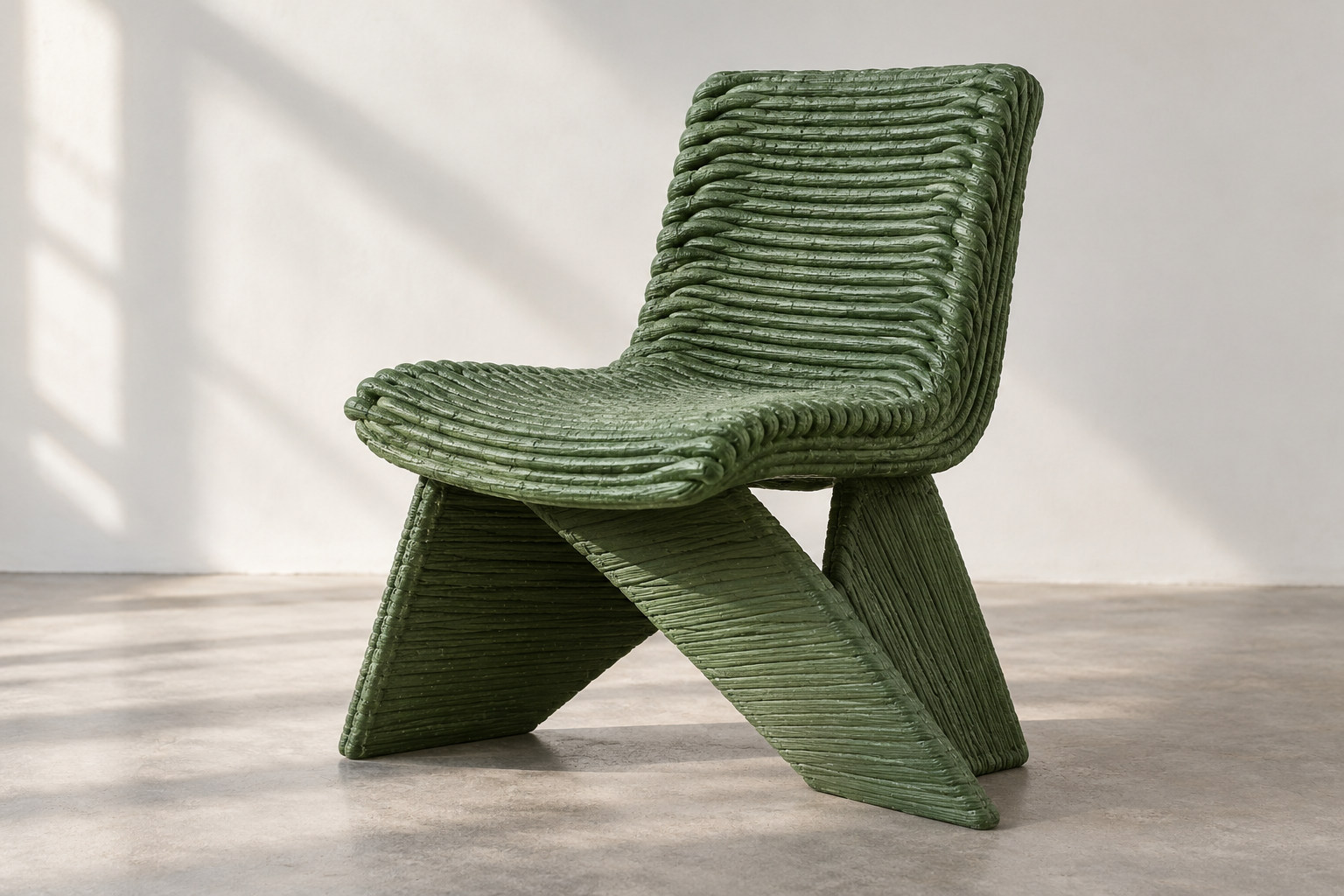
A green plastic chair with thick rounded deposited layers visible across its seat, back and supports.
PatinaHall editorial reconstruction. It is not a documentary photograph. Visible rounded layers introduce the Endless process. The colour, layer route and workshop setting are imagined and do not identify the exact NGV chair or a particular production run.
On this page
Key facts & takeaways

At a glance

Subject
Dirk Vander Kooij
Entry
Designer profile
Last reviewed
23 October 2026

Three things to remember

  1. Kooij describes developing its own machines and reworking a robot.
  2. Endless and Meltingpot show different ways of forming material.
  3. The producer’s process account is not an environmental audit.

Make a tool part of the question

Kooij’s workshop account describes improvised machines and a reconfigured robot. It presents the tools’ limitations as contributors to the collection’s visual language.1

That is an unusually direct way to explain the relationship between a process and an object. The machine does not simply reproduce a form decided somewhere else. Its way of moving, pressing or depositing material becomes part of what the form can be.

Two objects, different traces

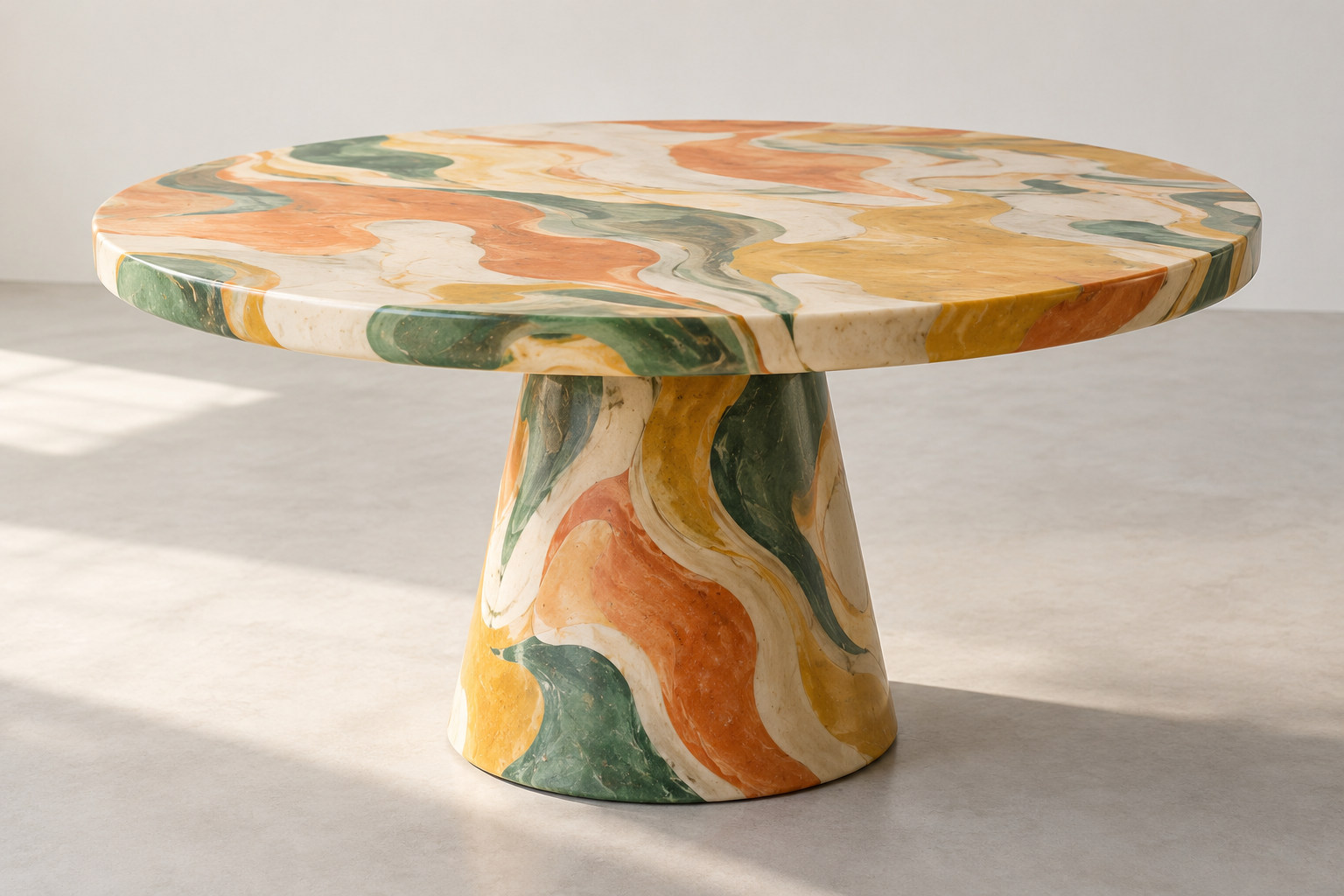
The coarse layers of Endless make a deposited path visible.1 Meltingpot approaches material through another process: its current technical record describes a solid recycled-plastic table, rather than a thin printed shell.2

Seen together, the objects discourage a single visual definition of recycled-plastic furniture. A line can build a surface; a pressed mass can carry large movements of colour. Different processes give the material different ways to be read.
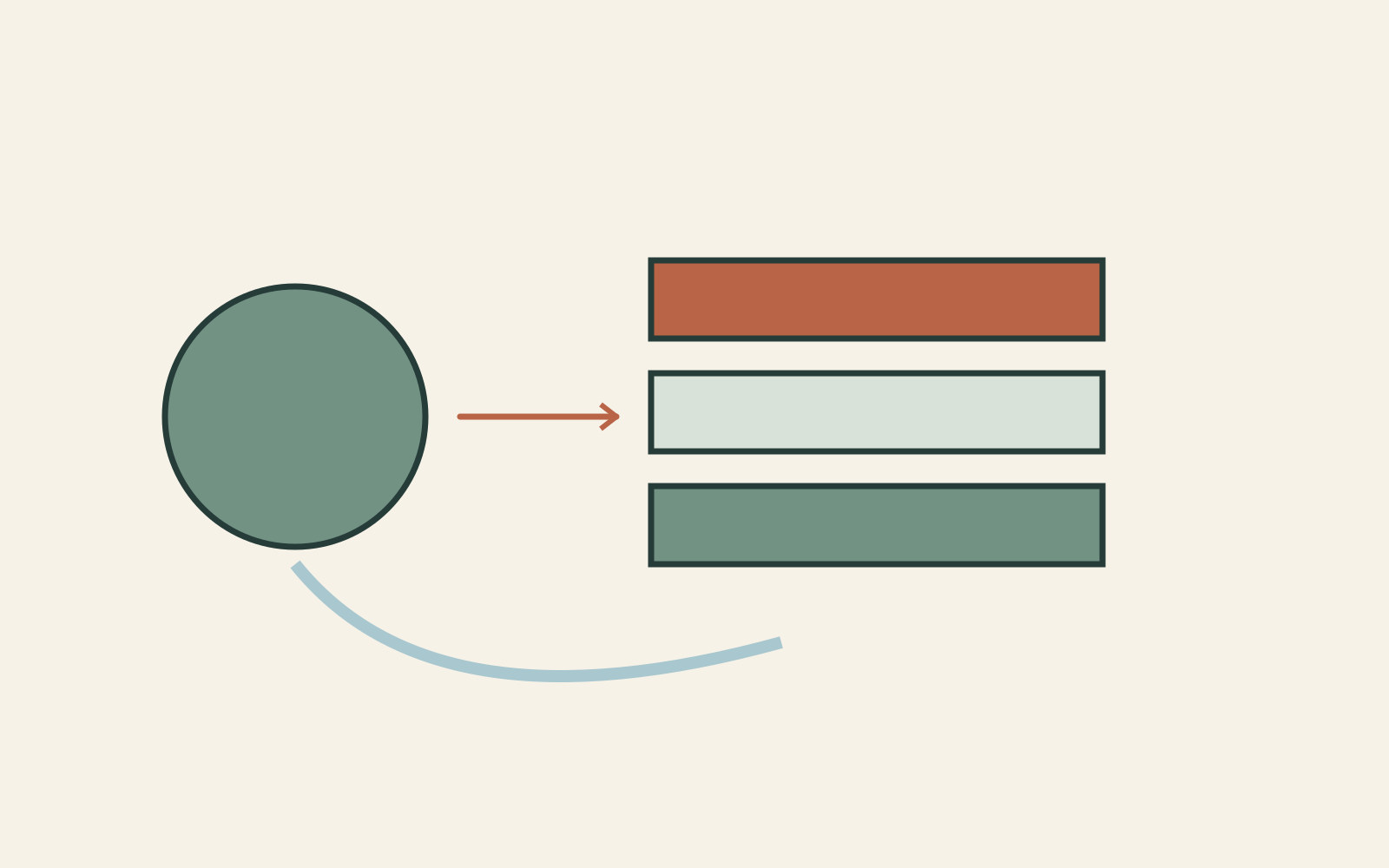
A circular tool symbol points towards three differently coloured material bands, with a curved returning line suggesting feedback between tool and object.
Original PatinaHall schematic, not to scale. A tool symbol is related to different material traces, with a returning line suggesting development together. The bands explain visible process in broad terms; they are not machine settings, a recycling recipe or a lifecycle comparison.

Keep the result in view

The Meltingpot sheet records a solid table.2 Its surface is a way to read a material body, rather than simply a pattern printed onto another material. The result keeps practical making and visual character in the same conversation.

The useful pleasure in these objects is the chance to notice making without seeing a demonstration. A thick line or a coloured solid surface can prompt the same question: what kind of tool helped this material become an object? The furniture carries part of the answer in its appearance.
Research notesEvidence, connections and limits

Kooij’s account explains its own workshop processes; the Meltingpot sheet describes a current table. No universal recycled-content percentage, environmental advantage or unchanged historical specification is inferred.

Evidence map

Connected subjects and evidence

Reviewed connections

  • Endless chairdesigned byDirk Vander Kooijdocumented

    The cited record explicitly identifies this designer for the repeatable design or coherent project family.

    Reviewed 23 October 2026 by PatinaHall editorial.
    • Source 3Endless chair, 2016.1046: designed 2010, manufactured 2016
  • Meltingpot tabledesigned byDirk Vander Kooijdocumented

    The cited record explicitly identifies this designer for the repeatable design or coherent project family.

    Reviewed 23 October 2026 by PatinaHall editorial.
    • Source 41, Meltingpot Round 5P, designer and material

Research trail

Sources and further reading

  1. Story: developing tools for recycled plasticKooijAccessed 23 October 2026
  2. Meltingpot Round 5P technical sheetKooijAccessed 23 October 2026
  3. Endless chair, 2016.1046: designed 2010, manufactured 2016National Gallery of VictoriaAccessed 23 October 2026
  4. Meltingpot Round 5P: solid recycled plastic, Dirk Vander KooijKooijAccessed 23 October 2026

Last reviewed 23 October 2026. Found an error or a stronger primary source? Contact PatinaHall.