Let a chair have an address
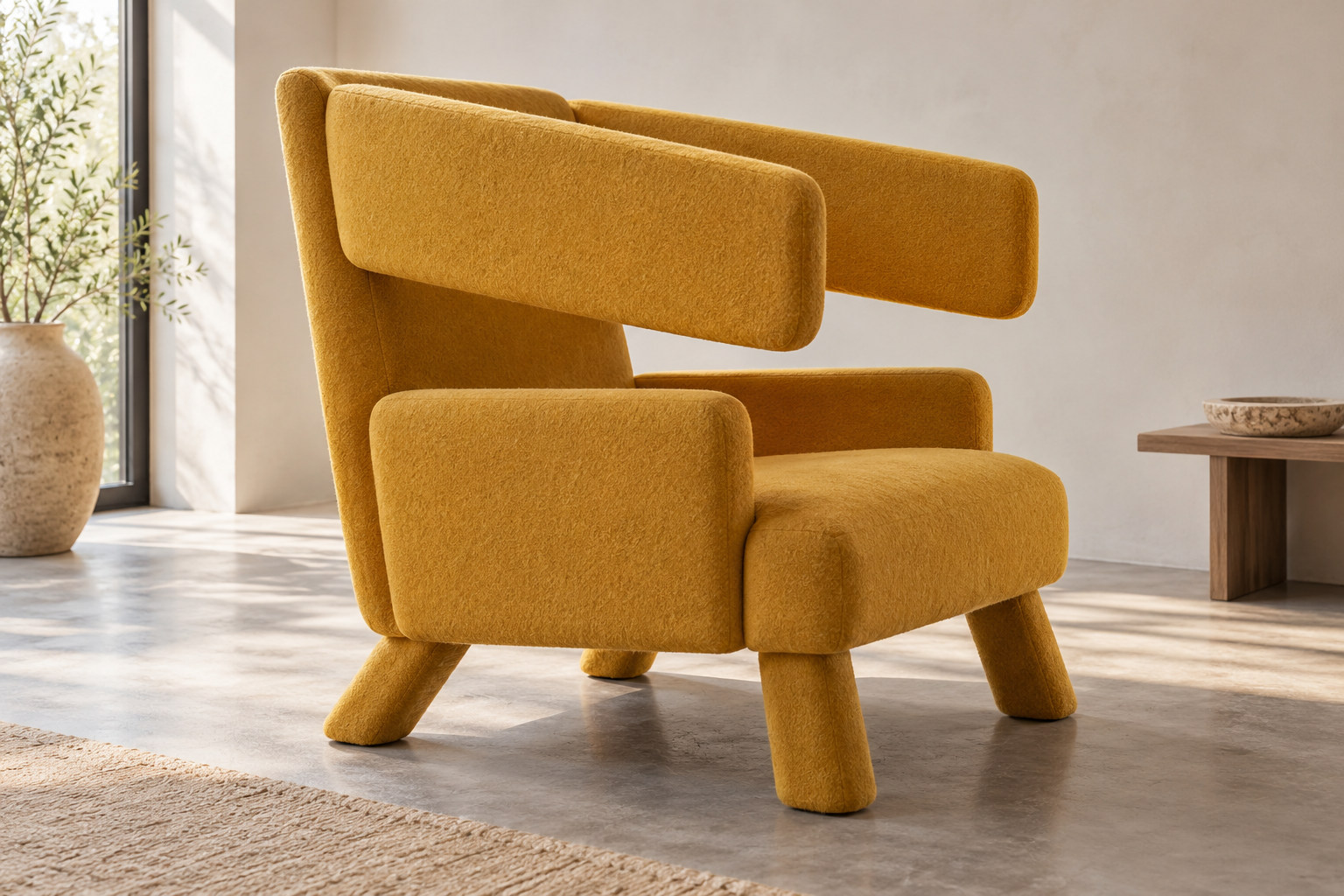
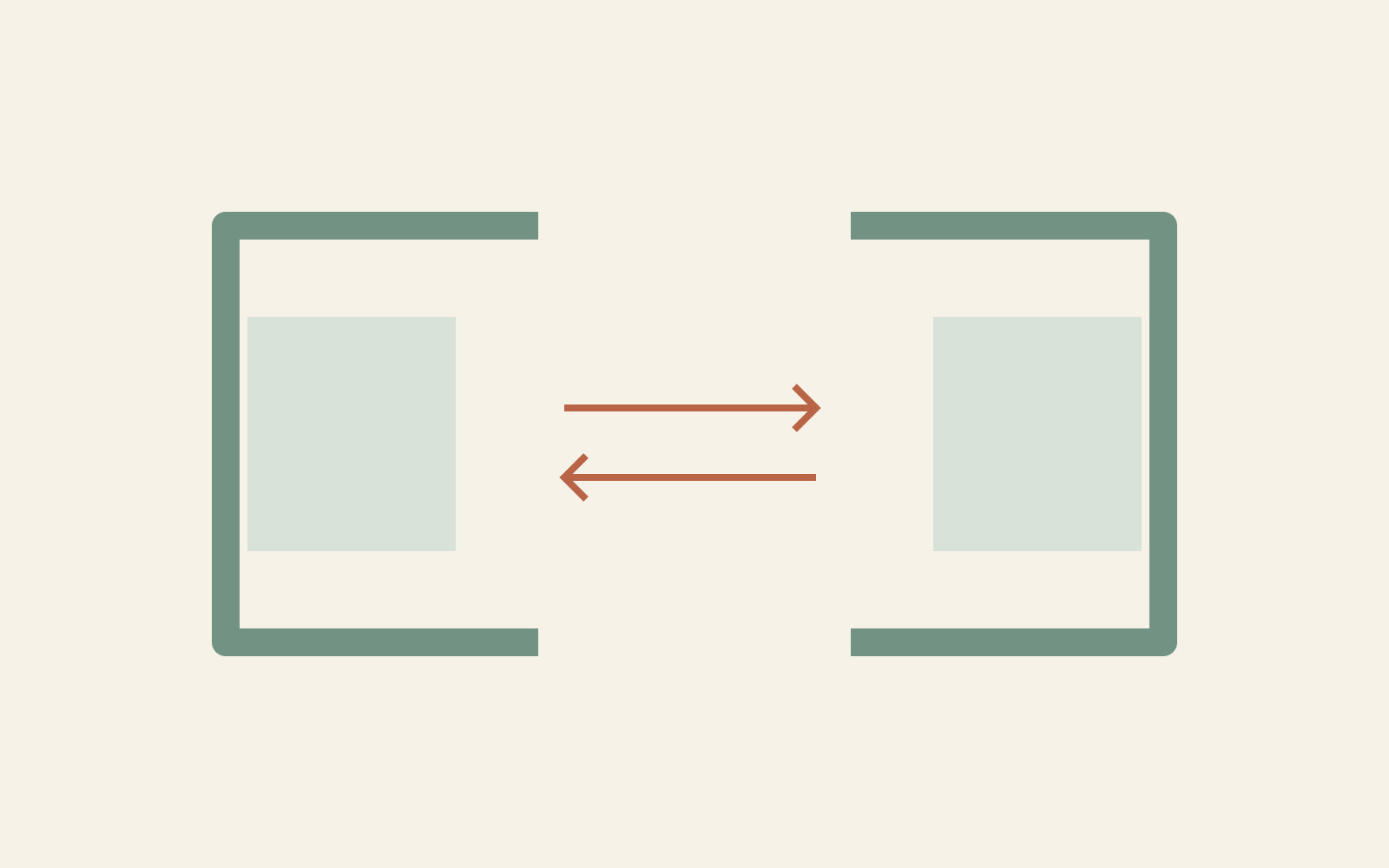
EarChair’s projecting ears make its front more than an access point. They turn it into an opening towards a chosen part of the room. Place another chair opposite and the relationship between them becomes easy to notice.
Prooff presents the chair in pairs and groups and offers different ear sizes. Its product record gives 2006 as the introduction year.1 The physical idea is clear without treating enclosure as a complete room: the furniture suggests a place within a larger shared space.
Furniture starts organising the encounter
The projecting upholstered surfaces direct attention inwards and forwards. Their effect is visual and spatial before any measured performance is considered. A seat can acknowledge the rest of a room while making a smaller encounter legible inside it.
That change in scale belongs to the studio’s wider approach. Studio Makkink & Bey describes movement between products, buildings, landscapes and working environments, with the existing context helping shape a project.3
Keep collaboration in the picture
The studio records Bey designing EarChair for Interpolis in 2002. Prooff introduced it in 2006; its current product page credits Studio Makkink & Bey.4 The studio itself is led by architect Rianne Makkink and designer Jurgen Bey.21
Those credits keep a small room inside a wider practice. EarChair’s memorable ears do more than enlarge a silhouette: they make the space between people a subject for furniture design.