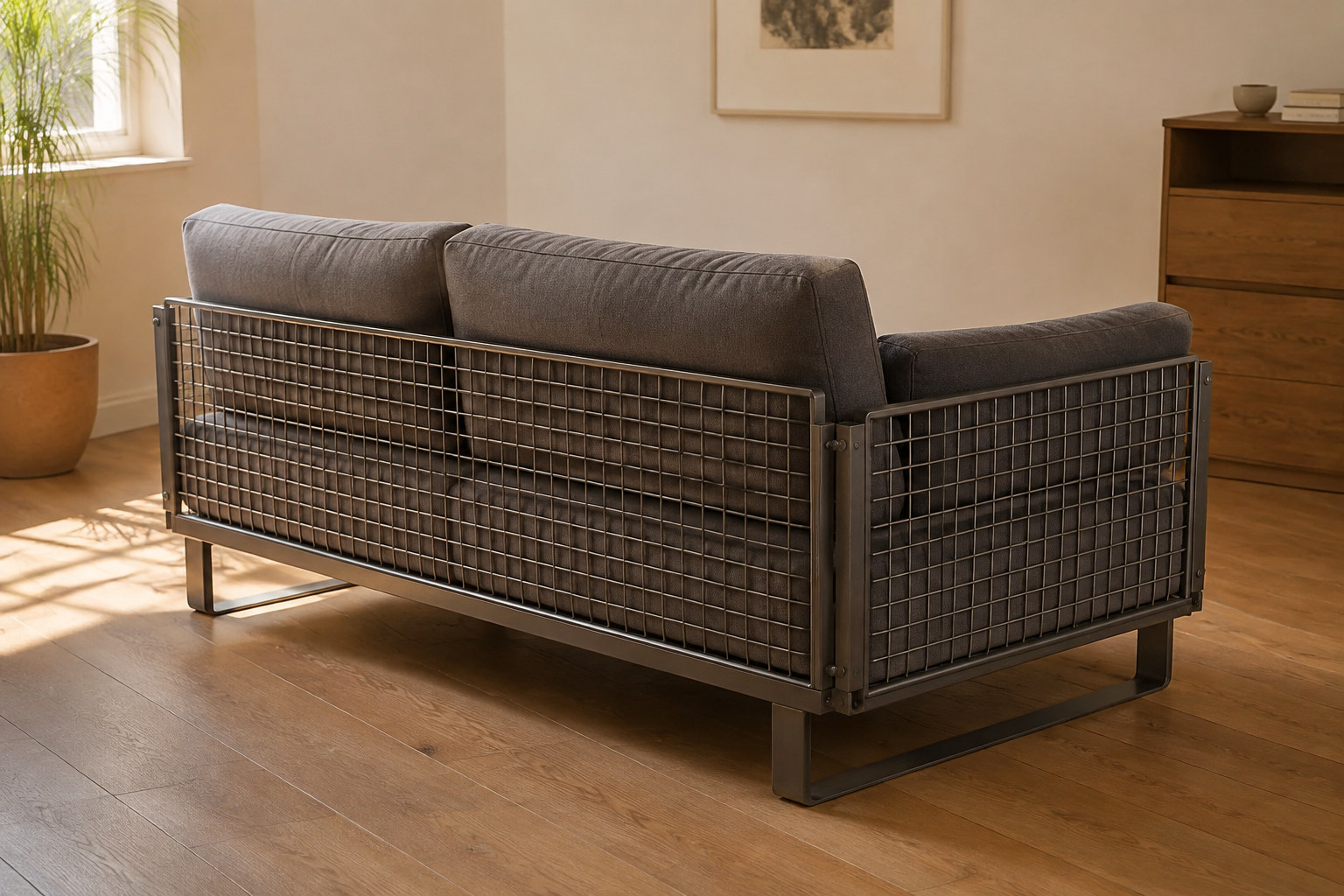
IKEA MOMENT sofa
The wire grid behind MOMENT’s cushions has an unexpectedly practical origin. IKEA Museum connects the sofa to a visit to a shopping-trolley factory, where a different kind of steel furniture suggested a new way to build a seat.
Objects · people · ideas
Discover the objects, people and ideas that shaped furniture, from historic pieces to modern designs.

The wire grid behind MOMENT’s cushions has an unexpectedly practical origin. IKEA Museum connects the sofa to a visit to a shopping-trolley factory, where a different kind of steel furniture suggested a new way to build a seat.

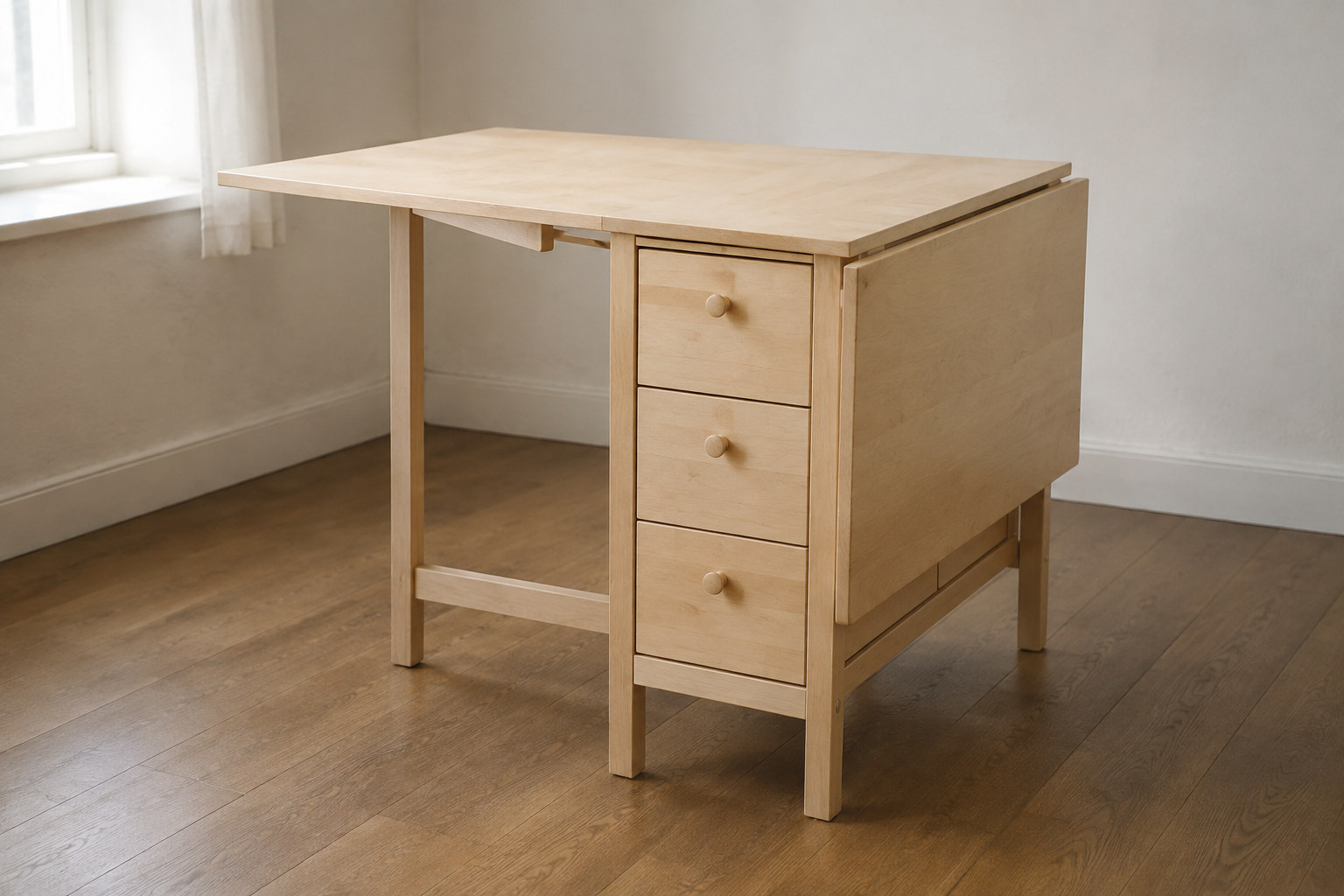
NORDEN changes the amount of table in a room. Its folding leaves are easy to notice; the more revealing detail is underneath, where a leg swings out to meet the surface it will support.

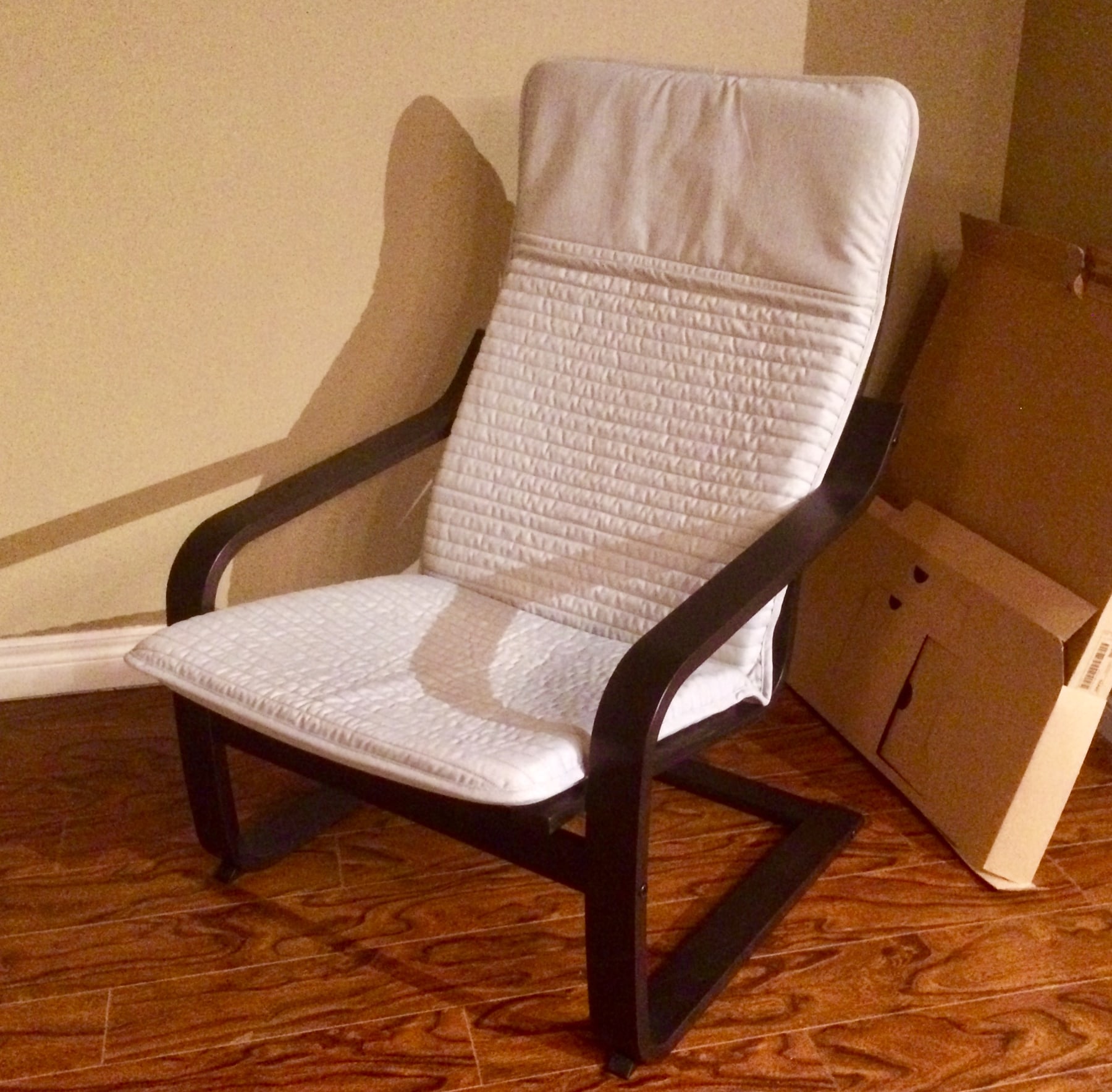
The history of IKEA POEM and POÄNG, Noboru Nakamura’s bentwood frame, its separate cushions, and how a familiar armchair uses flexibility as part of its comfort.

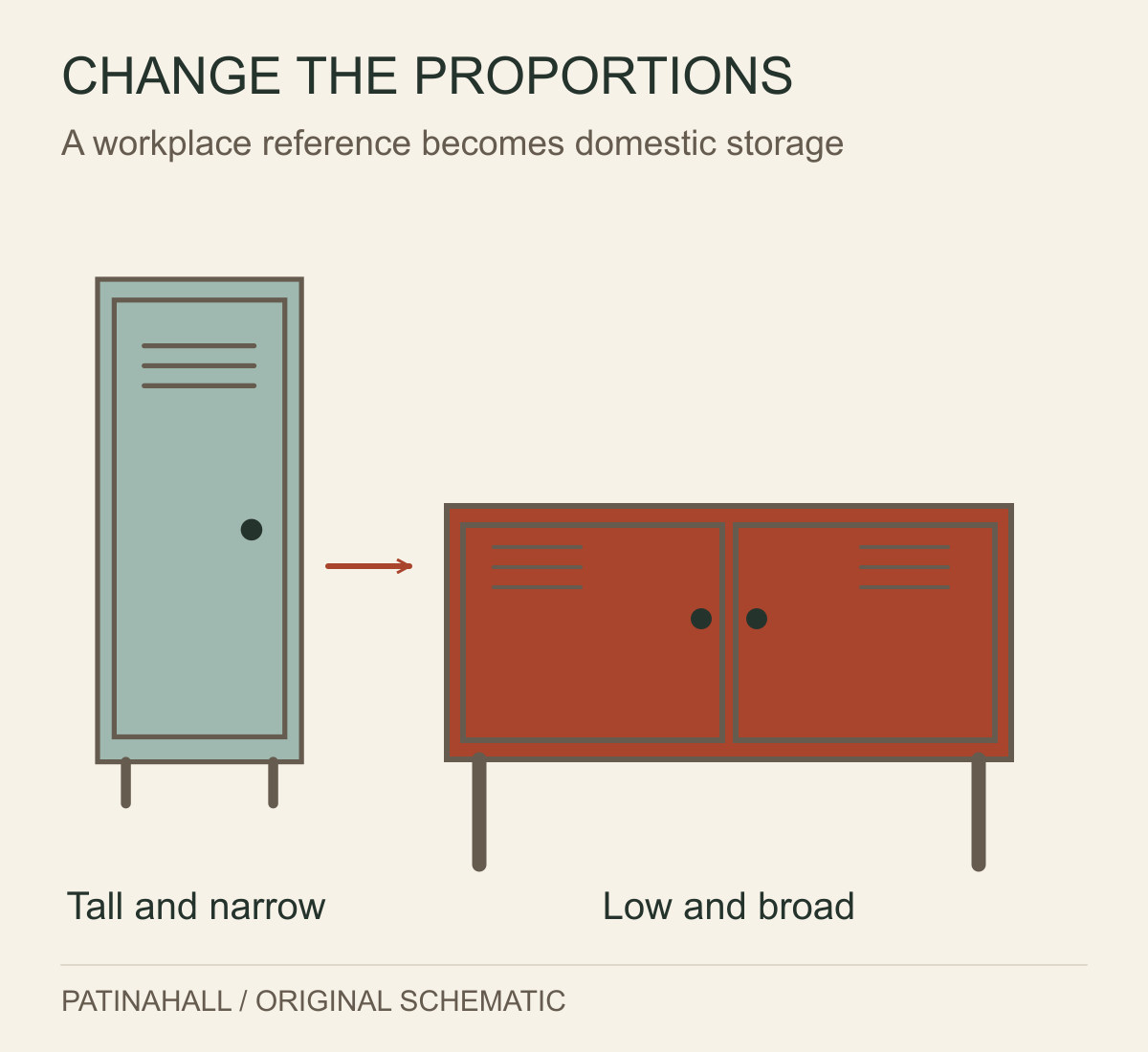
IKEA PS brought the metal locker into the living room by changing its proportions. The low cabinet owes as much to a Danish sideboard and a friend’s record collection as it does to changing-room furniture.

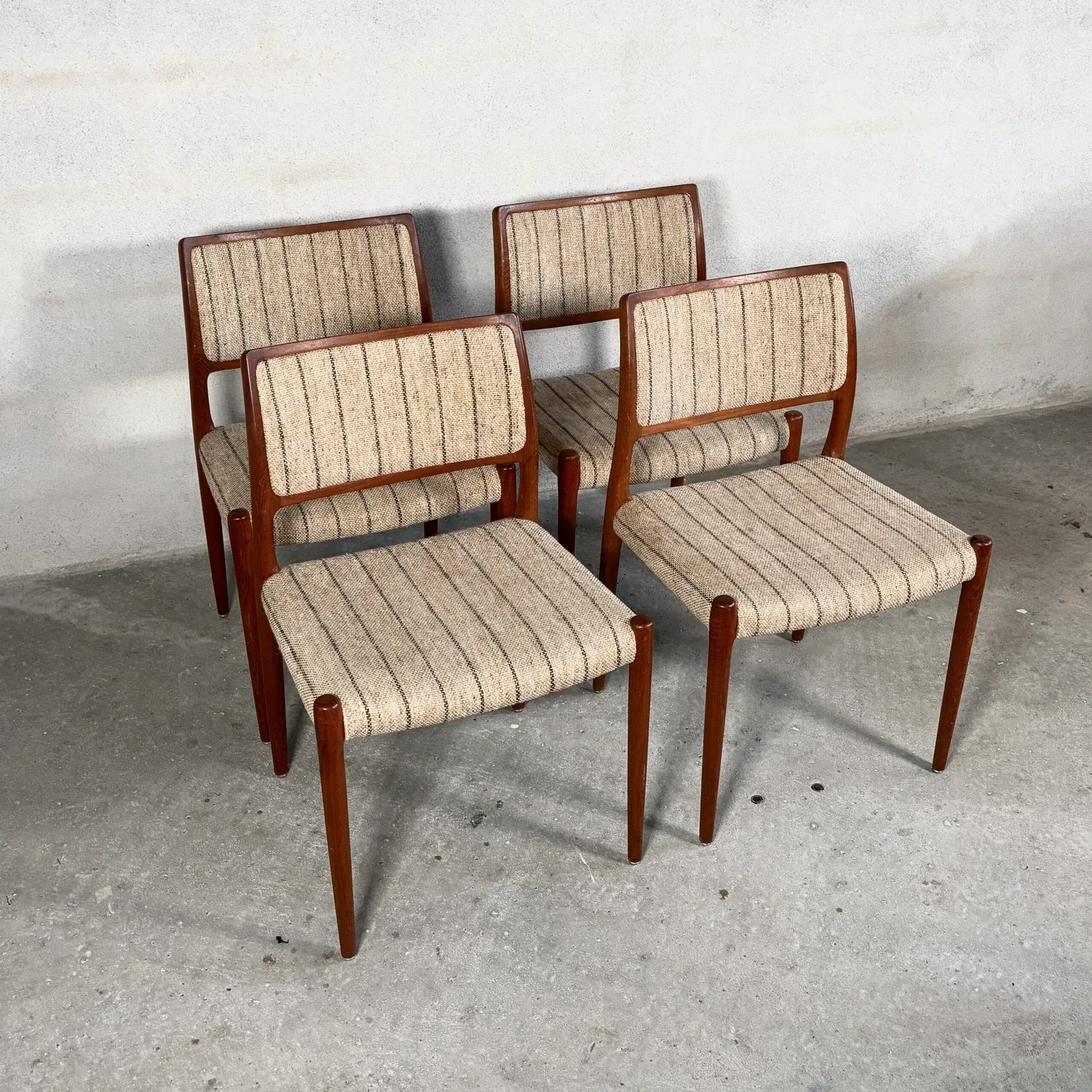
Explore Niels O. Møller’s 1968 Model 80 as a precise timber outline holding two upholstered planes rather than hiding beneath them.

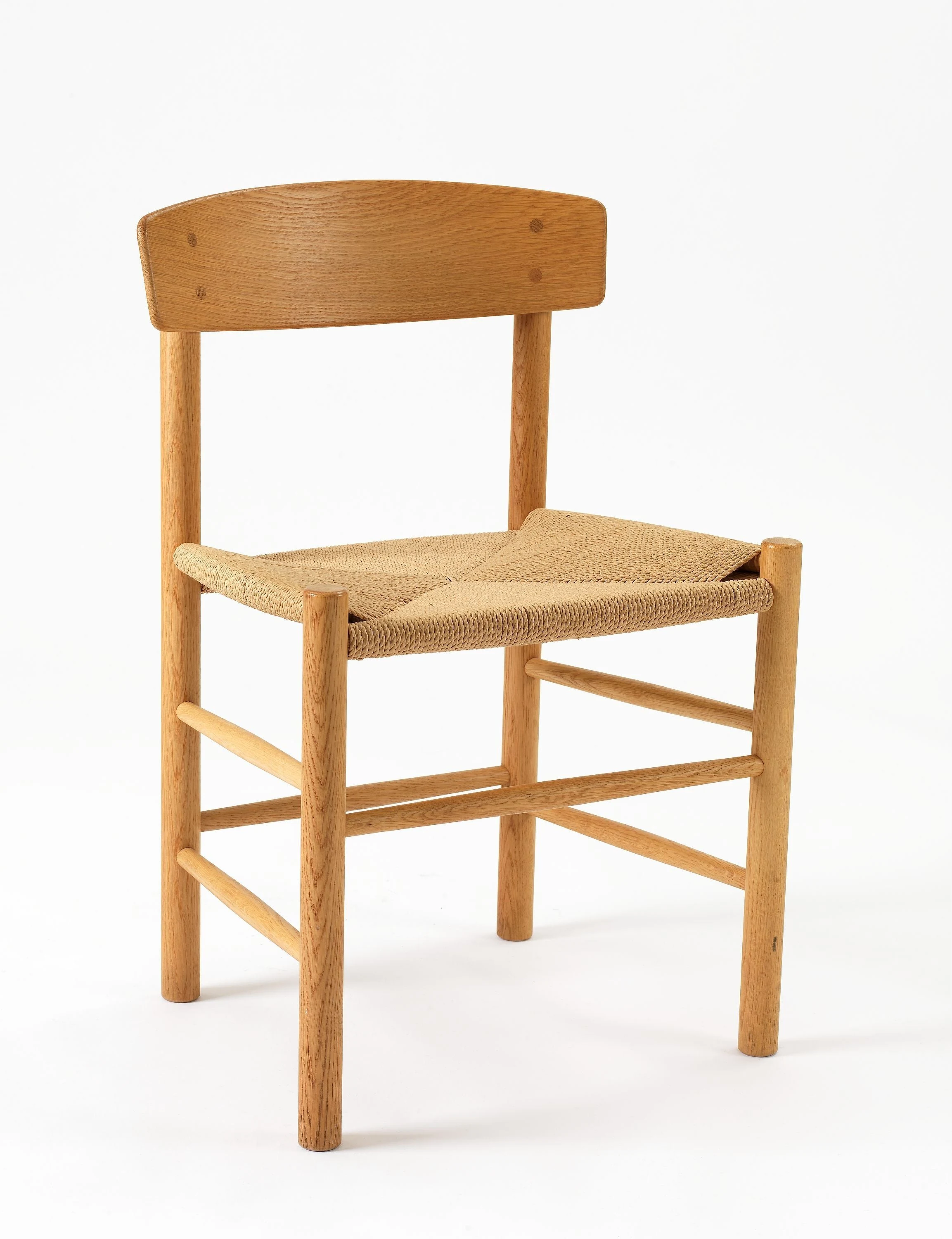
See how Børge Mogensen's 1947 J39 turns four plain legs, a curved back and a woven seat into a Danish classic whose modesty is carefully designed.

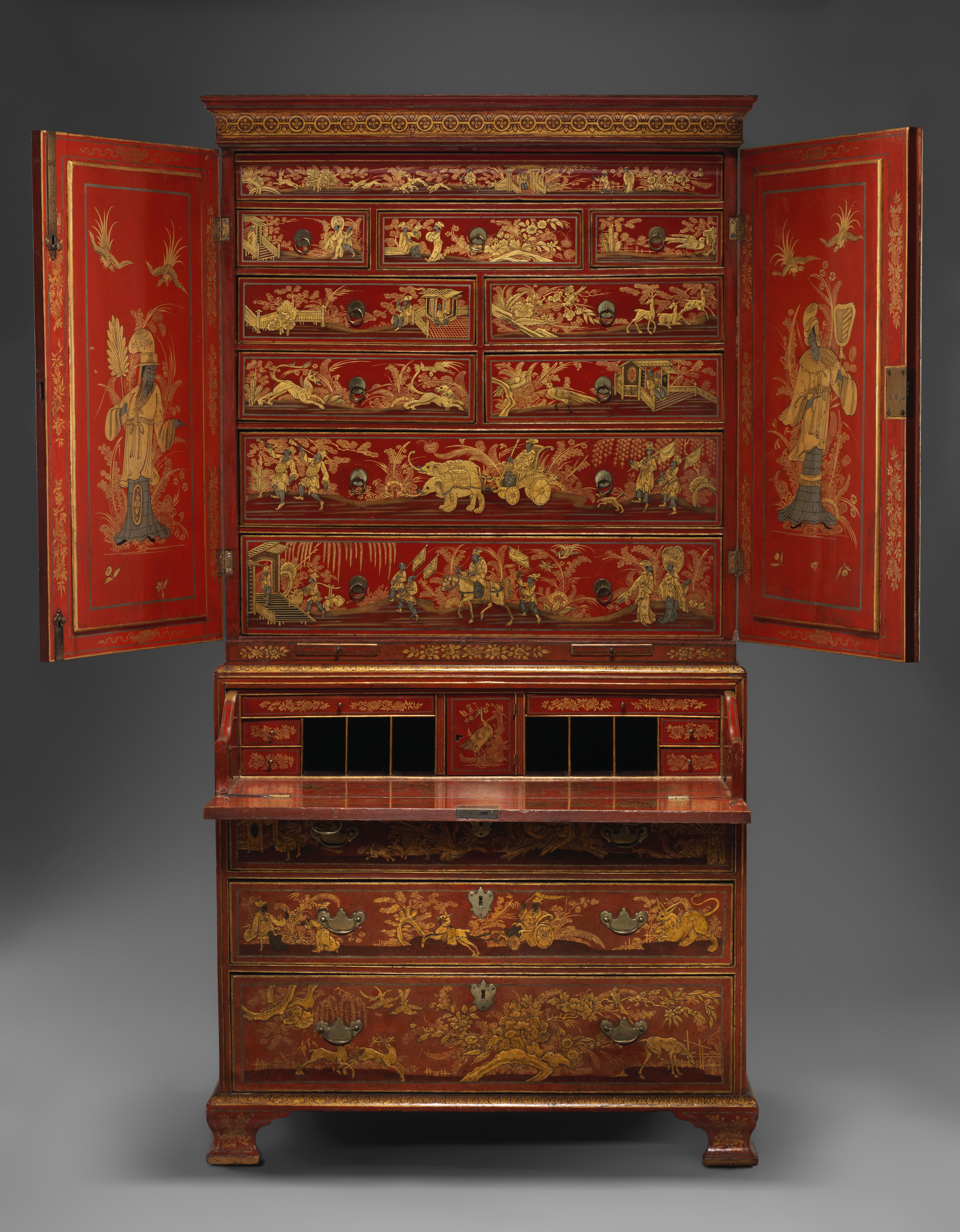
Open British Secretary Cabinet 2014.186 to see how practical storage, imported lacquer, substitute varnishes and printed patterns met on one red surface.

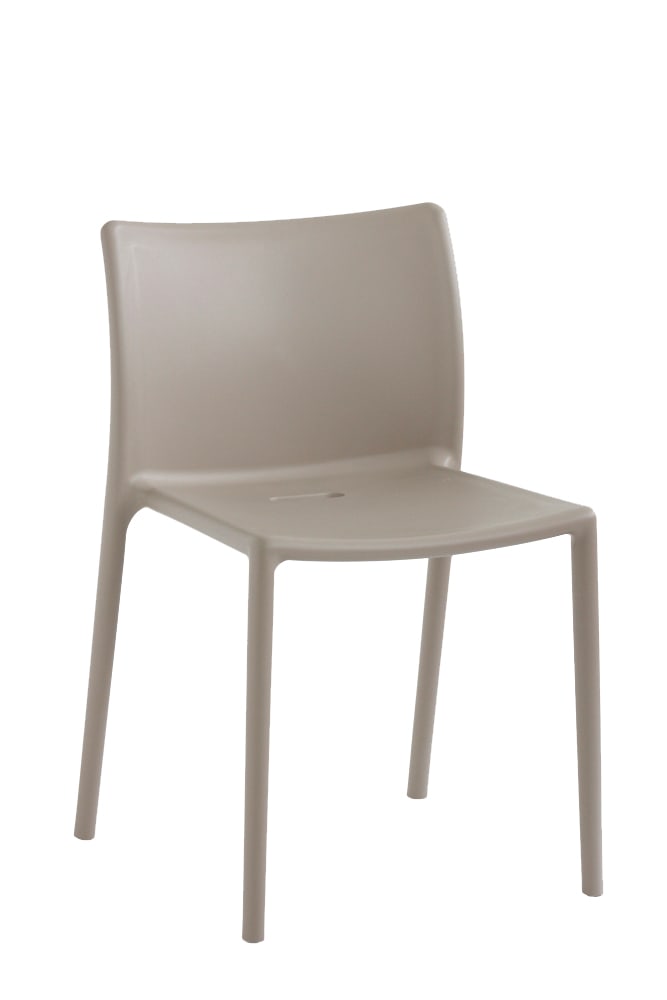
Air-Chair began with a small manufacturing sample: a piece of plastic tube. Jasper Morrison worked from the legs upwards, turning hollow structural paths and thin surfaces into a familiar one-piece chair.

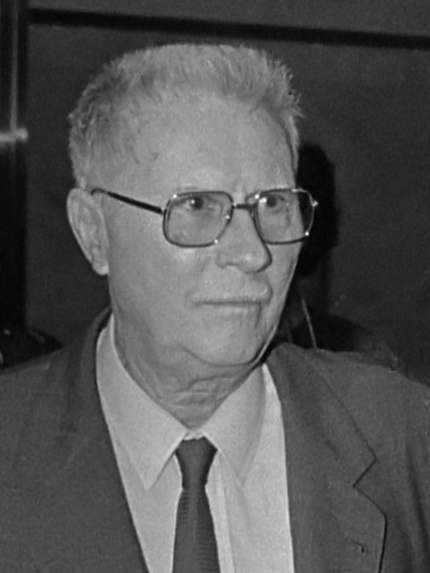
Meet Jean Prouvé through three scales of work: the unequal legs of the Standard Chair, a wall-mounted lamp and a demountable house.

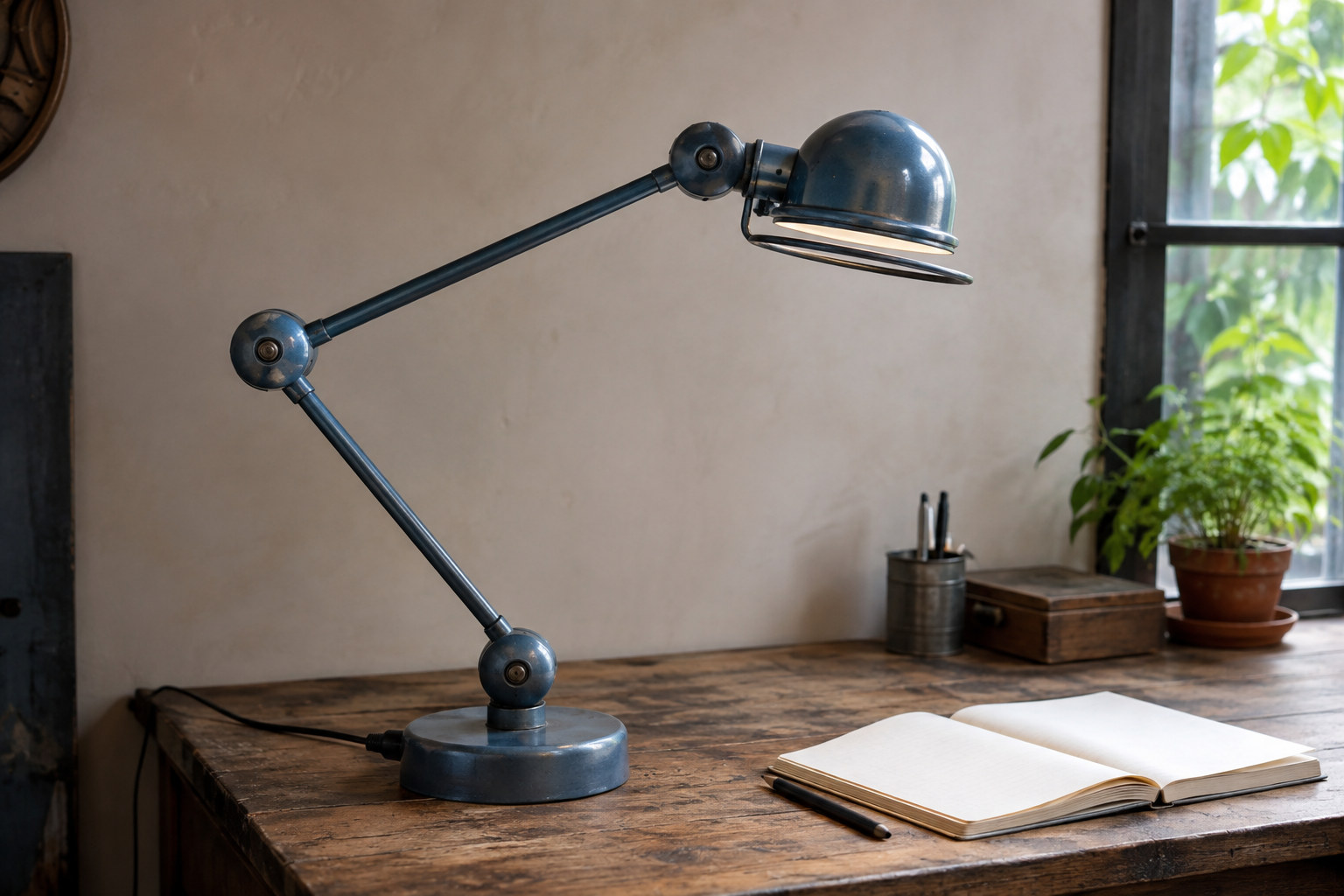
Jieldé’s round elbows are more than a strong industrial look. They belong to a lamp designed to move repeatedly around workshop tasks, with electrical contact carried through the joints instead of a cable bending at every articulation.

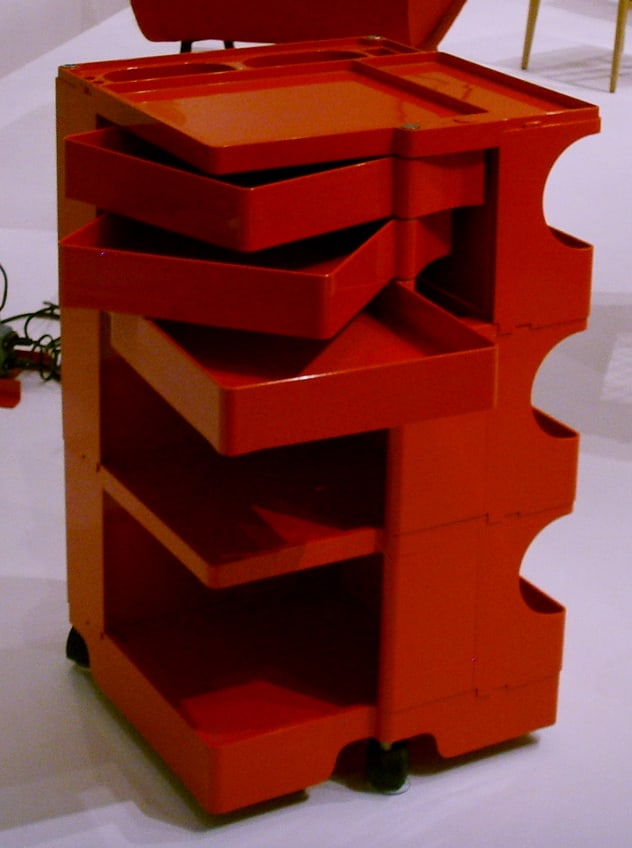
Boby puts several kinds of storage within arm’s reach: open shelves, upright compartments and pivoting trays. Joe Colombo’s compact trolley turns the tools around a desk into a small workspace that can move.

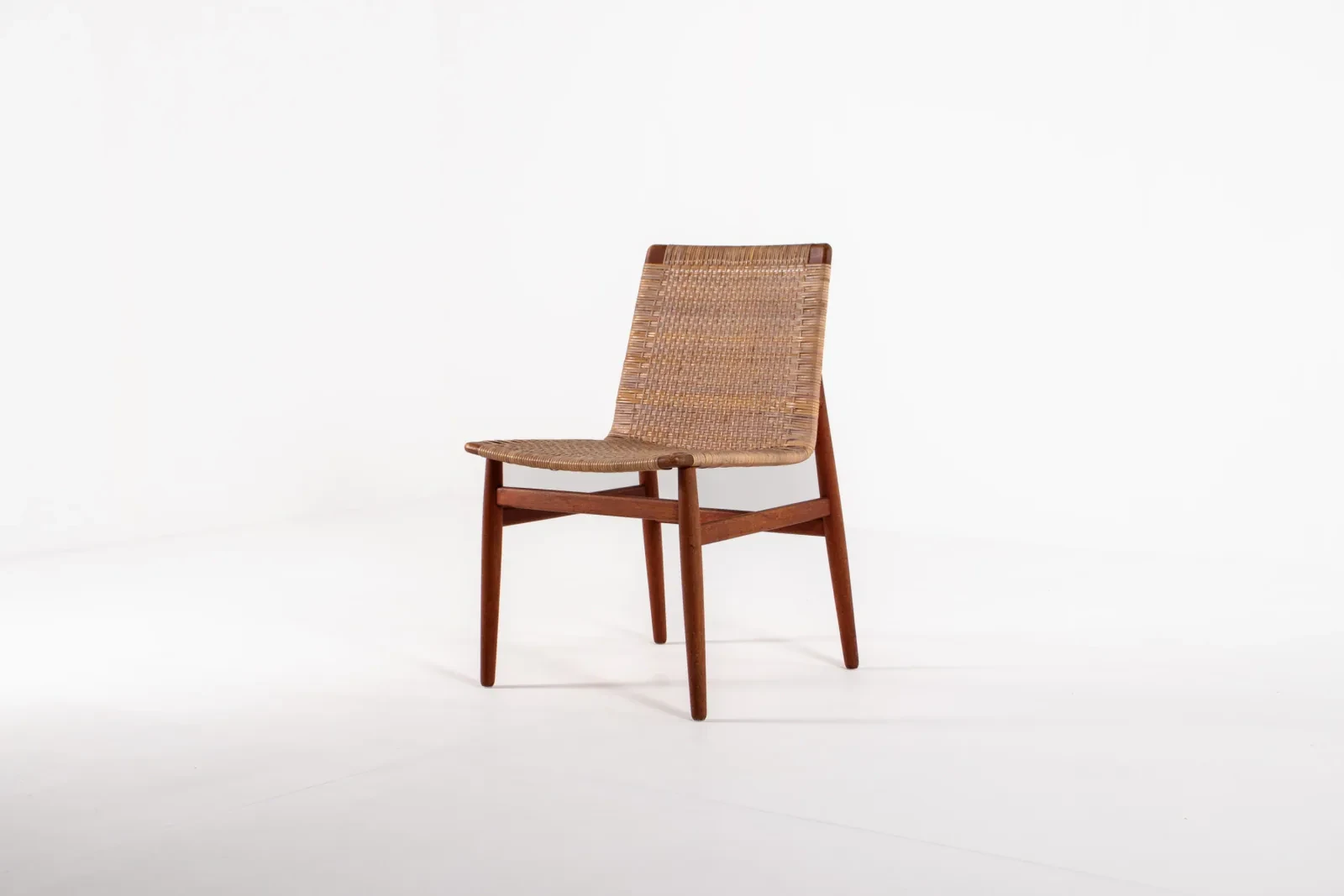
Read Jørgen Høj’s 1951 side chair through its two visual systems: a slender timber frame and broad woven rattan seat and back planes.

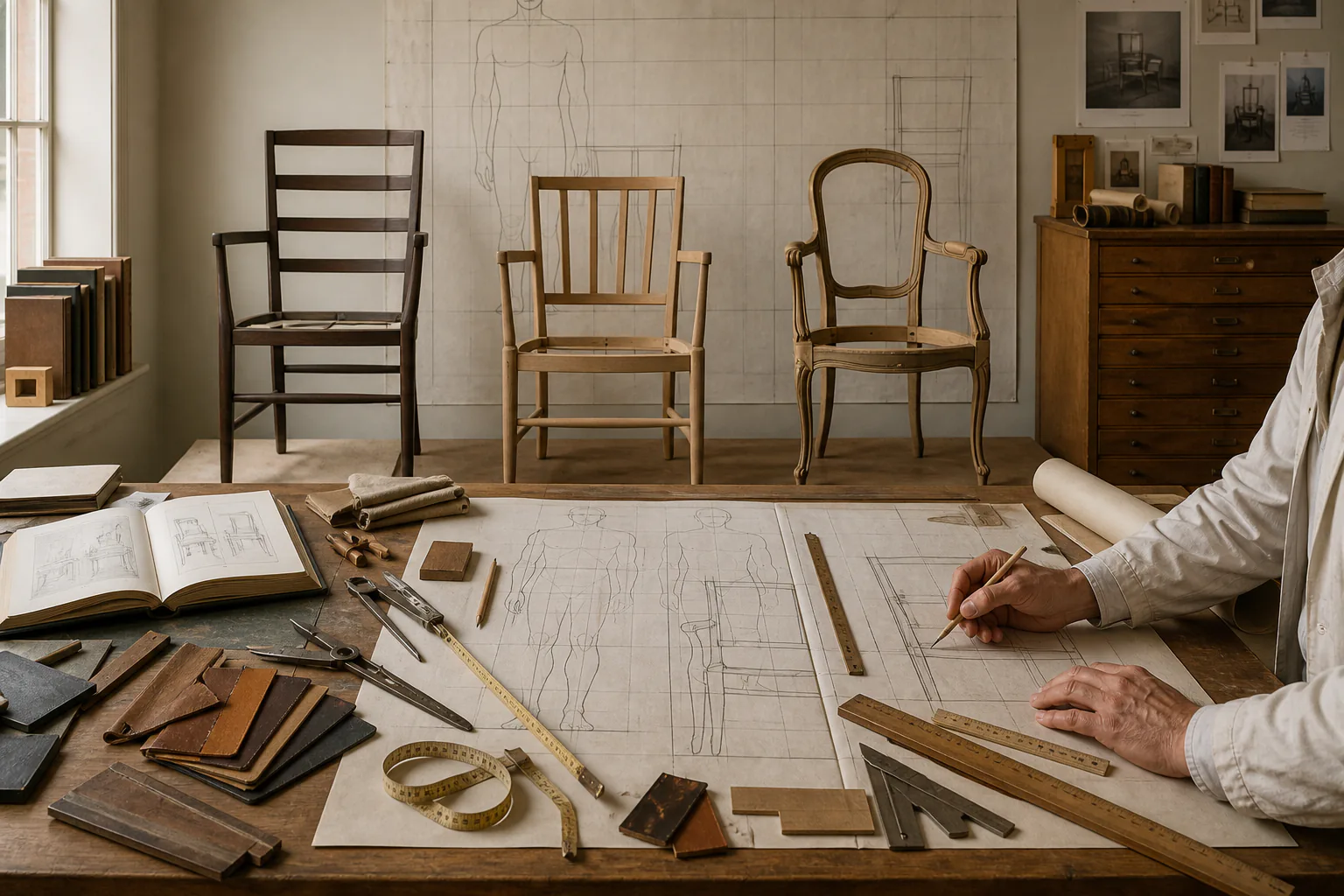
Explore how Kaare Klint connected body and room measurements, historical furniture, material, craftsmanship and teaching—and what that method tells a collector.

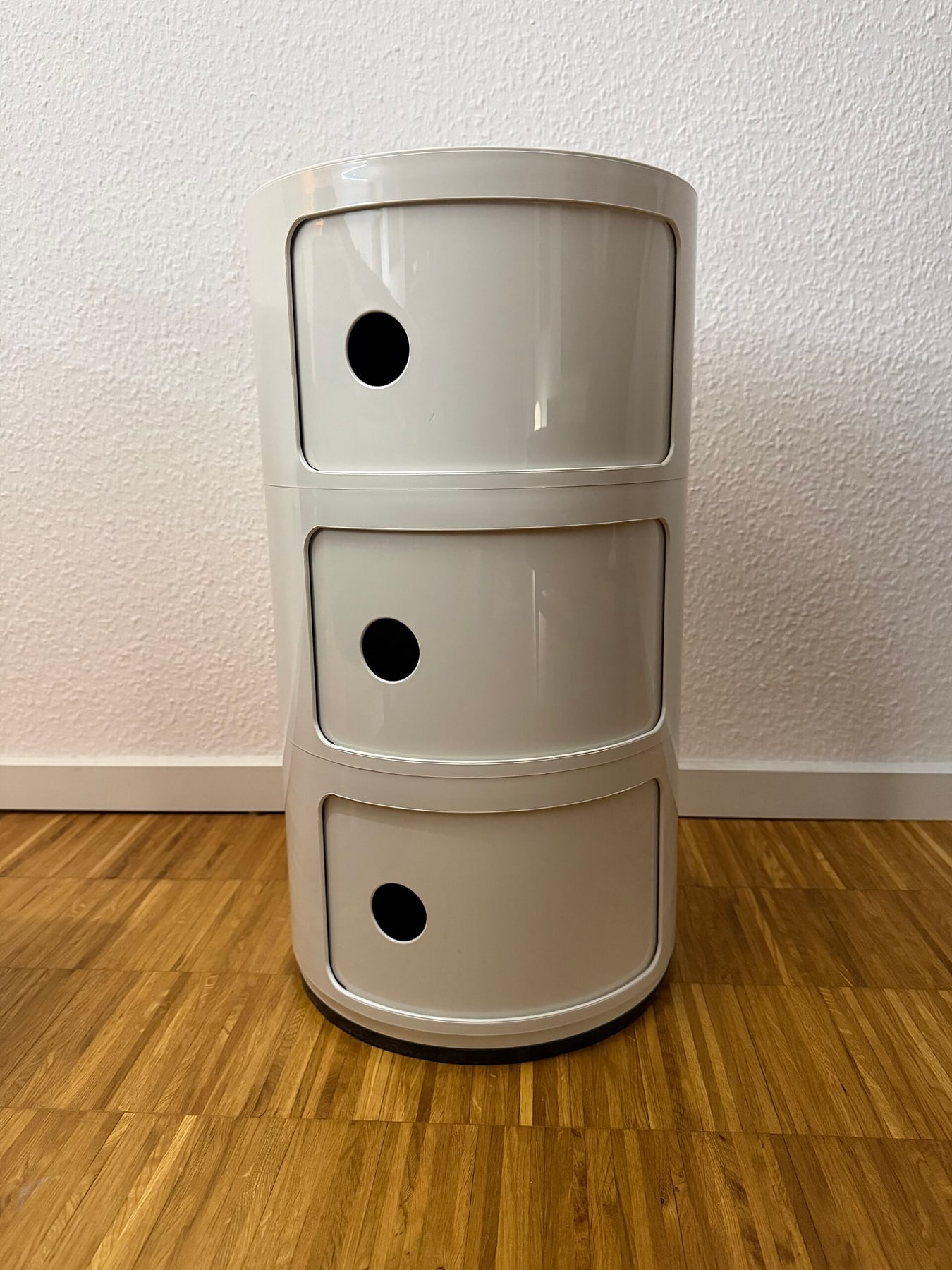
Anna Castelli Ferrieri’s Componibili storage, the round sliding door and its space-saving movement, plus why current fixed units are not freely stackable modules.

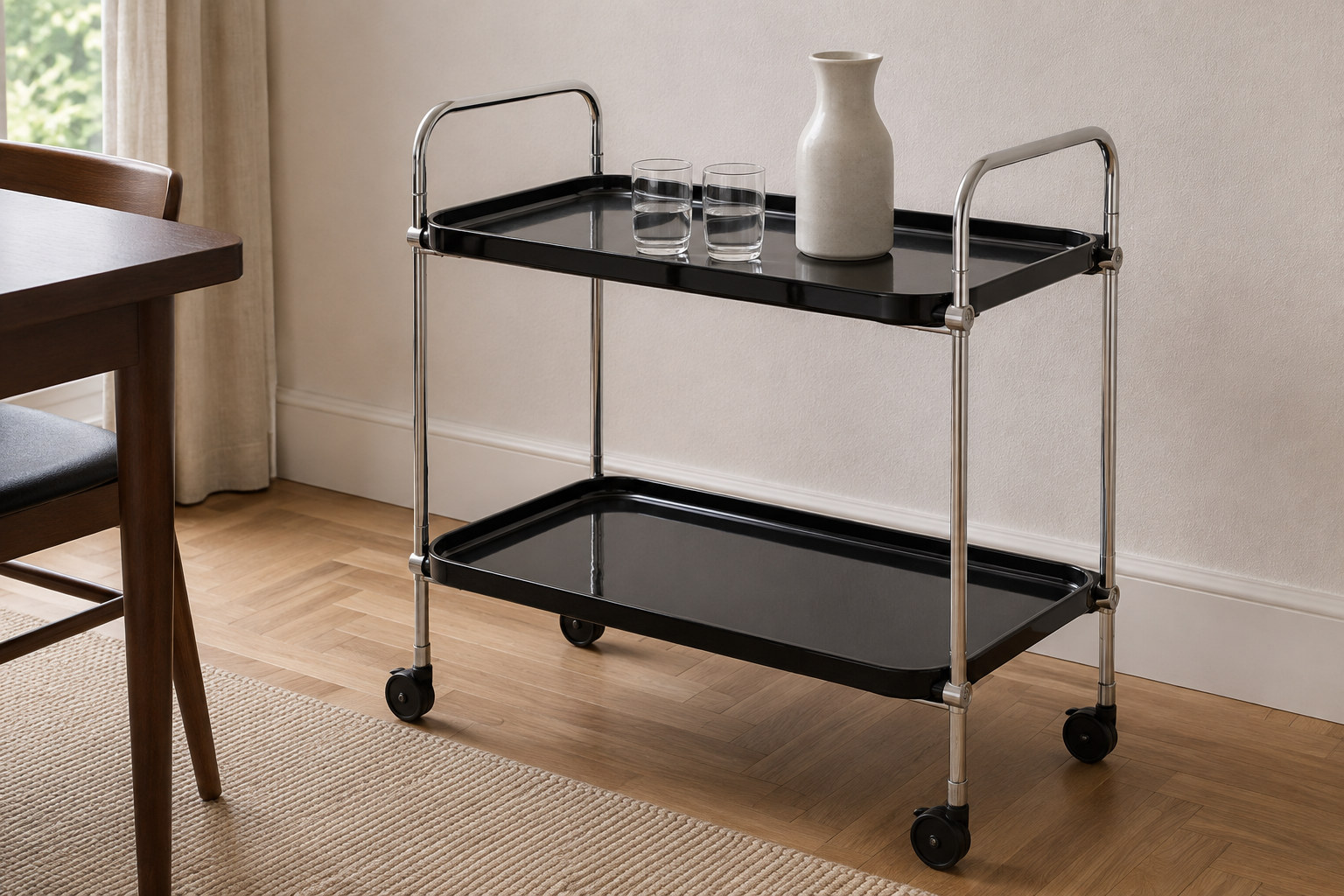
A drinks trolley can spend more time waiting than serving. Gastone treats that quiet interval as part of the design: its surfaces fold, reducing the space the trolley claims once the occasion is over.

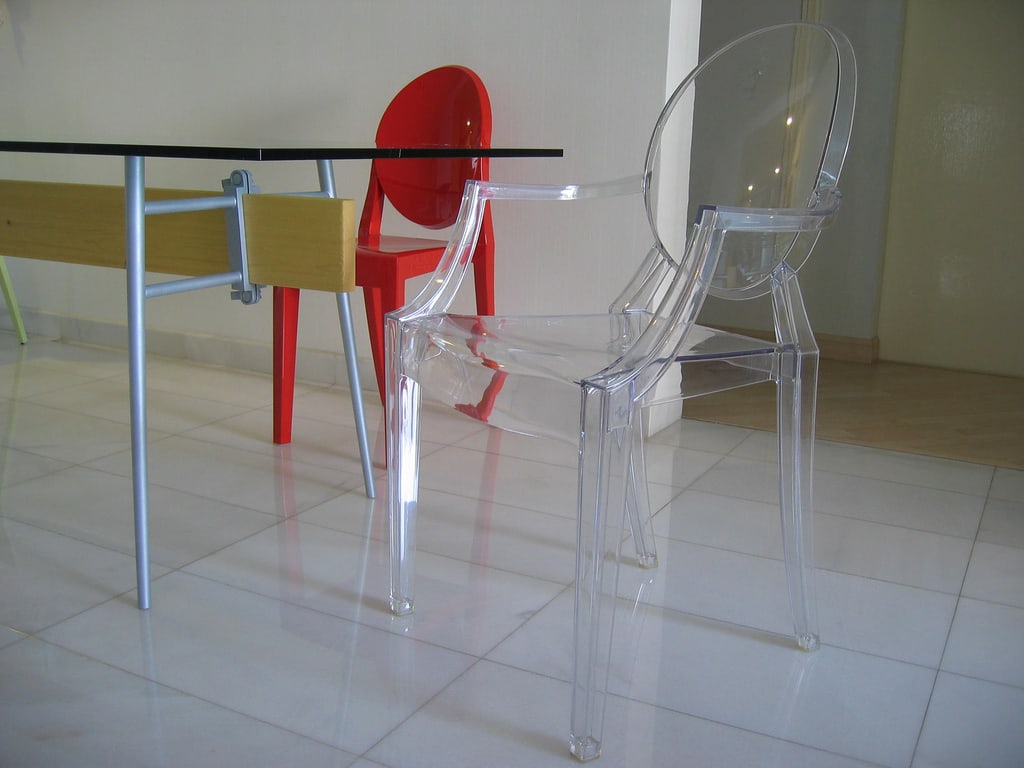
Louis Ghost is easy to recognise and easy to see through. Philippe Starck kept the oval back, arms and upright presence of a historical chair, then gave those familiar signals a transparent plastic body.

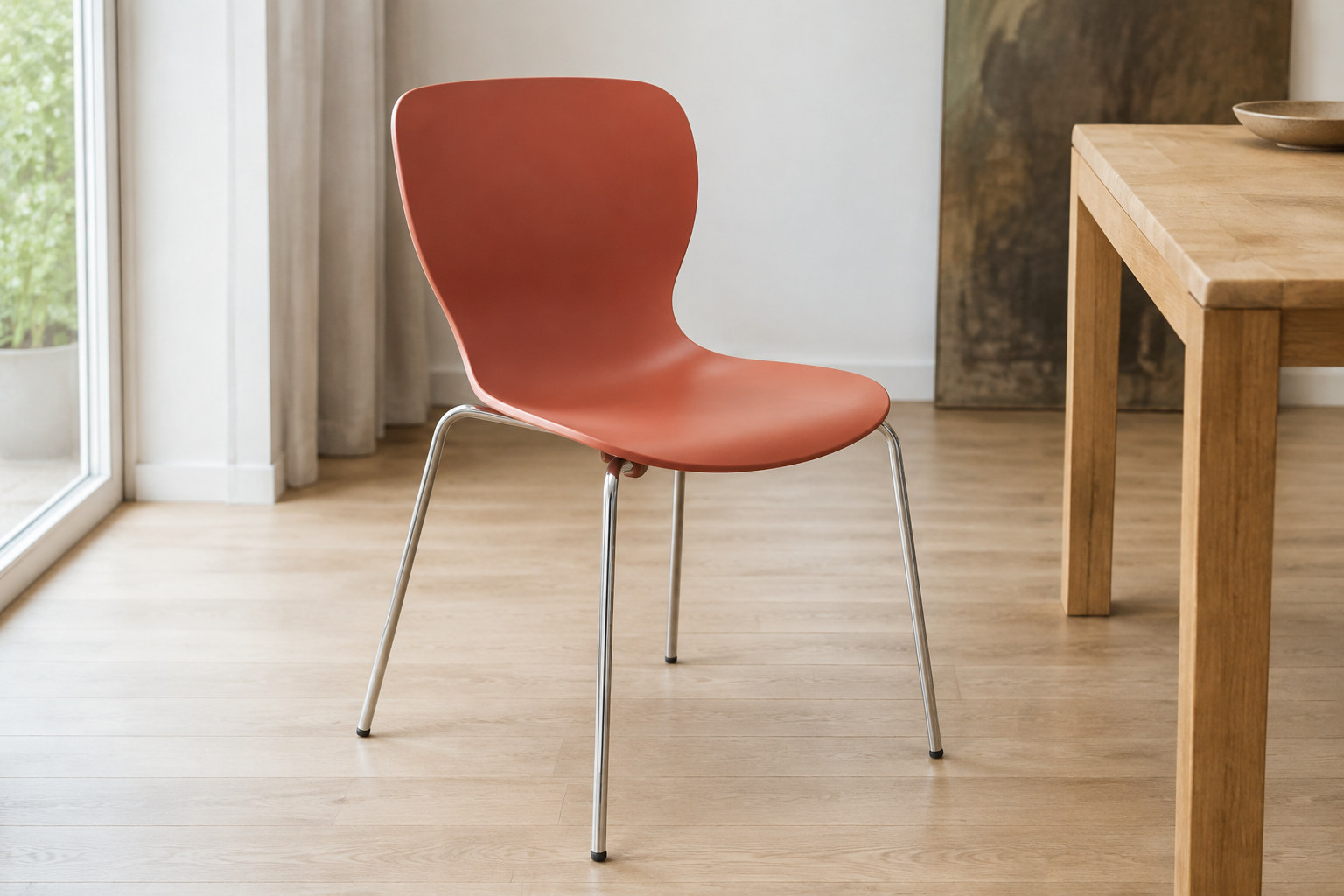
Maui can disappear into a meeting room or around a kitchen table. Look closely at its plastic shell and it becomes more interesting: the smooth curves are carrying structural work that other chairs give to visible ribs.

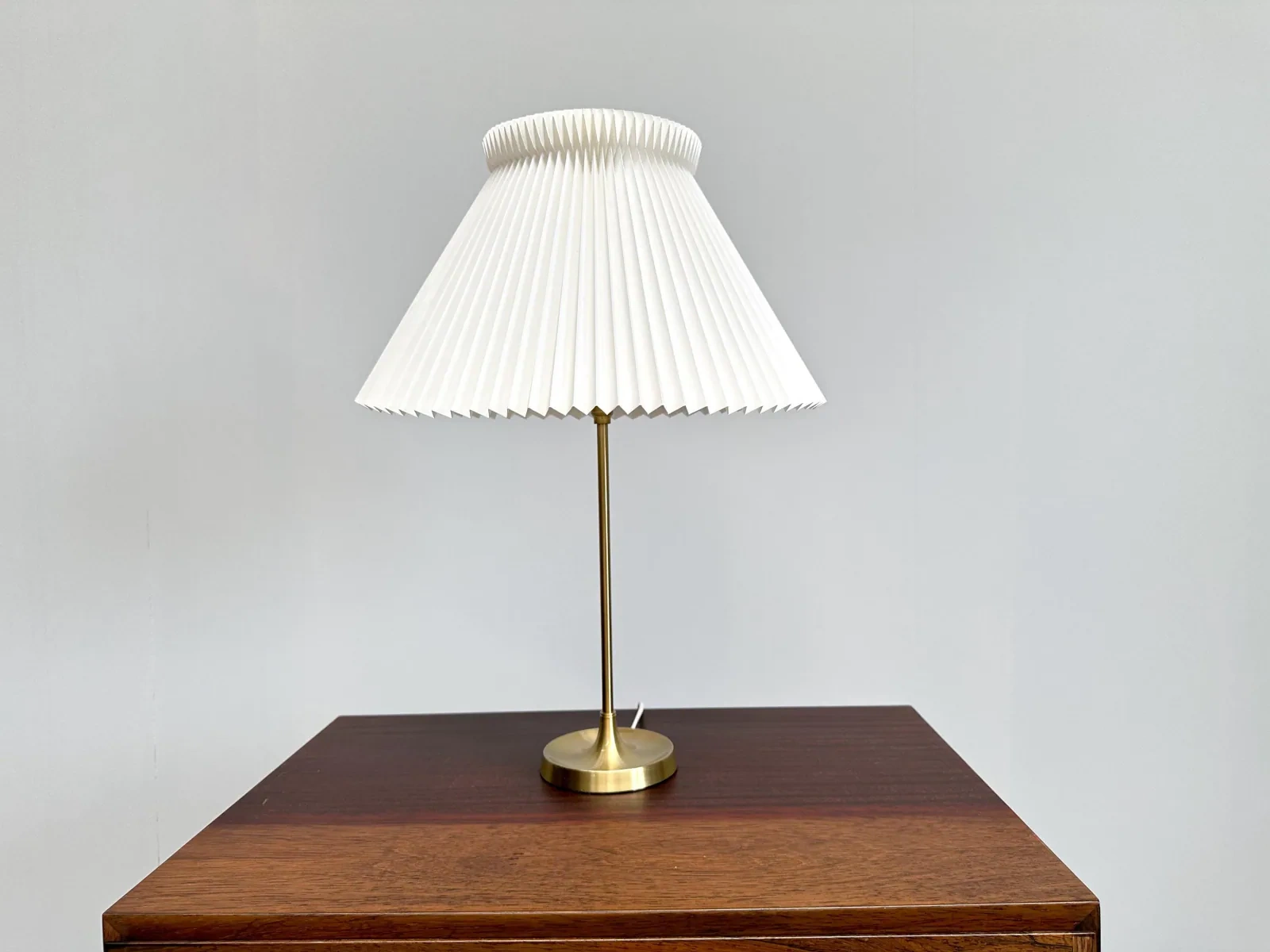
Discover Esben Klint’s 1948 Model 307, where a slender brass stand lets a hand-folded Model 2 shade create volume, stiffness and softened light.

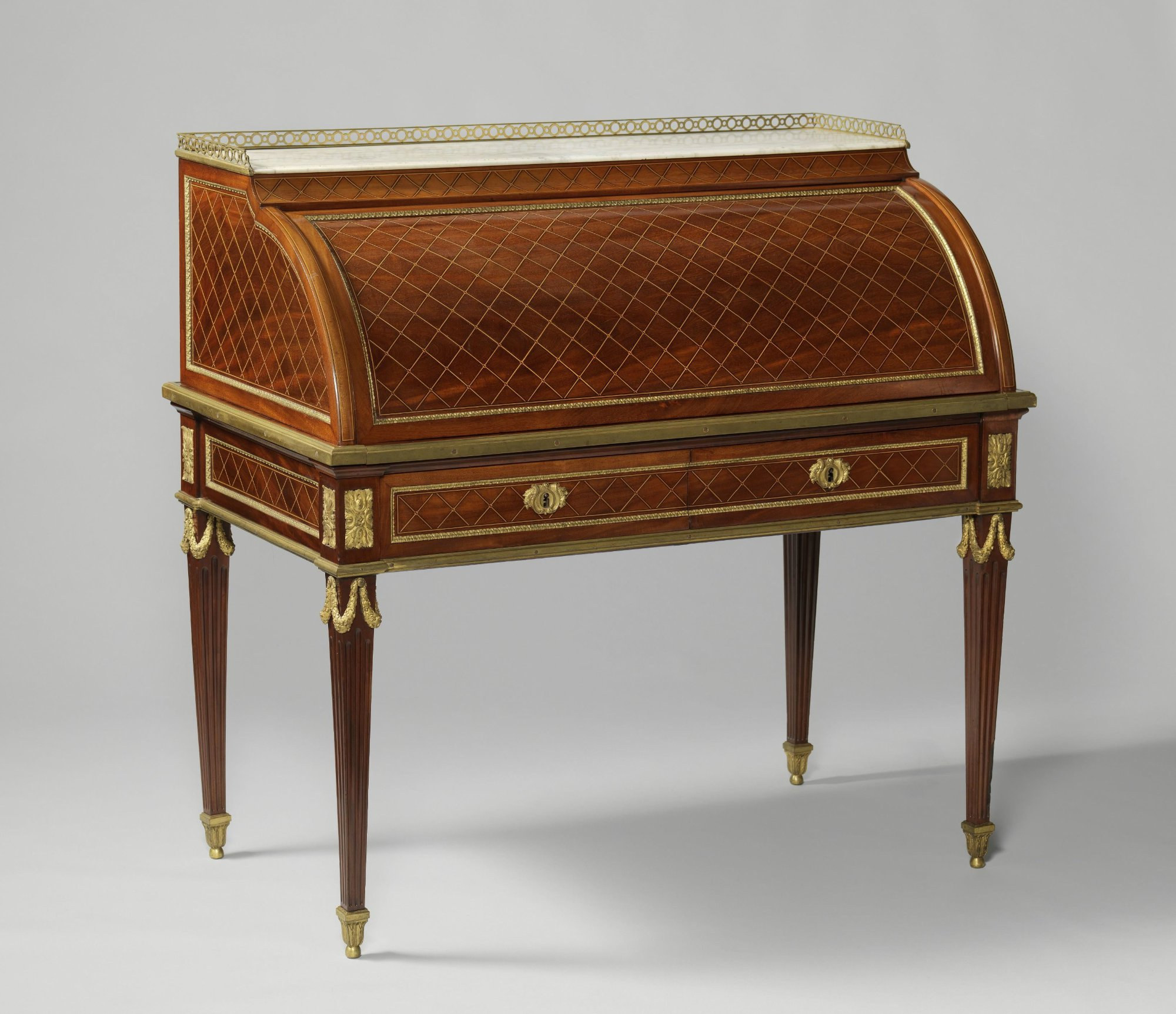
See how one pull transforms Jean François Leleu's c. 1775–85 cylinder-top desk from a restrained mahogany case into a fitted place for writing.

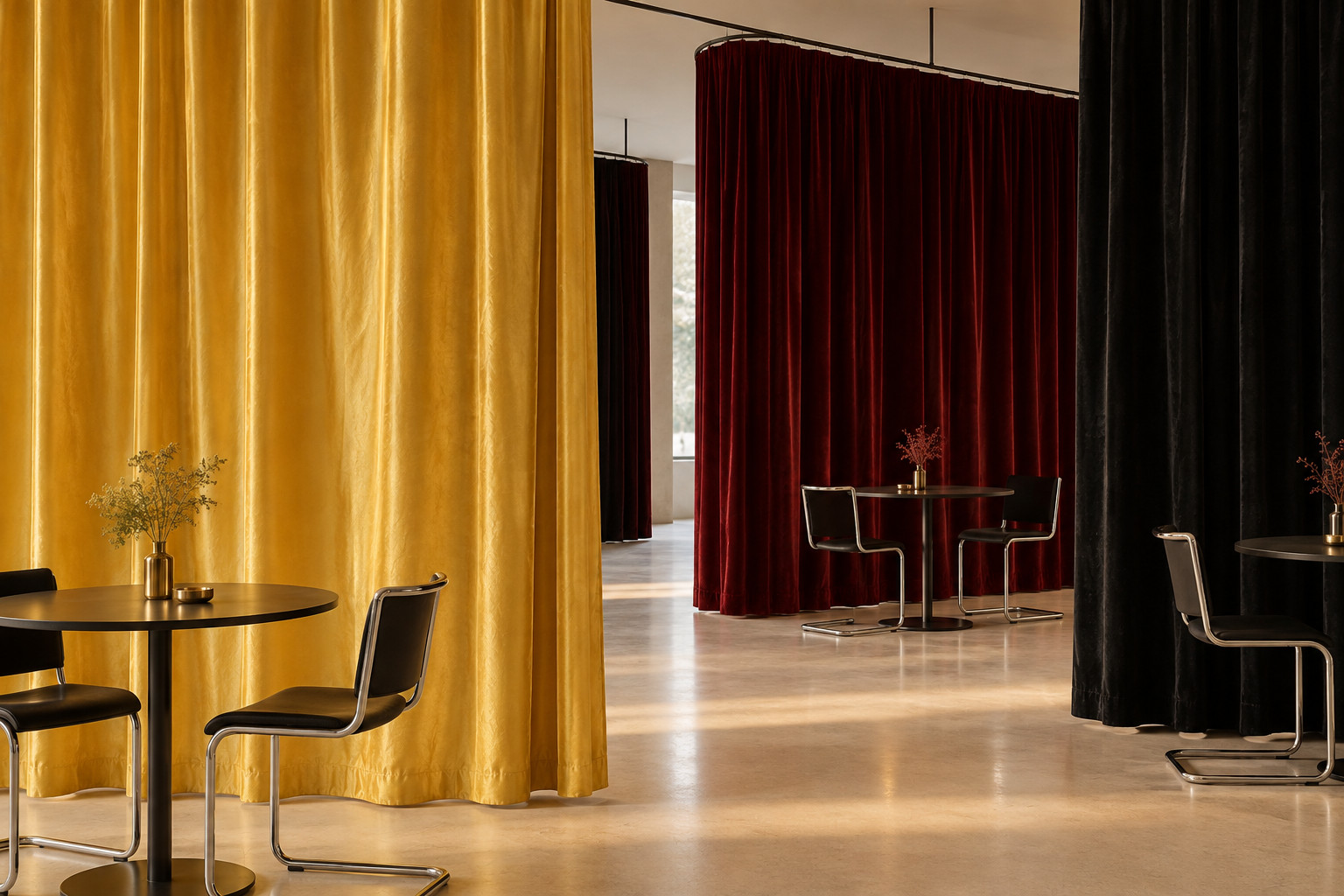
Inside Lilly Reich and Mies van der Rohe’s Velvet and Silk Café, cloth displays itself while shaping a room. A woven chair brings that material thinking to the body.

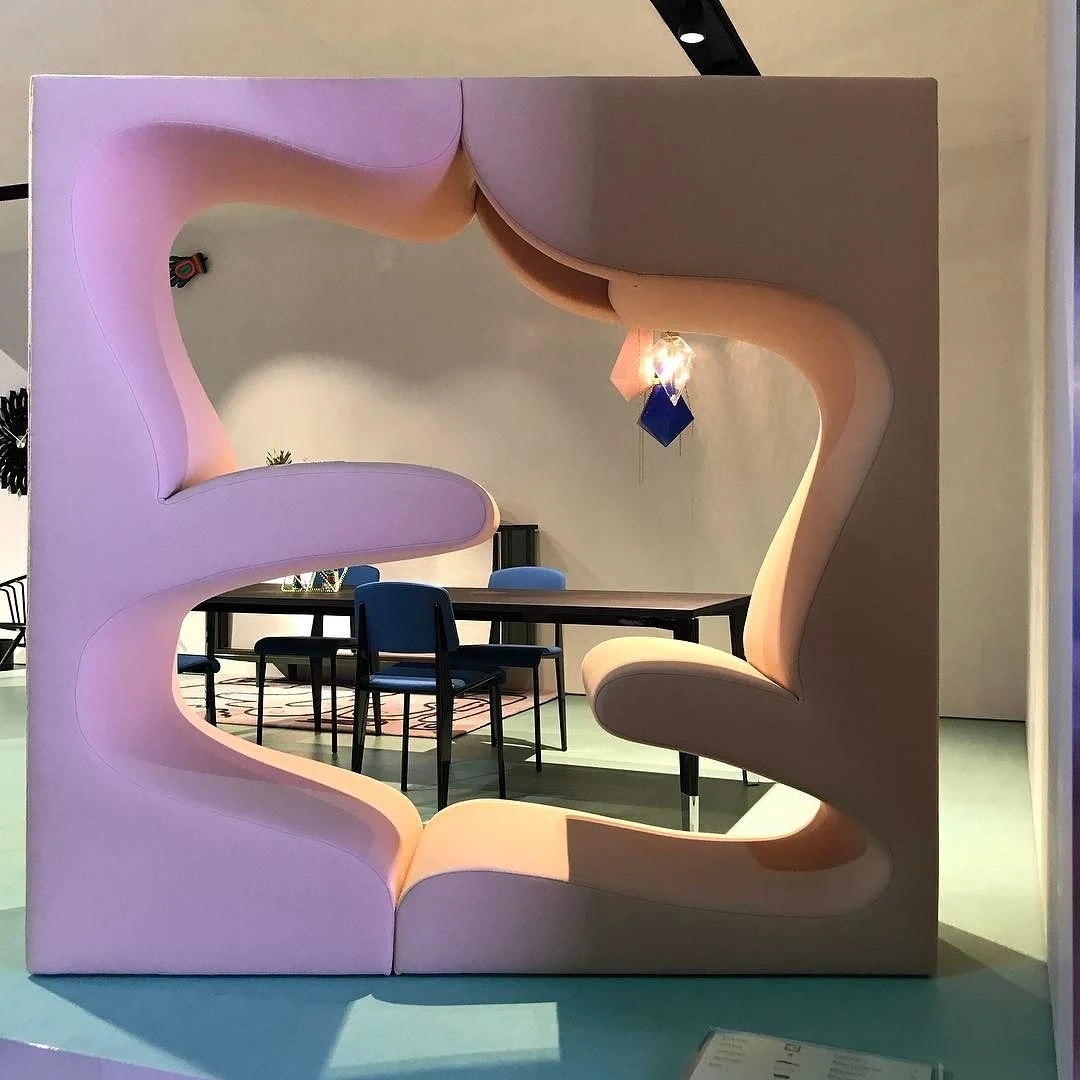
Climb inside Verner Panton's Living Tower and see how two upholstered elements, four seating levels and one great void turn furniture into social architecture.

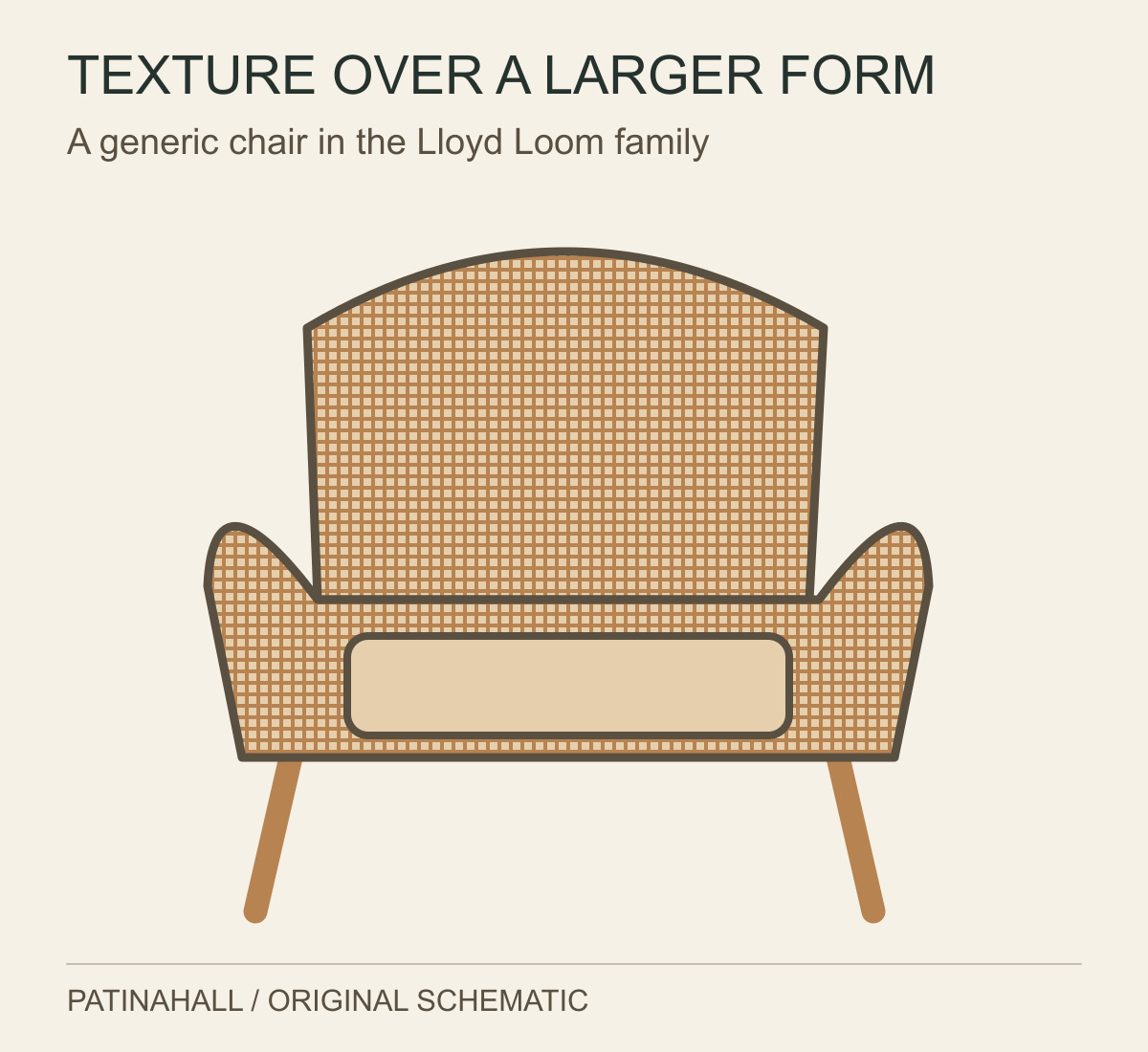
A Lloyd Loom chair can look like familiar wicker, but its surface begins as a woven sheet. Making the fabric first and fitting it around a frame changes how the chair is produced and how its texture reads.

A Luba lupona takes the form of a kneeling woman supporting a royal seat. Explore the carved figure, beads and a ceremonial role beyond everyday sitting.

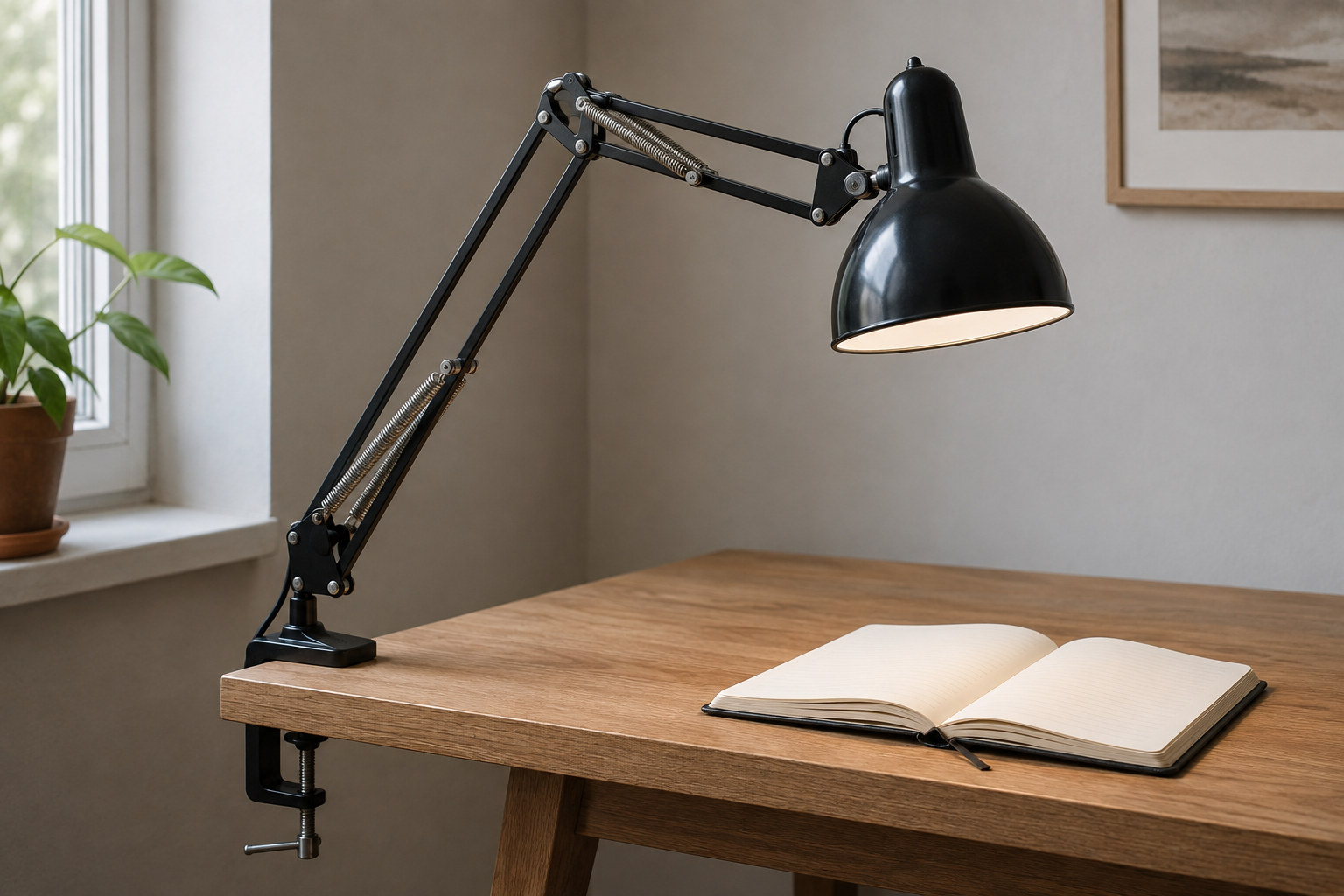
Luxo L-1 turns the edge of a desk into the starting point for a moving light. Its long articulated arm lets the shade reach towards the work, while a clamp can keep the main surface clear.