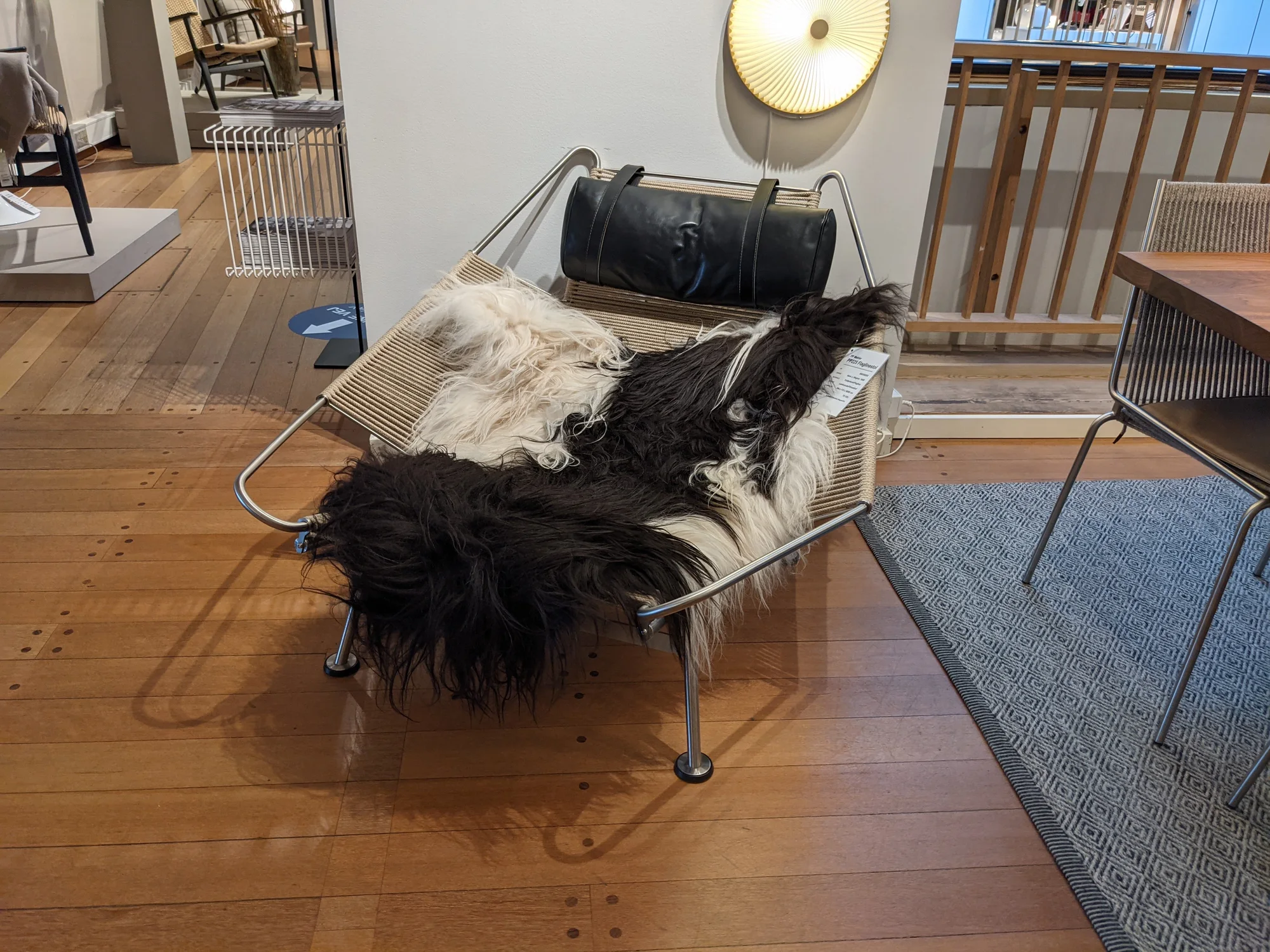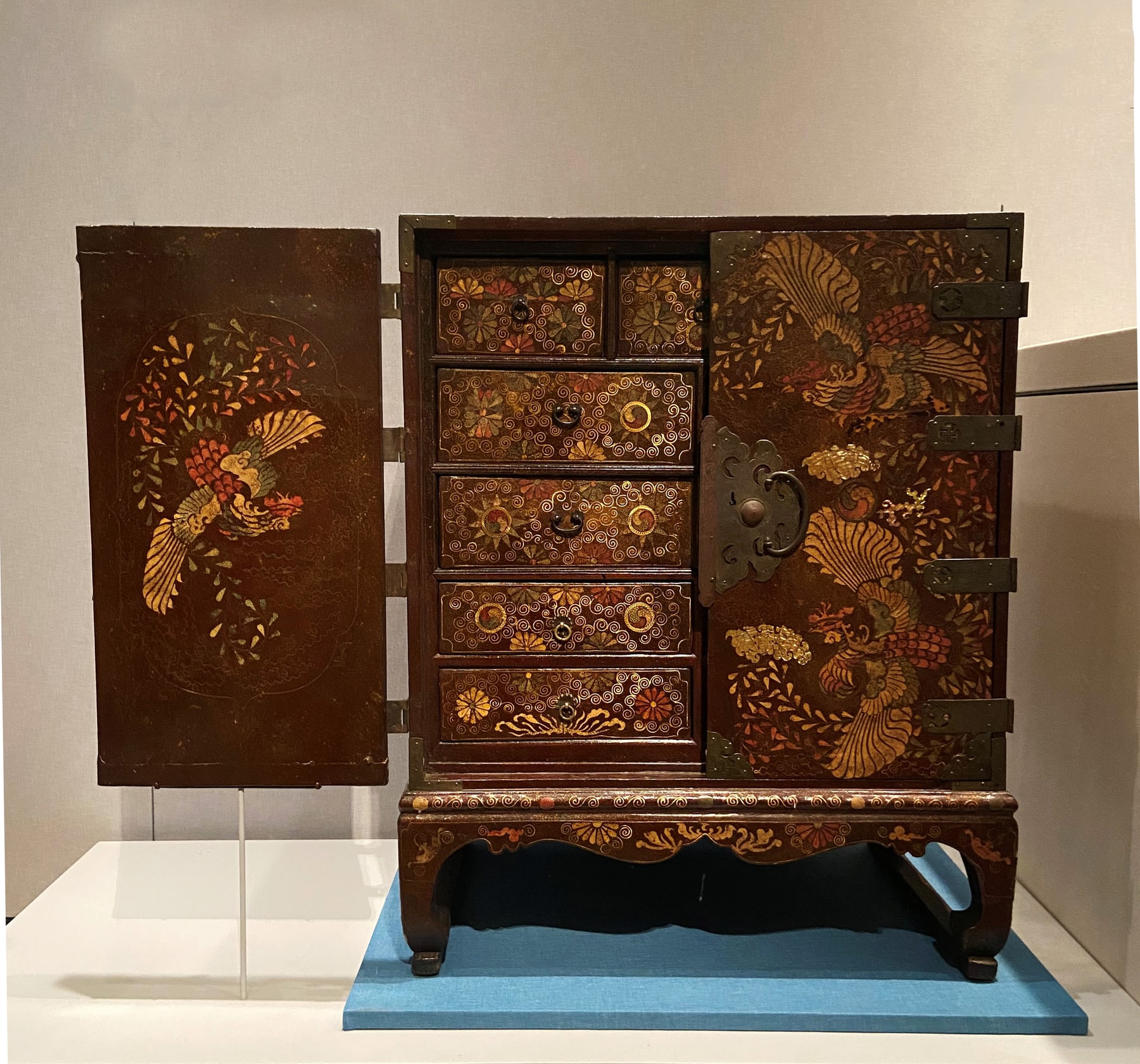
Chest decorated with phoenixes, colored roundels (taegeuk), and flowers 63.121.1a–k
A Korean chest combines mother-of-pearl, tortoiseshell, rayskin and brass. Look closely at how contrasting inlays build phoenixes and flowers across its doors.
Objects · people · ideas
Discover the objects, people and ideas that shaped furniture, from historic pieces to modern designs.

A Korean chest combines mother-of-pearl, tortoiseshell, rayskin and brass. Look closely at how contrasting inlays build phoenixes and flowers across its doors.

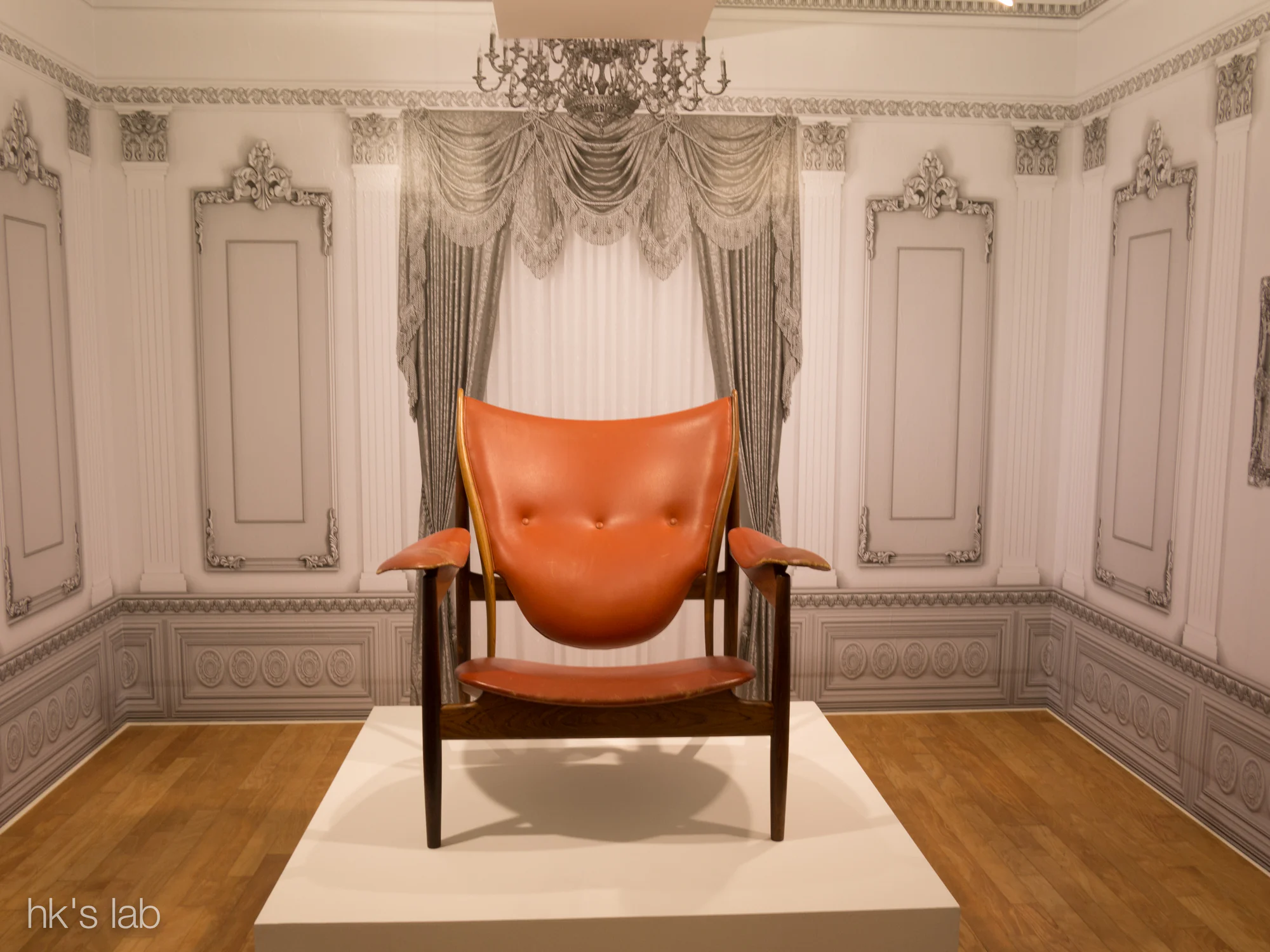
Read Finn Juhl's 1949 Chieftain Chair through its commanding scale, exposed timber frame, suspended leather forms, Guild debut and complicated name.

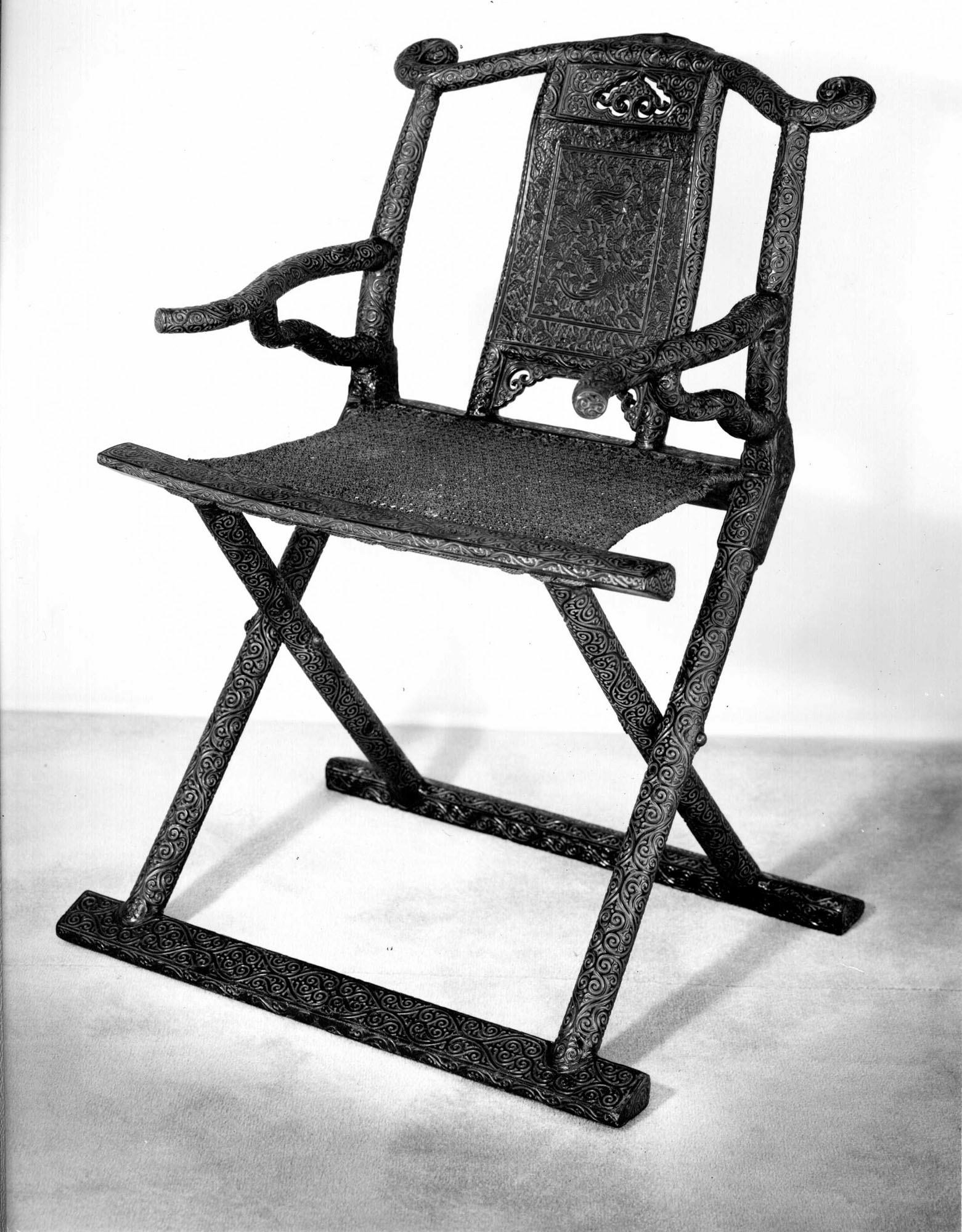
Read Chinese Folding Chair 69.217 from its crossed legs to its carved flycatchers, and discover how a mobile frame became a dense surface of craft and good wishes.

A furnishing proposal for farming families reveals how Clara Porset and Xavier Guerrero used pine, ixtle and jute—and why the drawing needed both their names.

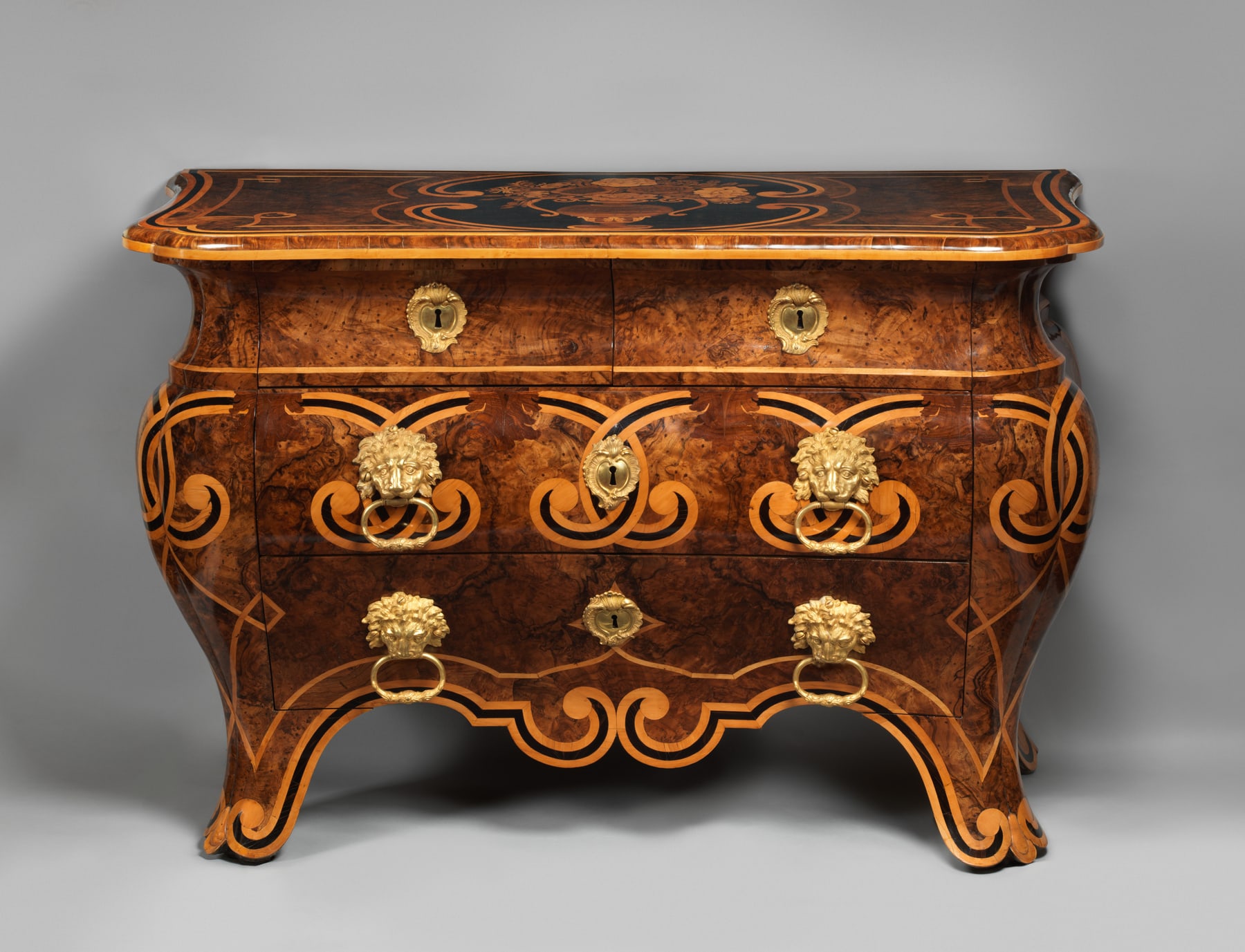
Tiny wooden nails explain the sweeping curves of Pietro Piffetti’s Turin commode: a close look at veneer, fastening and the cabinetmaker’s own furniture.

Learn how collectors use Copenhagen Cabinetmakers' Guild exhibition years, designer-maker pairings and catalogues without mistaking a model history for object provenance.

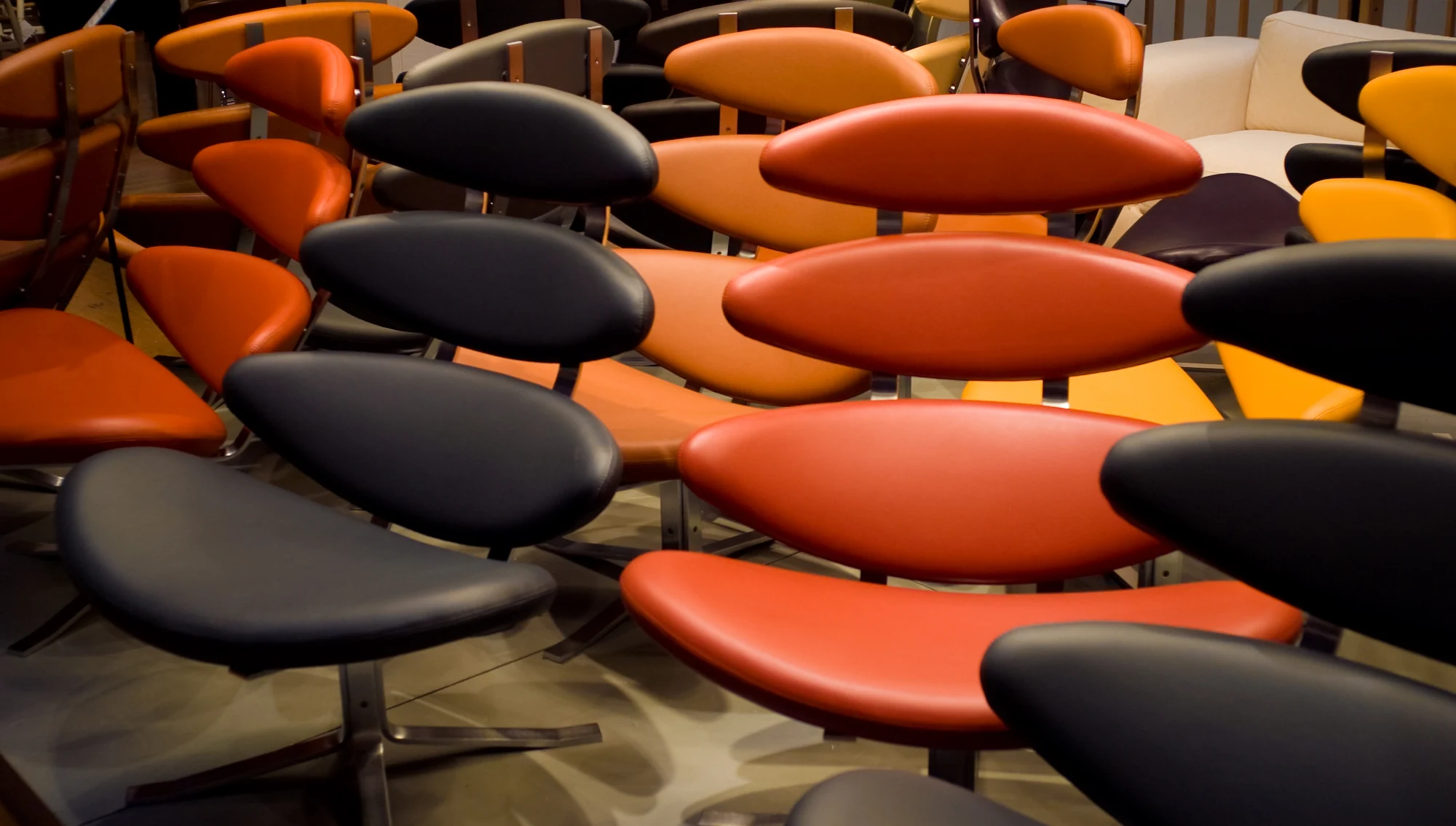
See how Poul M. Volther's Corona Chair divides one reclining body into four elliptical support zones, turning gaps and a spring-steel spine into the design.

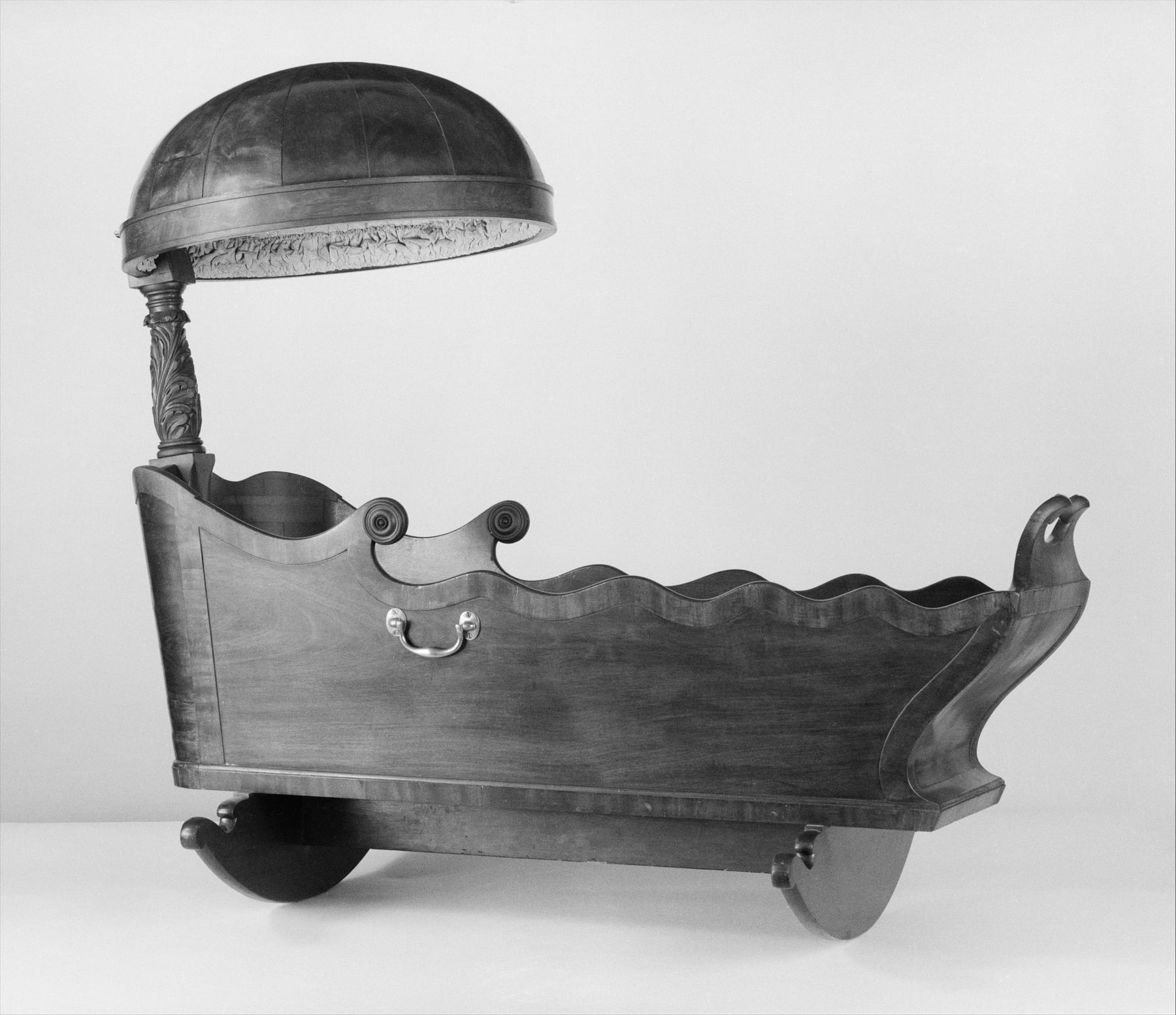
A New York cradle of 1815–20 brings late Federal taste into the nursery through a broad hood, rounded wooden enclosure and curved rockers.

Understand Danish Modern as a historical era, design method and international label—not a shortcut for pale wood, minimalism or automatic authenticity.

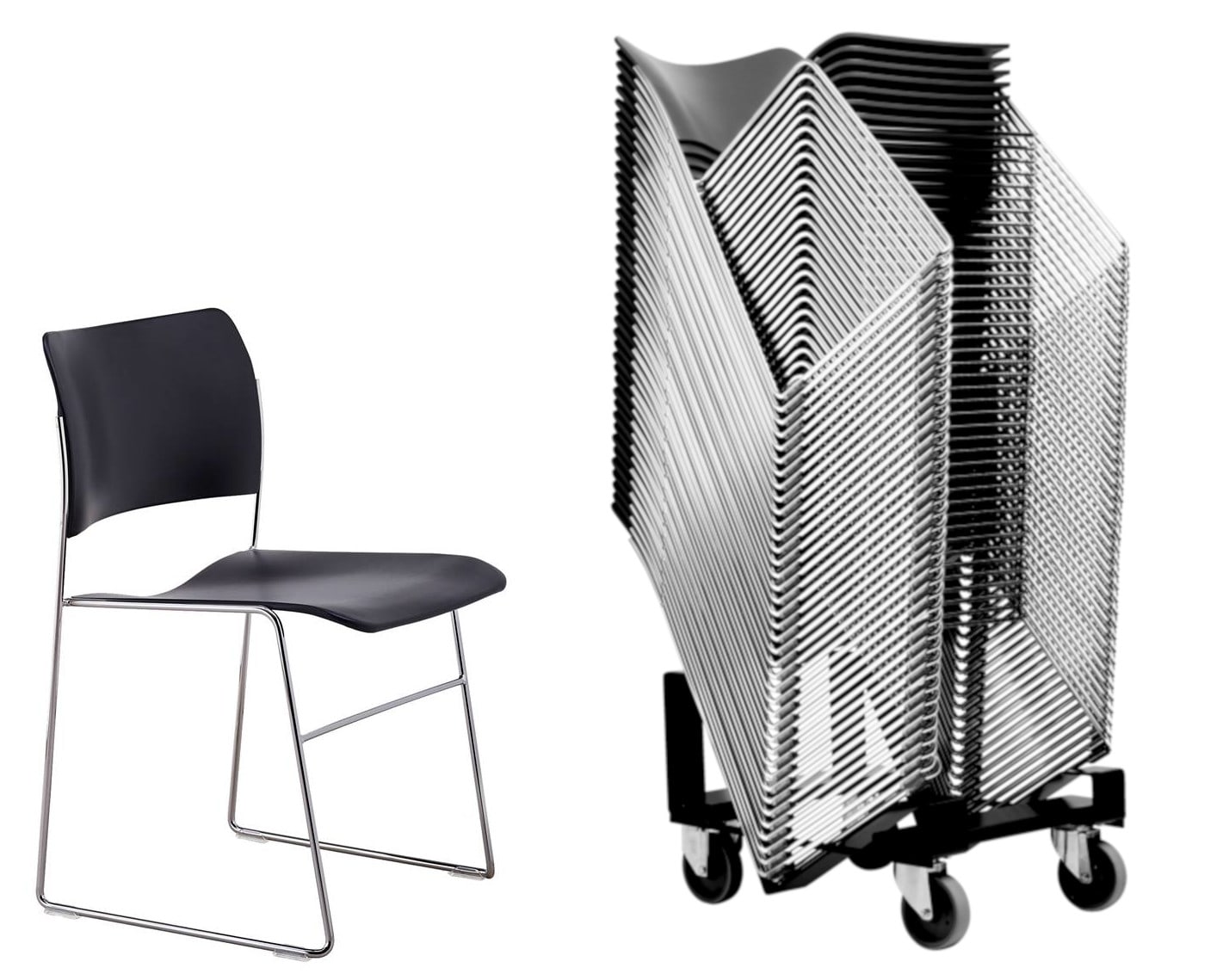
Why David Rowland’s 40/4 chair is named after a stack, how small gaps return space to a room, and what separates the 1964 steel example from later variants.

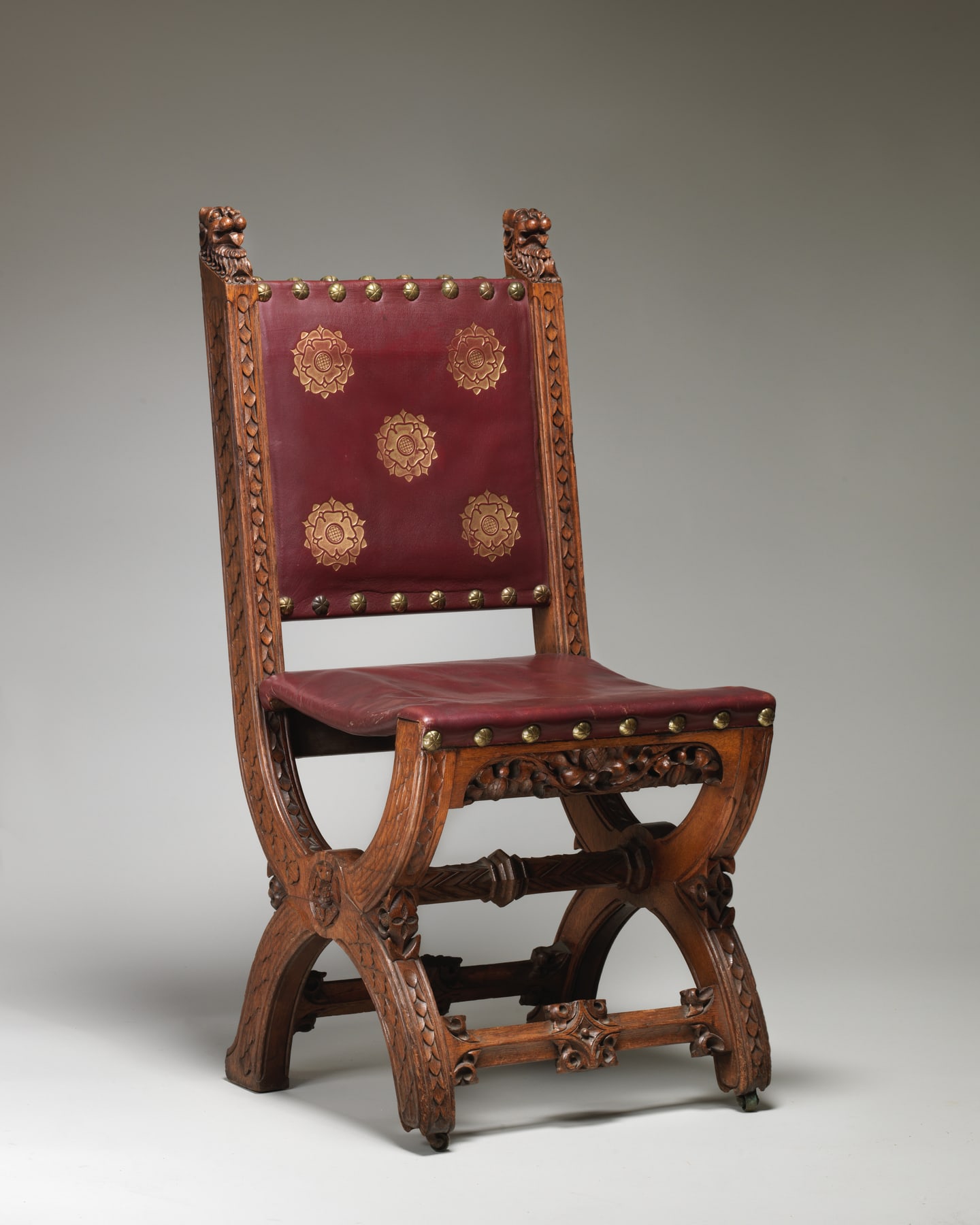
Made in 1859 after Pugin’s death, a Speaker’s House chair separates design from manufacture. Its oak X-frame helps explain the afterlife of a Gothic interior.

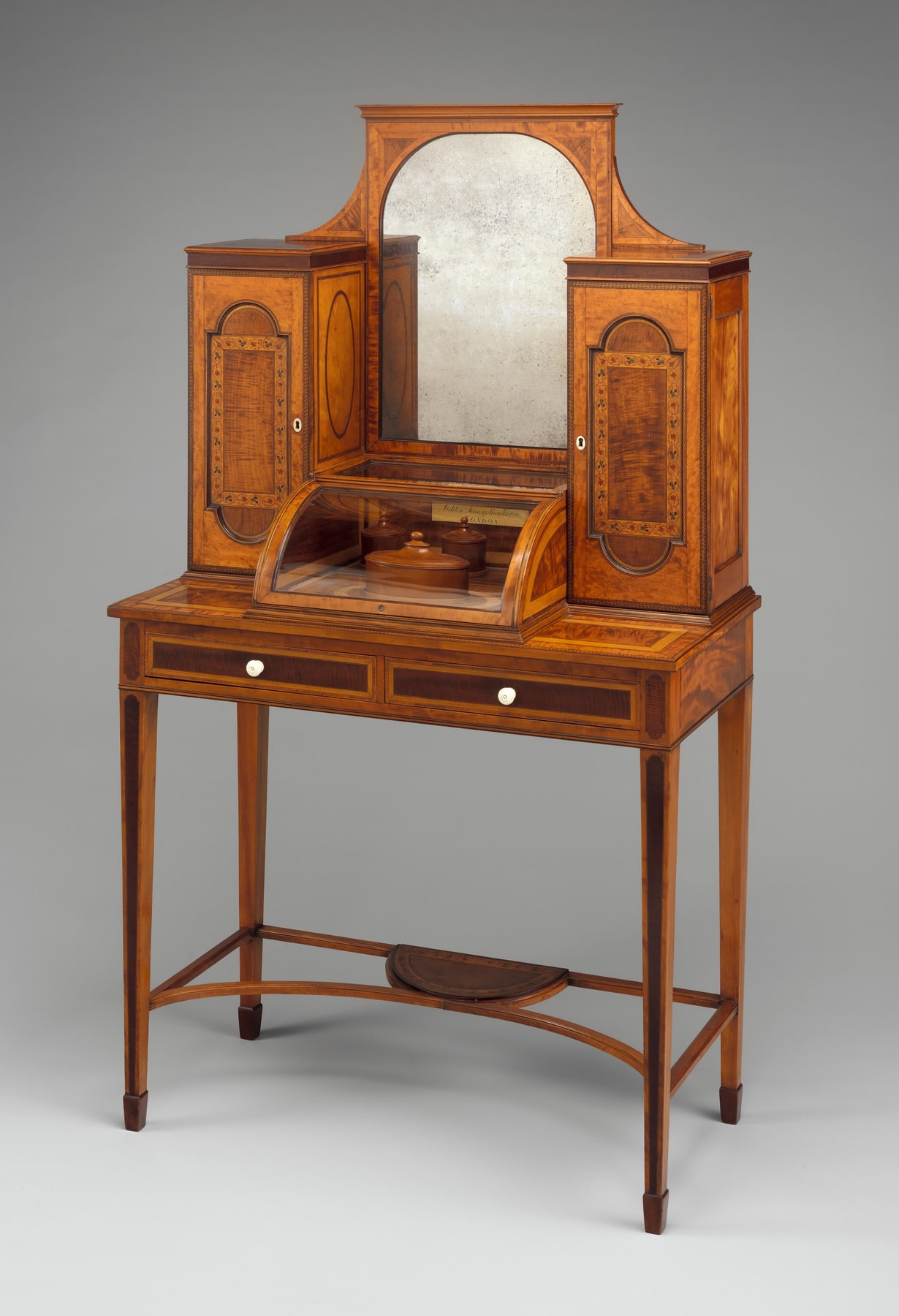
A compact London dressing table by Seddon, Sons and Shackleton organises a mirror, cupboards, containers and legroom around the person sitting before it.

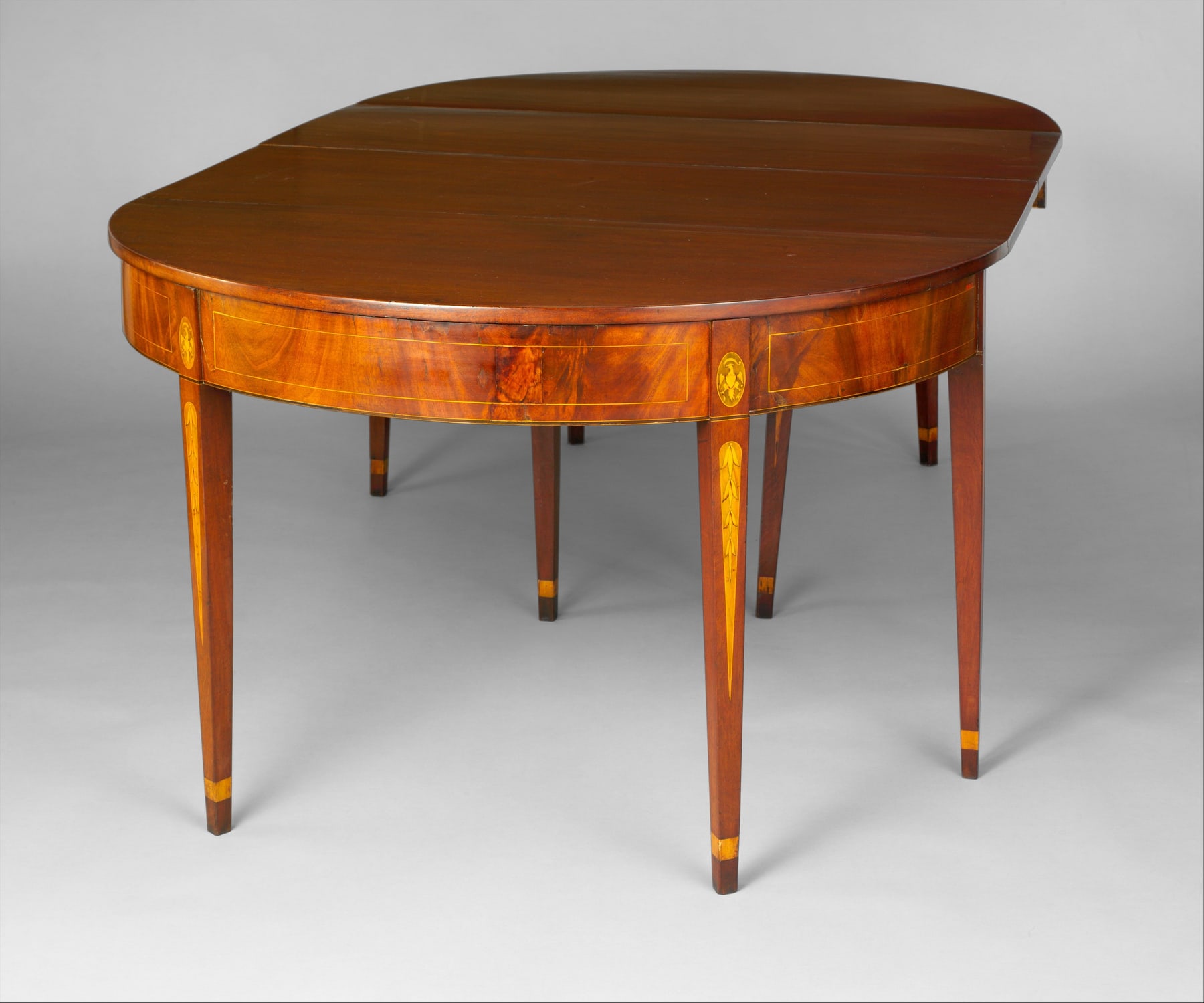
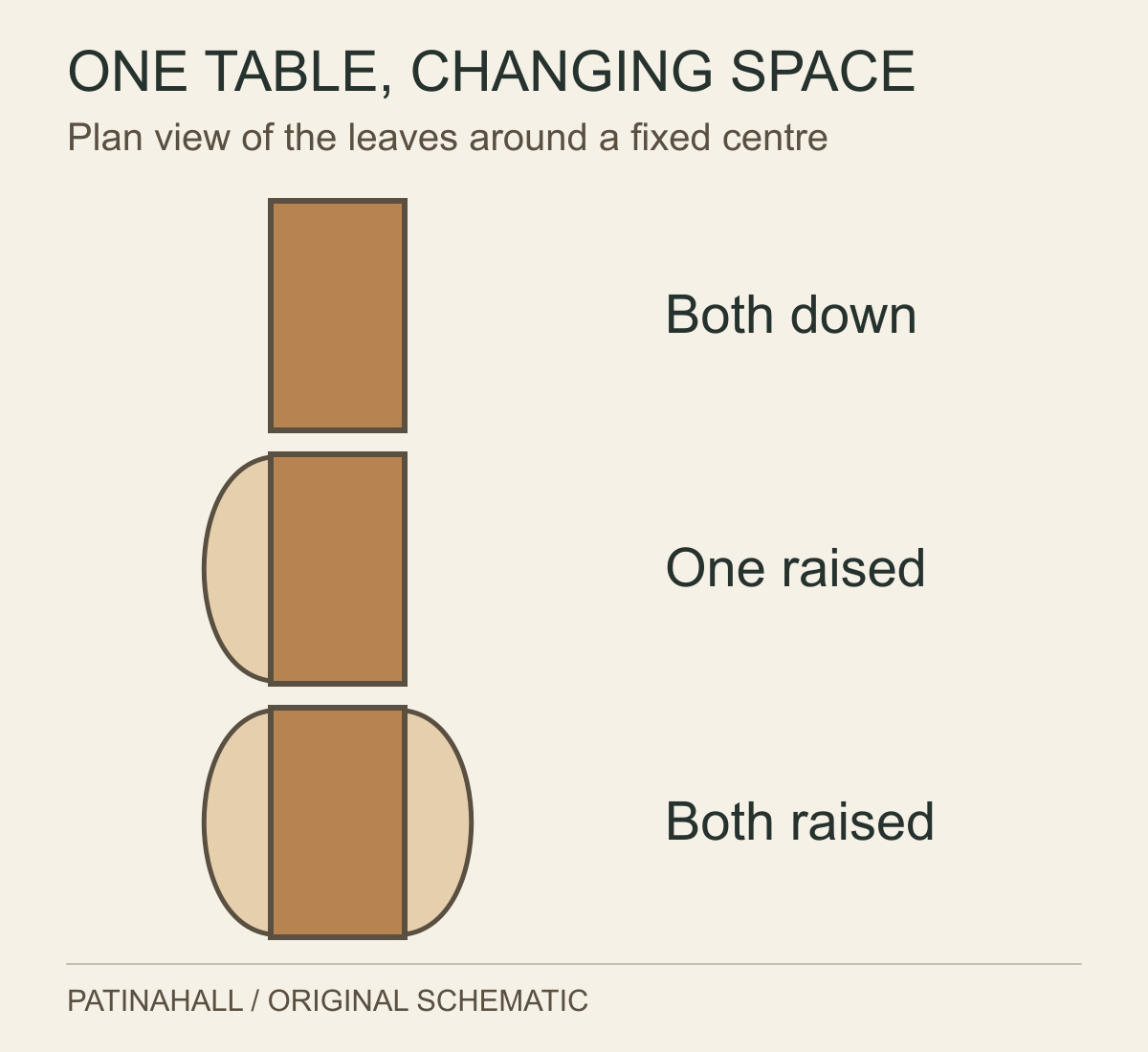
A Baltimore dining table divides into two demilune sections. See how hinged leaves let one piece of dining furniture occupy a room in several different ways.

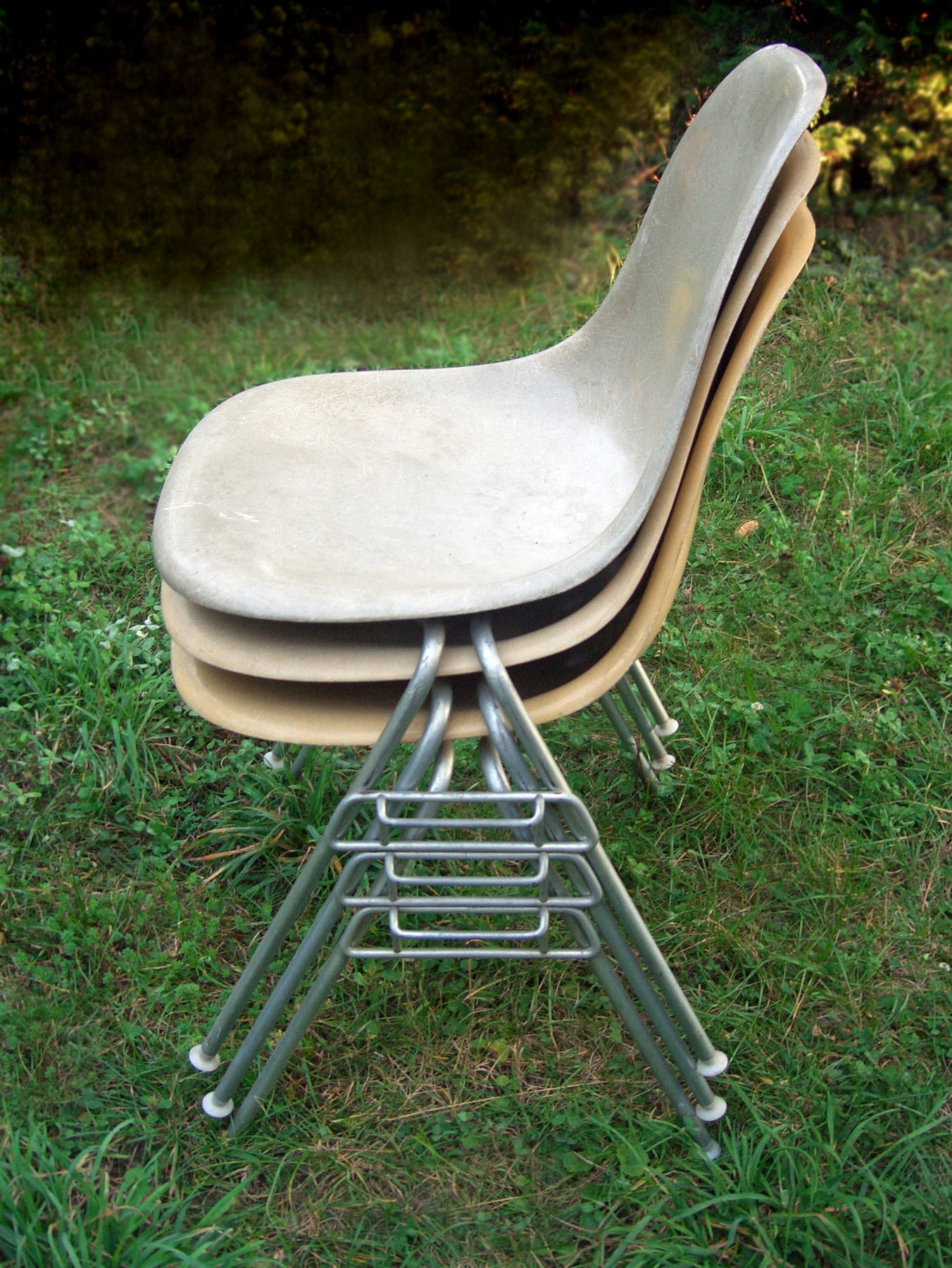
How Charles and Ray Eames developed a family of moulded shell chairs, why one seat can use different bases, and how early fibreglass differs from later plastics.

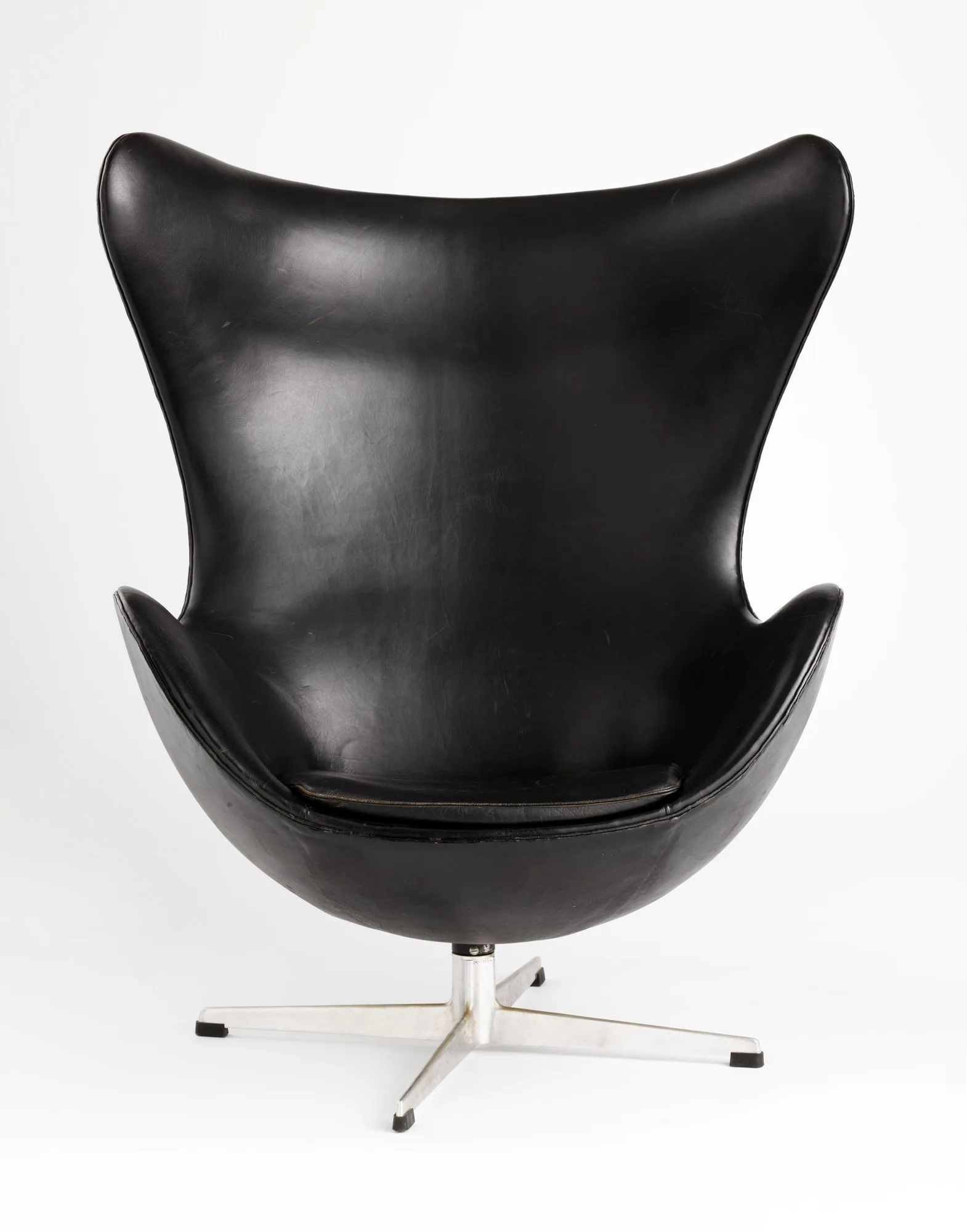
See how Arne Jacobsen's 1958 Egg Chair used a padded moulded shell to create privacy, focus and small social enclaves inside the SAS Royal Hotel lobby.

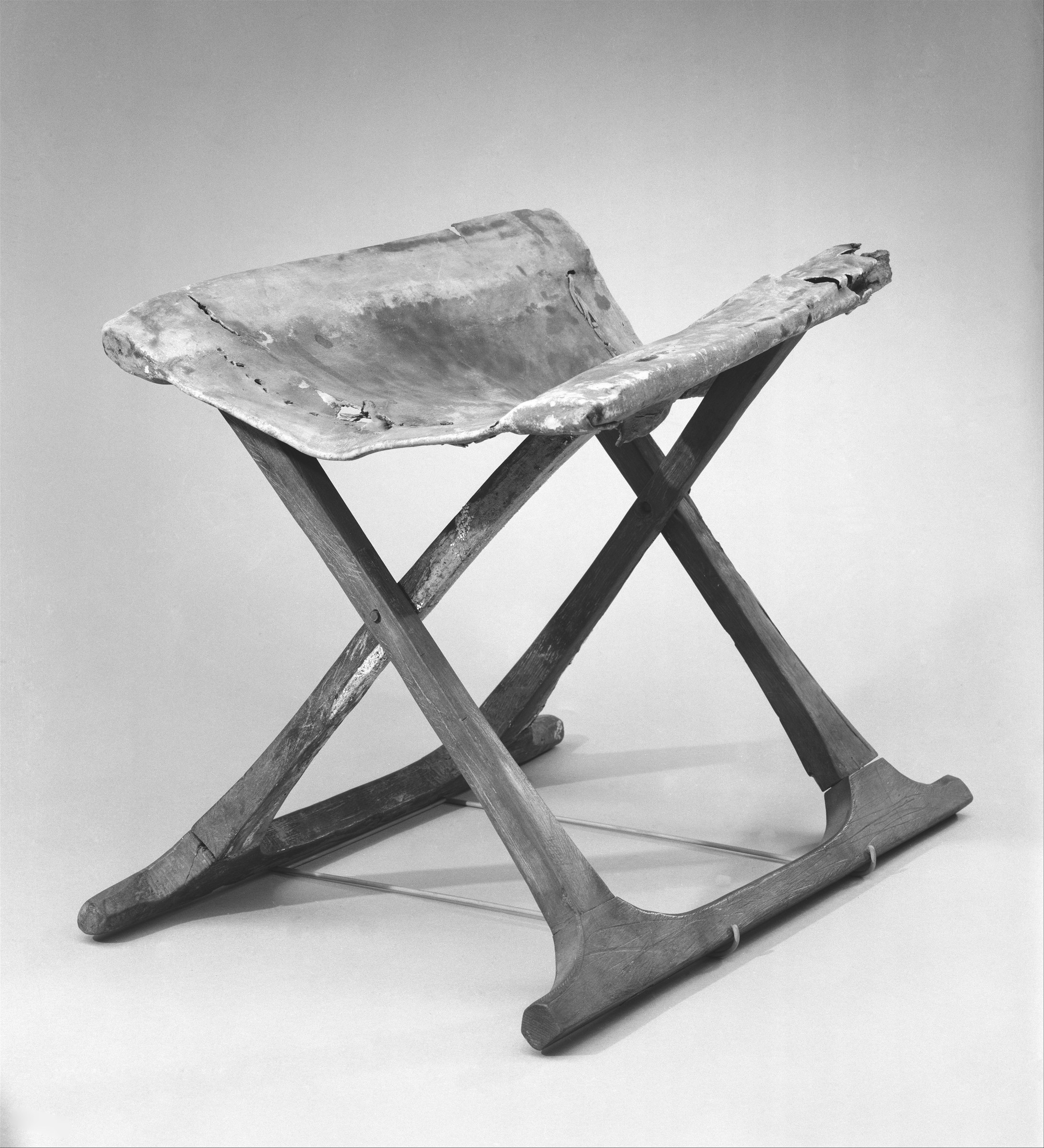
Look through the leather and crossed frame of Egyptian Folding Stool 12.182.58 to see how portable geometry could also become a visible language of dignity and office.

How Ercol's drop-leaf dining table changes its footprint, what supported the vintage 384 leaves, and how its catalogue dimensions differ from today's 7384.

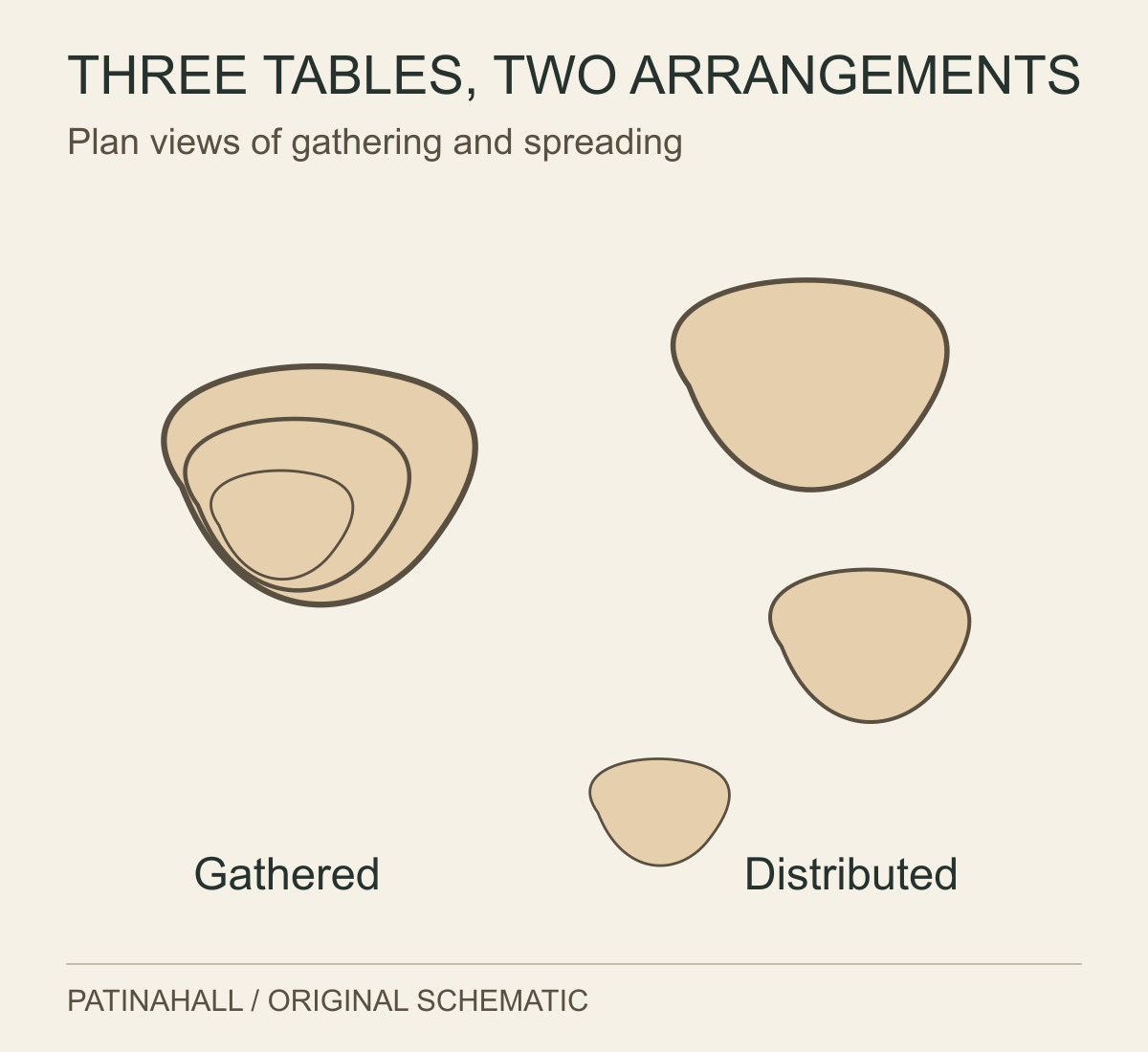
How Ercol Pebble nesting tables save space through graduated tops and heights, where the mid-1950s family began, and how today’s three-table and coffee-table nests differ.

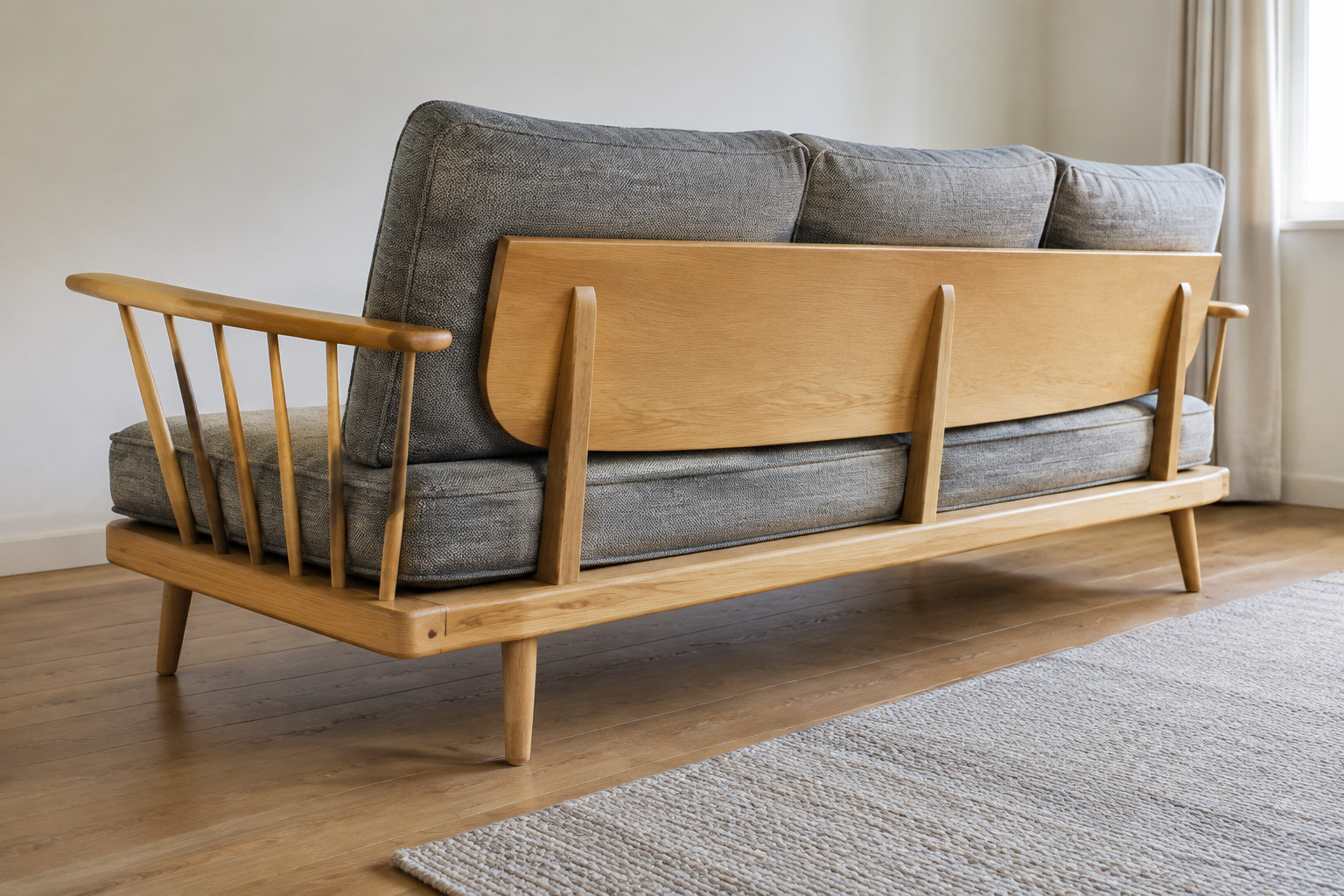
The Studio Couch shows its wooden frame instead of hiding it inside upholstery. Its original catalogue reveals another surprise: the back could be taken off, turning the long settee into a single bed.

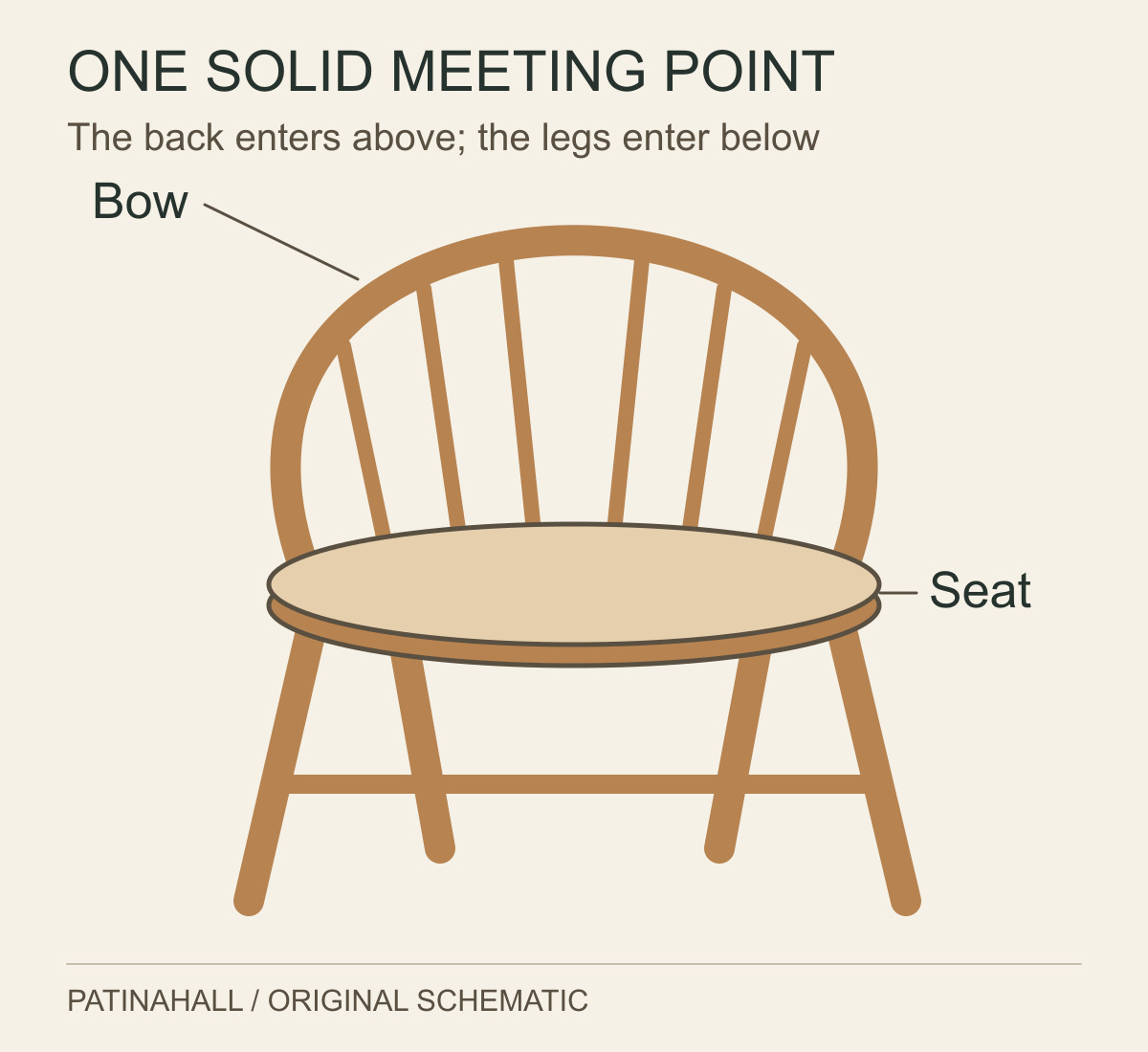
How Ercol Windsor dining chairs work: a solid seat joins the bow, spindles and legs, connecting traditional construction with everyday factory production.

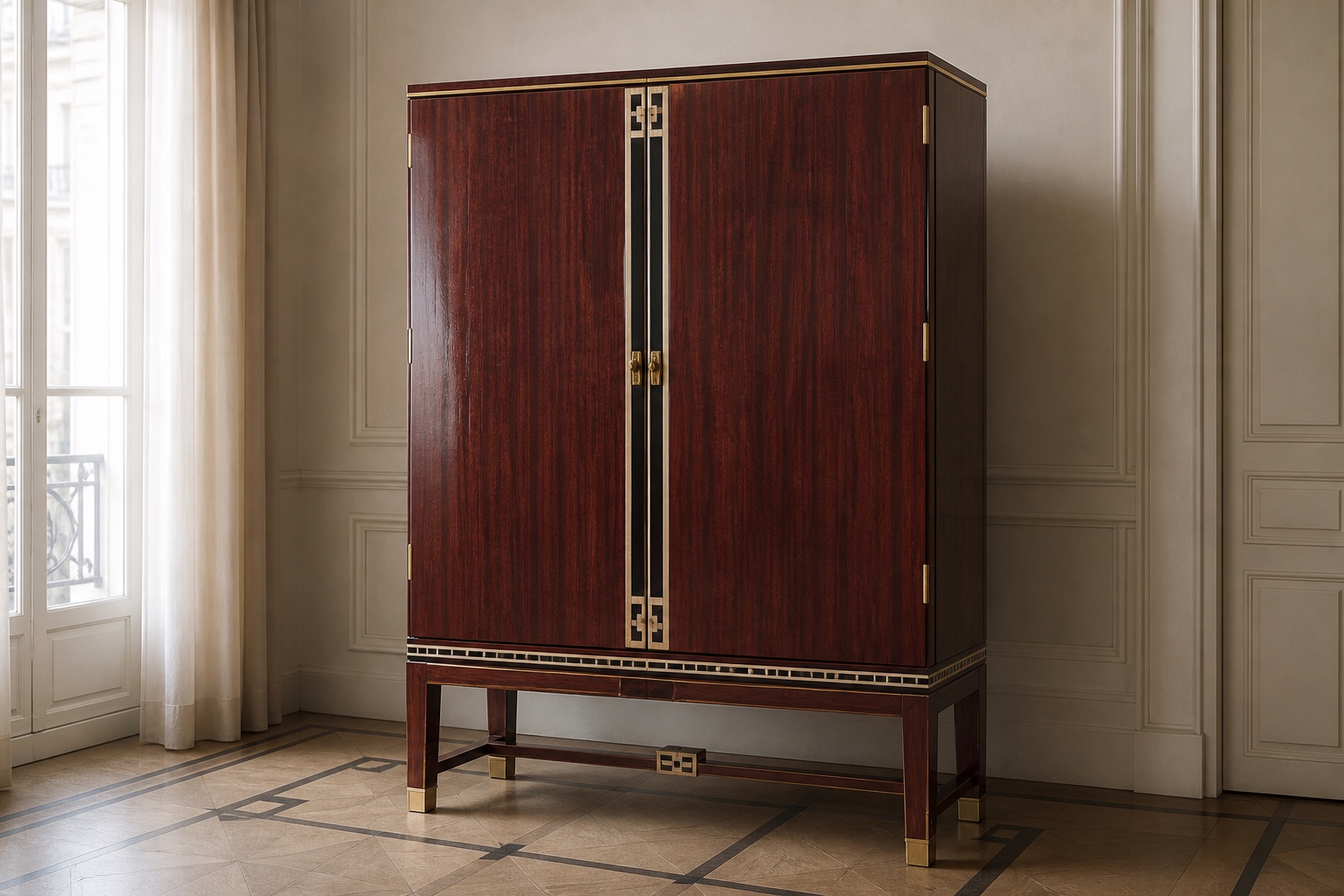
Understand what museum records establish about Jacques-Émile Ruhlmann’s État cabinet, why its 1922 design date differs from an object date, and what remains unproven.

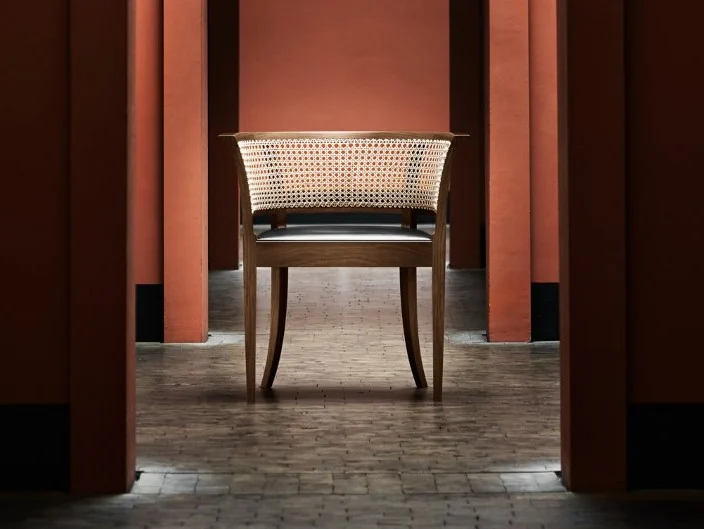
See how Kaare Klint's 1914 Faaborg Chair used mobility, open cane work and visual restraint to help museum visitors look at art rather than at the chair.

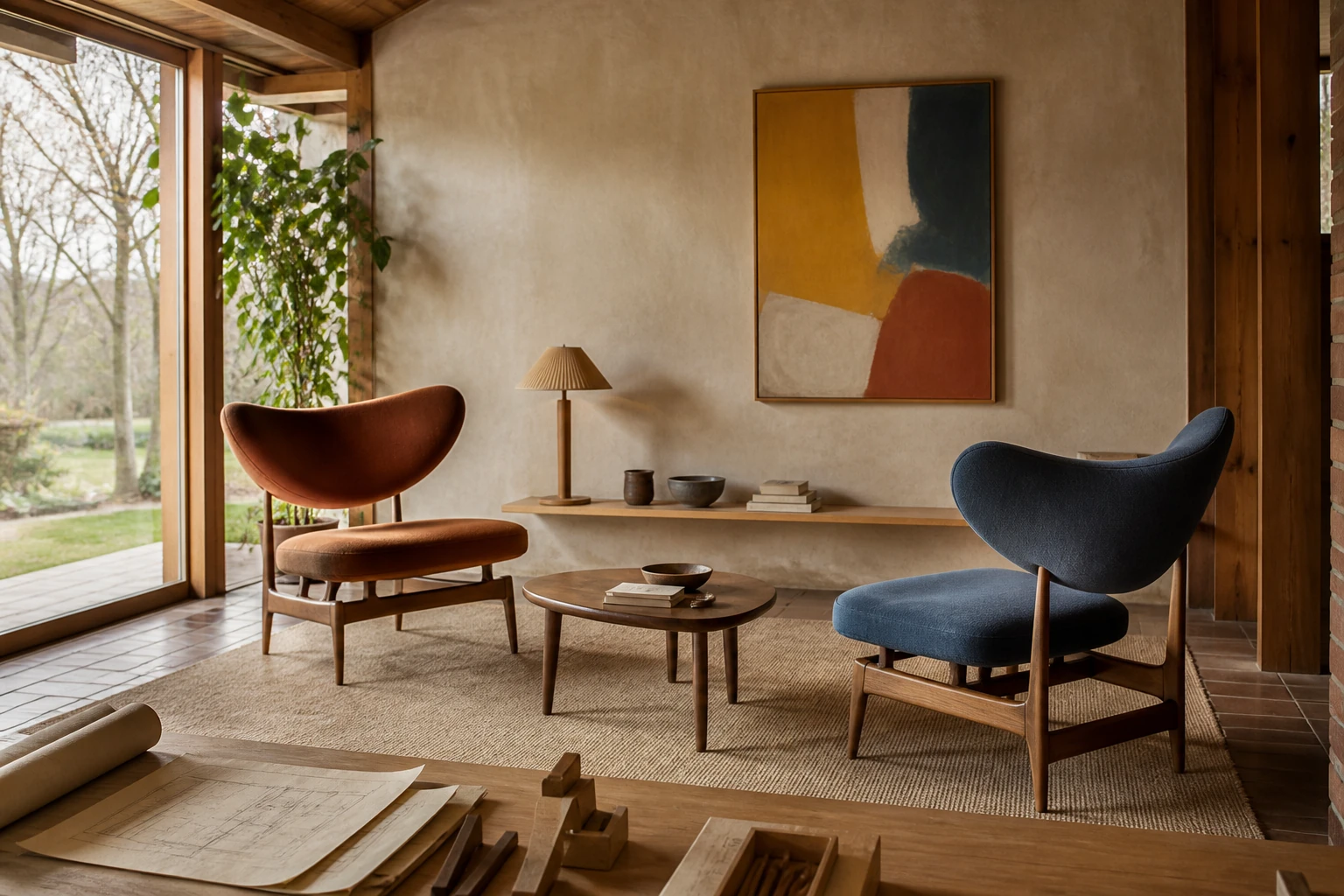
Enter Finn Juhl's house, exhibitions and UN chamber to see how furniture, art, architecture, colour and human use became one connected design problem.

Read Hans J. Wegner's 1950 Flag Halyard Chair through its steel outline, repeated cord, selective softness and unusually exposed structure.