Clarify the problem before filling the room
Spectrum’s account of Premsela describes a designer concerned with helping people by formulating their problems clearly. That is a useful way to approach the objects: begin with the relationship a person needs, then notice how directly the design establishes it.1
A mirror needs a reflective surface and a place in an interior. A light has to meet a room and the activity within it. Neither task necessarily asks for a complicated visual explanation.
The resulting economy is therefore more than the appearance of using few parts. It can be read as a way of keeping the important relationships visible.
A small object still has a surrounding room
Spectrum describes Premsela’s 1950s display work at De Bijenkorf and a later design office with Jan Vonk. It also connects him with Martin Visser through their time at the store. Hollands Licht separately recalls the Amsterdam display work in its profile.13
Display asks someone to think about attention: what is seen first, how objects relate and which parts of a setting can remain open. Interior work brings the same questions into a space people will occupy.
The small object can carry that experience without looking like a miniature room. Its outline, material and clarity of use still have to make sense among other things.
Two geometries make a direct answer
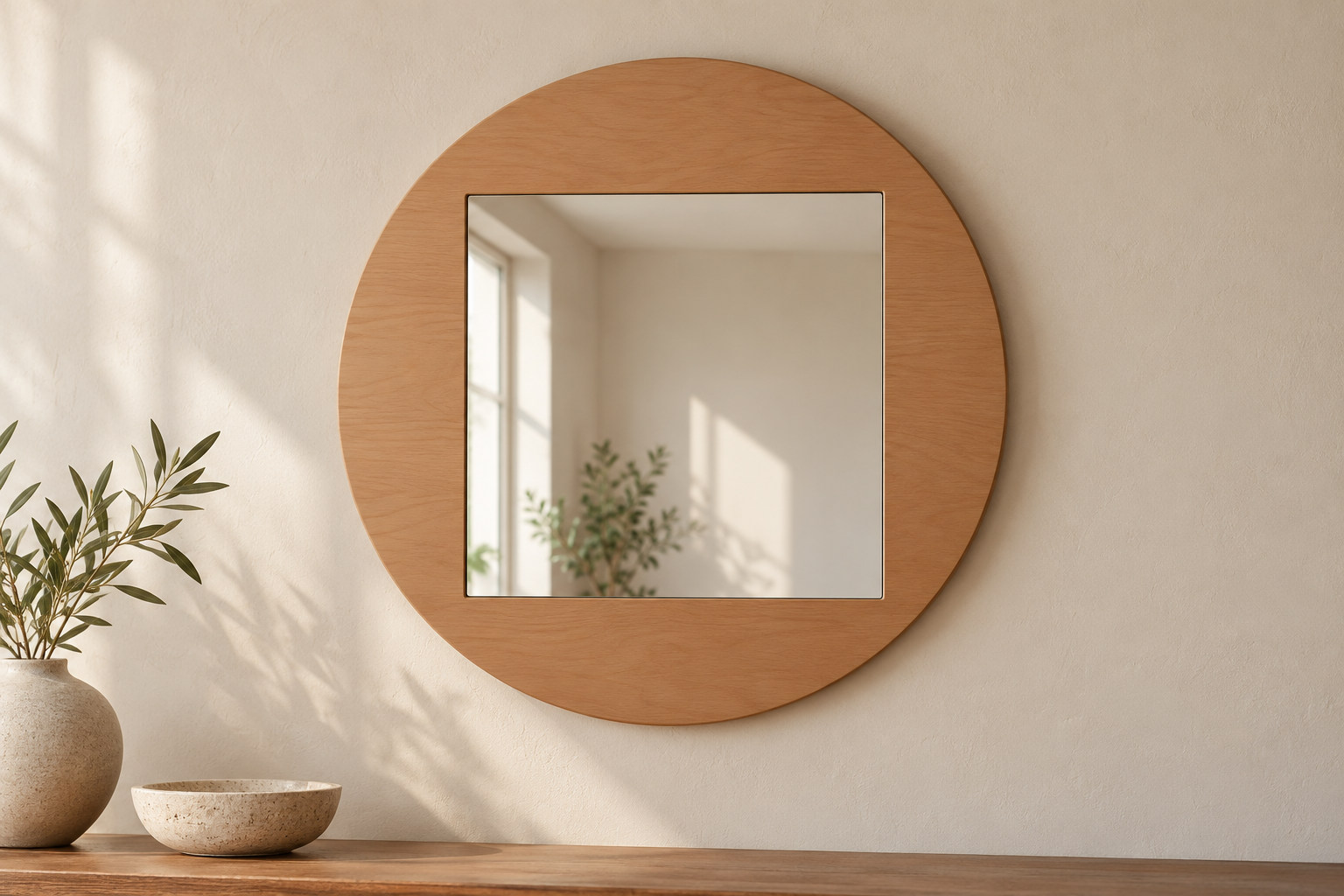
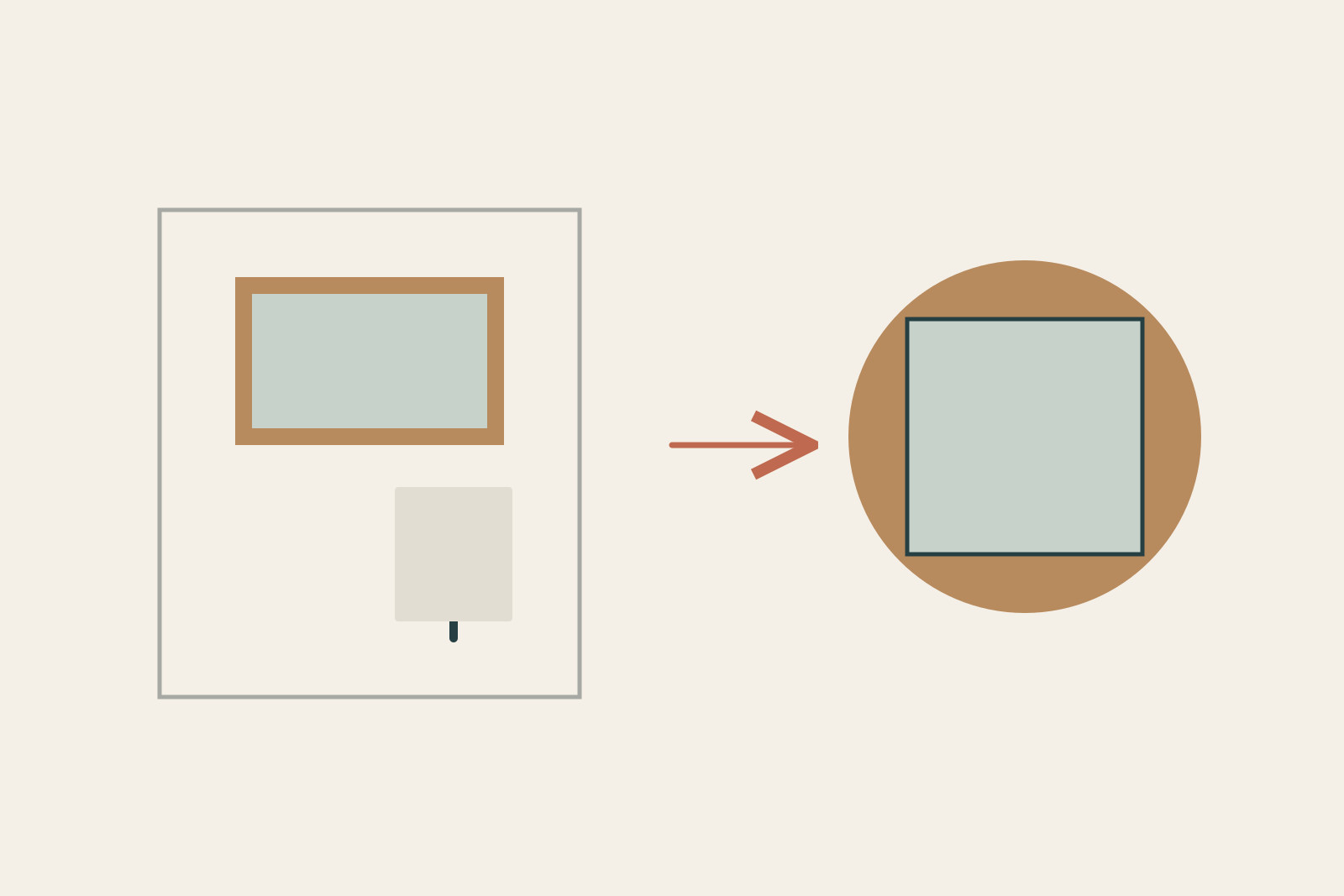
Spectrum’s Benno mirror record dates the design to 1956 and describes a square mirror entering a beech-plywood circle through a top slot. The two forms remain easy to distinguish.2
The manufacturer also tells a stock-ring origin anecdote. Its value here is as Spectrum’s account of an economical design idea, rather than as independently verified proof of exactly what happened in the workshop.2
The visual result stands on its own. The circle gives the reflective square a surrounding presence while allowing the glass to keep its corners. A direct arrangement makes the difference between the two forms part of the pleasure.
Useful light gives another point of view
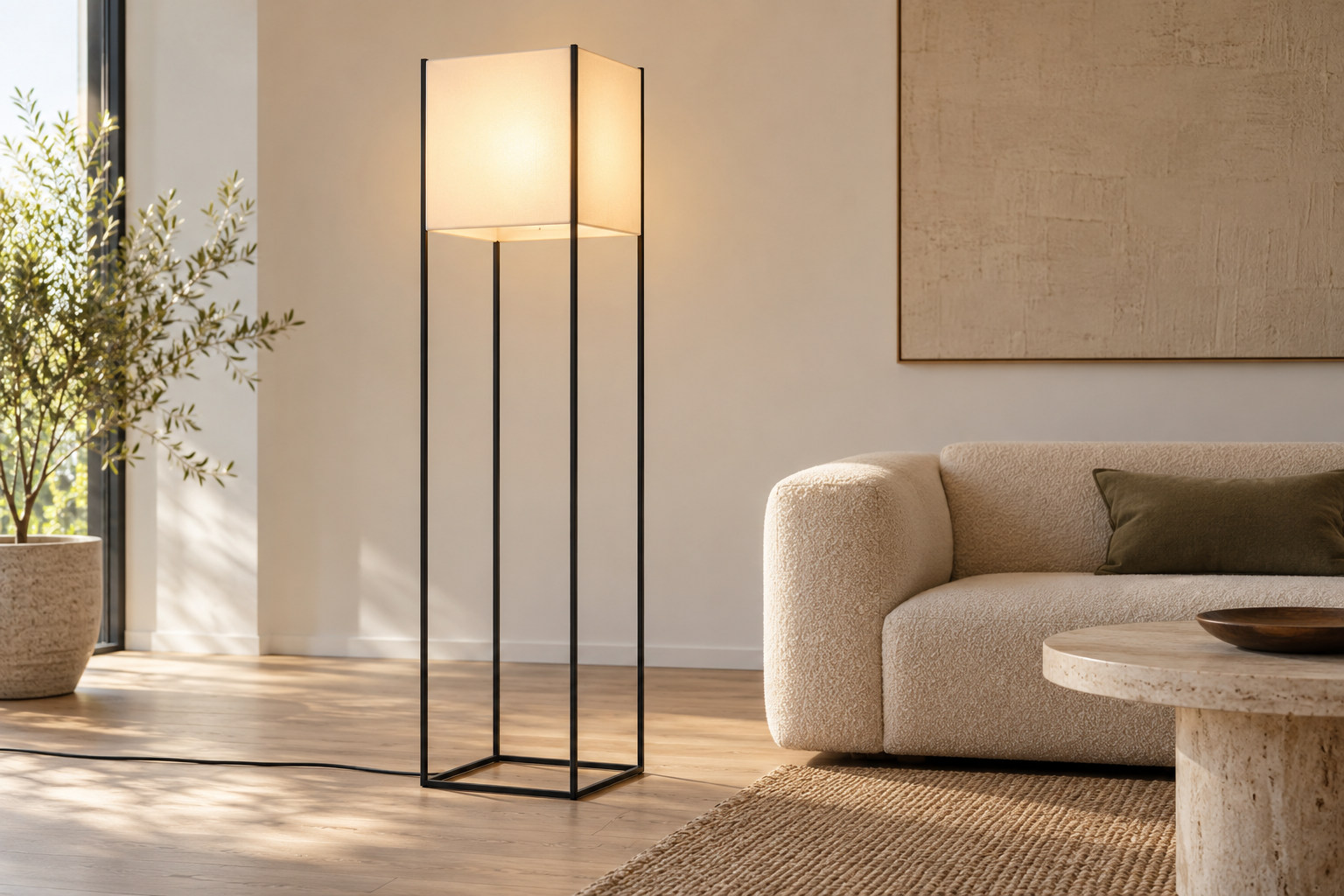
Hollands Licht’s Premsela profile includes a 1982 statement about light spreading through a room, supporting reading, avoiding glare and remaining affordable. These are the designer’s stated aims, not a performance certificate for every lamp.3
The statement brings the person and the room back into the foreground. An object’s clarity has a purpose beyond looking restrained. It helps explain what that object is trying to do for someone.
Seen through that approach, Premsela’s small designs belong to a larger habit of attention. Form is made direct so that a useful relationship can become easier to see.