Give light a small room
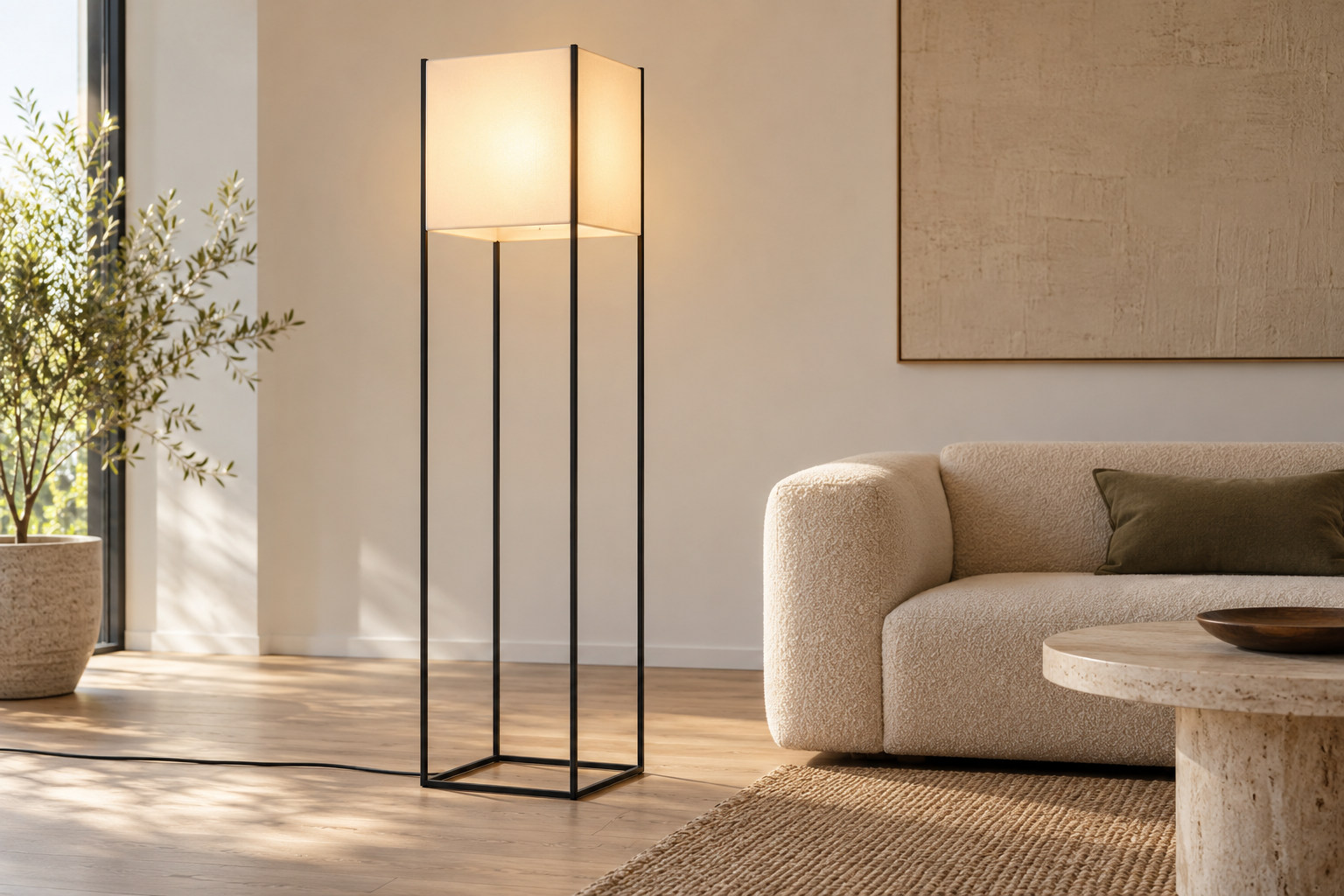
Lotek makes a lamp from a delicate-looking framework and a translucent screen. Benno Premsela’s 1982 design gives light a clear volume while allowing the supporting lines to remain visible.2 Hollands Licht’s history connects the lamp’s beginnings with Eikelenboom.3
The biography records Premsela’s concern with light distribution, reading and avoiding glare.1 The useful contrast is between frame and screen. One supplies an outline; the other turns a point of light into a broader glowing presence. The shade reads almost as a small enclosure, with the room still visible around its fine supports.
A simple vocabulary can change scale
The current technical sheet identifies steel and non-woven polyester and shows a family of sizes and height arrangements.2 Repeating a restrained vocabulary lets the lamp occupy different positions without needing an entirely different visual character each time.
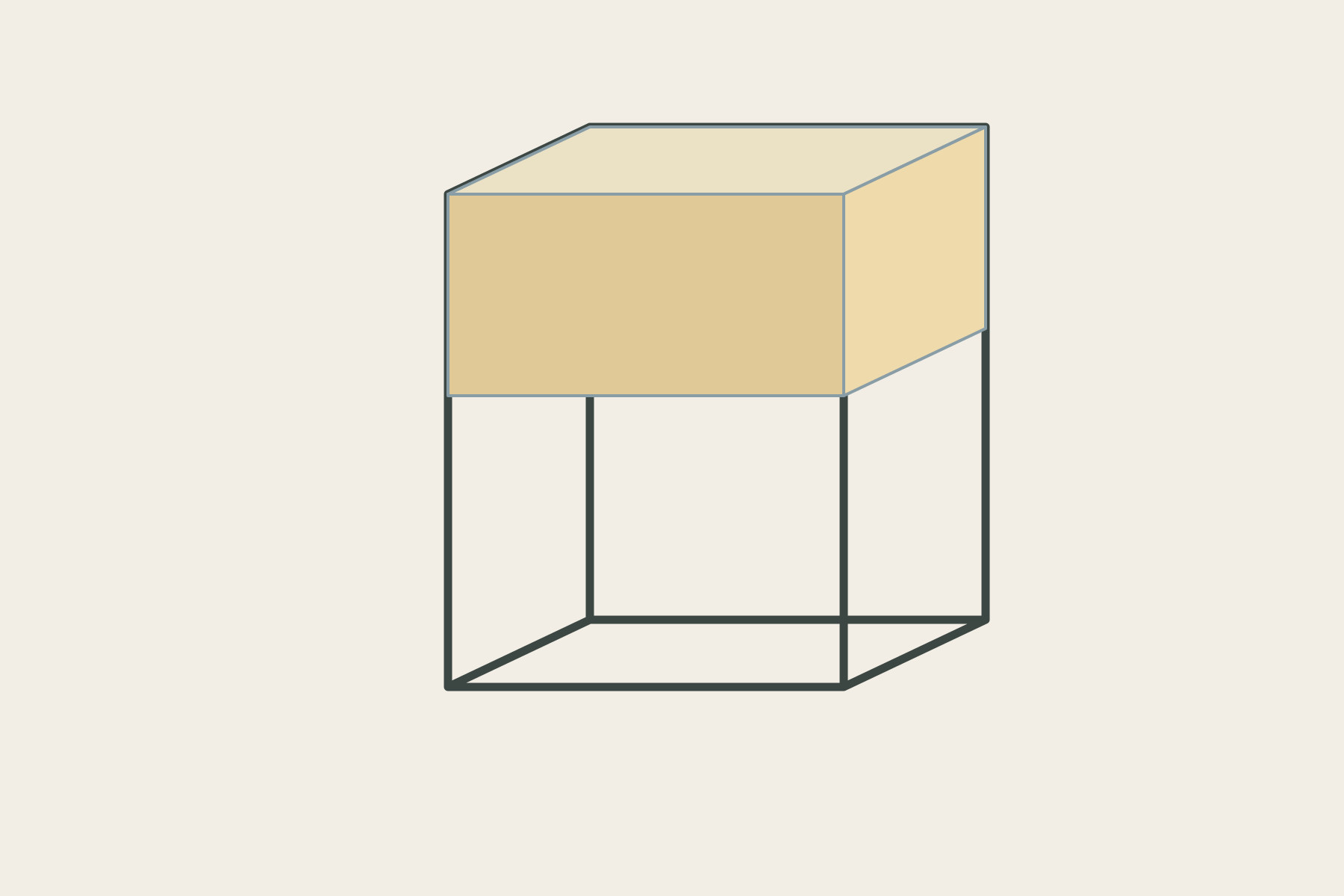
Look at the space below the screen as well as the screen itself. The open framework gives the volume room to breathe and makes its height perceptible. This is why the lamp can suggest a little piece of architecture: it organises solid edges, a light surface and an open interval. The comparison helps explain its appearance without turning it into a miniature building.
An ordinary material idea worth keeping
Hollands Licht’s history records the production relationship through which Lotek reached interiors and its later continuation within the present collection.3 The current specification describes current manufacture, not the fabric or electrical condition of every older lamp.
What travels well across those chapters is the clarity of the idea. A few visible lines hold a soft luminous surface, and their relationship does much of the visual work. Lotek shows how a lamp can give a room another layer of space using very little visual mass.