Designer profile

Bertjan Pot: curiosity gets a place at the workbench

Bertjan Pot lets materials help ask the design question. His work connects playful experiments with the patient development needed for an idea to reach someone else’s room.

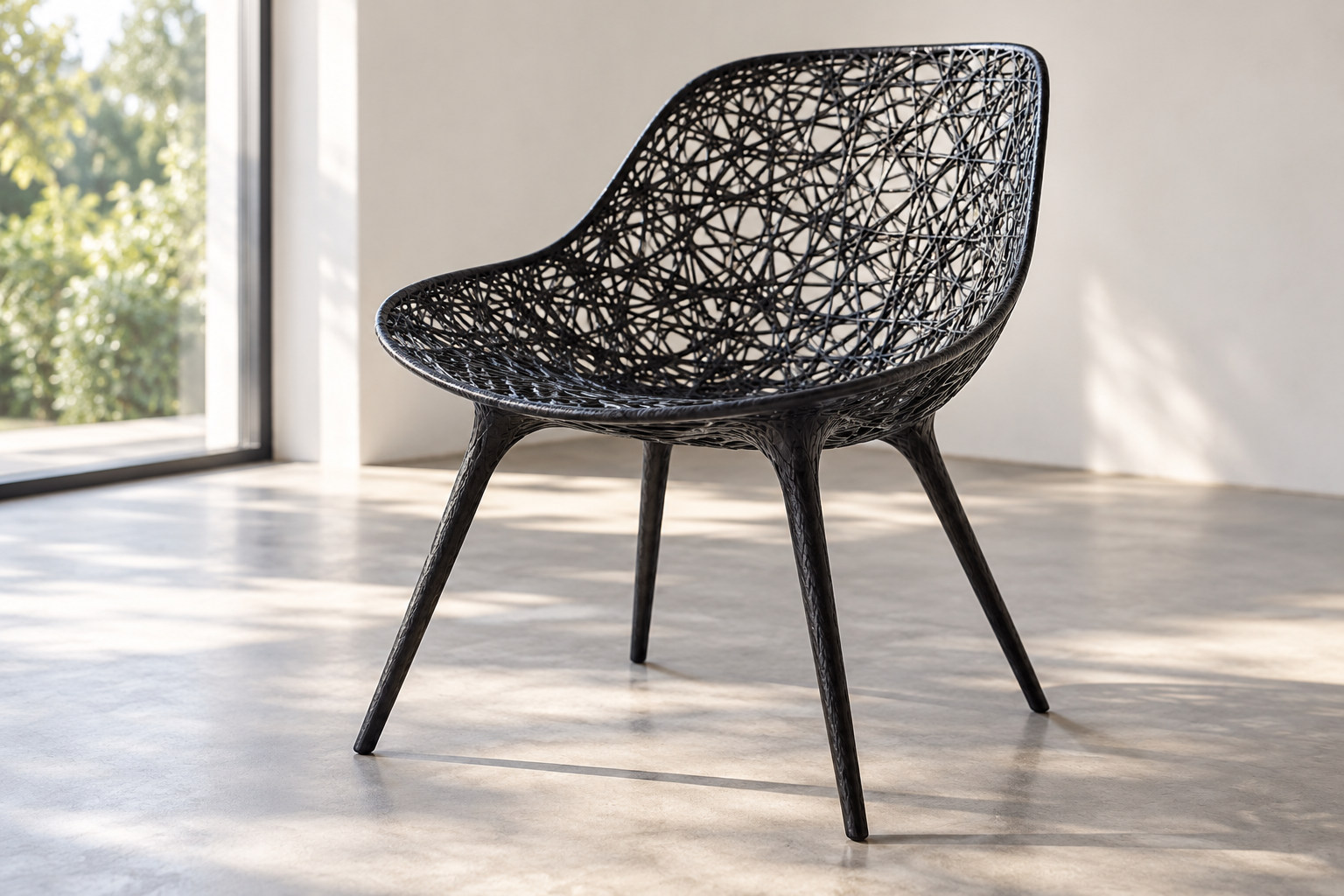
A black open-network chair whose fine composite strands describe the seat and back above slender supports.
PatinaHall editorial reconstruction. It is not a documentary photograph. The open network illustrates the design’s visible material idea. Fibre routes, joints and proportions are interpretive; the image does not verify construction or the strength of a particular chair.
On this page
Key facts & takeaways

At a glance

Subject
Bertjan Pot
Entry
Designer profile
Last reviewed
23 October 2026

Three things to remember

  1. Pot describes material research as a starting point.
  2. Random Light took years of development after its initial experiment.
  3. The Slim project connects a material question with a manufacturer’s knowledge.

Let the material ask a question

Bertjan Pot’s studio describes material research as a frequent starting point: the object develops through experiments with what a material can do and how it can be processed.1 That puts curiosity before a fully settled silhouette. A useful question may arrive through trying, handling and making, rather than through drawing the final chair first.

This helps explain why apparently playful objects can contain serious development work. A surprising texture or an unlikely structure may be the visible result of a long conversation with a material. The finished shape lets a reader see where that conversation became furniture or light.

A promising experiment needs time

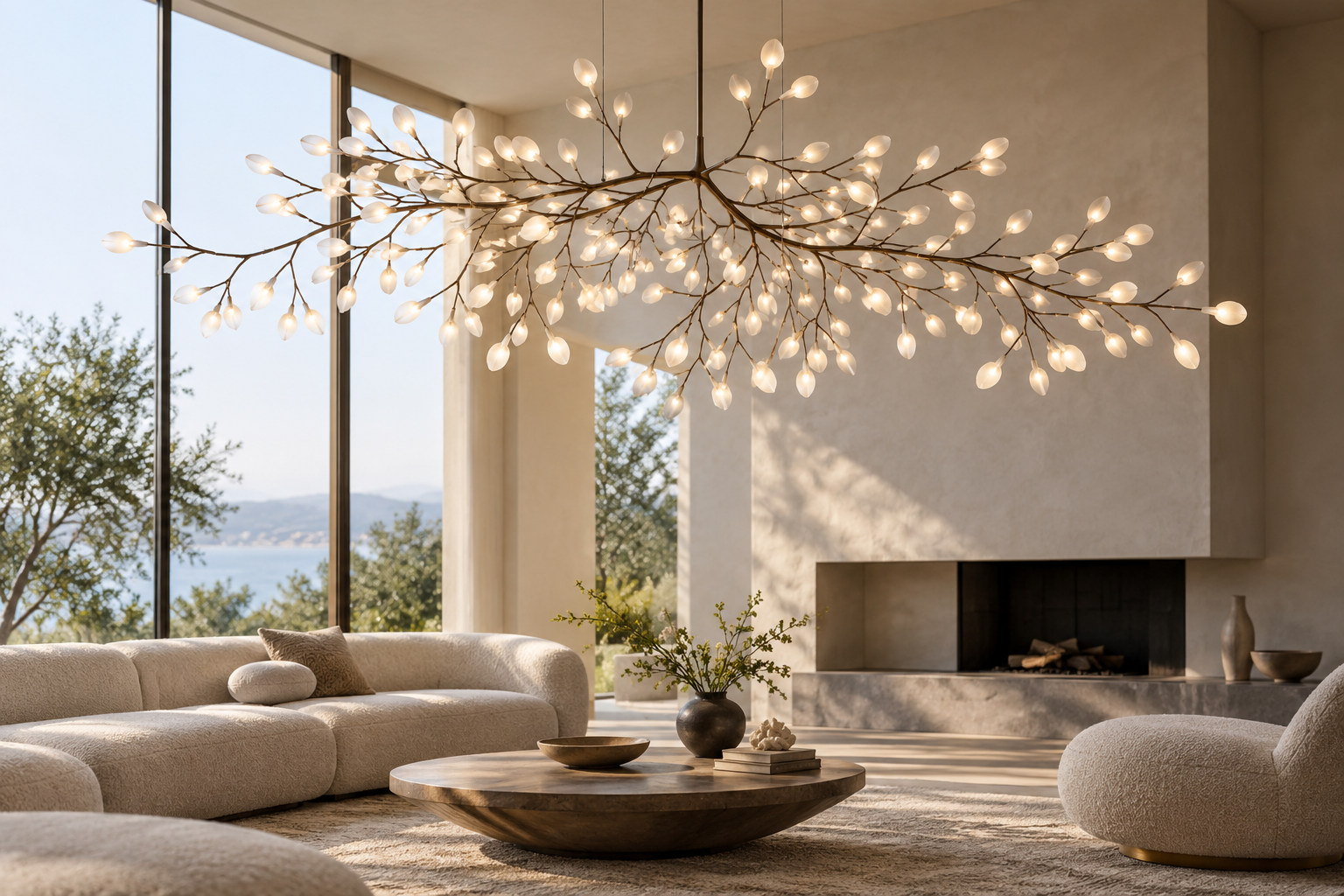
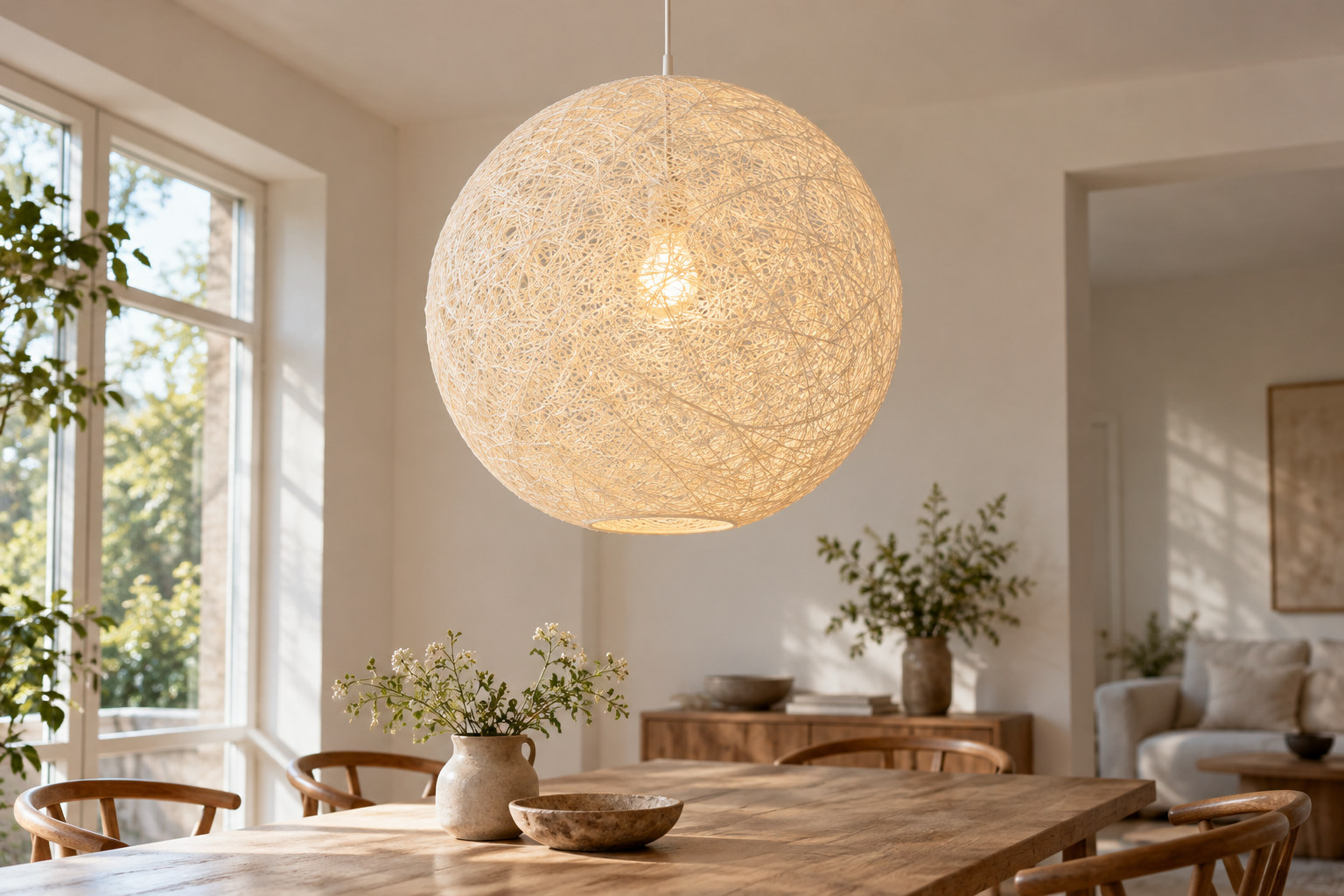
Pot’s Random Light account dates the project 1999/2002 and describes years of development before the lamp reached production.2 An experiment can produce an exciting first result without immediately becoming something that a manufacturer can repeat.

That interval is part of the creative work. Materials, process and the eventual product have to agree well enough for the idea to leave the studio. The story becomes more human when the waiting work remains visible: curiosity starts the process, while patience and collaboration help it reach someone else’s room. Surprise is not necessarily the opposite of careful development.
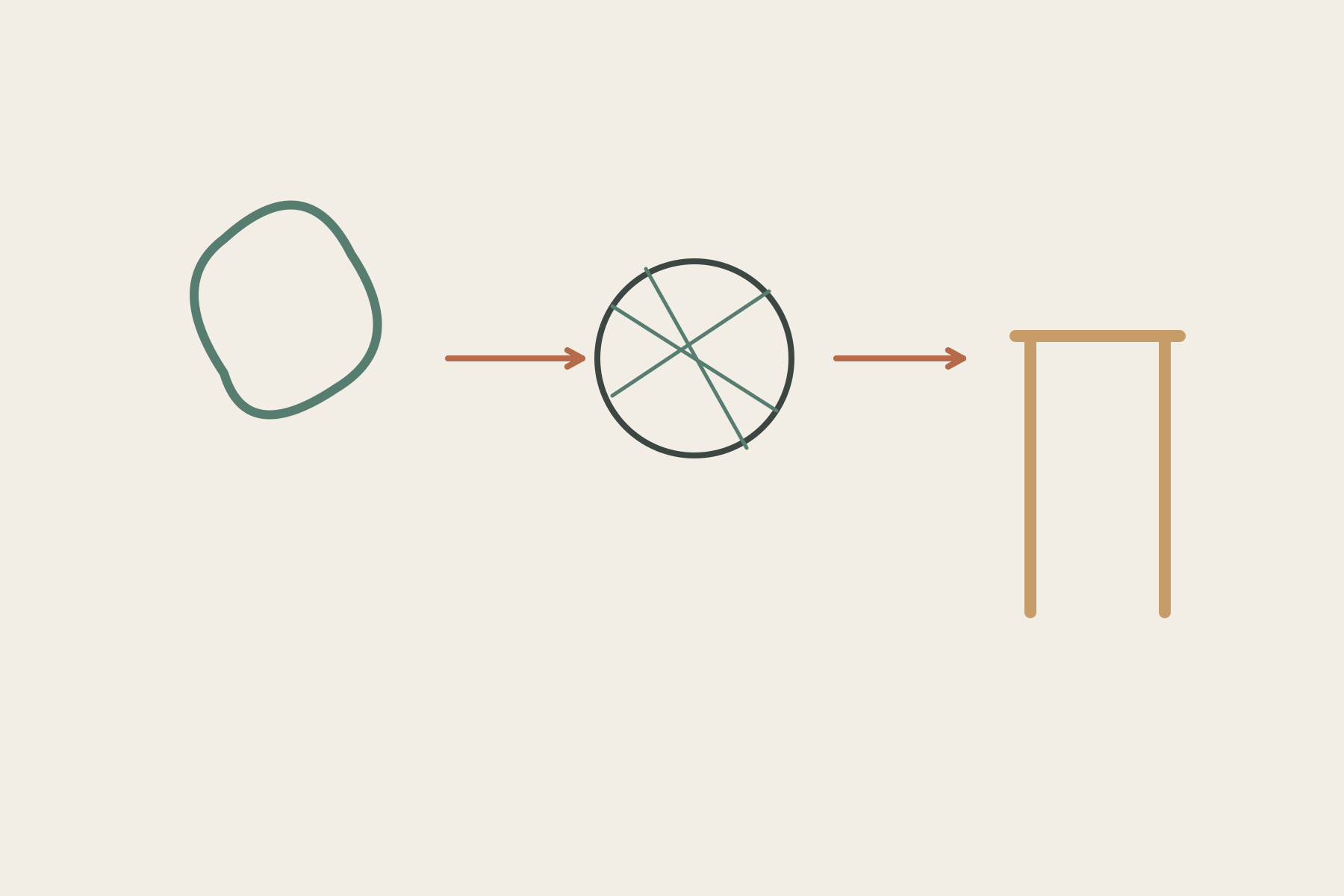
A loose material loop leads through an open round study towards a simple table symbol.
Original PatinaHall schematic, not to scale. A material trial, an investigated form and a simplified product suggest stages of development. They are conceptual symbols, not a literal prototype sequence or objects with an asserted sole authorship.

The manufacturer brings another sort of knowledge

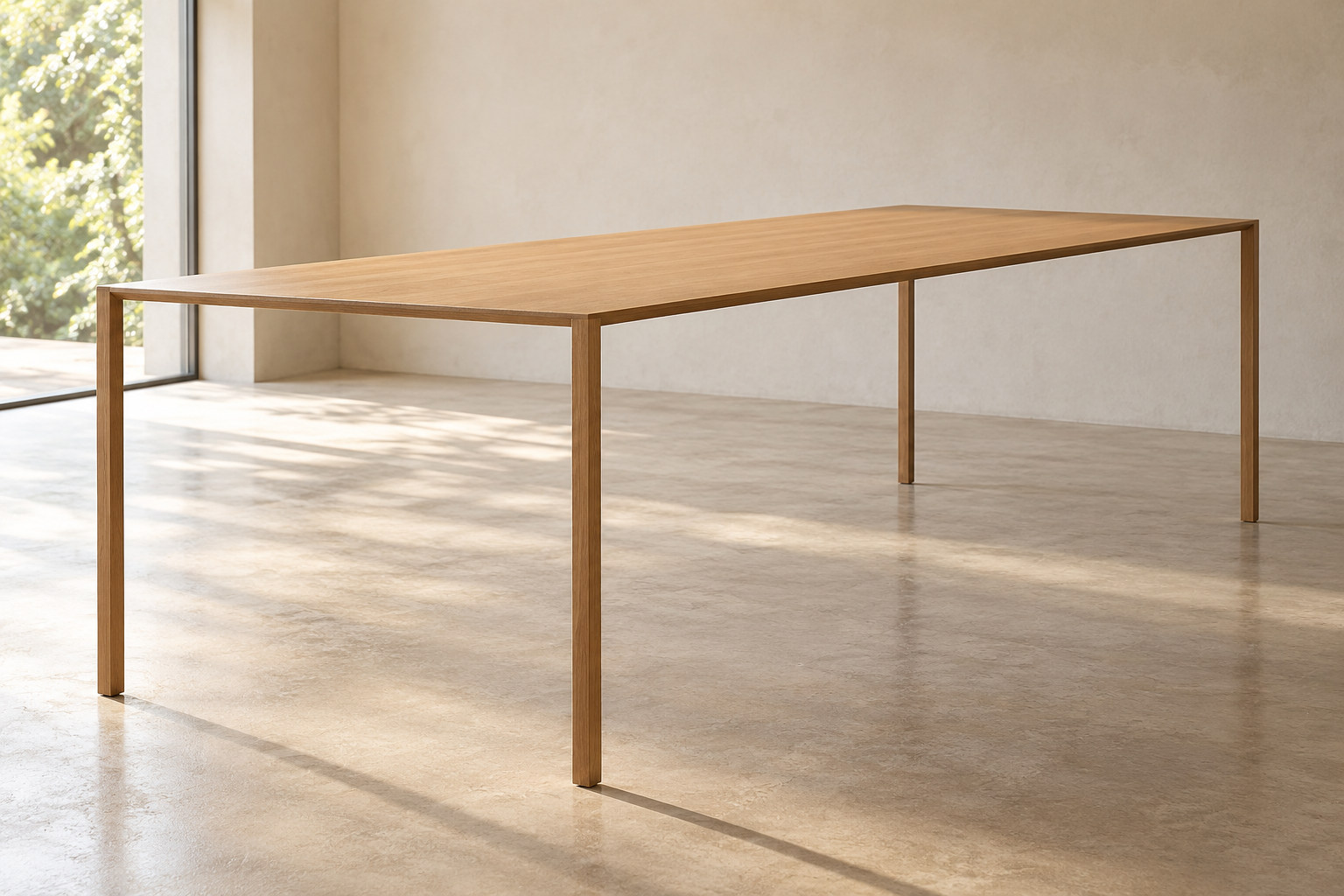
The Slim table account connects Pot’s material investigation with Arco’s production expertise.3 Its thin wooden appearance depends on a supporting composite construction. The final table contains both an intriguing question and the means of making that question useful.

The same care belongs to attribution: Carbon Chair is a collaboration with Marcel Wanders, as MoMA’s joint credit records.4 Pot’s work is enjoyable because the experiments stay perceptible while other people help them find a practical form. The workbench leaves its curiosity in the room.
Research notesEvidence, connections and limits

The studio’s first-person development accounts are attributed as such. The profile does not make every experiment an industrial product or replace the distinct authorship and material evidence of Carbon Chair and Slim.

Evidence map

Connected subjects and evidence

Reviewed connections

  • Carbon Chairdesigned byBertjan Potdocumented

    This source credits both designers jointly; a current product heading does not erase the collaboration.

    Reviewed 23 October 2026 by PatinaHall editorial.
    • Source 4Marcel Wanders and Bertjan Pot, Carbon Chair, 2004, 880.2007
  • Slim tabledesigned byBertjan Potdocumented

    The cited record explicitly identifies this designer for the repeatable design or coherent project family.

    Reviewed 23 October 2026 by PatinaHall editorial.

Research trail

Sources and further reading

  1. About Studio Bertjan PotStudio Bertjan PotAccessed 23 October 2026
  2. Random light, 1999/2002Studio Bertjan PotAccessed 23 October 2026
  3. Slim table, 2005/2006Studio Bertjan PotAccessed 23 October 2026
  4. Marcel Wanders and Bertjan Pot, Carbon Chair, 2004, 880.2007The Museum of Modern ArtAccessed 23 October 2026
  5. Slim, Bertjan Pot, 2005ArcoAccessed 23 October 2026

Last reviewed 23 October 2026. Found an error or a stronger primary source? Contact PatinaHall.