Let colour enter the working model
Choosing colour early can change what a designer sees in a model. Adjacent tones suggest new relationships; a translucent layer can keep another material visible. WantedDesign’s residency account describes Baijings’s hands-on method through models, colour and material.1
This gives colour more responsibility than decoration. It can help discover the form rather than merely cover it. A model becomes a place to test relationships before they are fixed in production.
Keep earlier collaboration legible
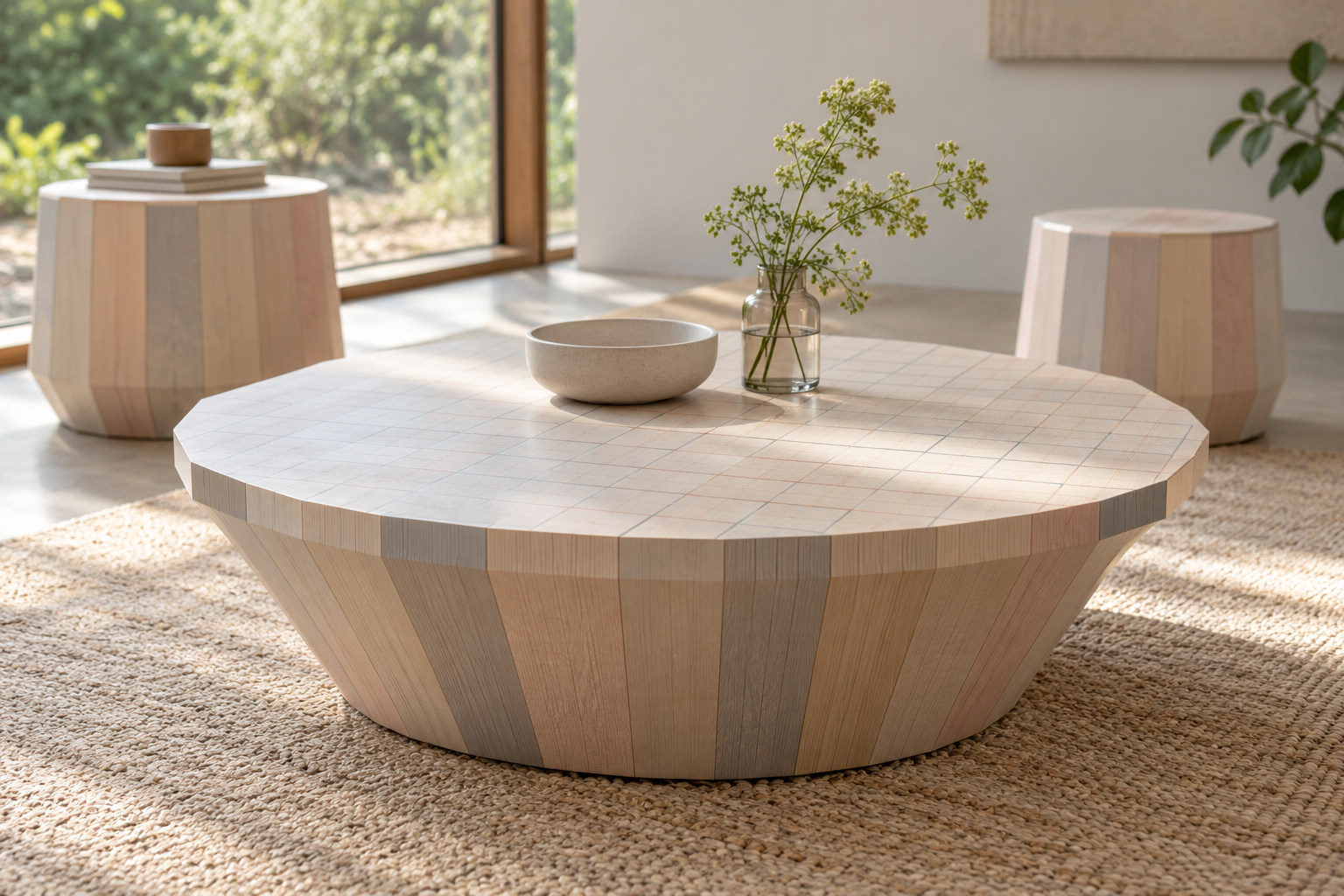
Colour Wood belongs to Scholten & Baijings, with Stefan Scholten and Carole Baijings sharing the design.4 WantedDesign identifies her as a co-founder of that practice until 2019.1 The work from that period retains its joint authorship even when viewed through a profile of her individual method.
That distinction makes the continuity more useful. A designer can carry an interest in colour and material into later work without turning earlier partnerships into a solo retrospective.
Follow the method into new furniture
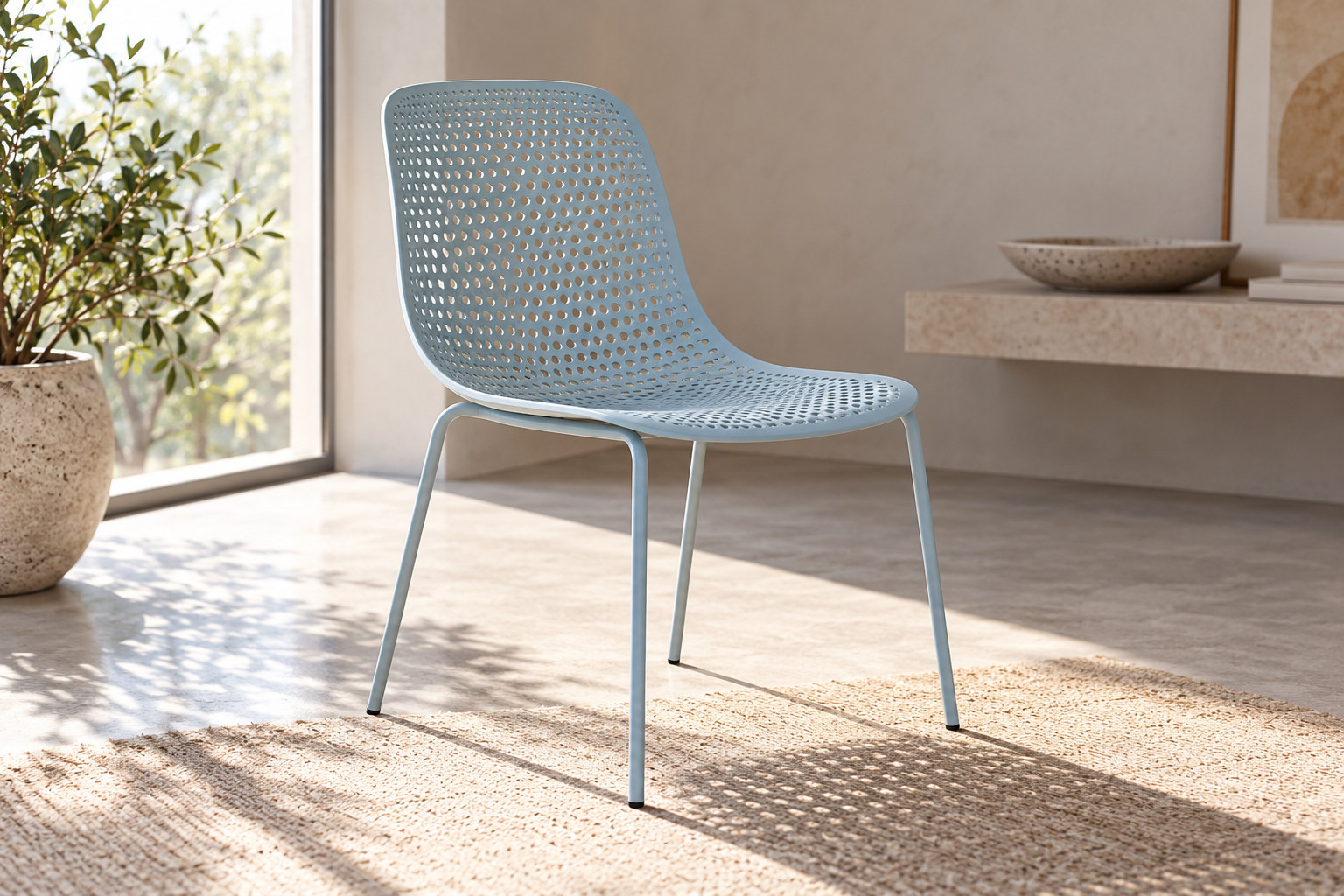
Geiger’s current designer account presents Baijings’s independently credited work, including Lijn.2 Its product record describes US manufacture using globally sourced components.3 The design’s international production is part of the story, separate from the nationality of its author.
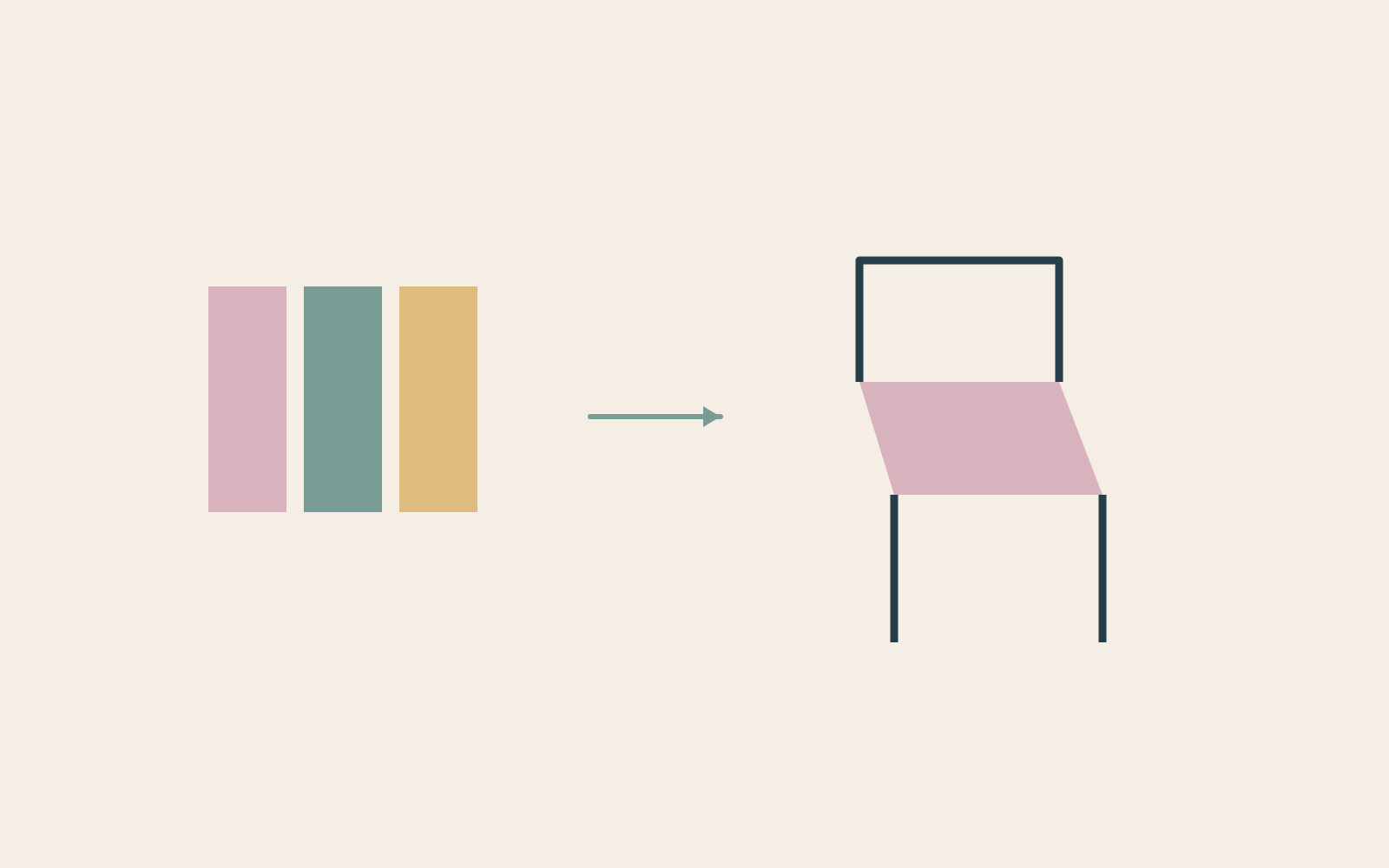
The profile offers a fresh way to look at finished furniture: ask when colour entered the decisions. In Baijings’s practice, the answer begins with active experiments in models and materials, long before the last surface is finished.