Historic object
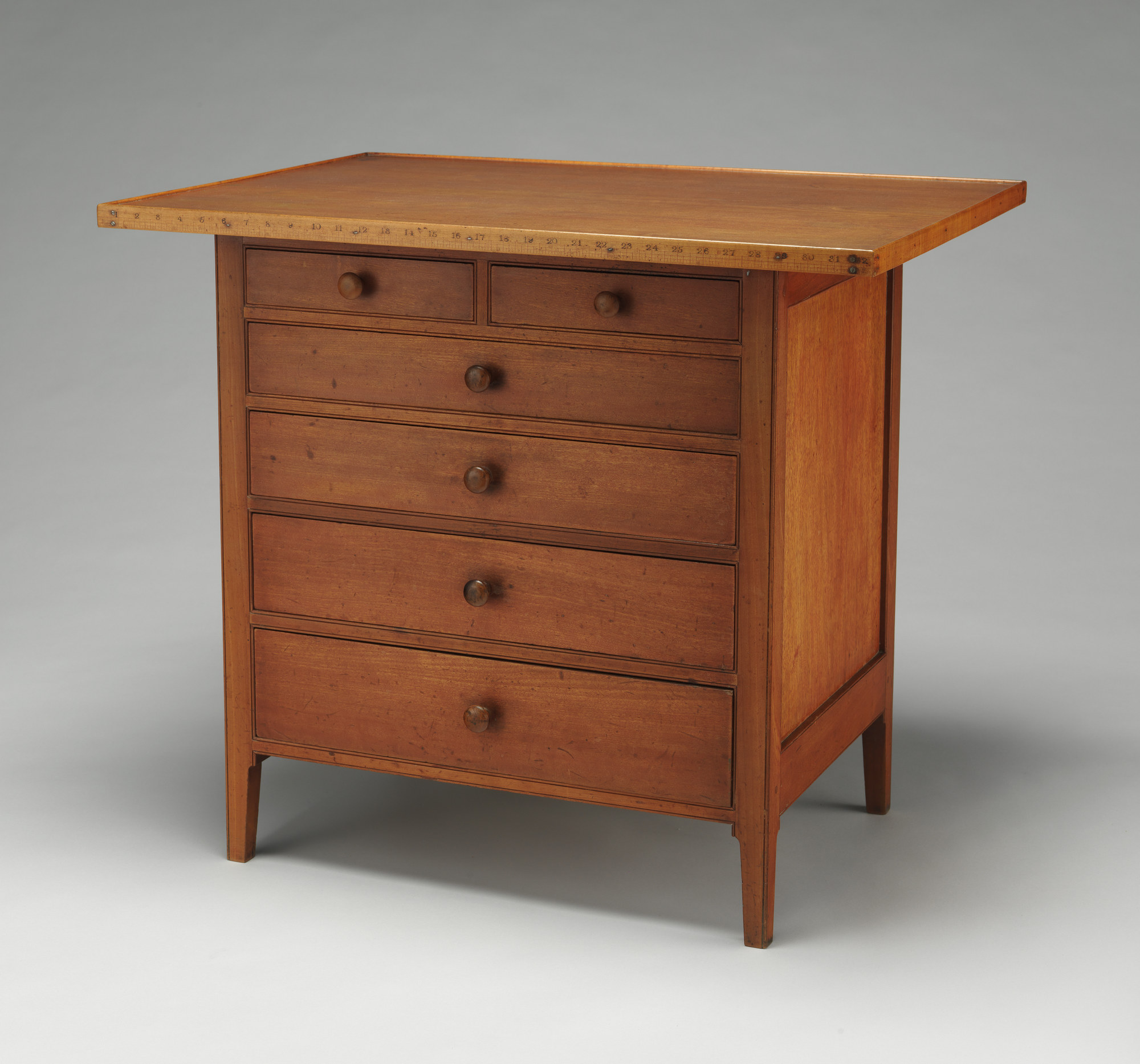
Shaker Sewing Table 66.10.18
Read one exact 1843 Shaker sewing table from its lipped worktop to its varied drawers and six recorded woods—and see how usefulness creates visual order.
Objects · people · ideas
Furniture models and individual historic pieces.
Read one exact 1843 Shaker sewing table from its lipped worktop to its varied drawers and six recorded woods—and see how usefulness creates visual order.
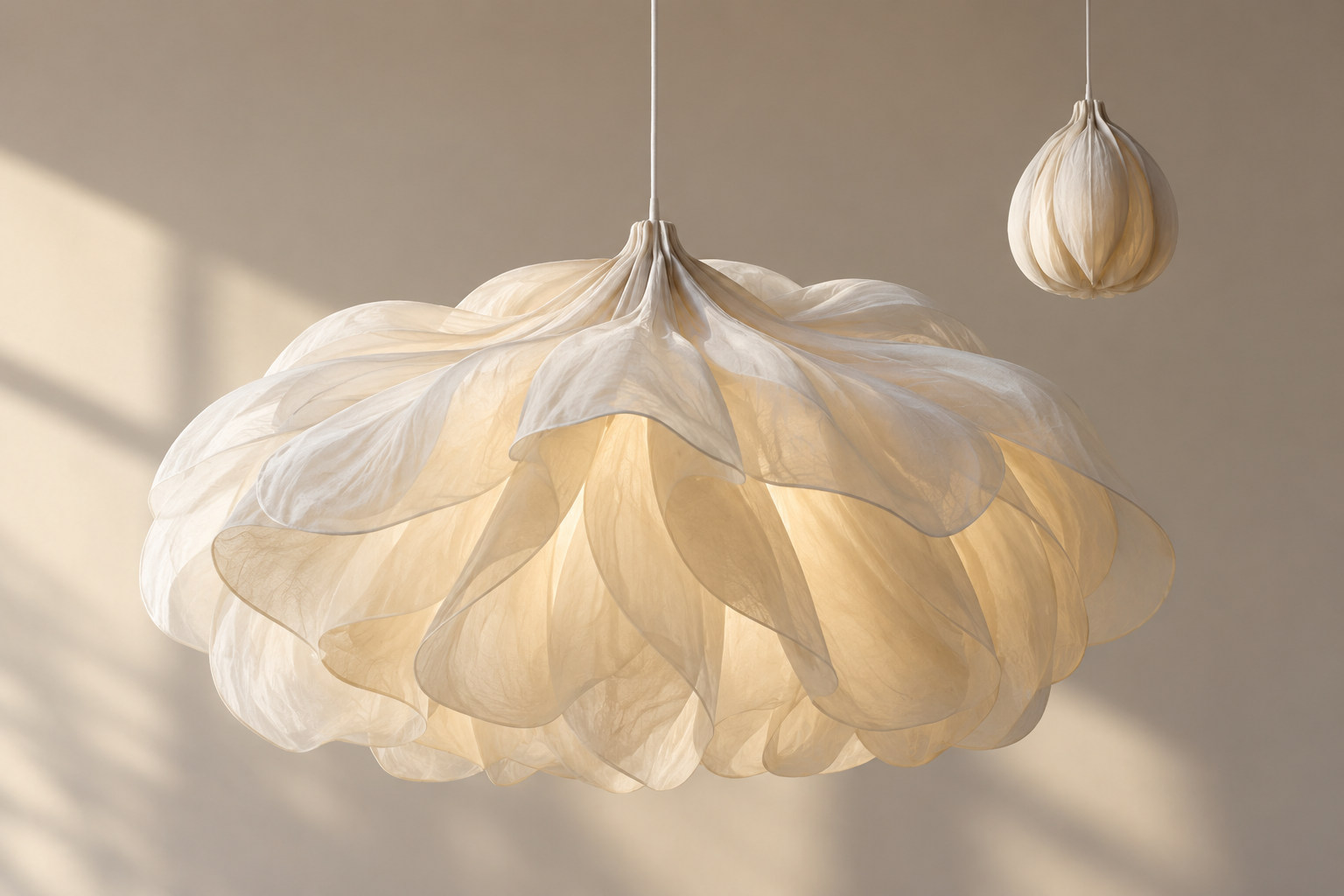
DRIFT’s Shylight combines layered silk with controlled motion. Opening on descent and closing on retreat make a hanging light part of the room’s choreography.
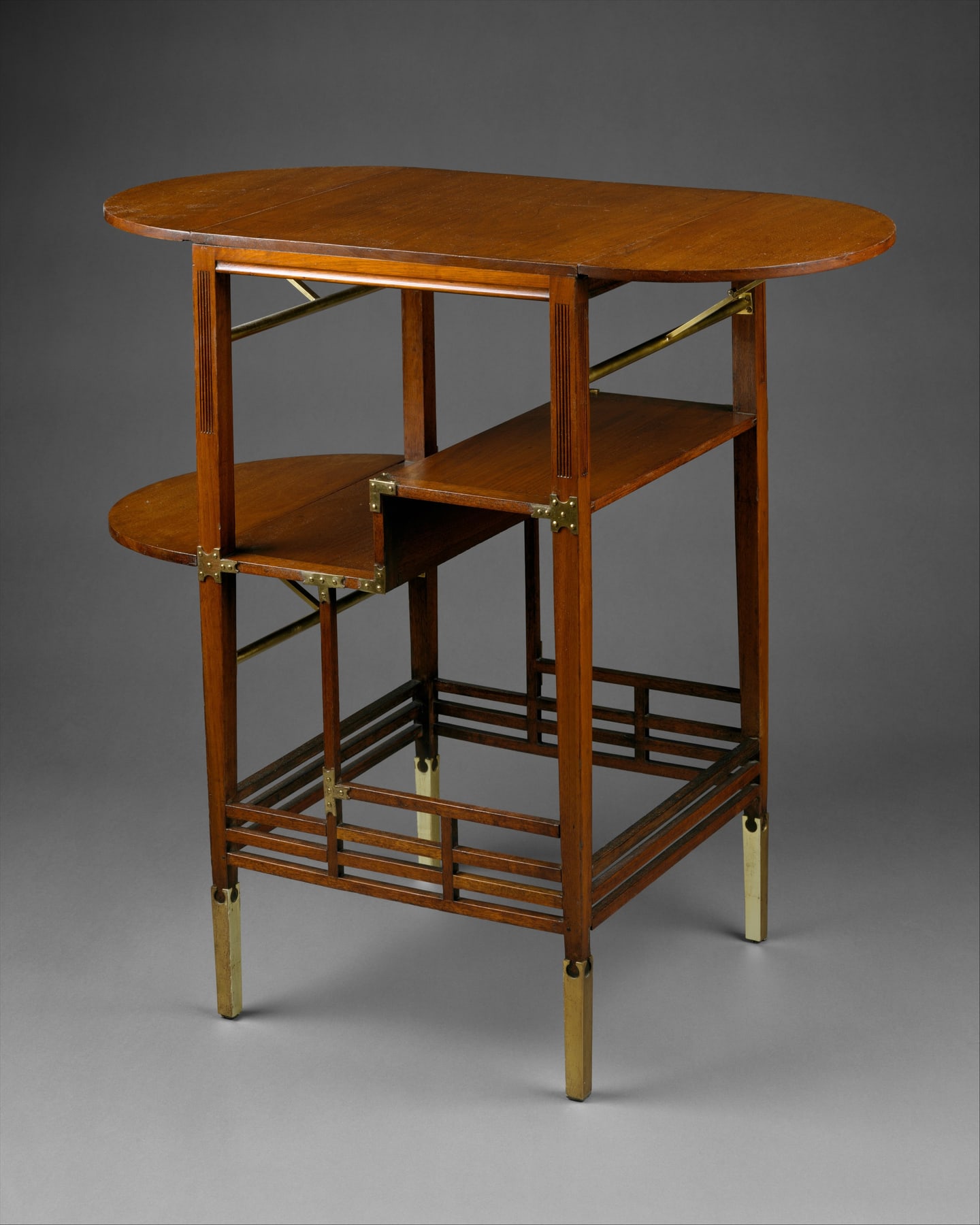
Edward William Godwin’s walnut side table turns narrow rails, offset shelves and brass braces into an open composition. Explore an Aesthetic Movement design.
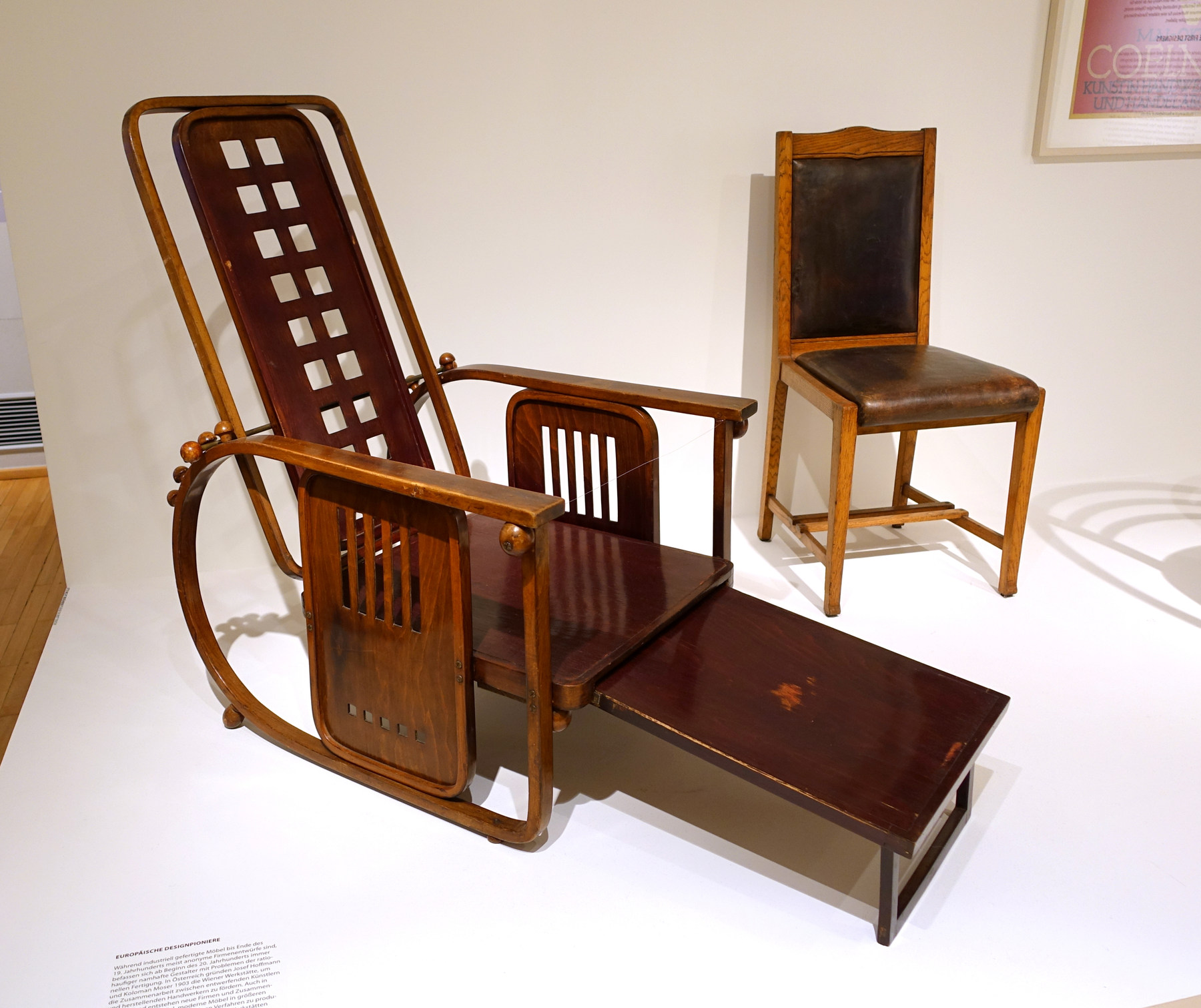
Understand Hoffmann’s Sitzmaschine through its visible adjustment, bentwood loops and the difference between museum examples and a miniature model.
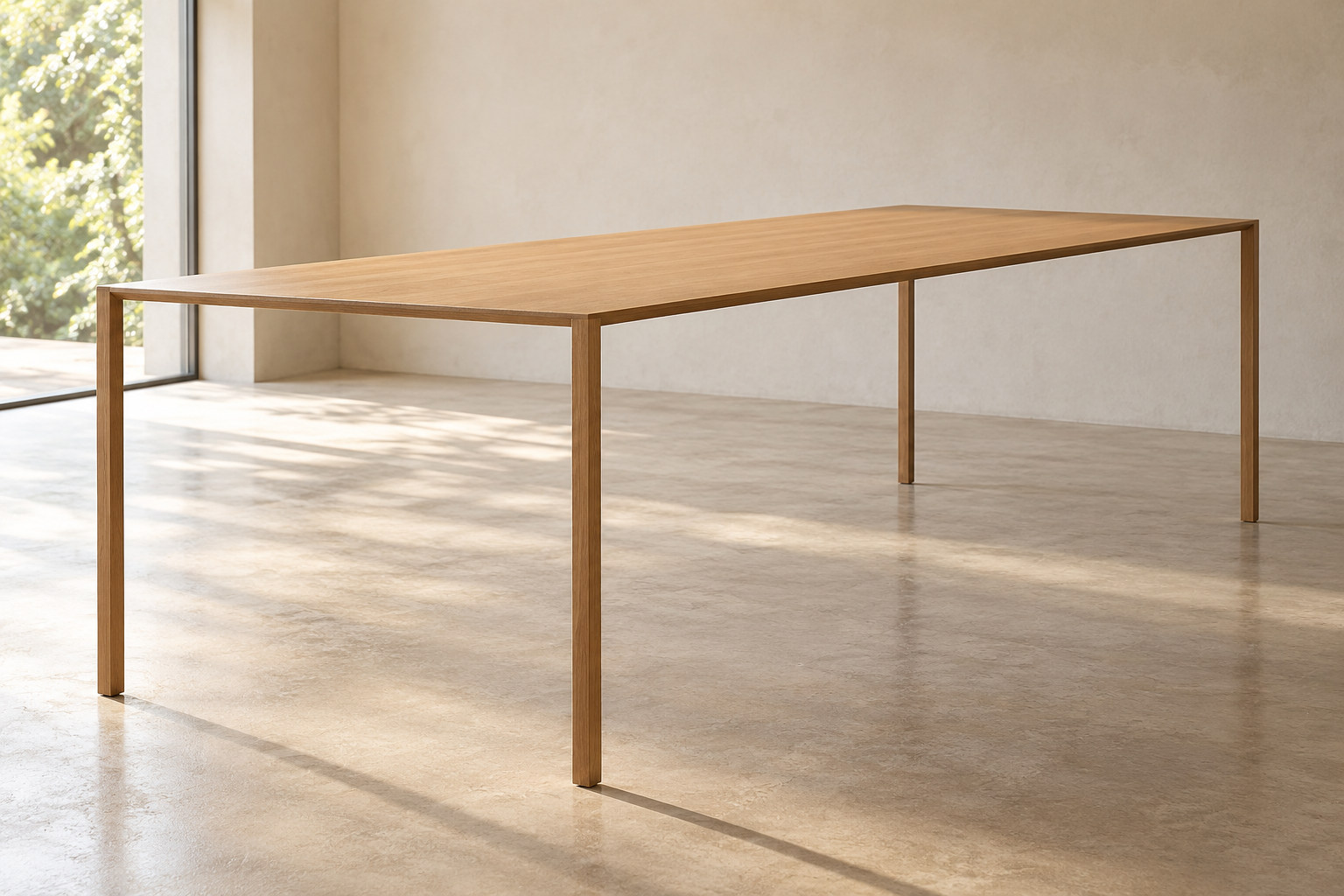
Arco’s Slim table pairs a thin wooden appearance with a supporting composite structure, showing how a hidden material decision can keep a room visually open.
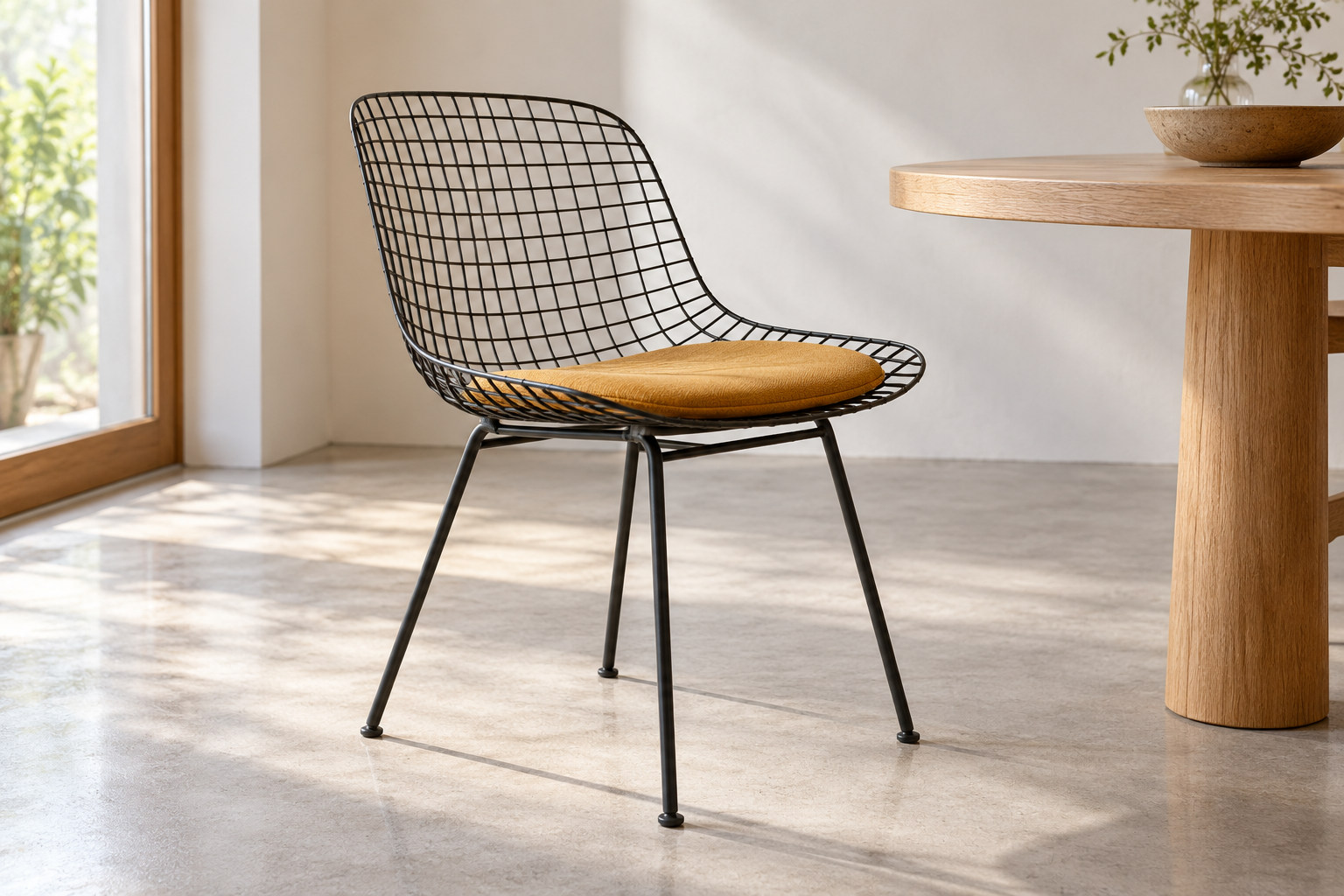
Pastoe’s SM05 wire chair lets the room show through its seating surface, with historical co-credit for Cees Braakman and Adriaan Dekker and a separate cushion.
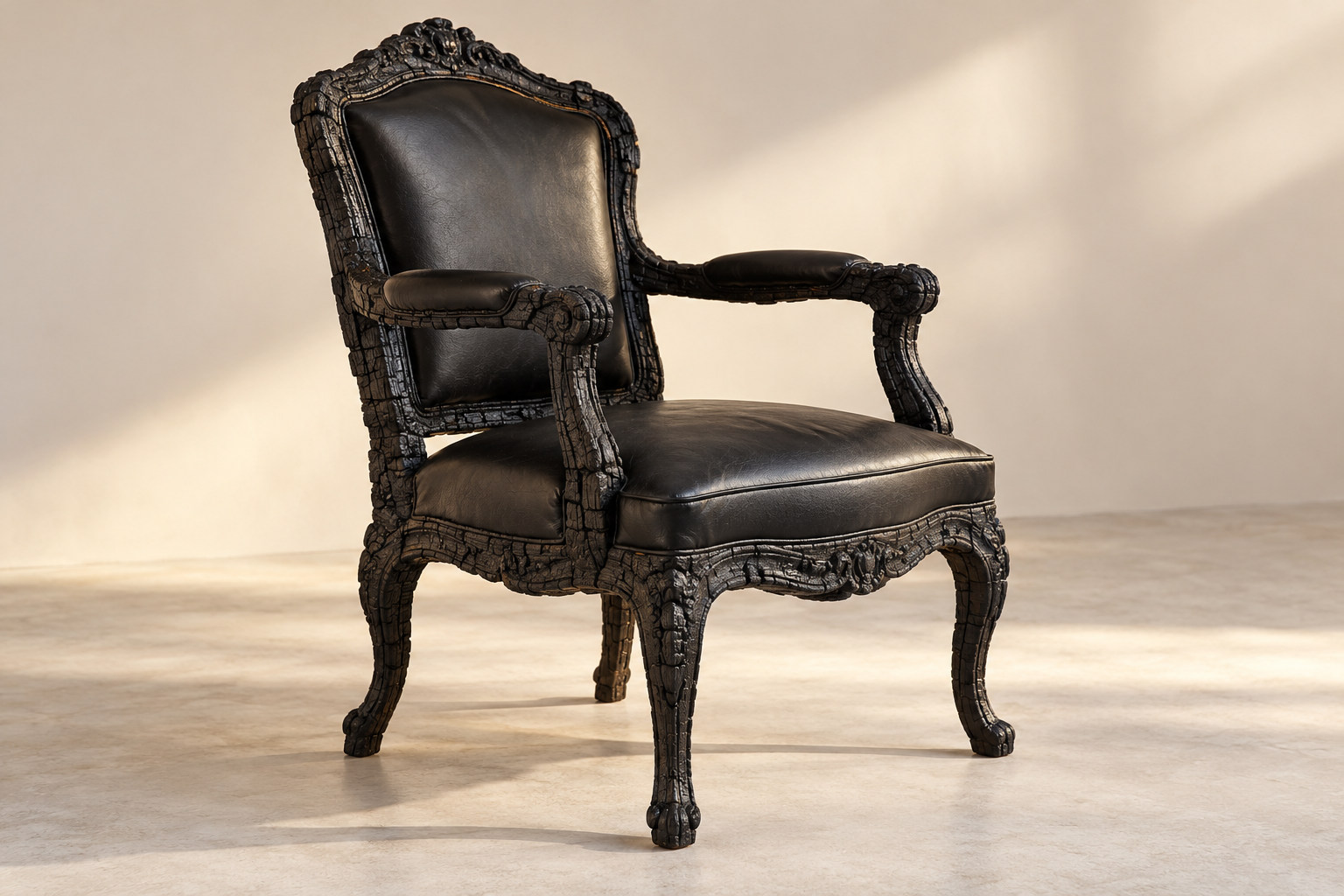
Maarten Baas’s Smoke project made an altered furniture surface part of a new identity, preserving visible damage rather than concealing it.
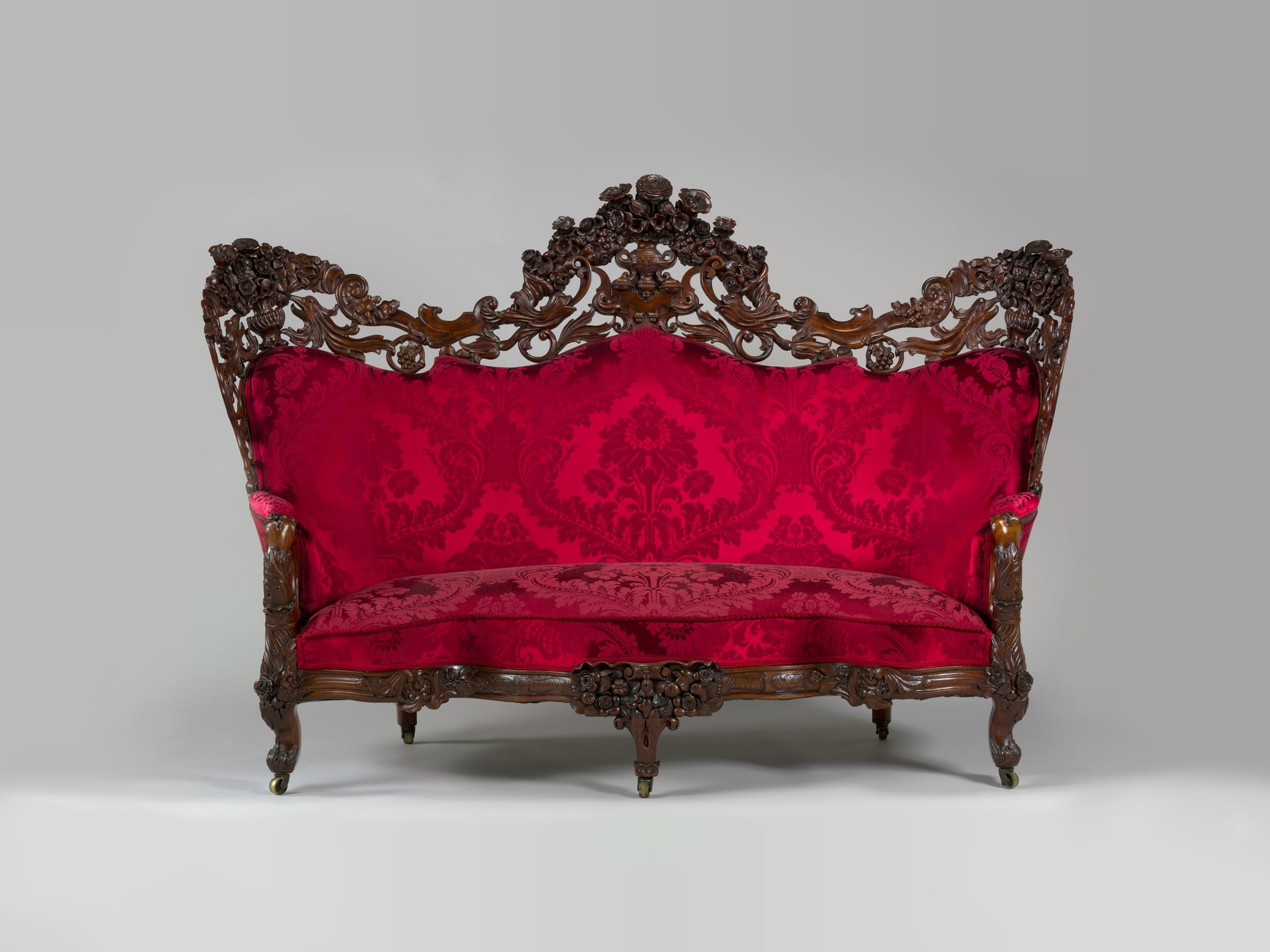
A rosewood sofa associated with John Henry Belter joins elaborate carving to laminated construction. Read its silhouette alongside his 1858 furniture patent.
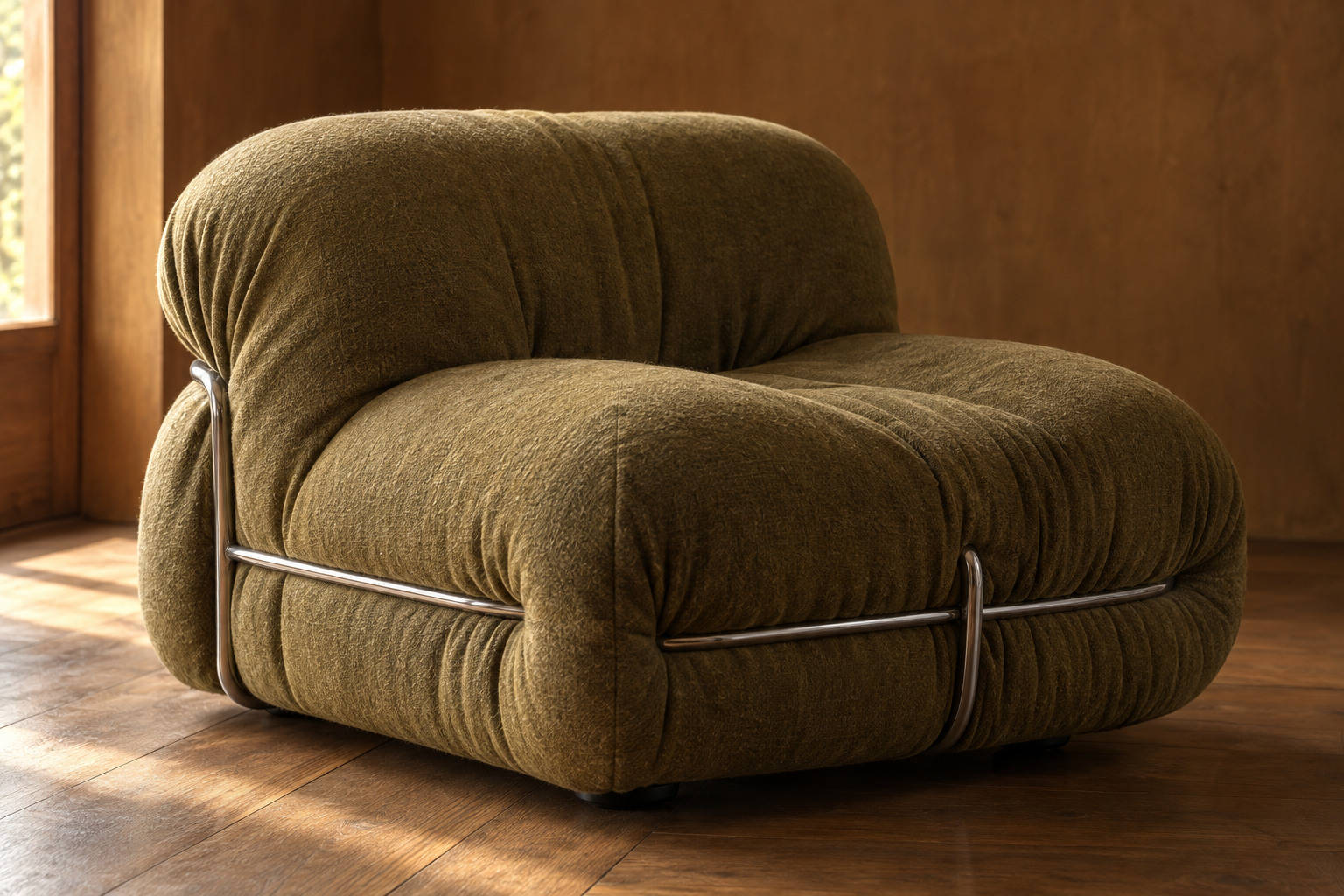
Look at Soriana through its soft upholstered body and visible metal brace, with the 1969 design distinguished from the 2021 material revision.
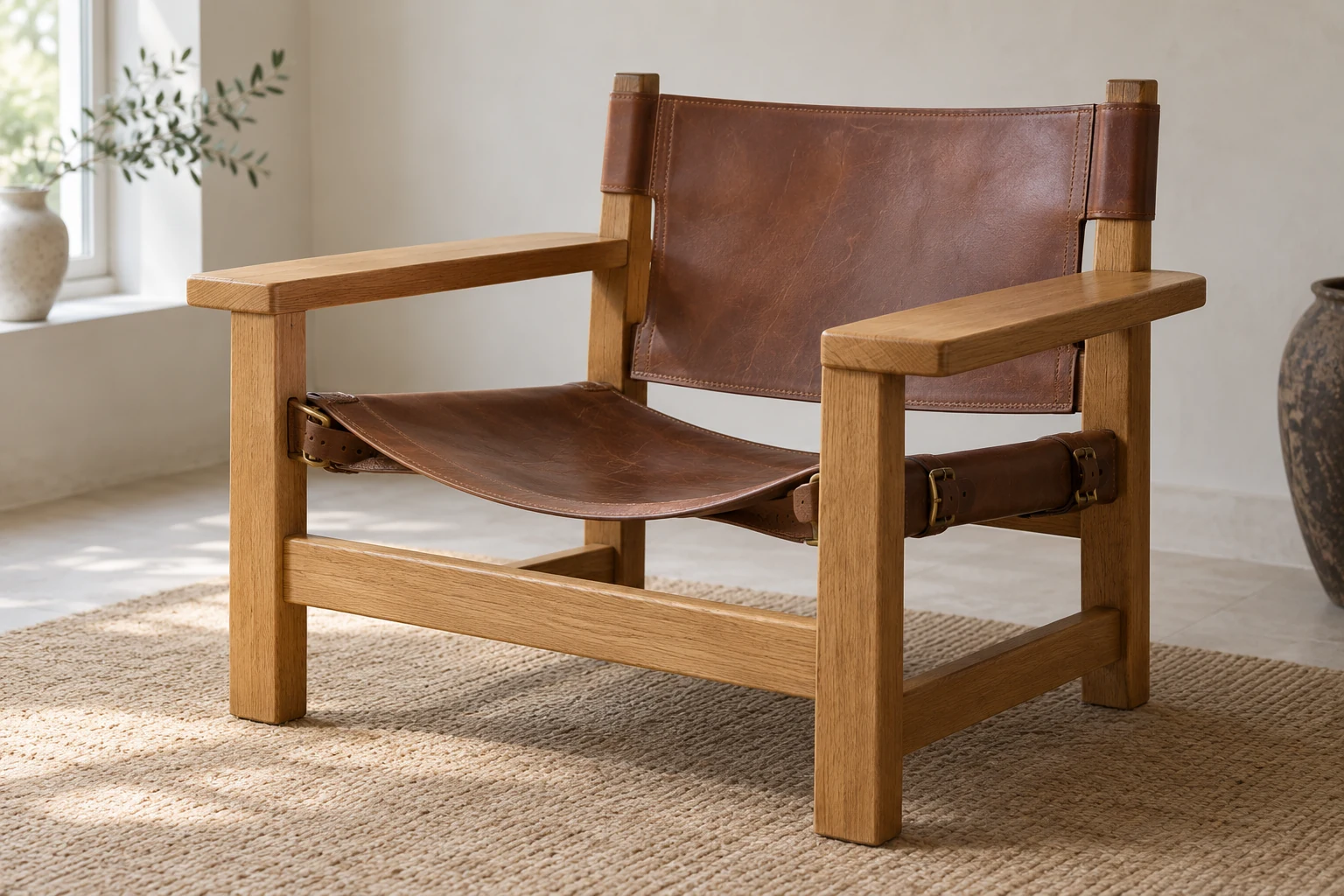
See how Børge Mogensen's 1958 Spanish Chair turns broad oak arms, saddle-leather planes and exposed buckles into one readable structure.
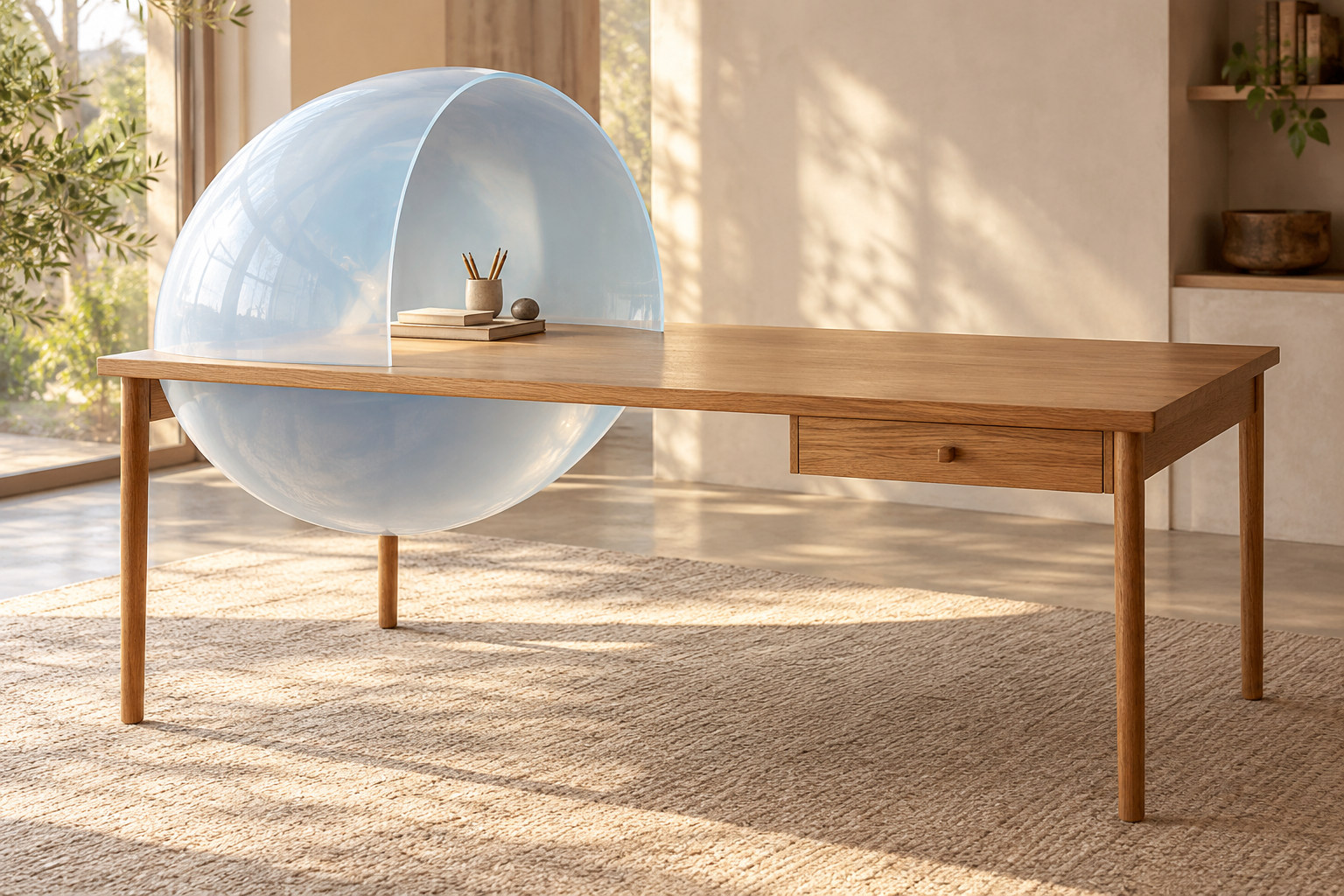
Hella Jongerius’s Sphere Table puts a coloured half-sphere over one working place. The room stays continuous while the table gains a sheltered corner.
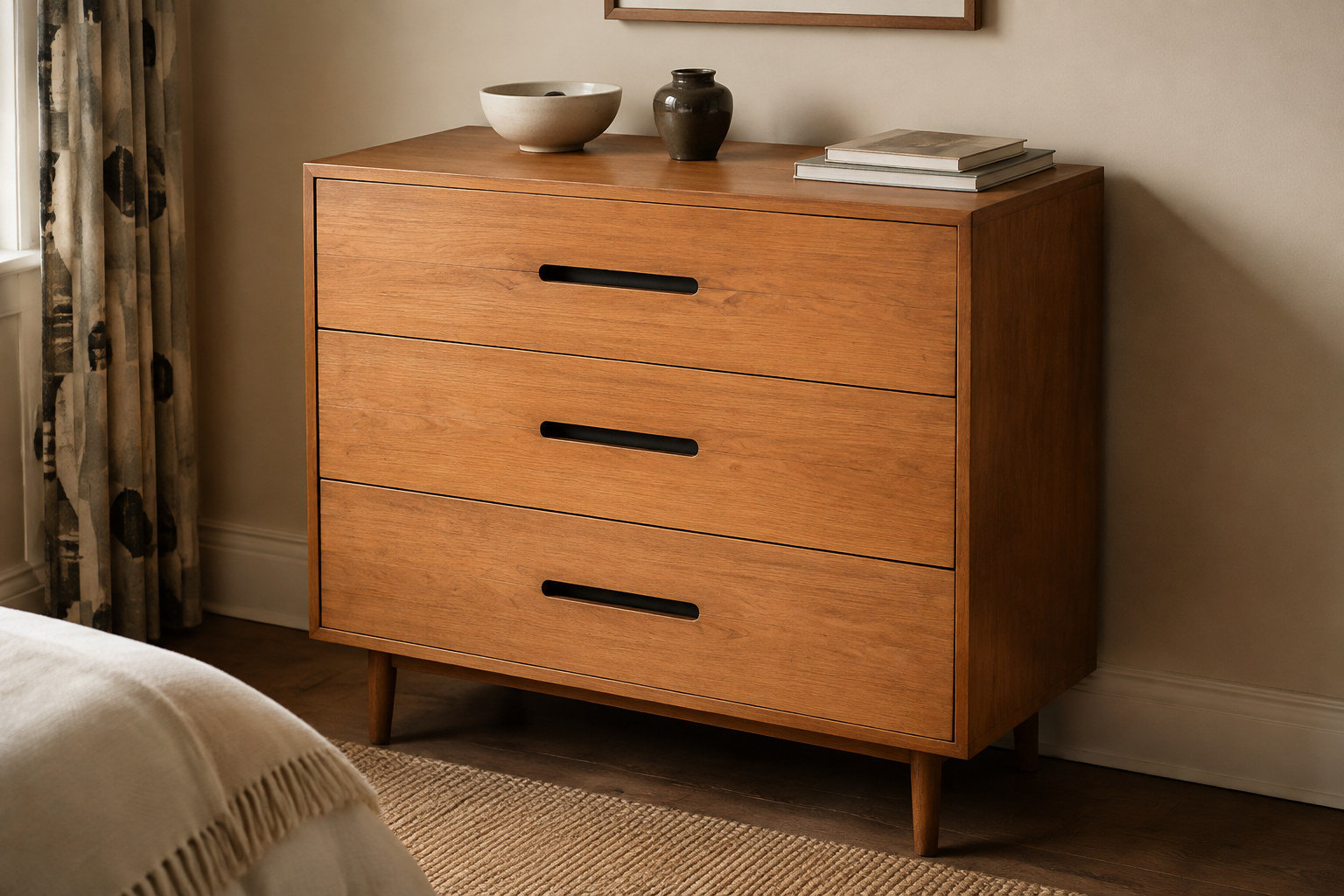
A Stag C Range chest asks you to notice something that is missing: the usual row of knobs. Its recessed handgrips leave the drawers almost uninterrupted, giving a modest bedroom chest a surprisingly composed face.
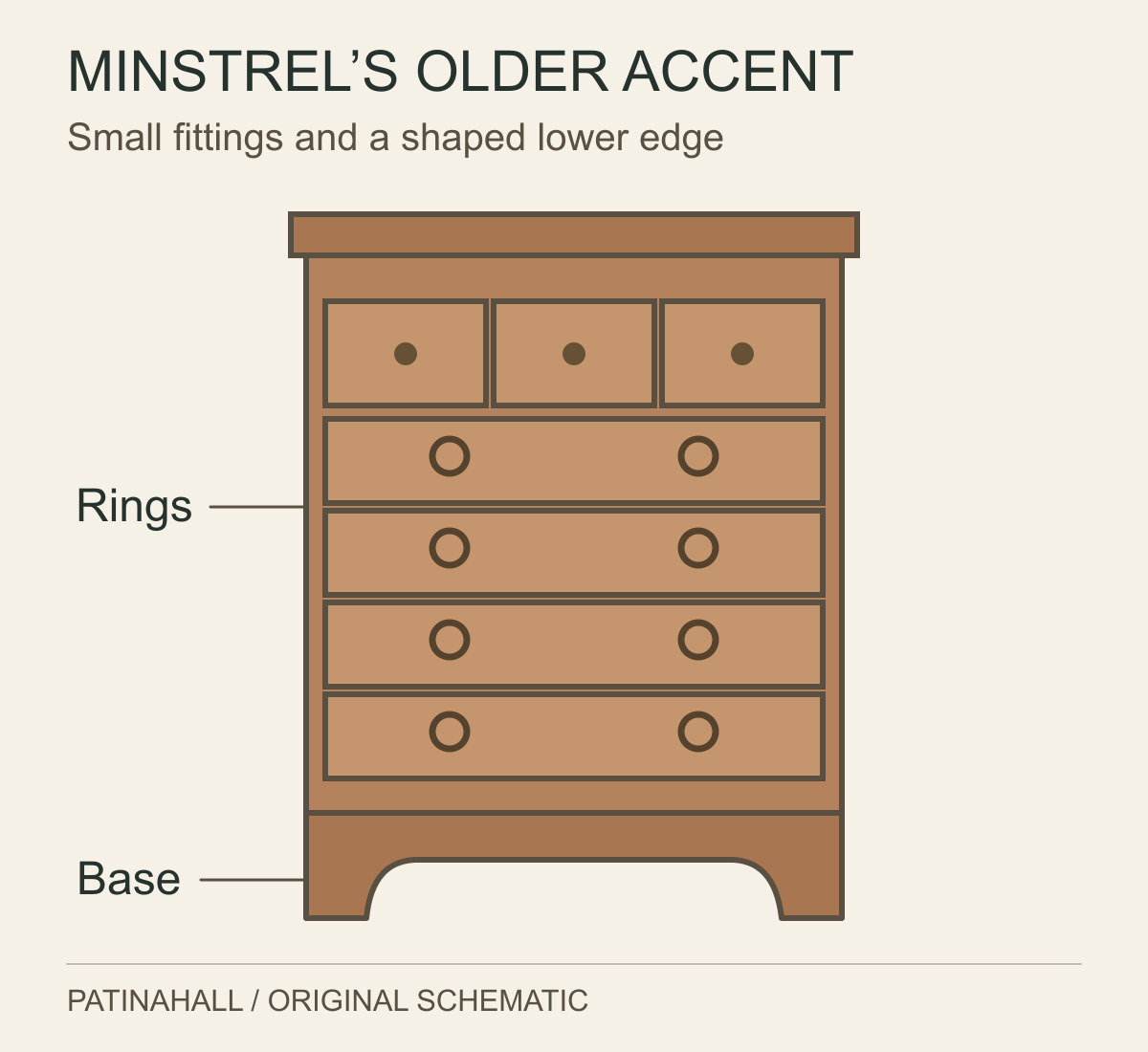
The story behind Stag Minstrel chests: why ring handles, a shaped base and coordinated bedroom storage gave modern furniture a traditional accent.
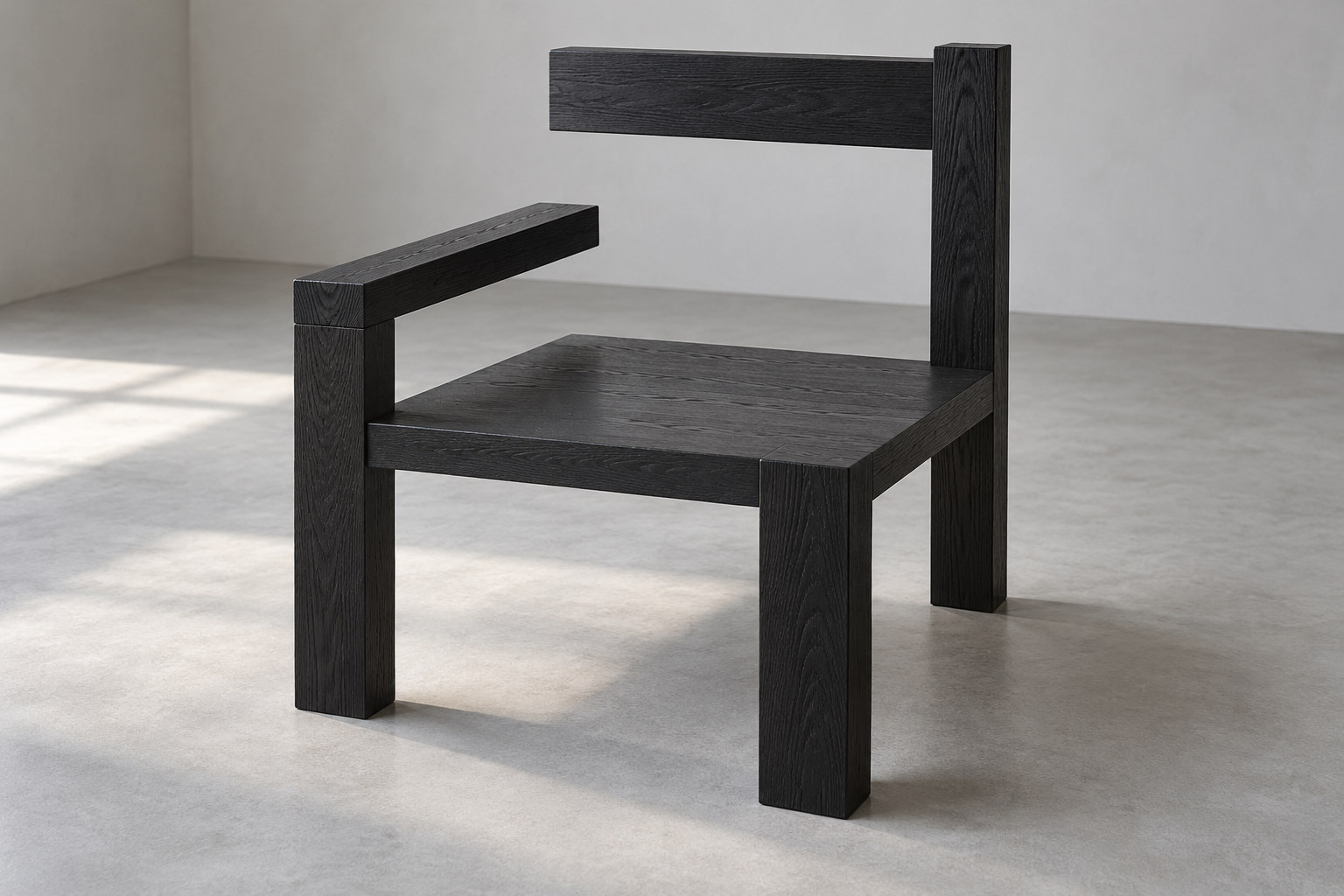
Rietveld’s Steltman chair began as a mirrored pair for a jeweller. Its original upholstery and later wooden versions tell different stories.
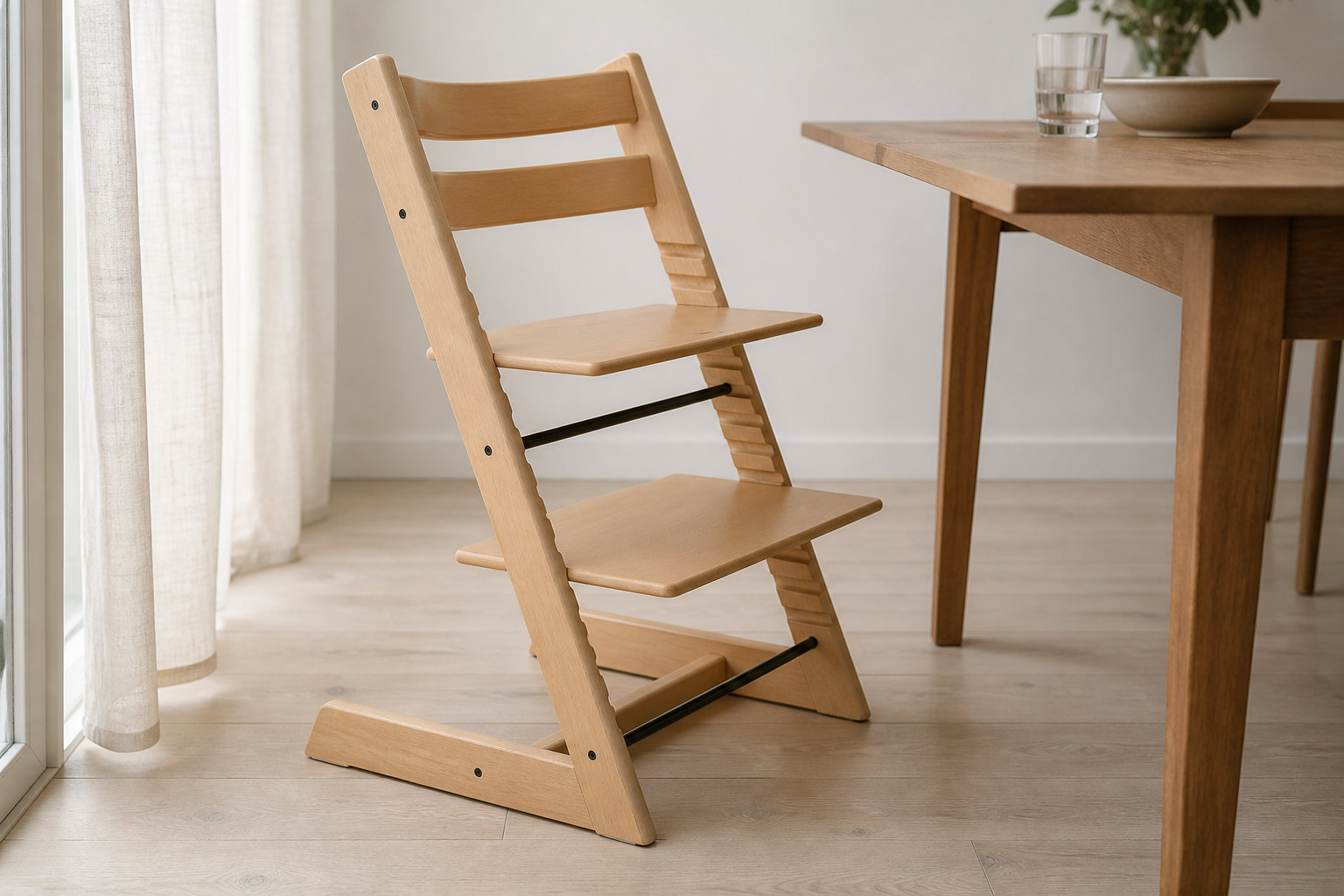
Tripp Trapp looks unusual because it begins with the table rather than the chair. Peter Opsvik wanted a growing child to join the same surface as everyone else, with a seat and a little floor that could move to suit them.
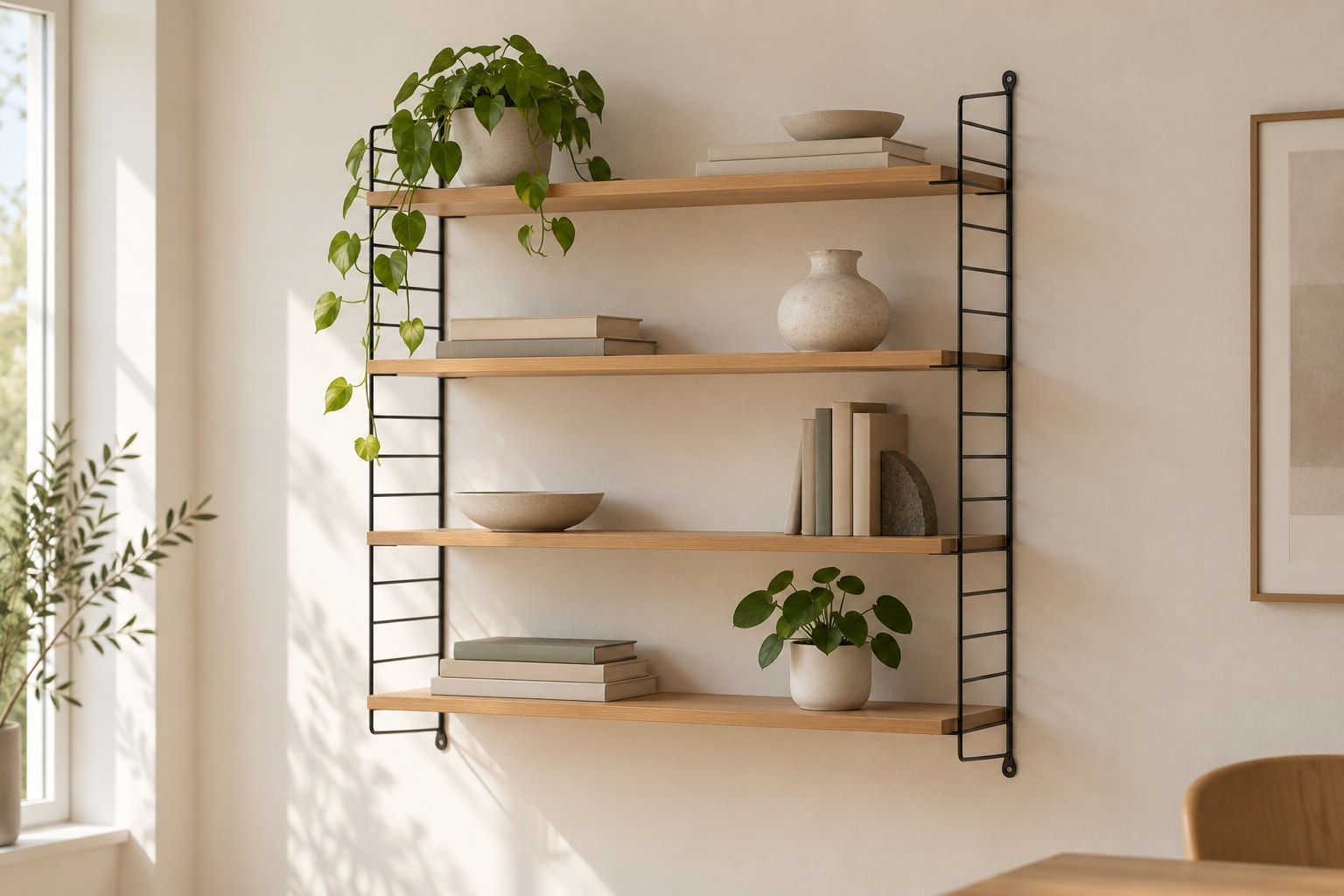
The history of String shelving, Kajsa and Nisse Strinning’s 1949 competition design, its open wire sides, adjustable storage and the separate later String Pocket.
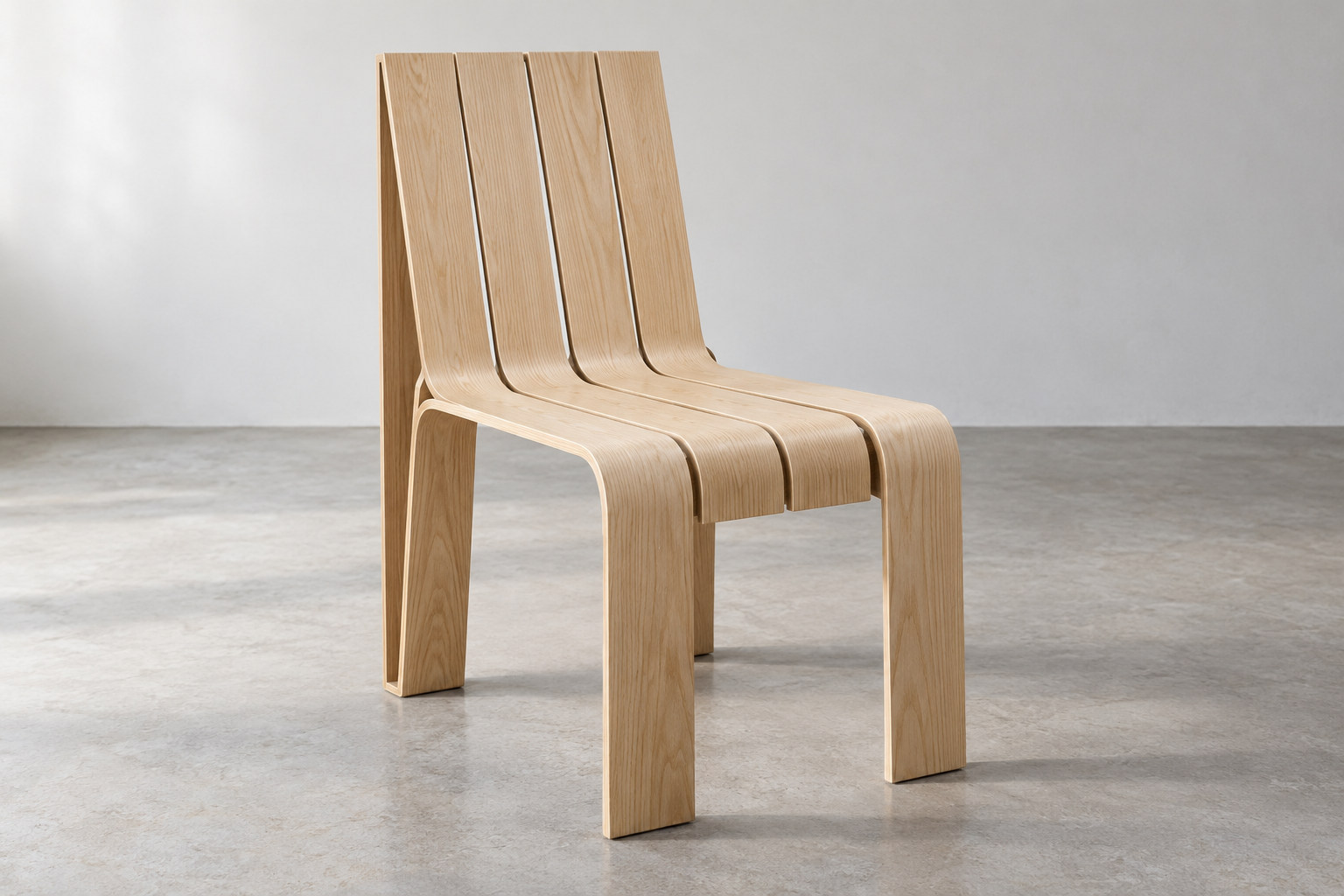
Gijs Bakker’s Strip chair turns laminated wooden strips into a readable furniture structure, with bent beech, ash veneer and a clear route through the object.
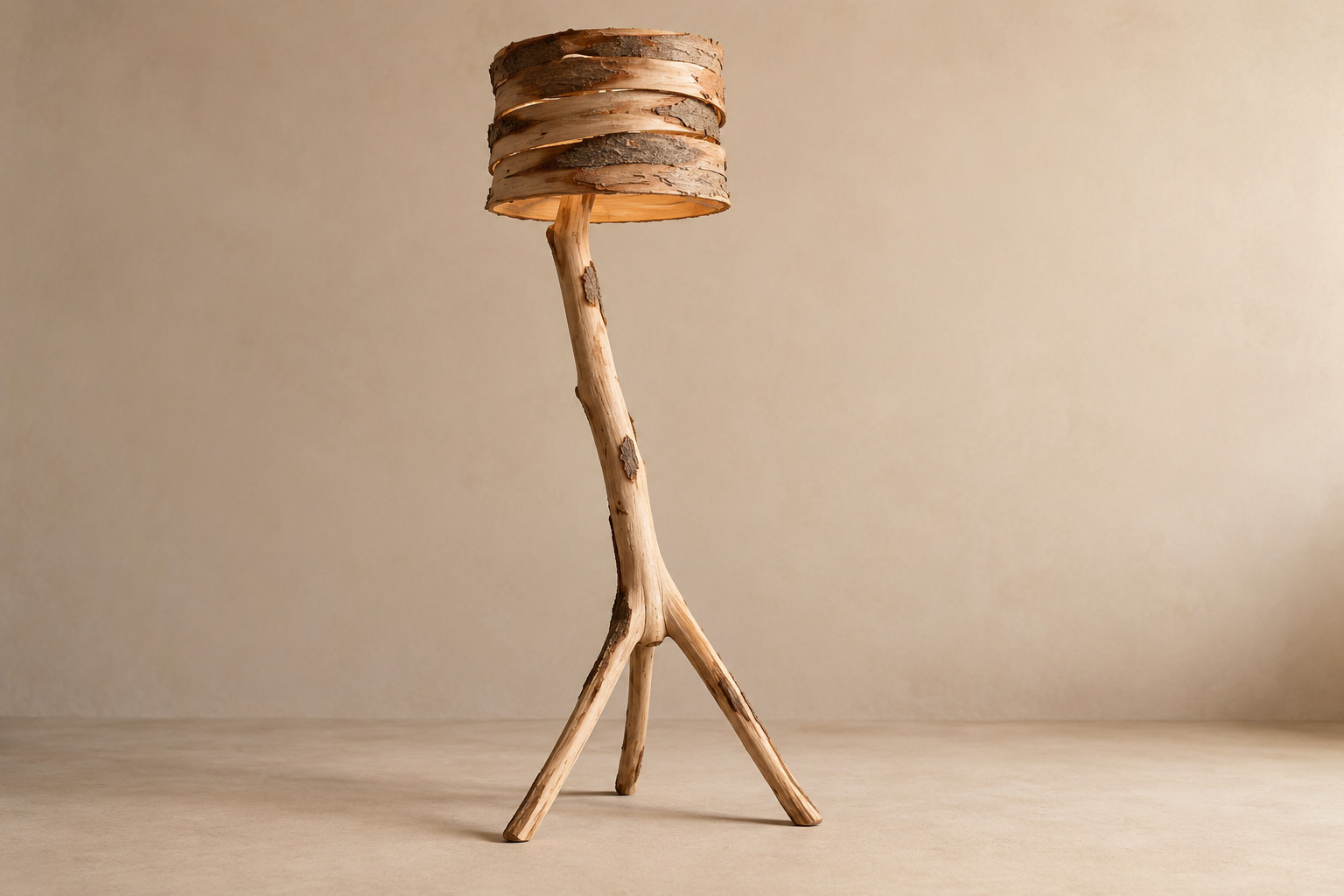
Floris Wubben’s Stripped lamp divides a branch into supports and turns its peeled bark into a shade, keeping the source material recognisable.
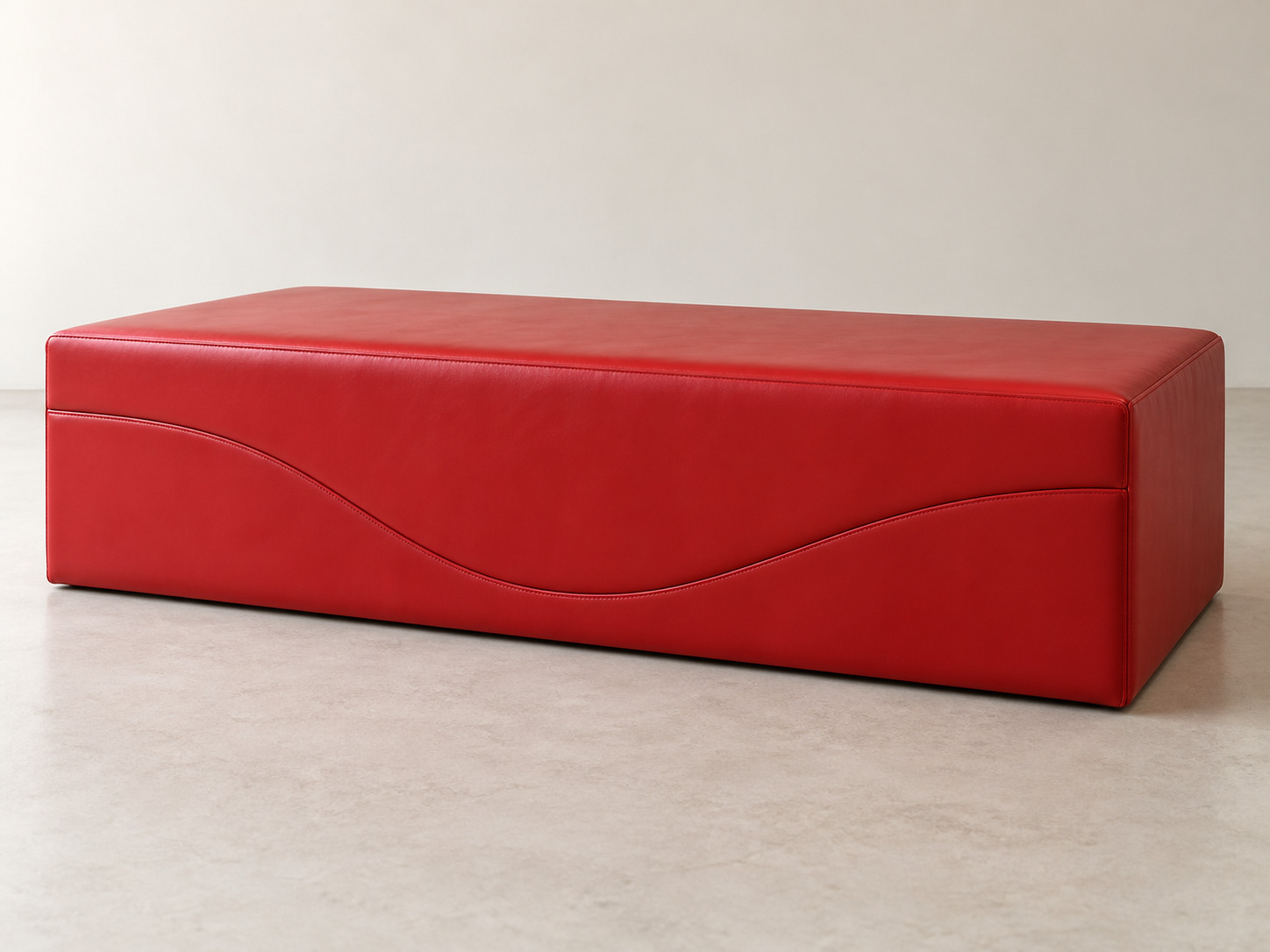
Discover how Archizoom turned a cut block of foam into Superonda, a sofa whose two pieces invite different arrangements, postures and uses of a room.
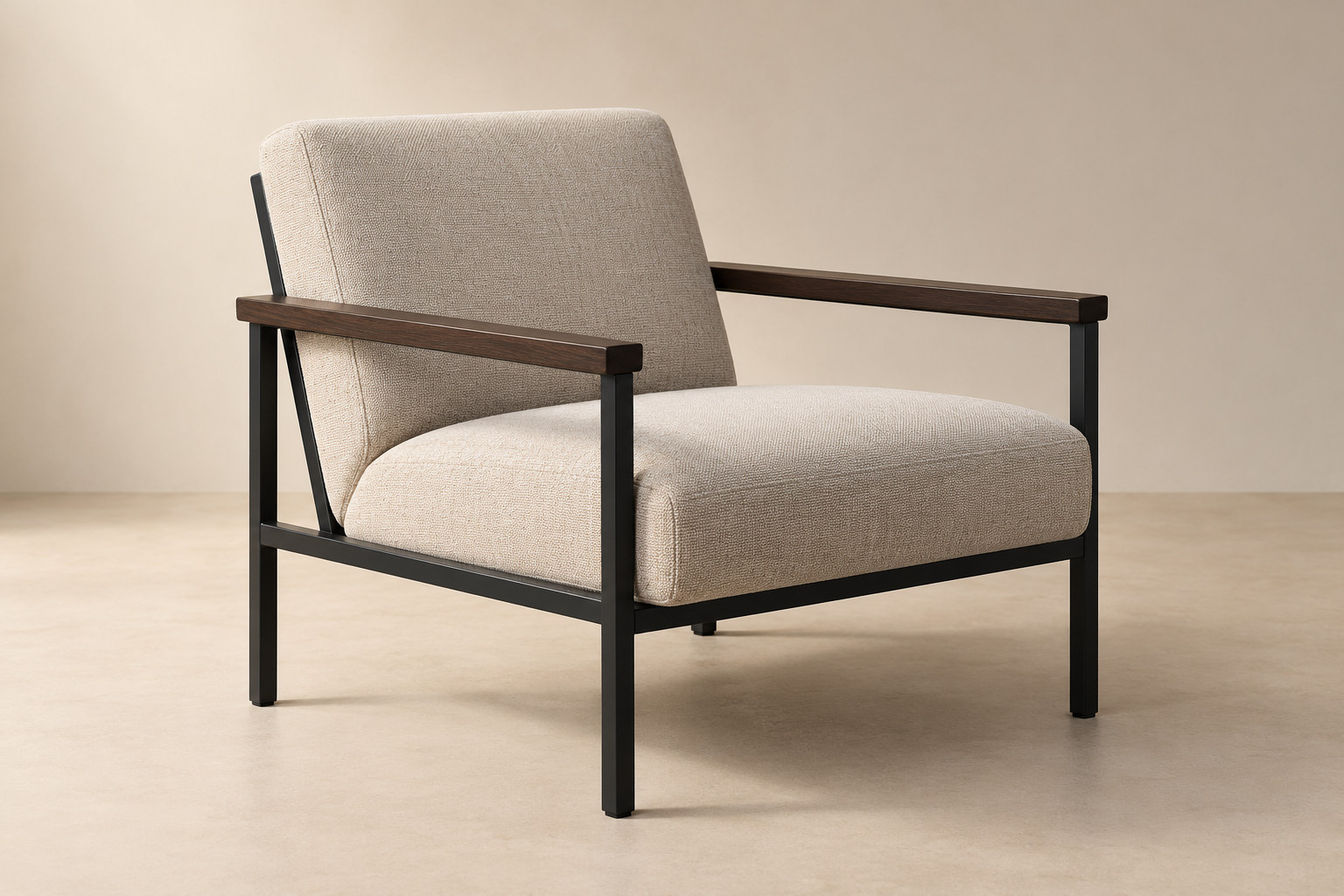
Martin Visser’s SZ 63 gives timber, upholstery and a square metal frame different jobs. Its material variants reveal what keeps the chair recognisable.
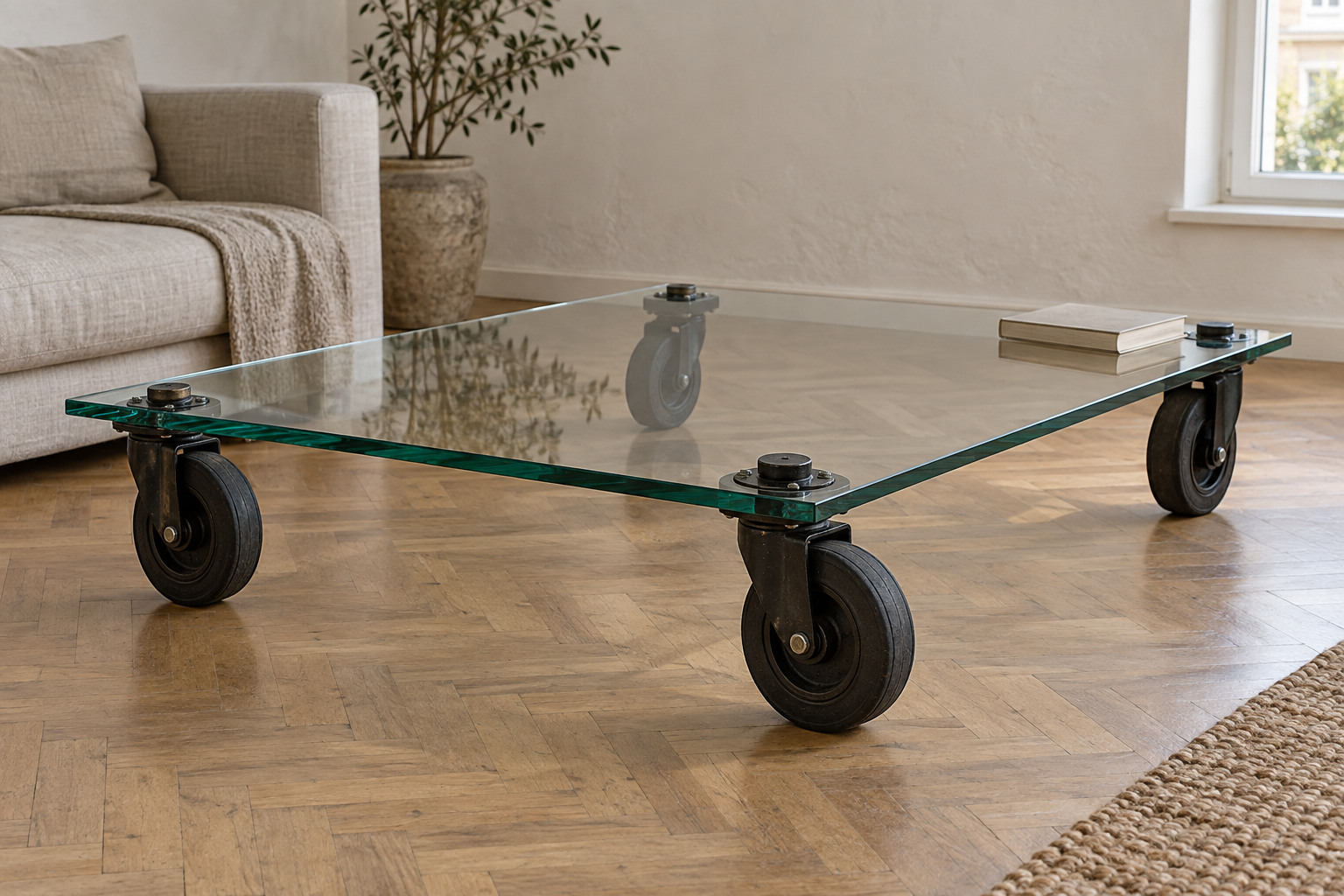
Look through Gae Aulenti’s glass table to see how four industrial castors turn a workshop idea into living-room furniture.
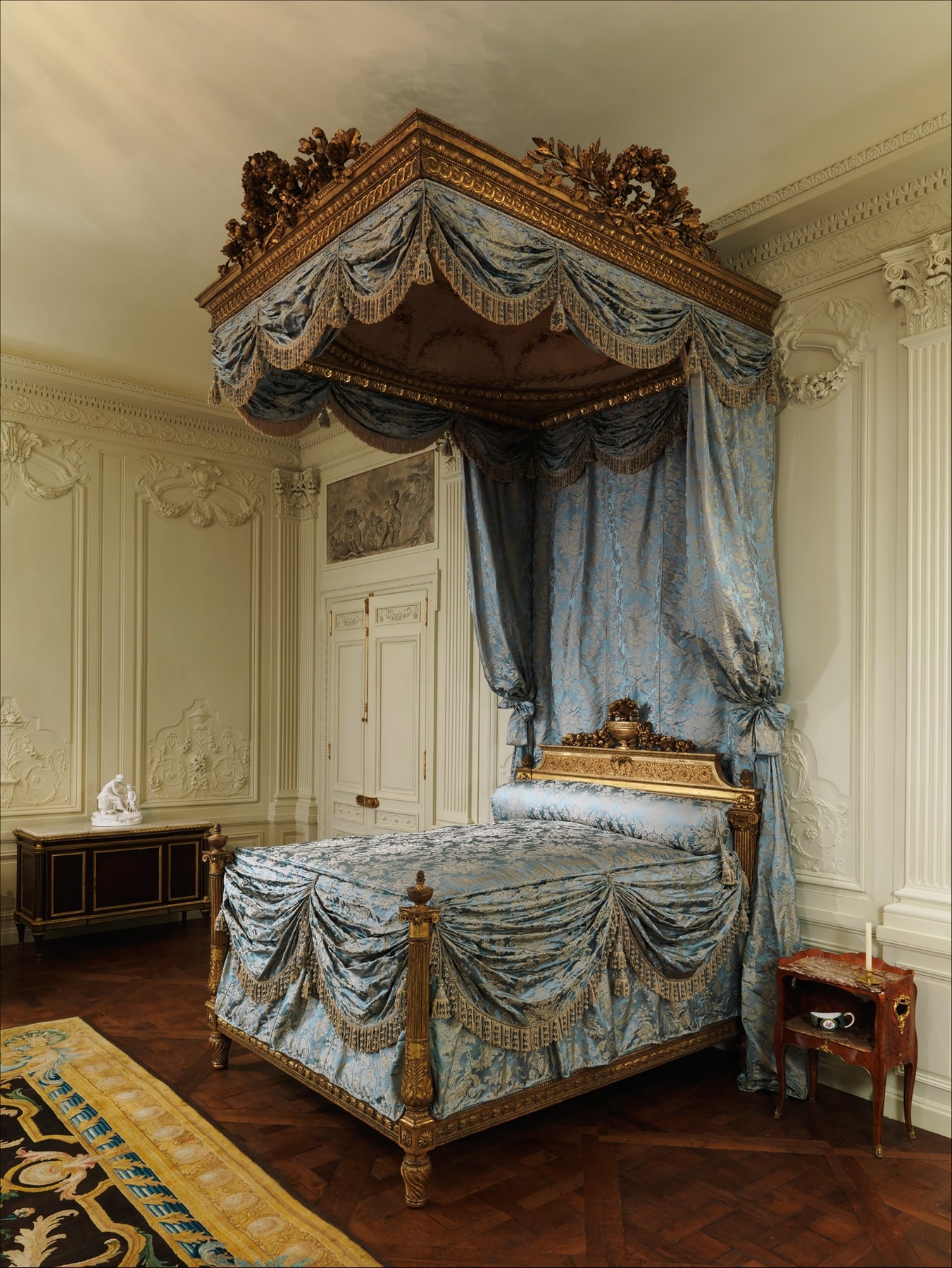
Georges Jacob’s eighteenth-century tester bed separates its canopy from its frame. Explore ceiling suspension, collaborative making and replacement textiles.
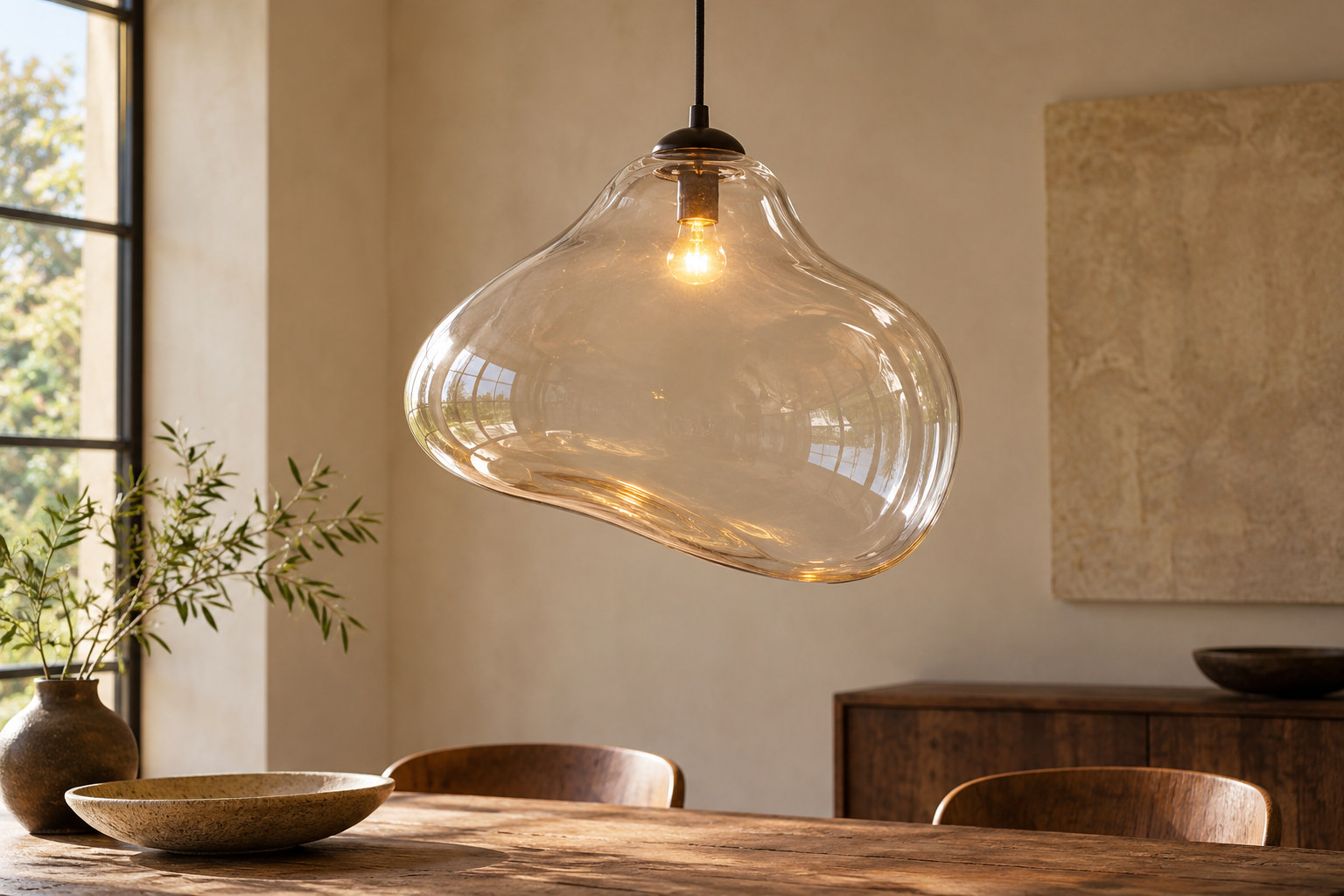
Alex de Witte’s Big Bubble gives a hanging light a variable mouth-blown glass outline. Craft control leaves room for differences between examples.
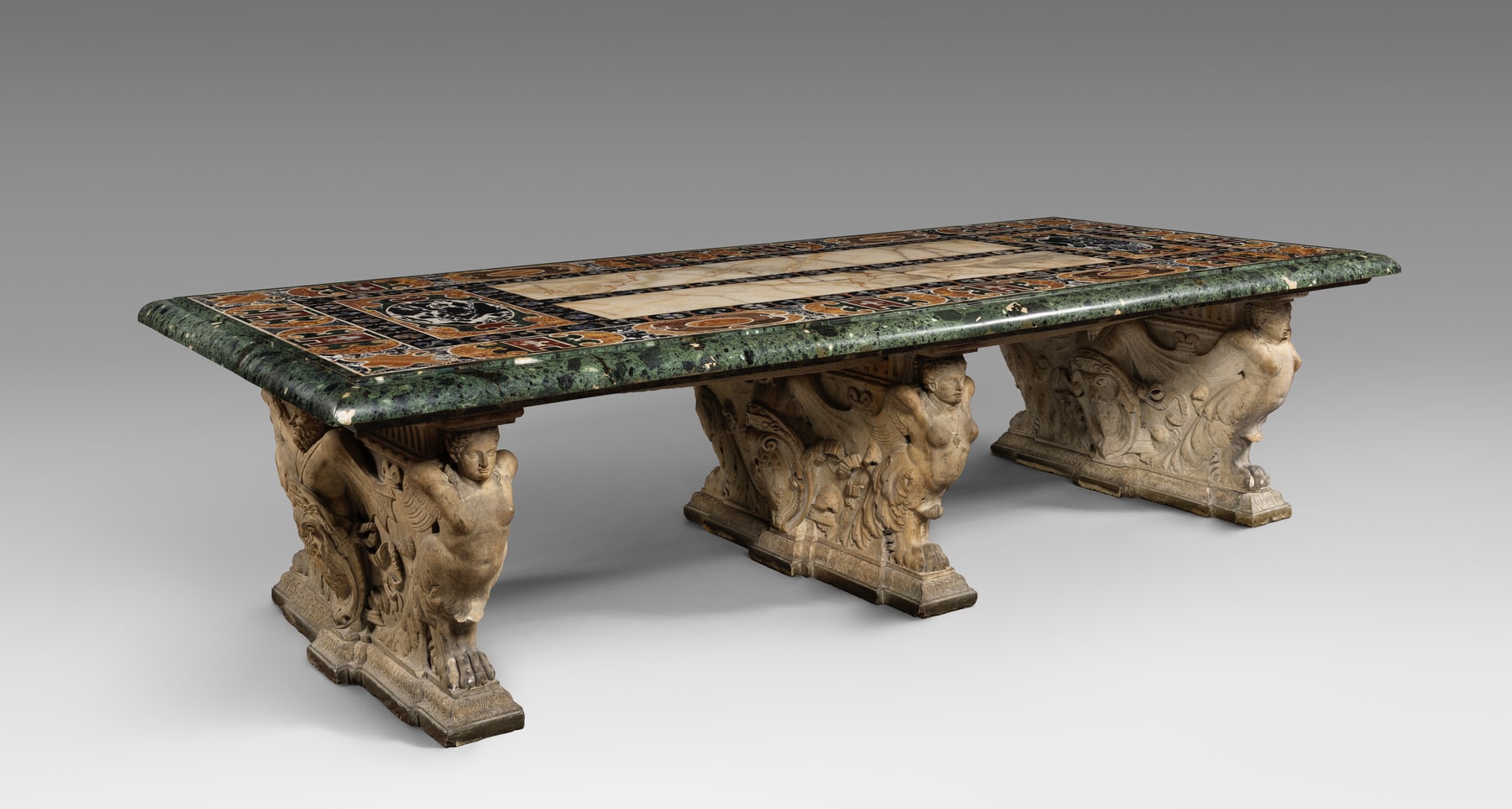
Nearly four metres wide, the Farnese Table turns coloured stone into a statement of Renaissance power. Explore its alabaster panels, carved piers and attributions.