Design
Polder sofa
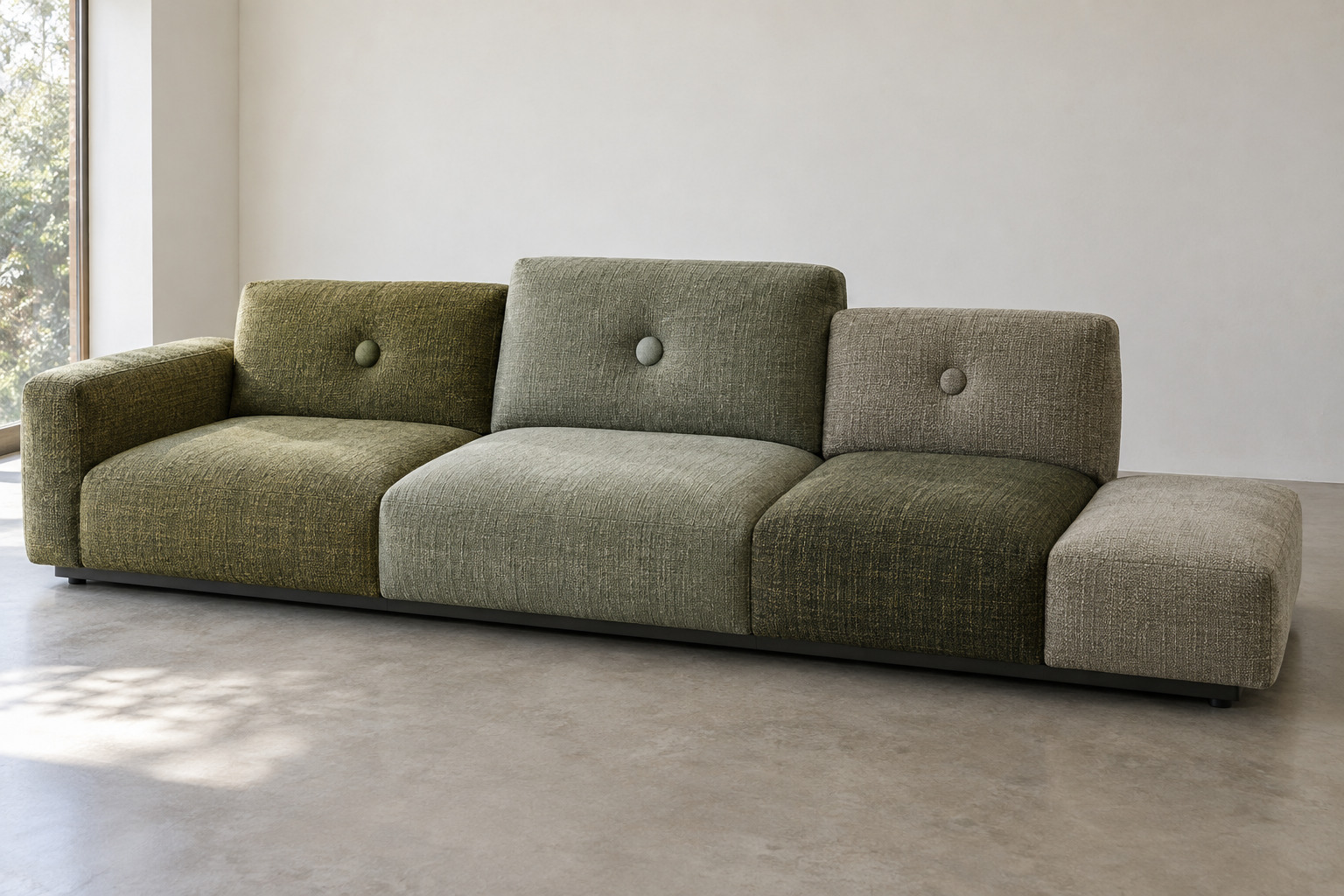
Read Hella Jongerius’s Polder sofa through neighbouring fabrics, unequal edges and the changing construction of its distinctive buttons.
Objects · people · ideas
Furniture models and individual historic pieces.
Read Hella Jongerius’s Polder sofa through neighbouring fabrics, unequal edges and the changing construction of its distinctive buttons.
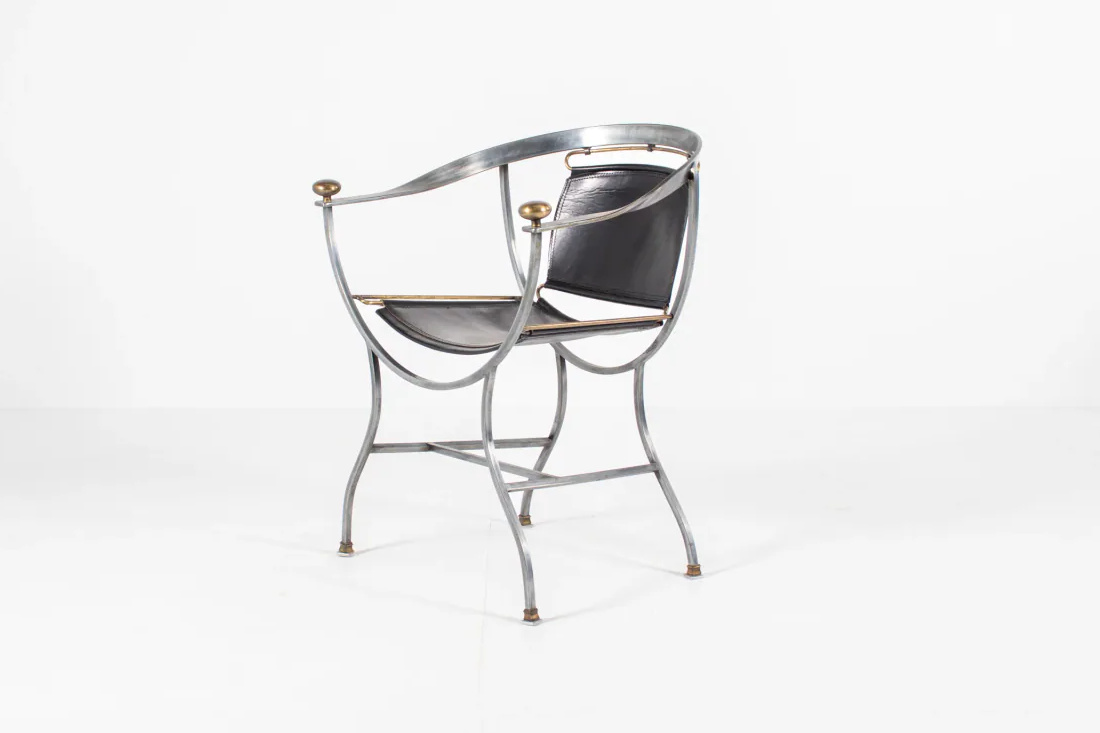
Read Alberto Orlandi's Pompei Armchair through its enclosing steel rail, leather planes, curule-like stance and brass details, then see why later catalogues date it only to circa 1980–85.
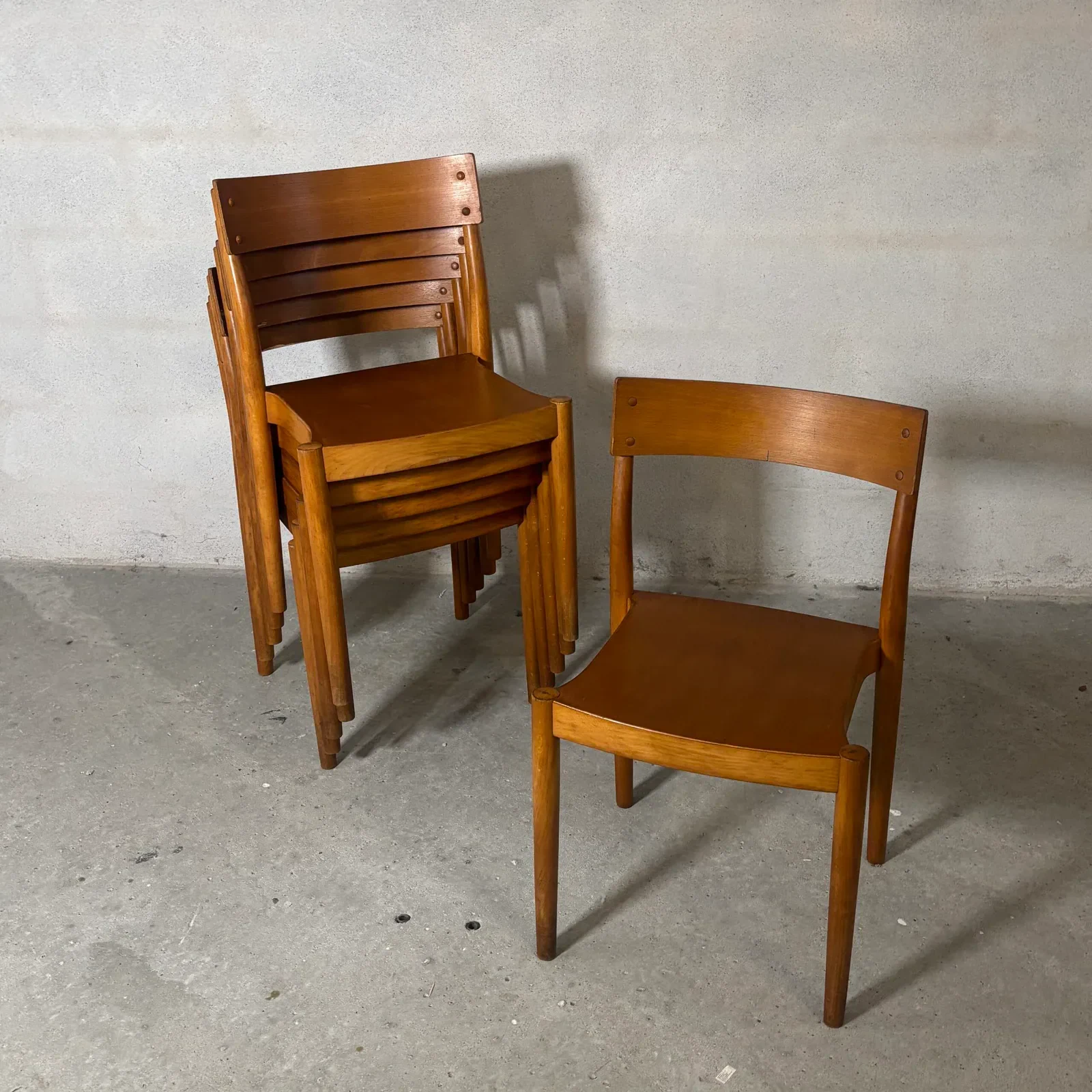
See how Peter Hvidt and Orla Mølgaard-Nielsen turned export and stacking into the quiet geometry of the 1944–45 Portex chair.
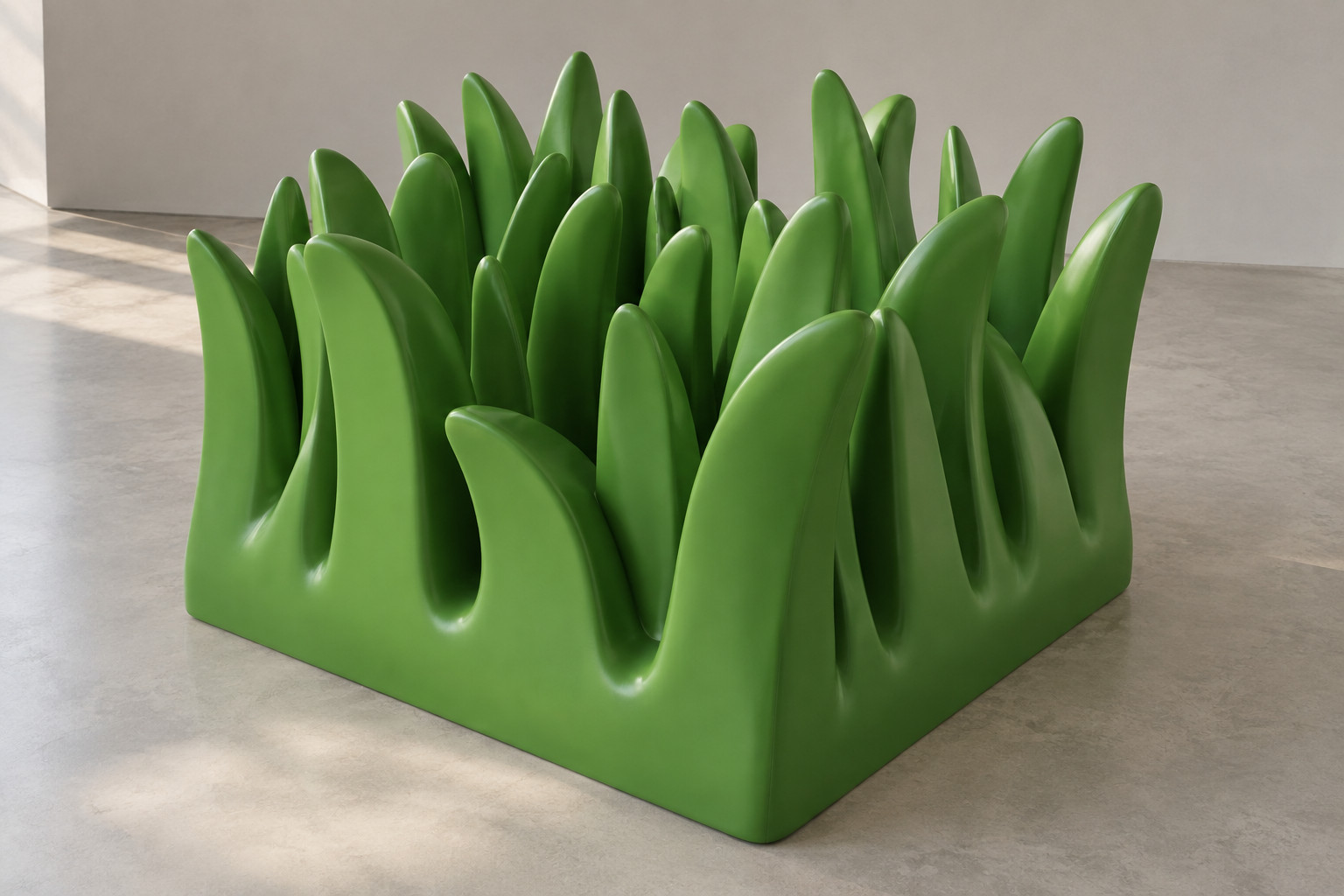
How Pratone’s oversized soft grass changes the act of sitting: the human scale, yielding polyurethane and shared space behind Ceretti, Derossi and Rosso’s design.
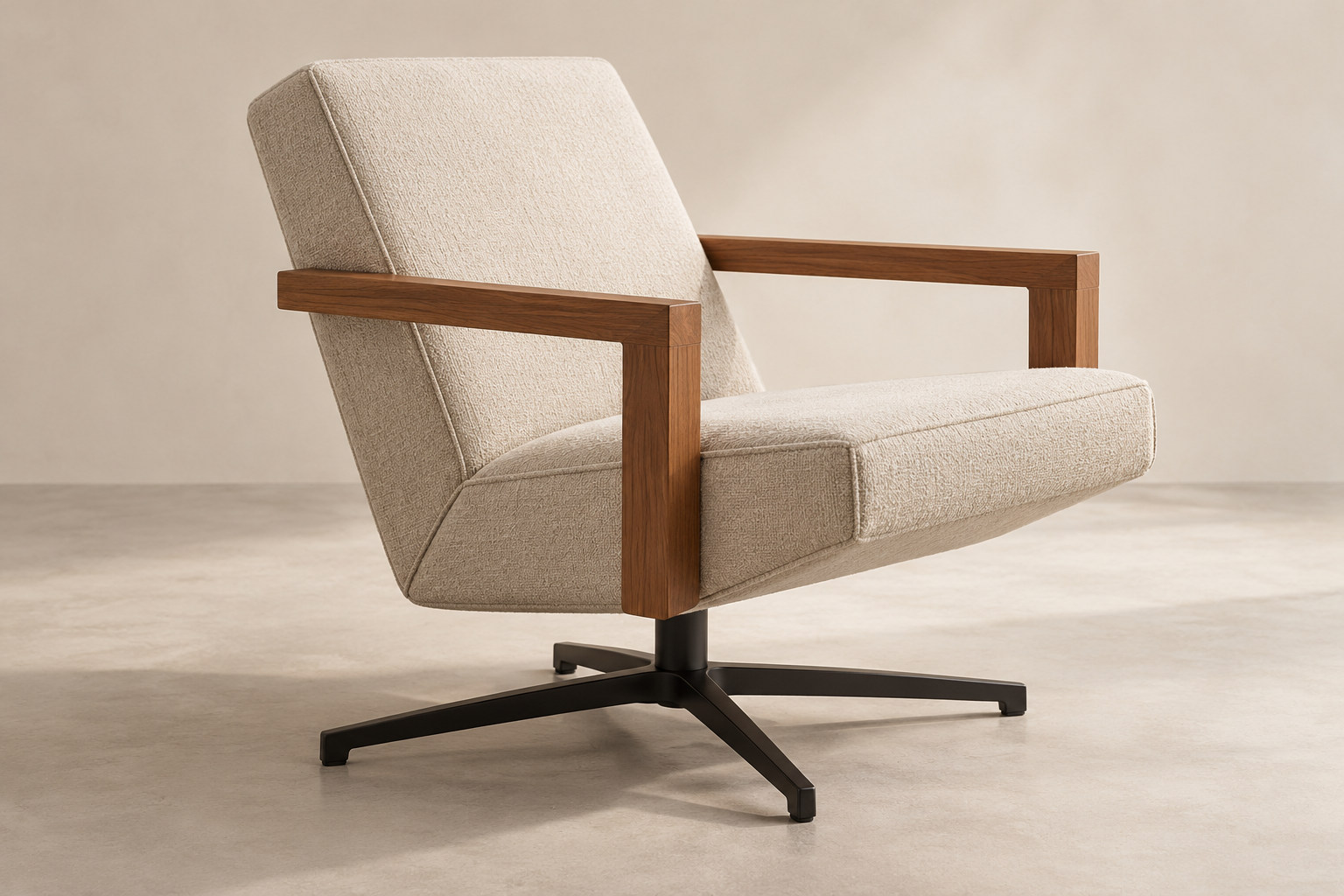
Gerrit Rietveld’s Press Room Chair links an unexecuted 1958 proposal to production in 2014. Its tilted planes and swivel base make the idea easy to read.
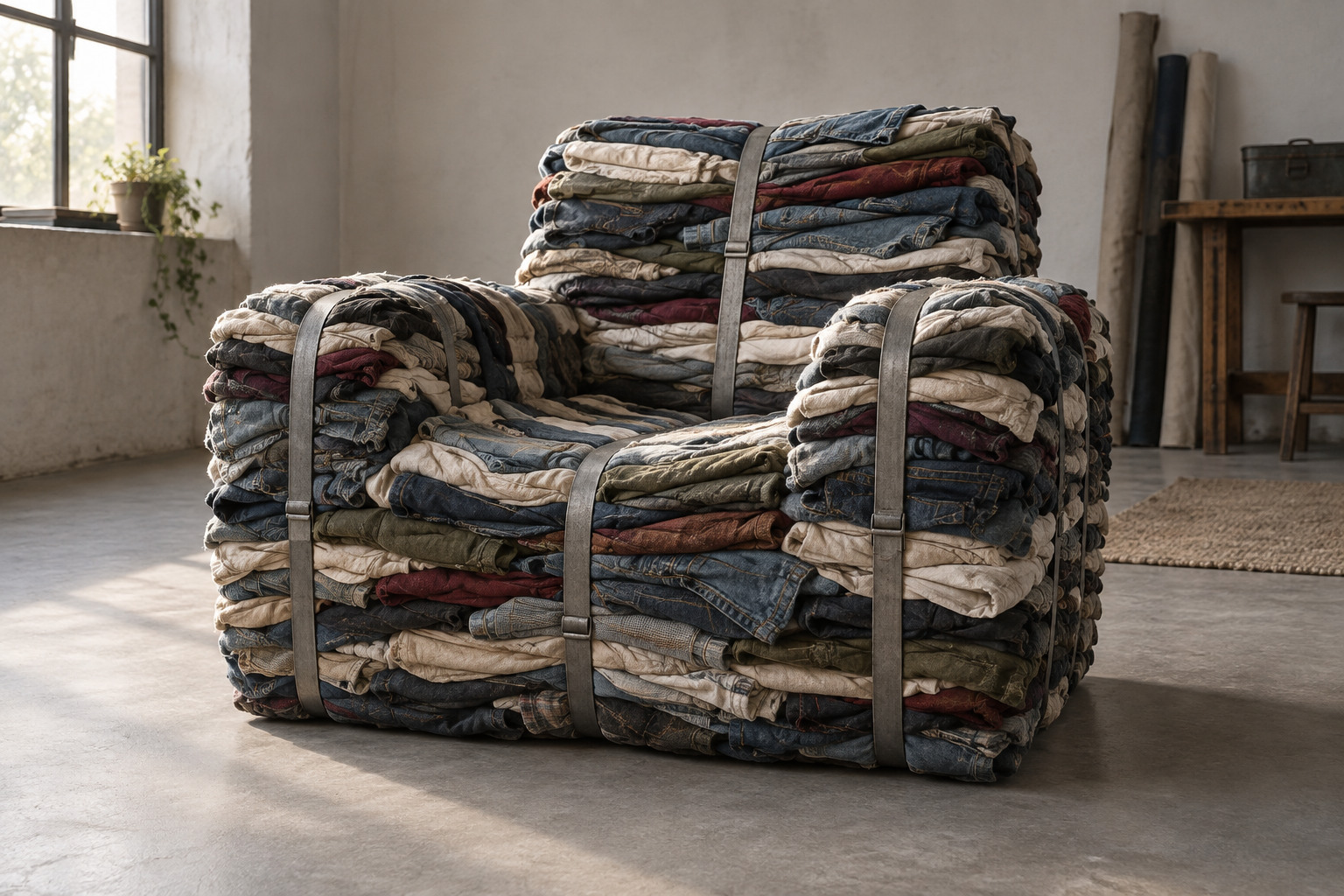
See how Tejo Remy’s Rag Chair turns layers of second-hand clothes into seating, with metal straps keeping structure and material history visible.
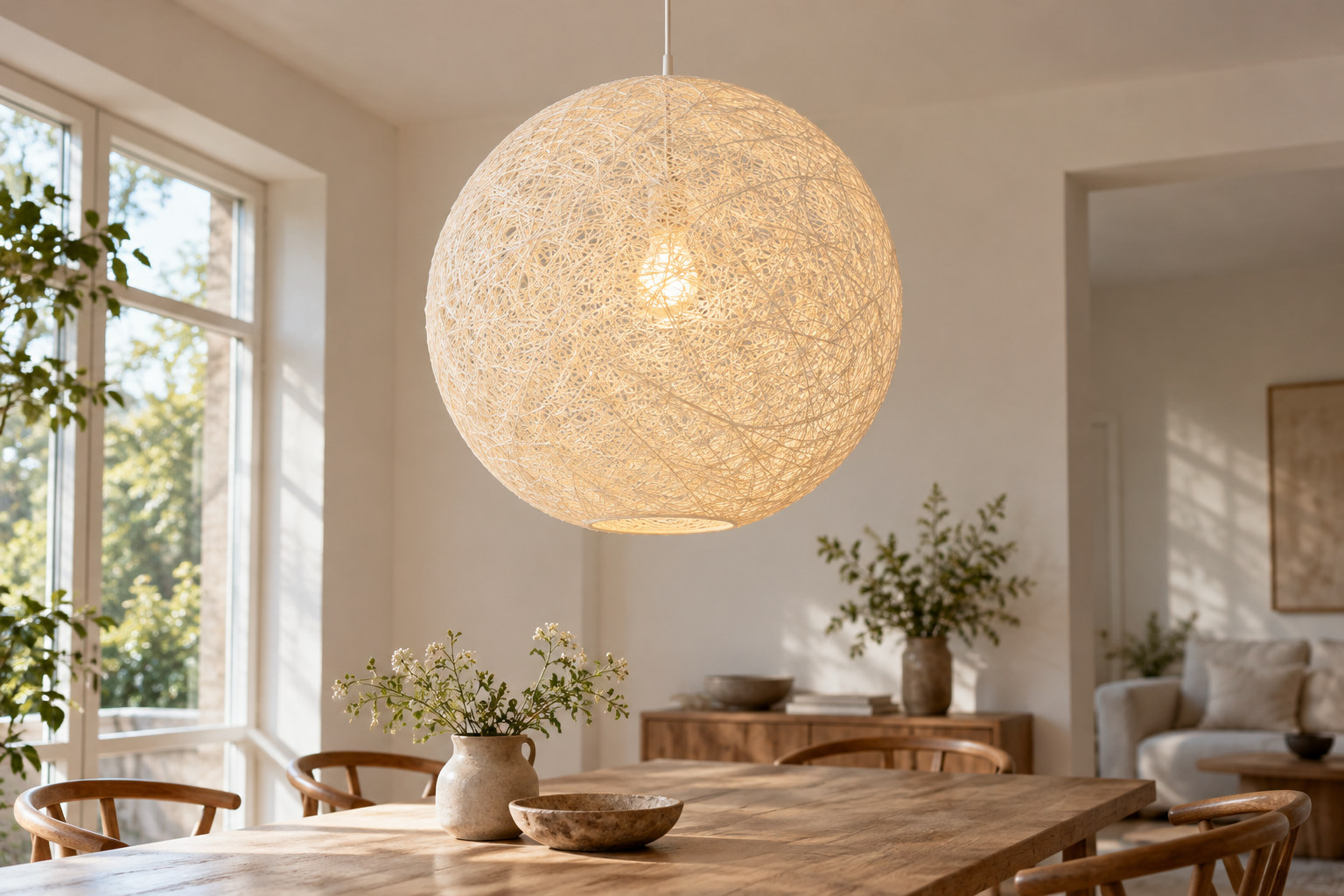
Random Light begins around an inflated ball and remains after the support disappears. Bertjan Pot makes a temporary tool leave an airy spherical form.
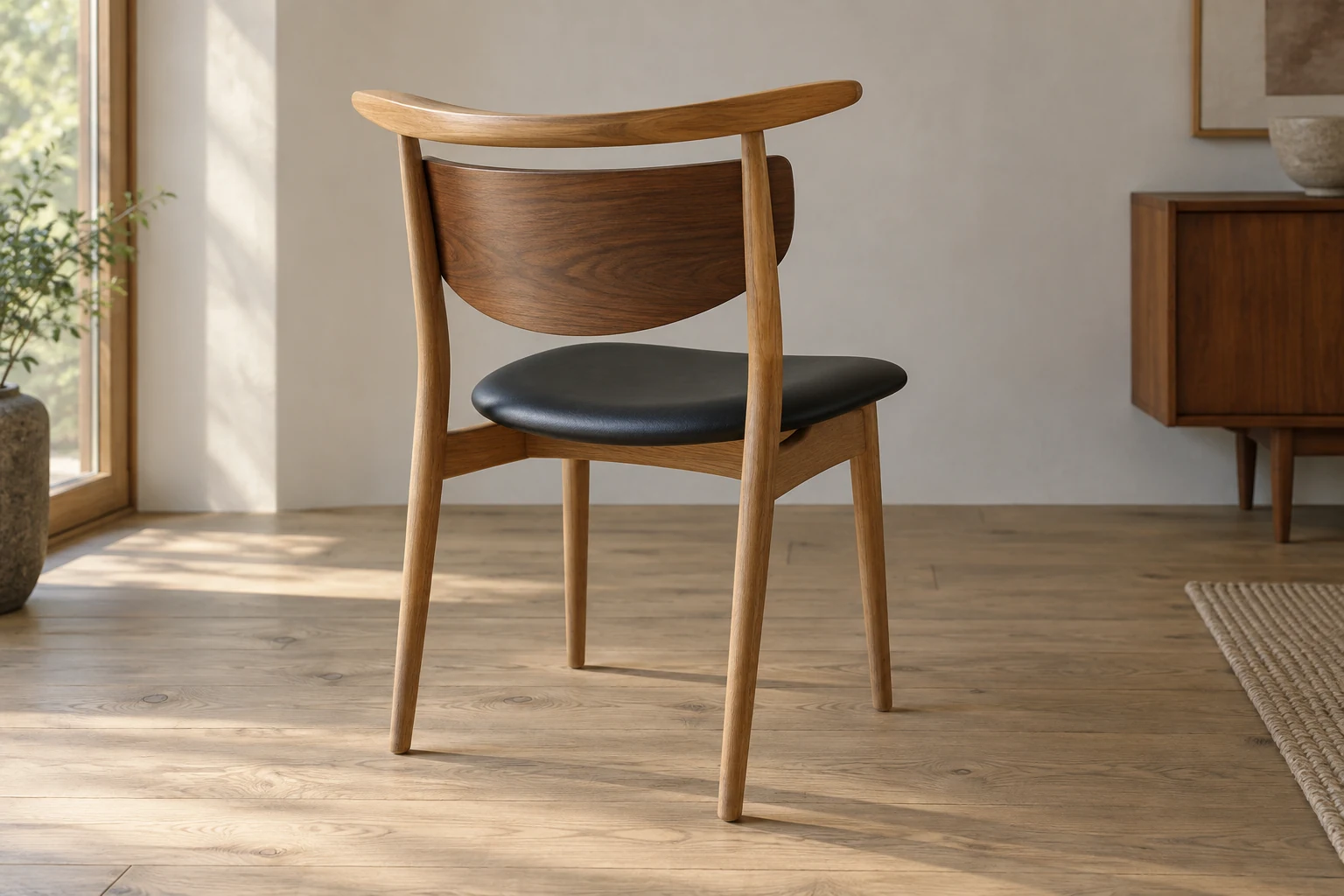
See how Finn Juhl's 1953 Reading Chair uses an open back and one horizontal rail to support two ways of sitting without adding a mechanism.
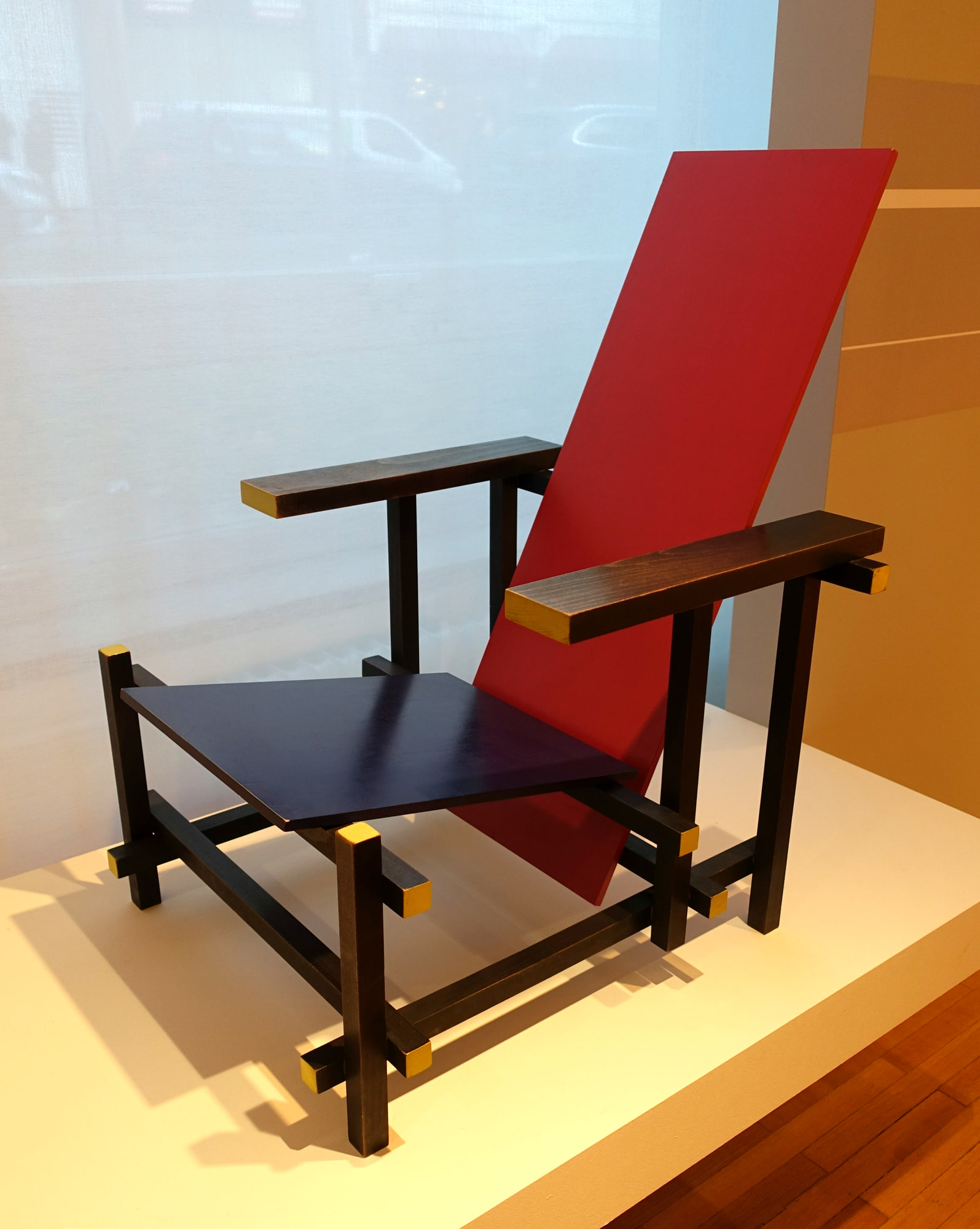
See how Gerrit Rietveld separated wooden lines, a seat and a back into one open chair—and why its famous red, blue and yellow arrived after the form.
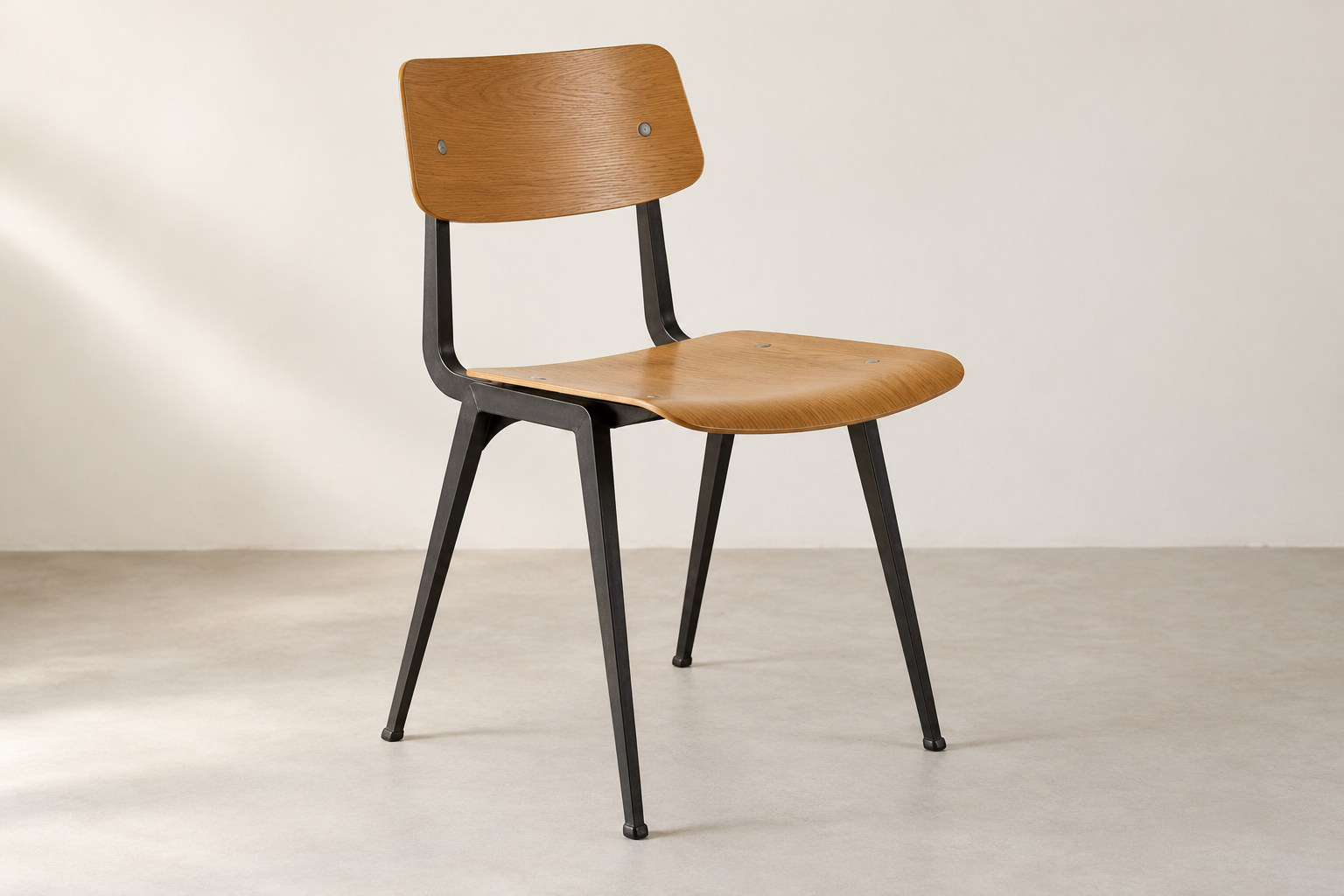
Look beneath Result’s familiar wooden seat to discover shaped sheet steel and the collaboration of Friso Kramer and Wim Rietveld.
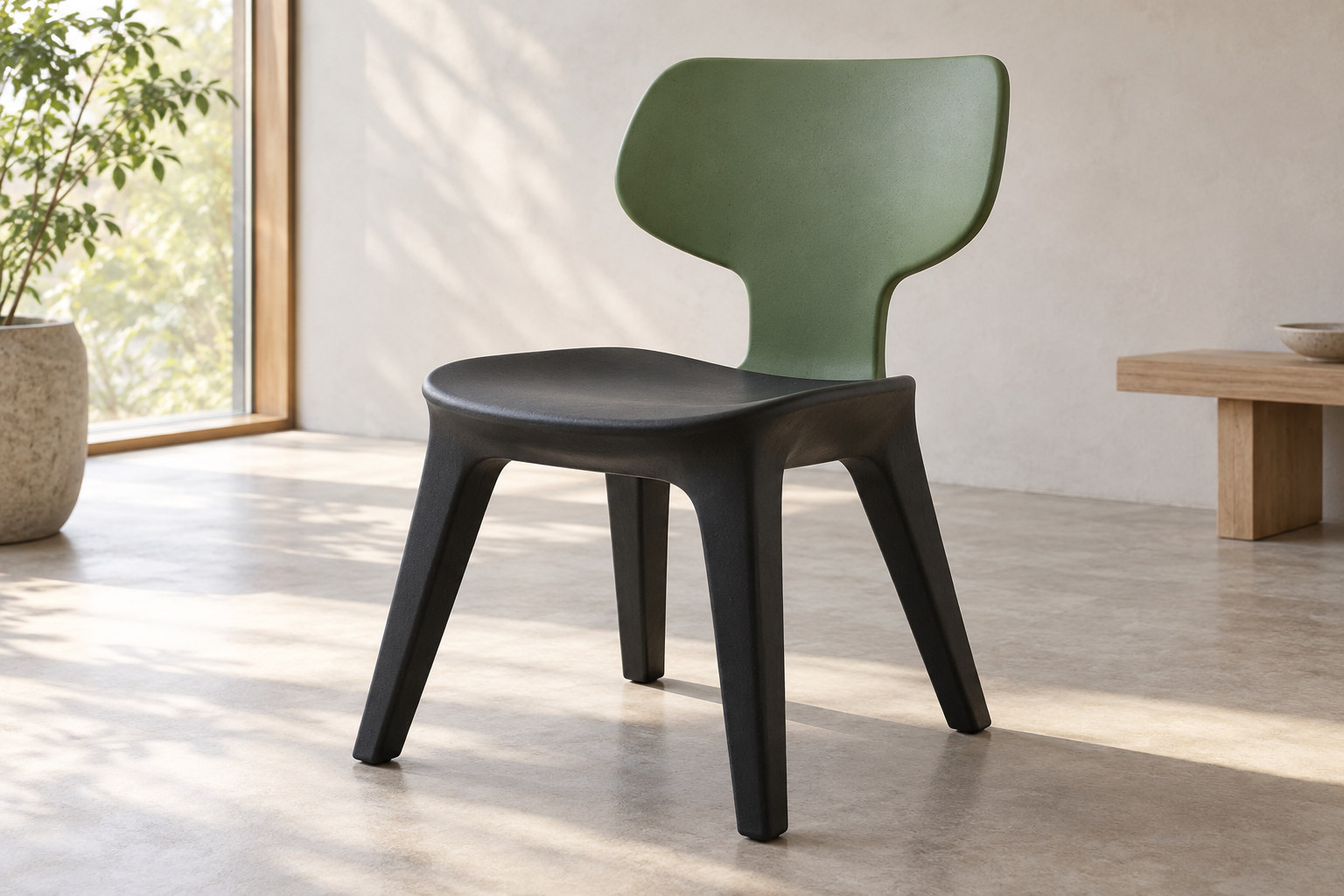
Ineke Hans’s REX for Circuform makes the route after use part of a chair project, connecting recycled PA6, components and an organised return scheme.
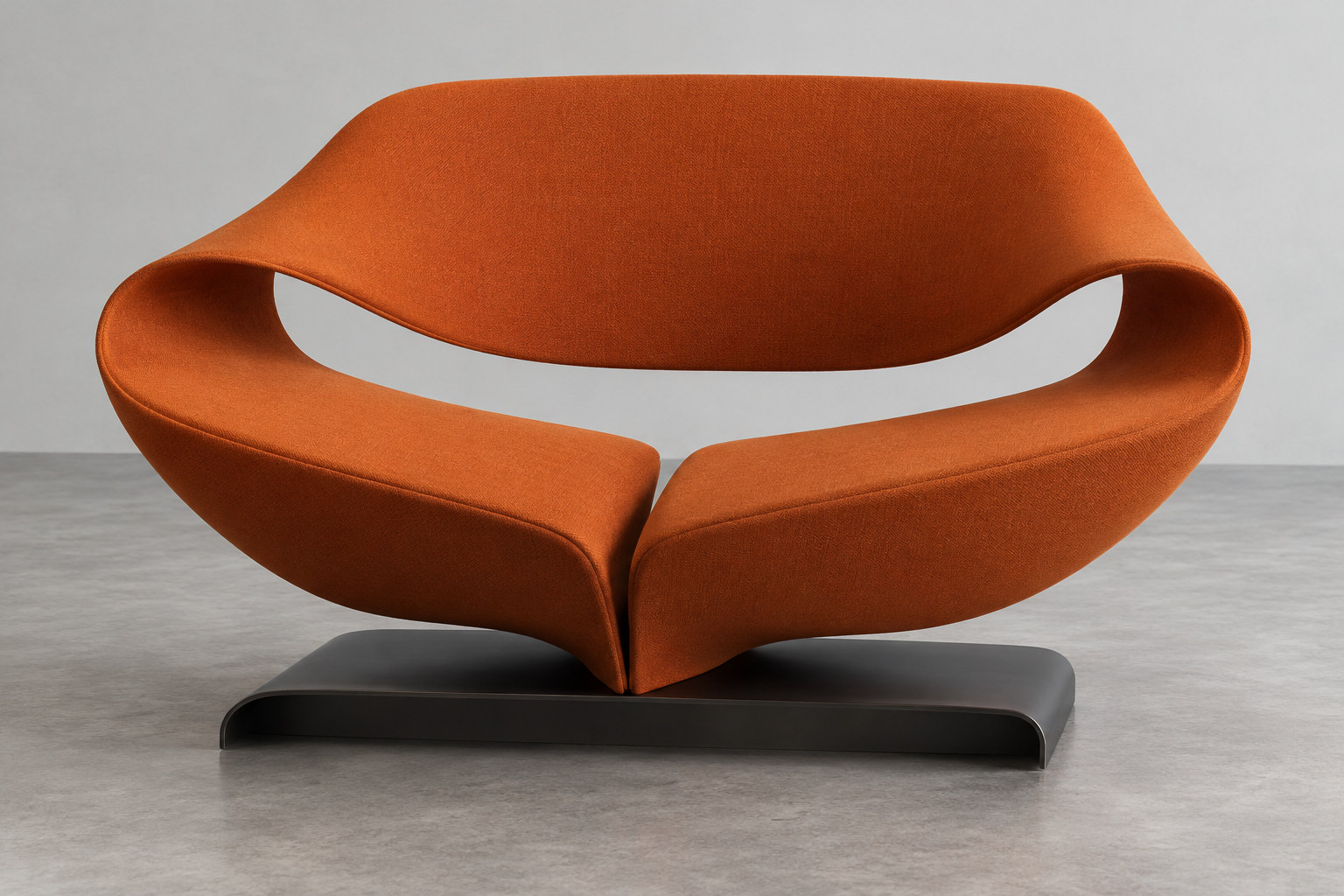
Pierre Paulin’s Ribbon for Artifort makes hidden construction read as a continuous upholstered surface. Follow the form around its bends.
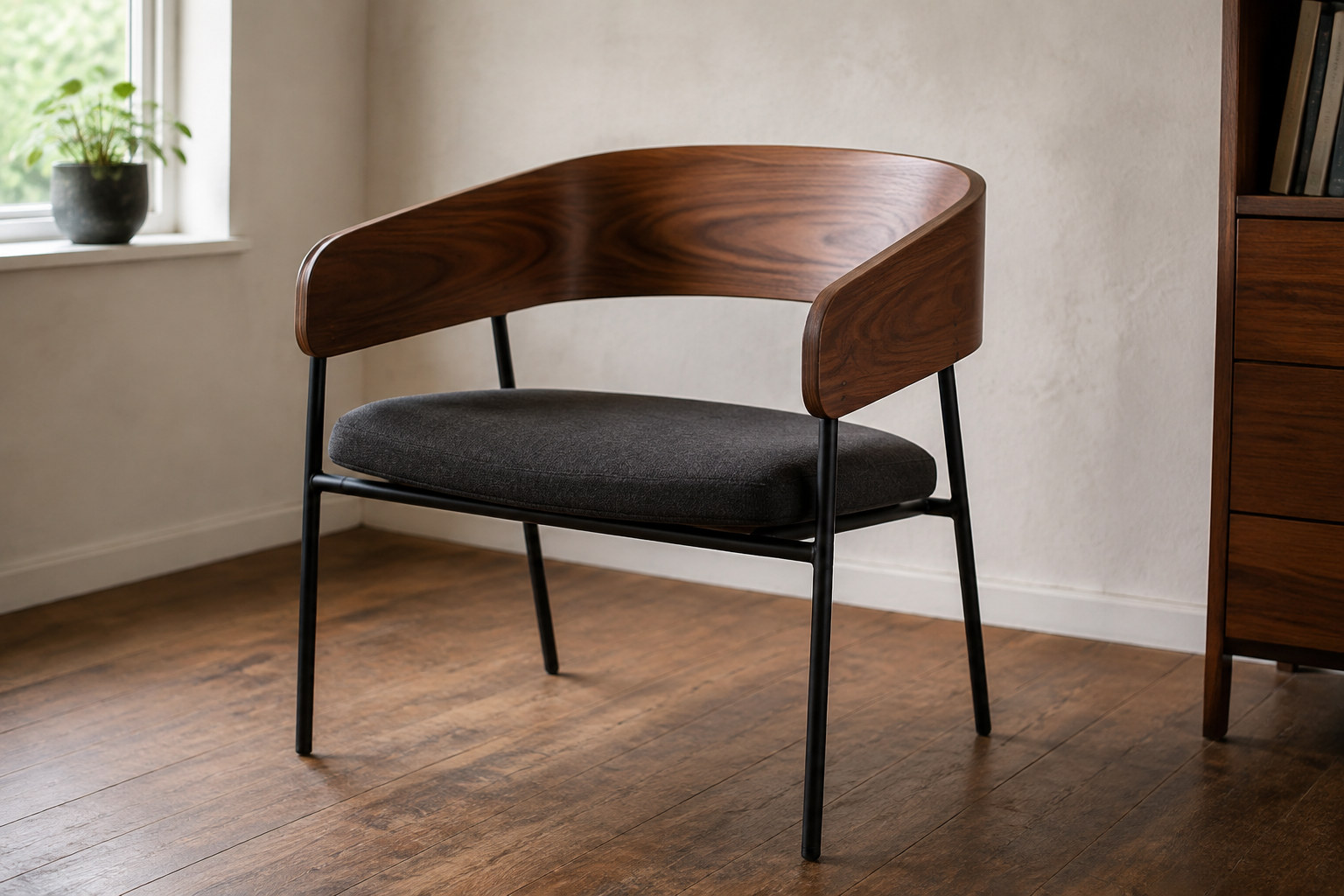
The 675 chair’s wooden back does not stop where the arms begin. One broad plywood curve travels around the sitter, giving Robin Day’s compact chair a continuous gesture above its thin steel frame.
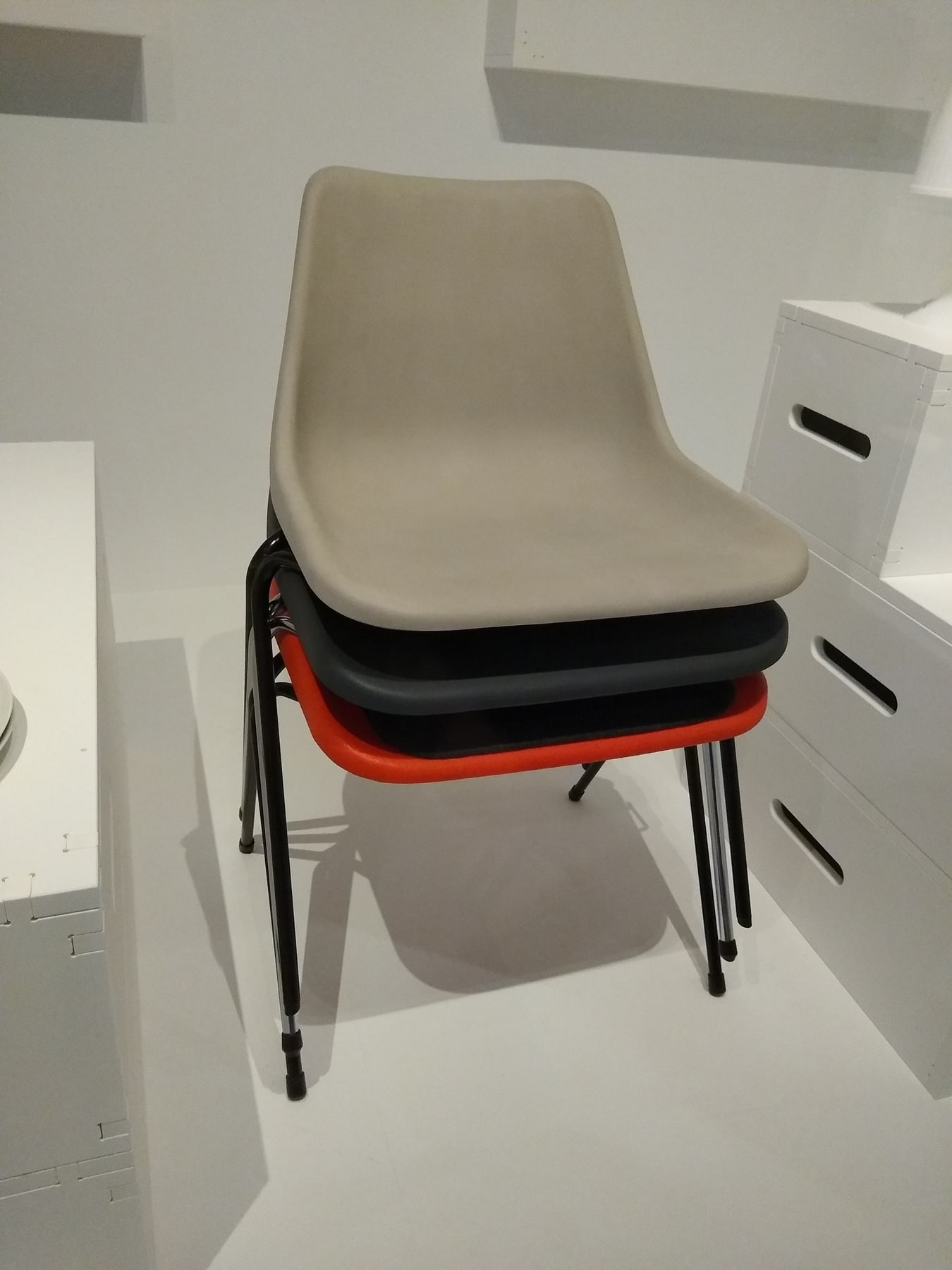
How Robin Day and Hille made a polypropylene shell work as everyday seating, from the 1963 introduction to the rolled edge, concealed fixings and later versions.
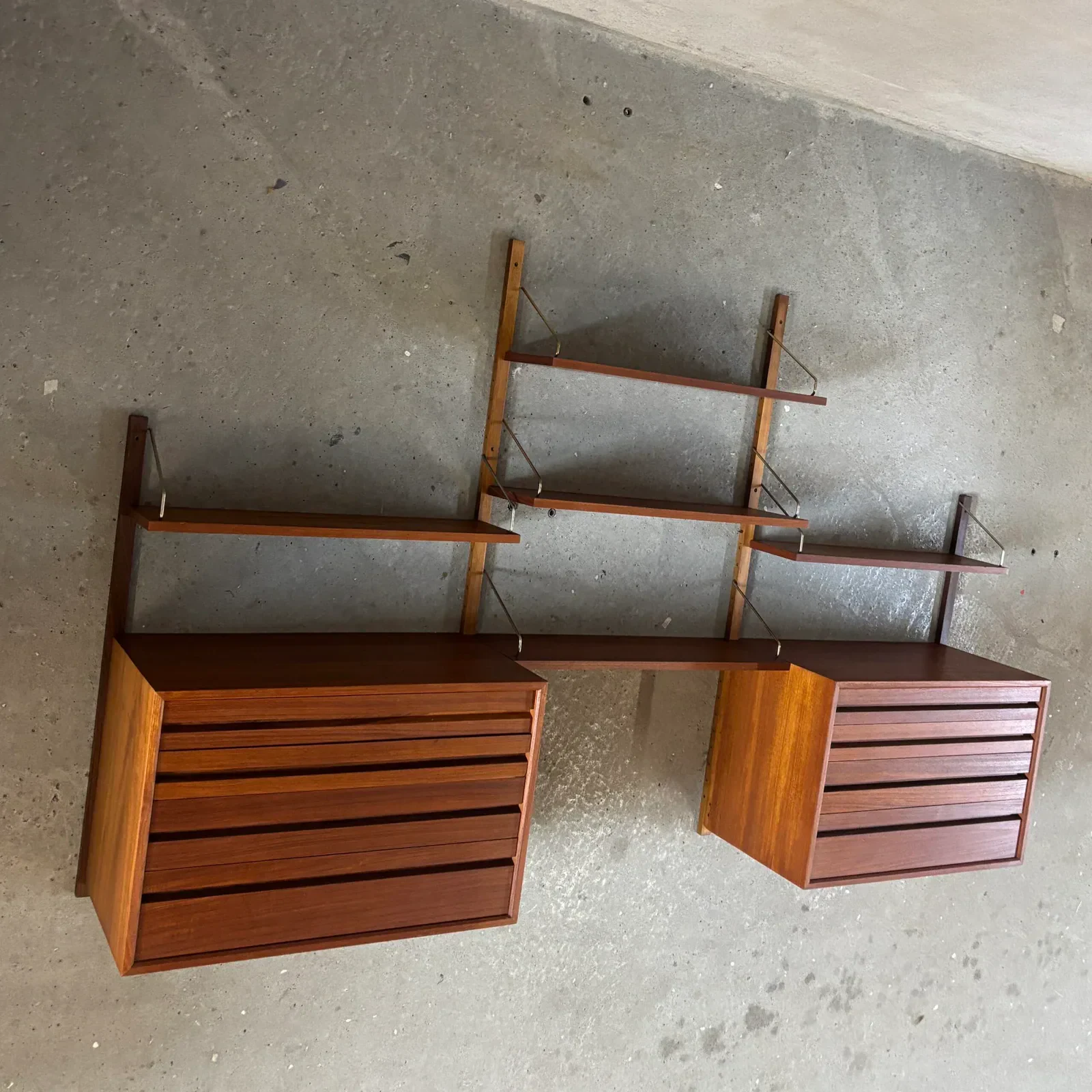
See how Poul Cadovius's 1948 Royal System moved storage off the floor and turned rails, hangers, shelves and cabinets into a revisable wall.
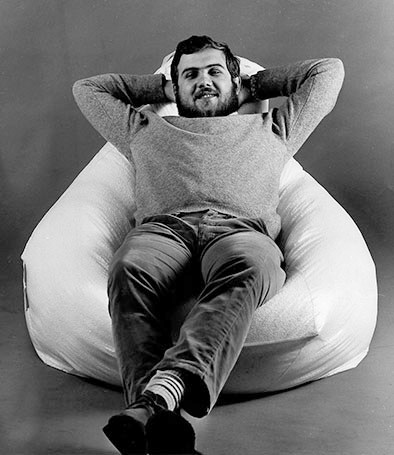
Explore Gatti, Paolini and Teodoro’s Sacco through its moving filling, an early photograph and the difference between a design and its later editions.
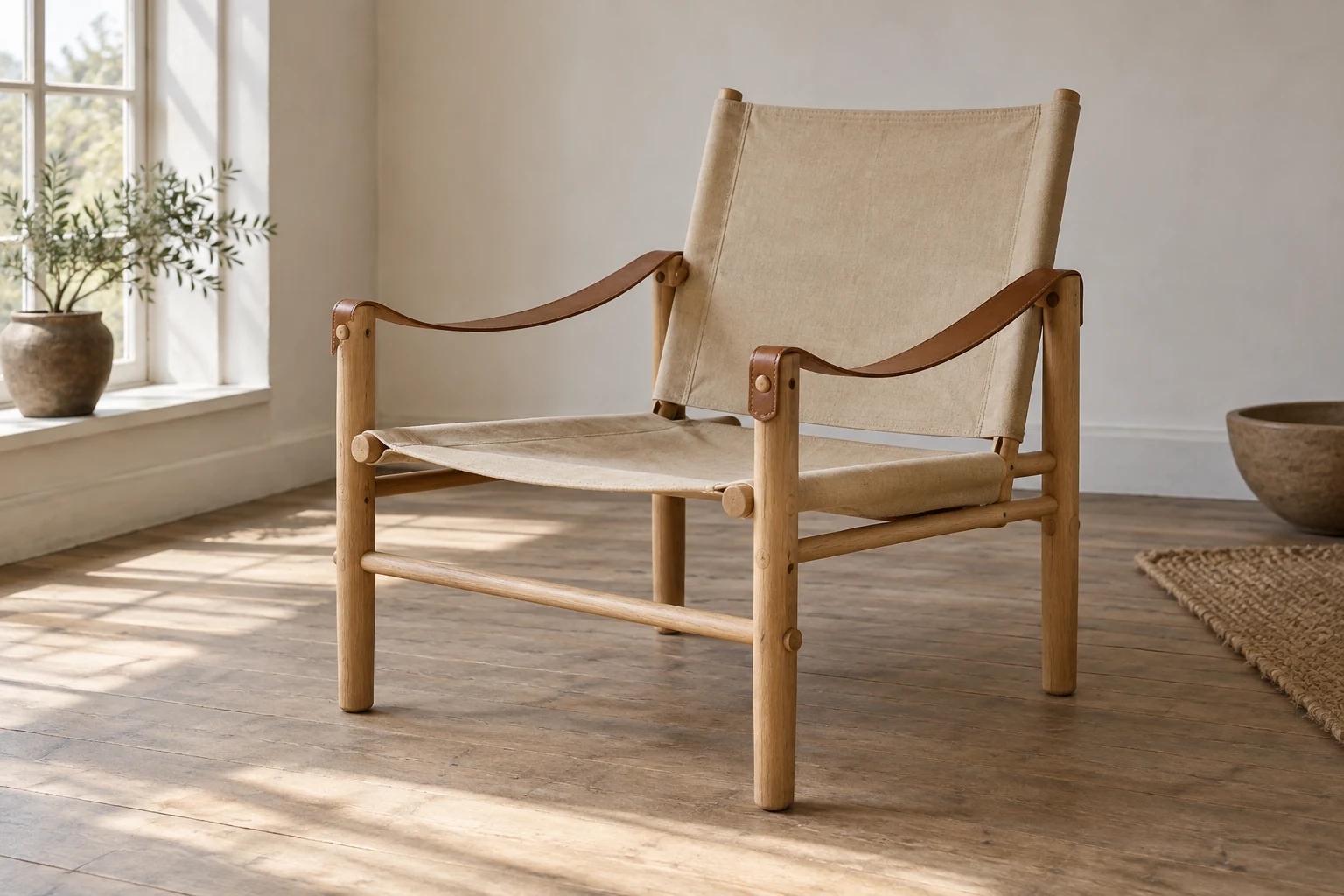
See how Kaare Klint's 1933 KK47000 Safari Chair turns knock-down joints, canvas and leather straps into a complete chair—and how to separate its design, maker and vintage-object histories.
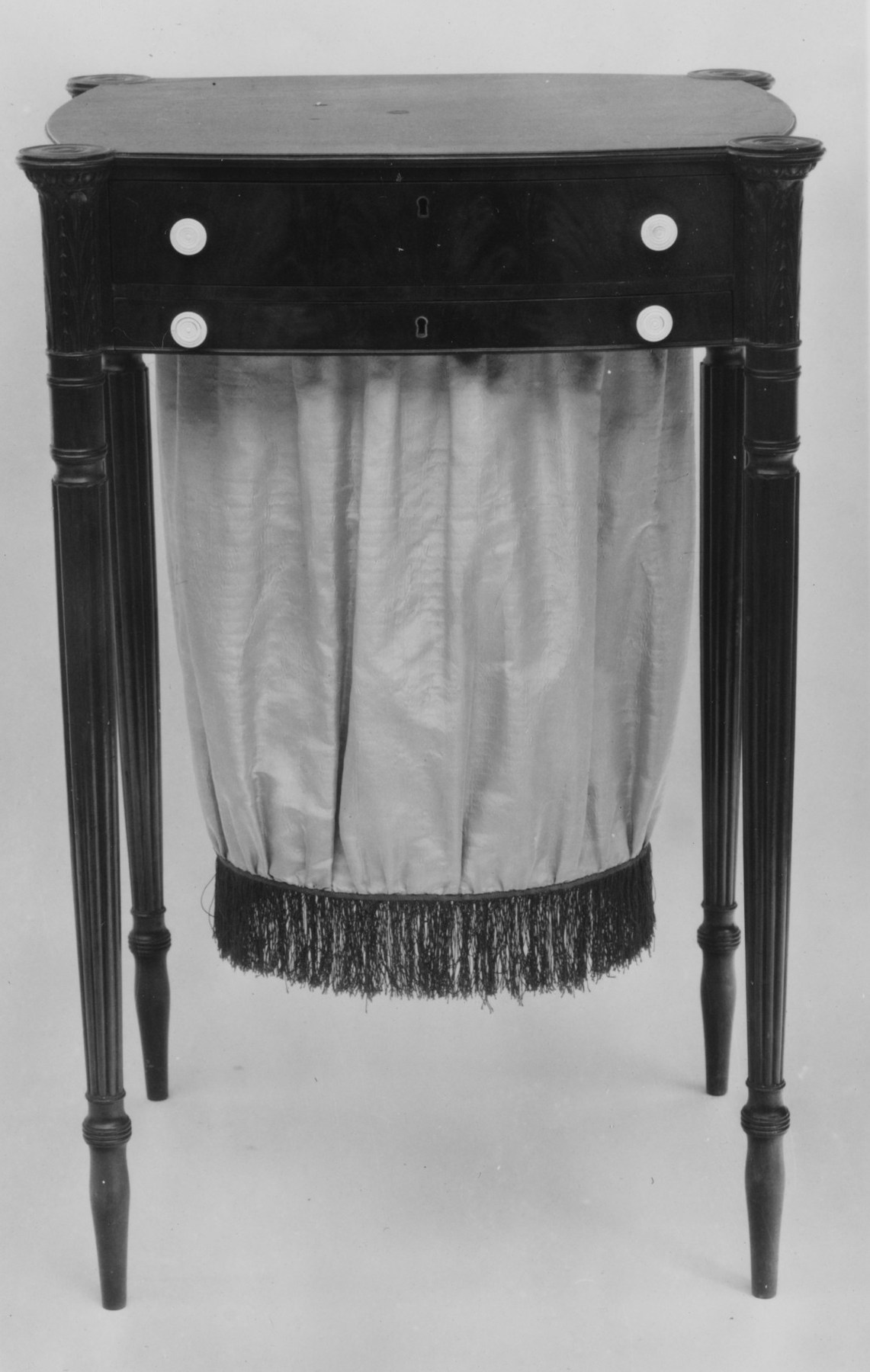
Read the Met’s Salem worktable, 1805–10, through its silk workbag, fitted writing drawer and slender reeded legs, with maker attribution kept precise.
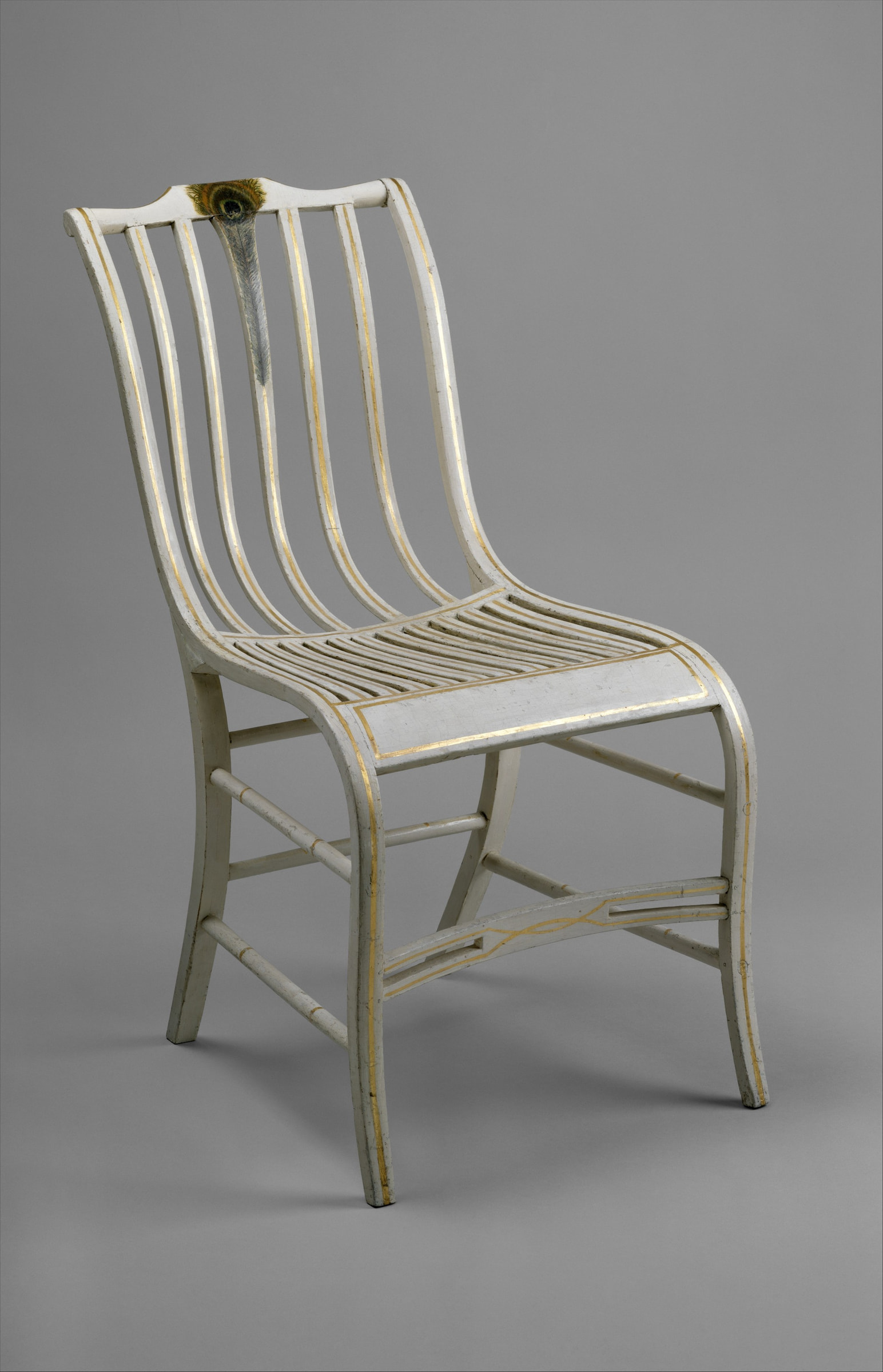
Follow the continuous bent members, fitted slats and klismos profile that make Samuel Gragg’s Side Chair 1980.496 an astonishing experiment from about 1810.
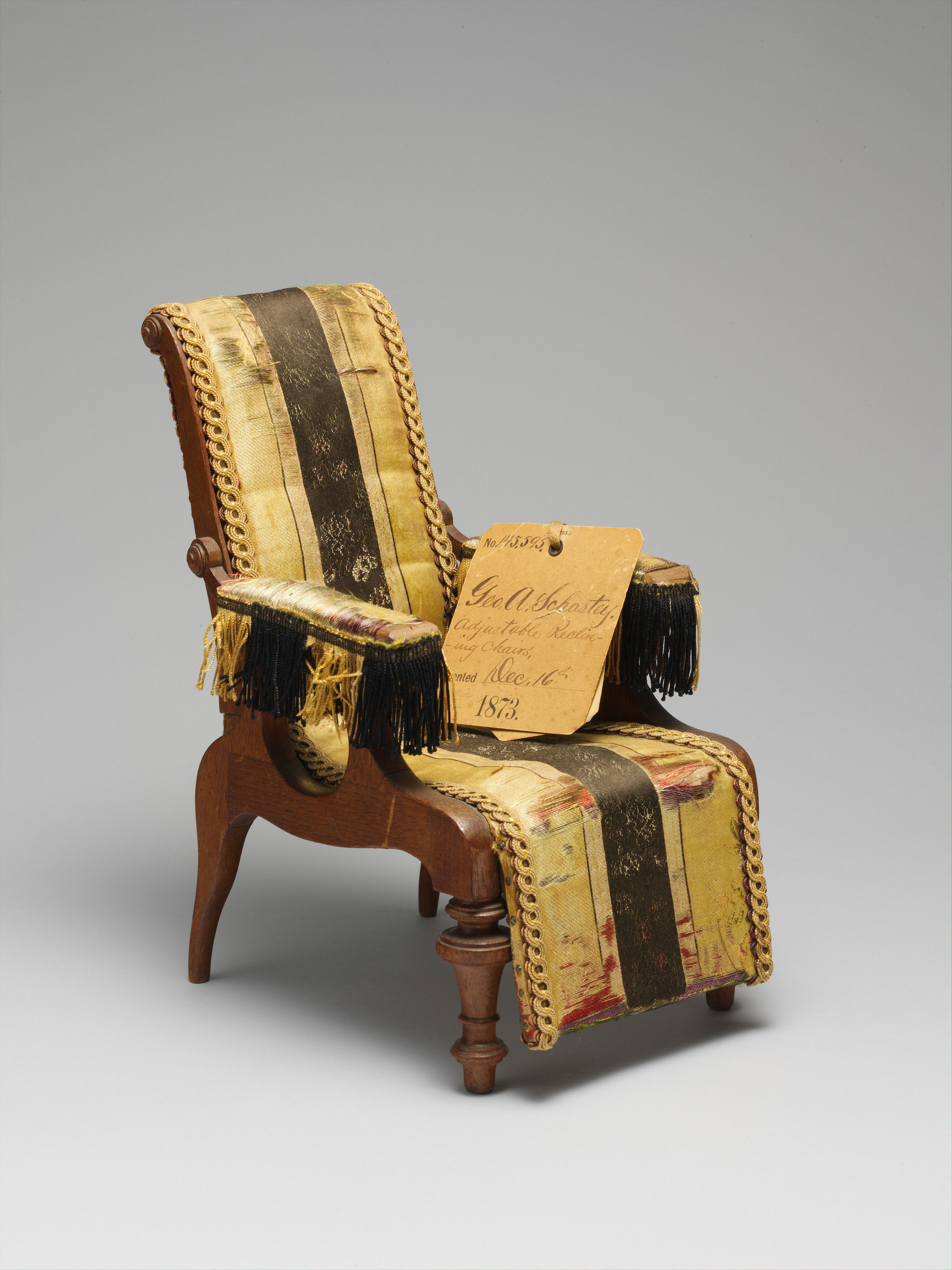
See how George A. Schastey's ten-inch upholstered chair turned an adjustable reclining mechanism into a physical argument for US Patent 145,595.
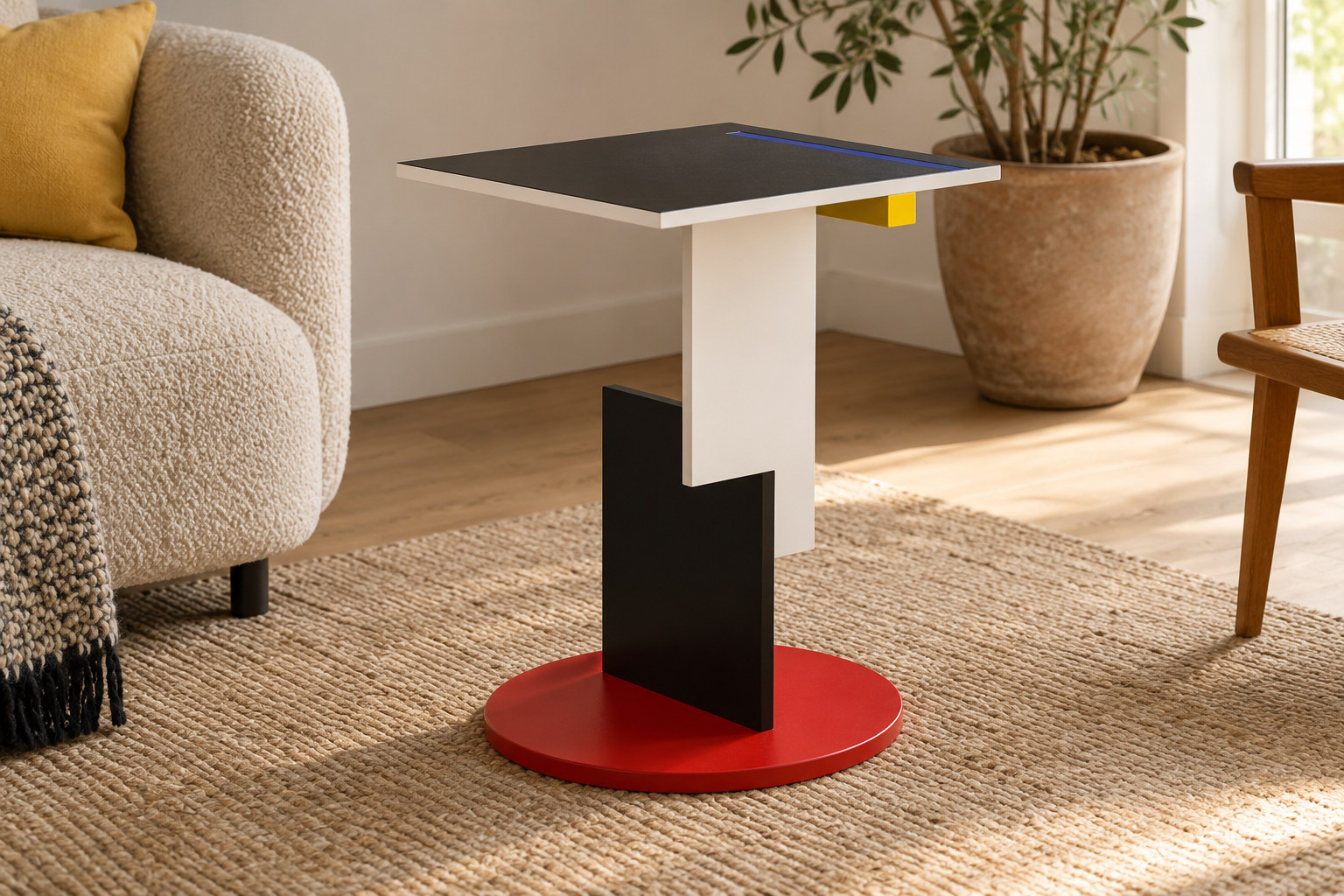
Rietveld’s small Schröder Table turns coloured planes into a changing spatial composition. Look around it, rather than only at its top.
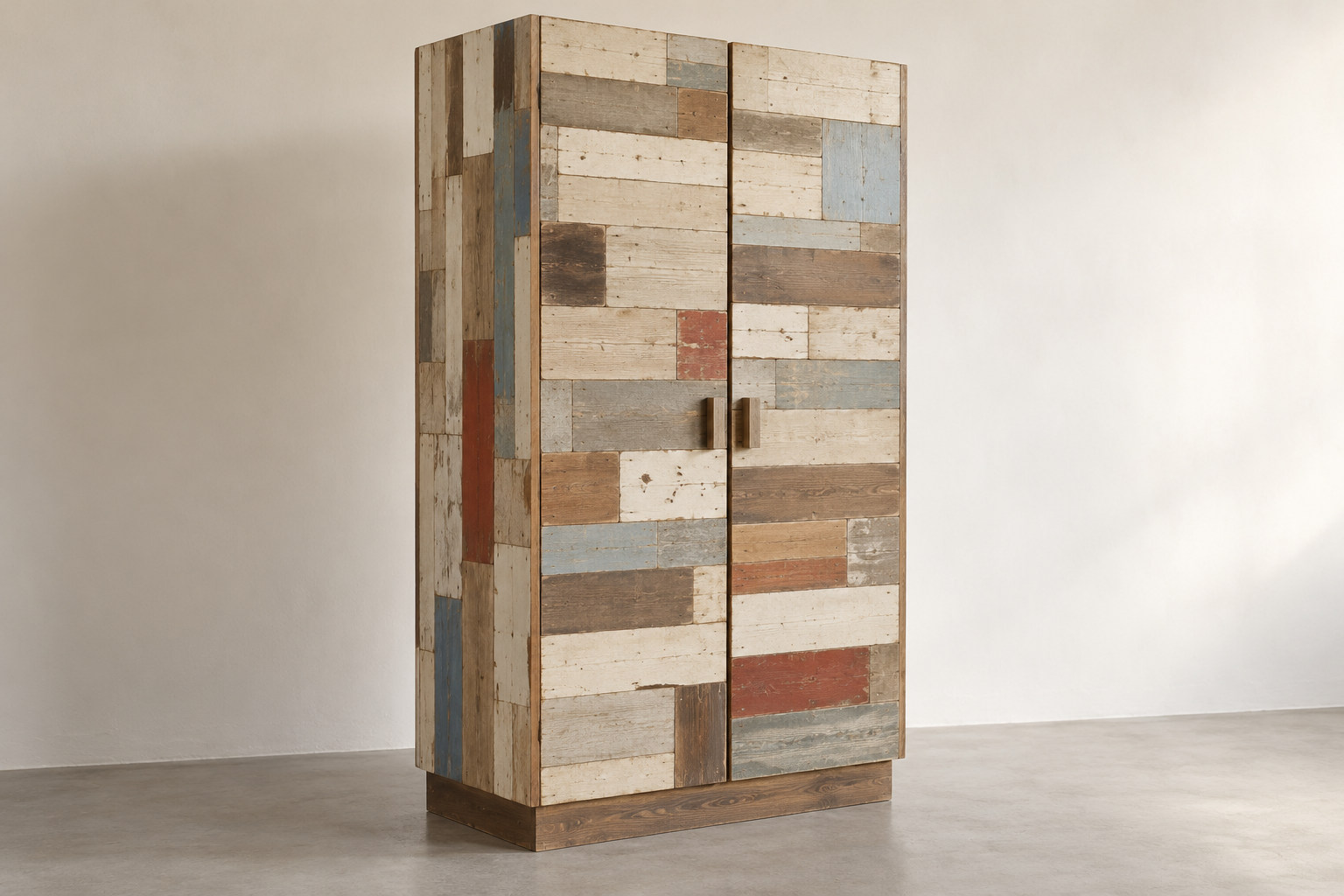
Piet Hein Eek’s Scrapwood Cupboard makes used timber visible. Selection, arrangement and careful making give the leftovers their new order.
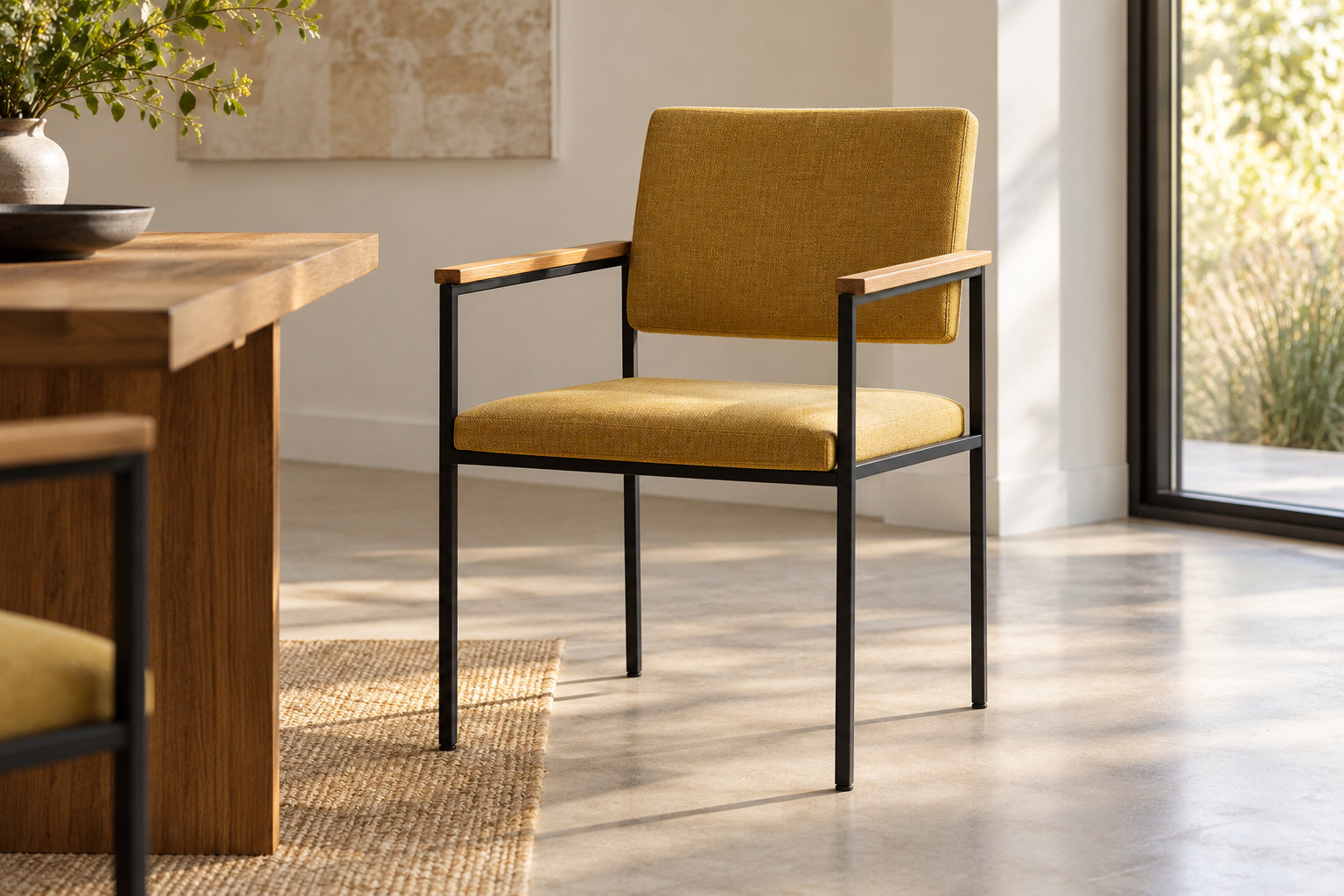
Martin Visser’s SE 69 lets upholstery soften the sitting places while a square-tube frame keeps the chair’s outline clear.
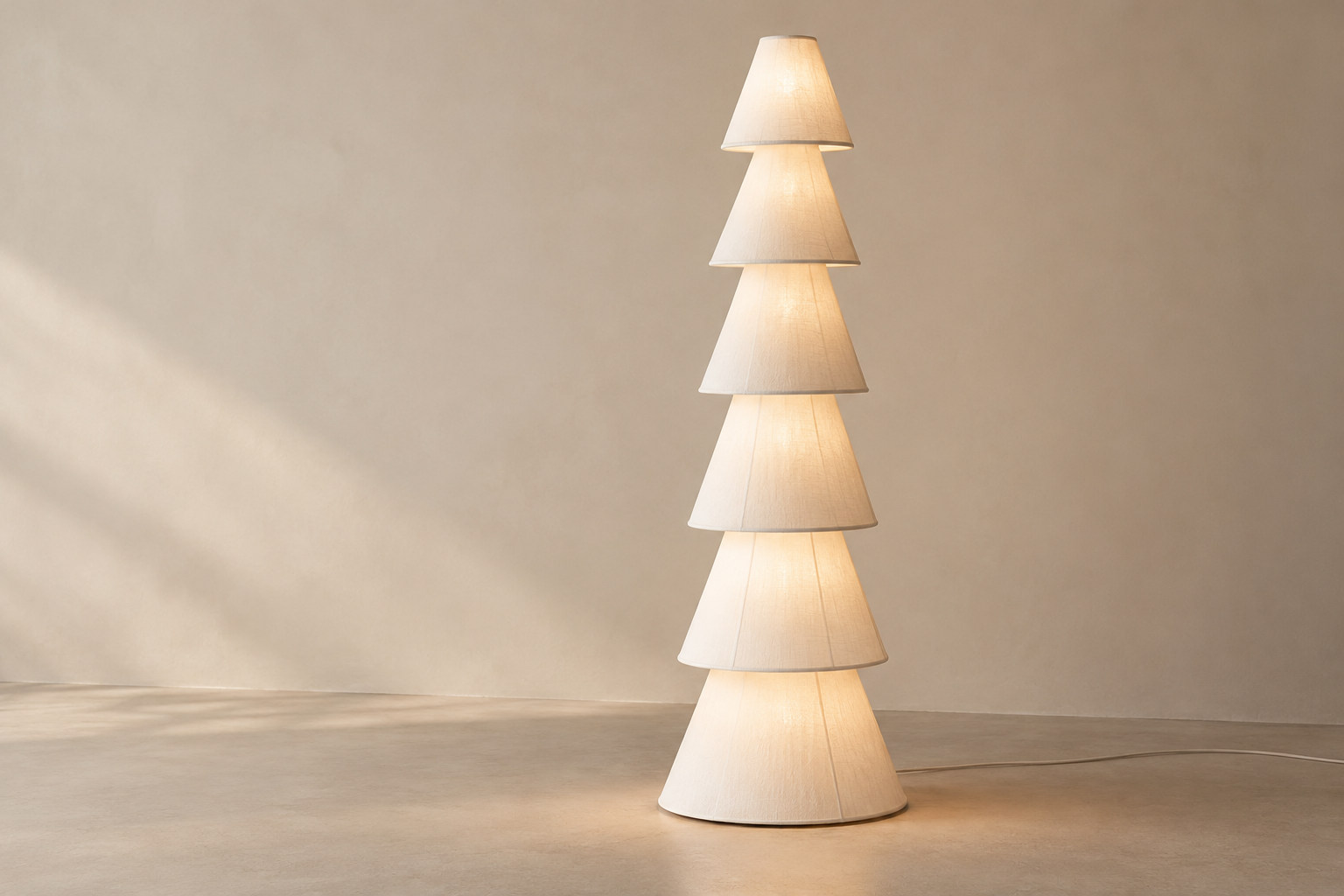
Marcel Wanders repeats the familiar lampshade outline until it becomes an entire lamp. Moooi describes a solid construction behind the apparent stack.