Design
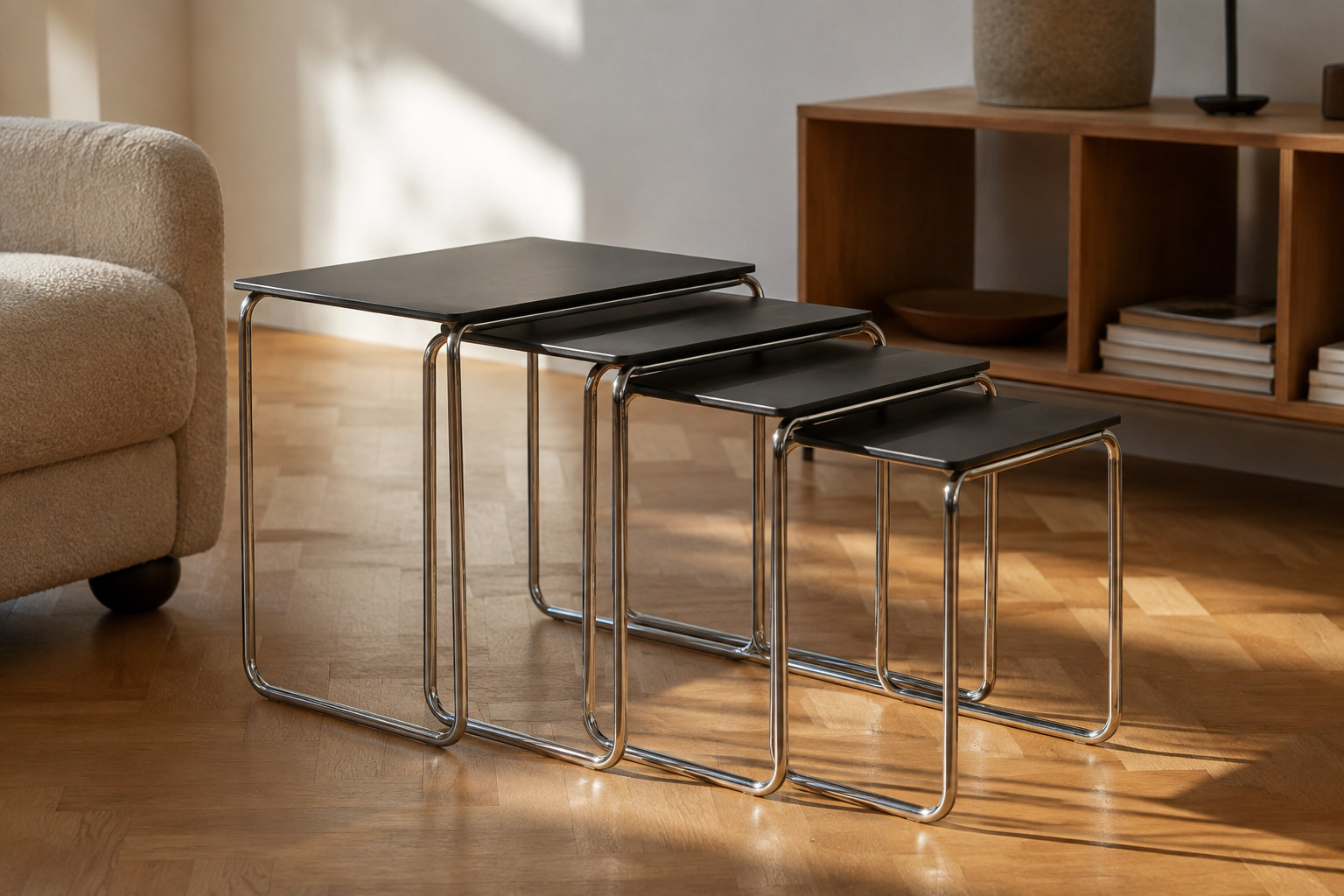
Thonet B 9 nesting tables
A nest of B 9 tables is furniture waiting to spread out. Marcel Breuer’s four small surfaces can gather into one compact group, then separate to follow the people sitting around a room.
Objects · people · ideas
Furniture models and individual historic pieces.
A nest of B 9 tables is furniture waiting to spread out. Marcel Breuer’s four small surfaces can gather into one compact group, then separate to follow the people sitting around a room.
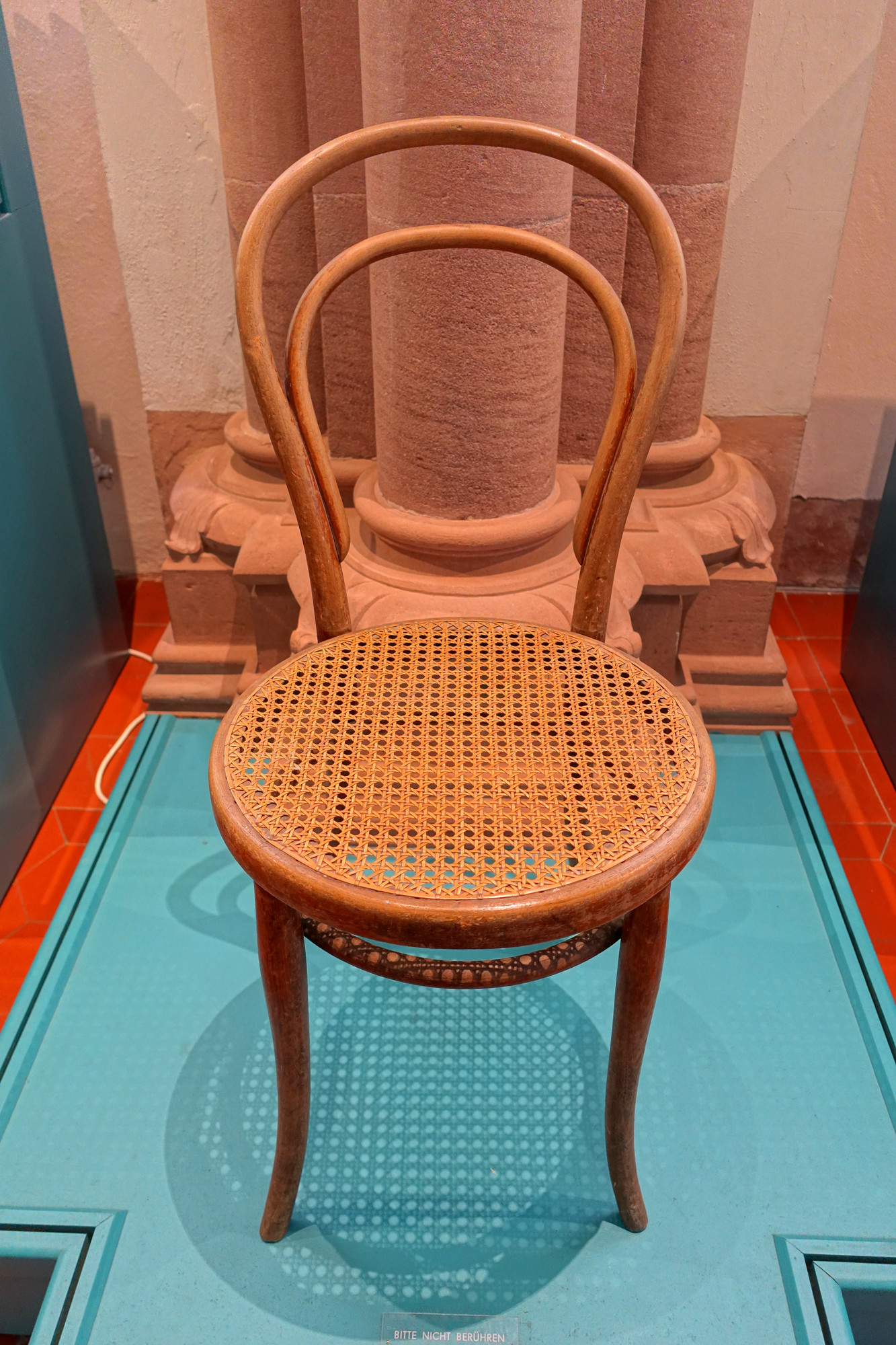
See how Michael Thonet joined steam-bent beech, six wooden parts, simple hardware and compact shipping to turn one 1859 café chair into a global system.
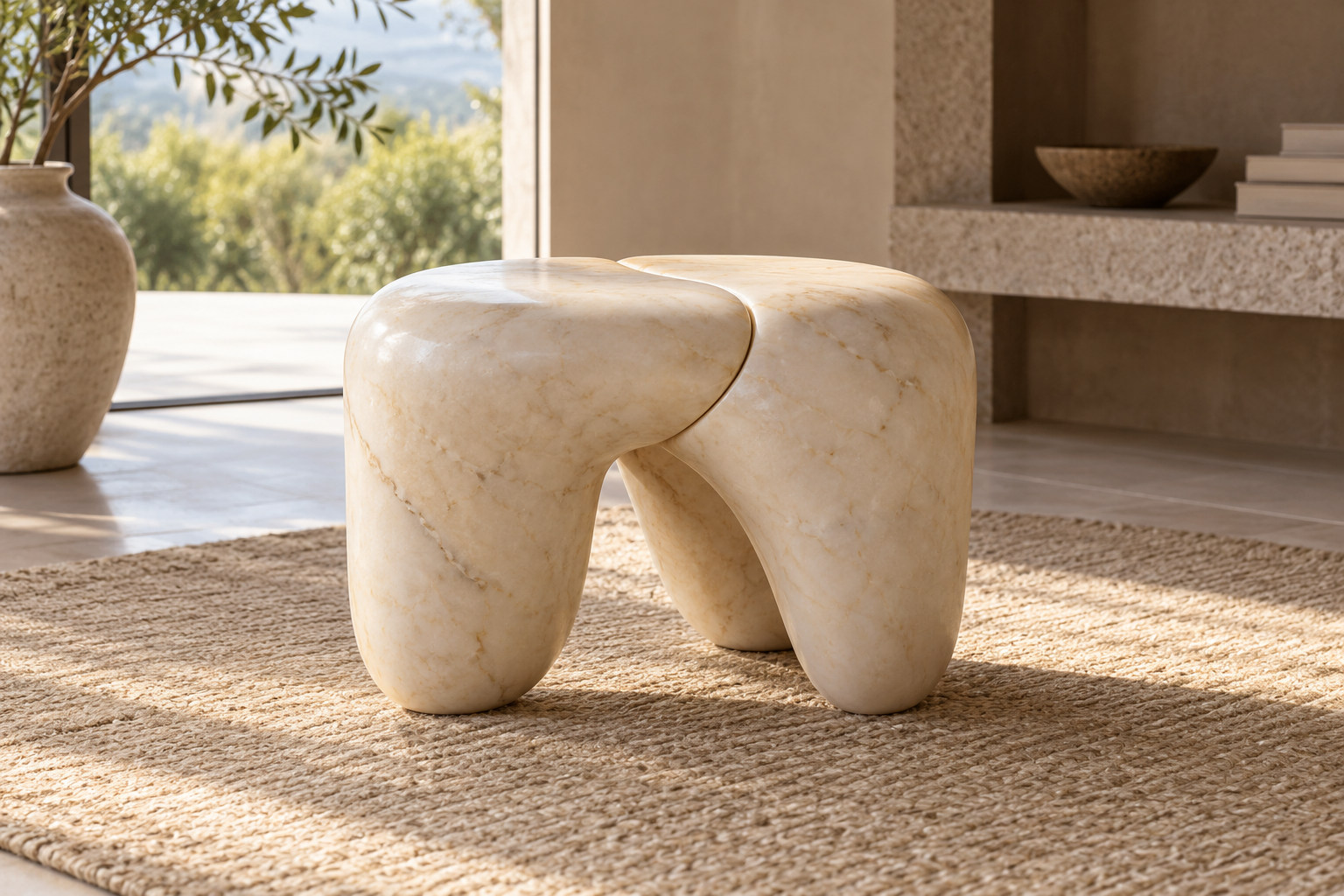
Aldo Bakker’s Three Pair combines three curved stone elements into a small seat. Its assembly is part of the outline a reader learns to follow.
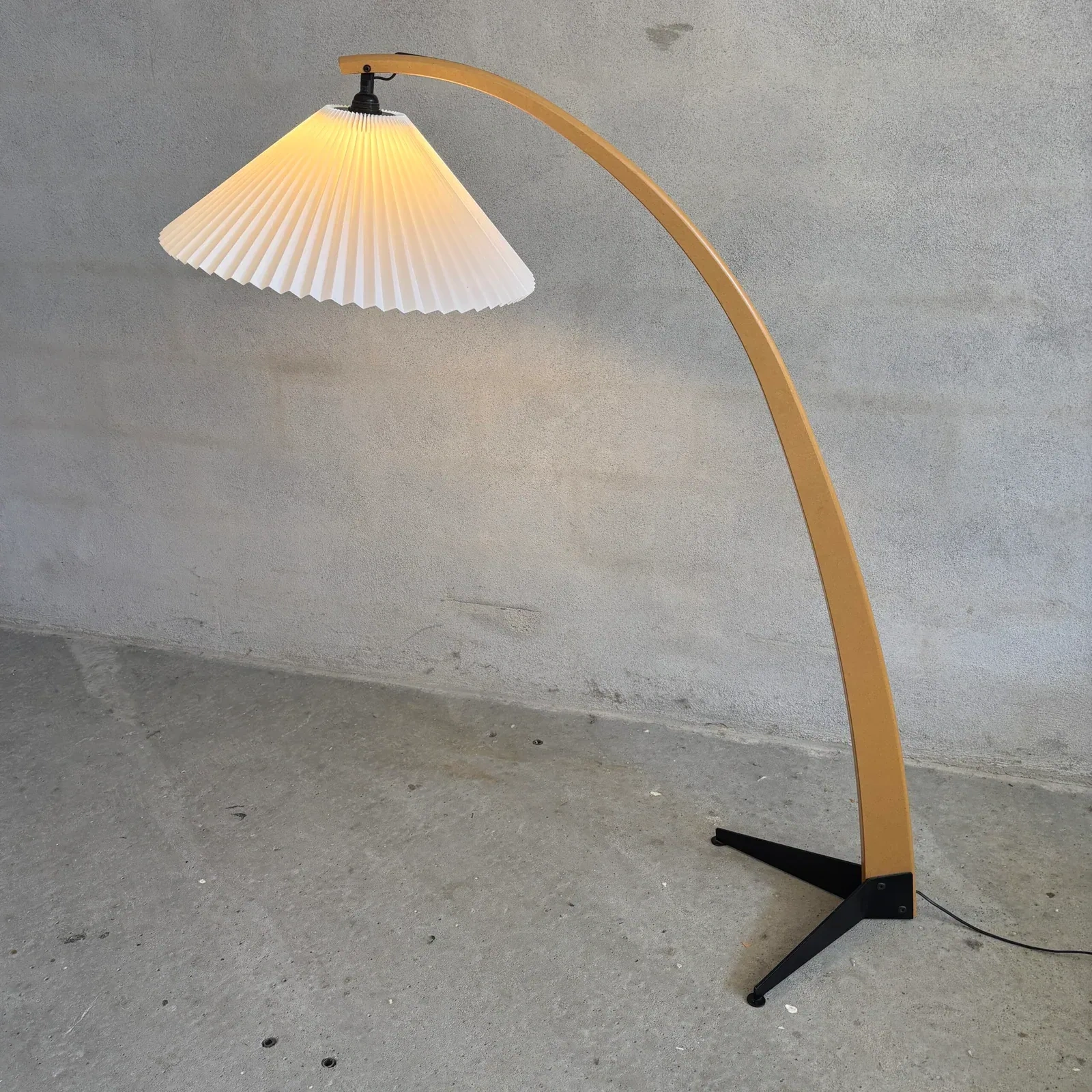
Read Mads Caprani’s Timberline Floor Lamp as a balance problem: a long laminated curve, distant pleated shade, discreet cable and anchoring iron base.
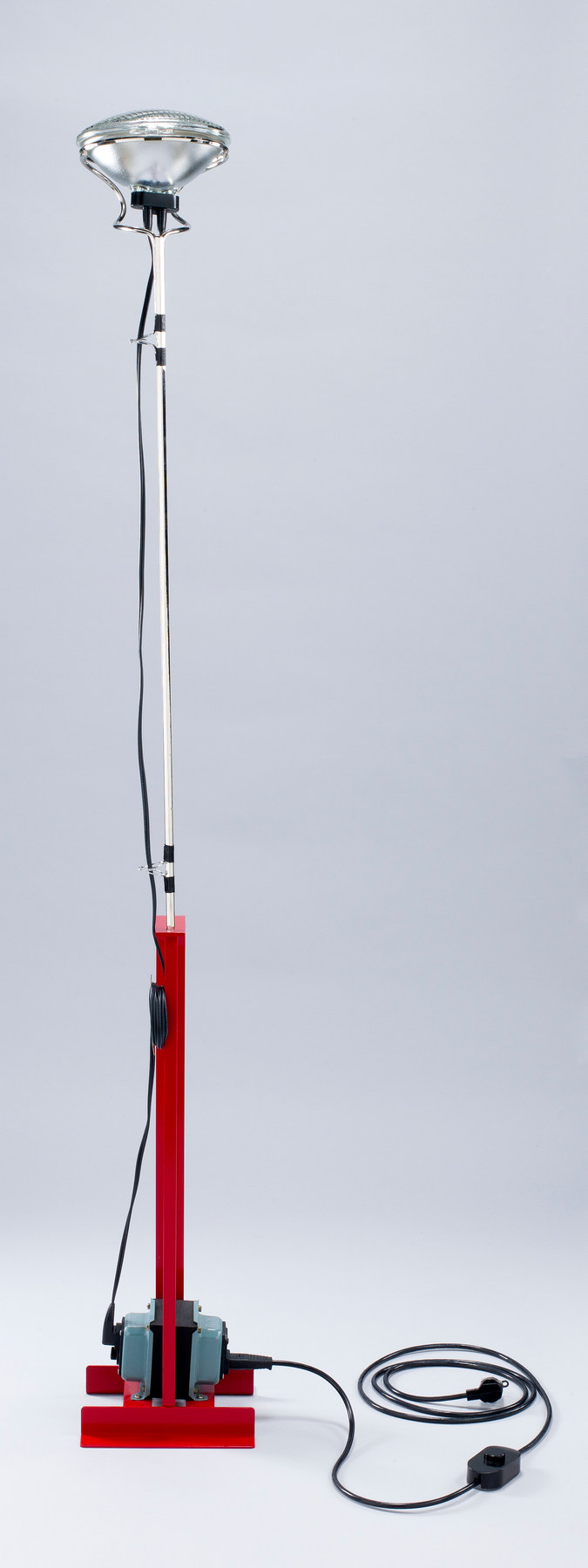
Follow Toio from an automobile headlamp and fishing-rod rings to a floor lamp whose borrowed parts keep their practical jobs visible.
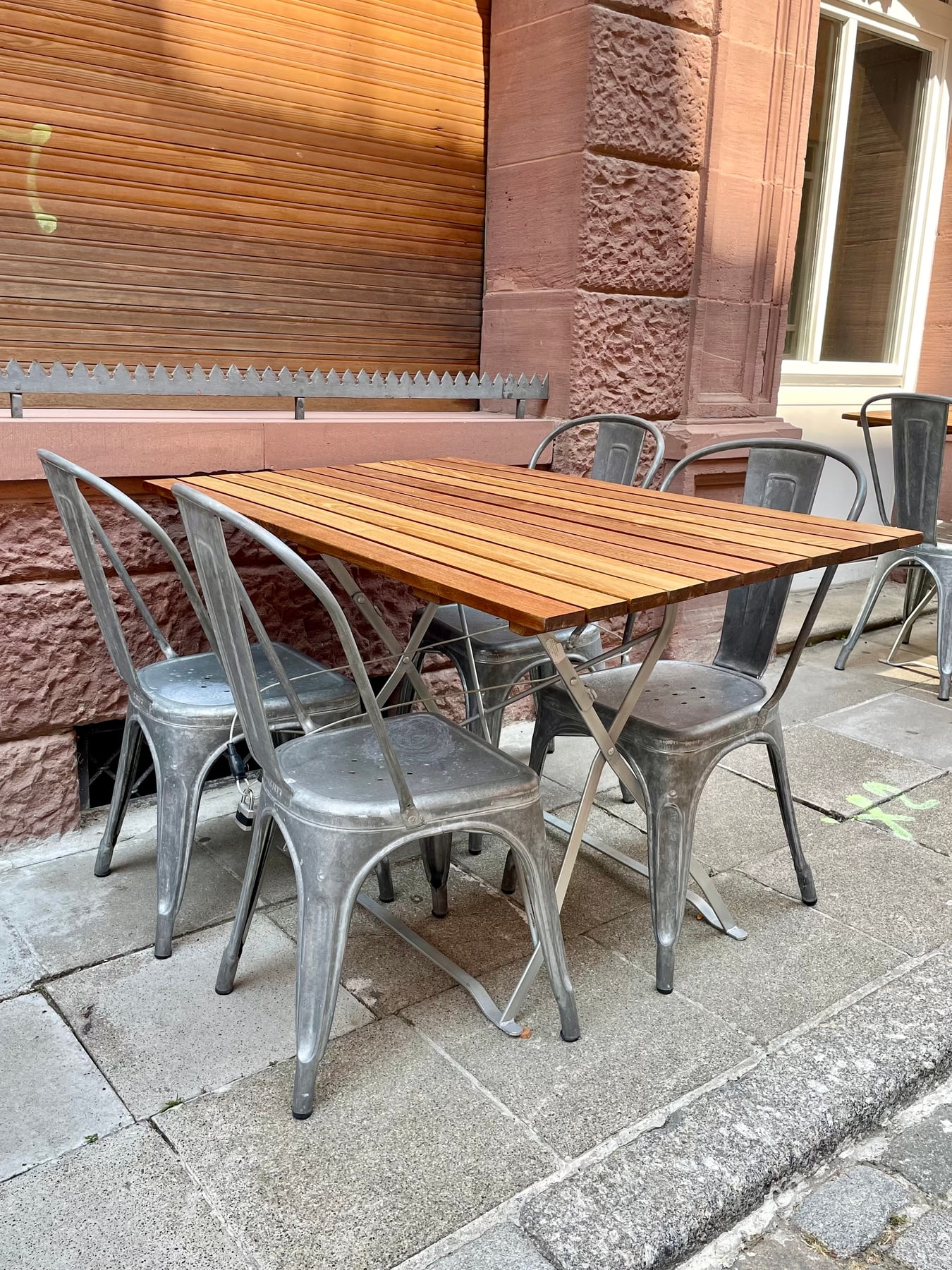
Tolix Chair A makes its industrial construction part of the view. Its shaped metal surfaces and open frame turn the practical business of sitting, moving and stacking into a recognisable outline.
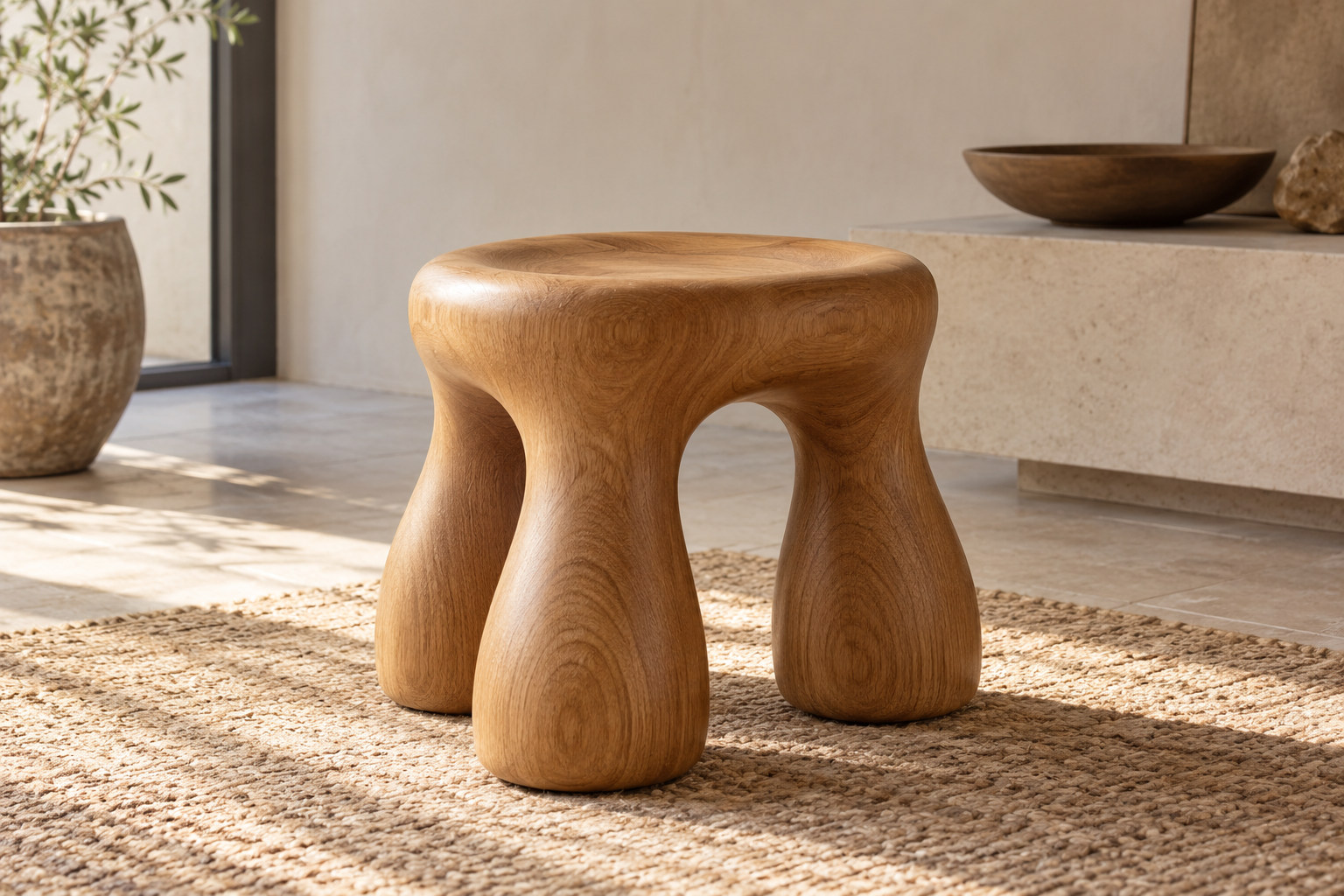
Aldo Bakker’s wooden Tonus stool turns solid oak into swelling, muscular transitions. Rutger Graas’s making keeps the craft partnership visible.
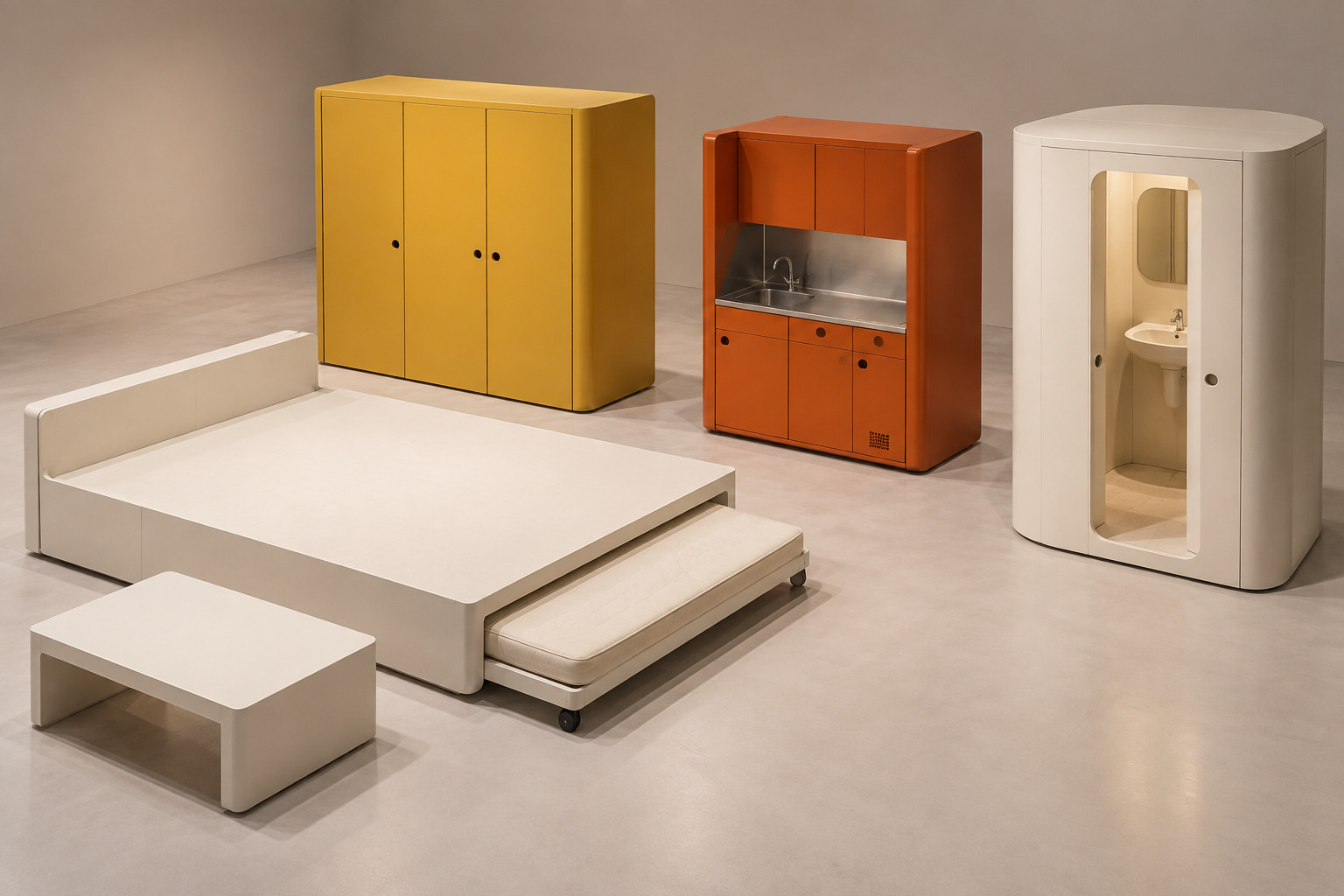
Explore the four independent volumes of Total Furnishing Unit, the 1972 exhibition proposal by Joe Colombo with Ignazia Favata.
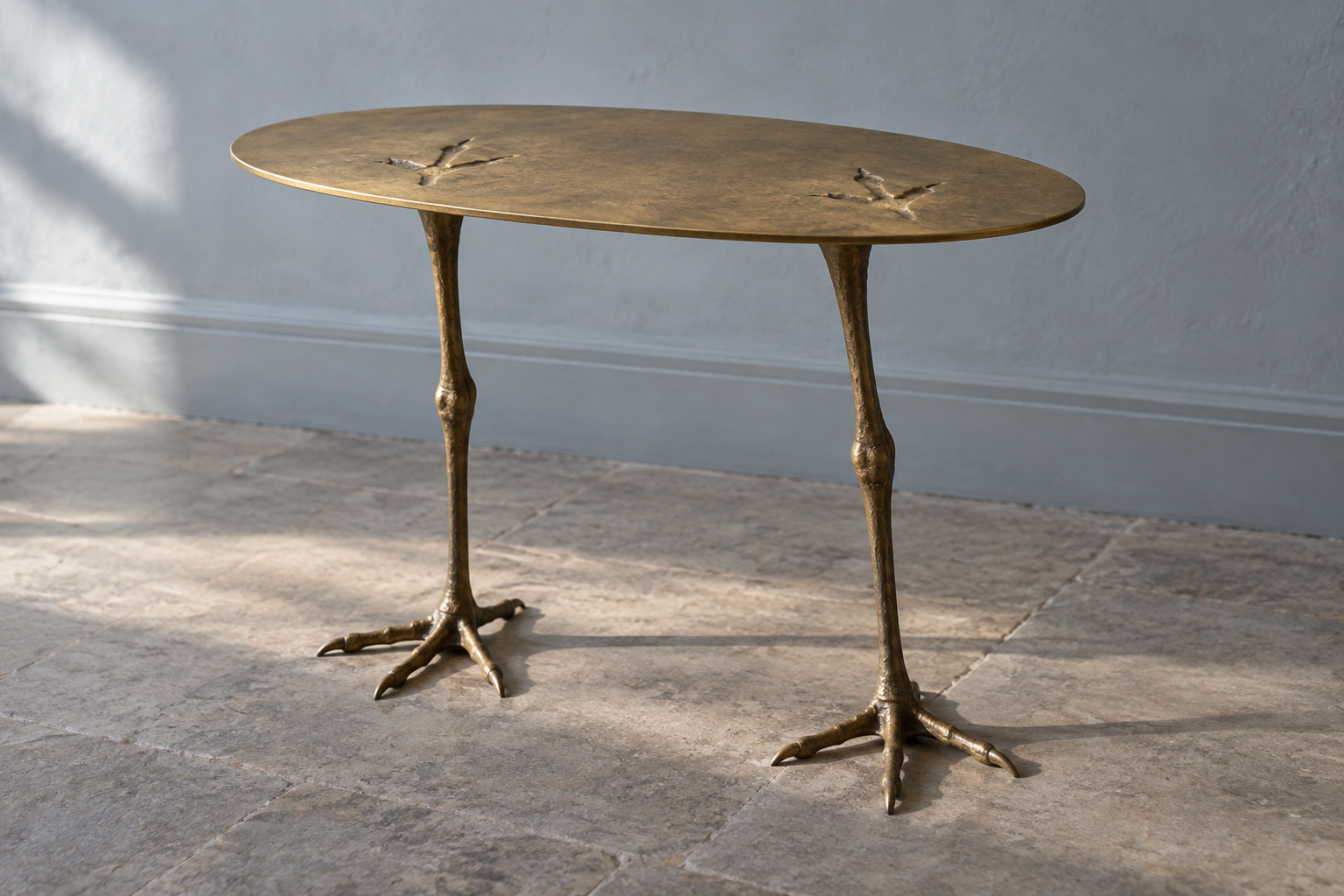
Look at Meret Oppenheim’s Traccia through its two bird-like legs, oval top and footprints, keeping the 1939 idea distinct from later editions.
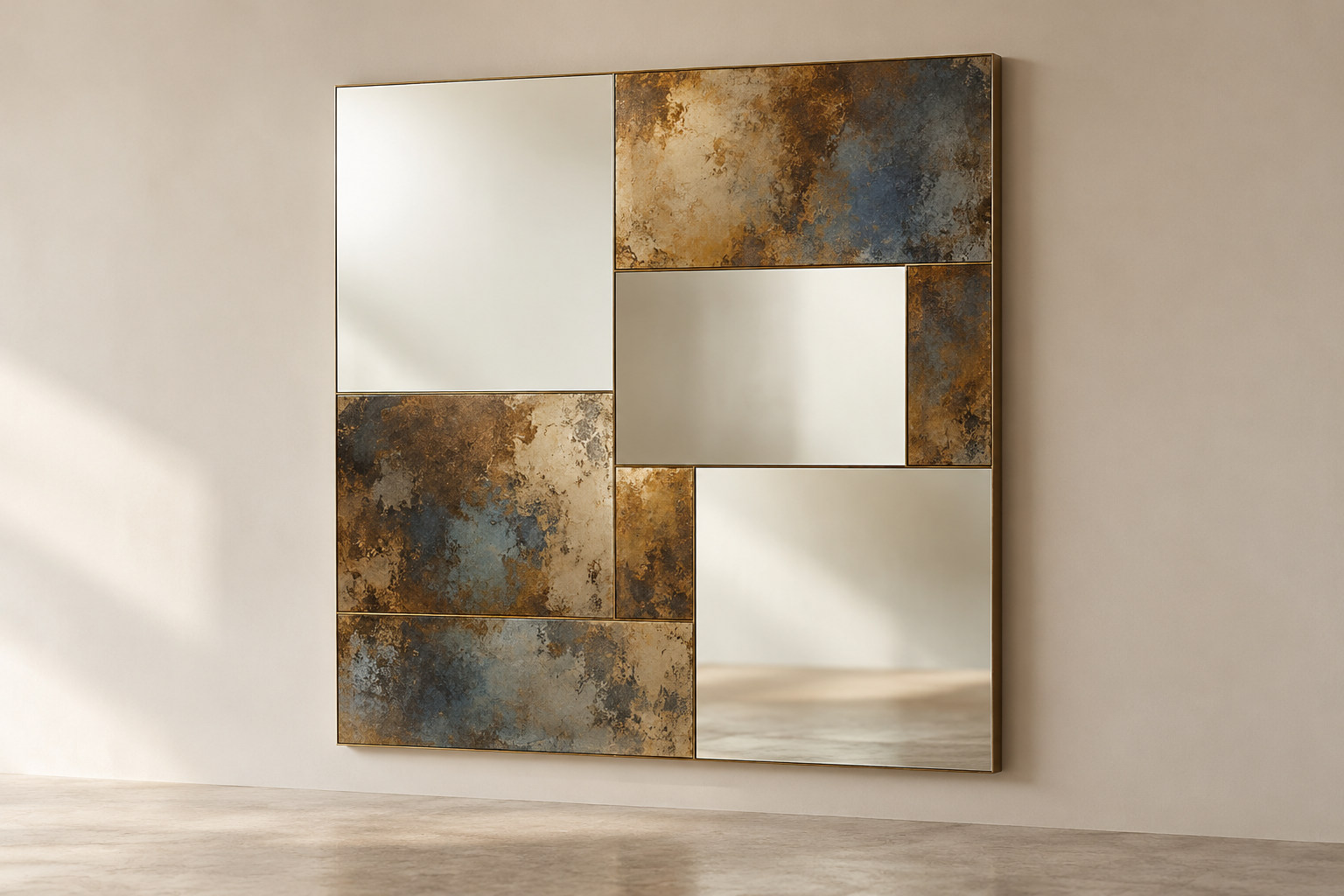
Lex Pott and David Derksen bring the silver layer of a mirror into view. Transience sets irregular surface changes within a clear geometric composition.
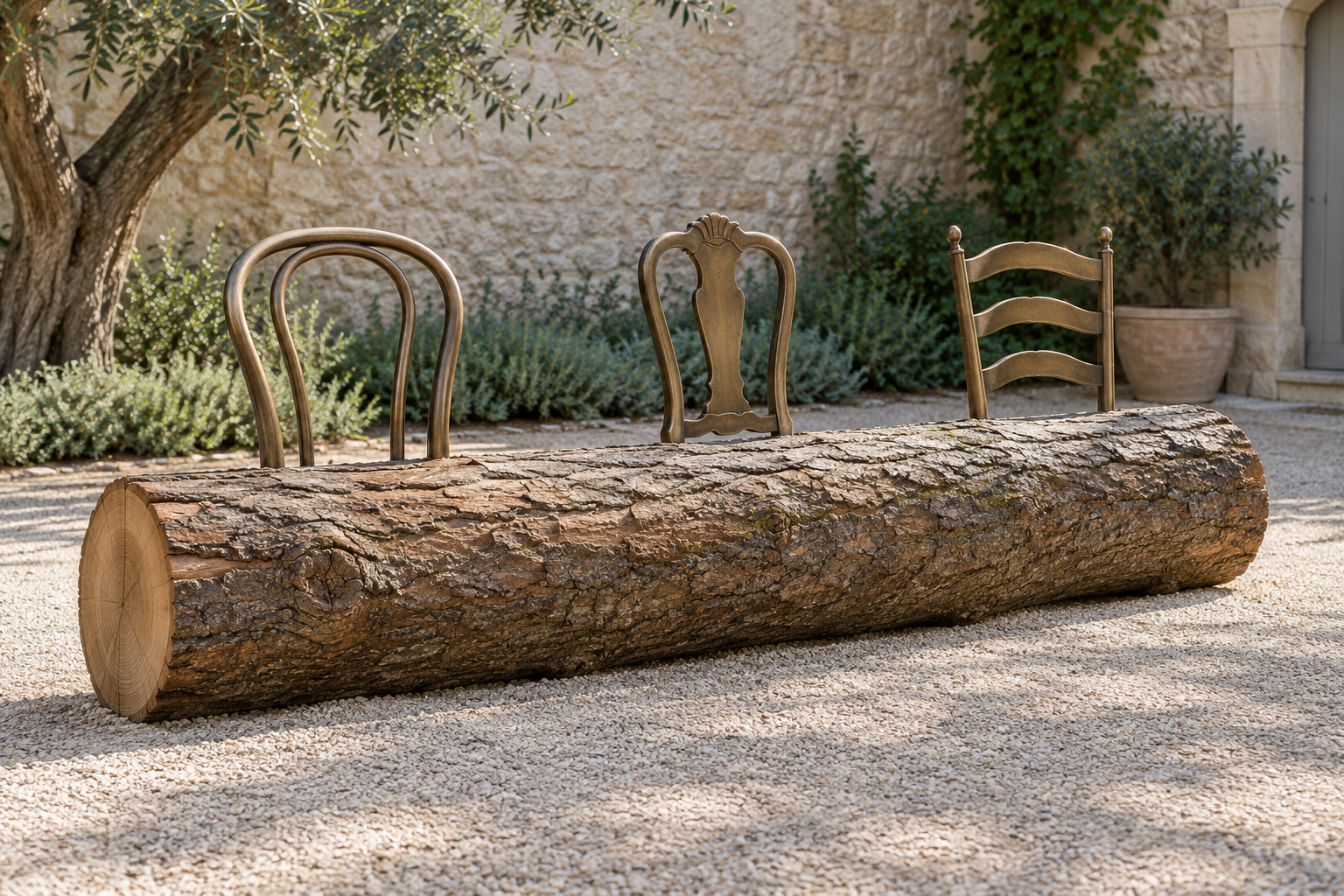
Jurgen Bey’s Tree Trunk Bench pairs a locally chosen trunk with bronze chair backs, making a shared seat from something a place can already provide.
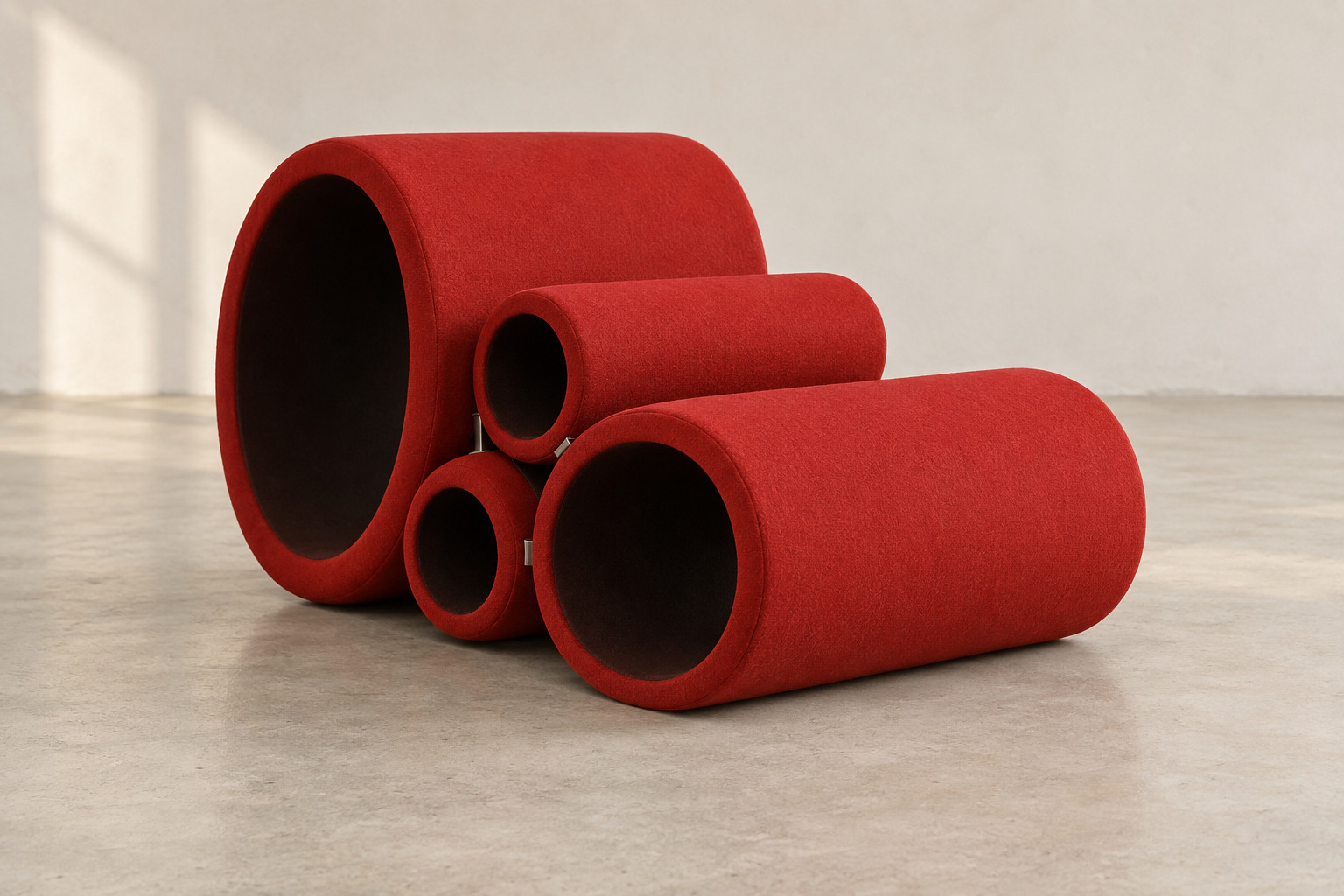
Discover how Joe Colombo’s four hollow padded tubes can become a seat, change arrangement and pack inside one another without folding.
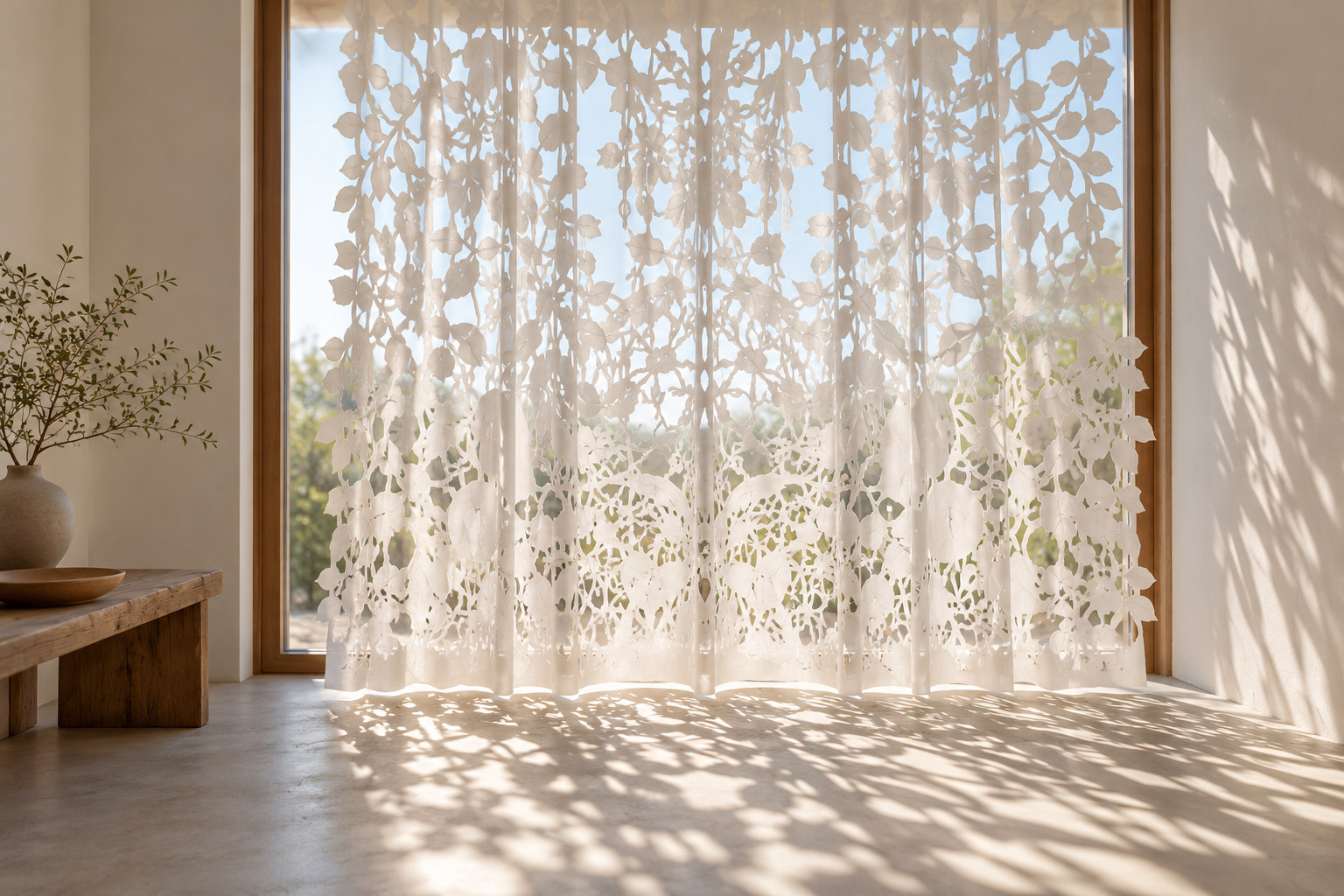
Tord Boontje’s Until Dawn turns four folded, die-cut layers into a reflected natural pattern. The manufacturing sequence becomes part of the curtain’s appearance.
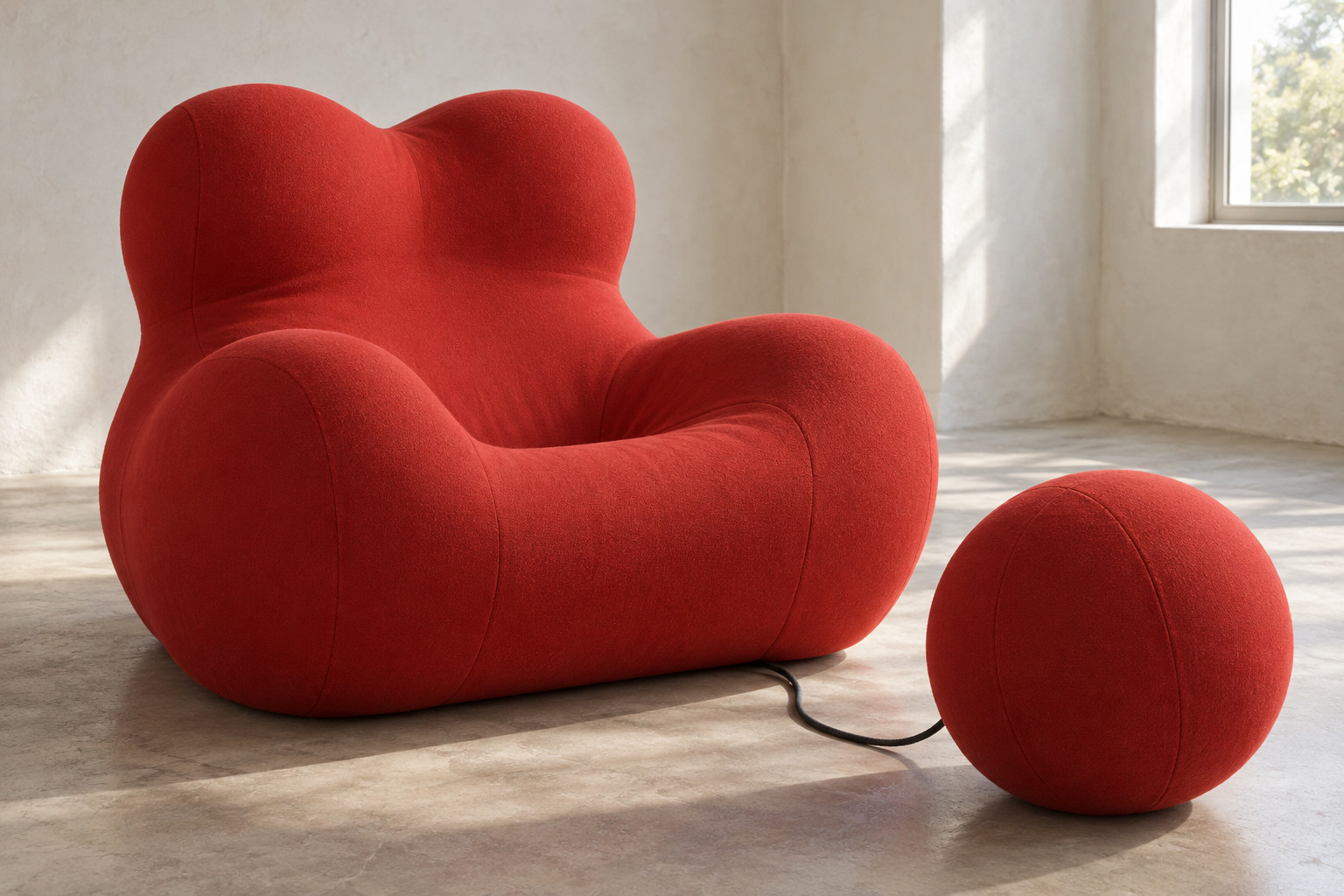
Discover the original vacuum-packed UP5_6, its chair-and-ball imagery, and why the 2000 re-edition arrives in a different way.
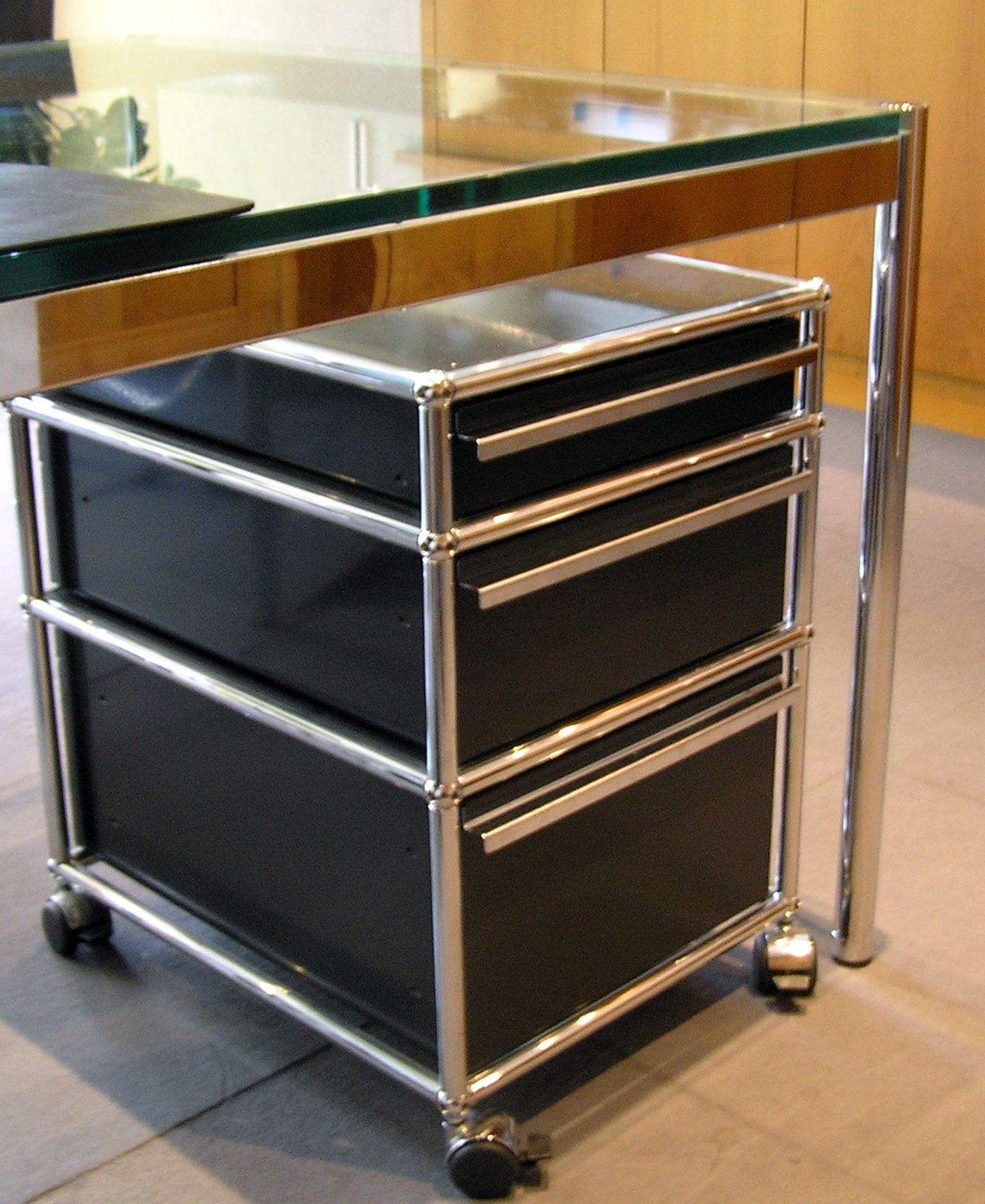
A USM Haller sideboard is one arrangement of a larger idea. Behind the coloured panels is a repeated metal skeleton, developed from an architect and an engineer’s interest in buildings that could adapt.
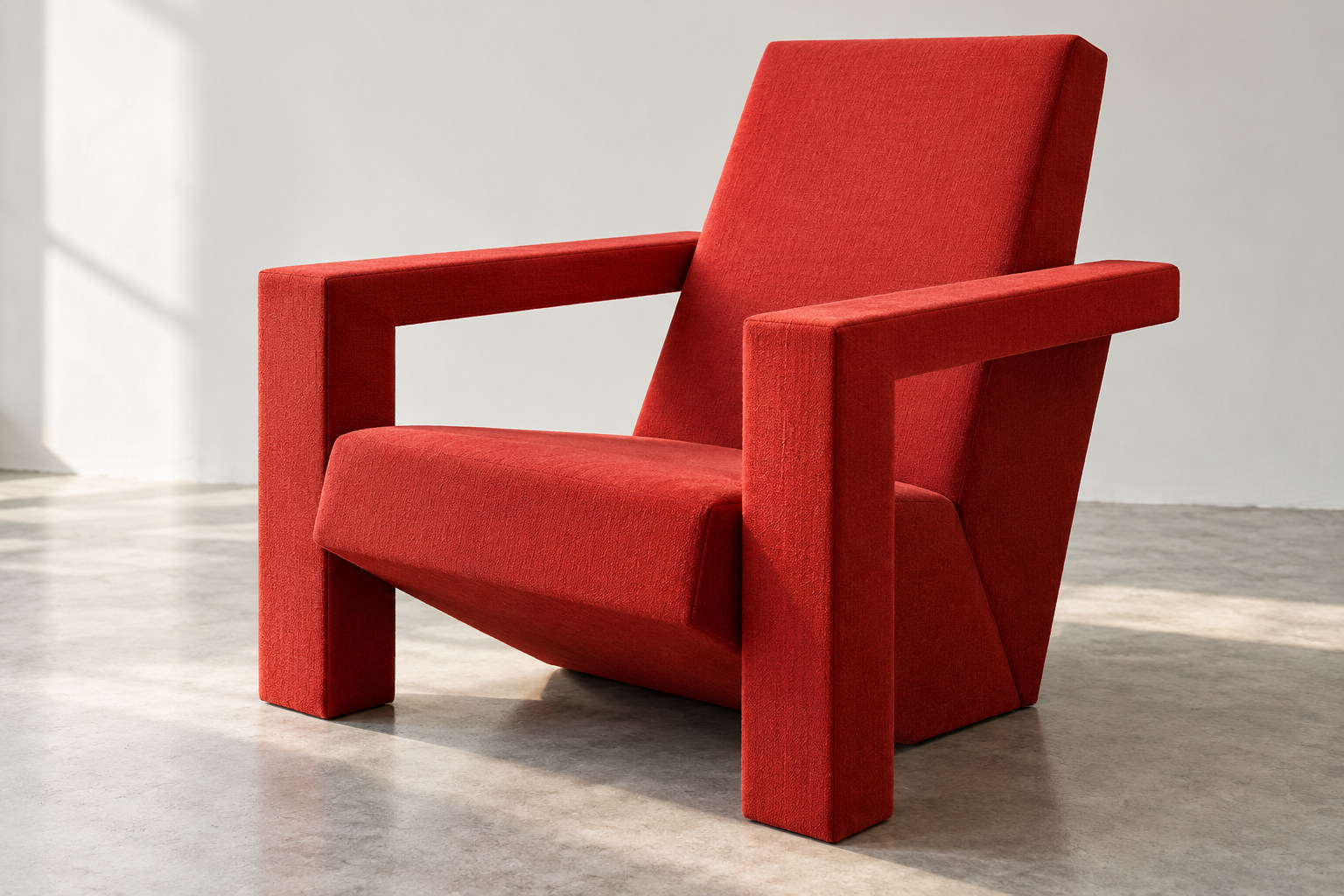
How Gerrit Rietveld’s Utrecht armchair brings a firm geometric outline together with padded volumes, and why its later Cassina production is a separate chapter.
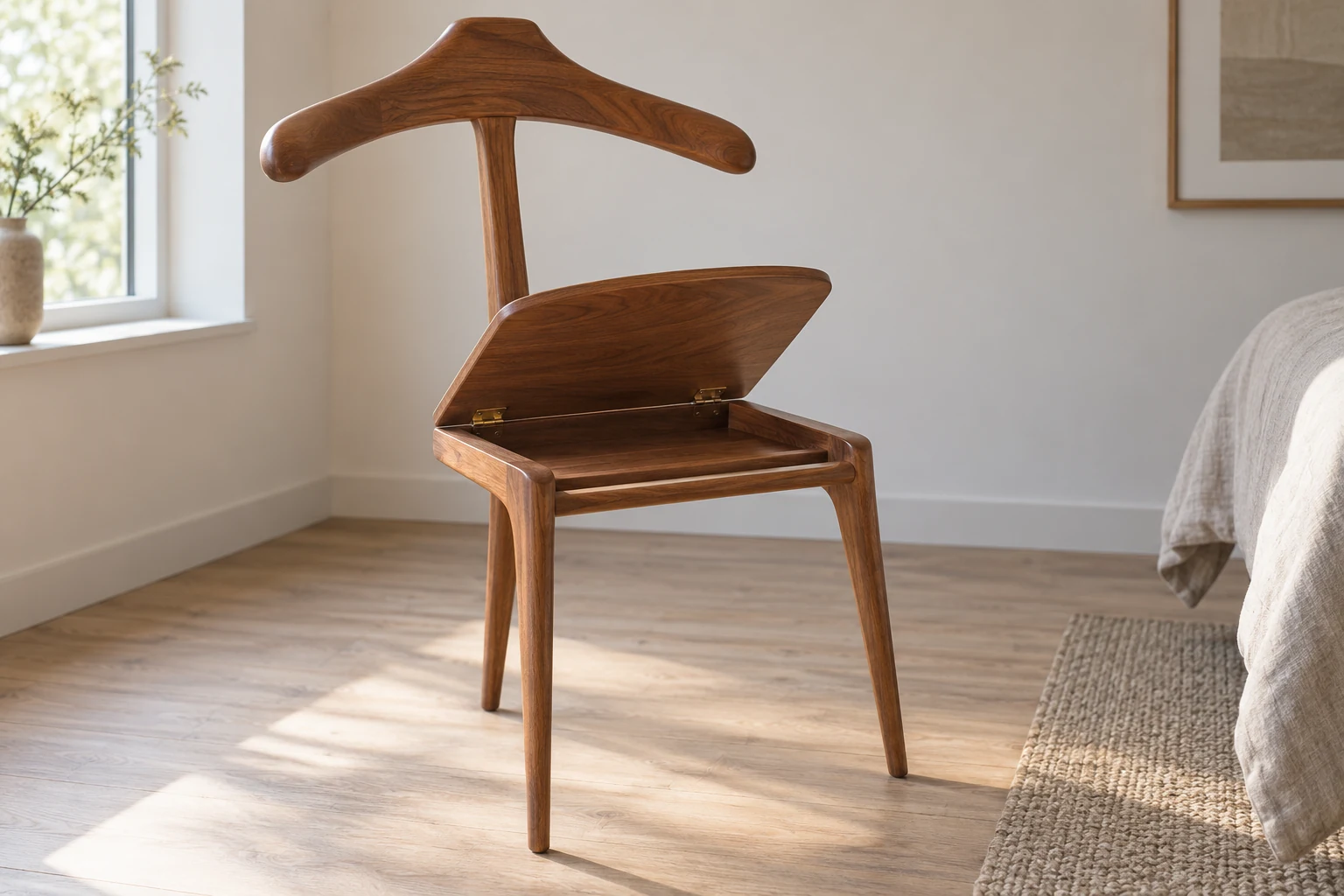
See how Hans J. Wegner’s 1953 Valet Chair turns a hanger, trouser support, seat and pocket-sized compartment into one remarkably composed object.
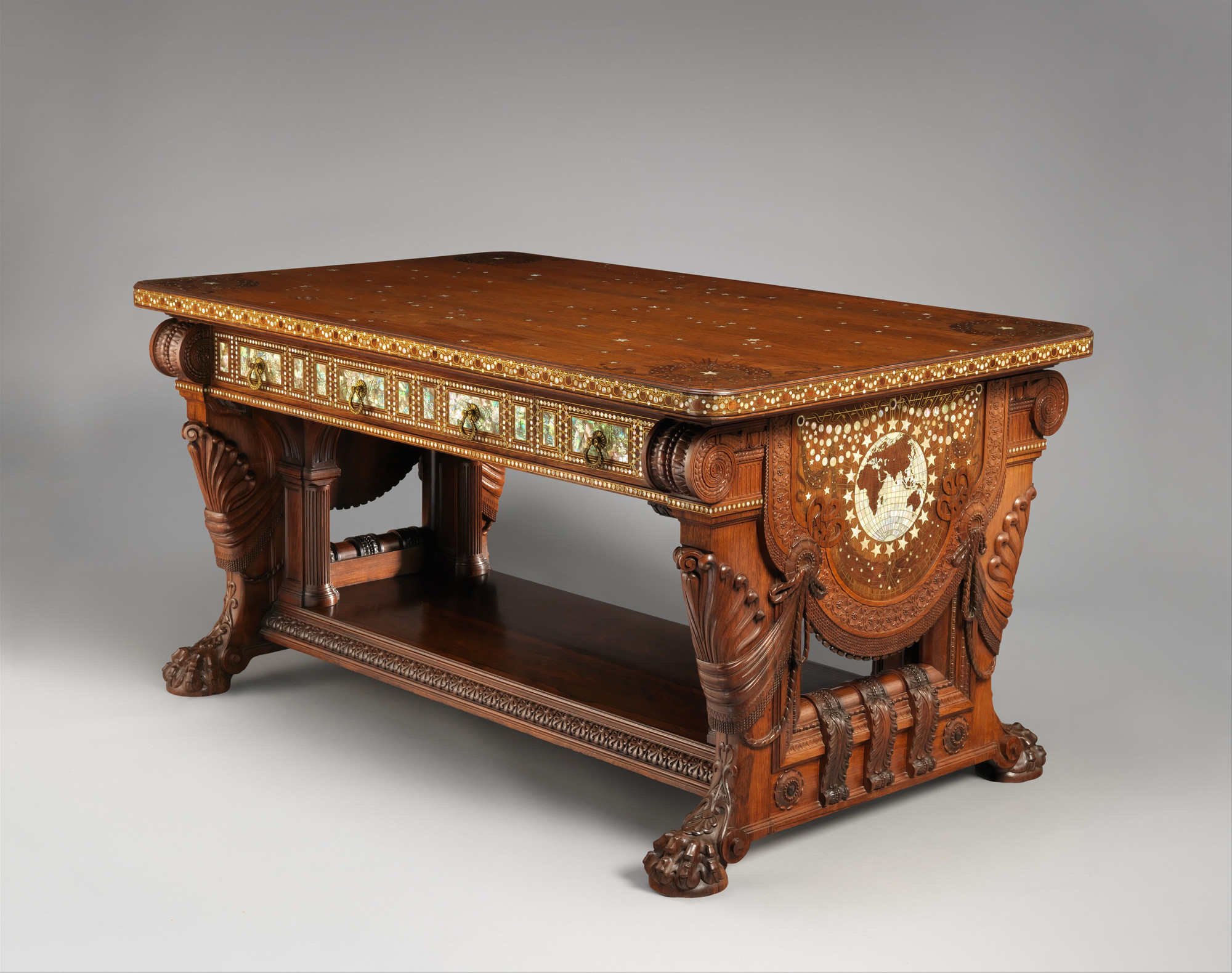
Look across Herter Brothers' monumental Vanderbilt library table: a birthday sky, shell-inlaid globes and imperial references turn furniture into portraiture.
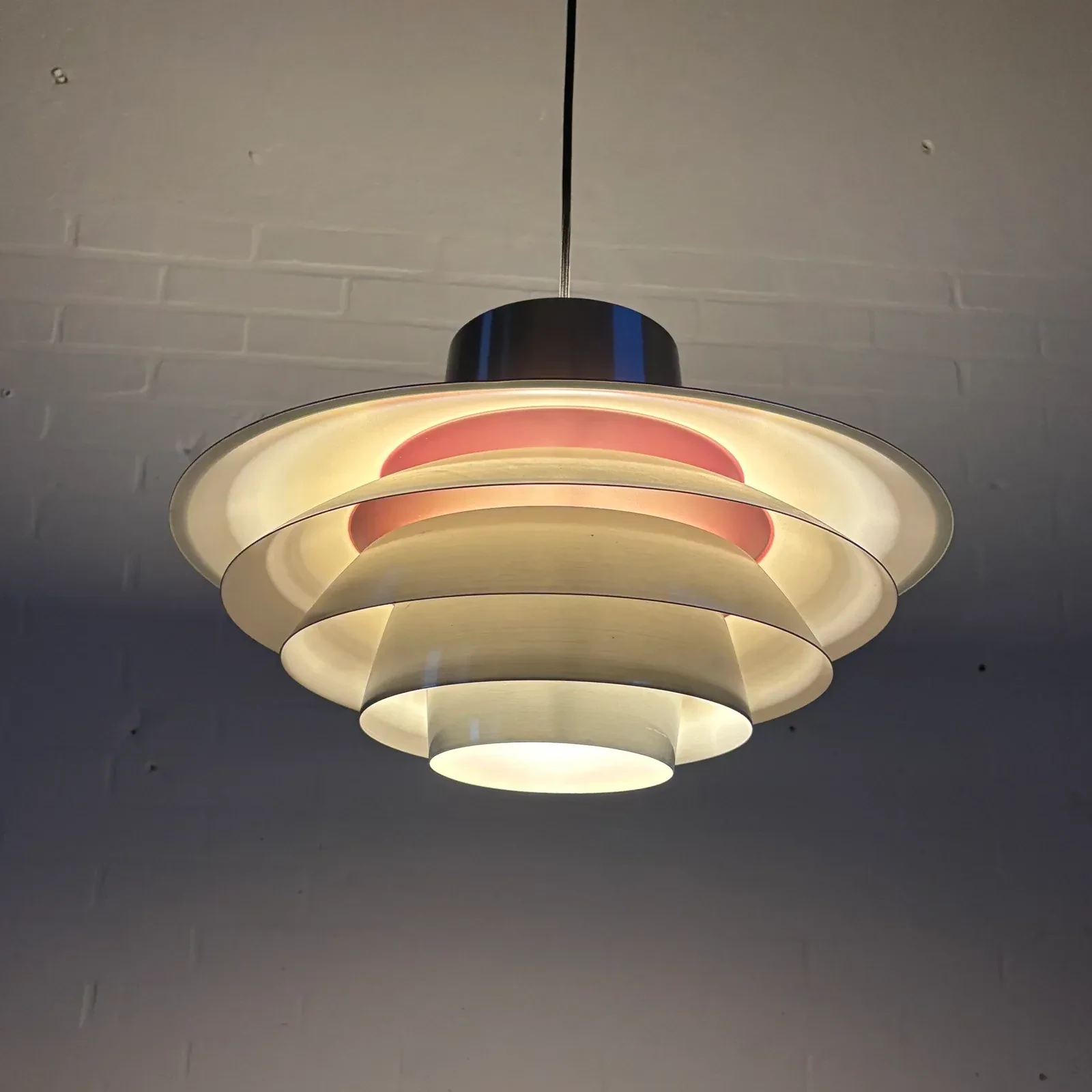
See how Sven Middelboe’s 1968 Verona pendant uses nested aluminium shades to conceal the bulb, soften glare and make the fitting itself glow.
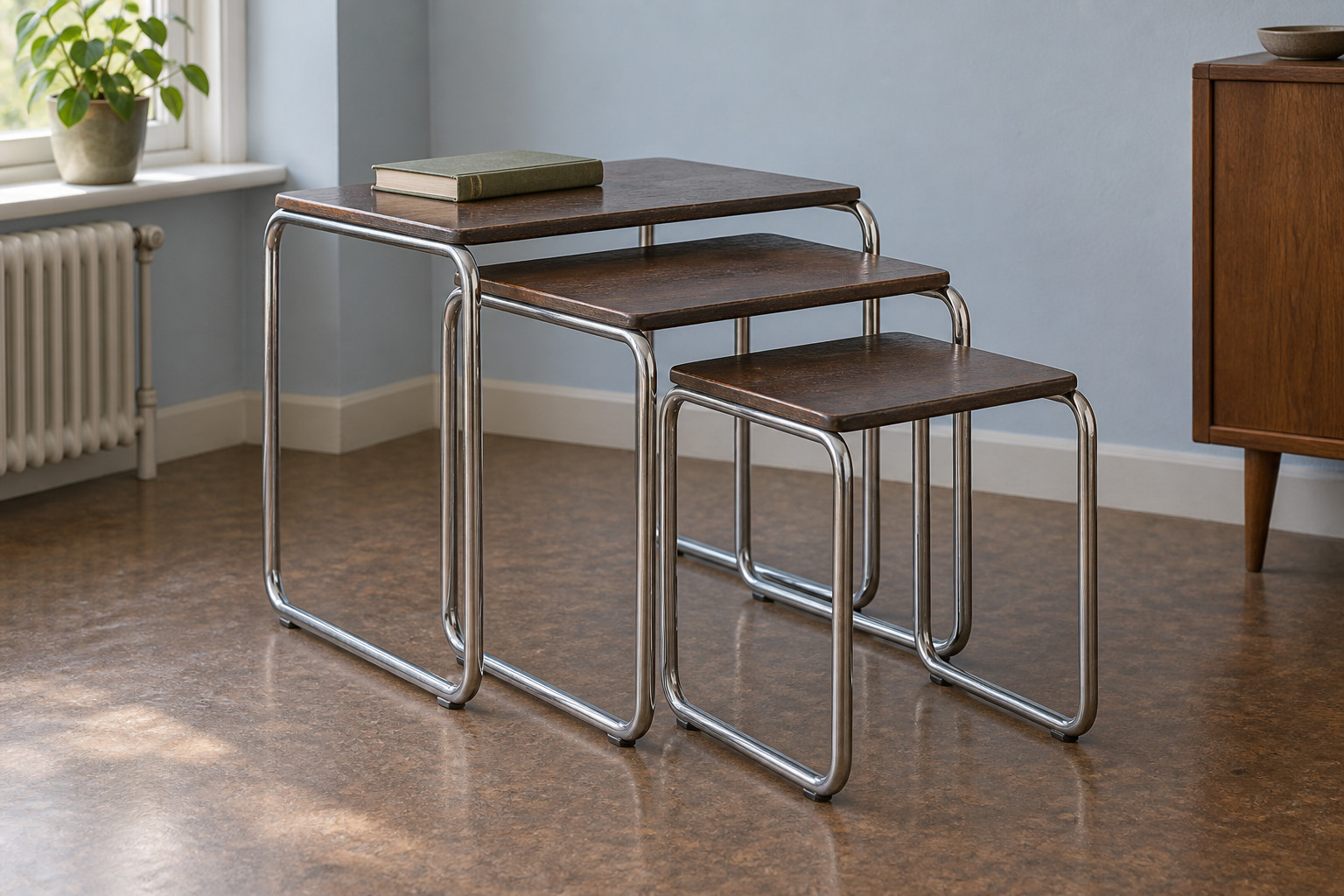
Read a Czech metal-furniture catalogue as a proposal for domestic life, from beds and chairs to plant stands and coordinated interiors.
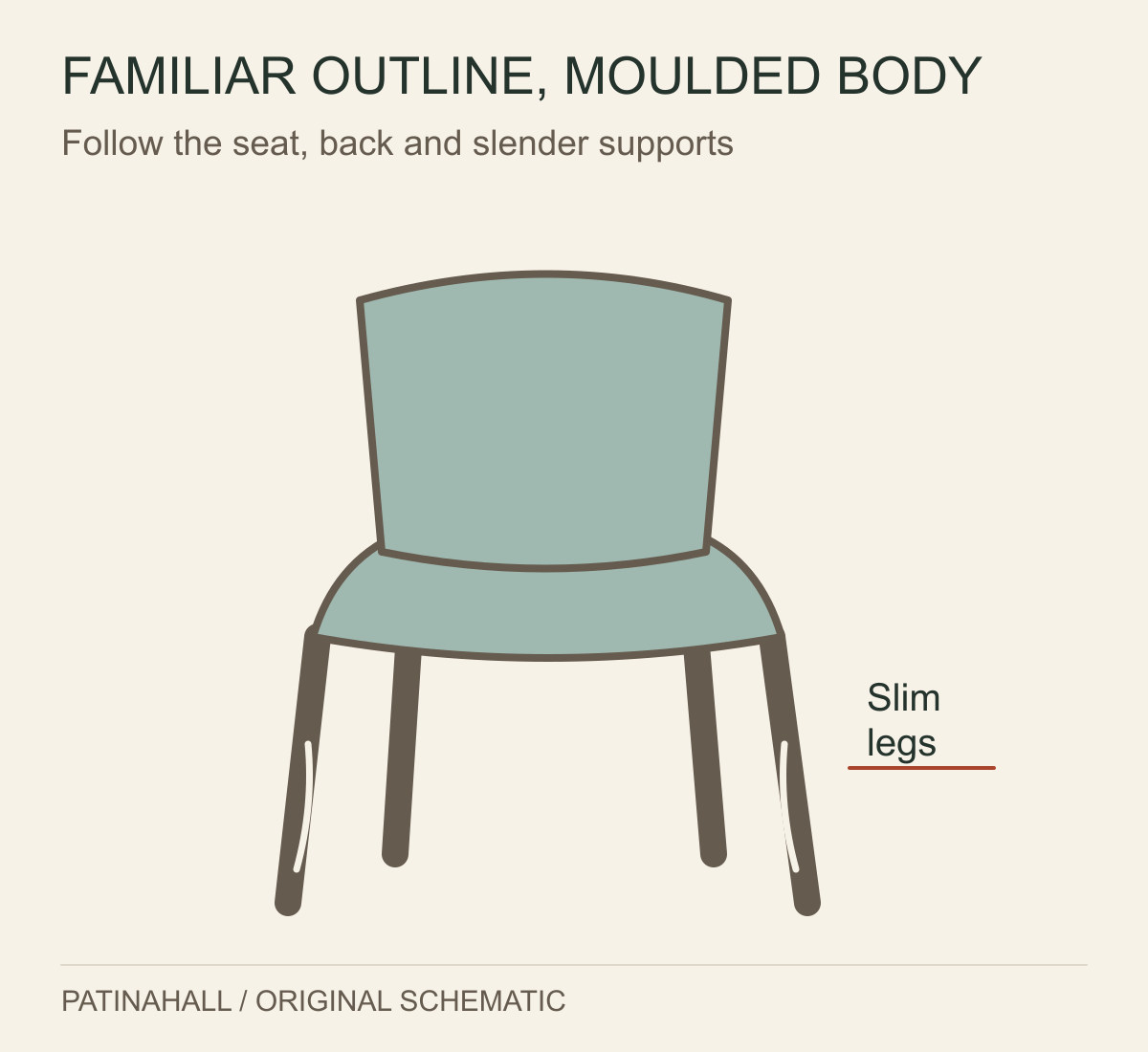
Selene’s smooth seat gives little away. Look at the legs instead: their folded section is the clever part. Vico Magistretti used shape to give a slender plastic chair the presence of an ordinary dining chair.
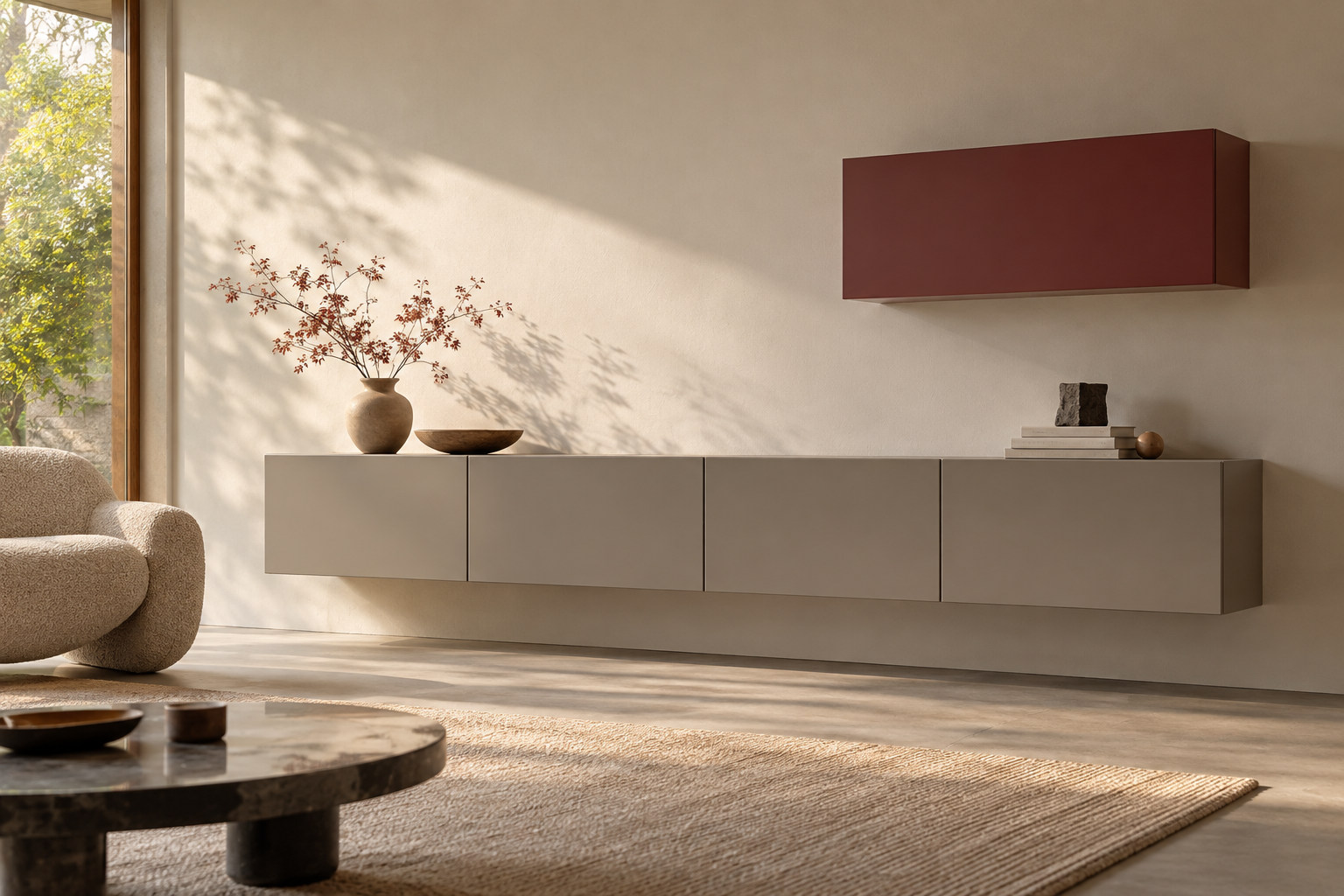
Vision turns storage into a composition of planes and volumes. Pierre Mazairac and Karel Boonzaaijer designed the system for Pastoe in 1985.
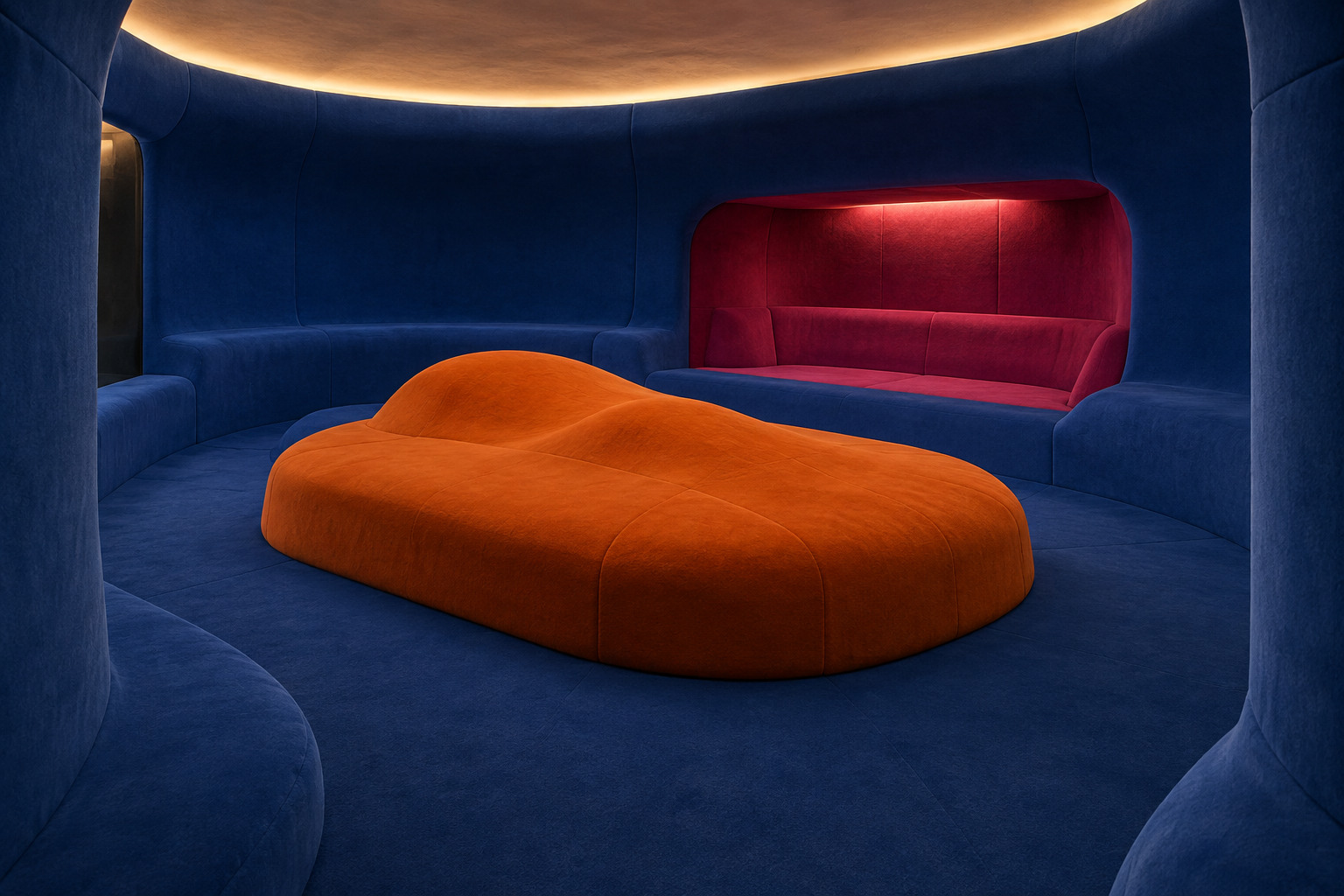
Enter the idea behind Verner Panton’s 1970 Visiona 2: a temporary interior where colour, upholstery and changing levels shaped ways to rest.
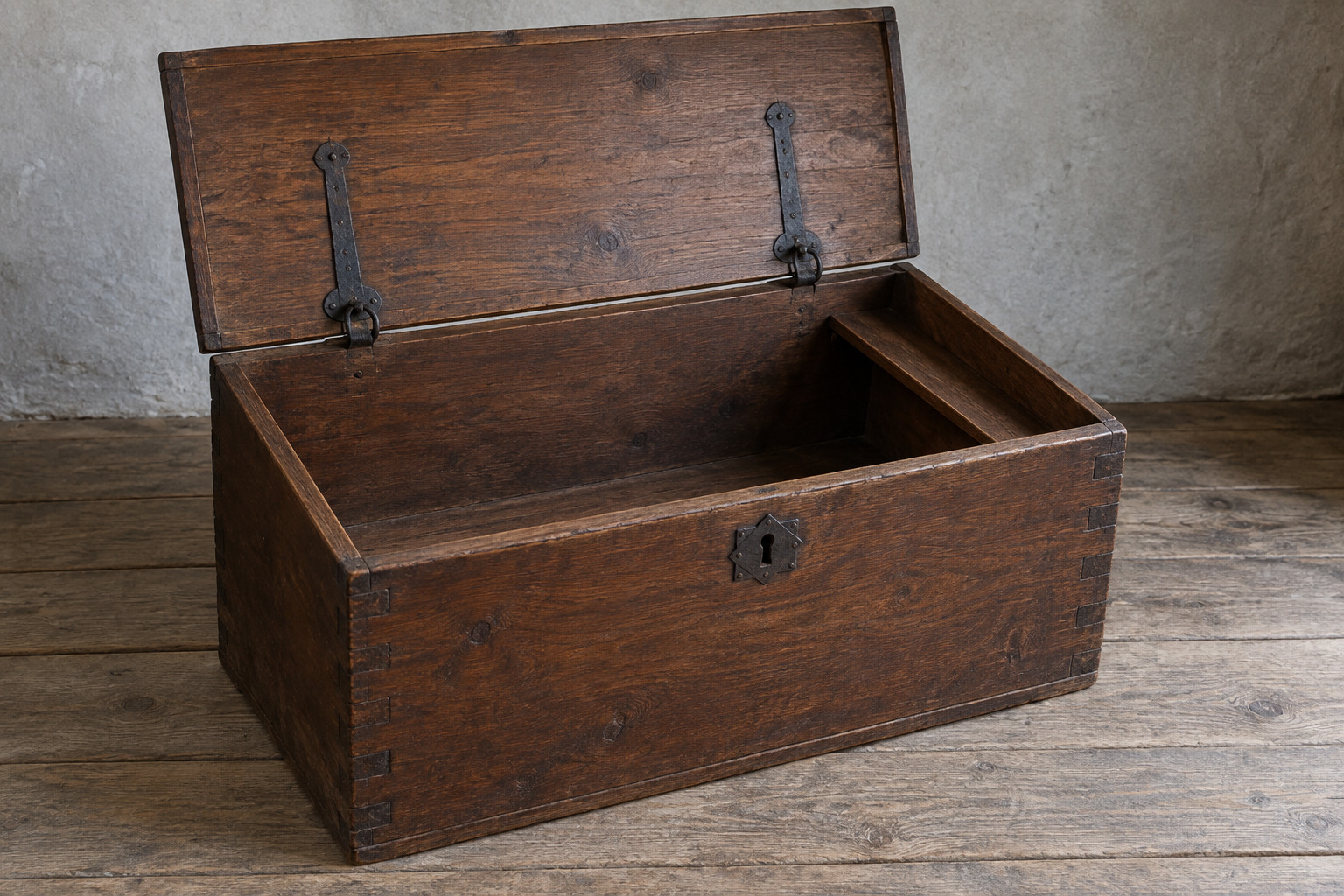
Look inside the Mary Rose carpenter’s cabin, where three different chests held tools, clothing traces and a small collection of personal possessions.