Design story

SZ 63: timber for the hands, upholstery for the body

The narrow timber arms of SZ 63 give the hands a surface of their own, while upholstery receives the body and a square frame draws the outline. Martin Visser’s chair becomes clear through the relationship between those three parts.

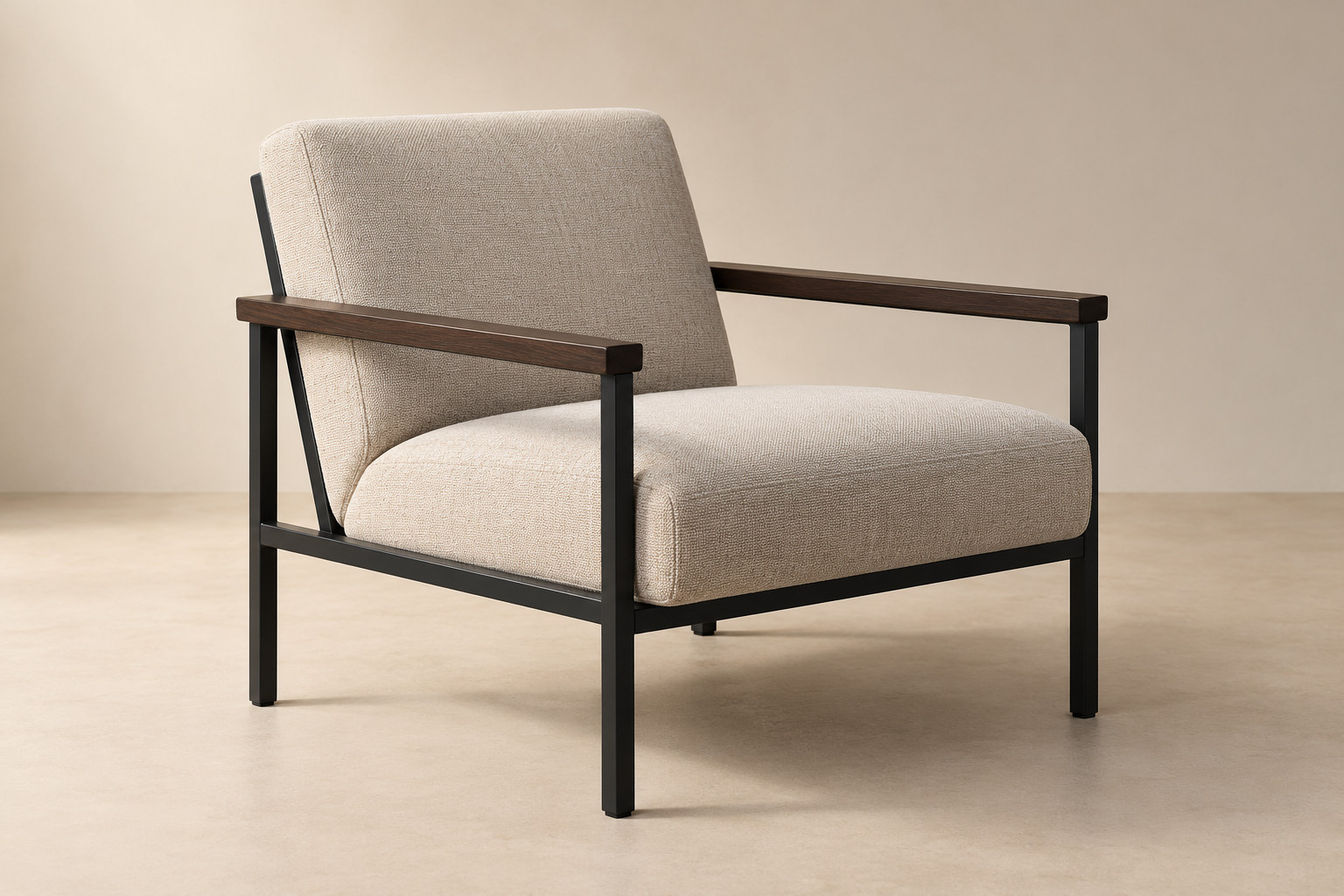
Narrow dark timber arms sit beside broad pale upholstery within a square black frame.
PatinaHall editorial reconstruction. It is not a documentary photograph. The narrow timber arms give a different scale of contact beside the broad upholstery. The selected material vocabulary follows Spectrum’s wenge configuration; the geometry is illustrative.
On this page
Key facts & takeaways

At a glance

Subject
SZ 63 armchair
Entry
Design story
Last reviewed
25 October 2026
Designed
1960documented

Three things to remember

  1. Martin Visser is credited with the design dated 1960.
  2. The frame, timber arms and upholstery play distinct roles.
  3. Spectrum’s wenge and Pastoe’s selected oak or walnut variants have separate specifications.

A narrow strip of wood

The timber arms are a good place to begin looking at Martin Visser's SZ 63. They are narrow beside the upholstered seat and back, yet give the hands a surface of their own. A dark square-section frame draws the larger outline.

Spectrum and Pastoe both date the design to 1960 and credit Visser. Spectrum places it in the period when he was directing the company's design work, with an emphasis on simple forms and economical use of material.12

The arms make that economy easy to see. A small amount of timber marks a particular point of contact, beside the broad upholstered surfaces that receive the body.

Three materials, three jobs

Pastoe specifies a square tubular metal frame, solid timber arms and fabric or leather upholstery. The parts have different roles within one composition.2

Follow the frame towards the floor, then look at the breadth of seat and back. Their larger surfaces sit within an outline whose section remains clear. The timber arms add a narrower line at hand level.

That change of scale gives the chair two useful readings. Across the room, the frame organises its outline. Close to the seat, the wooden arm offers a surface whose size and material relate to a smaller part of the body.
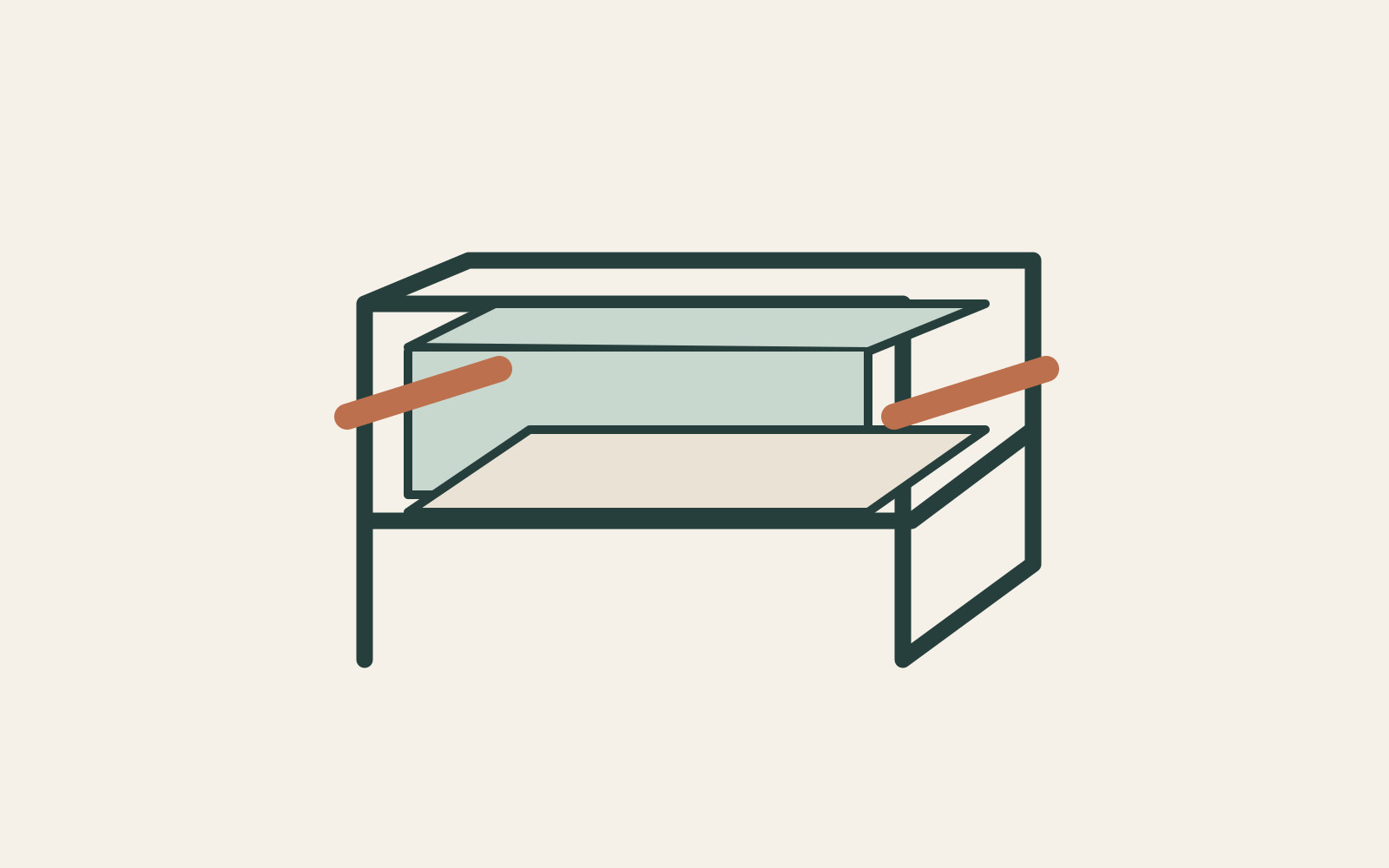
A chair diagram distinguishes broad upholstery, a dark supporting outline and narrow brown arm surfaces.
Frame, upholstery and timber arms give different areas of the chair distinct roles. Original PatinaHall schematic, not to scale; it is a reading aid rather than a production drawing.

Different specifications, a familiar arrangement

Spectrum describes wenge arms with a black frame. Pastoe's selected offerings list oak or walnut arms and their own upholstery options. These are parallel descriptions of particular configurations, rather than a documented sequence from one timber to another.12

The comparison brings attention back to the arrangement. Timber, covering and frame remain distinct enough to follow, with the narrow arms continuing to mark their place beside the seat.

Return to the point where a hand might rest. That modest strip of wood helps give the larger upholstered form its human scale.
Research notesEvidence, connections and limits

The material lists describe the versions in the cited producer records. Spectrum’s wenge arms and Pastoe’s selected oak or walnut offerings are not one universal specification for every SZ 63 made since 1960.

Evidence map

Connected subjects and evidence

Reviewed facts

  • Designed 1960documented

    Spectrum and Pastoe attach 1960 to the SZ 63 design. Their current configurations have separately described materials and finishes.

    Reviewed 25 October 2026 by PatinaHall editorial.
    • Source 1History and specifications, especially square frame and wenge arms
    • Source 2Designer/date heading; selected variants; material description

Reviewed connections

  • SZ 63 armchairdesigned byMartin Visserdocumented

    Both producer records credit Martin Visser for the SZ 63 armchair.

    Reviewed 25 October 2026 by PatinaHall editorial.
    • Source 1History and specifications, especially square frame and wenge arms
    • Source 2Designer/date heading; selected variants; material description
  • SZ 63 armchairuses materialFrame, timber arms and upholstery of the SZ 63documented

    Spectrum describes a black square frame and wenge arms. Pastoe's selected current versions use square tubular metal with oak or walnut arms; the records offer fabric and leather upholstery.

    Reviewed 25 October 2026 by PatinaHall editorial.
    • Source 1History and specifications, especially square frame and wenge arms
    • Source 2Designer/date heading; selected variants; material description

Research trail

Sources and further reading

  1. Spectrum, SZ 63 armchairSpectrumAccessed 25 October 2026
  2. Pastoe, SZ63 Armchair, selected walnut variantPastoeAccessed 25 October 2026

Last reviewed 25 October 2026. Found an error or a stronger primary source? Contact PatinaHall.