Designer profile

Martin Visser: making room for other people's ideas

Martin Visser’s career becomes more interesting when the chairs stop standing alone. His own furniture, the designers he invited to Spectrum and the artists whose work entered the family’s collection describe connected ways of making room for ideas. They also bring other people into a story often told under one surname.

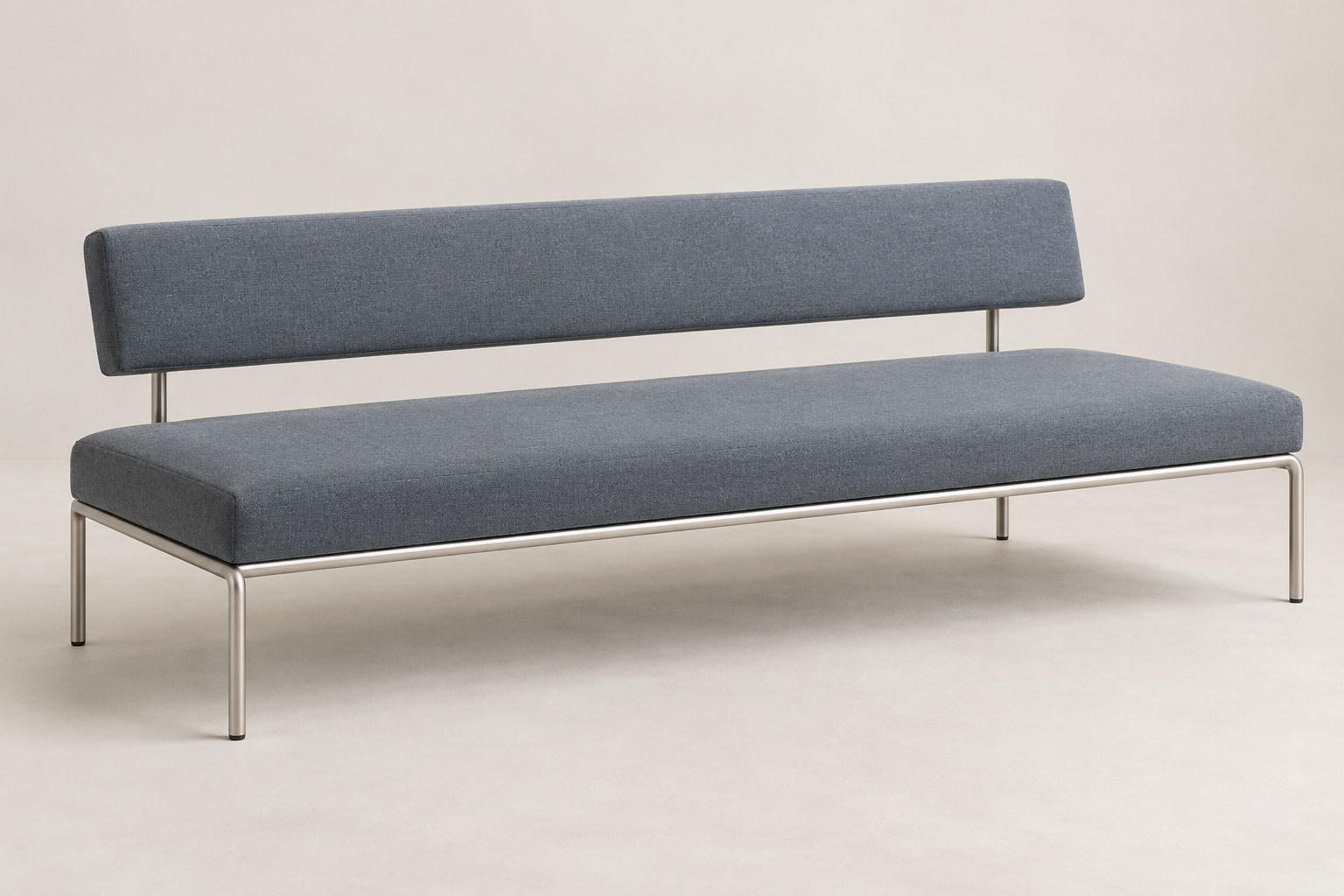
Editorial reconstruction of a blue-grey upholstered sofa with separate cushions on a slender bright metal frame.
PatinaHall editorial reconstruction. It is not a documentary photograph. An imagined open sofa introduces the relationship between a light supporting frame and a substantial sitting surface. It does not demonstrate BR 02’s mechanism or reproduce a documented production version.
On this page
Key facts & takeaways

At a glance

Subject
Martin Visser
Entry
Designer profile
Last reviewed
23 October 2026

Three things to remember

  1. Visser worked as Spectrum's chief designer.
  2. He invited other designers into its collection.
  3. The collecting history includes Mia, Joke and Geertjan Visser as distinct participants.

A designer could also make an invitation

Martin Visser's work includes the furniture he designed and the opportunities he created for other people. At Spectrum, a clear chair or sofa belonged to a larger collection shaped through invitations to other designers. In his collecting, a place in a room could also become a place for a new artistic idea. Those activities make more sense together than as separate lists of accomplishments.

Spectrum records that he was invited to become its chief designer after working in the furniture department at De Bijenkorf. Its account names designers he brought into the collection, including Gerrit Rietveld, Friso Kramer and Benno Premsela.1

Choosing who else belongs

A furniture collection has a point of view even when its pieces have different authors. Inviting another designer means deciding what kinds of work can speak to one another, and what a manufacturer should be able to make available.

Visser's own furniture helps explain one part of that judgement. Its clear arrangement of components makes a useful object legible. The same manufacturer's history describes his interest in straightforward forms, material and construction. Commissioning could extend those questions through other people's work.1
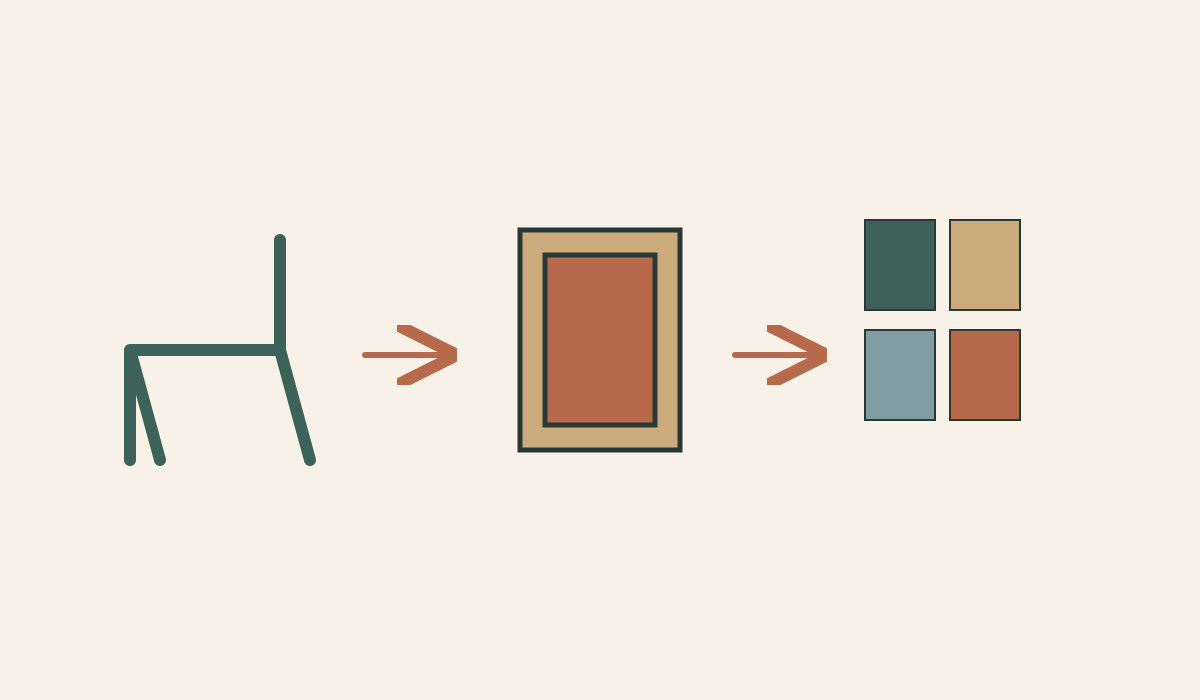
A chair, neighbouring framed surfaces and a larger collection are connected by arrows.
Original PatinaHall schematic, not to scale. Furniture, invited collaborators and a changing art collection describe different kinds of room-making. The connections are conceptual, not a plan of Visser’s house.

The collection was a changing household

Kröller-Müller Museum's account of Little Arena describes a collection associated with Martin and his brother Geertjan, with a smaller group occupying a continuing place in Martin and Joke's home. Works could be exchanged or sold to create room for younger artistic developments. The collection was an activity as well as an accumulation. 2

The different participants matter. The museum separately identifies Mia and Martin Visser among the early European collectors of Dan Flavin's work. Reducing those histories to one collector's surname would remove people from the relationships that made the collection possible. 4

Making space beyond the home

The museum's wider history describes negotiations through which works from the Vissers could enter a public collection. Personal judgement, relationships with artists and a museum's own ambitions met in those decisions.3

This does not make a sofa and a work of art interchangeable. It shows why arranging access, choosing collaborators and making room can be consequential forms of work. Visser's presence survives in furniture, but also in the space other people's ideas were given beside it.
Research notesEvidence, connections and limits

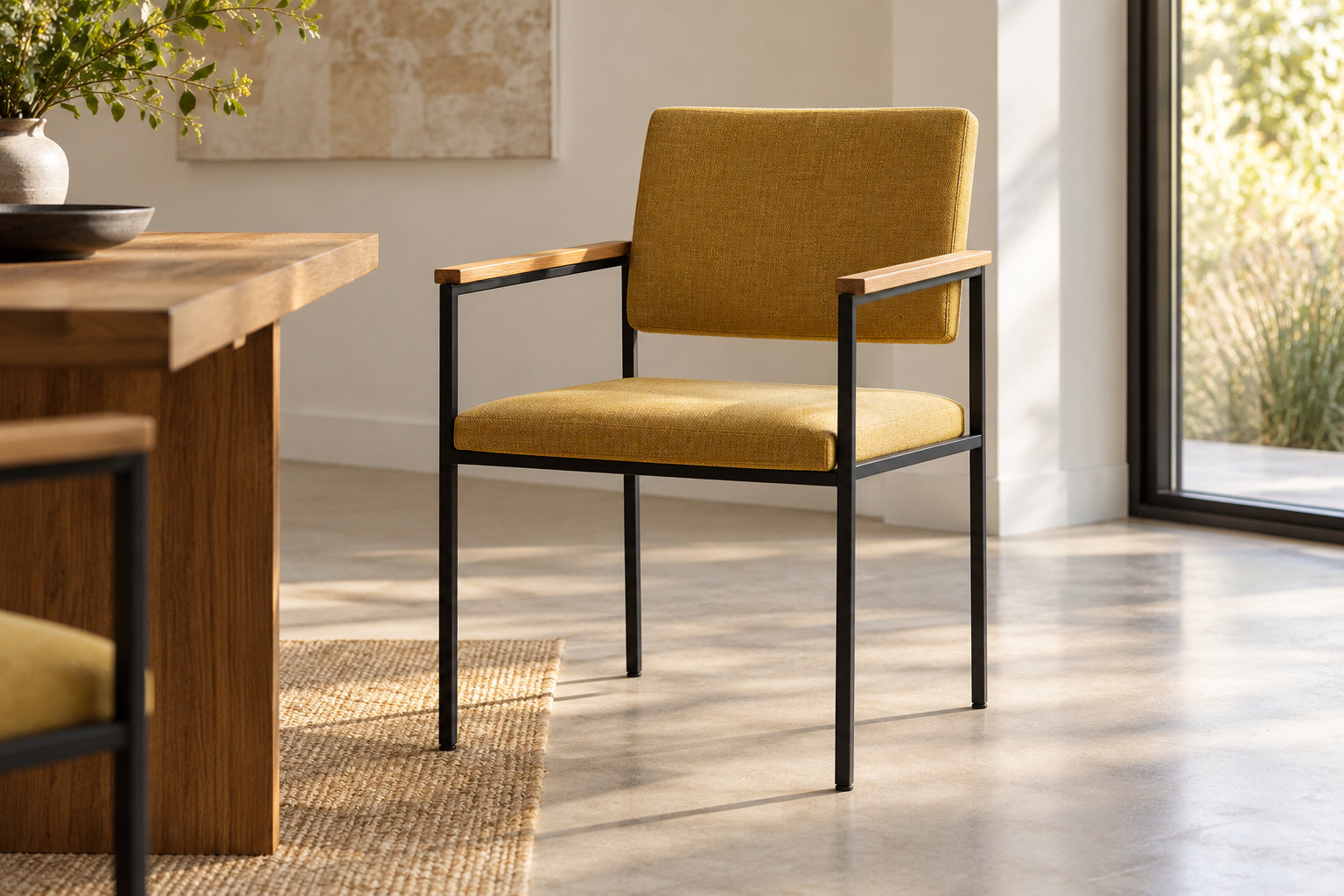
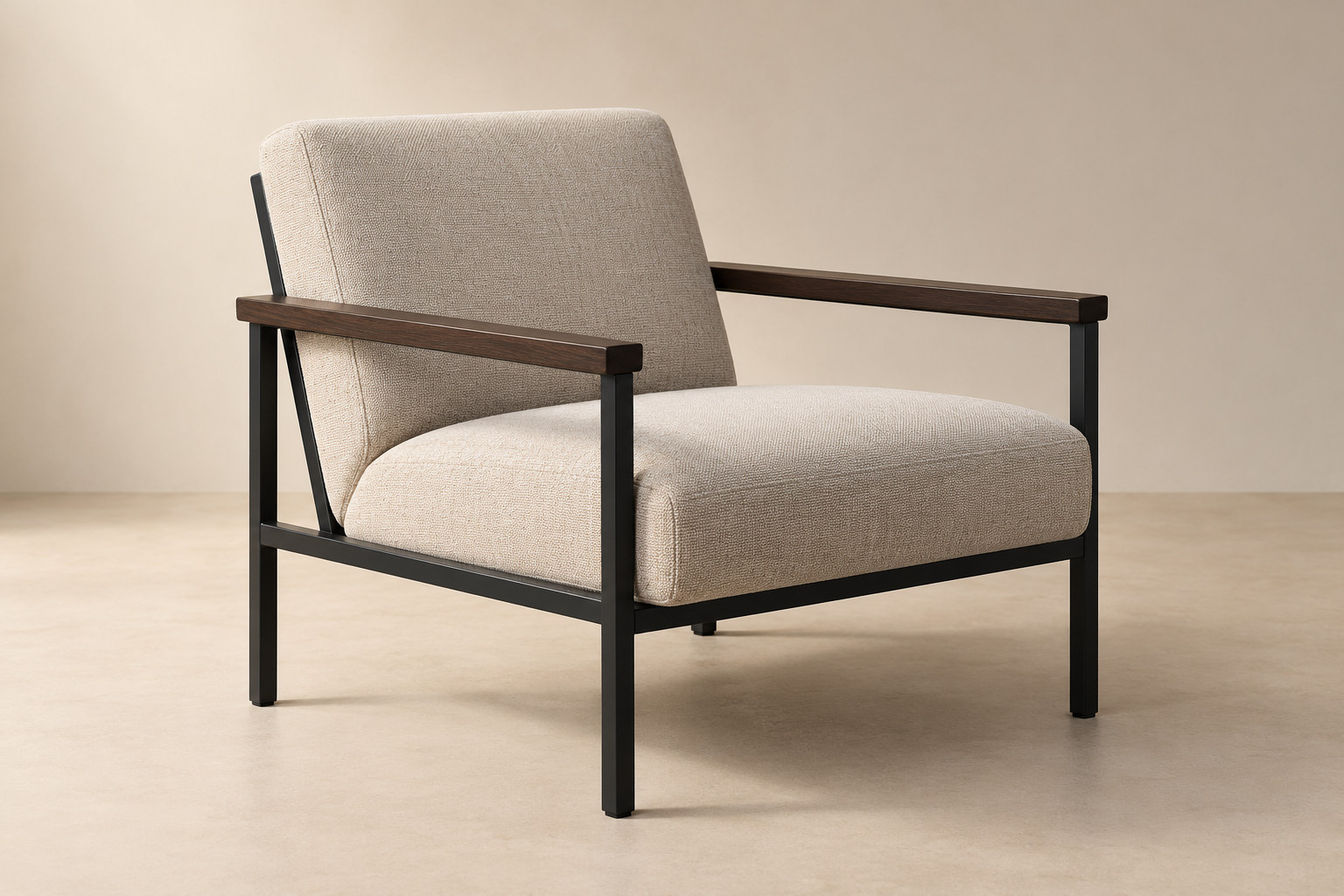
The furniture and collecting accounts document different collaborations. They do not make every work called part of the Visser collection his sole acquisition, and a furniture illustration is not a portrait or a reconstruction of his home.

Evidence map

Connected subjects and evidence

Reviewed connections

  • BR 02 sofa beddesigned byMartin Visserdocumented

    The cited record identifies the designer of this design or coherent project family.

    Reviewed 23 October 2026 by PatinaHall editorial.
  • Martin Vissercollaborated withSpectrumdocumented

    The source documents the designer working with this organisation; it is not a national-origin or employment-date inference.

    Reviewed 23 October 2026 by PatinaHall editorial.
    • Source 1Martin Visser: designer and art collector

Research trail

Sources and further reading

  1. Martin Visser: designer and art collectorSpectrum DesignAccessed 23 October 2026
  2. Little Arena: drawings and sculptures from the collection VisserKröller-Müller MuseumAccessed 23 October 2026
  3. The new museum: common interest, Oxenaar and the VissersKröller-Müller MuseumAccessed 23 October 2026
  4. Dan Flavin: early light sculptures, Collection of Mia and Martin VisserKröller-Müller MuseumAccessed 23 October 2026
  5. BR 02 slaapbankSpectrum DesignAccessed 23 October 2026

Last reviewed 23 October 2026. Found an error or a stronger primary source? Contact PatinaHall.