Design
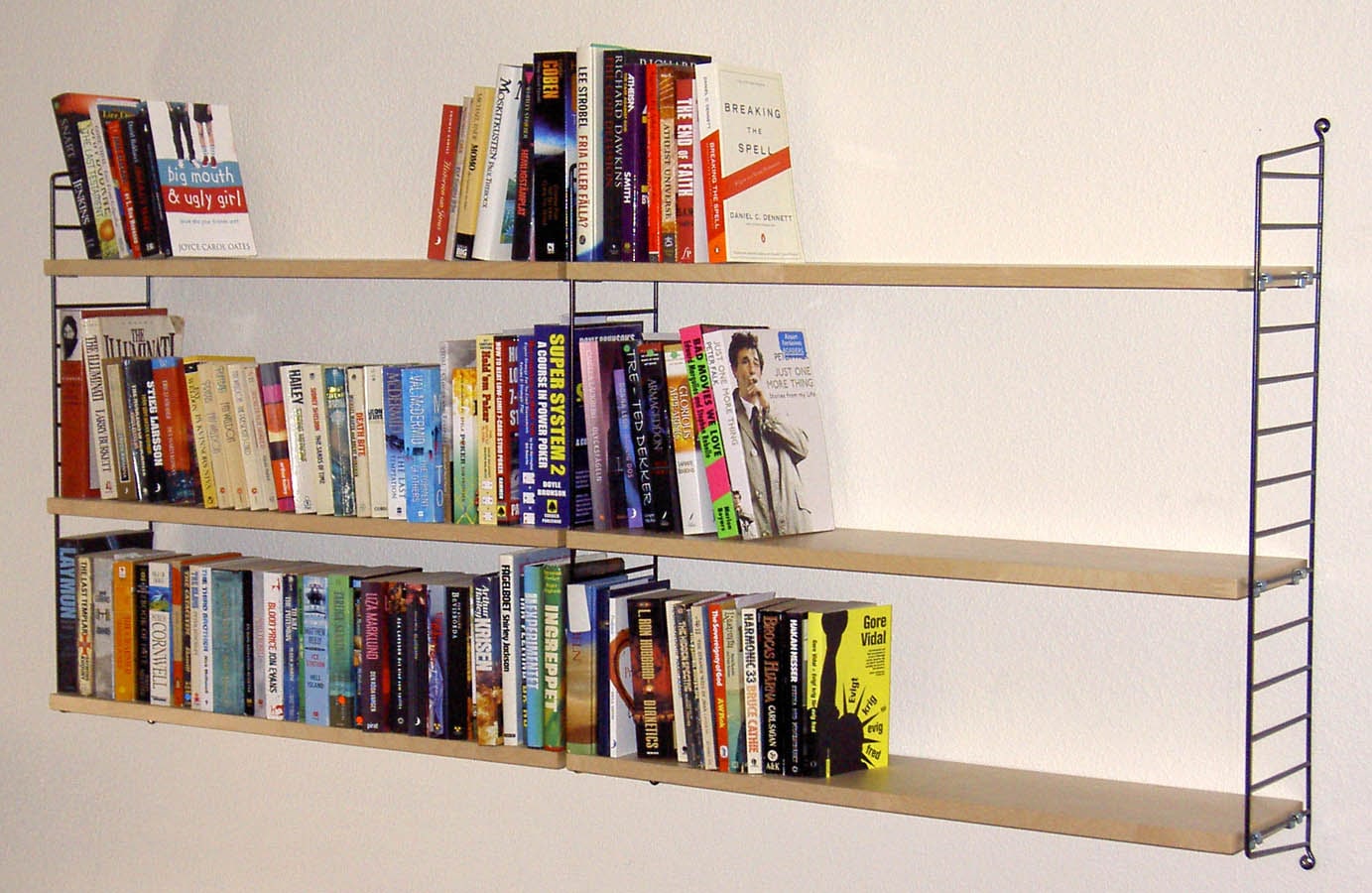
String shelving system
The history of String shelving, Kajsa and Nisse Strinning’s 1949 competition design, its open wire sides, adjustable storage and the separate later String Pocket.
Objects · people · ideas
Furniture models and individual historic pieces.
The history of String shelving, Kajsa and Nisse Strinning’s 1949 competition design, its open wire sides, adjustable storage and the separate later String Pocket.
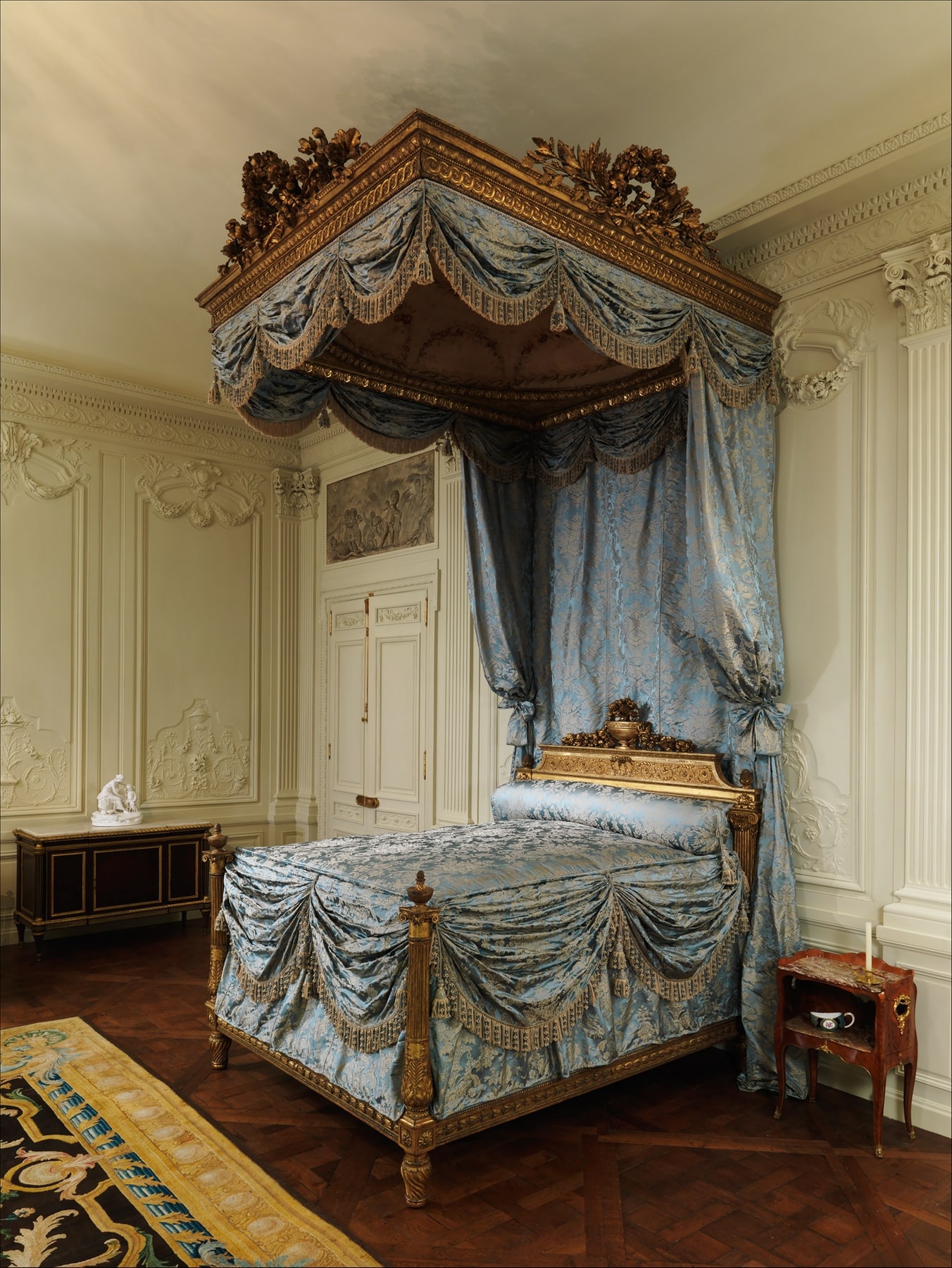
Georges Jacob’s eighteenth-century tester bed separates its canopy from its frame. Explore ceiling suspension, collaborative making and replacement textiles.
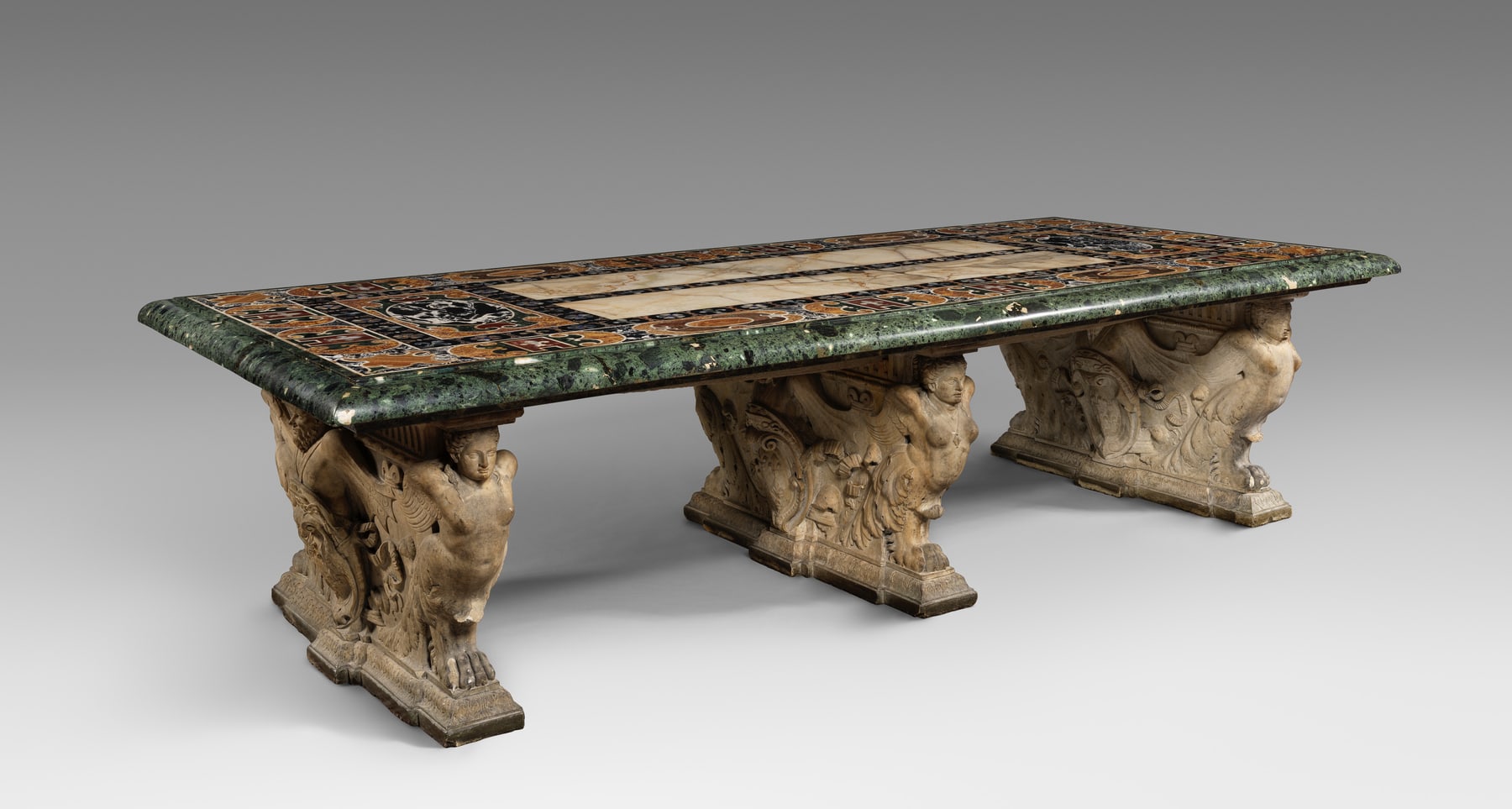
Nearly four metres wide, the Farnese Table turns coloured stone into a statement of Renaissance power. Explore its alabaster panels, carved piers and attributions.
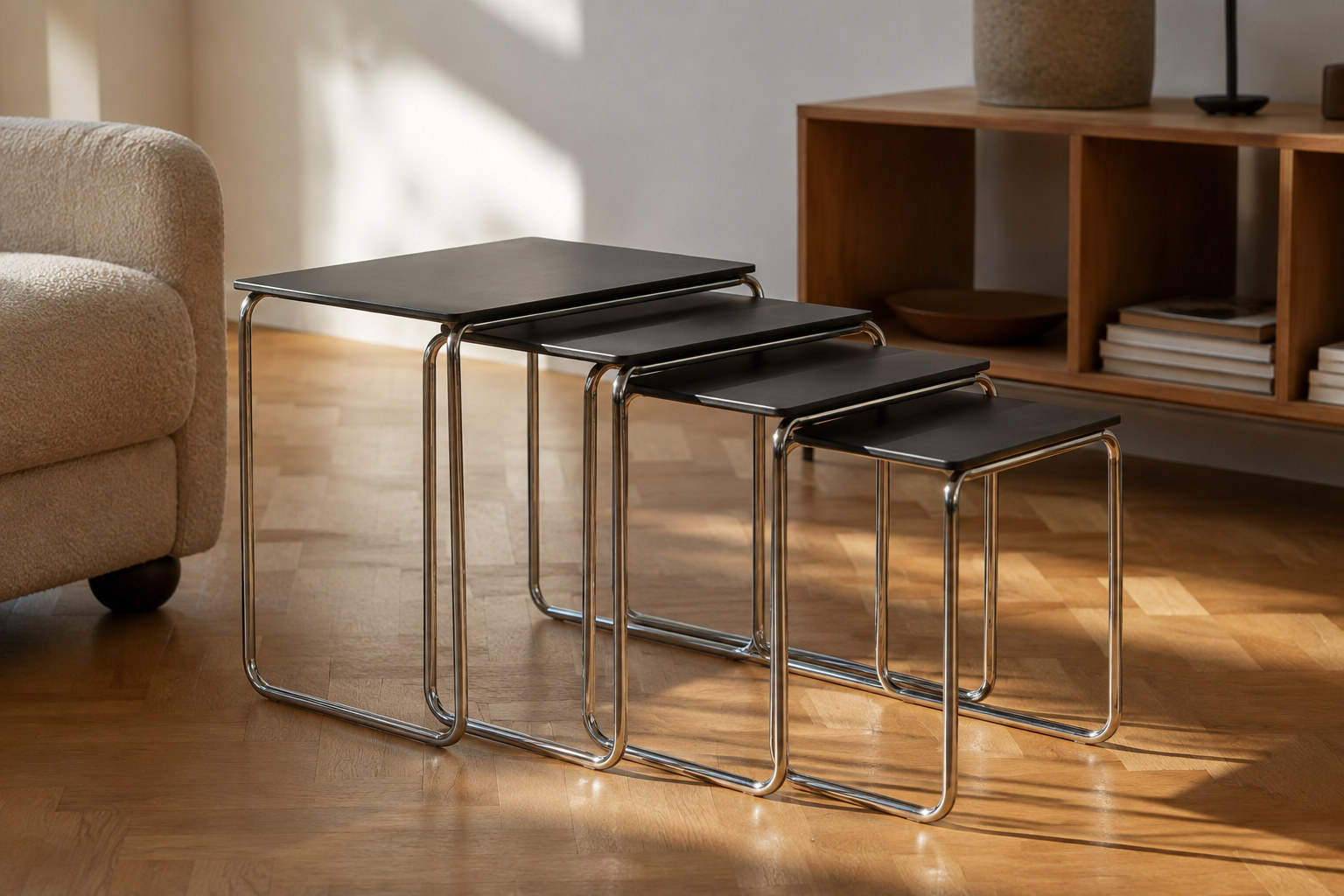
A nest of B 9 tables is furniture waiting to spread out. Marcel Breuer’s four small surfaces can gather into one compact group, then separate to follow the people sitting around a room.
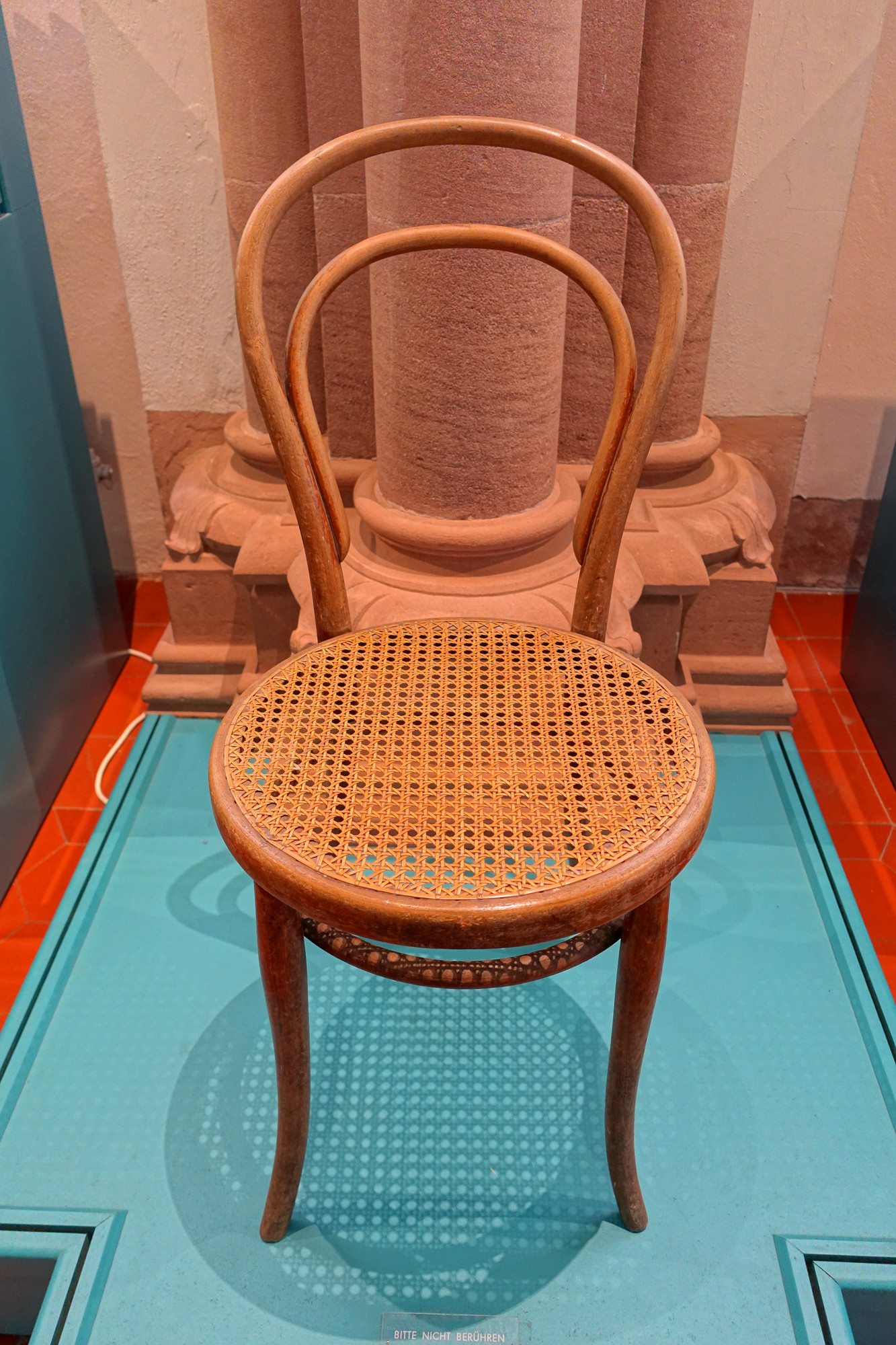
See how Michael Thonet joined steam-bent beech, six wooden parts, simple hardware and compact shipping to turn one 1859 café chair into a global system.
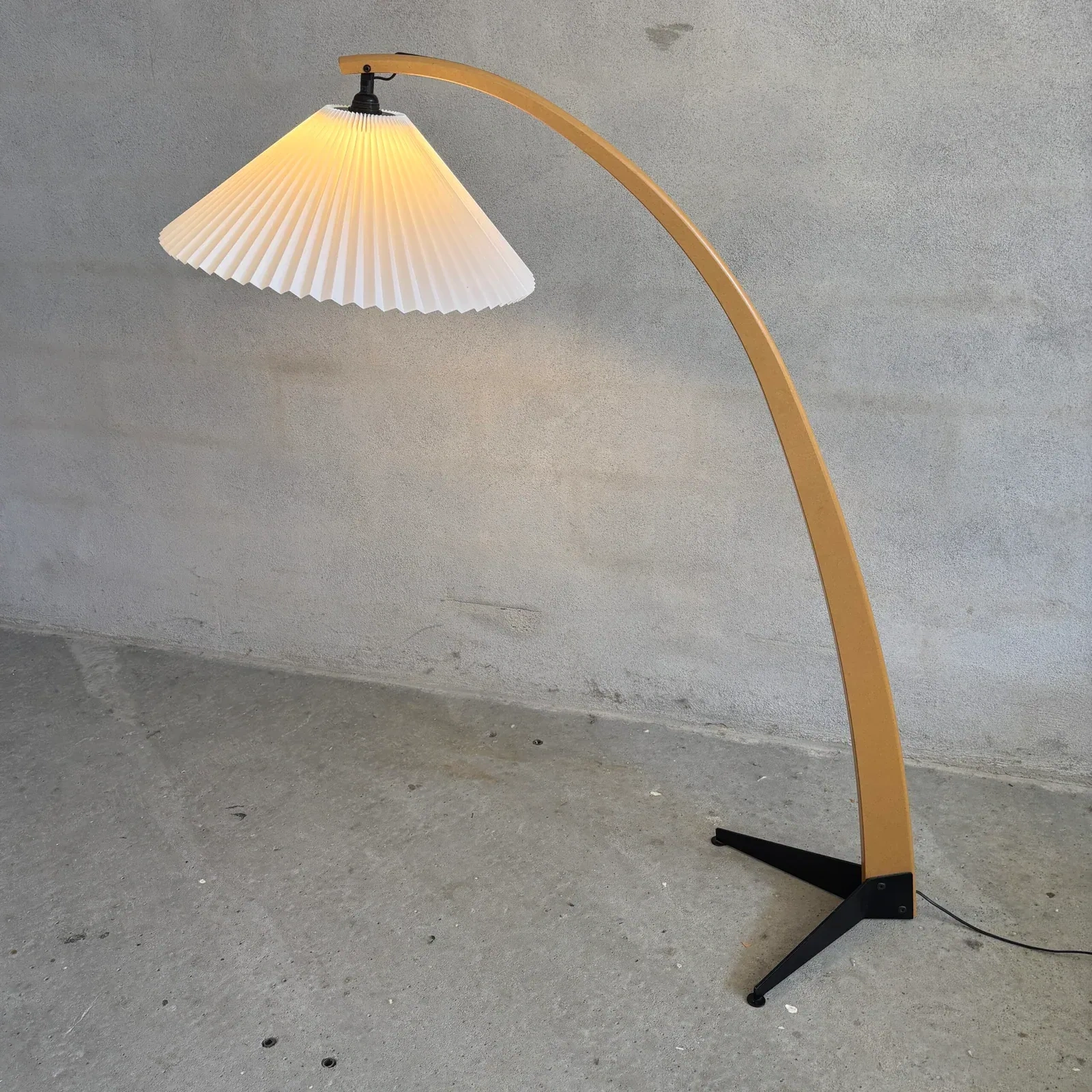
Read Mads Caprani’s Timberline Floor Lamp as a balance problem: a long laminated curve, distant pleated shade, discreet cable and anchoring iron base.
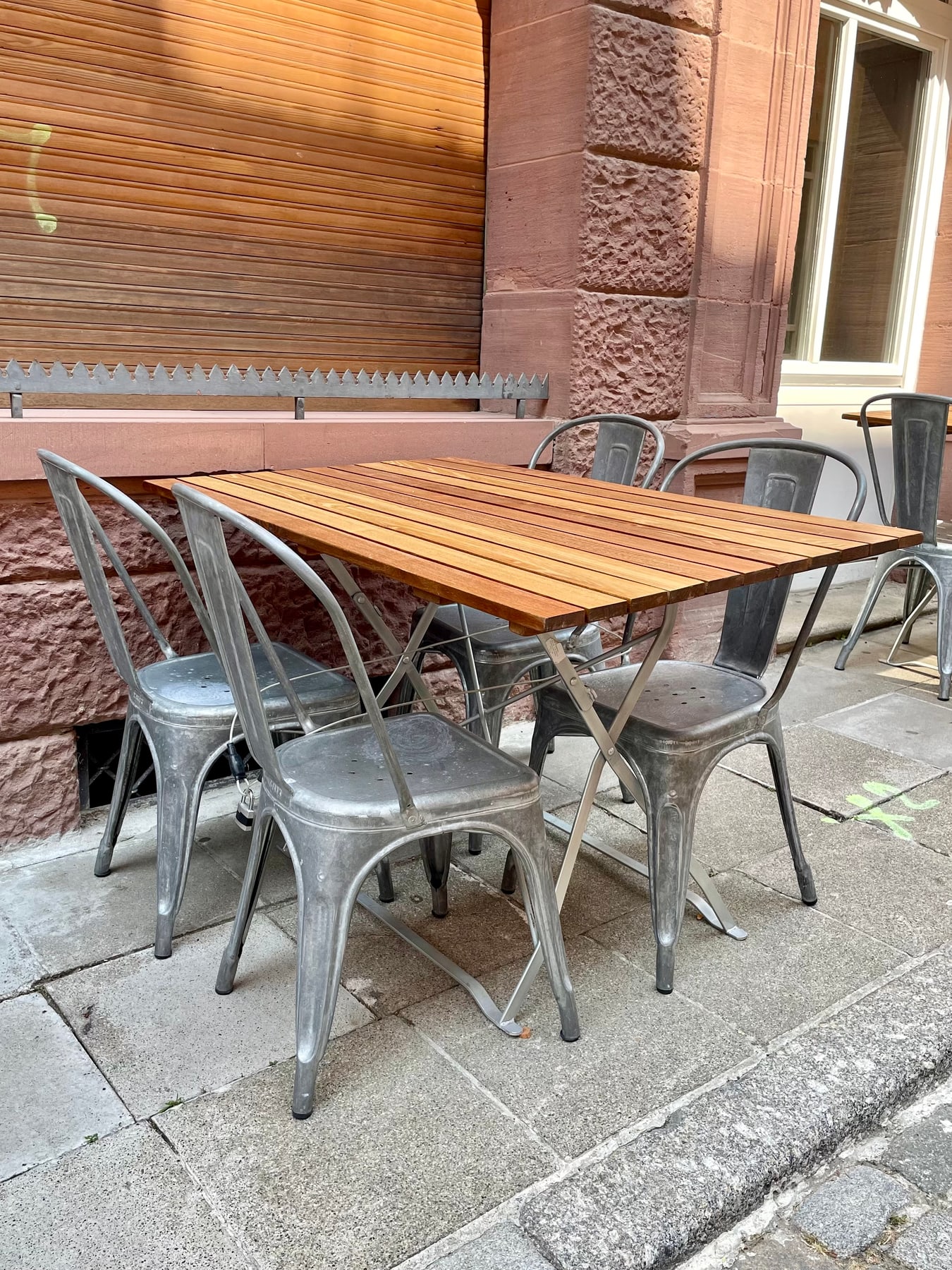
Tolix Chair A makes its industrial construction part of the view. Its shaped metal surfaces and open frame turn the practical business of sitting, moving and stacking into a recognisable outline.
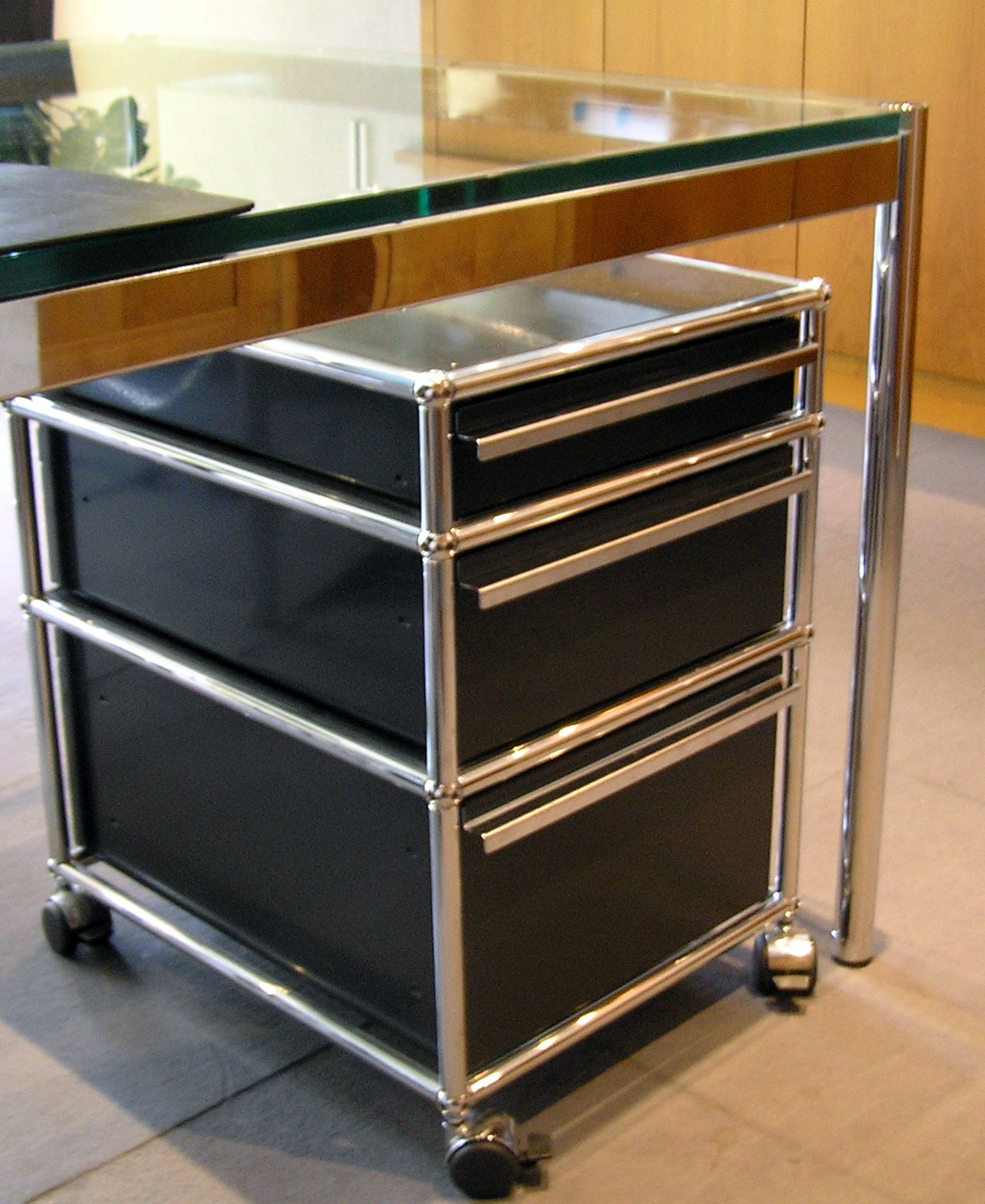
A USM Haller sideboard is one arrangement of a larger idea. Behind the coloured panels is a repeated metal skeleton, developed from an architect and an engineer’s interest in buildings that could adapt.
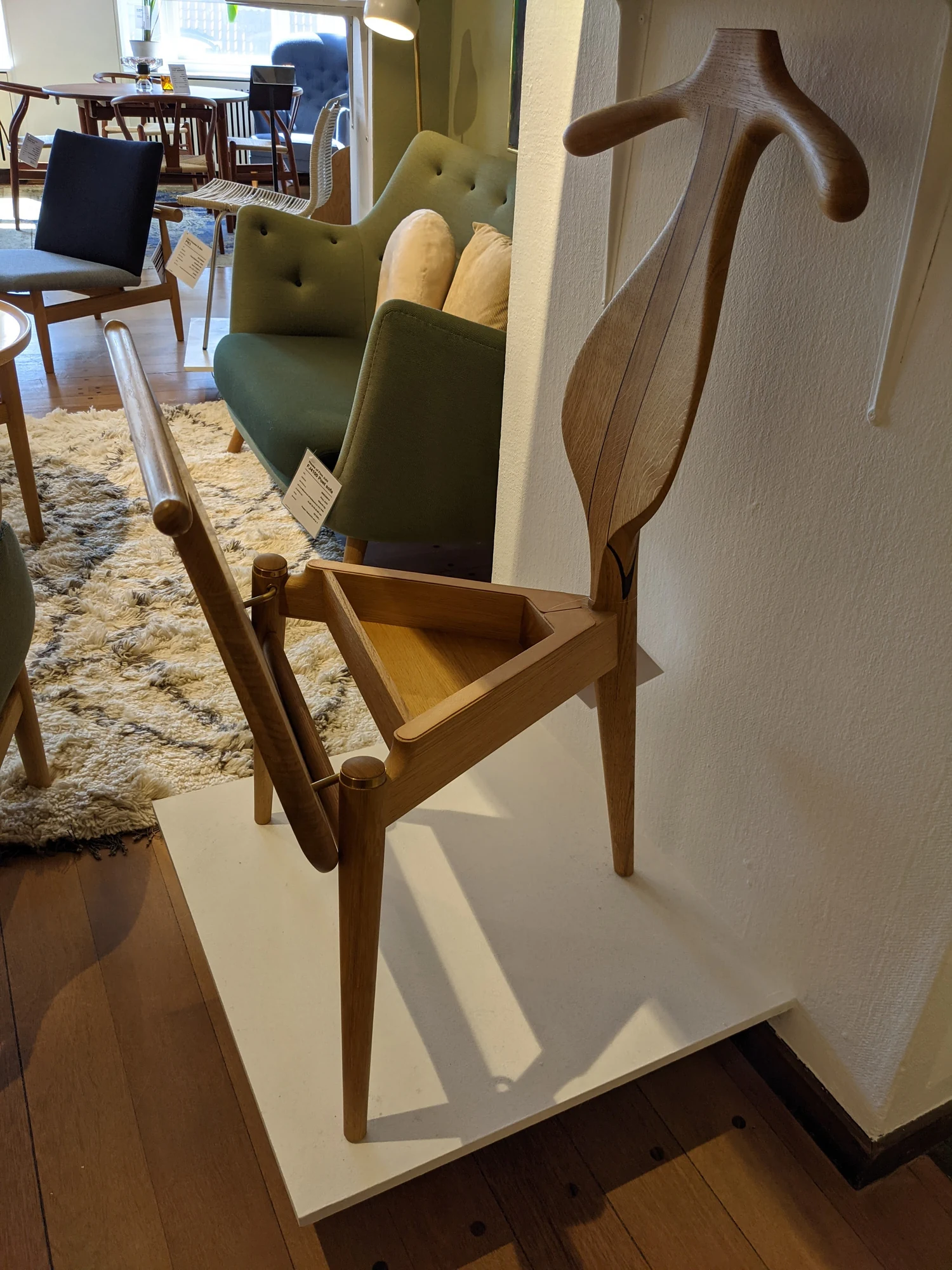
See how Hans J. Wegner’s 1953 Valet Chair turns a hanger, trouser support, seat and pocket-sized compartment into one remarkably composed object.
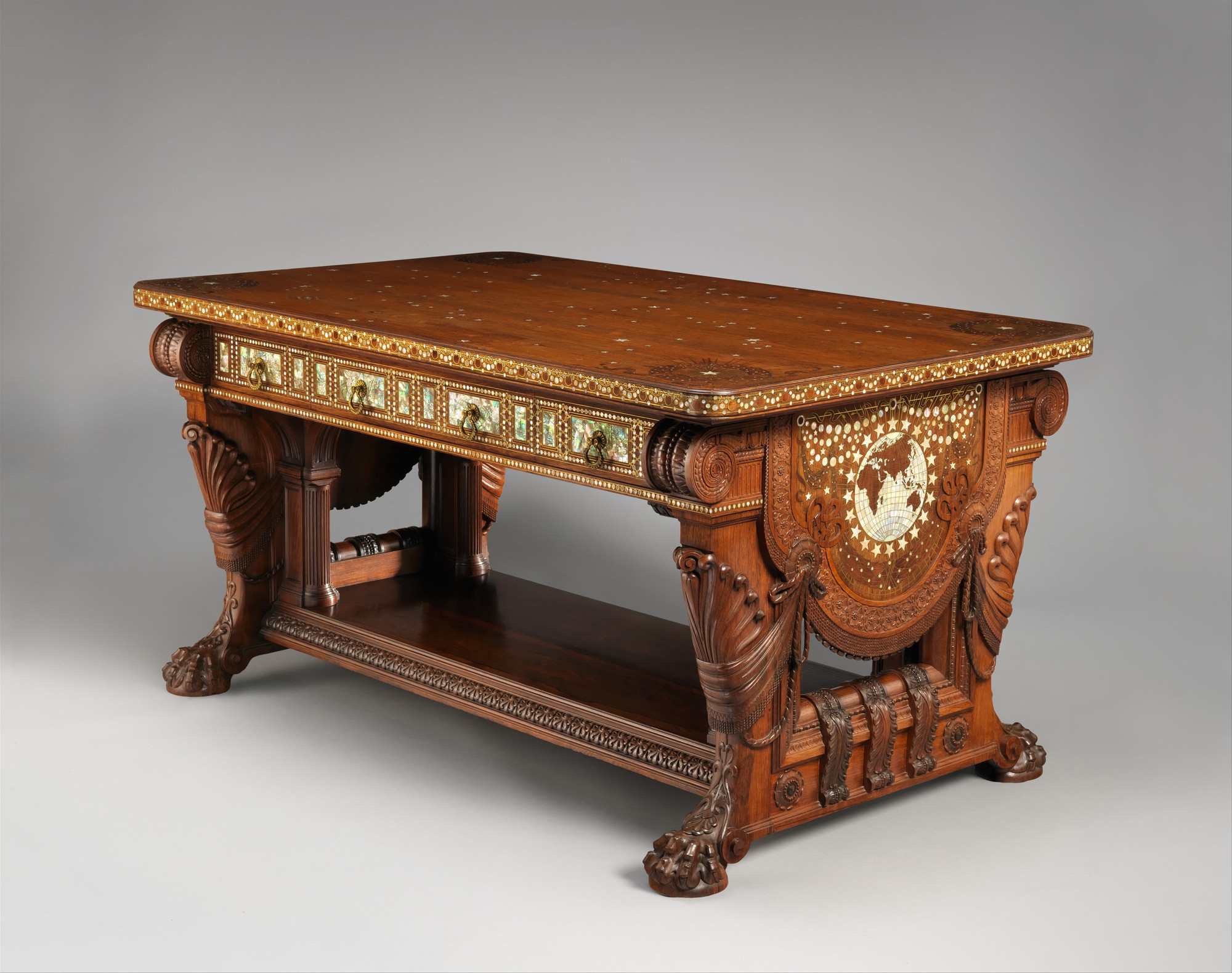
Look across Herter Brothers' monumental Vanderbilt library table: a birthday sky, shell-inlaid globes and imperial references turn furniture into portraiture.
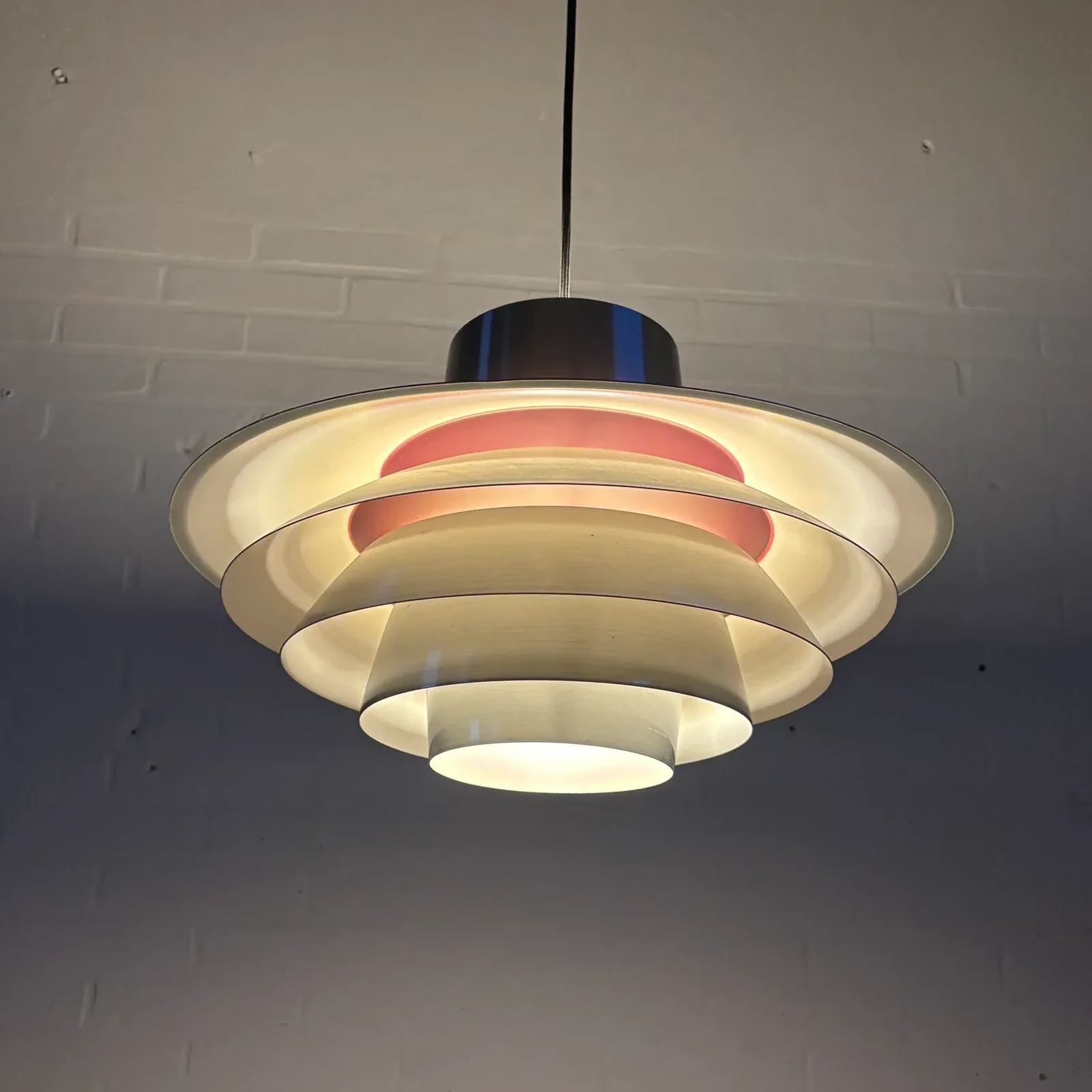
See how Sven Middelboe’s 1968 Verona pendant uses nested aluminium shades to conceal the bulb, soften glare and make the fitting itself glow.
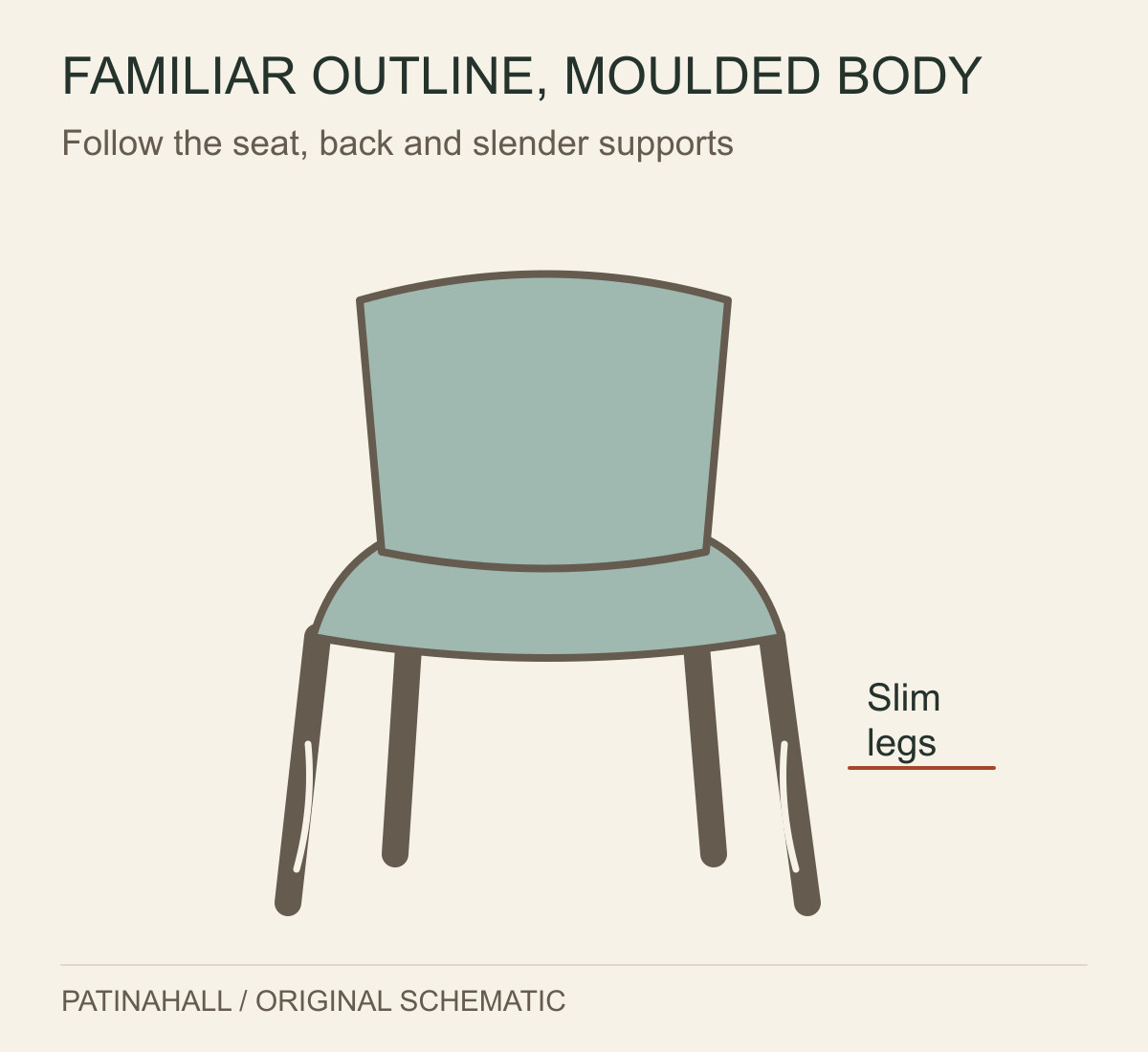
Selene’s smooth seat gives little away. Look at the legs instead: their folded section is the clever part. Vico Magistretti used shape to give a slender plastic chair the presence of an ordinary dining chair.
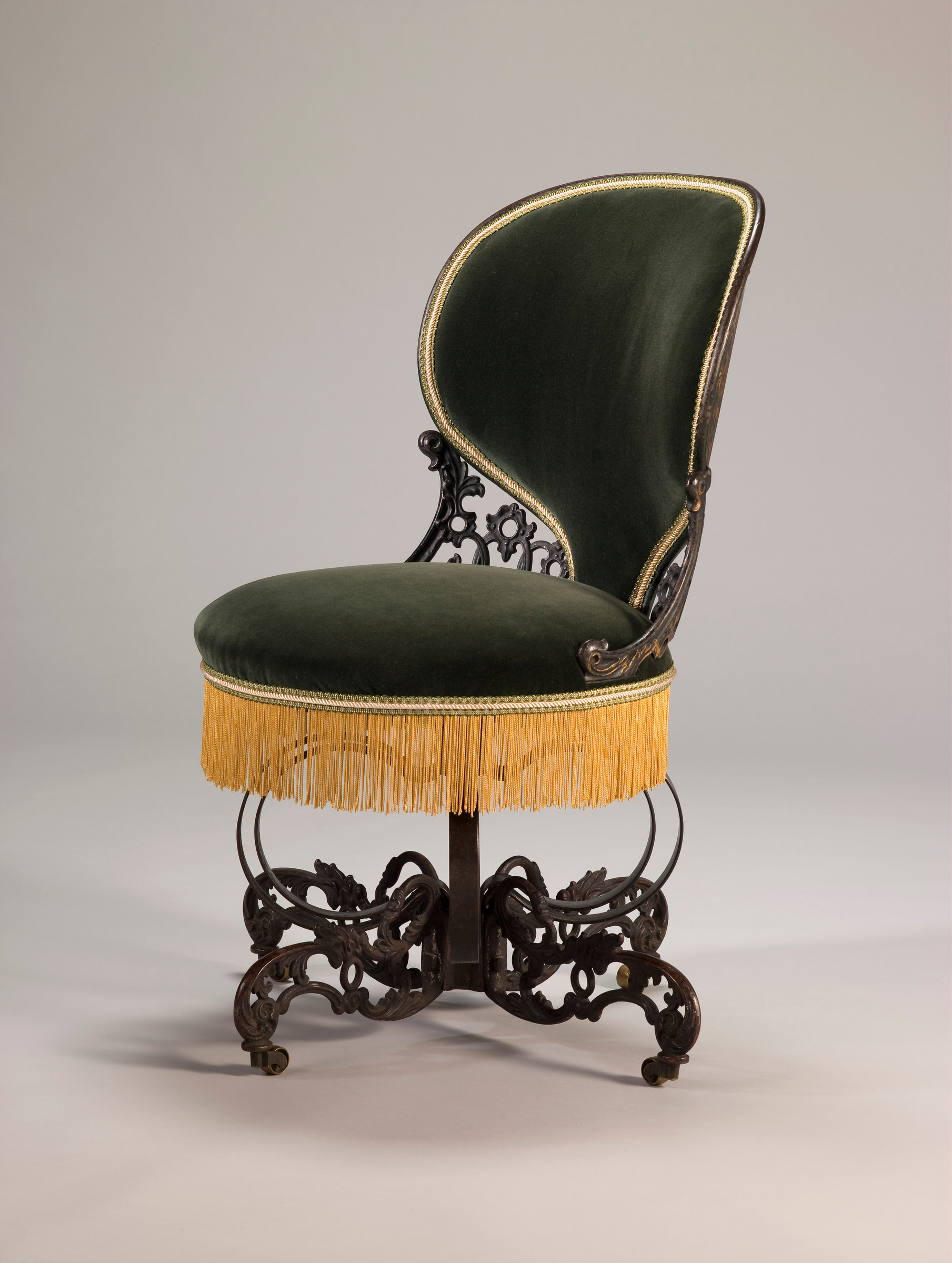
Look beneath the velvet and fringe of Warren’s Centripetal Spring Chair 147:1965 to see how crossed leaf springs, a central support and casters made furniture move.
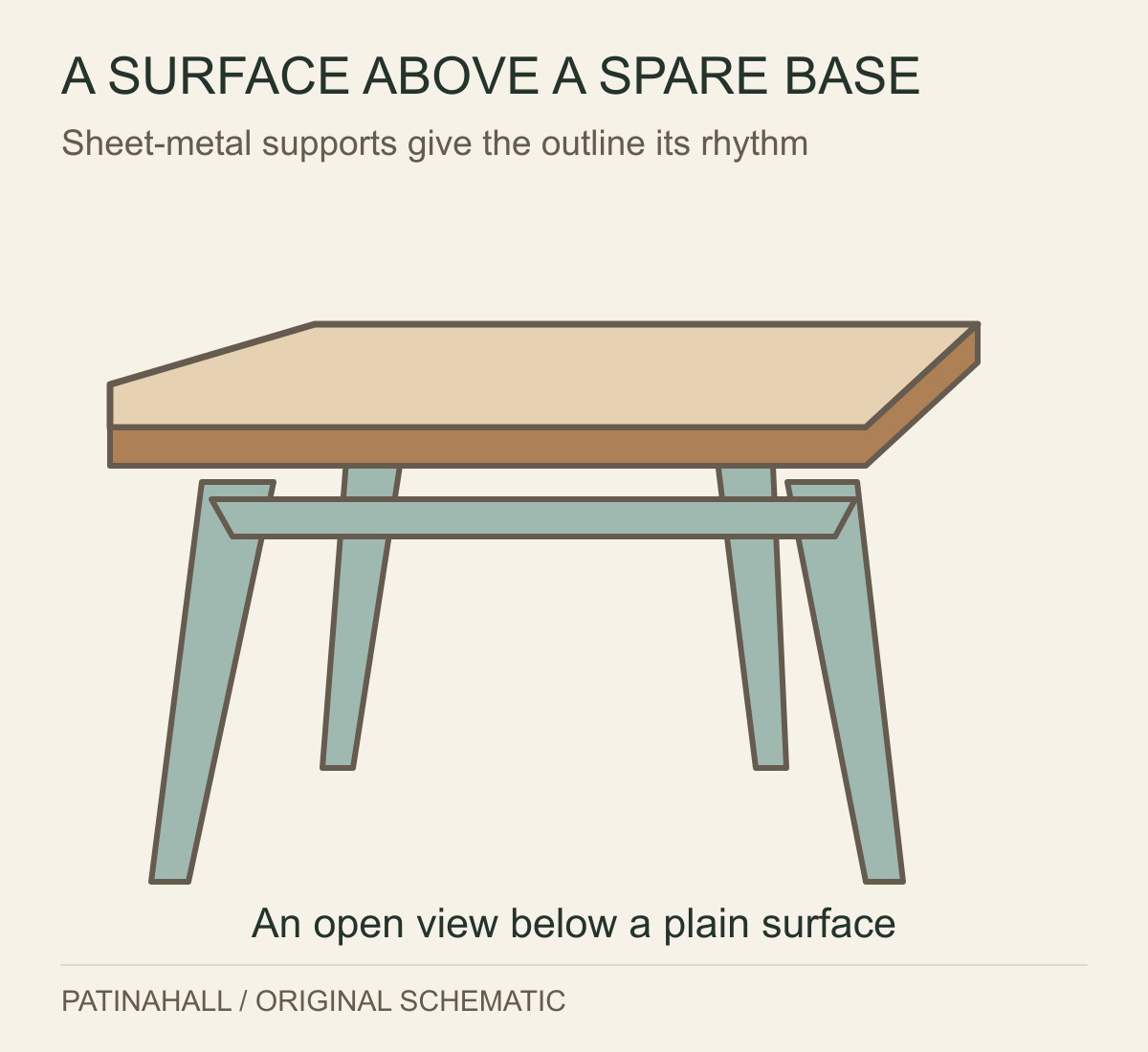
A Pyramid table can look like something remembered from school. Wim Rietveld’s spare steel base belongs to furniture made for repeated daily use, and that useful simplicity travels easily into a home.
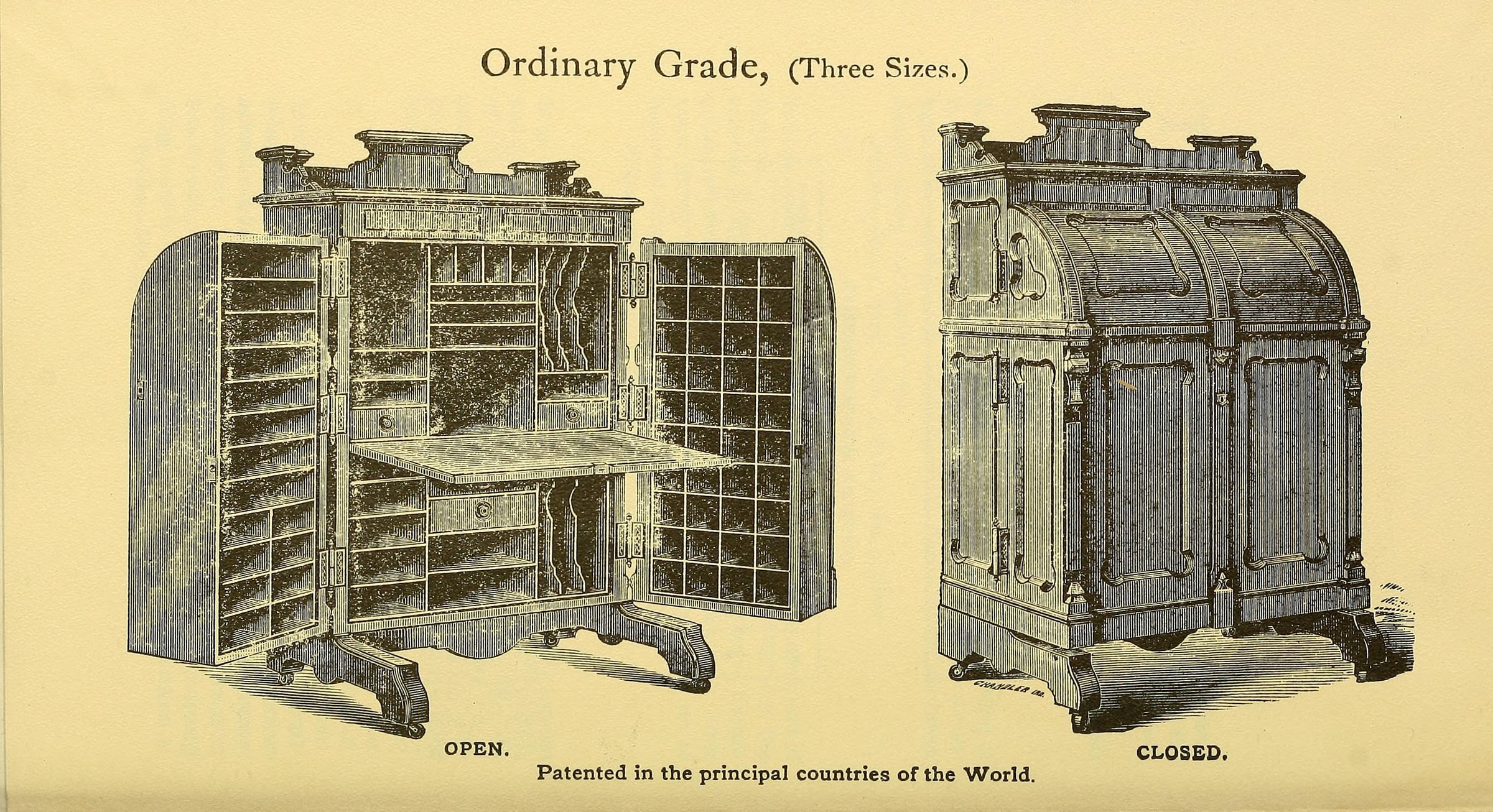
Open William S. Wooton’s 1874 patent secretary to see how hinged filing wings, a writing leaf, grades and locks compressed a Victorian office into one cabinet.
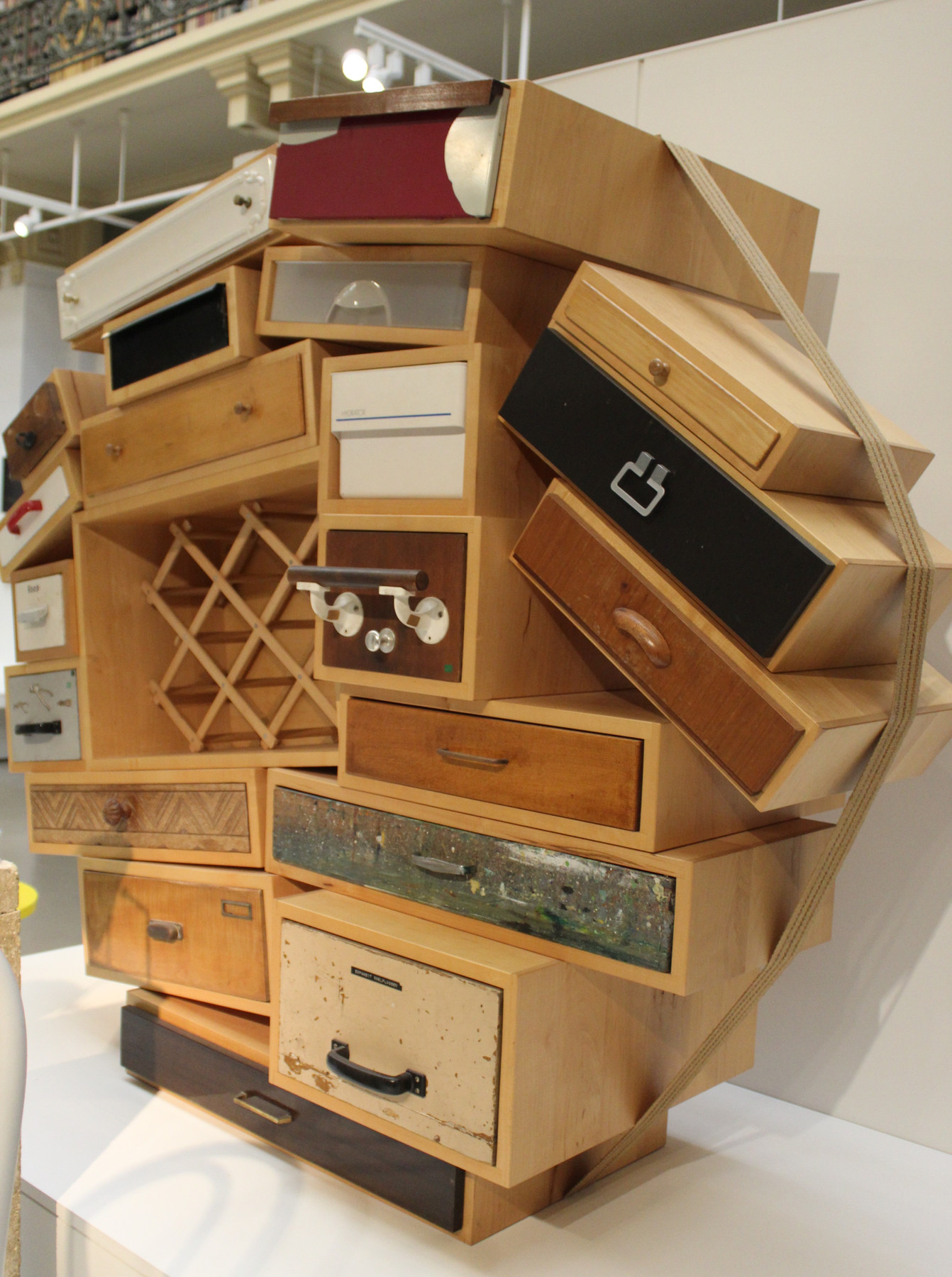
New maple housings give old drawers somewhere to work again. Tejo Remy’s chest reverses the usual relationship between a cabinet and its contents.