Historic object
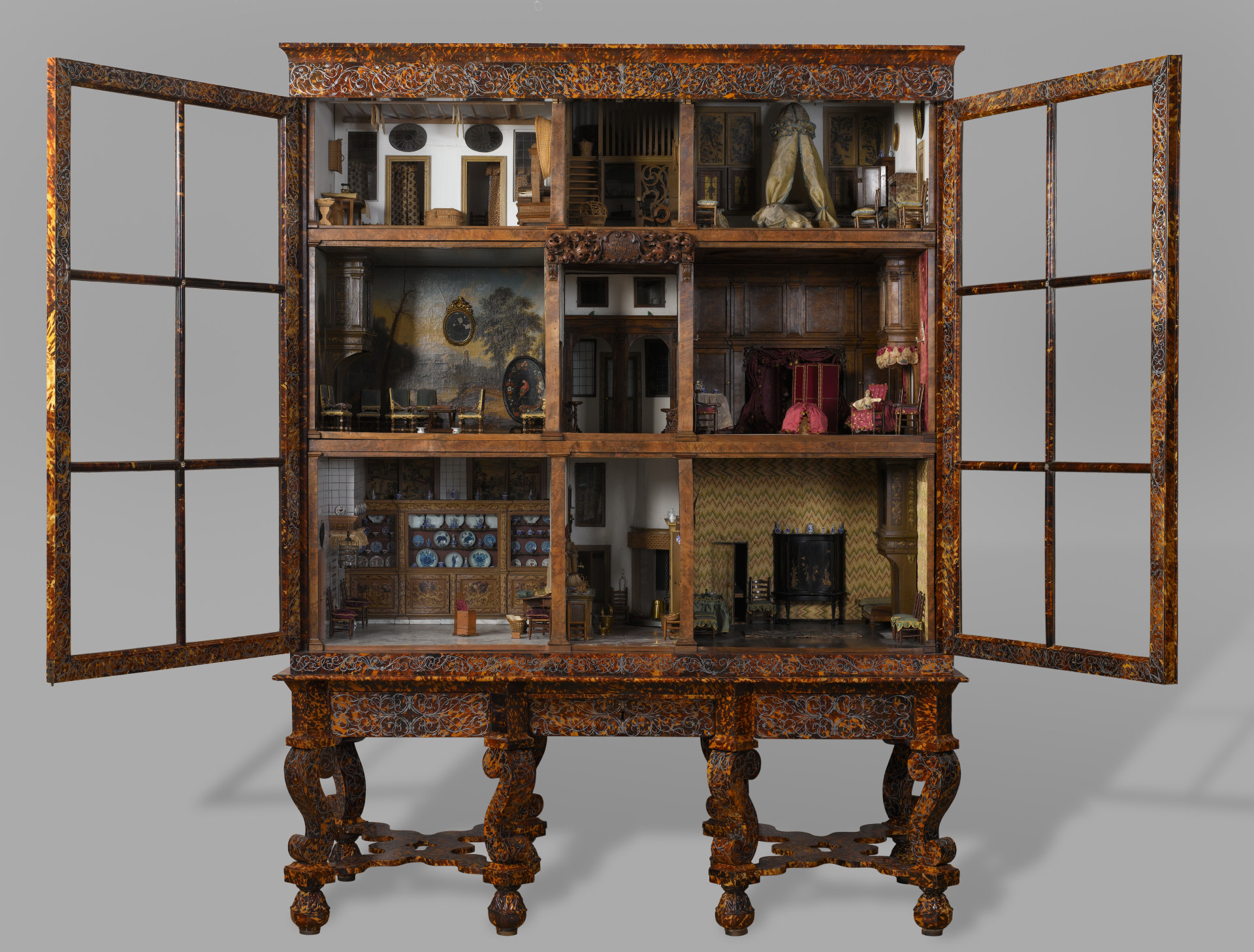
Petronella Oortman Dolls' House BK-NM-1010
Open Petronella Oortman's c. 1686–1710 dolls' house and see why its full-size cabinet, exact materials and ordered rooms made it a collection, not a toy.
Objects · people · ideas
Furniture models and individual historic pieces.
Open Petronella Oortman's c. 1686–1710 dolls' house and see why its full-size cabinet, exact materials and ordered rooms made it a collection, not a toy.
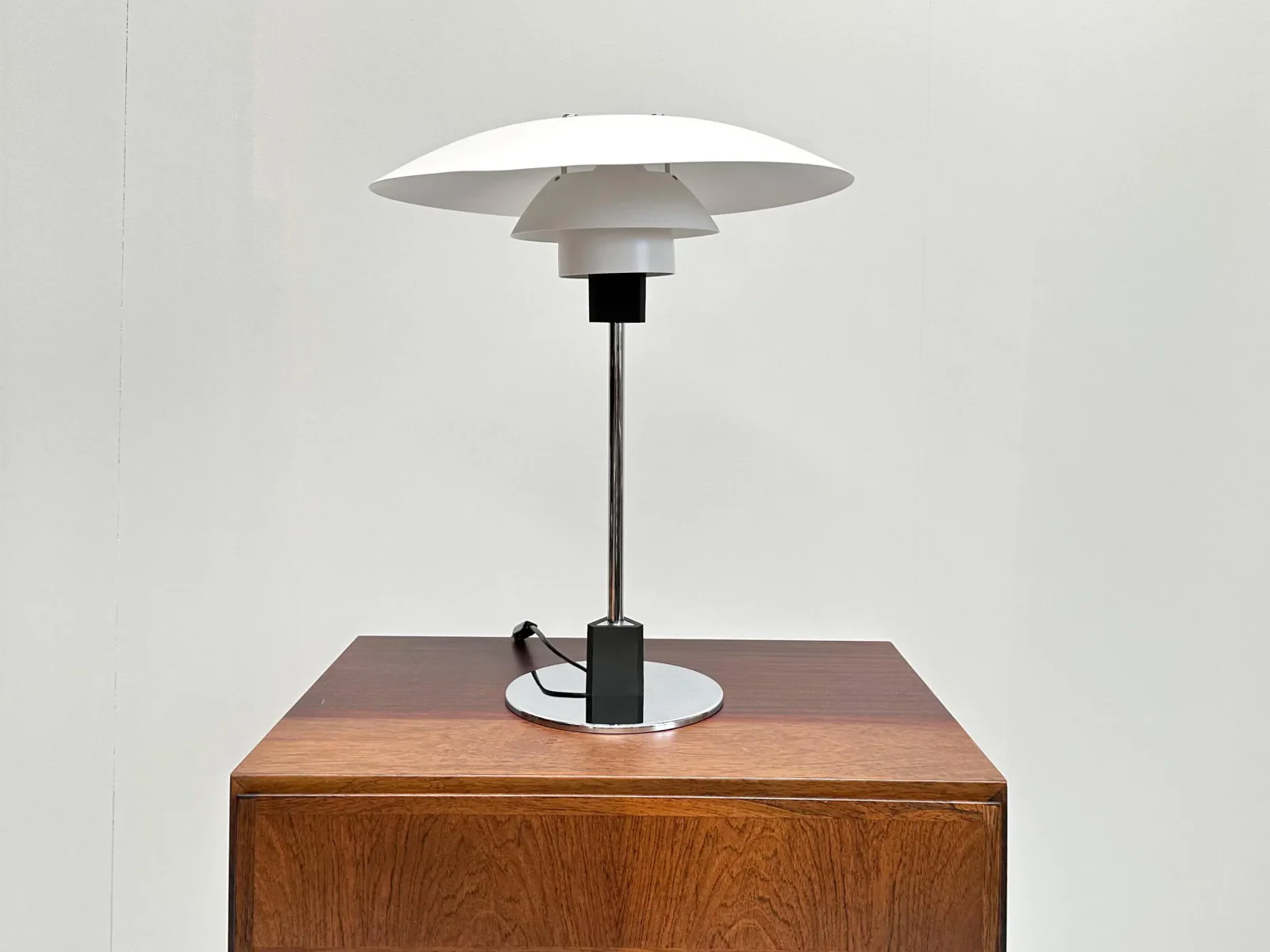
Decode Poul Henningsen’s PH 4/3: a 40-centimetre-class top shade paired with smaller 3/3 lower shades to control glare and bring light closer.
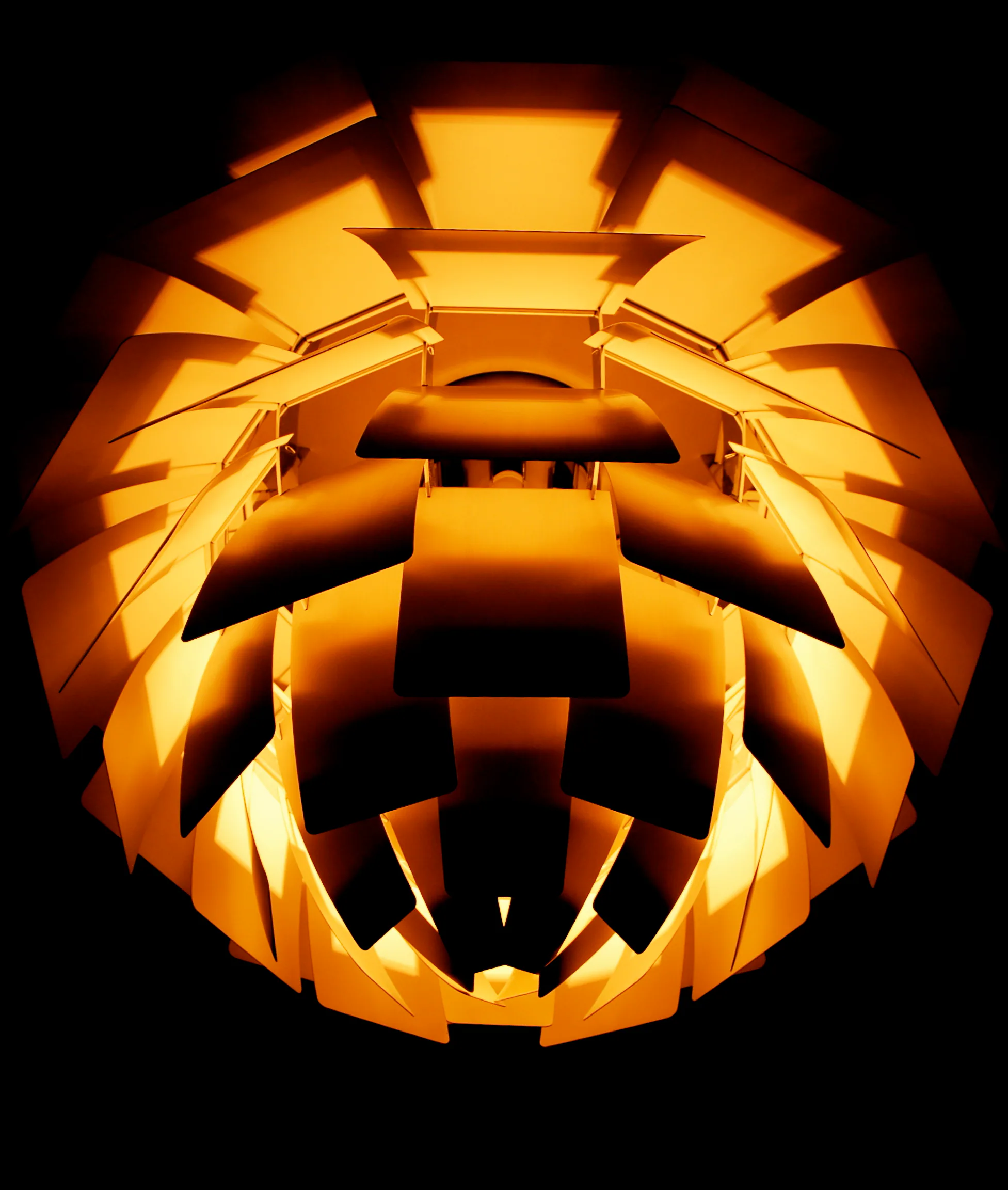
See how Poul Henningsen's PH Artichoke overlaps 72 metal leaves to hide a bright bulb from every viewing angle while making the whole lamp glow.
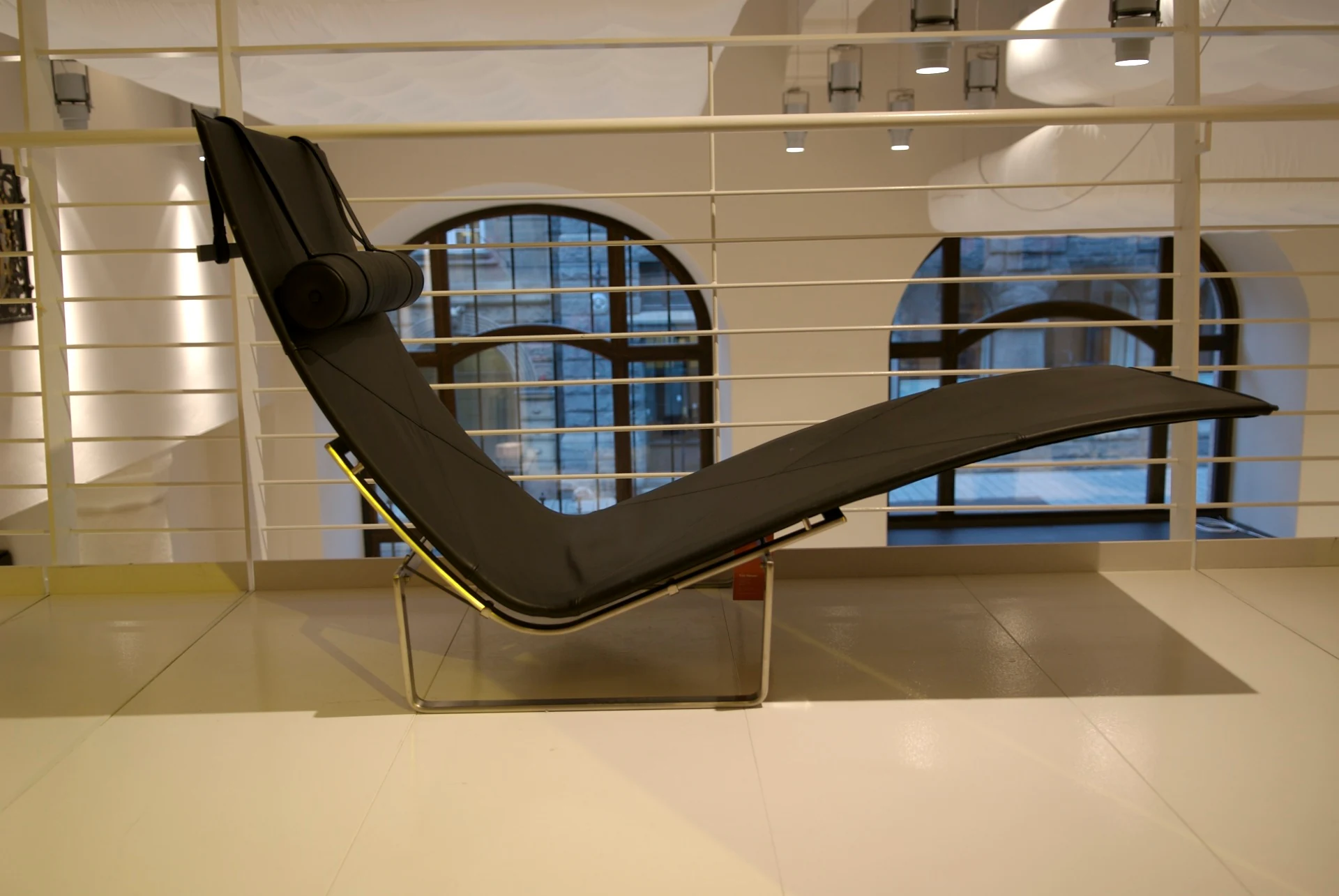
See how Poul Kjærholm's 1965 PK24 balances one long curved surface on a right-angled steel base, making gravity and friction part of the construction.
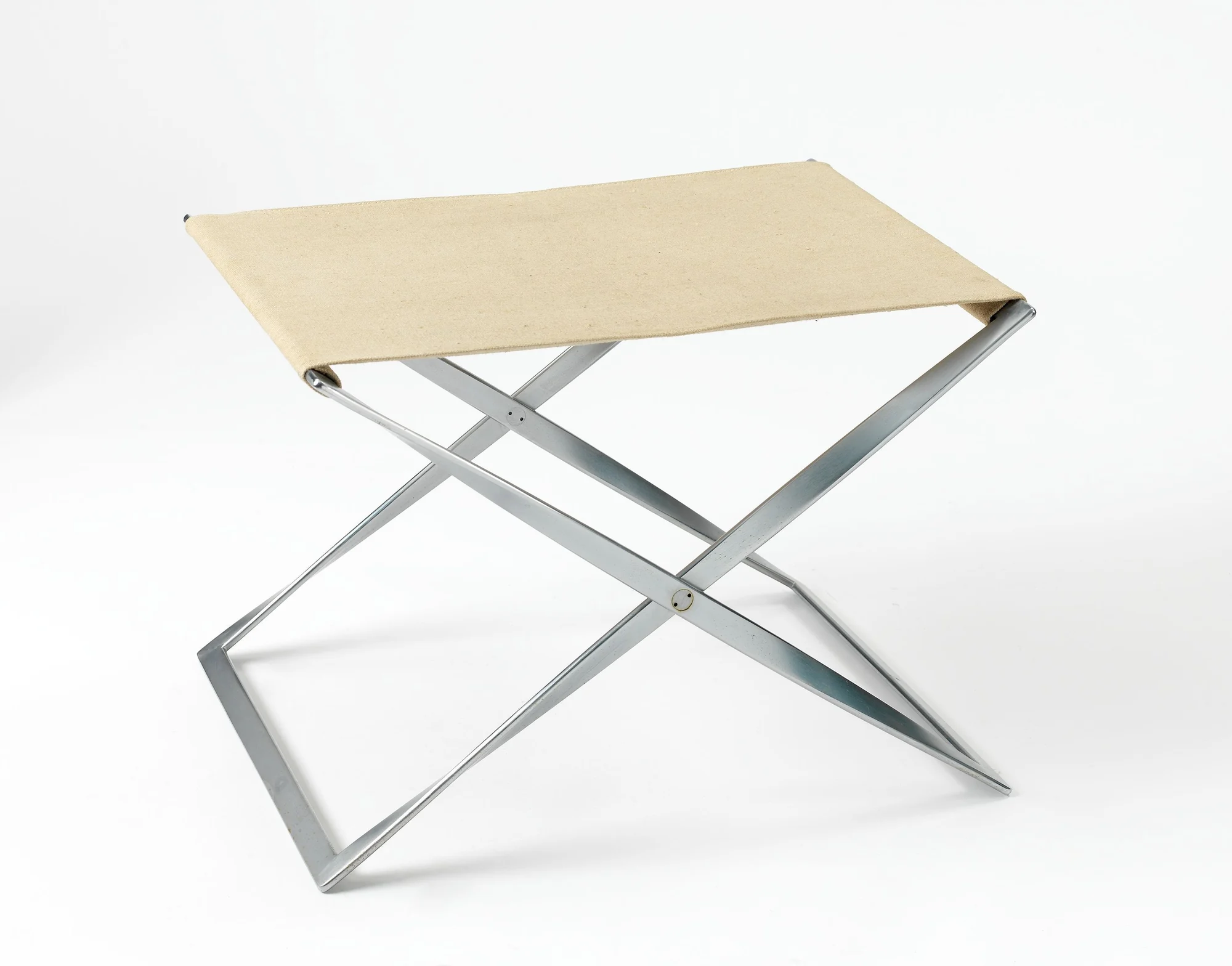
See how Poul Kjærholm's 1961 PK91 uses an ancient X-frame, crossing steel ribbons, canvas and dovetailed corners to make metal behave like cabinetmaking.
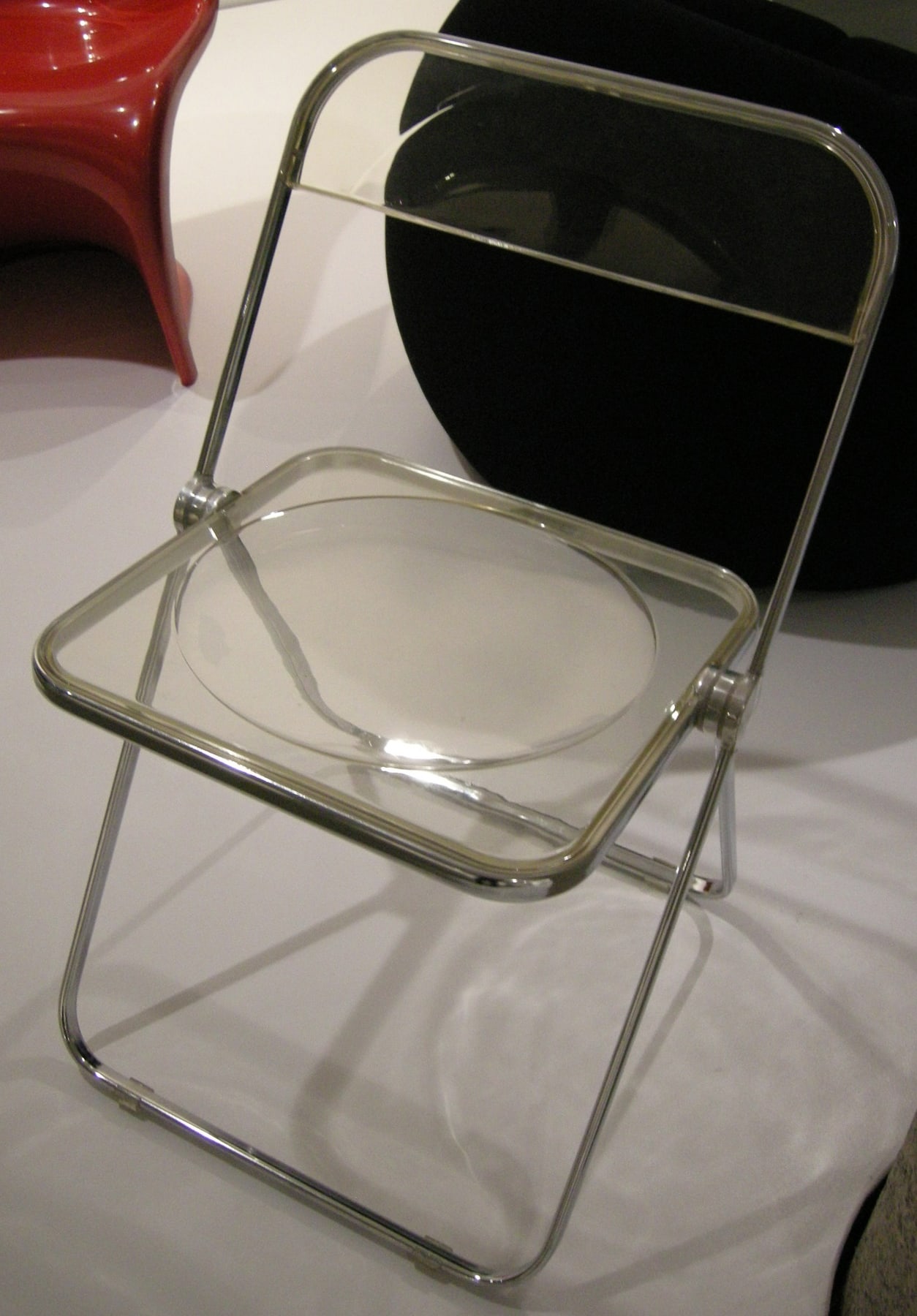
The story of Giancarlo Piretti’s Plia folding chair, its concentrated three-disc joint, the 1967 museum record and why a spare chair can deserve a place in the room.
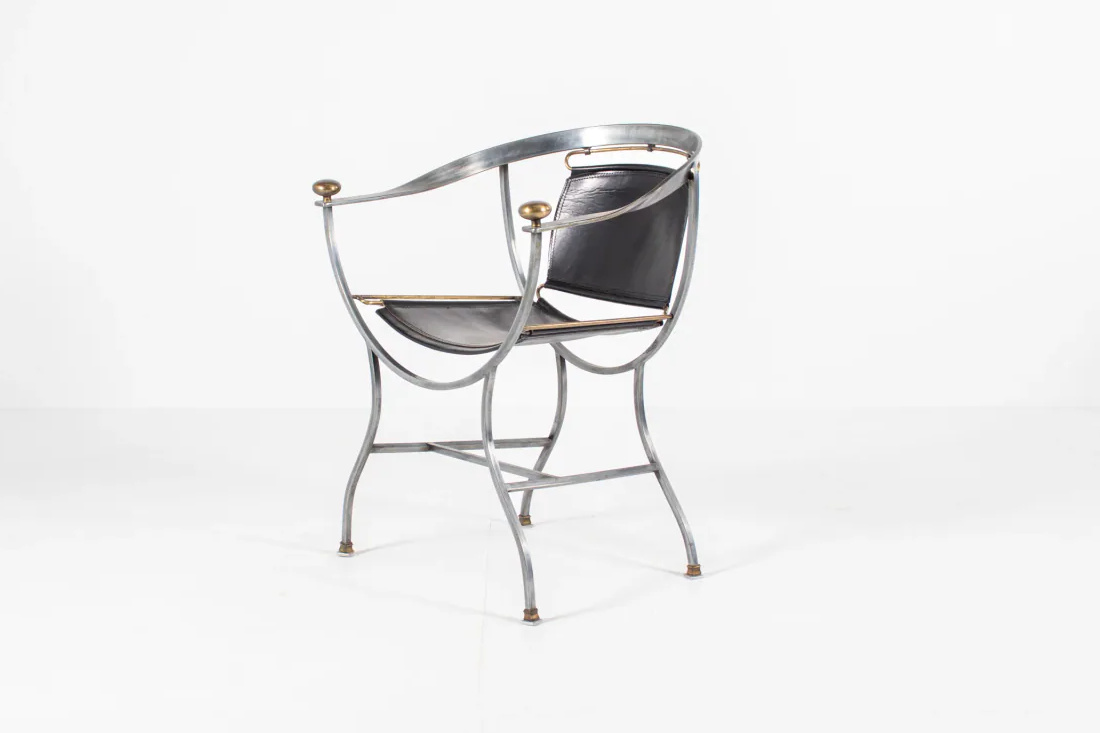
Read Alberto Orlandi's Pompei Armchair through its enclosing steel rail, leather planes, curule-like stance and brass details, then see why later catalogues date it only to circa 1980–85.
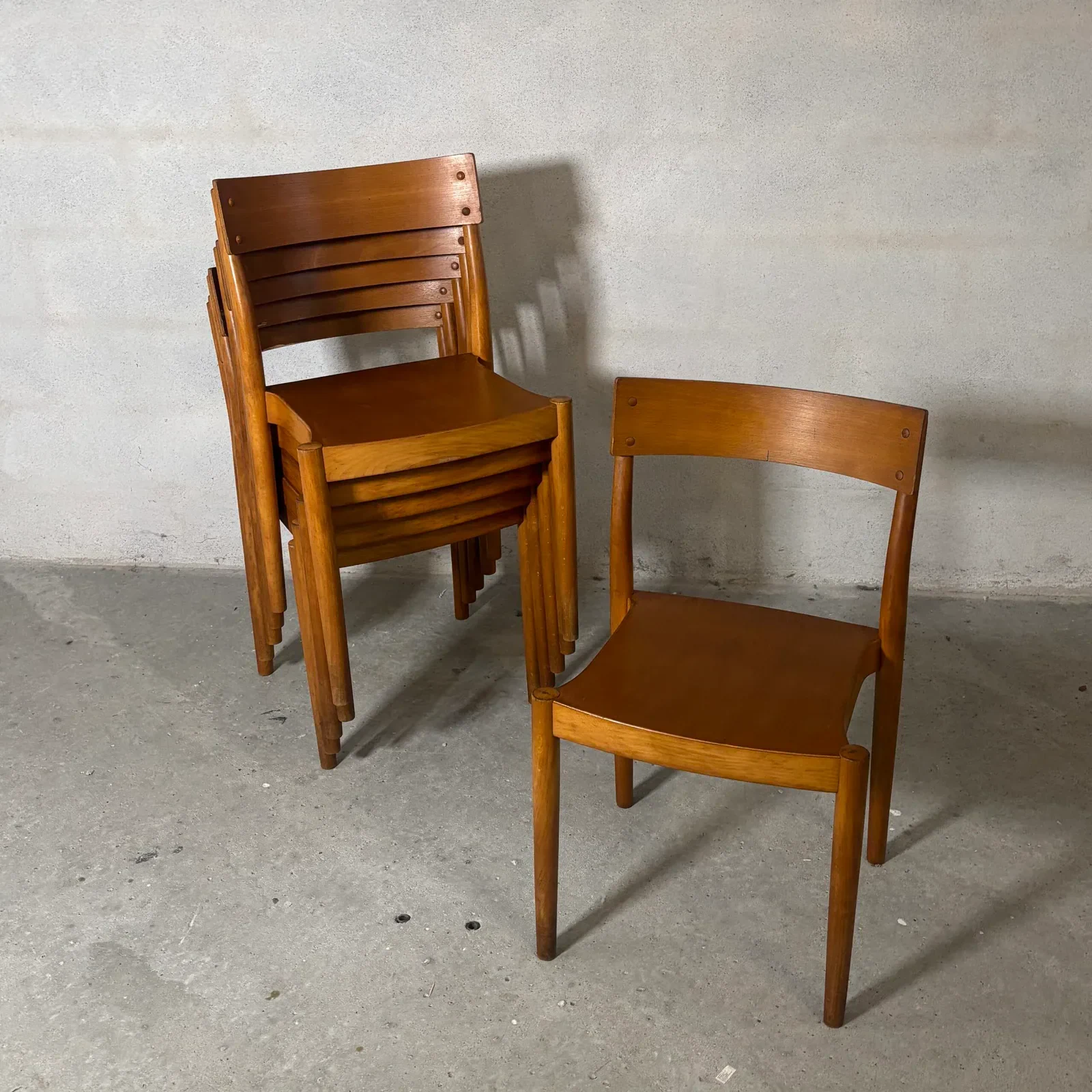
See how Peter Hvidt and Orla Mølgaard-Nielsen turned export and stacking into the quiet geometry of the 1944–45 Portex chair.
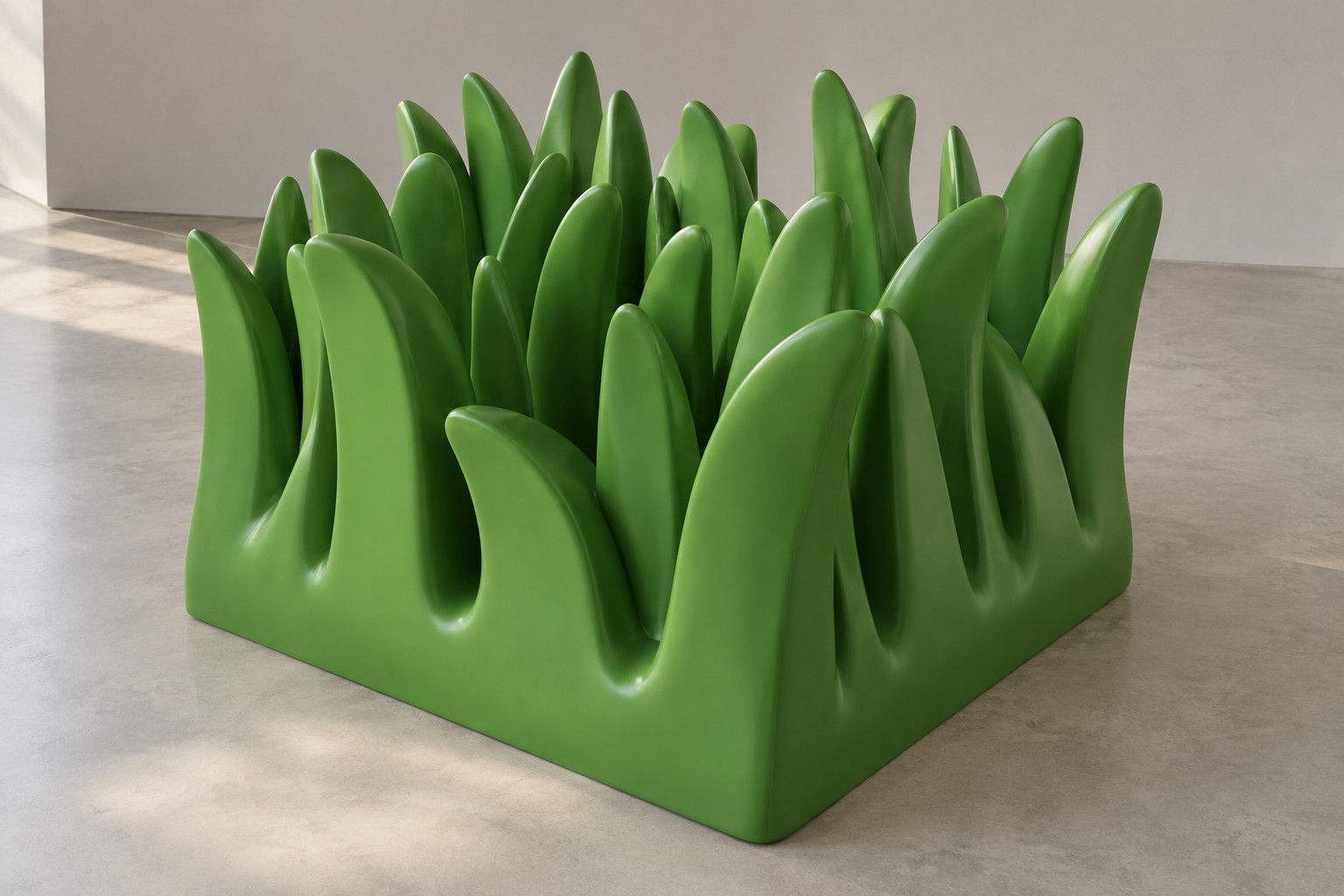
How Pratone’s oversized soft grass changes the act of sitting: the human scale, yielding polyurethane and shared space behind Ceretti, Derossi and Rosso’s design.
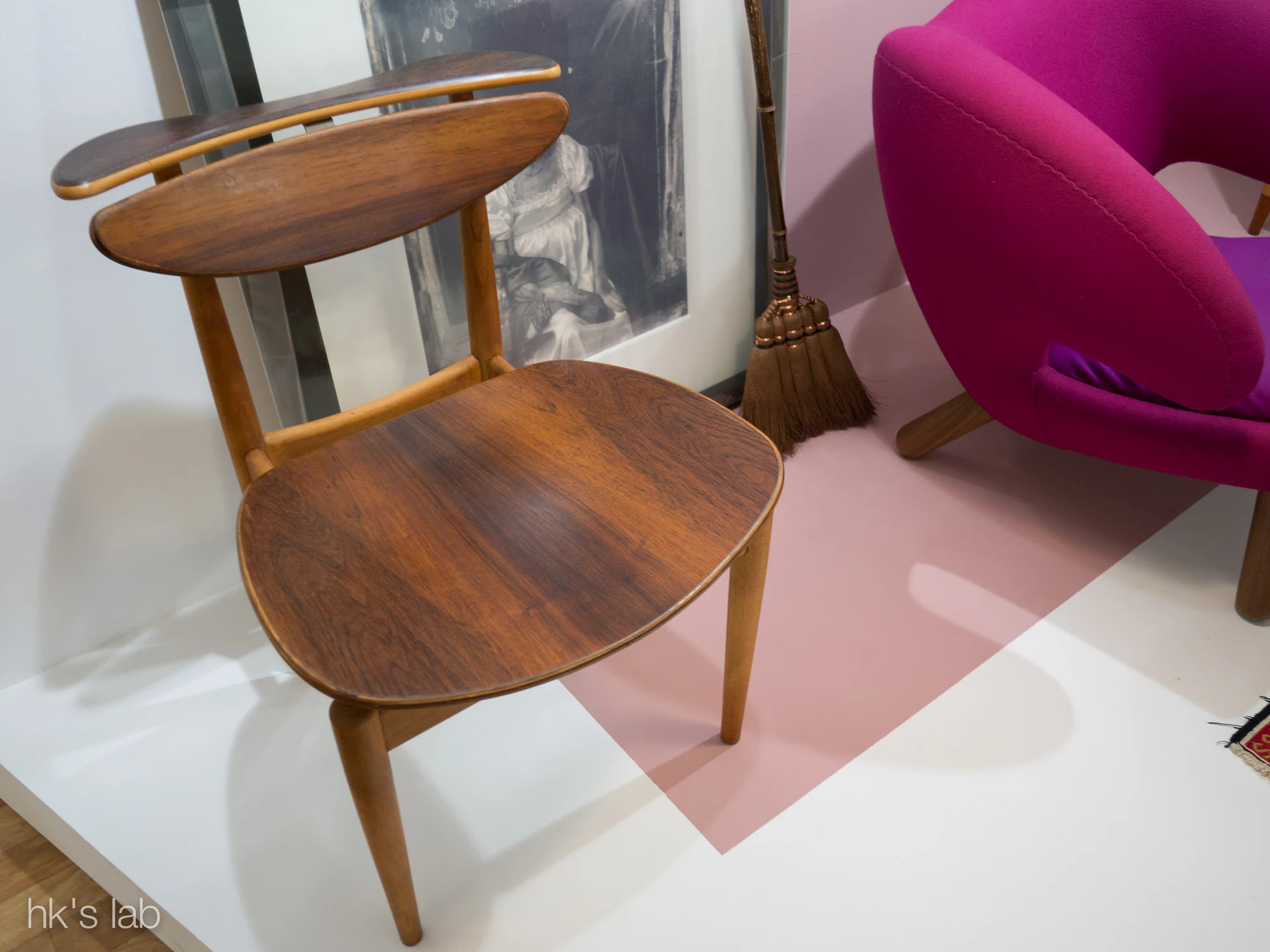
See how Finn Juhl's 1953 Reading Chair uses an open back and one horizontal rail to support two ways of sitting without adding a mechanism.
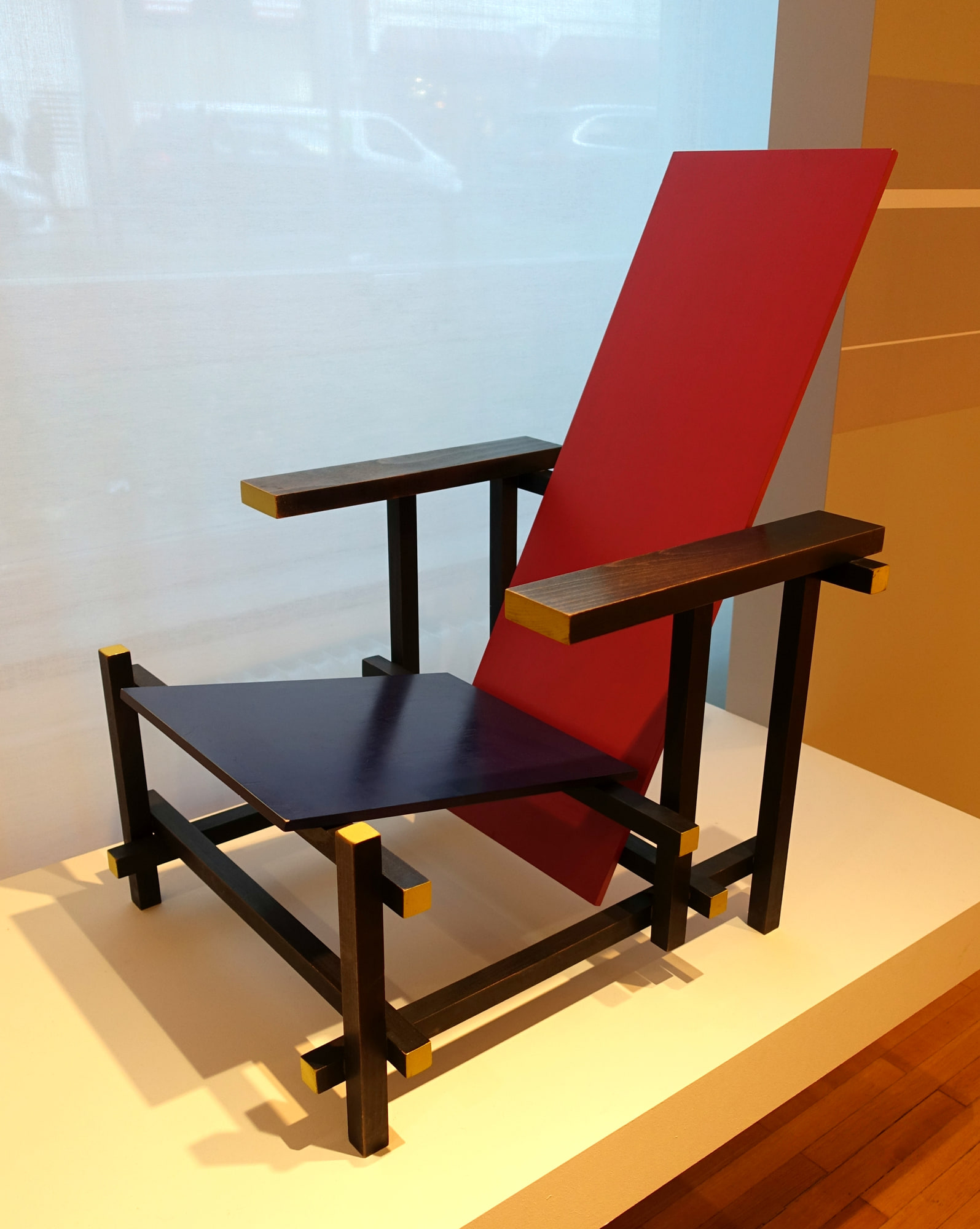
See how Gerrit Rietveld separated wooden lines, a seat and a back into one open chair—and why its famous red, blue and yellow arrived after the form.
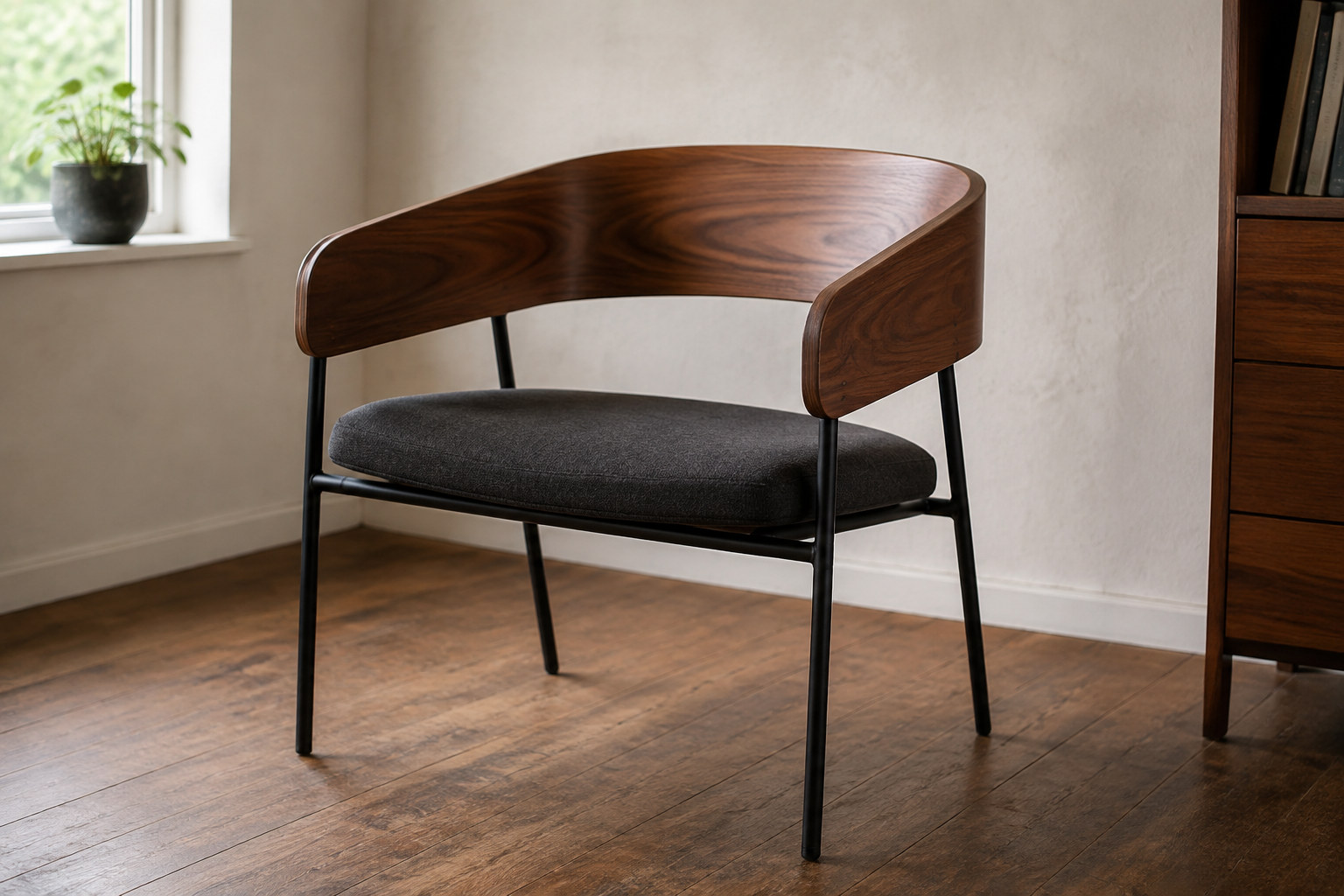
The 675 chair’s wooden back does not stop where the arms begin. One broad plywood curve travels around the sitter, giving Robin Day’s compact chair a continuous gesture above its thin steel frame.
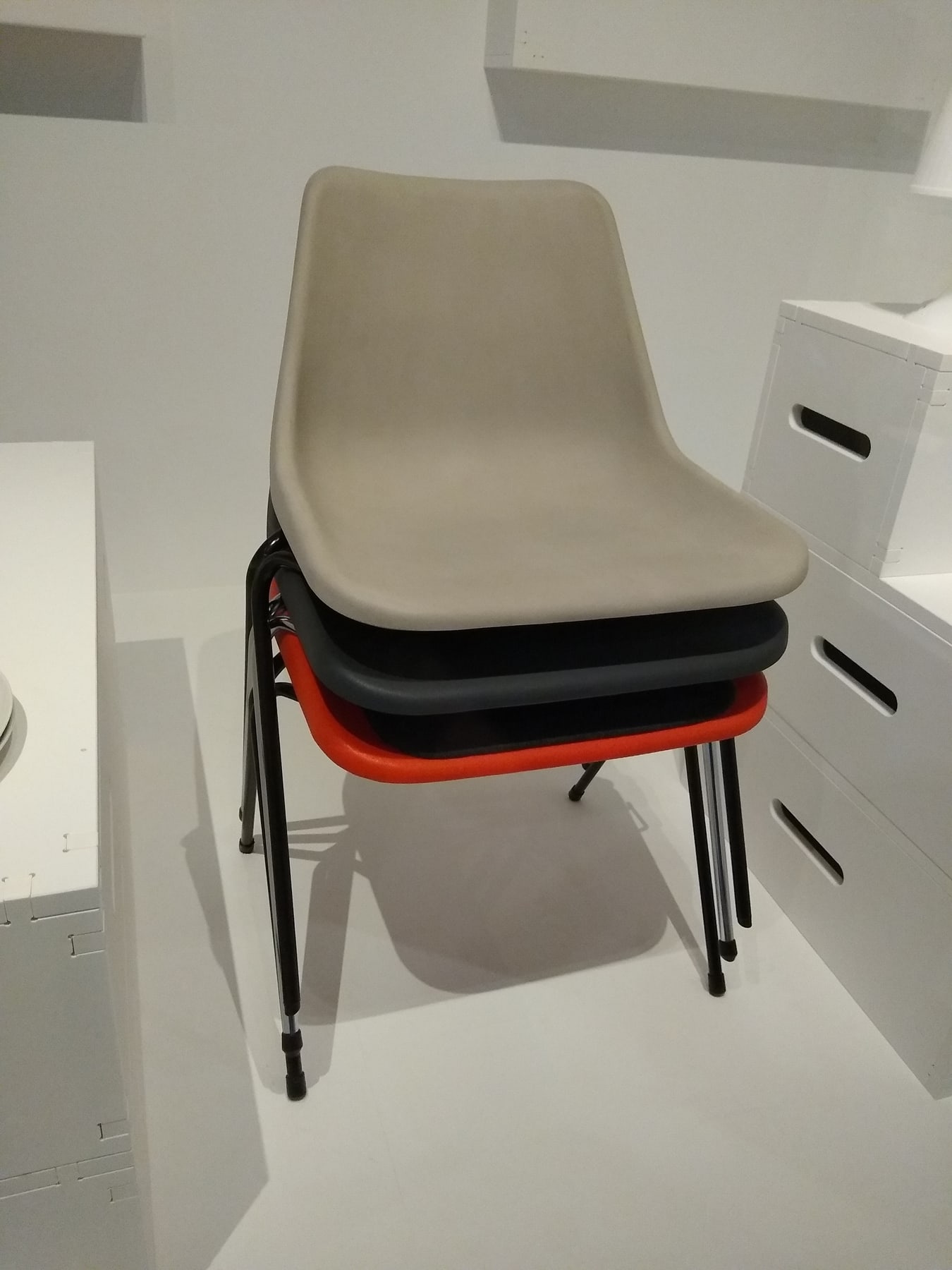
How Robin Day and Hille made a polypropylene shell work as everyday seating, from the 1963 introduction to the rolled edge, concealed fixings and later versions.
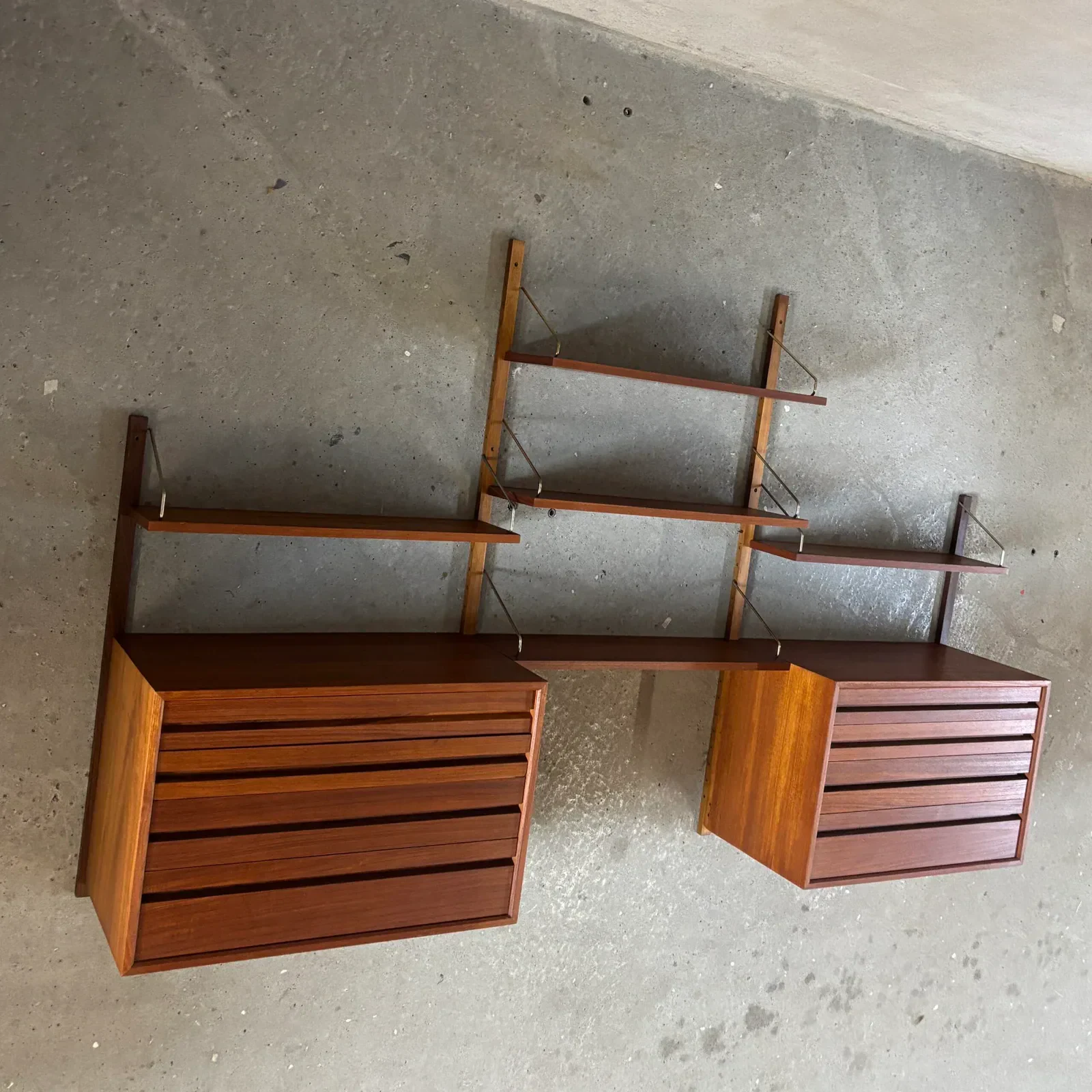
See how Poul Cadovius's 1948 Royal System moved storage off the floor and turned rails, hangers, shelves and cabinets into a revisable wall.
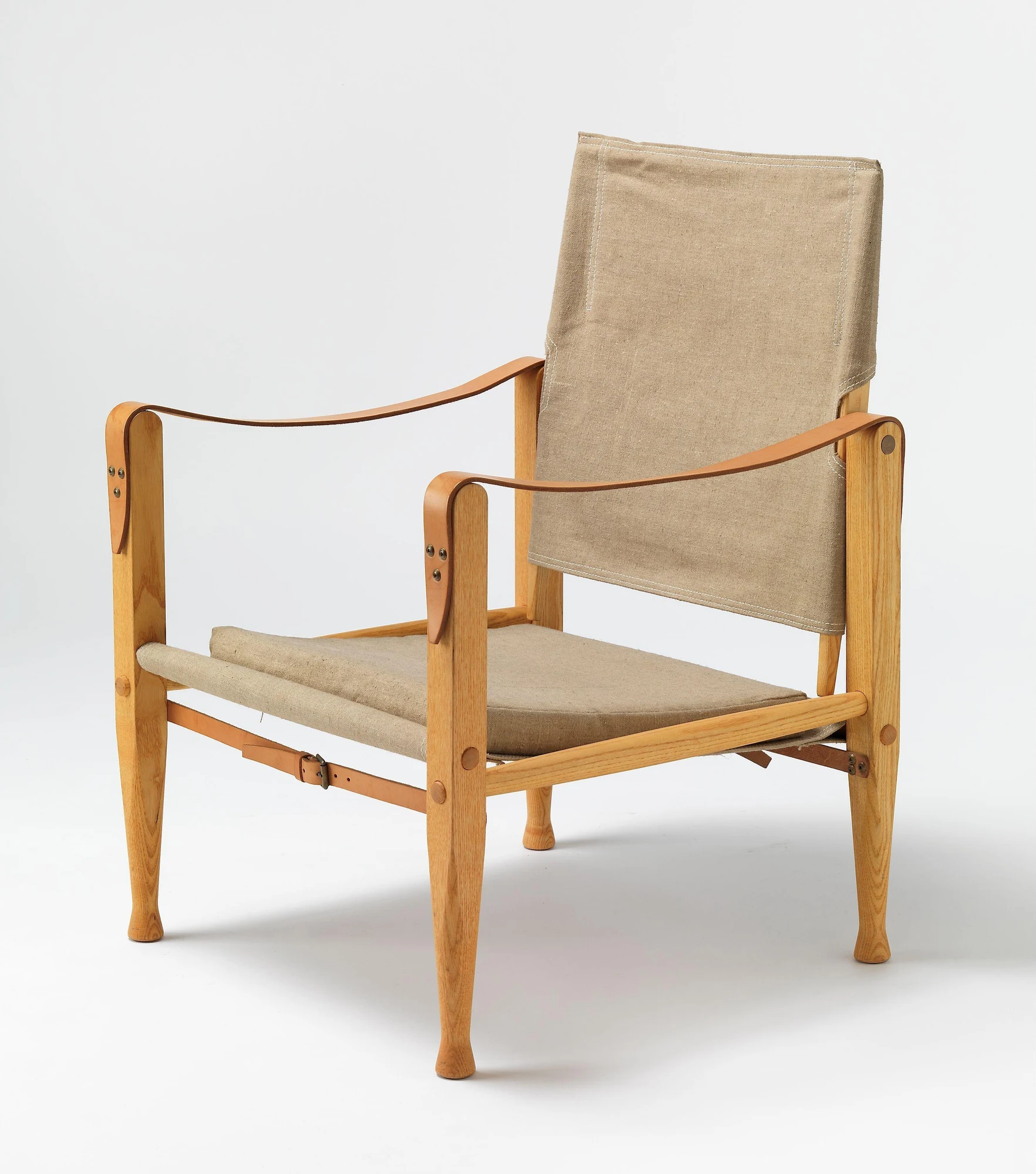
See how Kaare Klint's 1933 KK47000 Safari Chair turns knock-down joints, canvas and leather straps into a complete chair—and how to separate its design, maker and vintage-object histories.
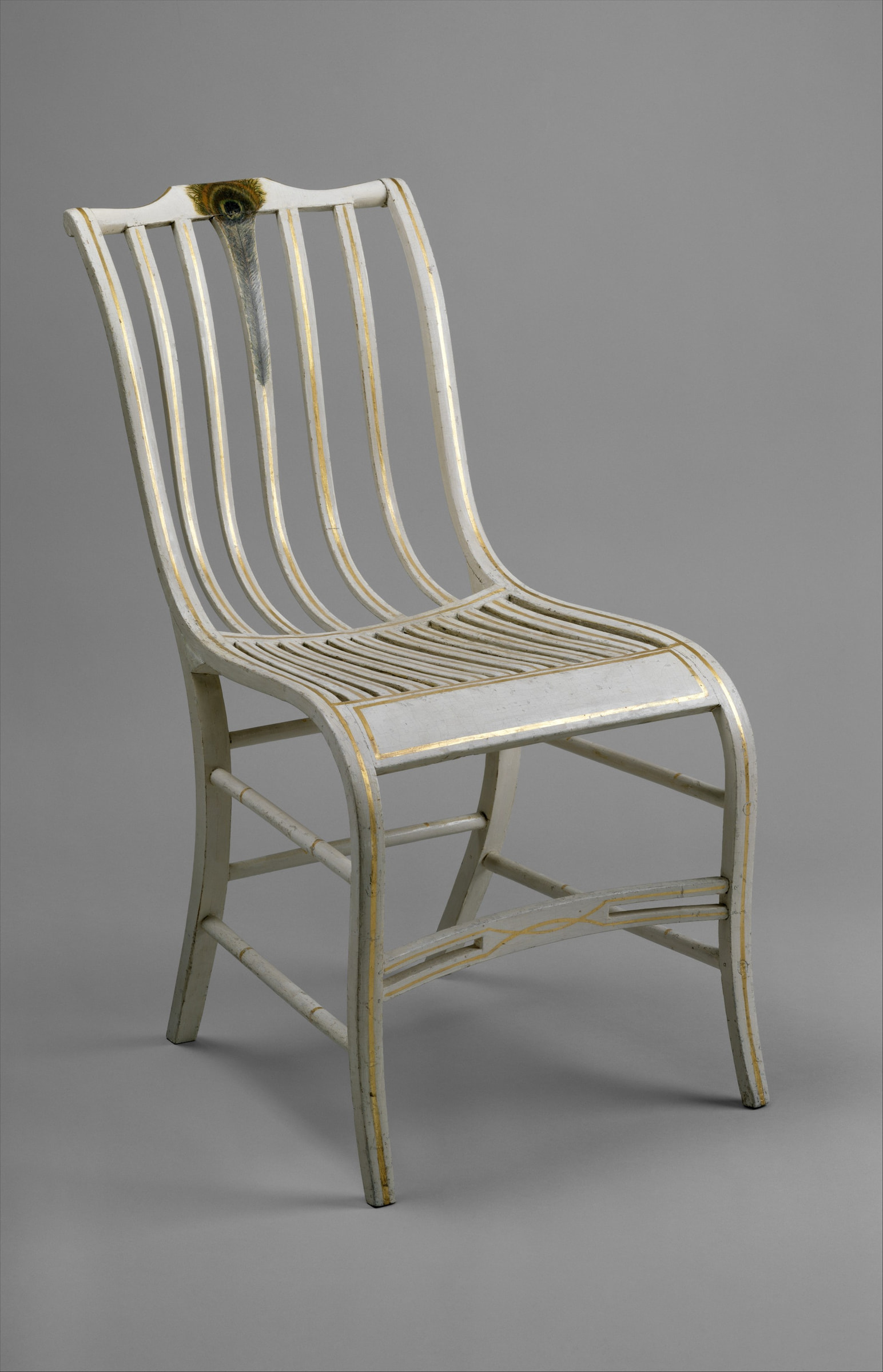
Follow the continuous bent members, fitted slats and klismos profile that make Samuel Gragg’s Side Chair 1980.496 an astonishing experiment from about 1810.
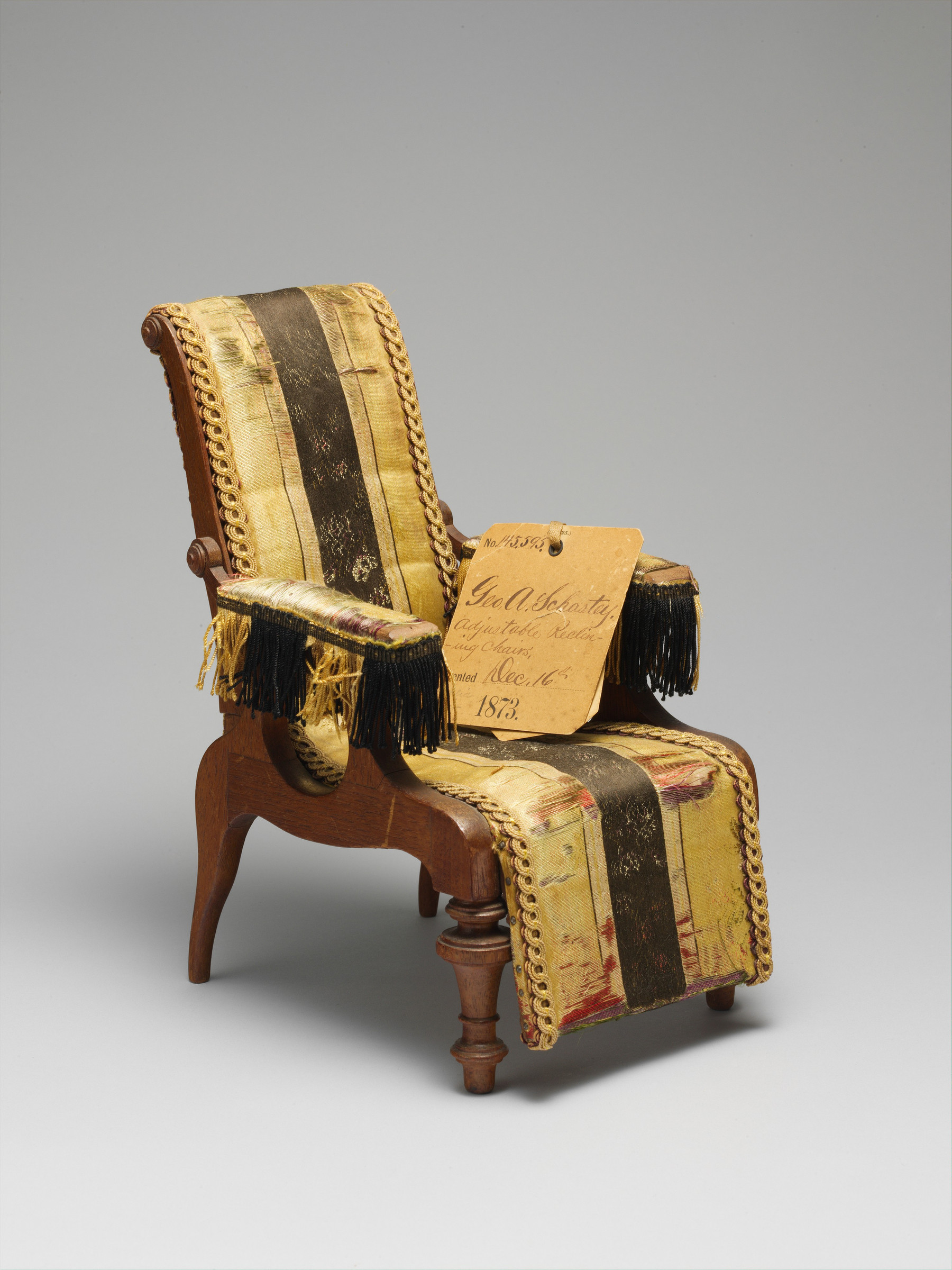
See how George A. Schastey's ten-inch upholstered chair turned an adjustable reclining mechanism into a physical argument for US Patent 145,595.
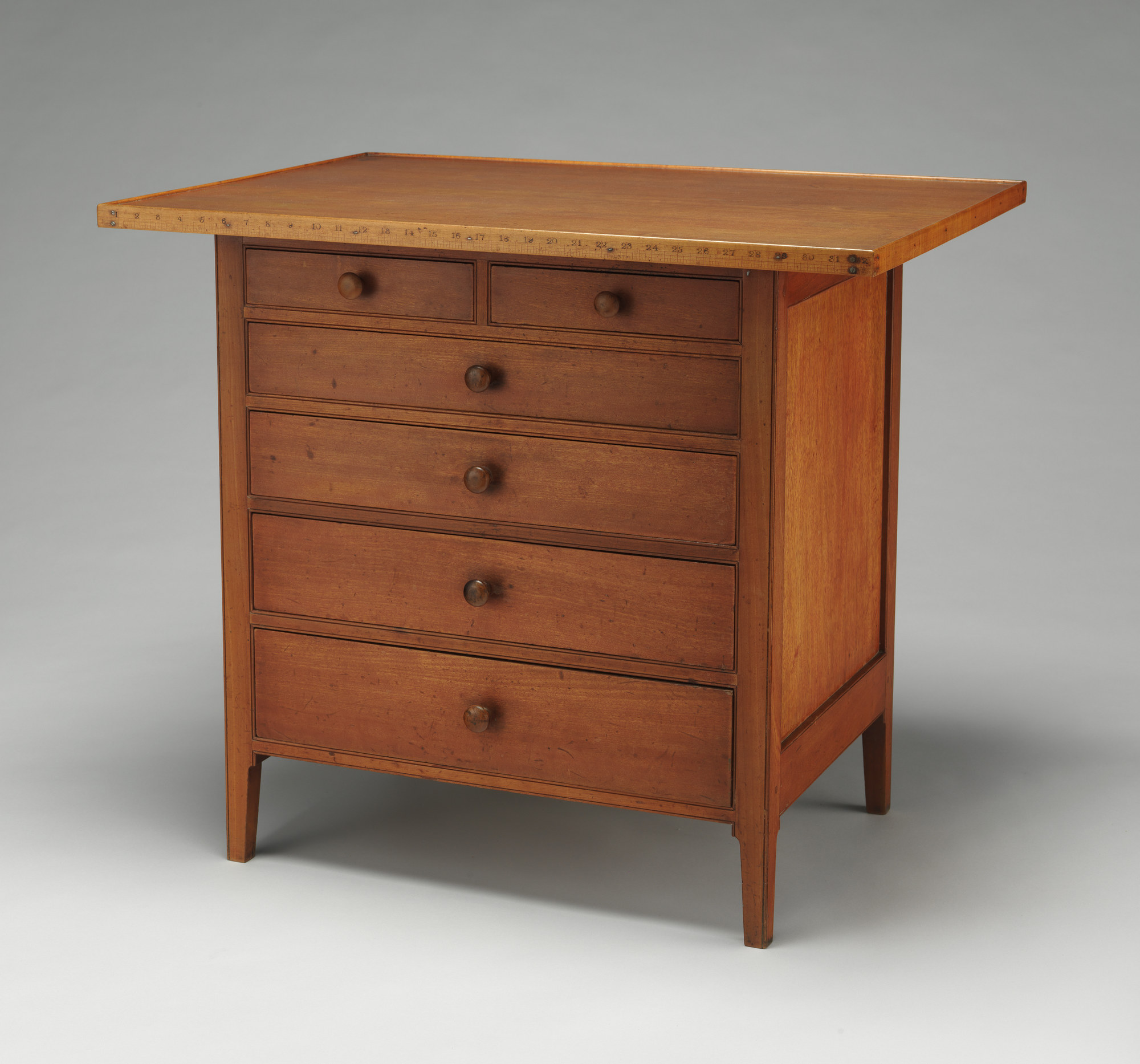
Read one exact 1843 Shaker sewing table from its lipped worktop to its varied drawers and six recorded woods—and see how usefulness creates visual order.
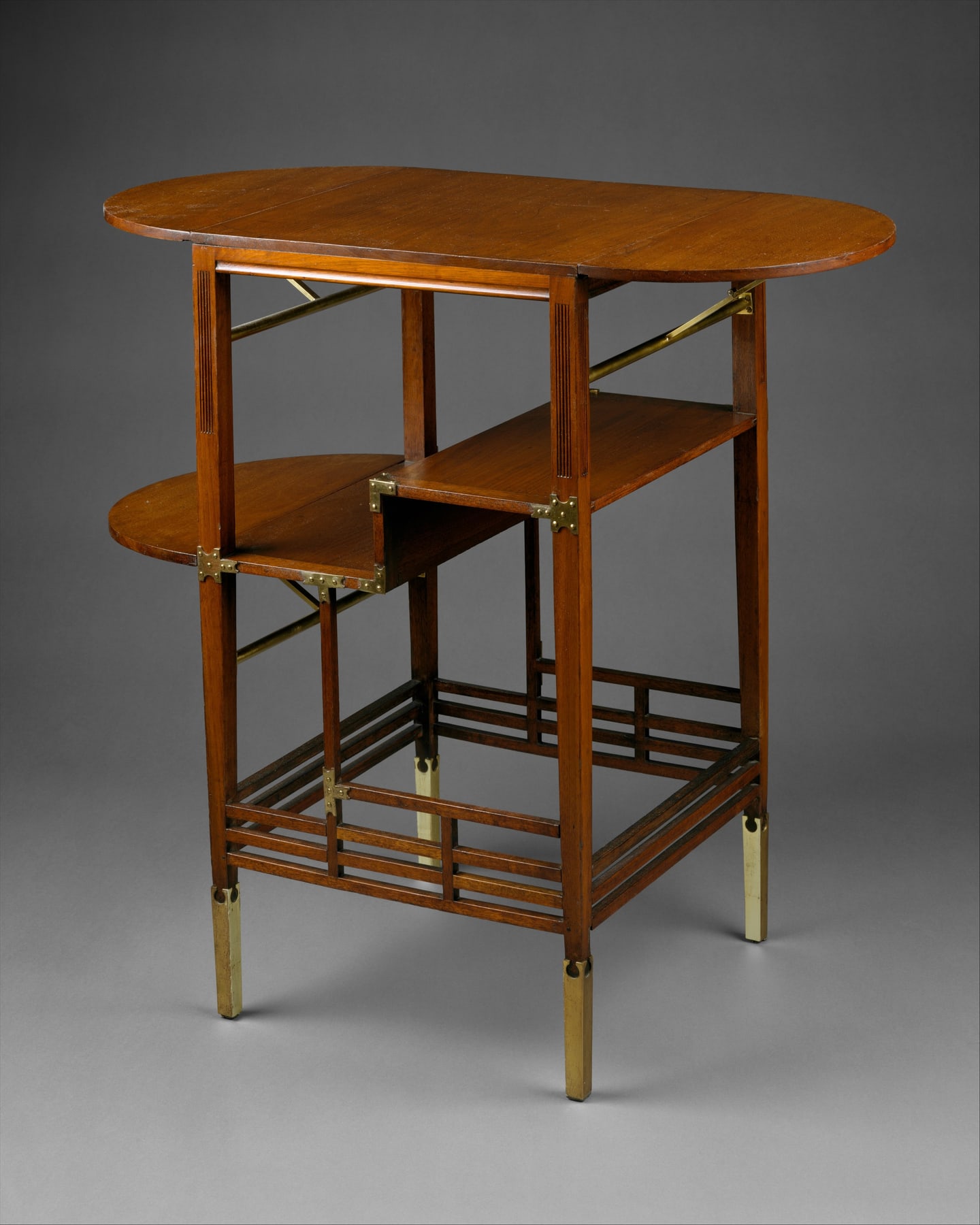
Edward William Godwin’s walnut side table turns narrow rails, offset shelves and brass braces into an open composition. Explore an Aesthetic Movement design.
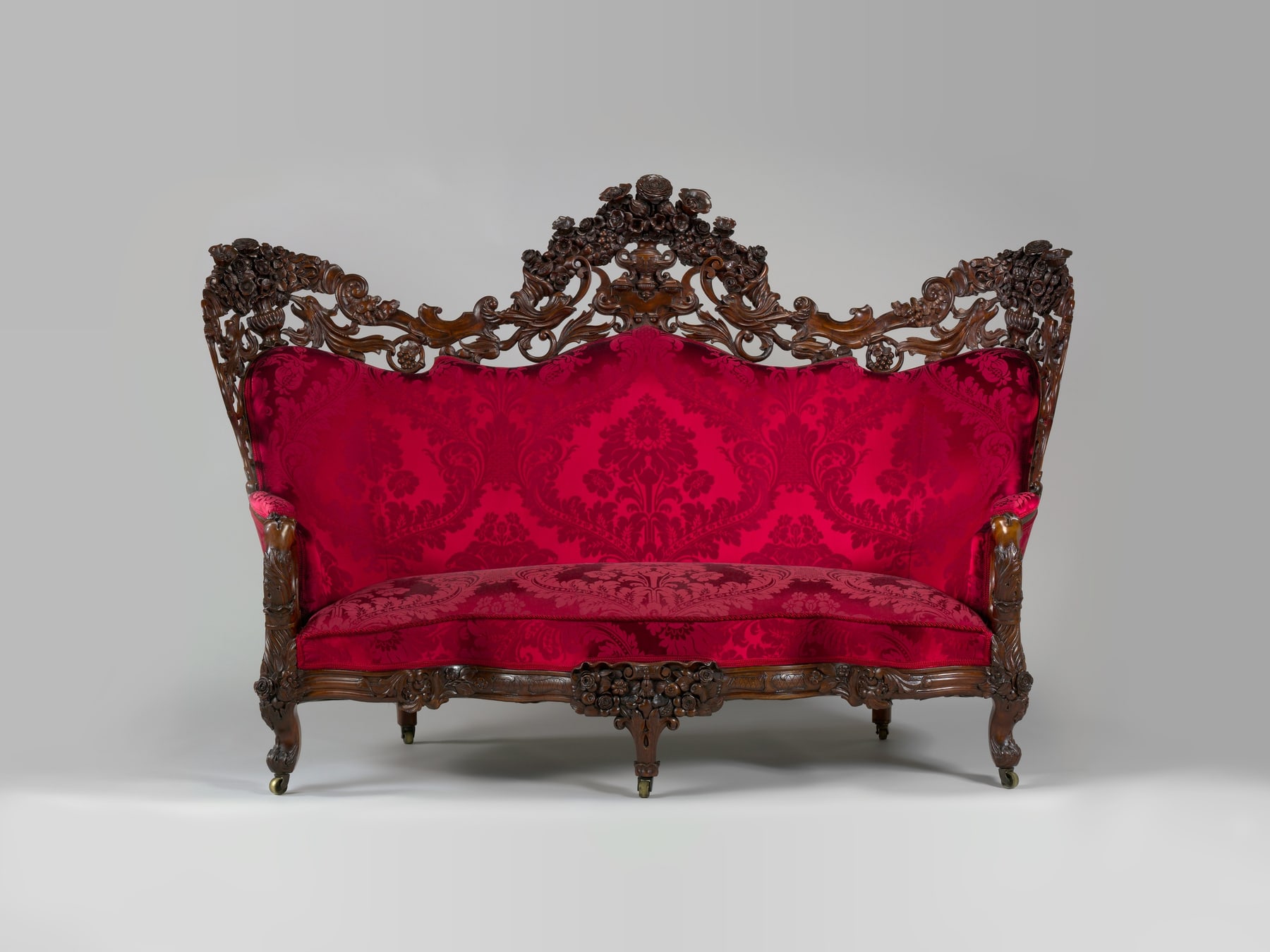
A rosewood sofa associated with John Henry Belter joins elaborate carving to laminated construction. Read its silhouette alongside his 1858 furniture patent.
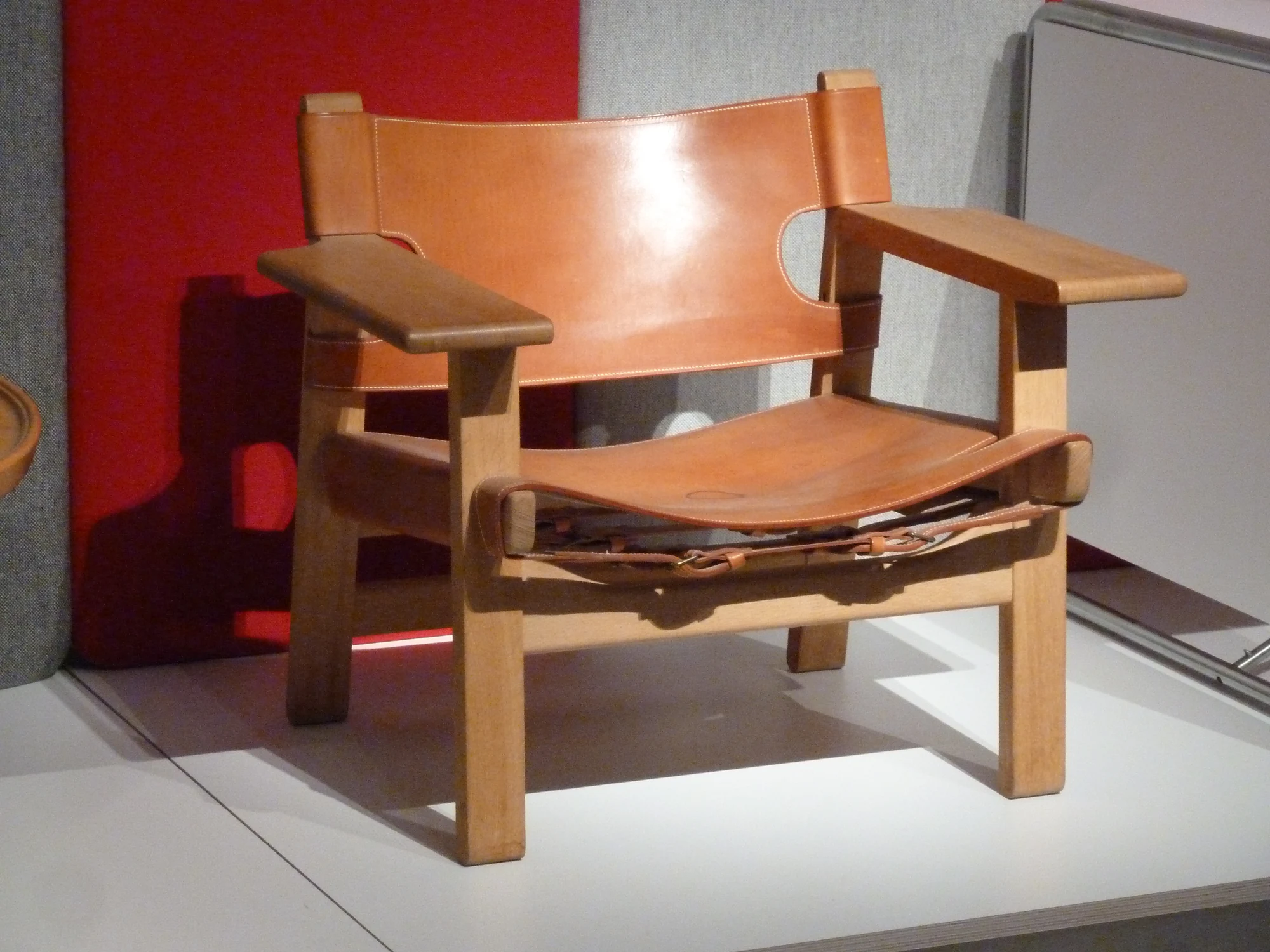
See how Børge Mogensen's 1958 Spanish Chair turns broad oak arms, saddle-leather planes and exposed buckles into one readable structure.
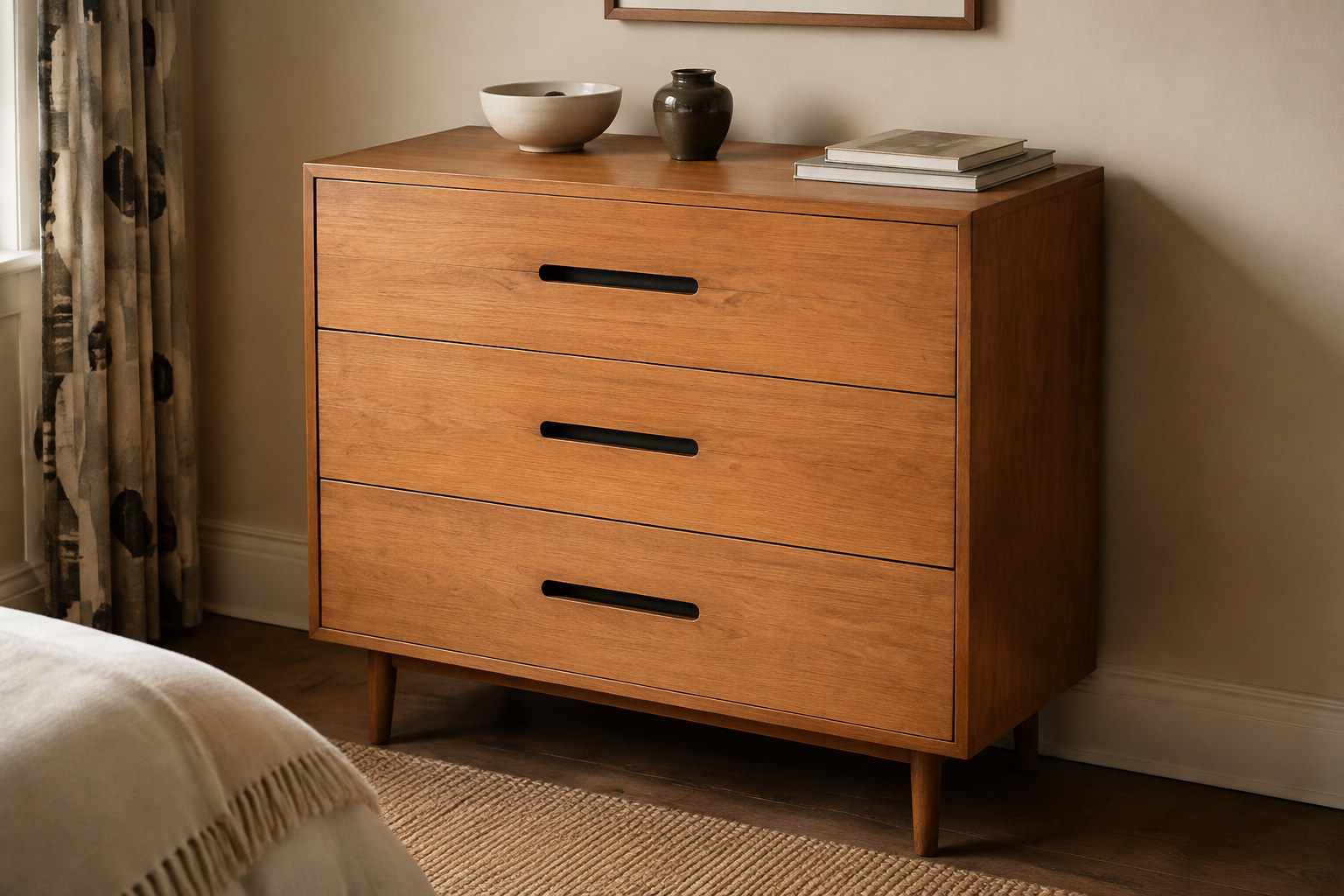
A Stag C Range chest asks you to notice something that is missing: the usual row of knobs. Its recessed handgrips leave the drawers almost uninterrupted, giving a modest bedroom chest a surprisingly composed face.
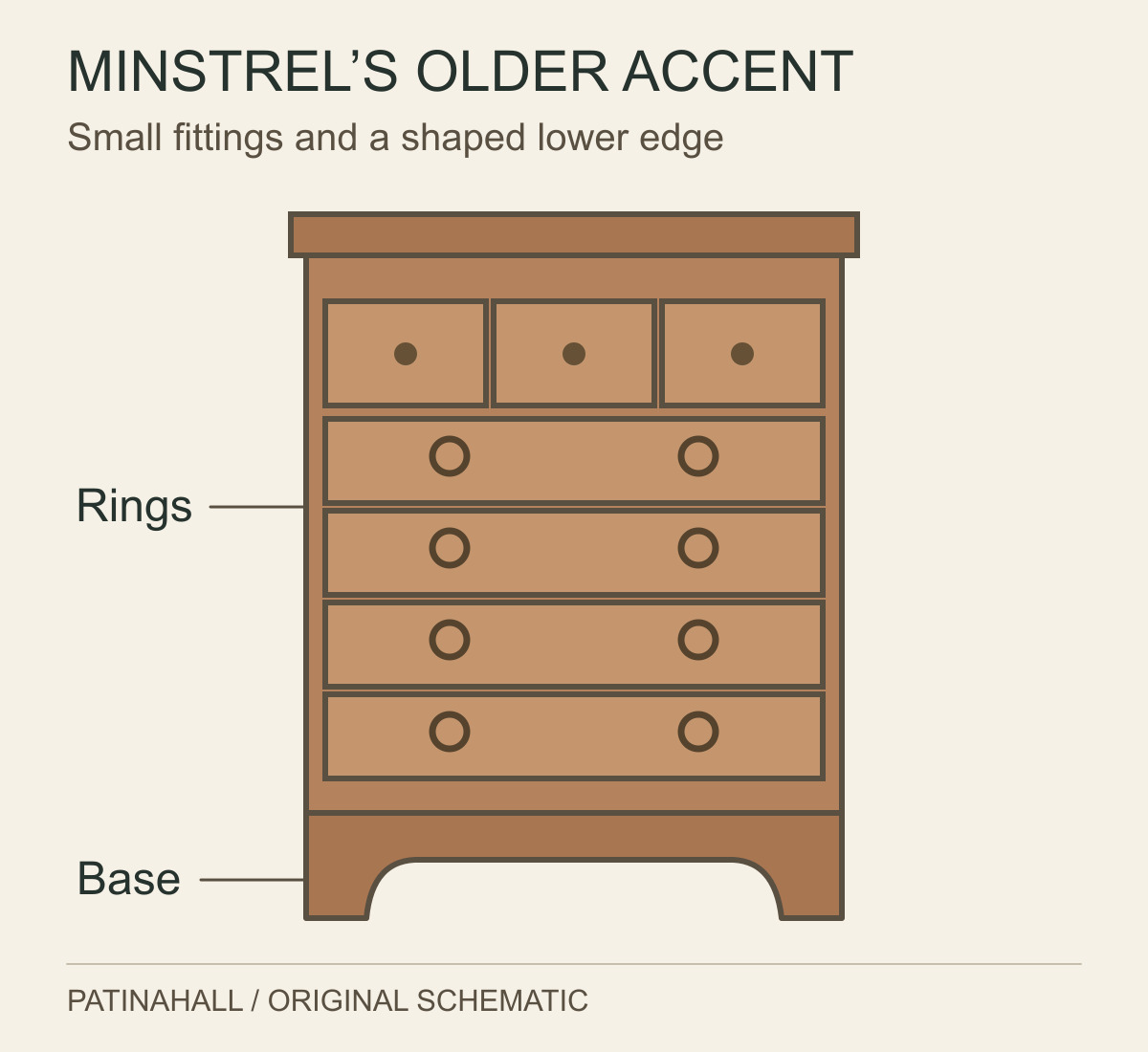
The story behind Stag Minstrel chests: why ring handles, a shaped base and coordinated bedroom storage gave modern furniture a traditional accent.
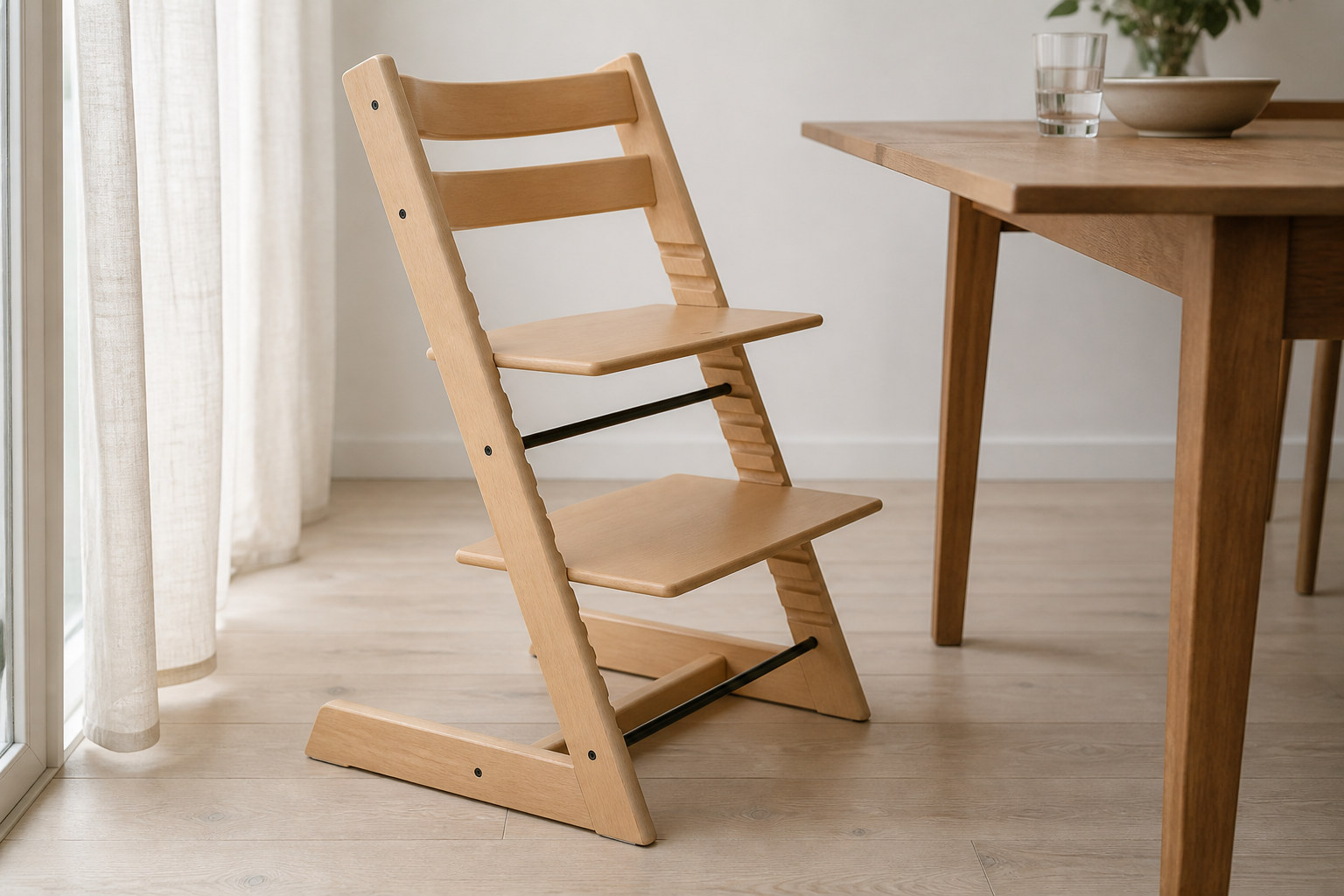
Tripp Trapp looks unusual because it begins with the table rather than the chair. Peter Opsvik wanted a growing child to join the same surface as everyone else, with a seat and a little floor that could move to suit them.