Historic object
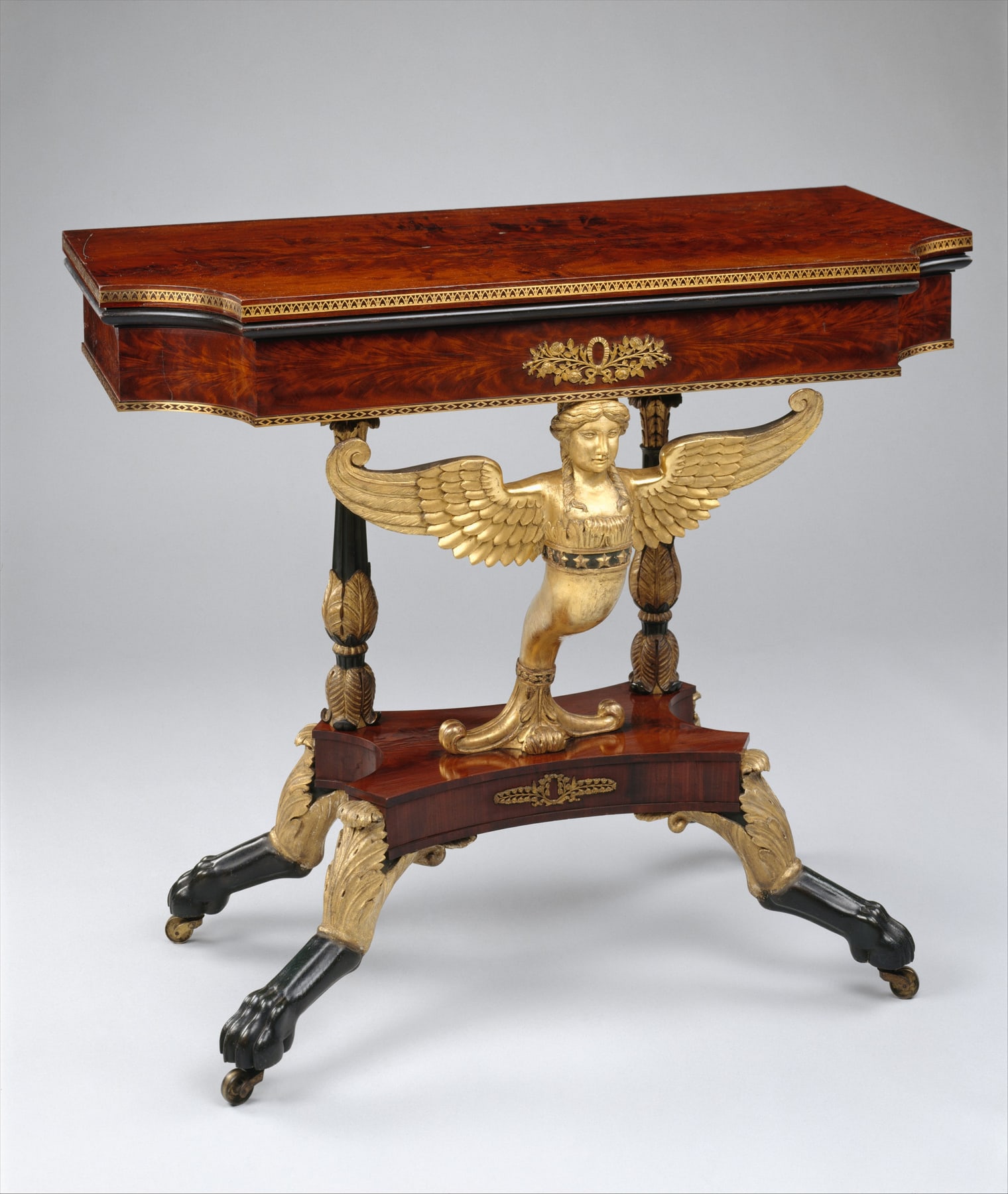
Card table 1995.377.1
Conservation revealed a dated inscription beneath Charles-Honoré Lannuier’s card table. Follow the rotating top, hidden signature and sculptural support.
Objects · people · ideas
Furniture models and individual historic pieces.
Conservation revealed a dated inscription beneath Charles-Honoré Lannuier’s card table. Follow the rotating top, hidden signature and sculptural support.
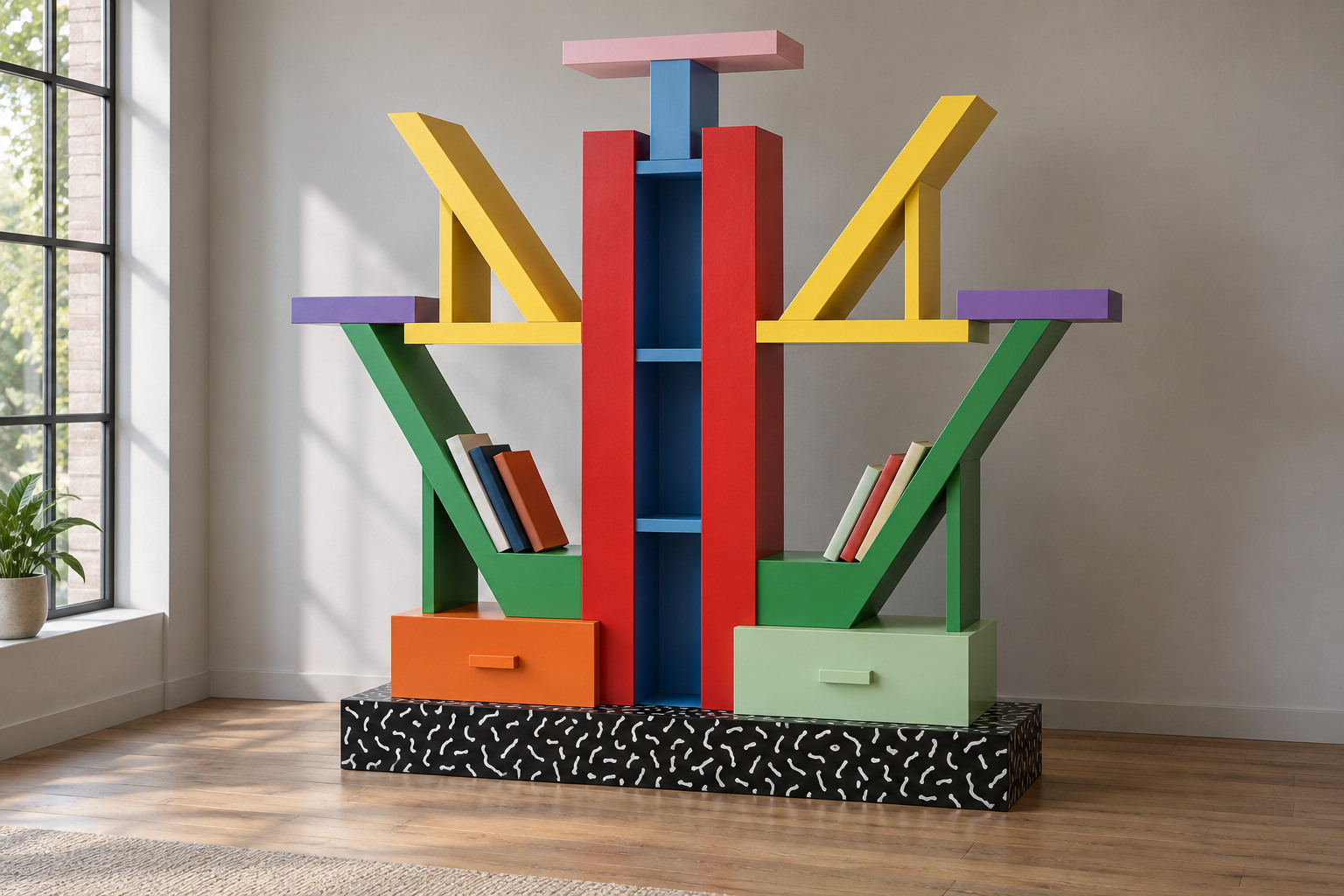
Discover why Carlton’s coloured diagonals, near-human scale and decorative laminate make a bookcase behave differently in a room.
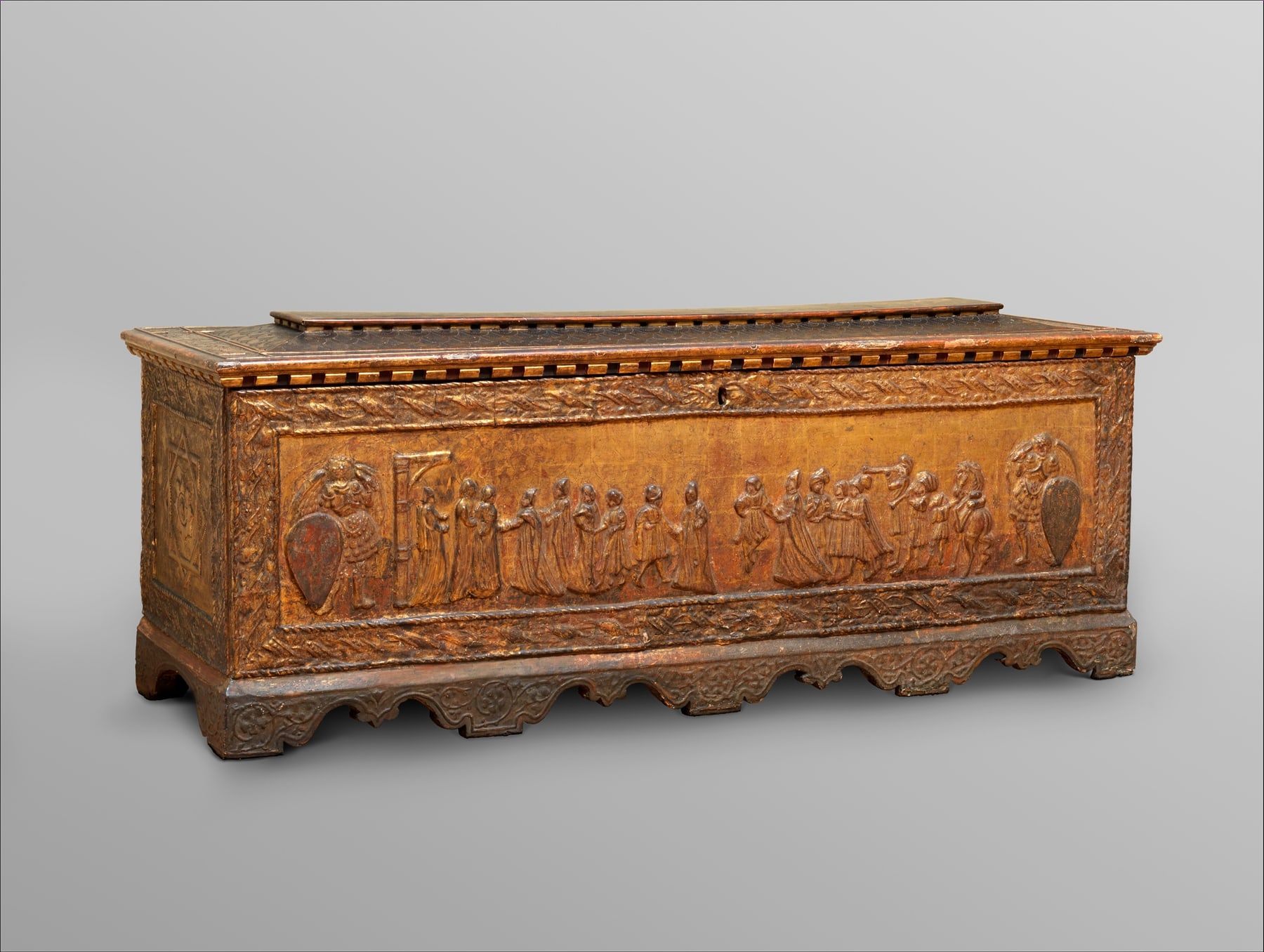
A gilded Florentine marriage chest carries a procession across its front. Explore wedding imagery, household storage and the later lid of this cassone.
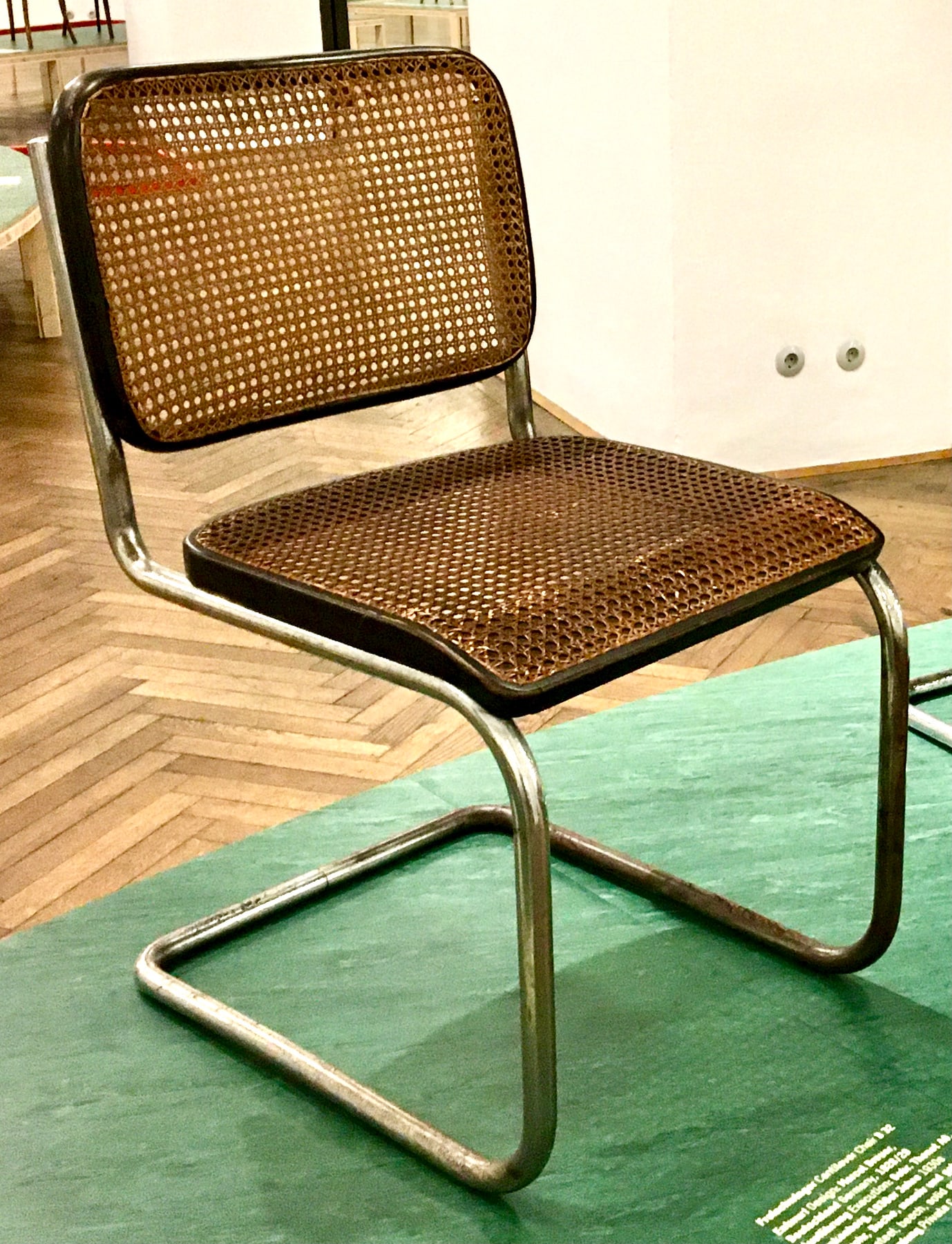
Why Marcel Breuer's Cesca chair combines a springing tubular-steel frame with wood and cane, and how its 1928 design relates to later production.
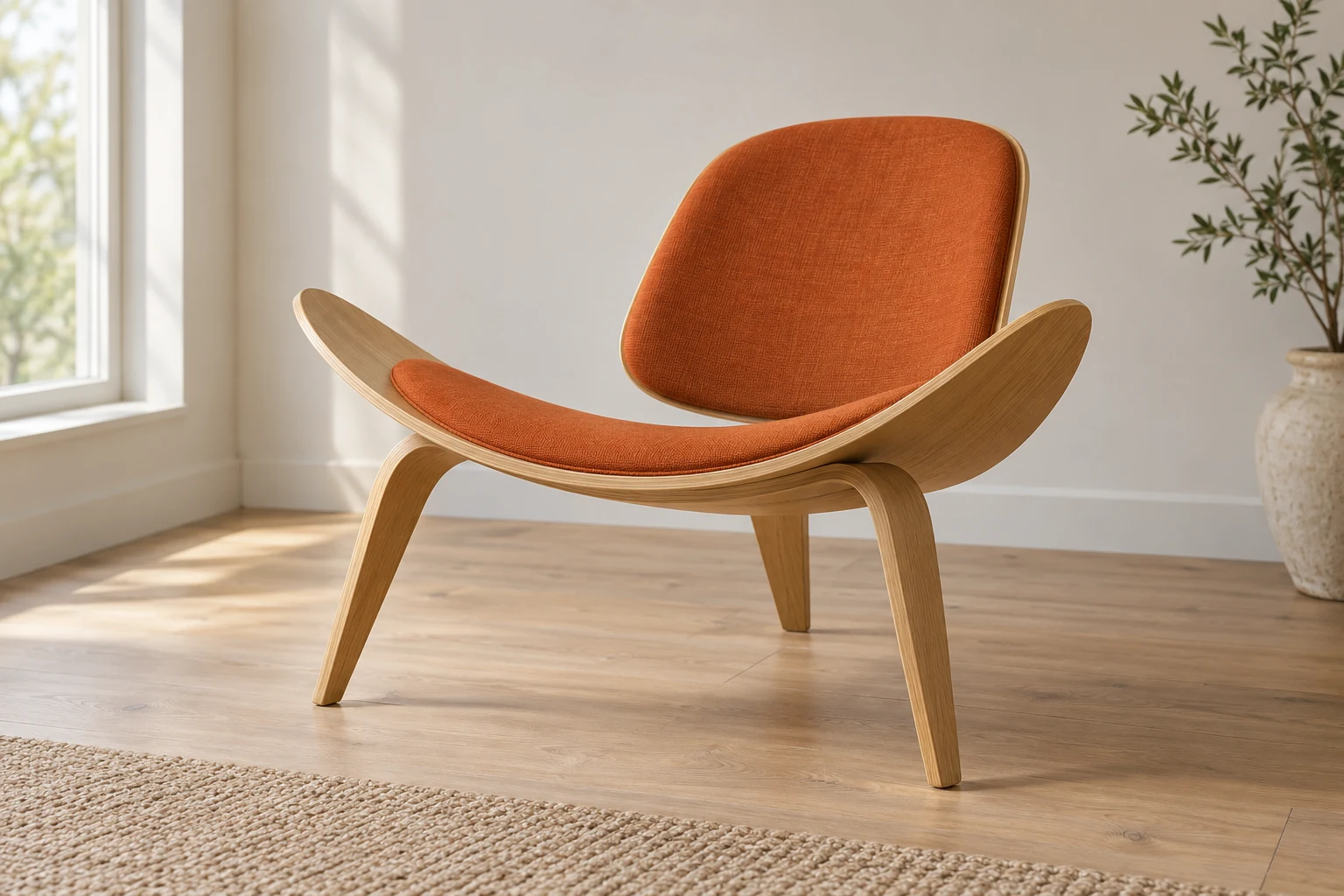
See how Hans J. Wegner's 1963 CH07 Shell Chair uses two curved wooden shells, deliberate gaps and three legs to make support appear almost weightless.
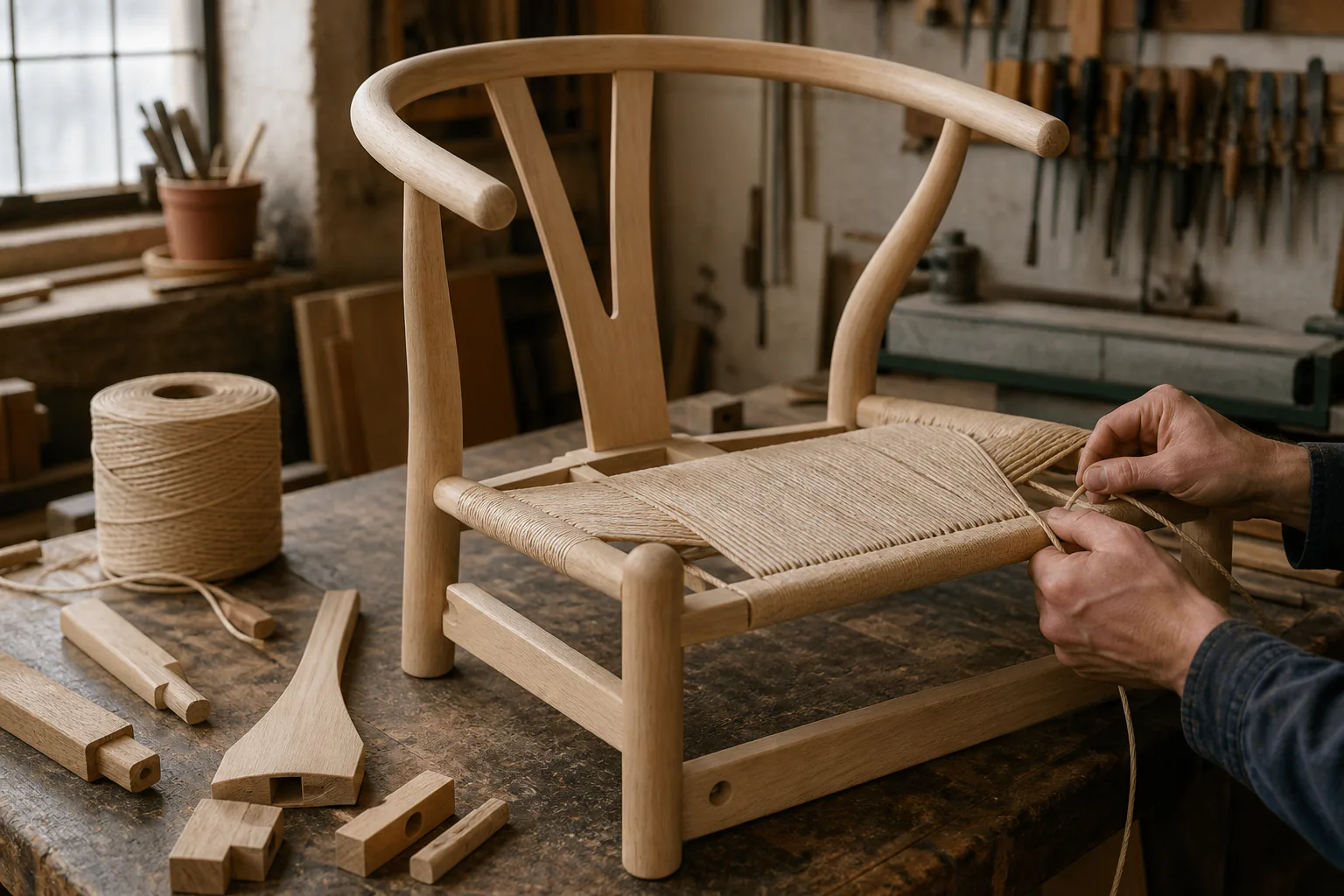
Read the CH24 Wishbone Chair through its dates, curved frame, Y-shaped support, joinery and paper-cord seat—then separate model history from vintage-object evidence.
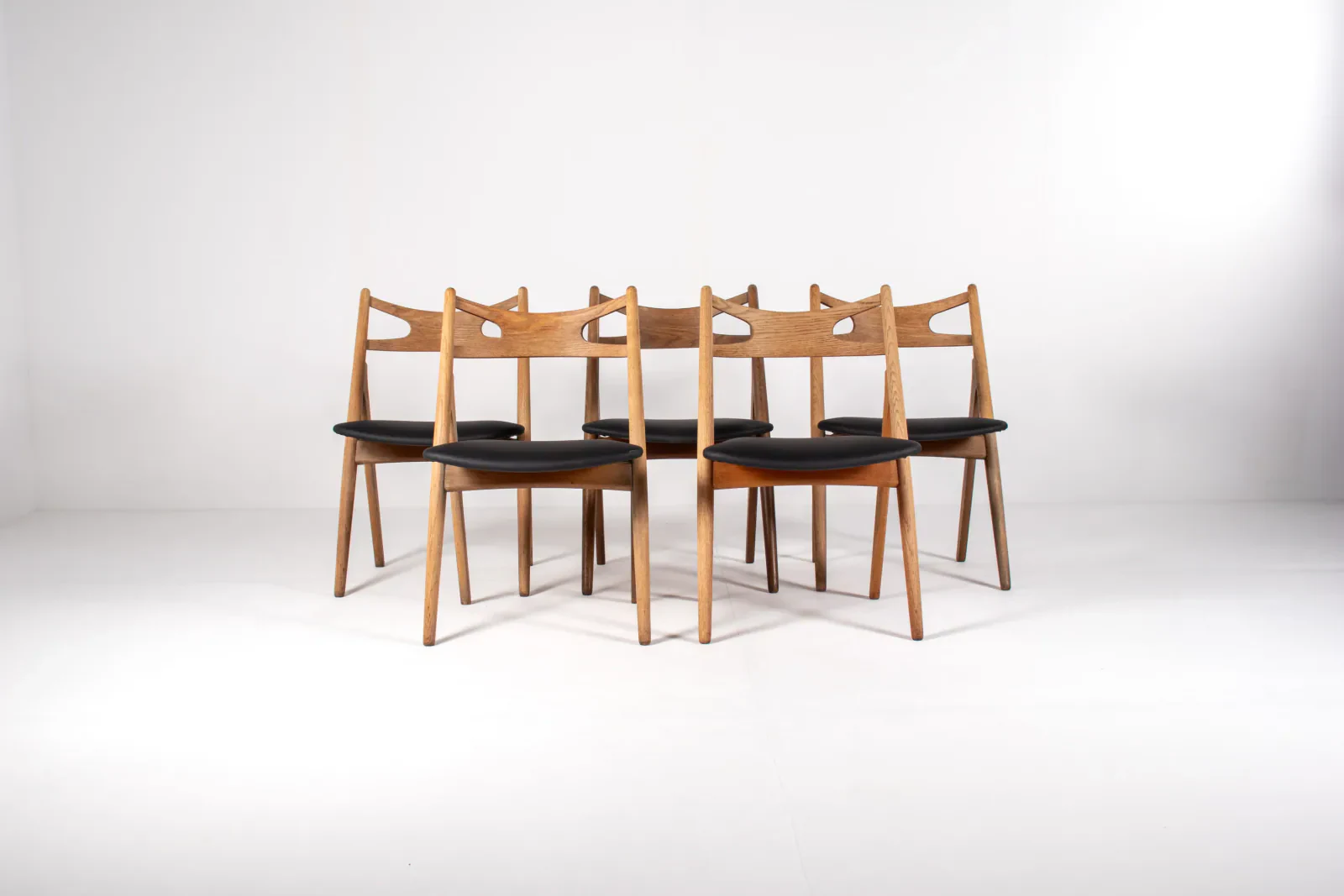
See how Hans J. Wegner’s 1952 CH29 turned the splayed support of a carpenter’s sawbuck into a wide, curved and unexpectedly sociable dining chair.
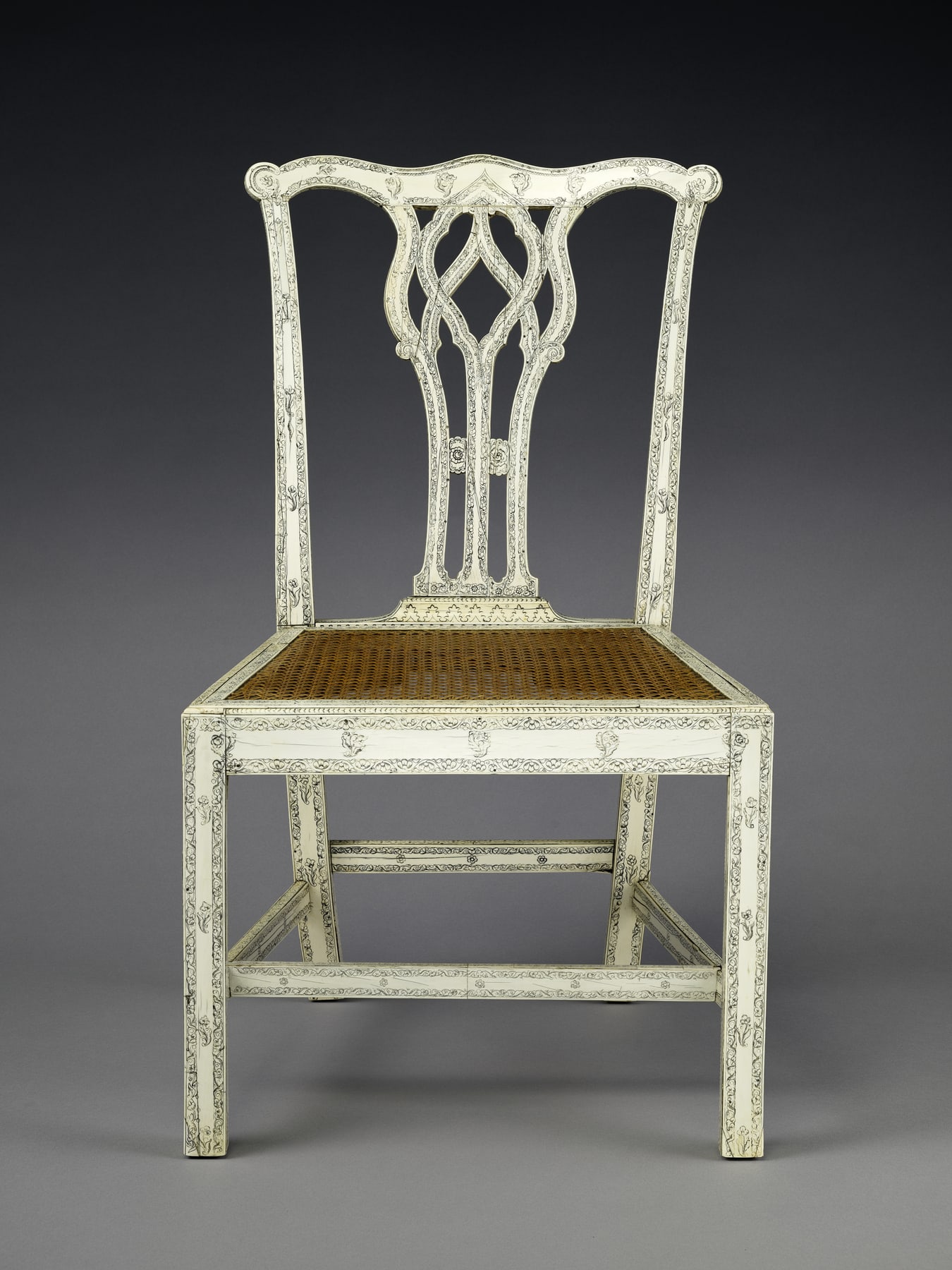
A pale decorated frame surrounds a fine woven seat. The Met’s eighteenth-century chair combines fruitwood, ivory and cane, using solid edges and open surfaces to give an intricately worked object a surprisingly light outline.
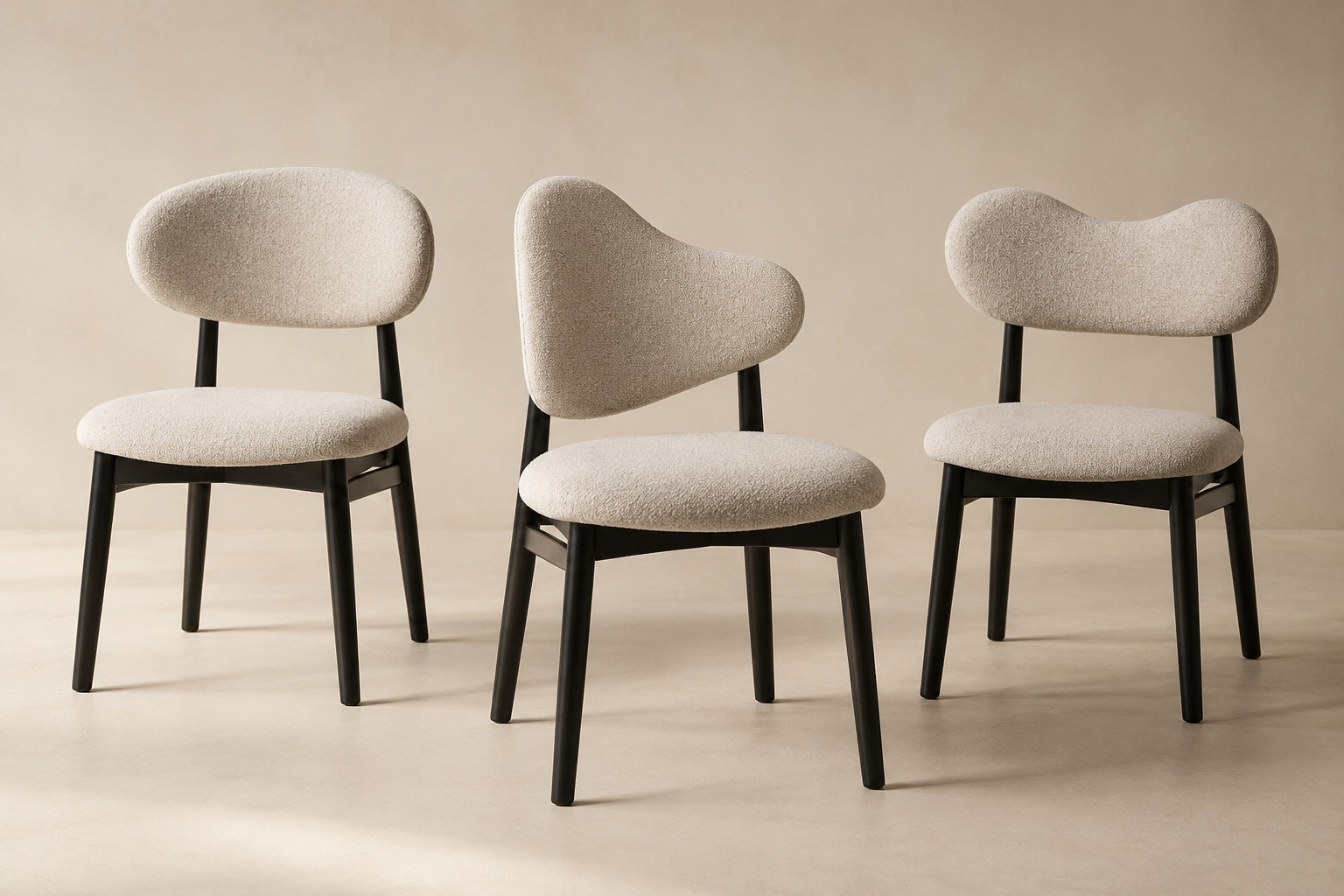
Maarten Baas’s Chair 101 uses eight backrest shapes to bring a sense of individual character into a serial chair family for Lensvelt.
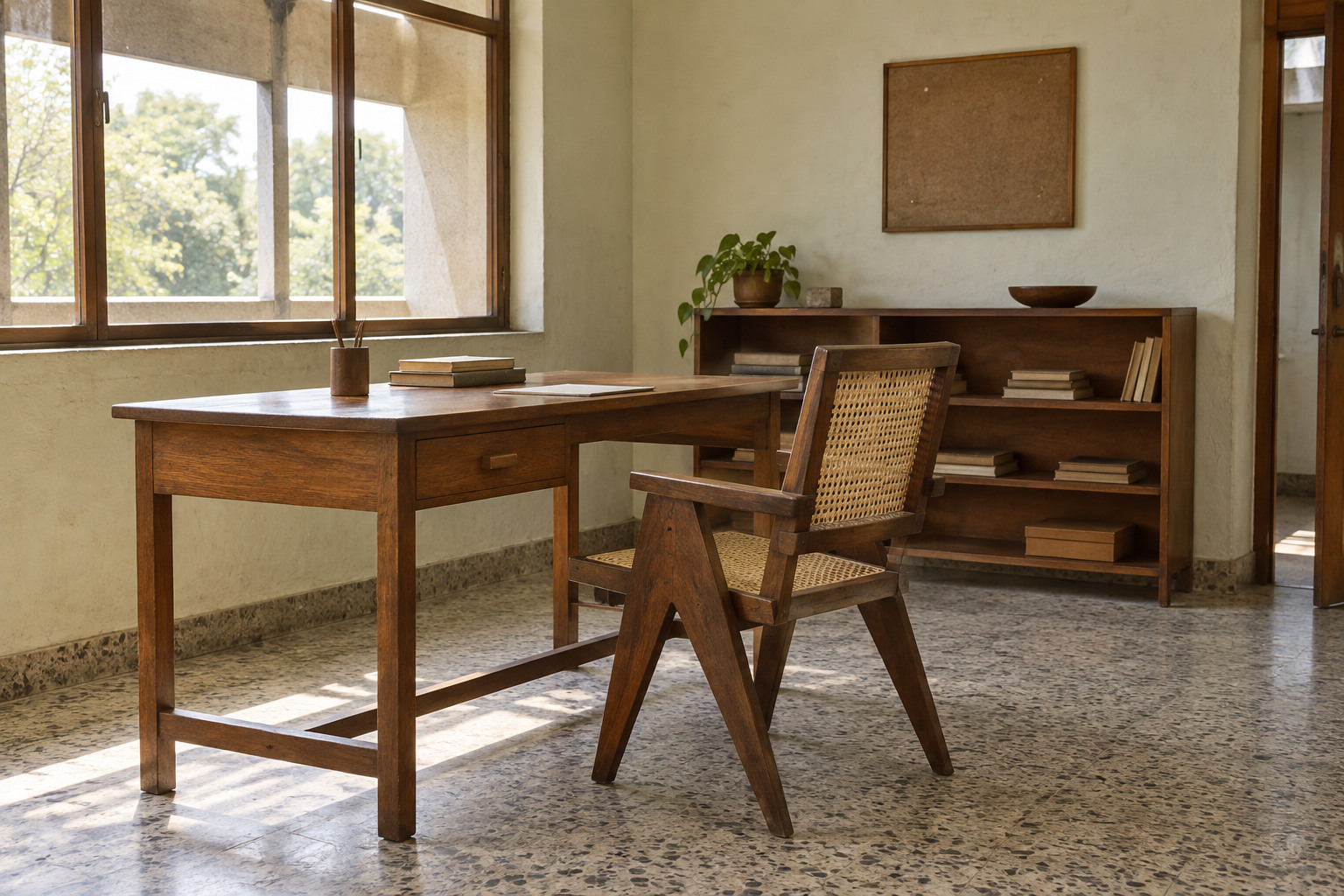
Explore Chandigarh furniture through fitted rooms, workshop drawings and a dressing table signed by Eulie Chowdhury, beyond the detached chair.
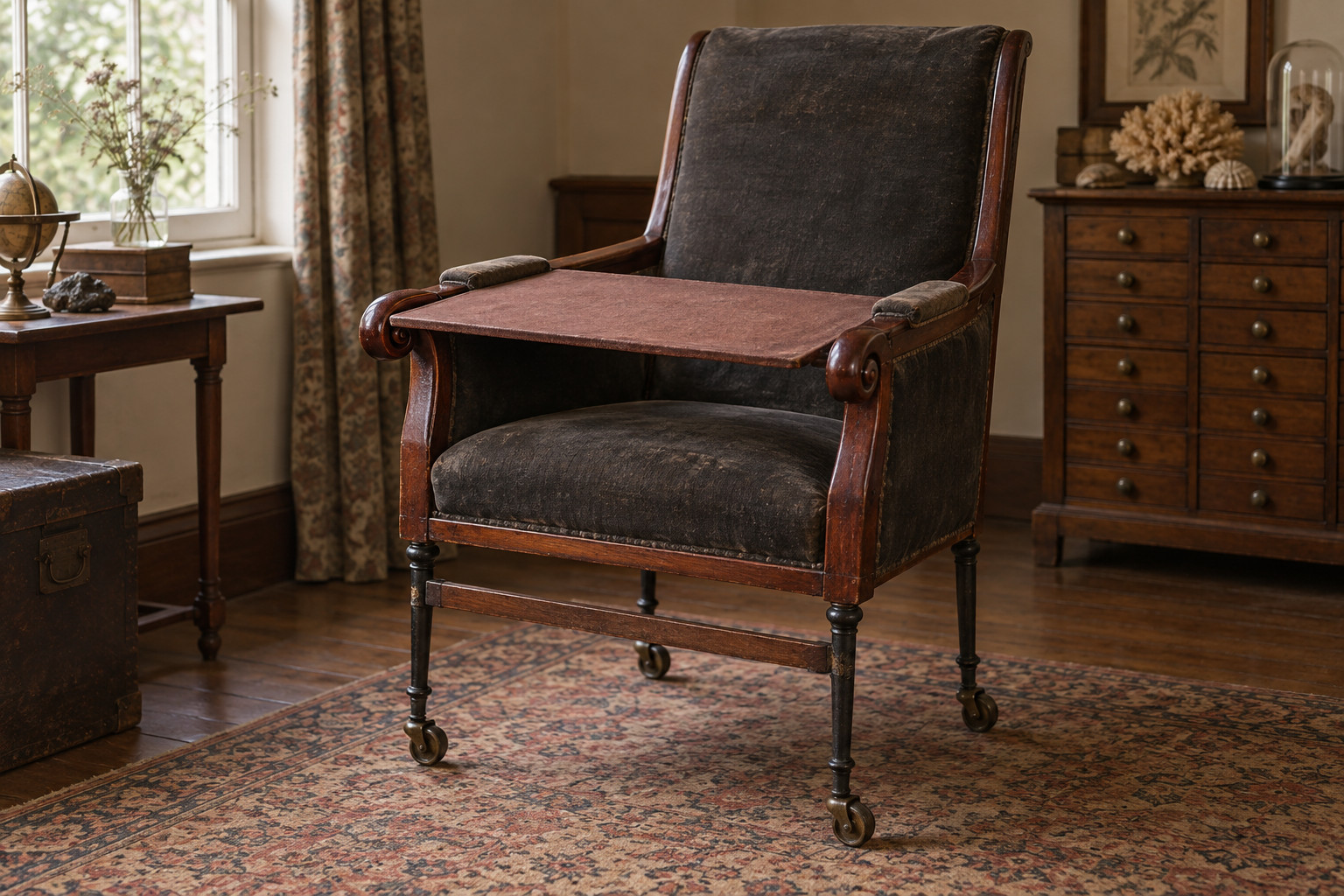
Bedframe supports, castors and a writing board changed Darwin’s armchair. Its patched arms and his son’s memories reveal a working arrangement shaped around one person.
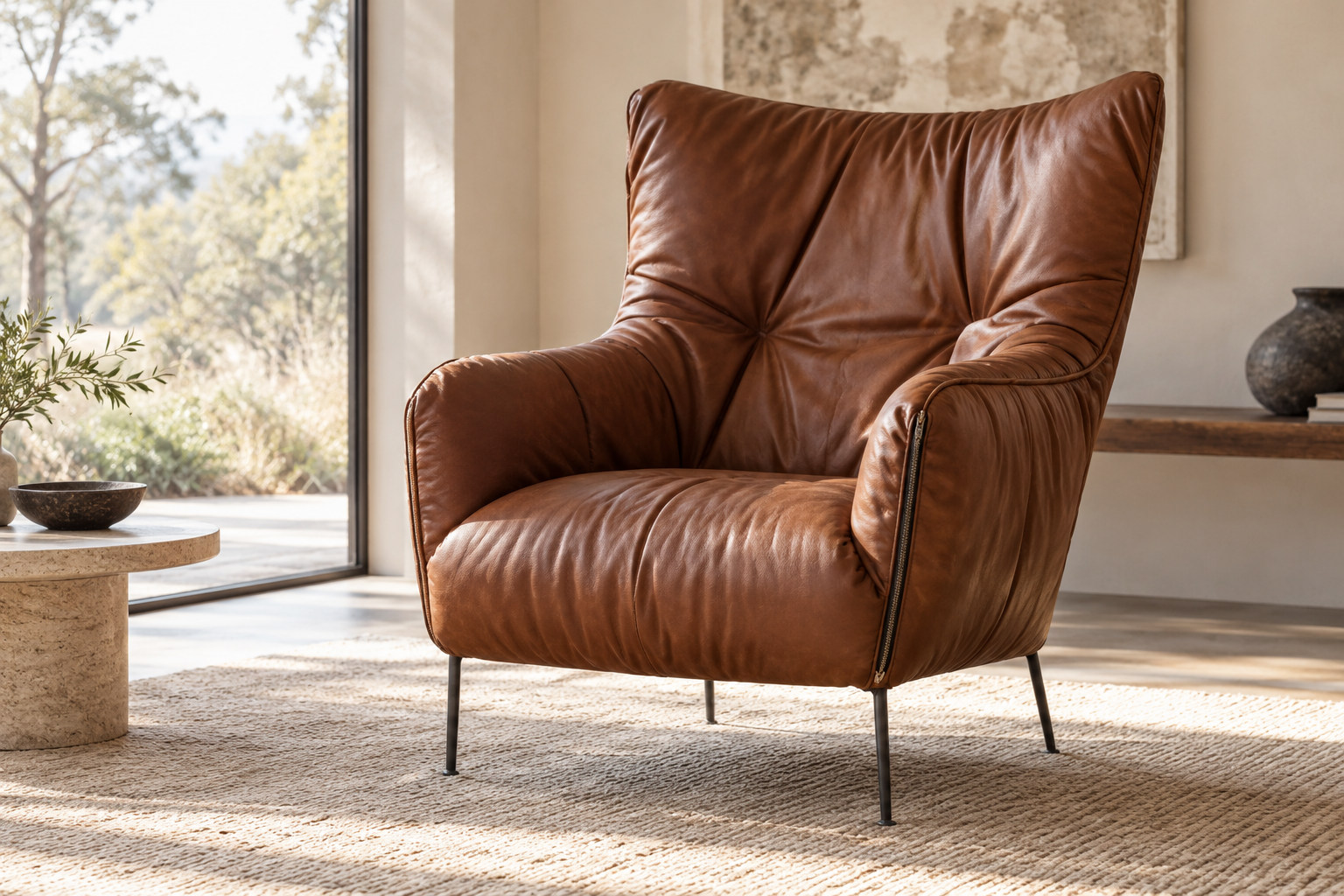
Gerard van den Berg’s Charly treats an upholstered cover like a padded garment. A generous body sits above slender visible legs.
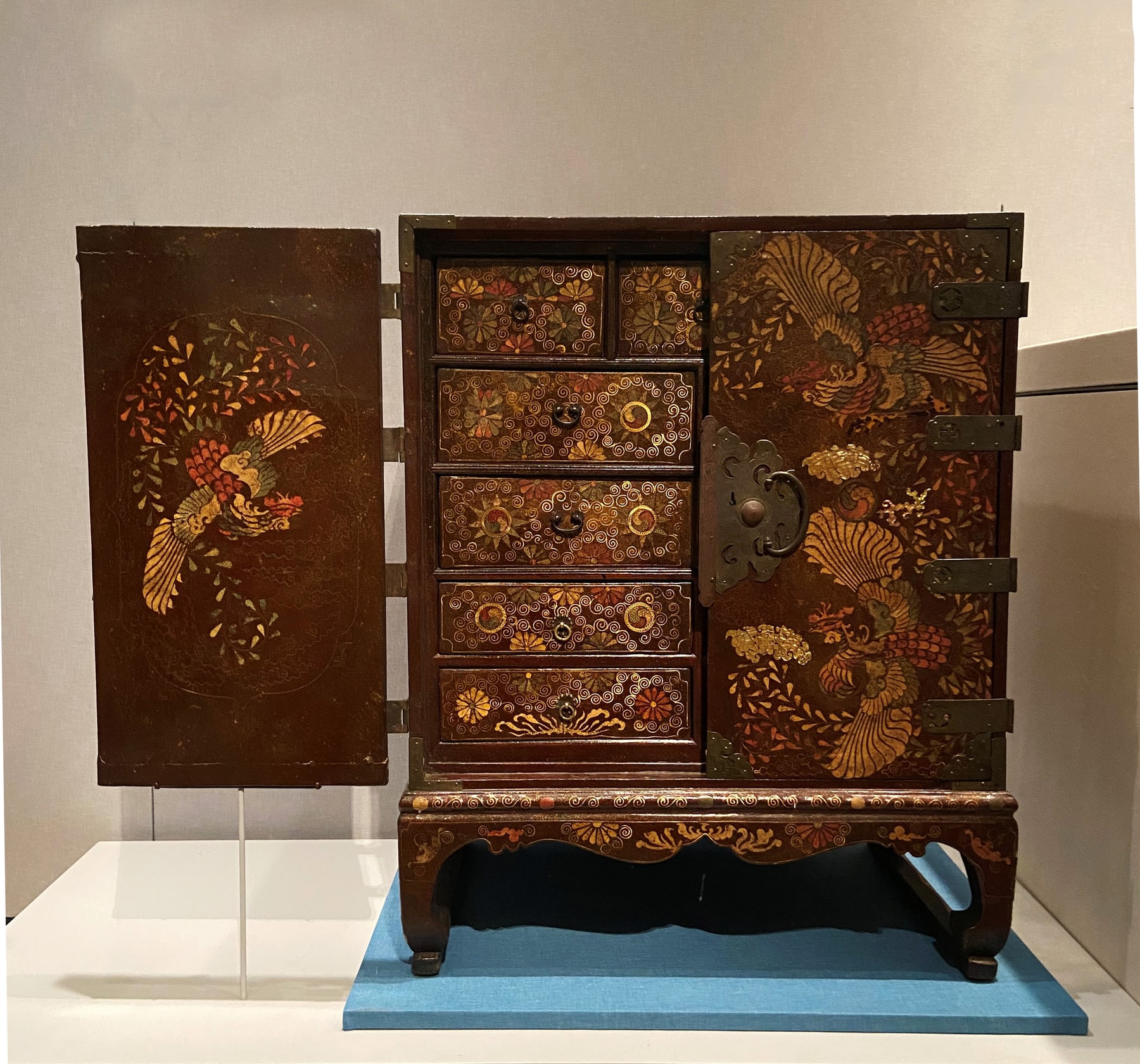
A Korean chest combines mother-of-pearl, tortoiseshell, rayskin and brass. Look closely at how contrasting inlays build phoenixes and flowers across its doors.
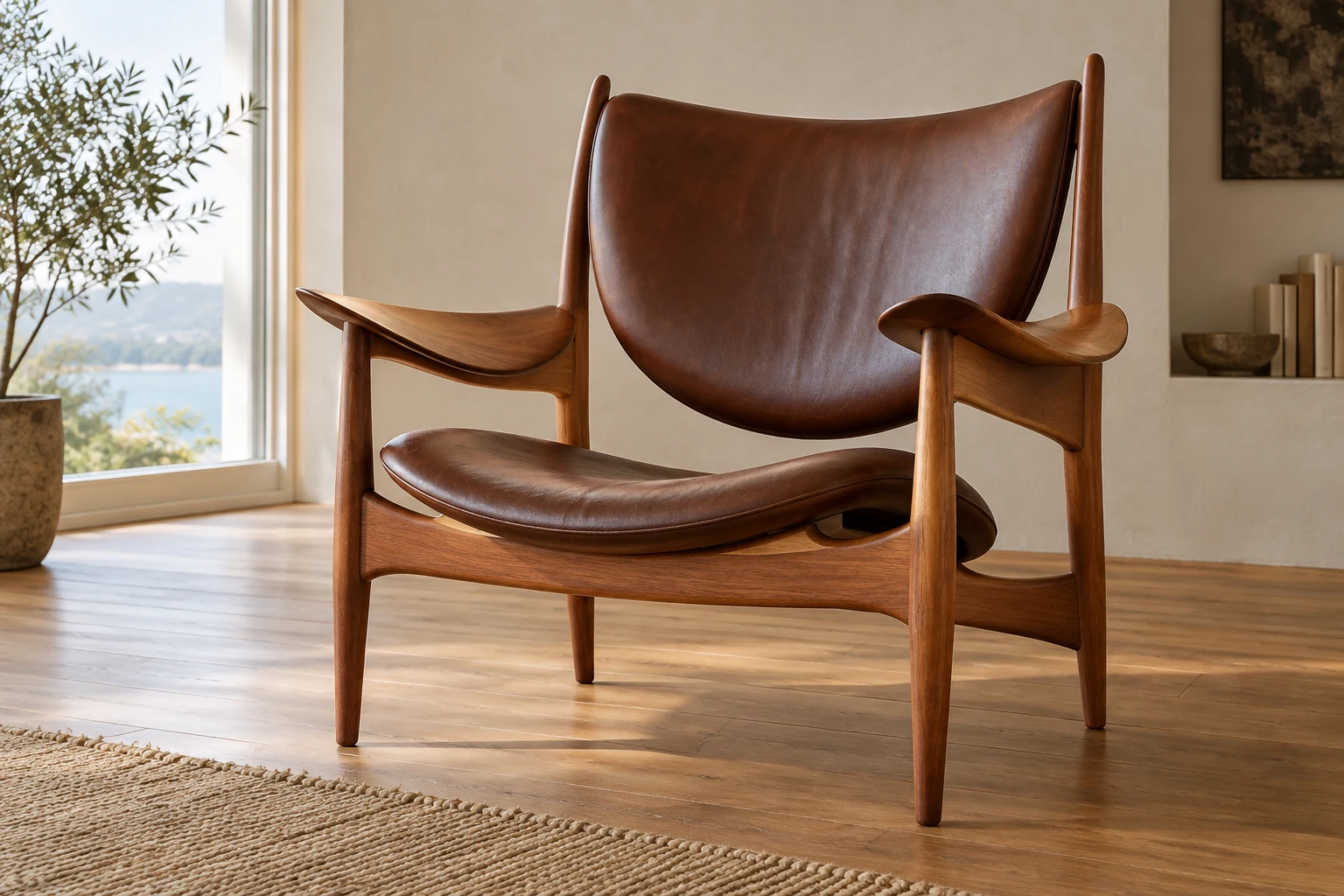
Read Finn Juhl's 1949 Chieftain Chair through its commanding scale, exposed timber frame, suspended leather forms, Guild debut and complicated name.
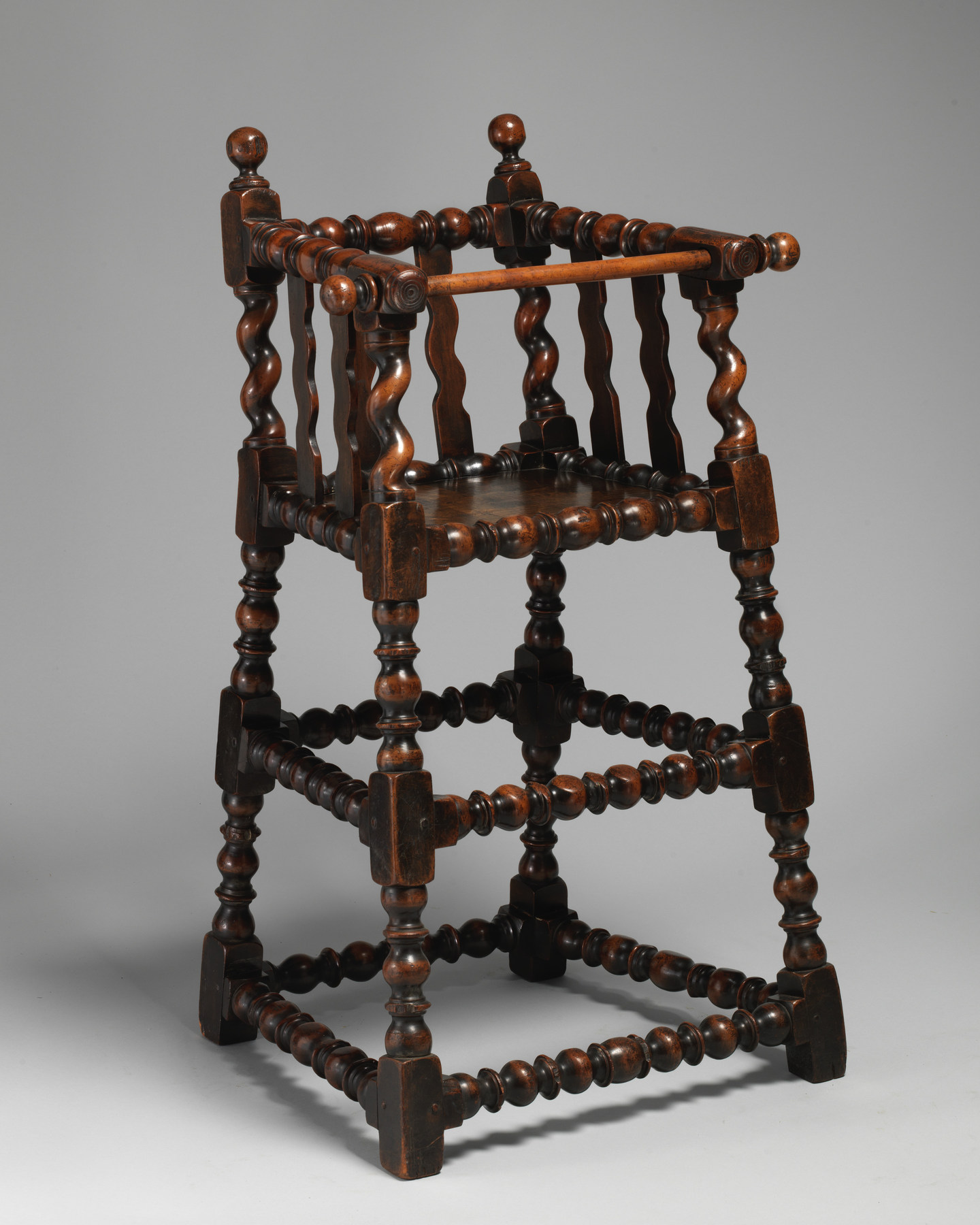
Look at the Met’s seventeenth-century walnut high chair through its proportions, turned rails and the different domestic scene in Maes’s The Lacemaker.
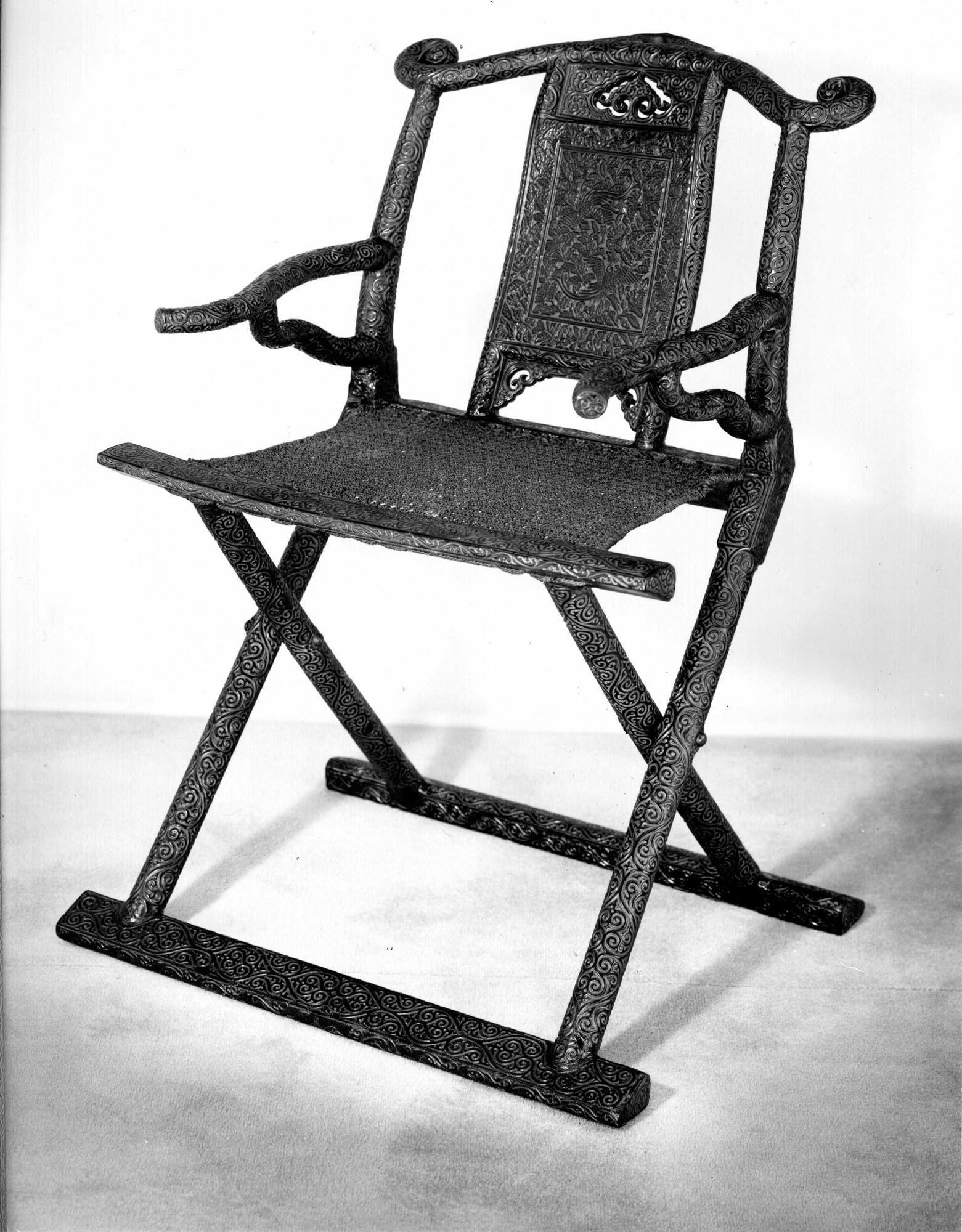
Read Chinese Folding Chair 69.217 from its crossed legs to its carved flycatchers, and discover how a mobile frame became a dense surface of craft and good wishes.
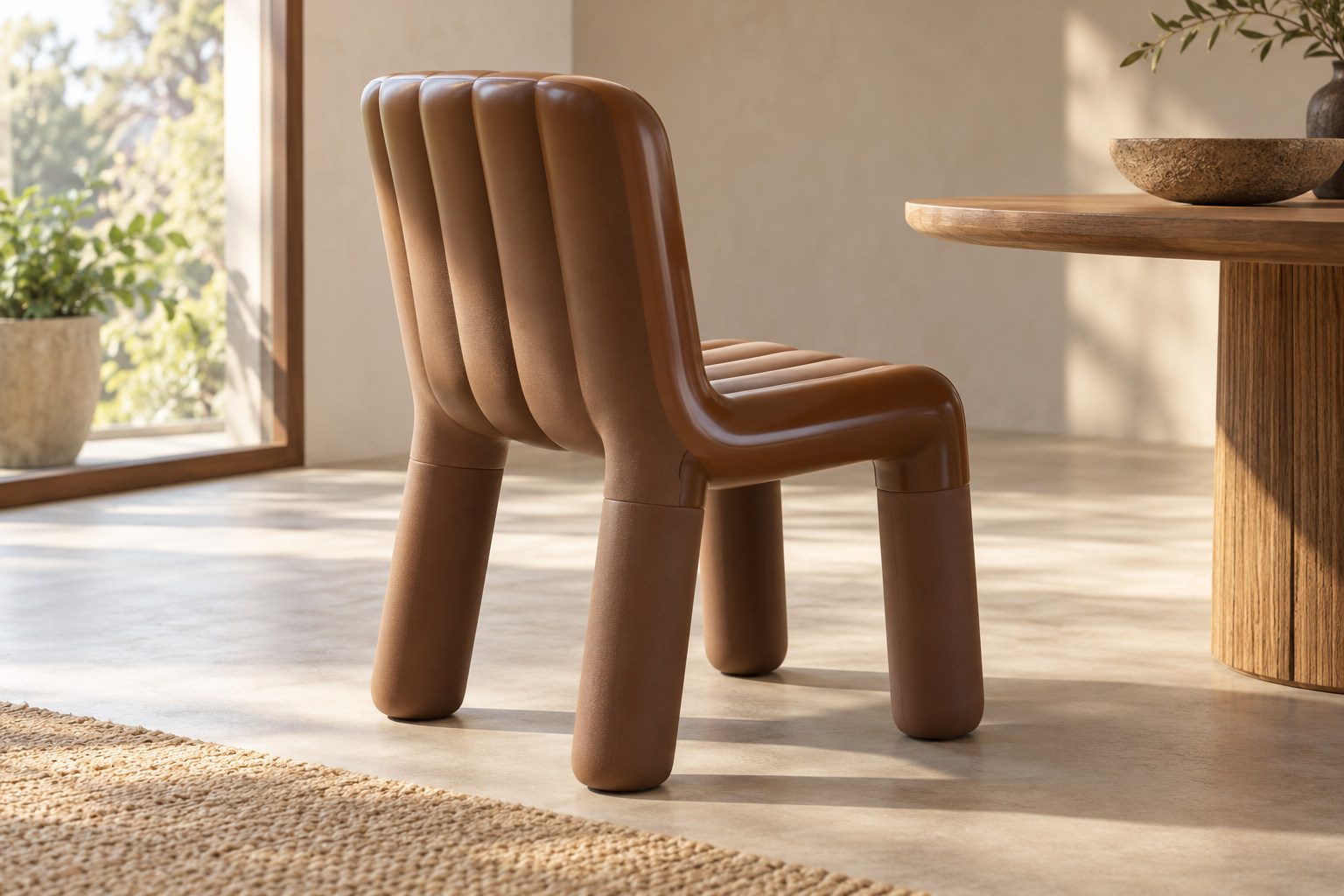
Kooij’s Chubby shows what remains after robotic printing: handwork, contrasting surface finishes and an assembled current chair. The making continues beyond extrusion.
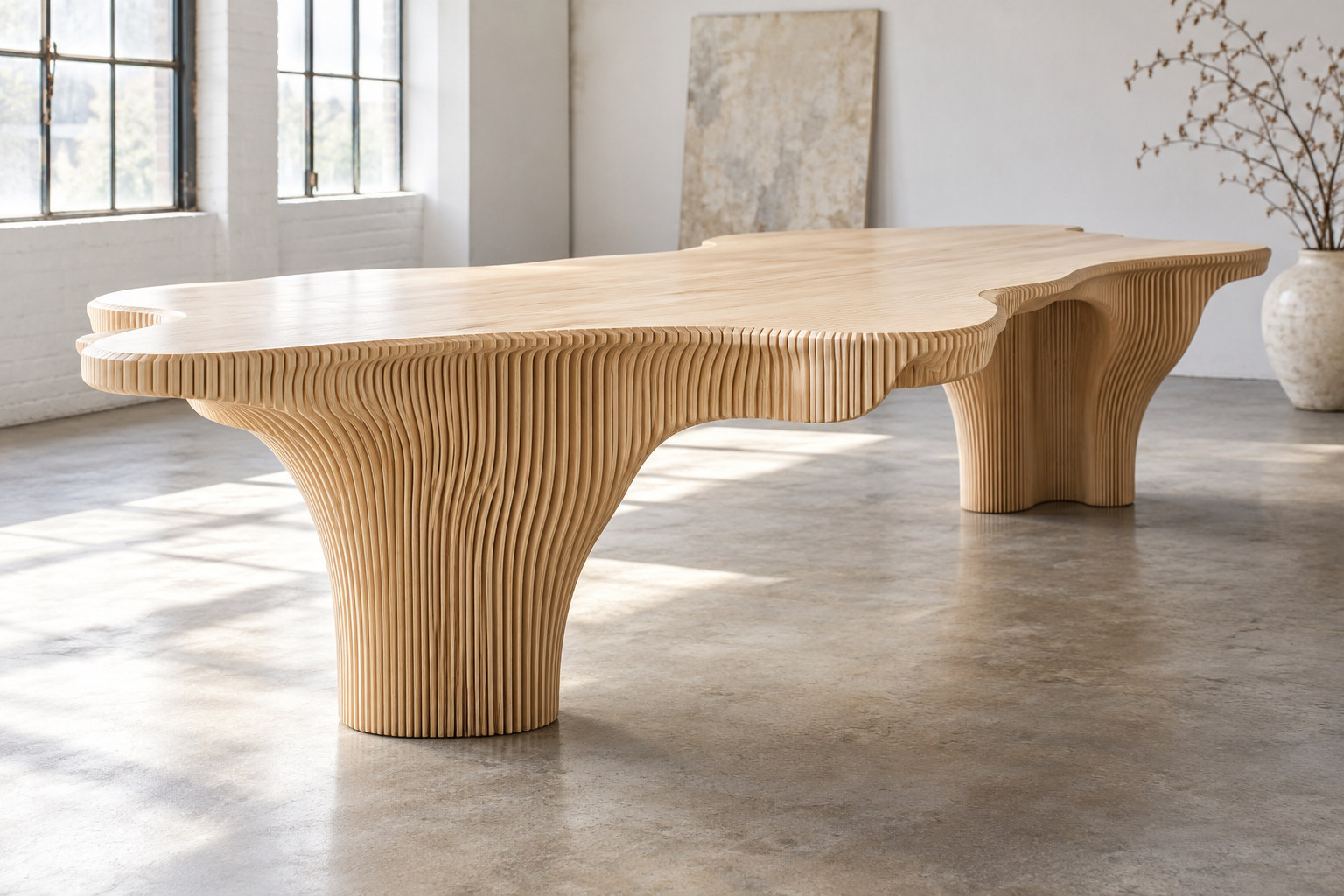
Demakersvan and Jeroen Verhoeven’s Cinderella Table turns historic furniture profiles into flowing plywood form. Computer cutting and patient handwork belong to the same story.
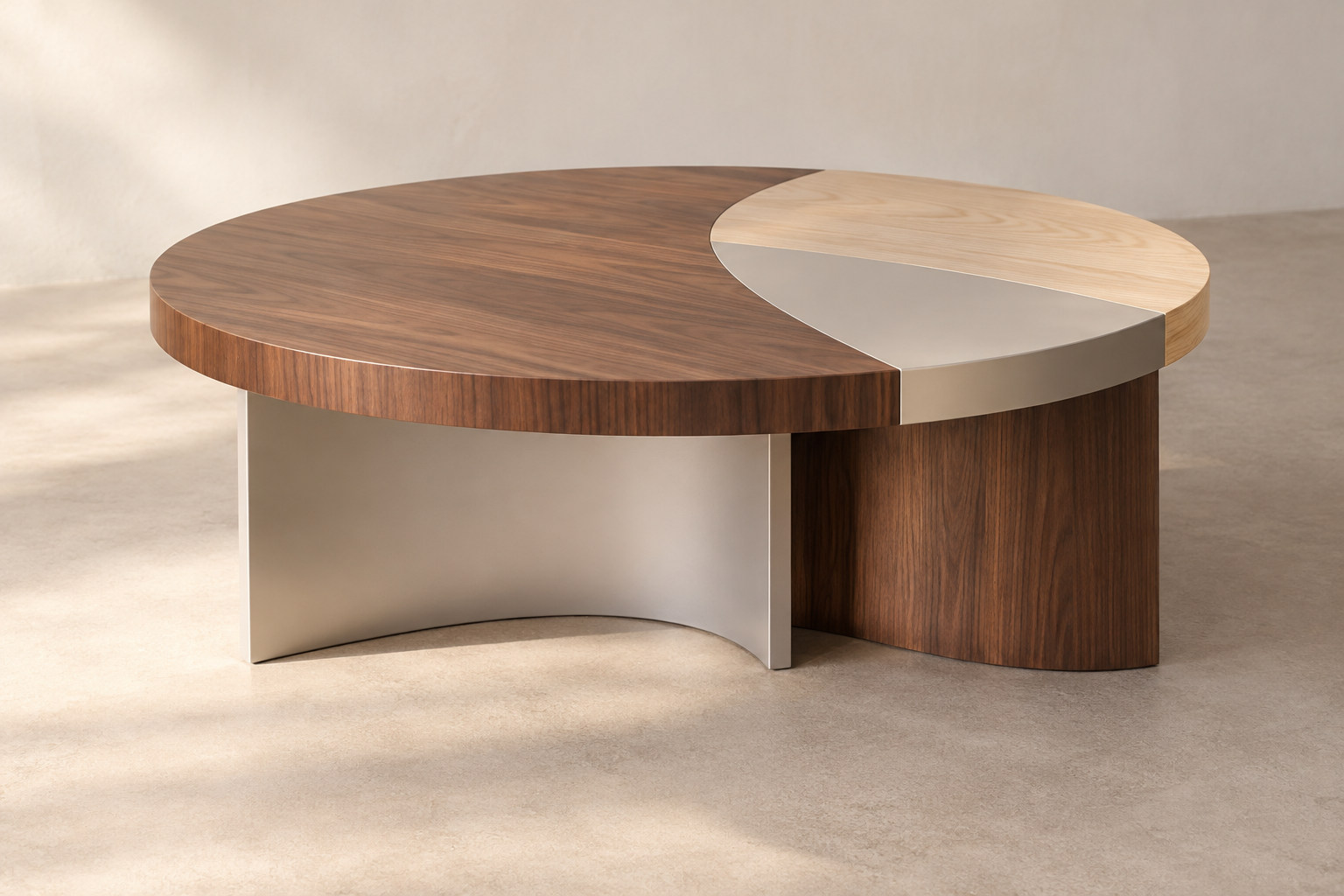
Daphna Isaacs Burggraaf and Laurens Manders develop Cirkel furniture from a circle. Coffee Table 01 shows how cutting, turning and contrasting materials give geometry a new role.
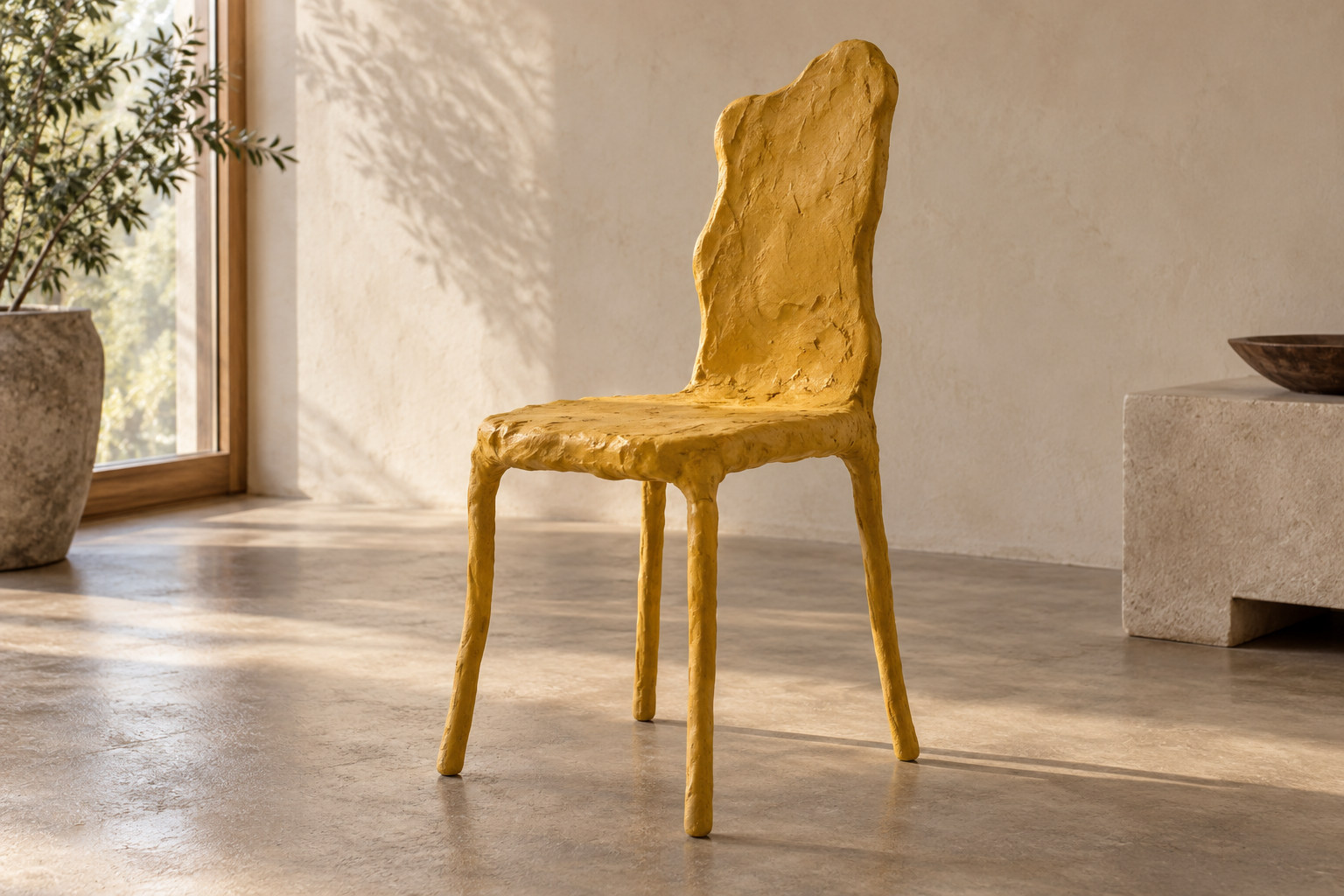
Maarten Baas’s Clay furniture retains the marks of hand modelling over a metal skeleton, giving a finished object a lively and visibly individual surface.
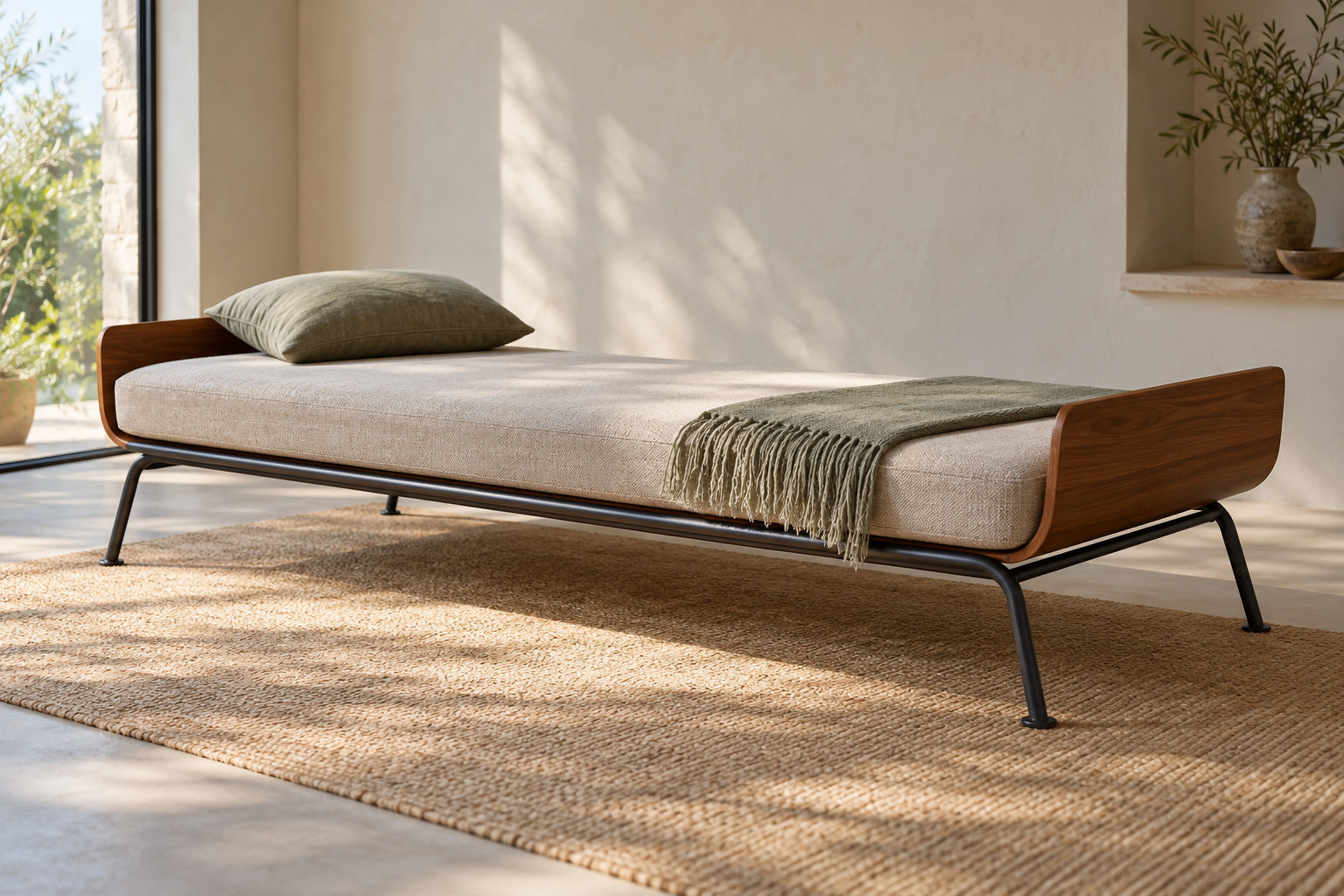
Auping’s Cleopatra combines an open steel structure and wooden end details, giving a single bed a restrained appearance within a room used throughout the day.
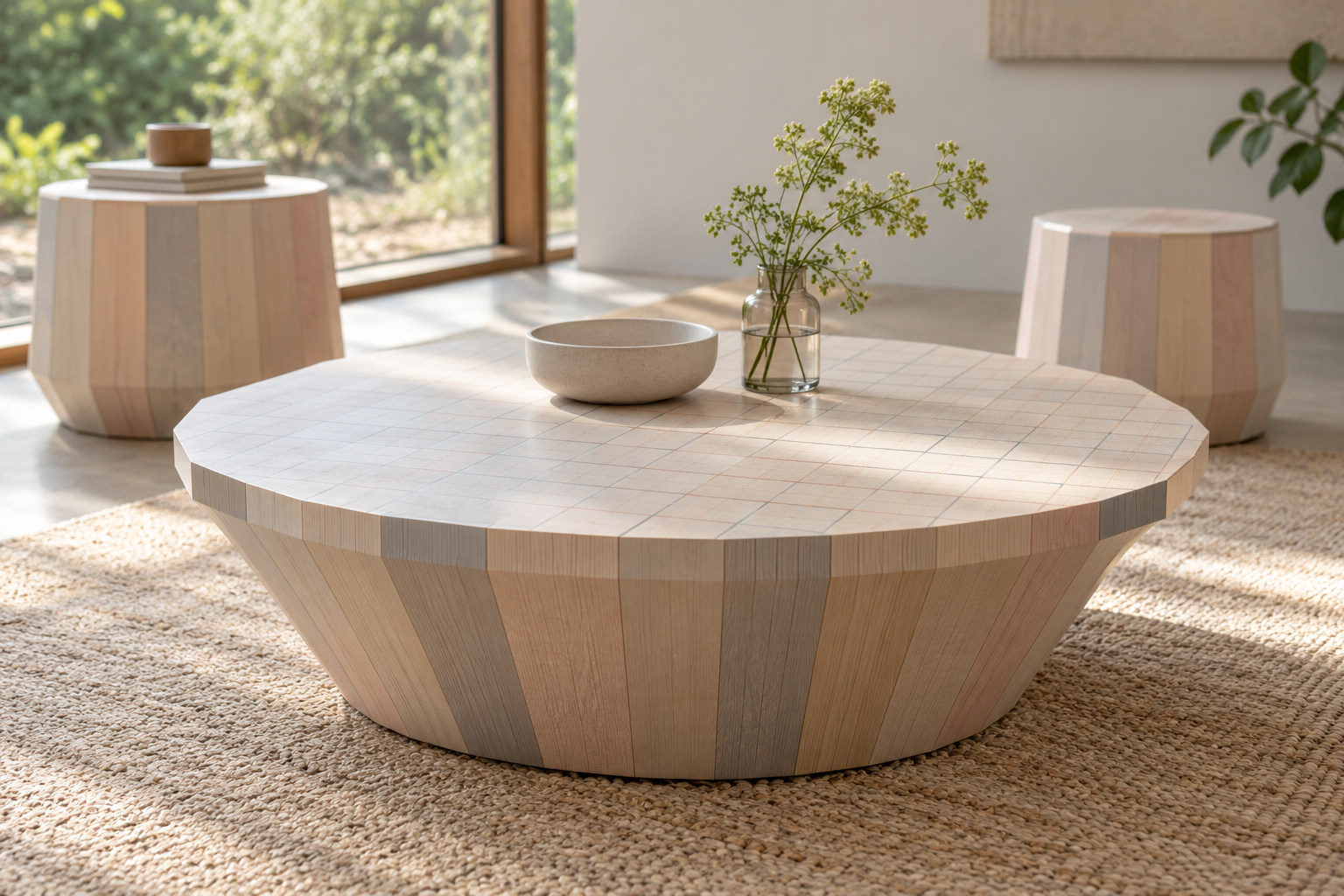
Scholten & Baijings’s Colour Wood side tables layer grain, translucent colour and printed pattern. Their Japanese production history gives small timber sections a new visual role.
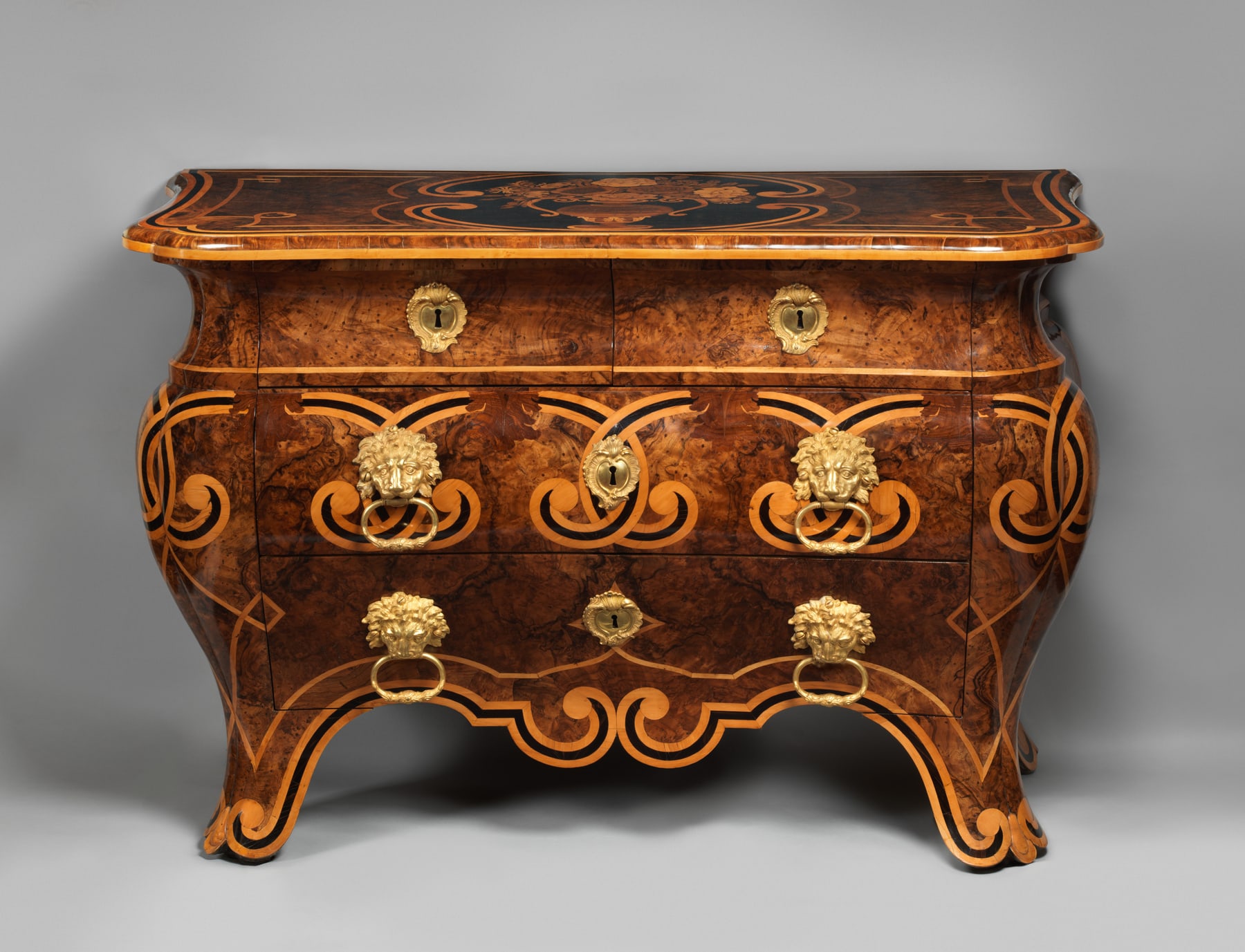
Tiny wooden nails explain the sweeping curves of Pietro Piffetti’s Turin commode: a close look at veneer, fastening and the cabinetmaker’s own furniture.
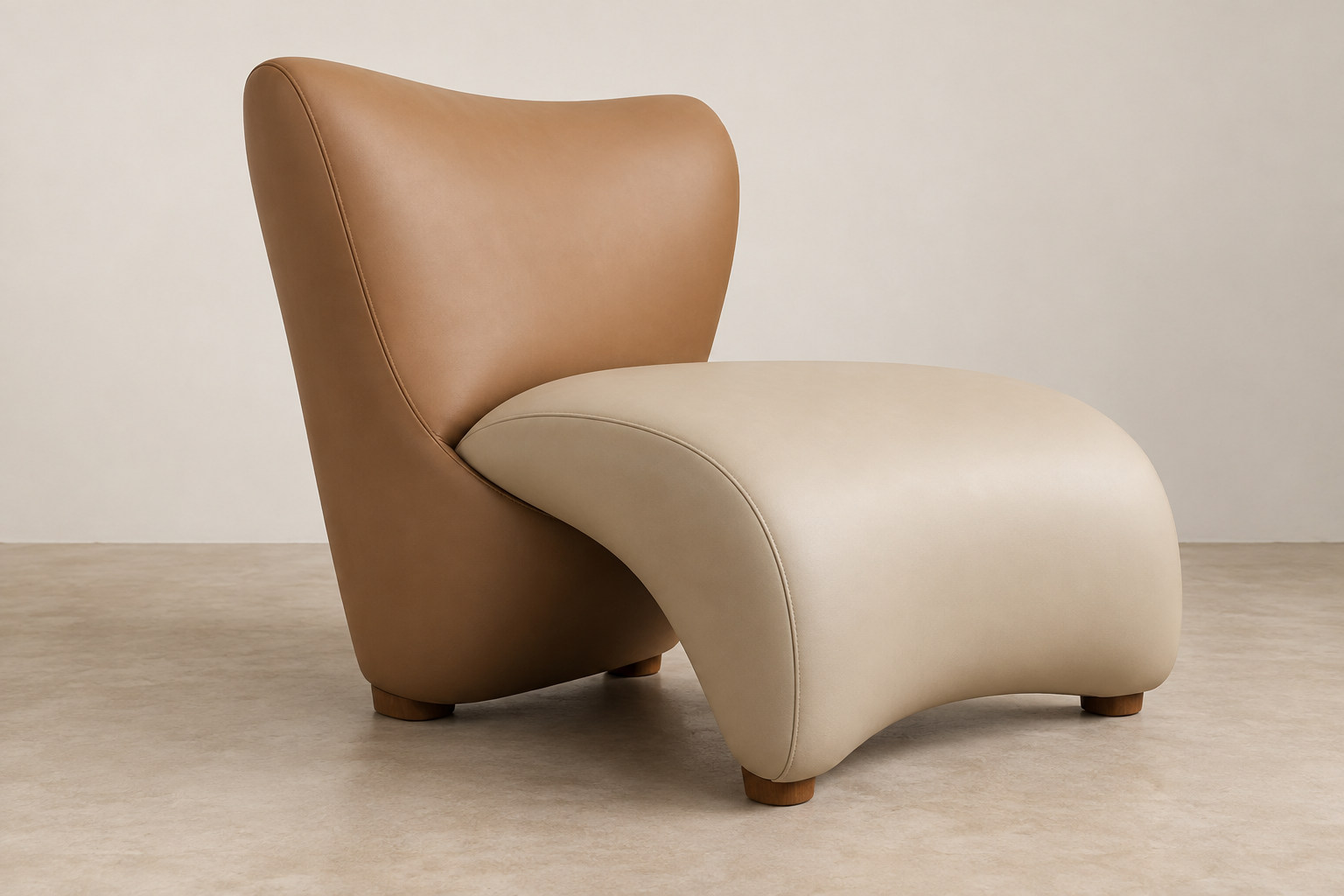
Theo Ruth’s Congo armchair makes the meeting of its two major assemblies part of the design. Centraal Museum’s 1953 example gives the story a precise anchor.