A box that stays open
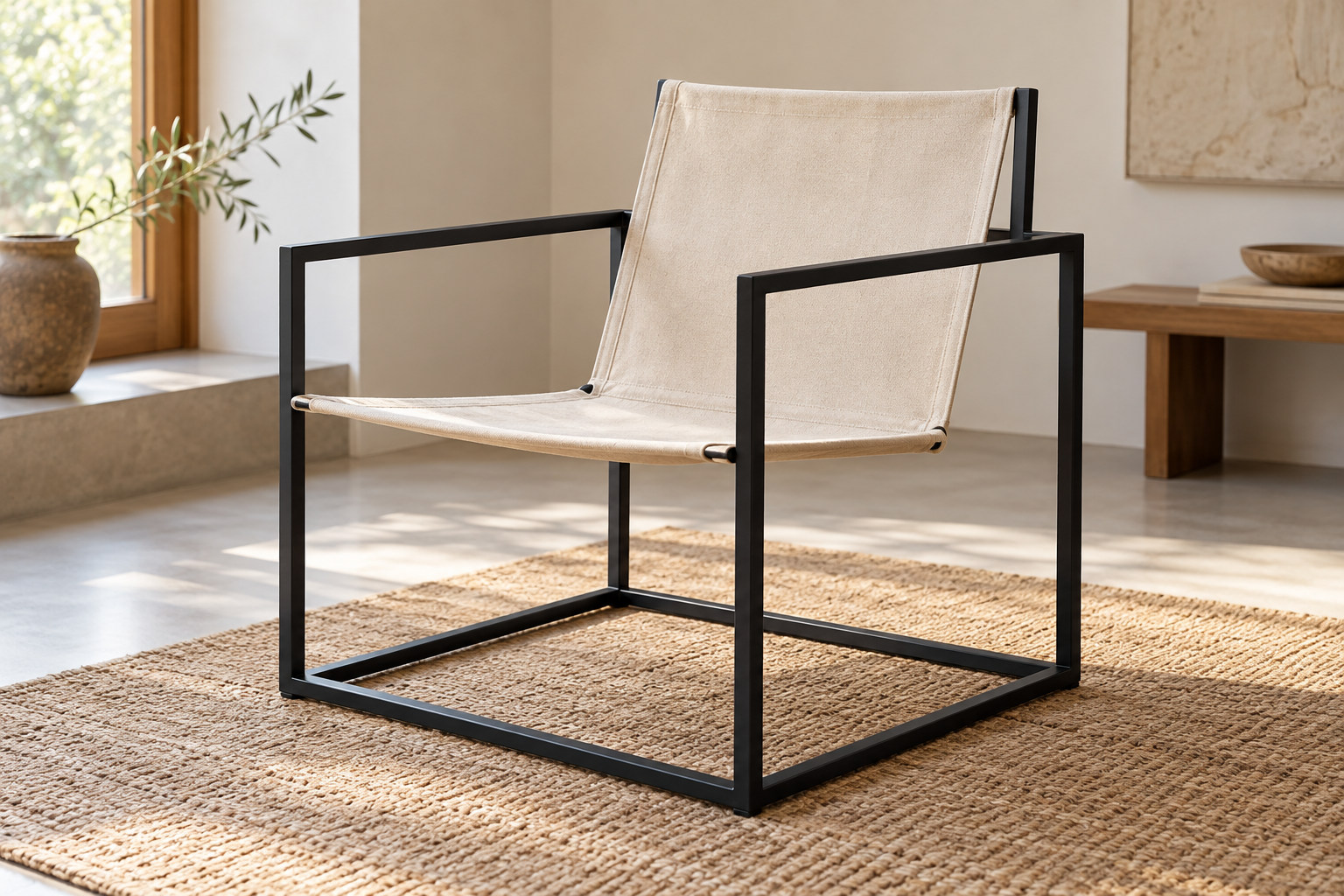
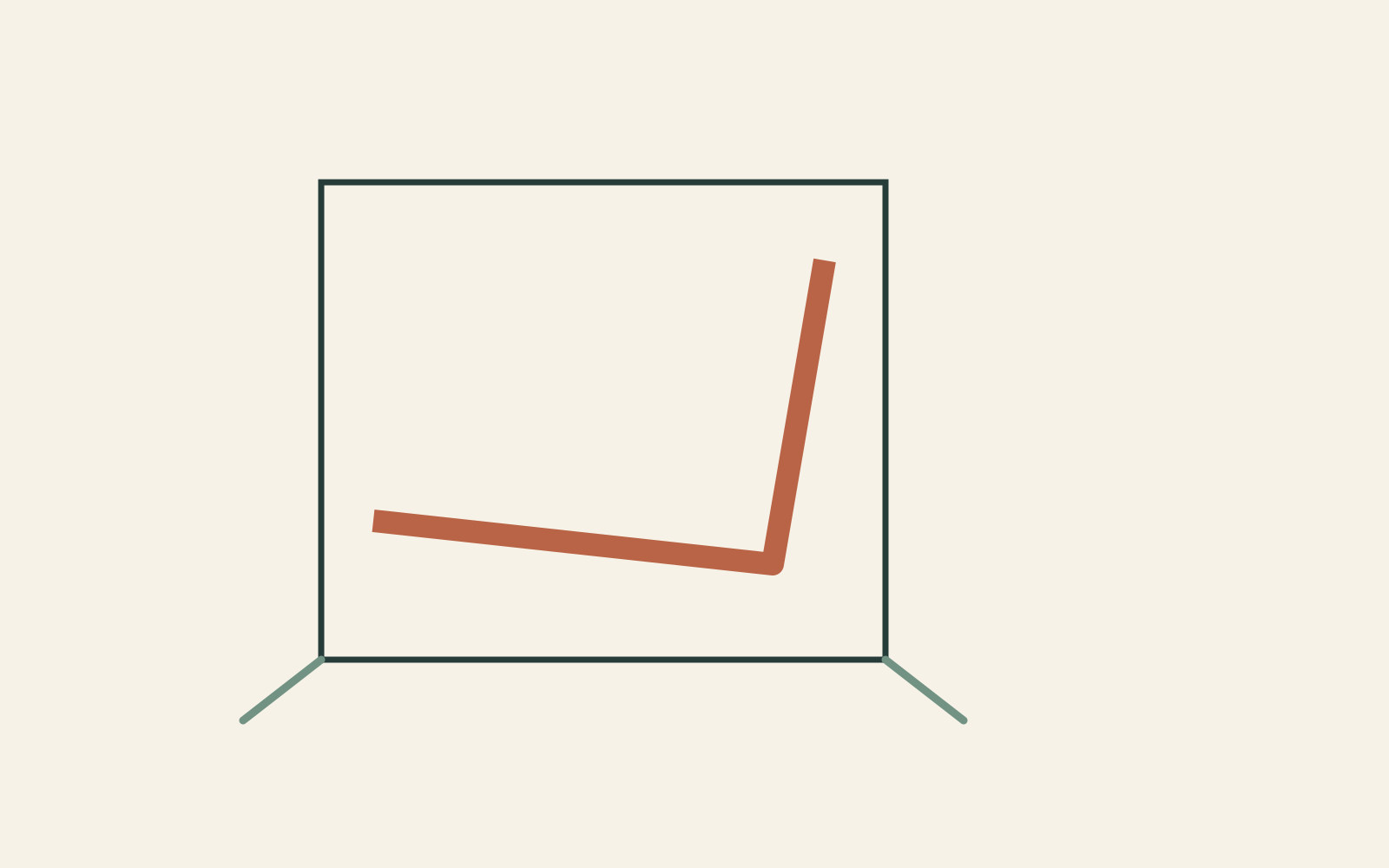
The outer frame suggests a compact volume, yet most of that volume is air. Its edges give the eye a stable reference. Against them, the sloping seating surface reads as something deliberately different from the enclosing outline.
Pastoe’s historical publication identifies the Fauteuil Radboud FM60 with Radboud van Beekum and 1980.1 The design makes a useful visual distinction: the chair’s occupied volume can be understood even where no solid side panel closes it.
The frame helps you notice the seat
Look first at the straight outer geometry, then at the seat within it. The contrast makes the direction of sitting legible. A chair need not hide one shape inside another; it can let the frame and sitting surface explain different tasks.
This is also why an open chair can have a strong presence. The outline gives it a place in the room without filling every part of that place with material. Emptiness becomes one of the visible components.
Design and production have separate beginnings
The Amsterdam heritage association’s account of Van Beekum records a prize for FM60 at the Poznan Triennale in 1980, followed by Pastoe production in the next year. It places furniture making within a practice that also developed into spatial design.2
That sequence gives the chair a useful historical setting without turning the model into a list of achievements. The lasting question is still there in its outline: how much of a cube do you need in order to see one?