Person
Florence Knoll
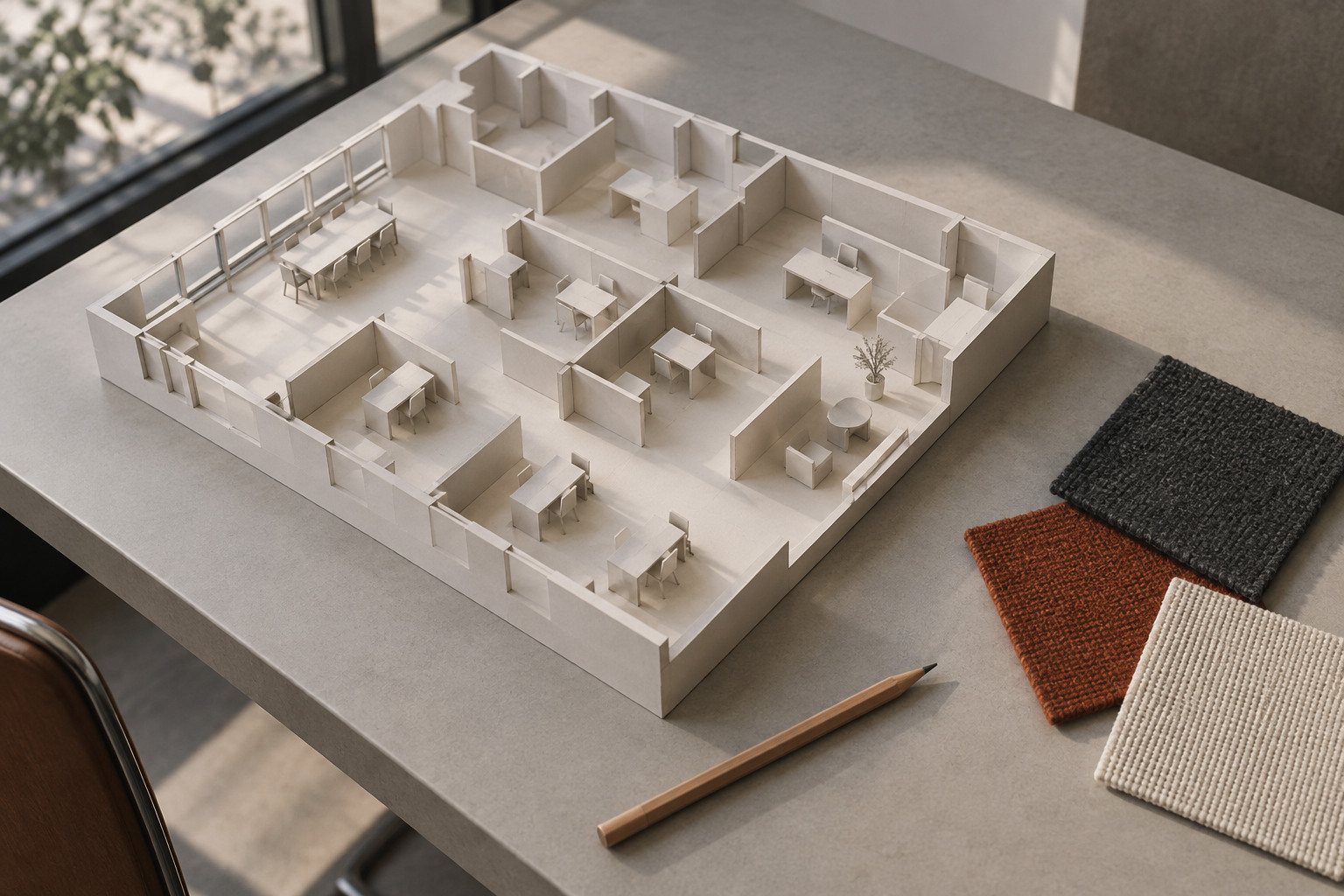
Discover how Florence Knoll turned office routines, models and material samples into interiors, down to a cabinet built around a publisher’s newspapers.
Objects · people · ideas
Designers, cabinetmakers and the people behind the furniture.
Discover how Florence Knoll turned office routines, models and material samples into interiors, down to a cabinet built around a publisher’s newspapers.
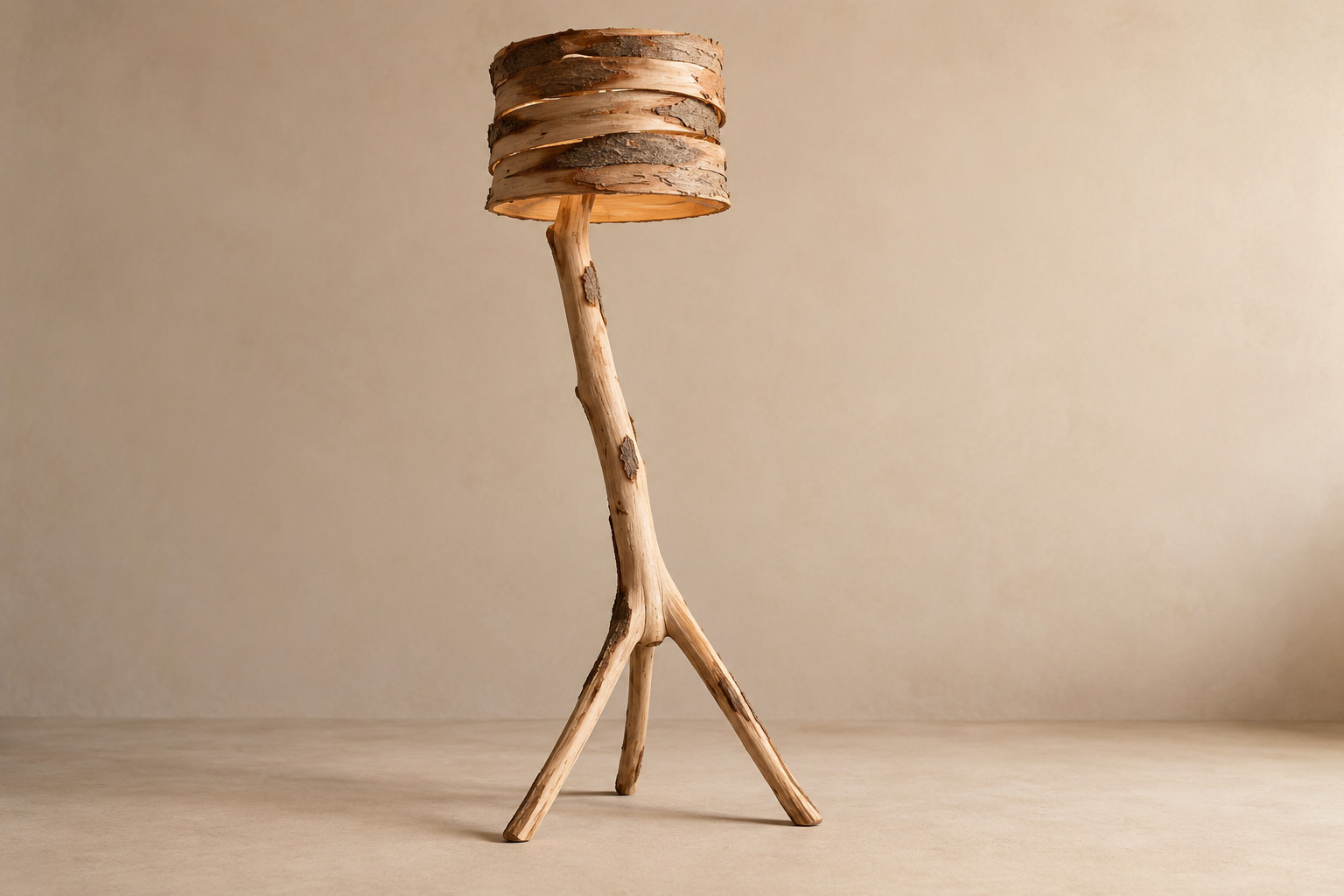
Floris Wubben’s studio designs shaping tools as well as objects, bringing custom ceramic extrusion, material variation and hand finishing into furniture.
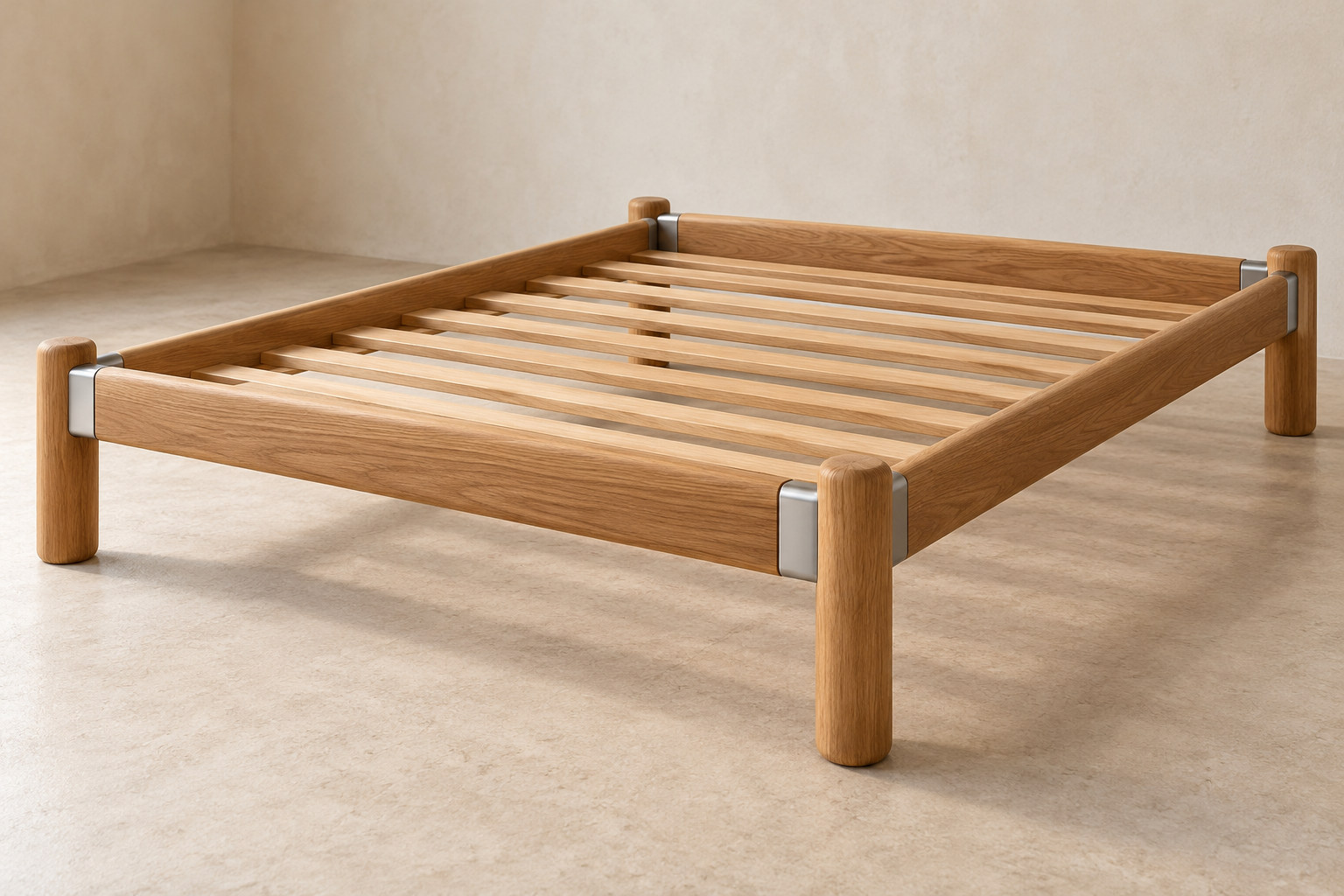
Frans de la Haye’s engineering and industrial-design background gives Auronde a wider context. Appearance, parts and assembly belong to one product question.
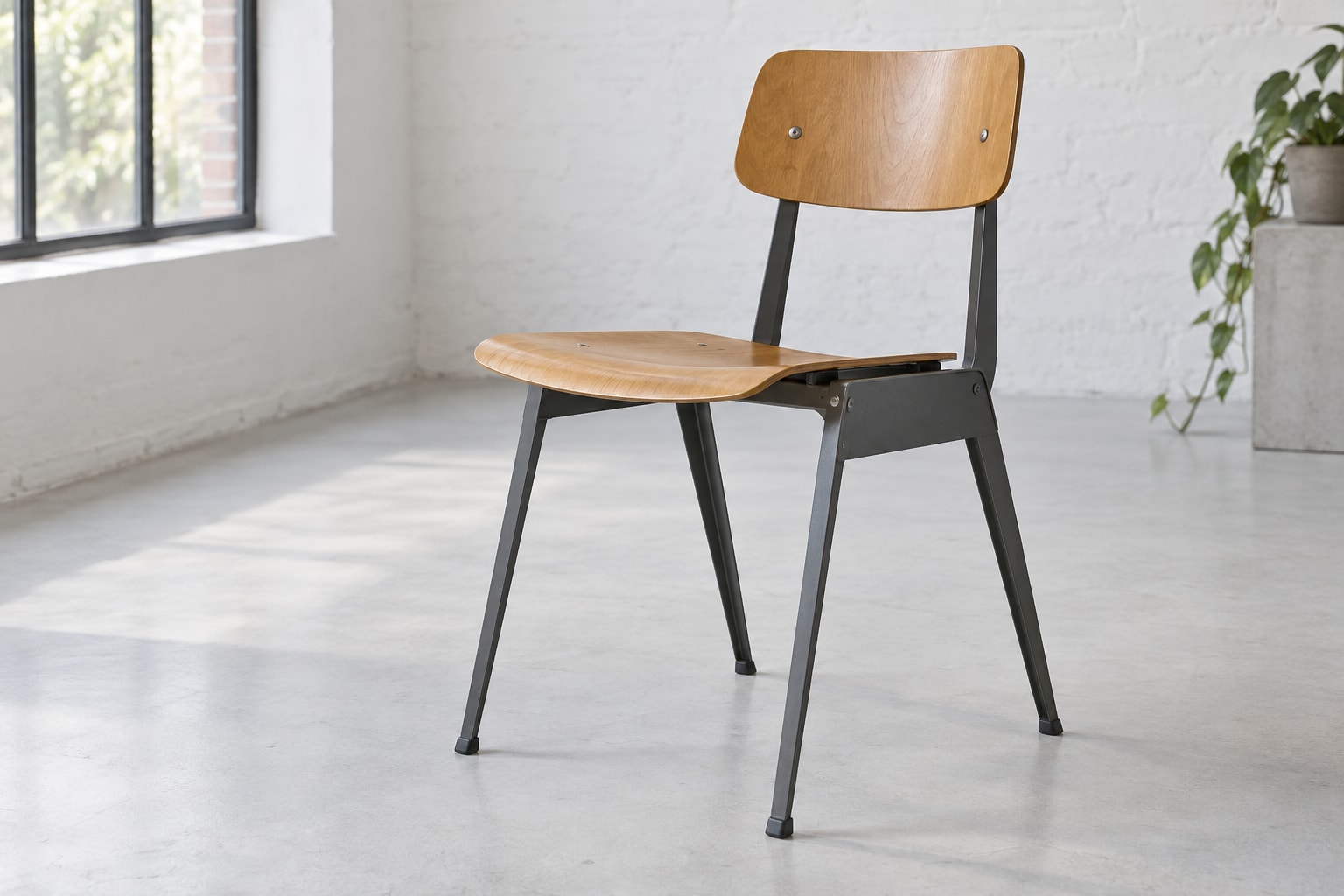
Friso Kramer’s ordinary surroundings offer a serious design subject, connecting the Revolt chair with factory knowledge, shared interiors and work beyond furniture.
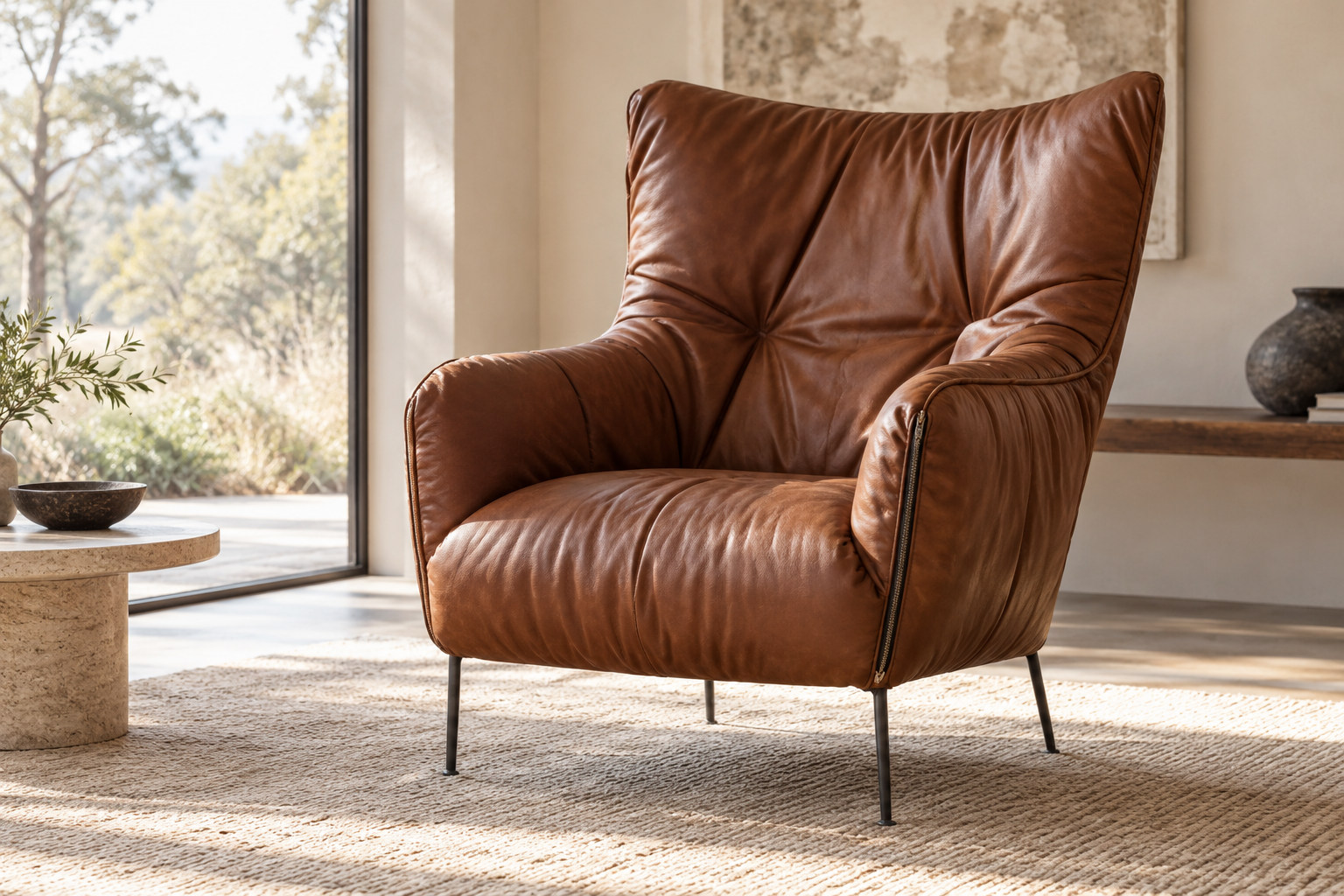
Gerard van den Berg connects technical furniture knowledge with expressive upholstered forms. Charly and Hidde show different ways to shape a soft seat.
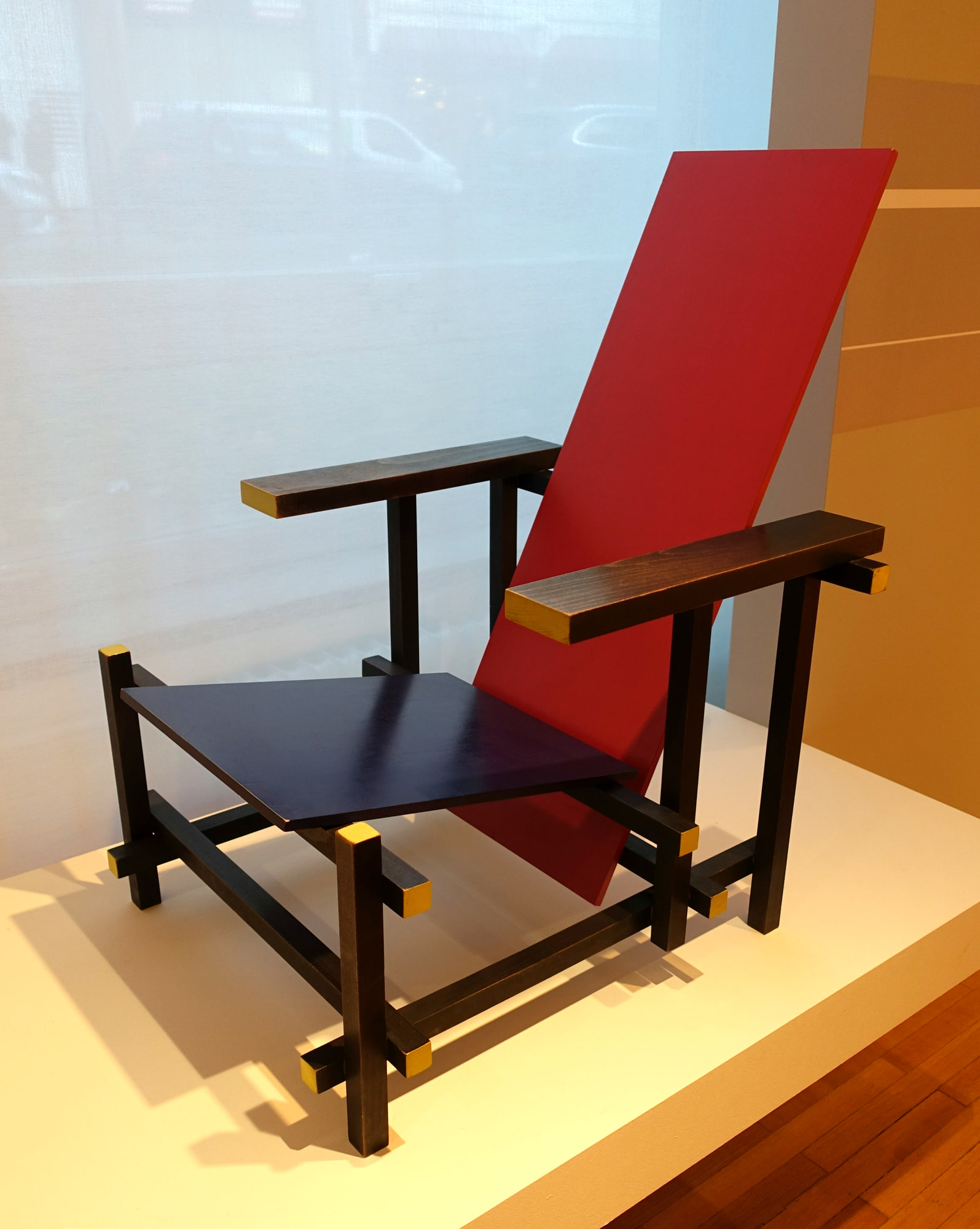
Explore the Rietveld Schröder House through movable partitions, shared authorship and the everyday decisions of the family who lived there.
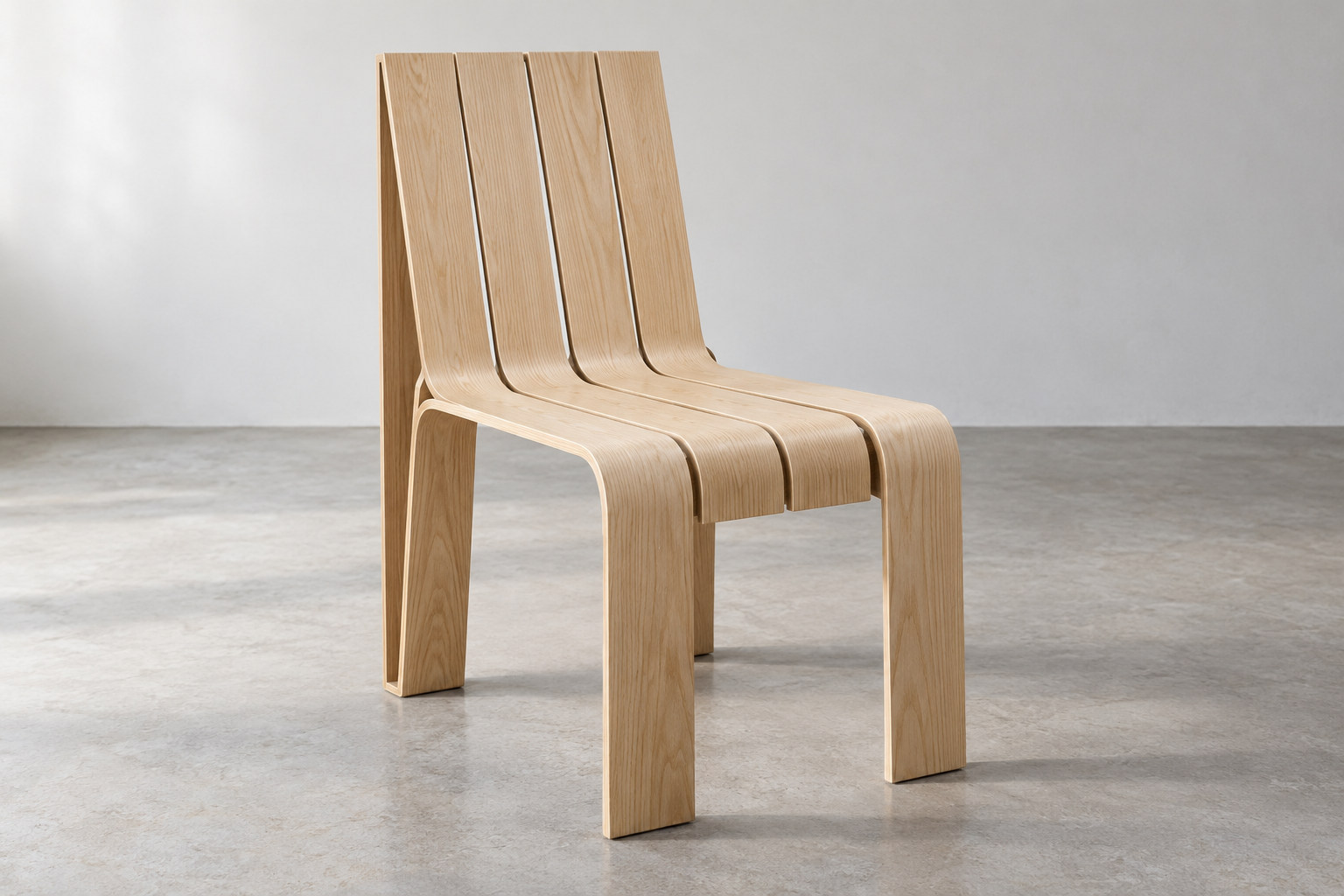
Gijs Bakker’s jewellery and furniture can be read together through material and the body. His Strip Chair makes that connection visible at a larger scale.
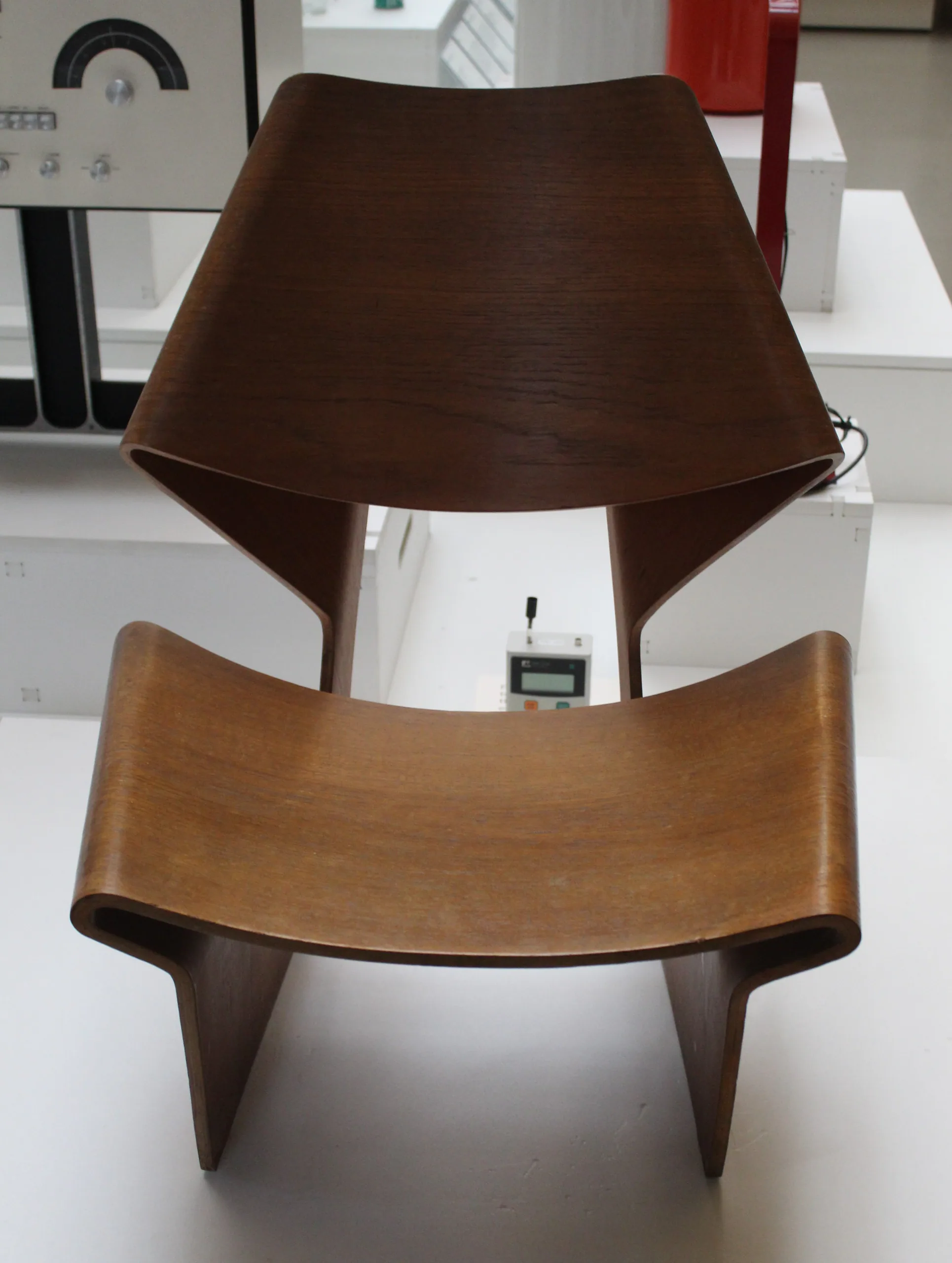
Meet Grete Jalk beyond the GJ Chair: at the workbench, in Mobilia's editorial room, inside travelling exhibitions and across four volumes of furniture history.
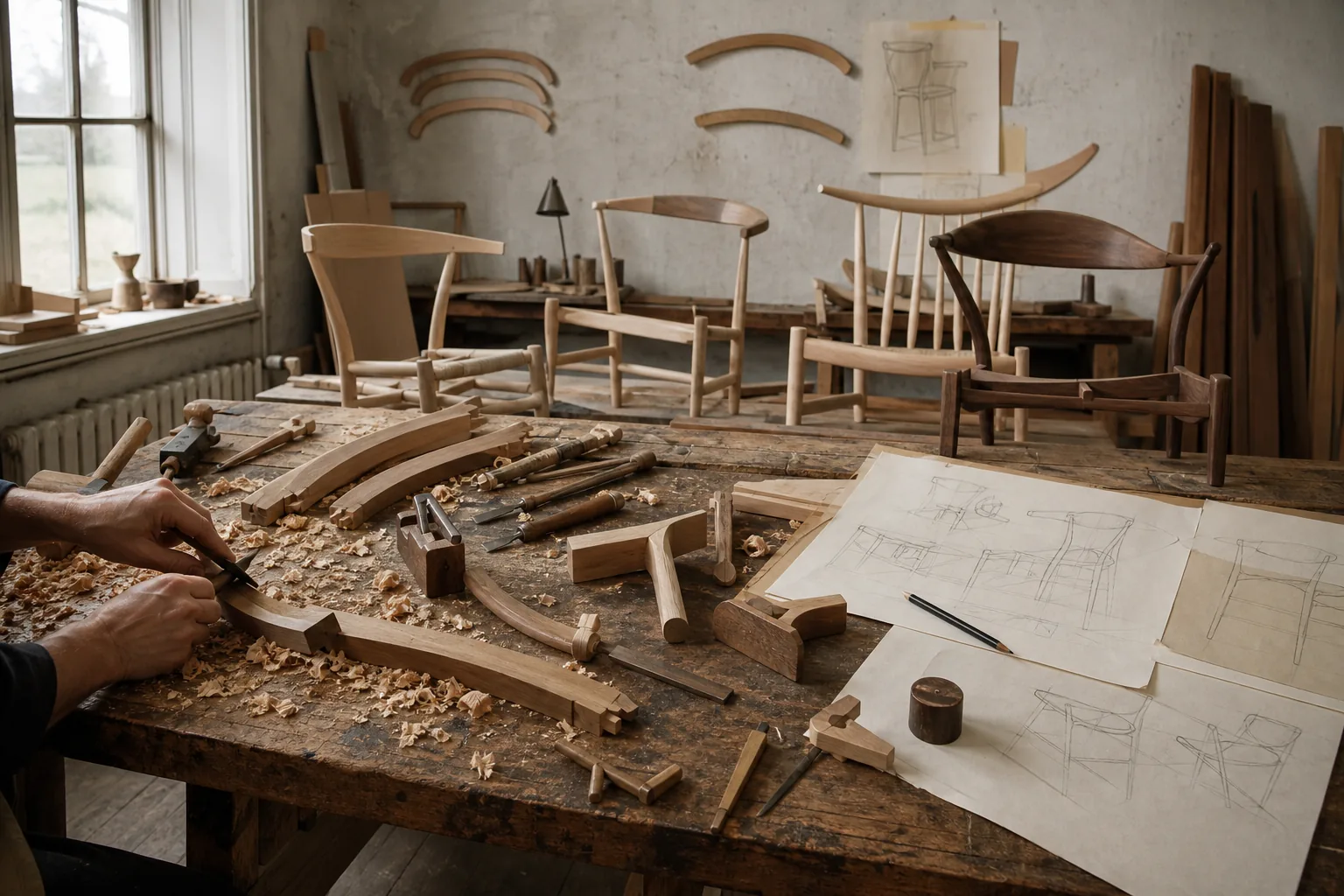
Follow Hans J. Wegner from a cabinetmaker's apprenticeship in Tønder through workshops, manufacturers and a lifetime of chair-making questions.
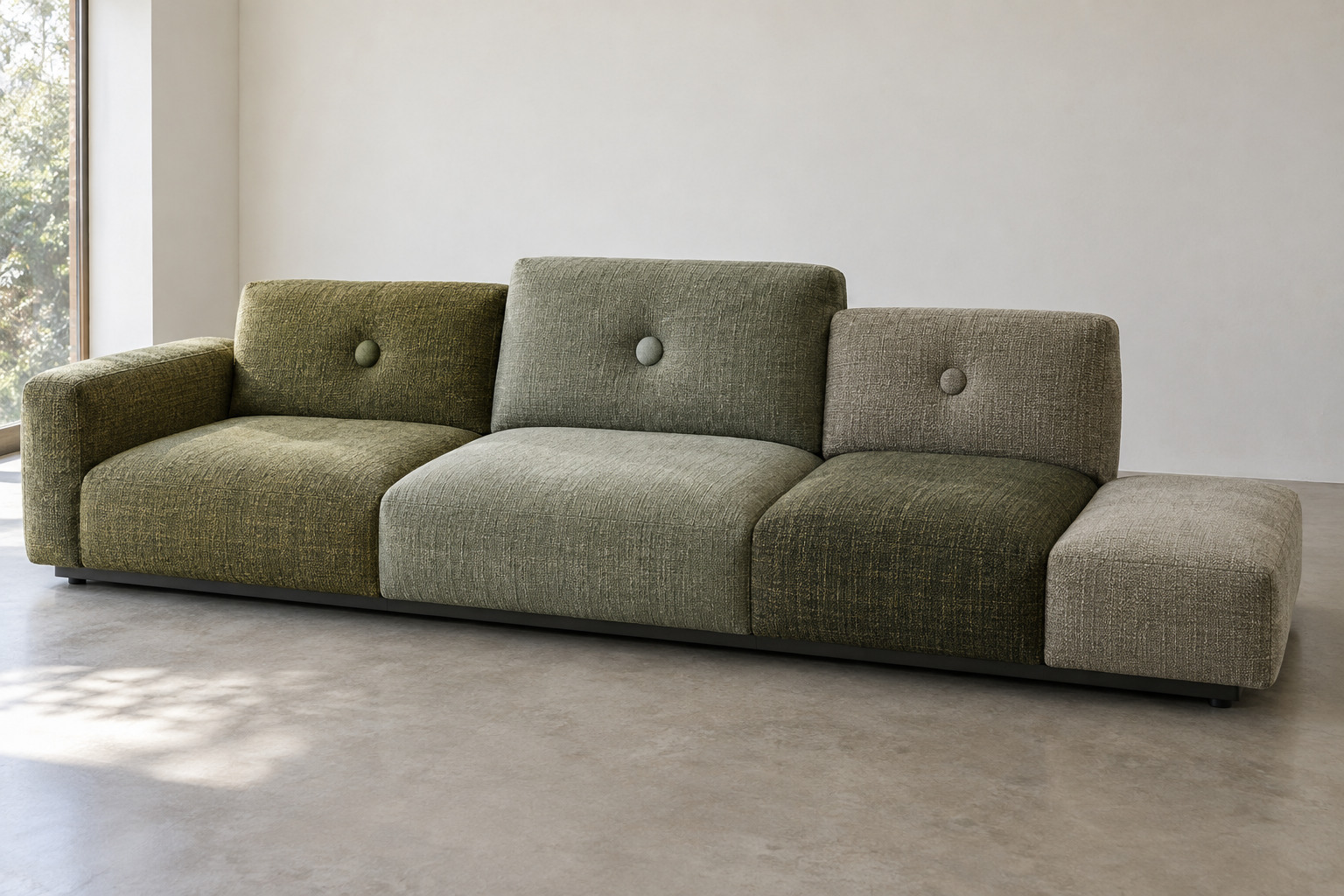
Hella Jongerius studies how colours and materials behave together. Her experiments connect industrial repetition with differences in surface and light.
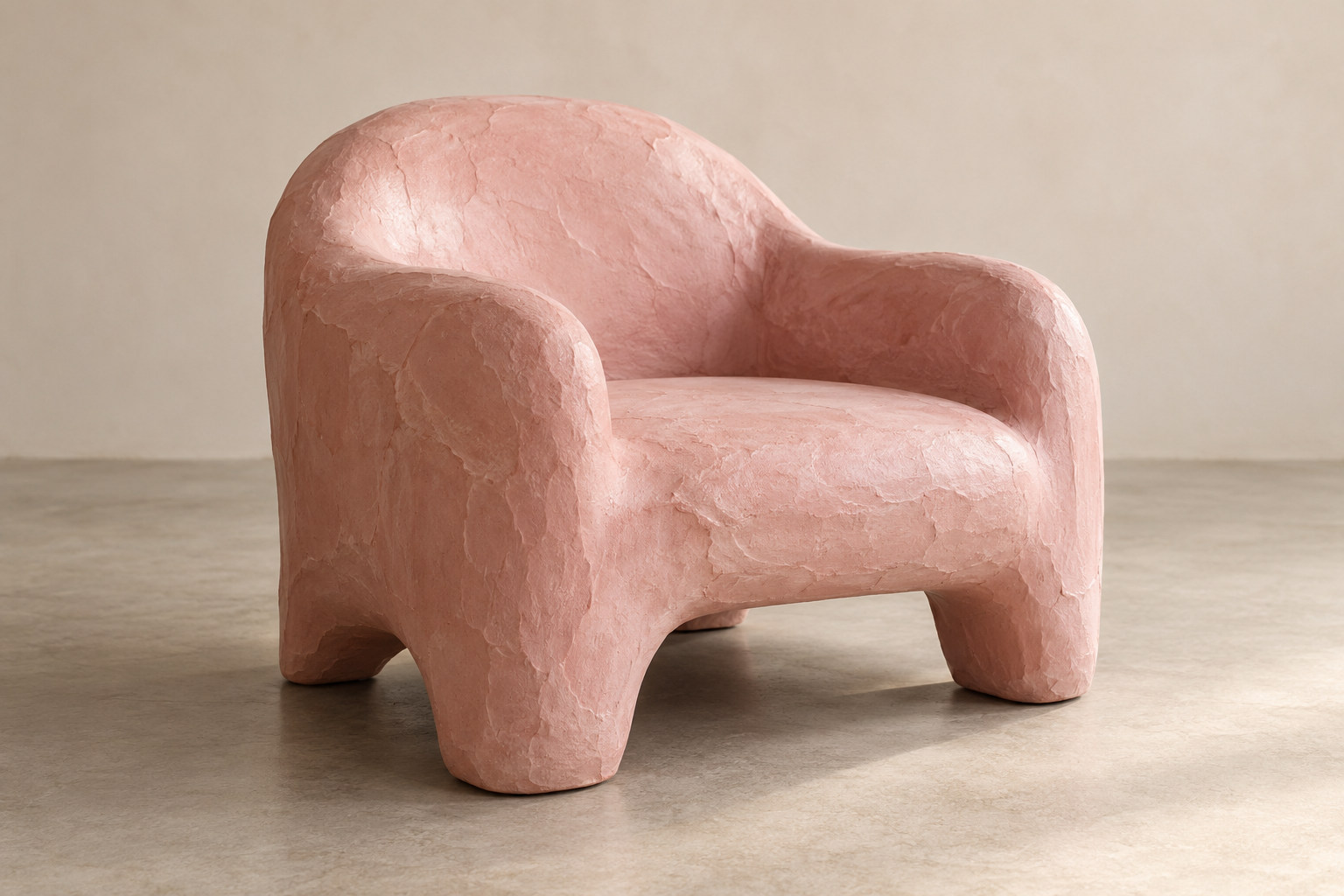
Ineke Hans’s Smallroom seating and Drawer Table show a furniture practice attentive to changing activities, from working and reading to making room to eat.
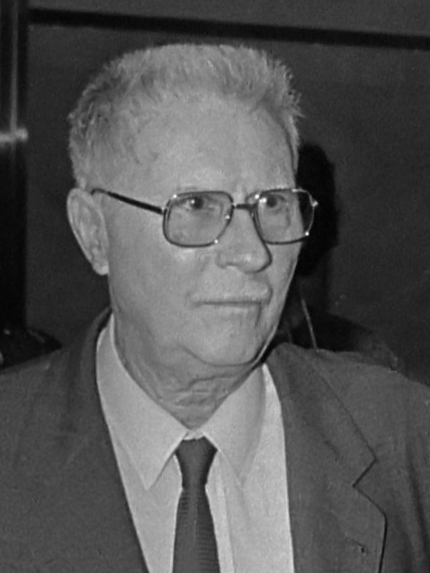
Meet Jean Prouvé through three scales of work: the unequal legs of the Standard Chair, a wall-mounted lamp and a demountable house.
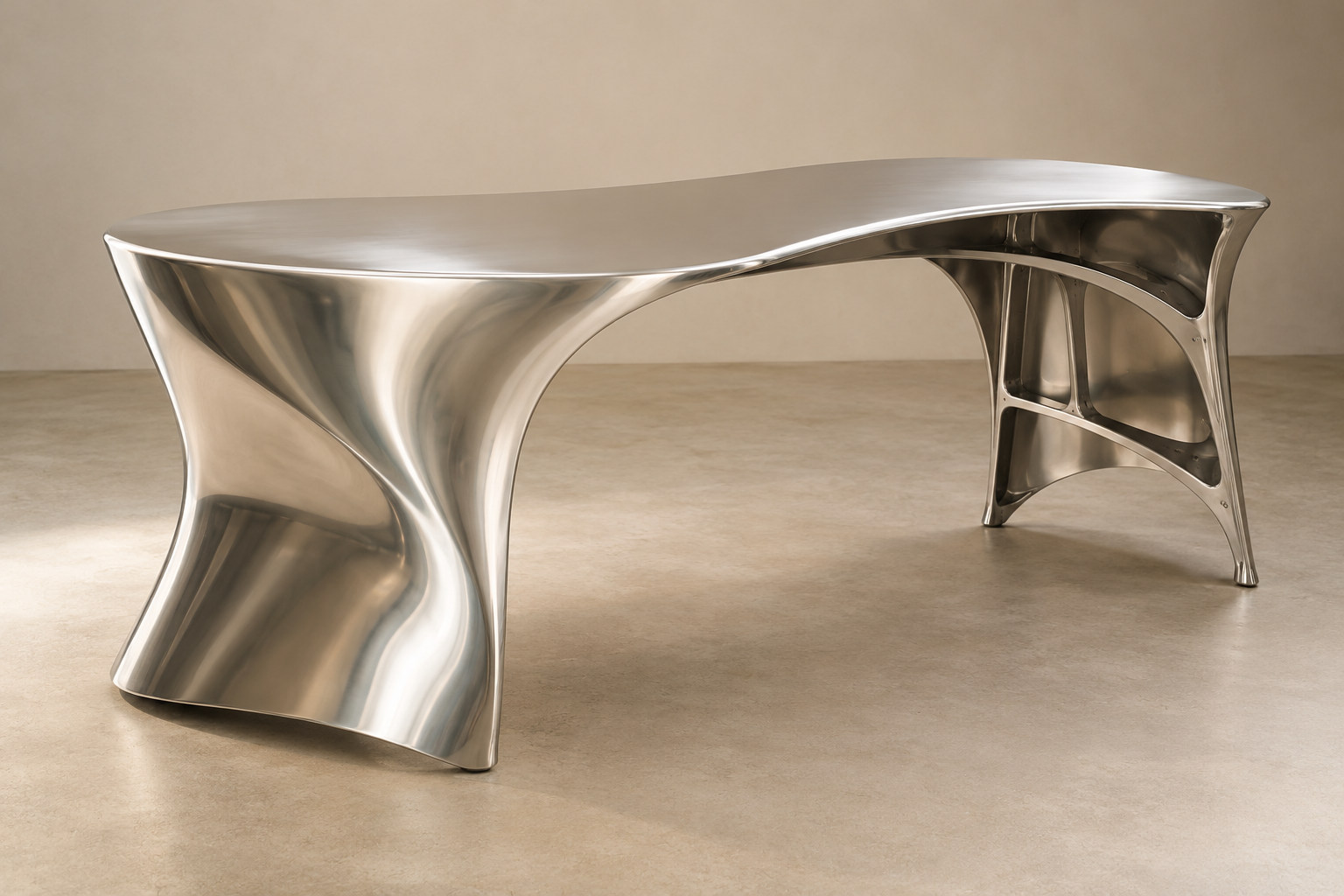
Jeroen Verhoeven’s furniture gives creative collaboration a visible form, from the people in Lectori Salutem’s curves to a wider practice connecting design and making.
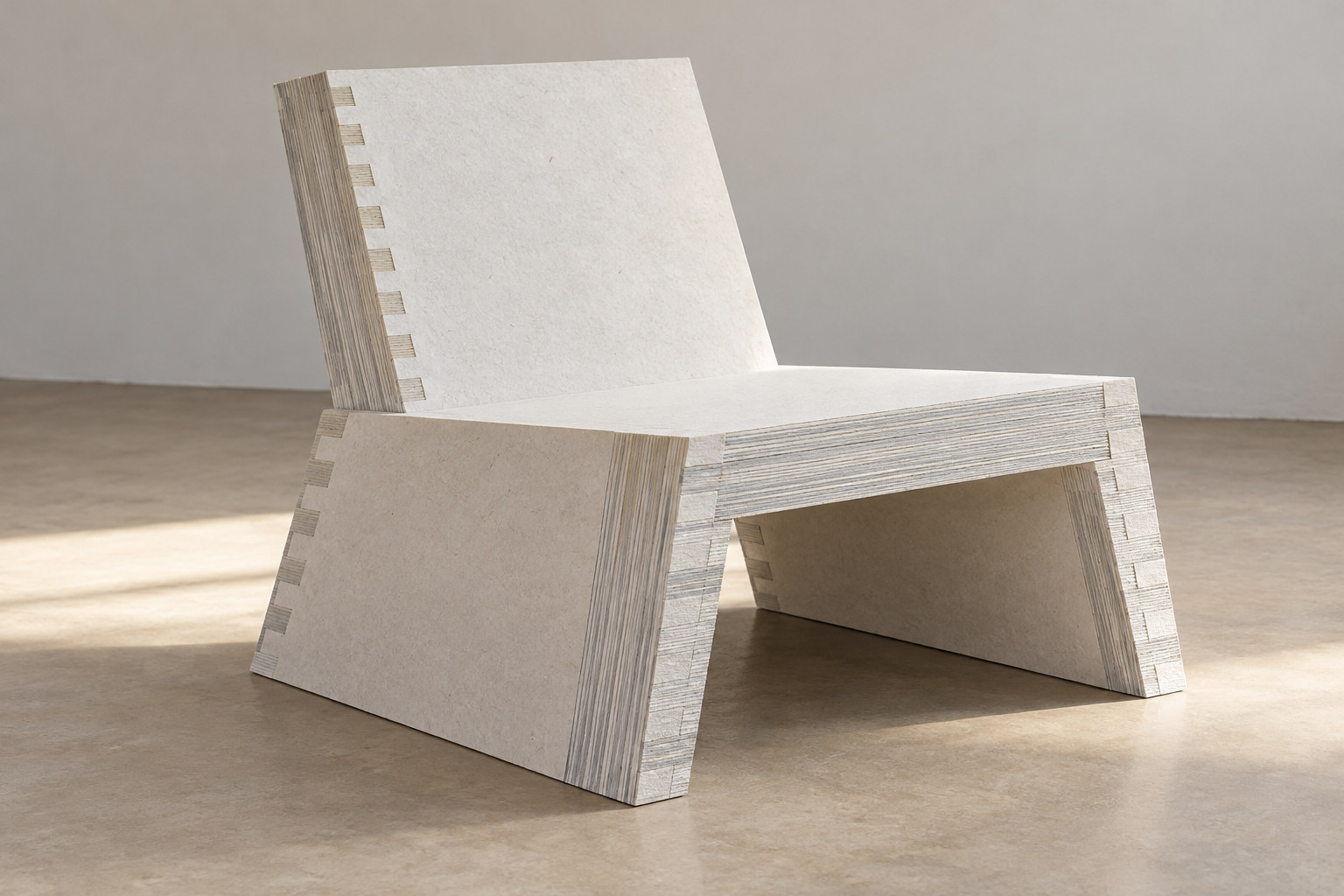
Jeroen Wand’s paper, veneer and aluminium work traces a method moving between materials. A 2023 interview adds the people and daily making behind that exchange.
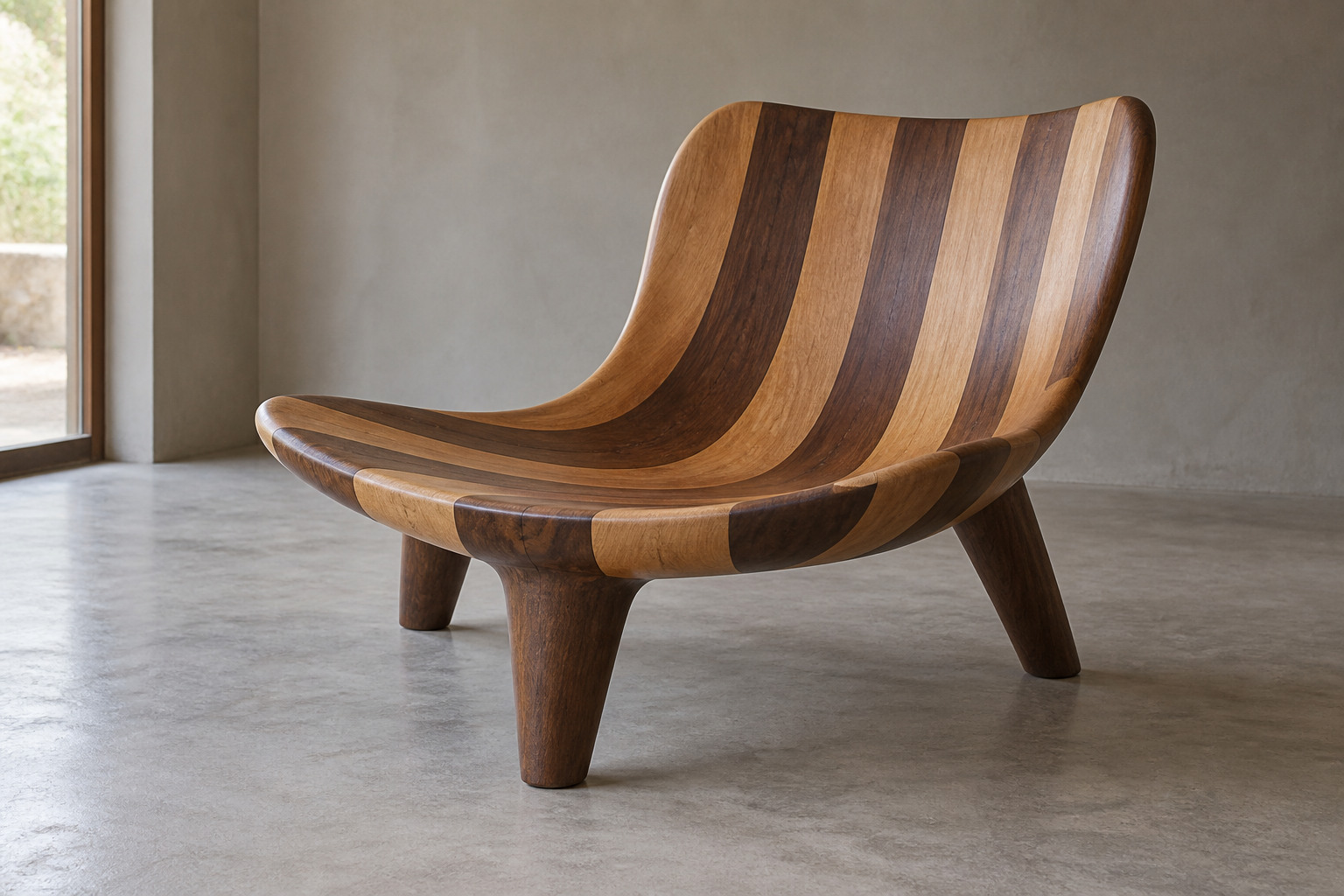
Discover how Joaquim Tenreiro used contrasting woods and curved forms in the Three-legged Chair, then carried rhythm into his later reliefs.
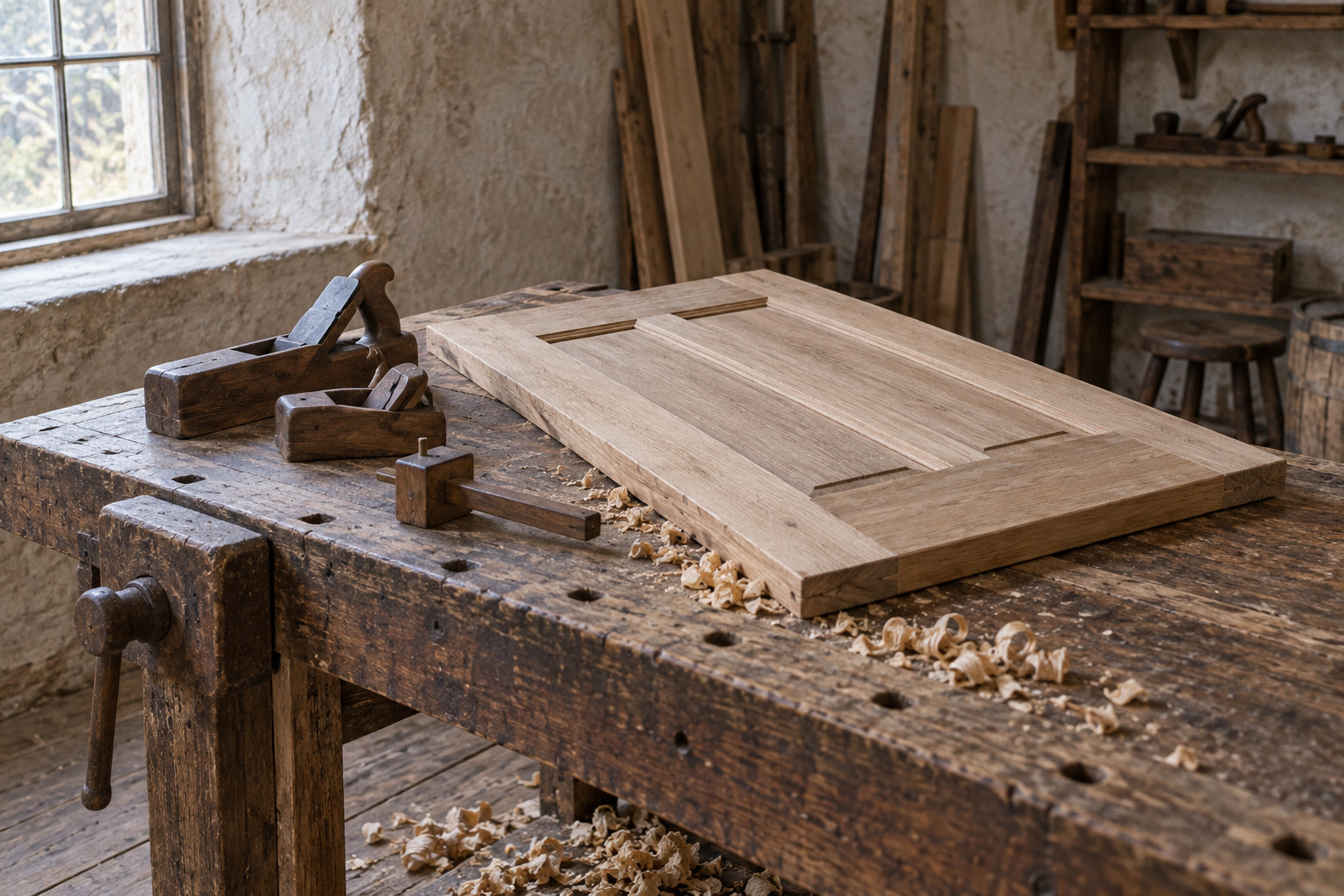
Read John Hemmings through his joinery, an 1825 letter and a lost writing desk, recognising the skilled labour behind famous furnished rooms.
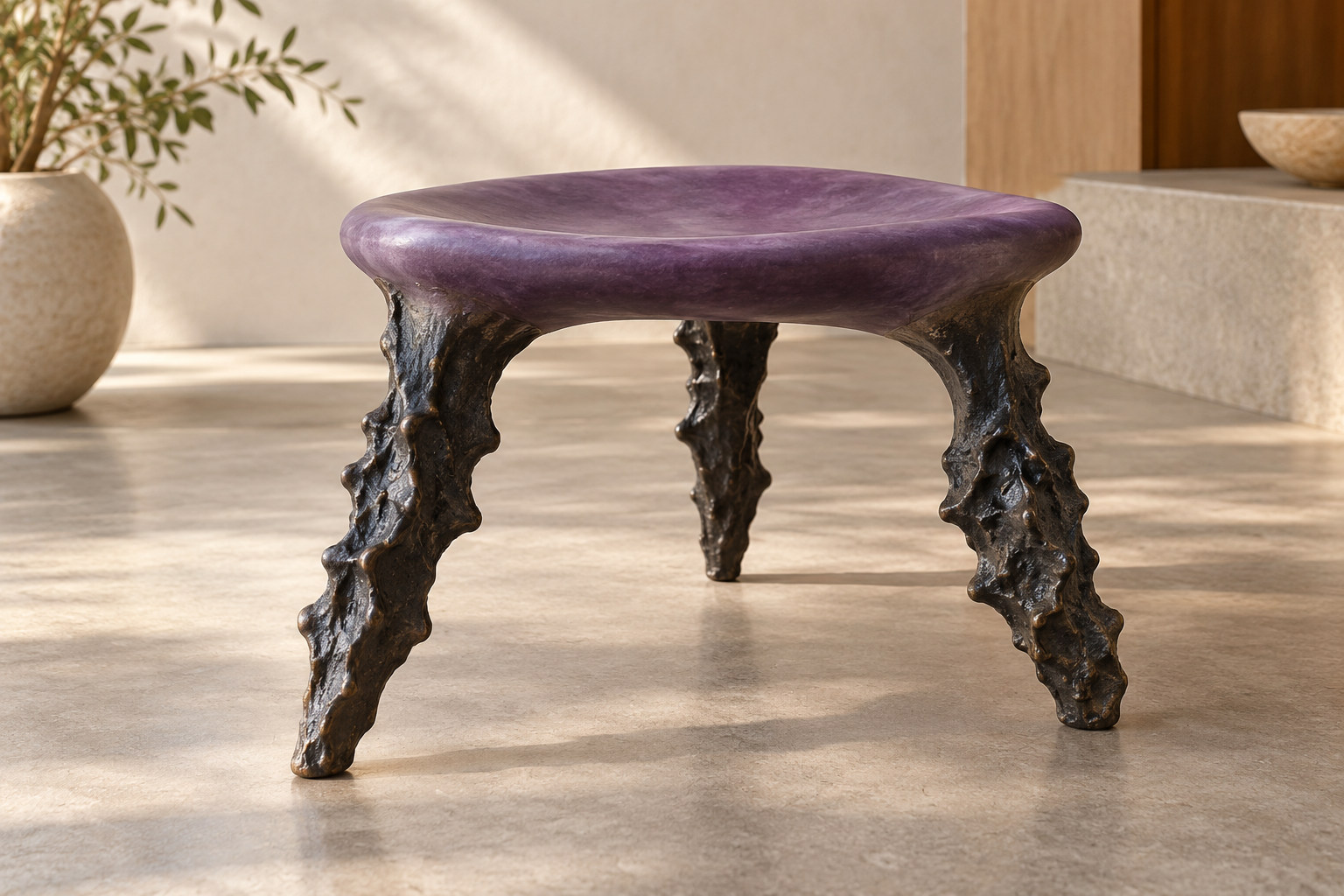
Jólan van der Wiel designs tools and experiments that make natural forces visible. Furniture, water-related work and magnetic ceramics reveal a broader working method.
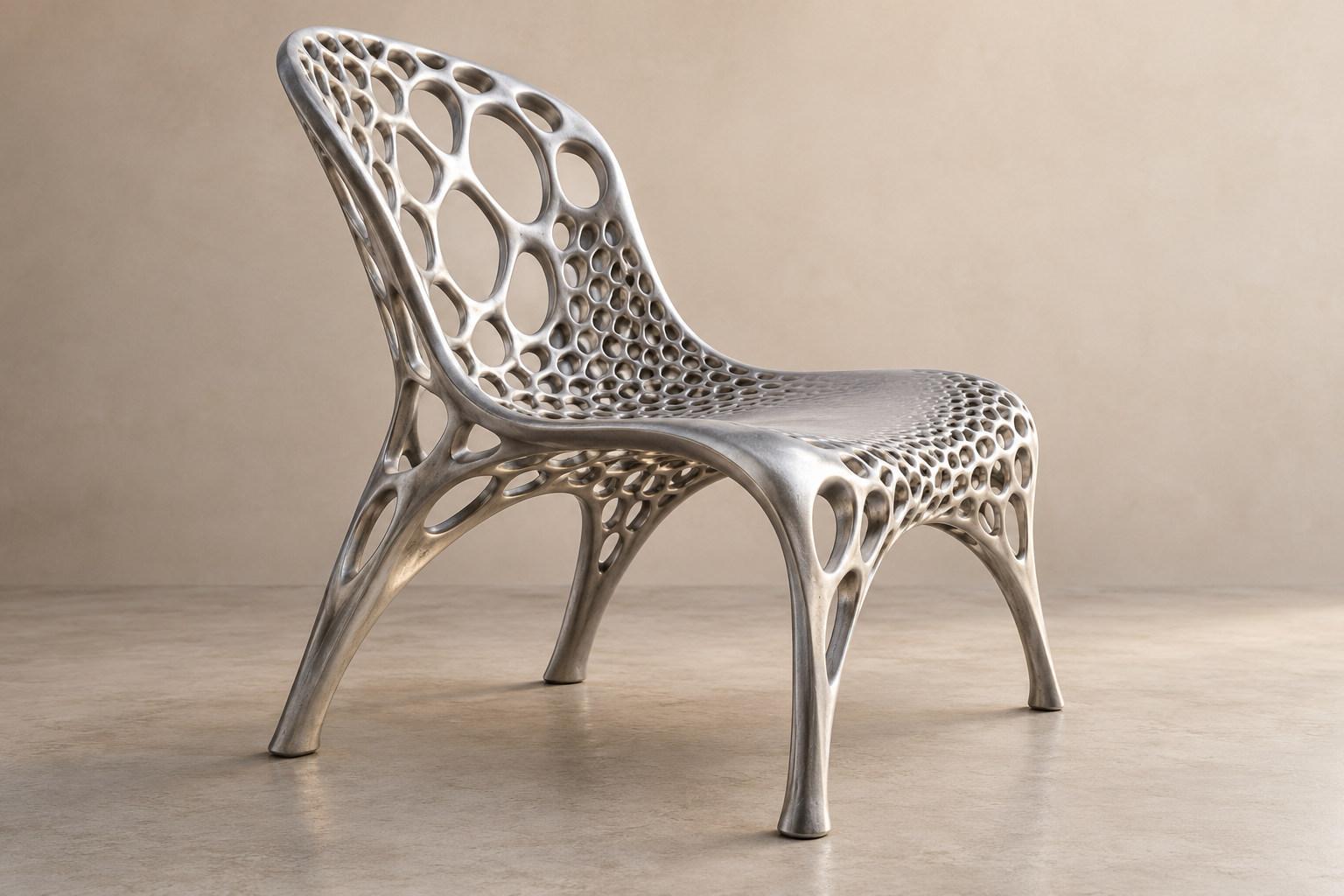
Joris Laarman’s practice brings programmers, engineers and craftspeople into furniture making. A Pixel chair shows how digital cutting and hand finishing meet.
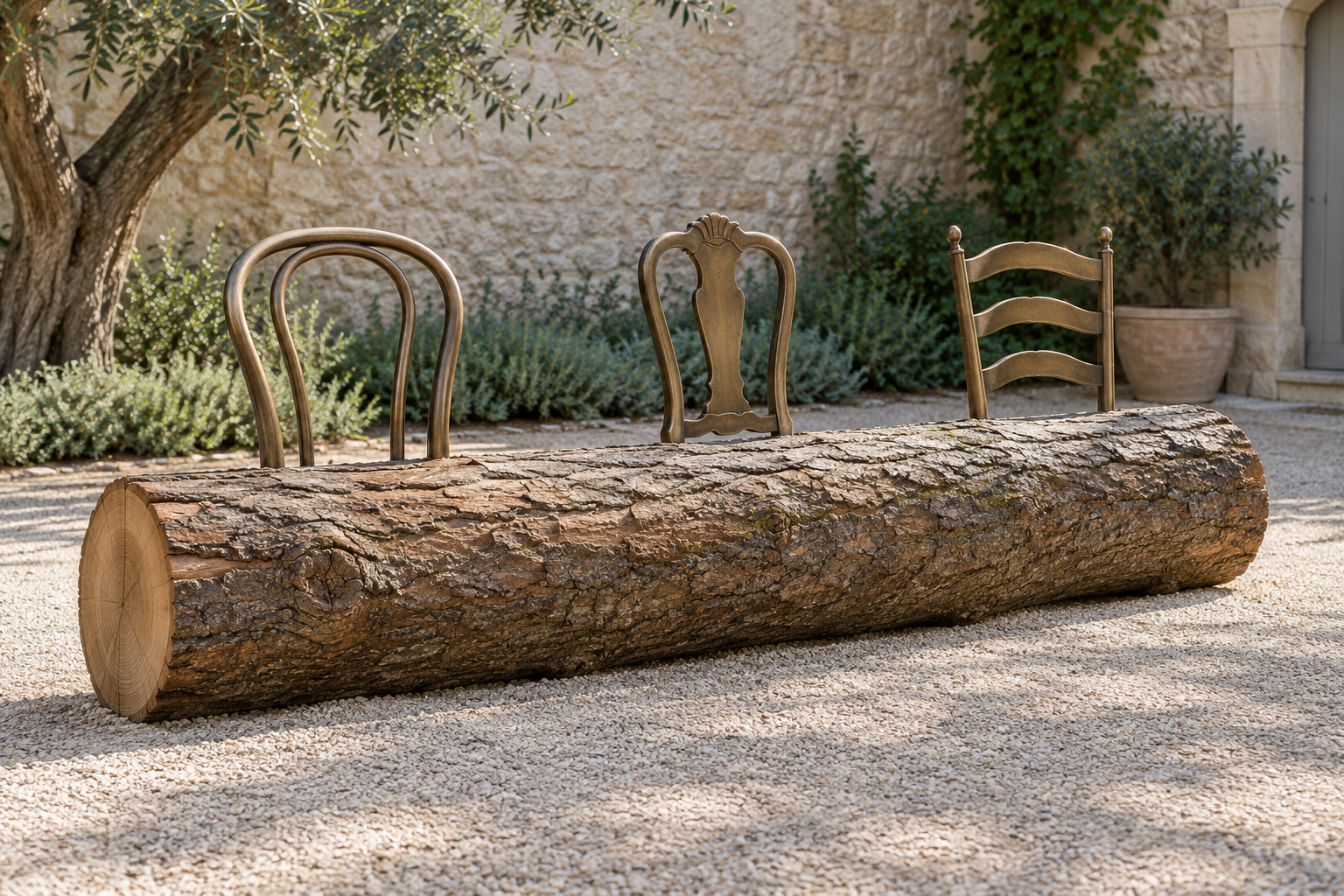
Jurgen Bey finds furniture ideas in existing surroundings and social situations. A trunk or a chair’s extended sides can change how a place is read.
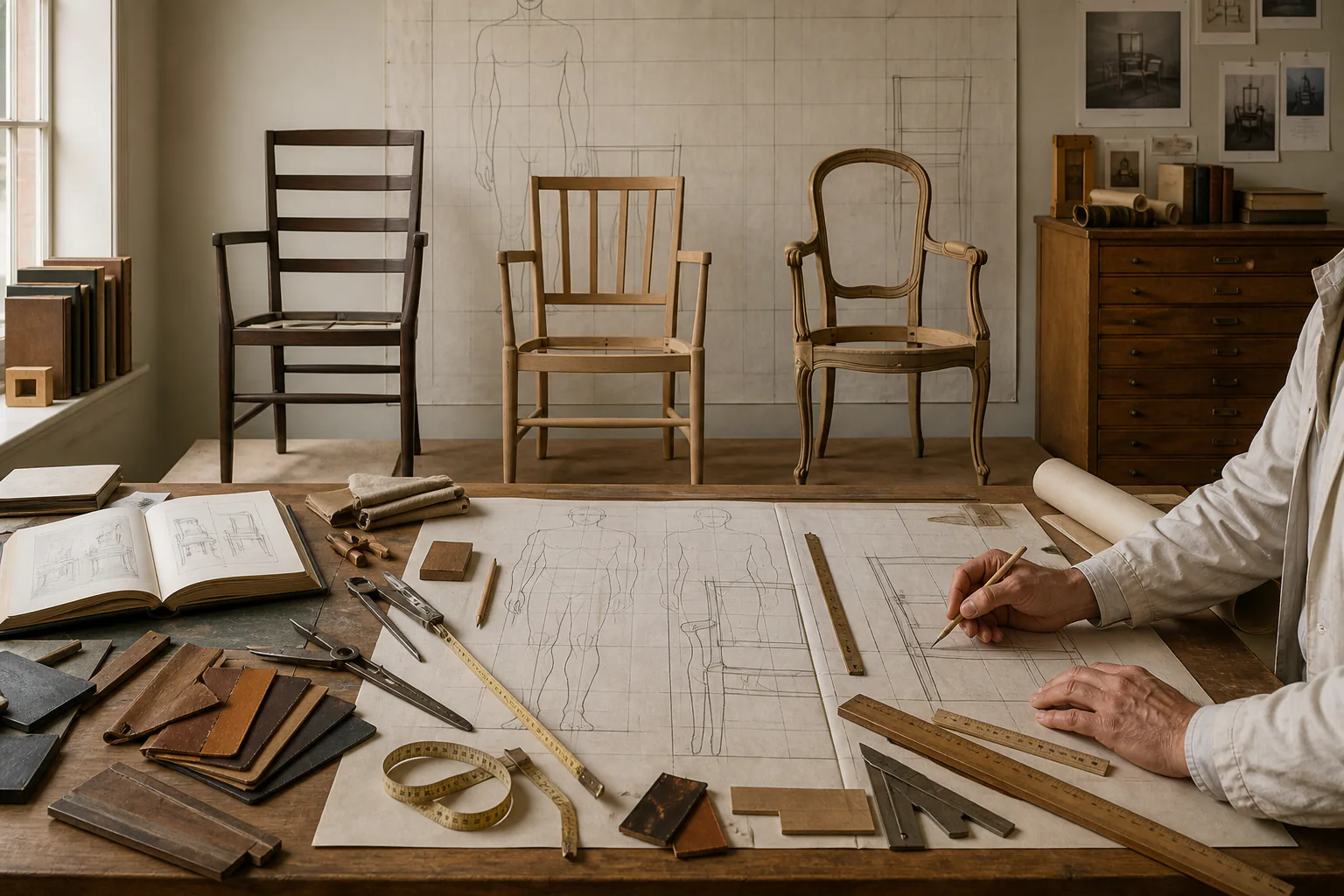
Explore how Kaare Klint connected body and room measurements, historical furniture, material, craftsmanship and teaching—and what that method tells a collector.
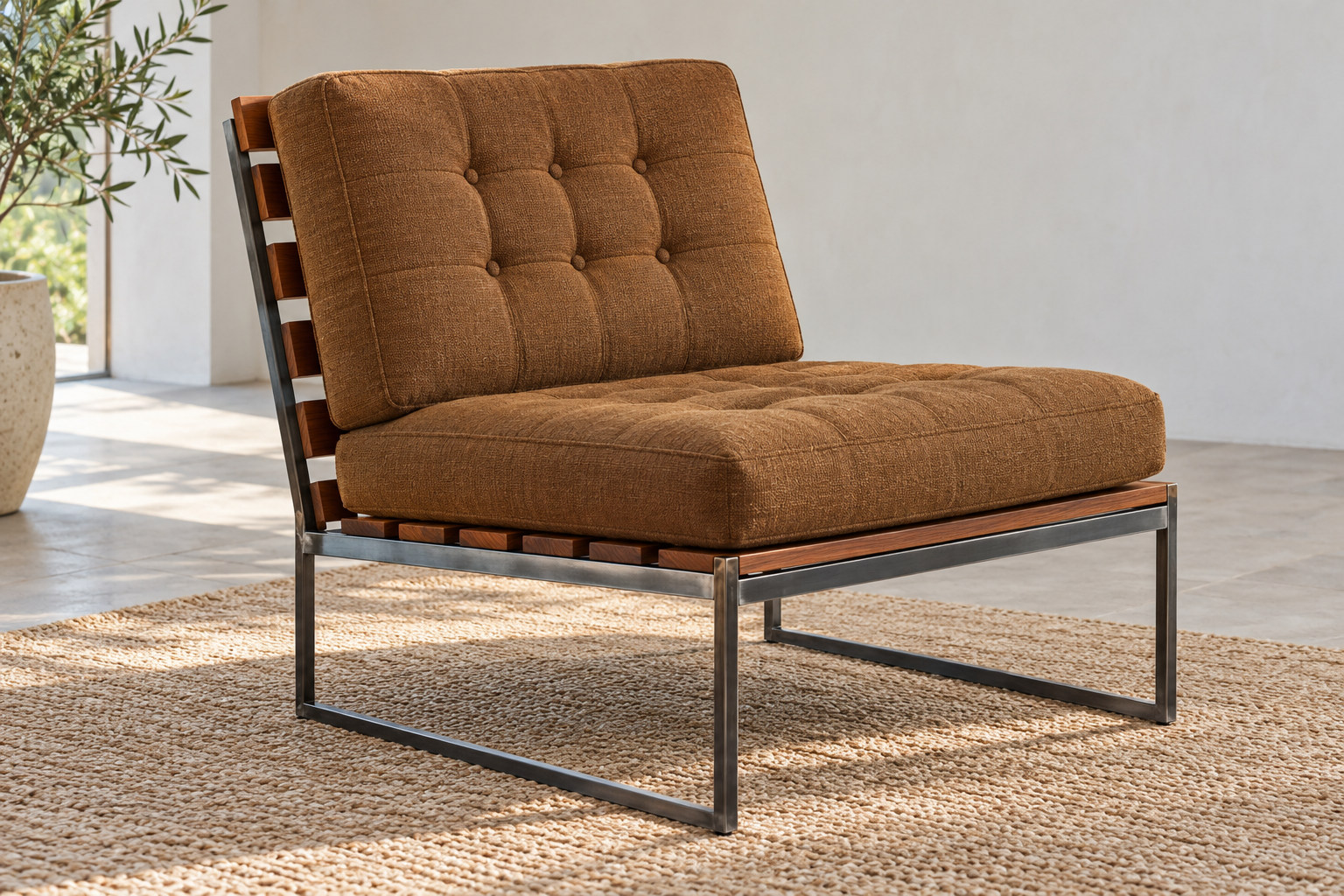
Kho Liang Ie moved between chairs, interiors and design direction, connecting a person’s immediate surroundings with the larger arrangement and the work of collaborators.
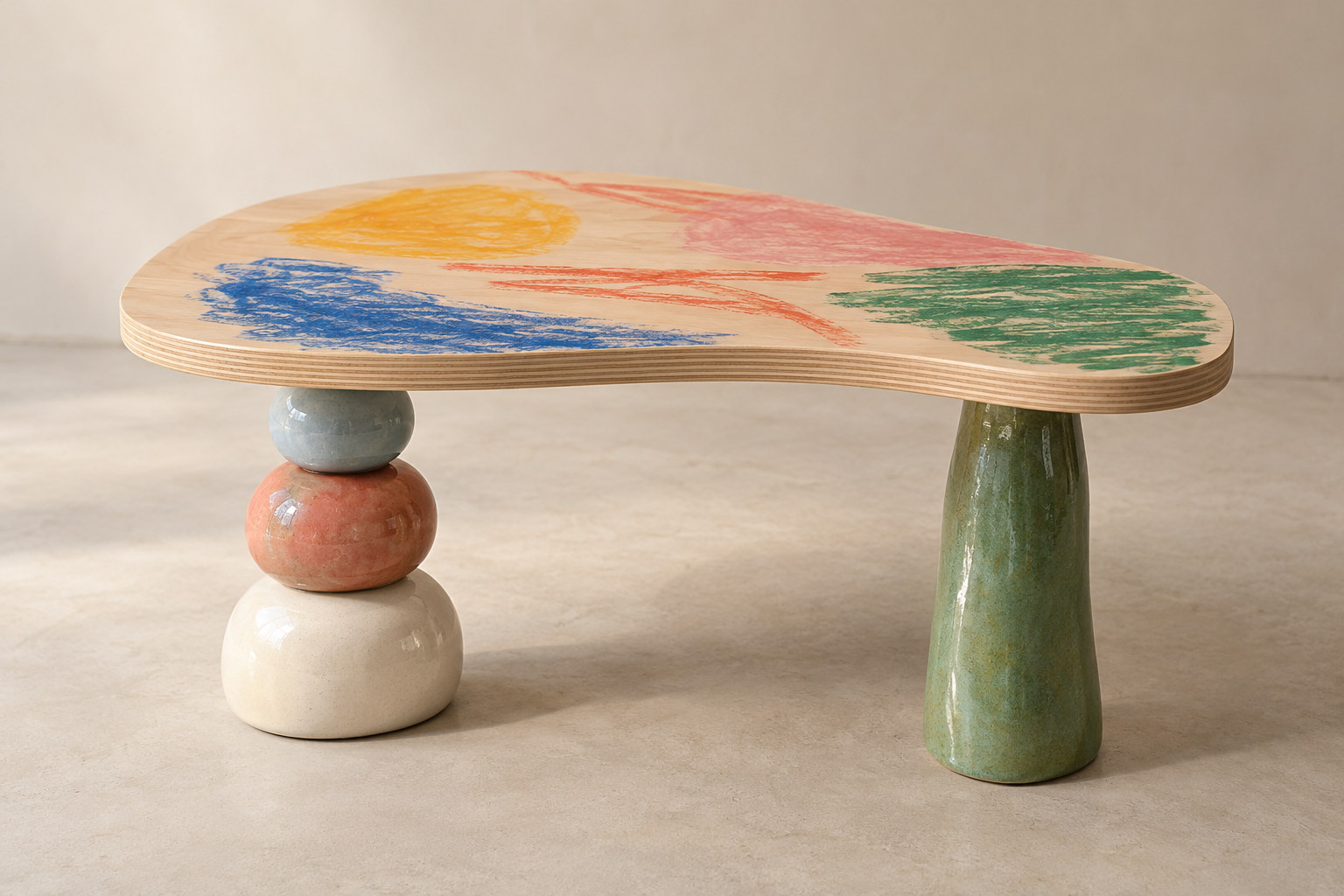
Kiki van Eijk carries the character of a sketch across wood, clay and textiles, working with specialist workshops while keeping the hand close to the result.
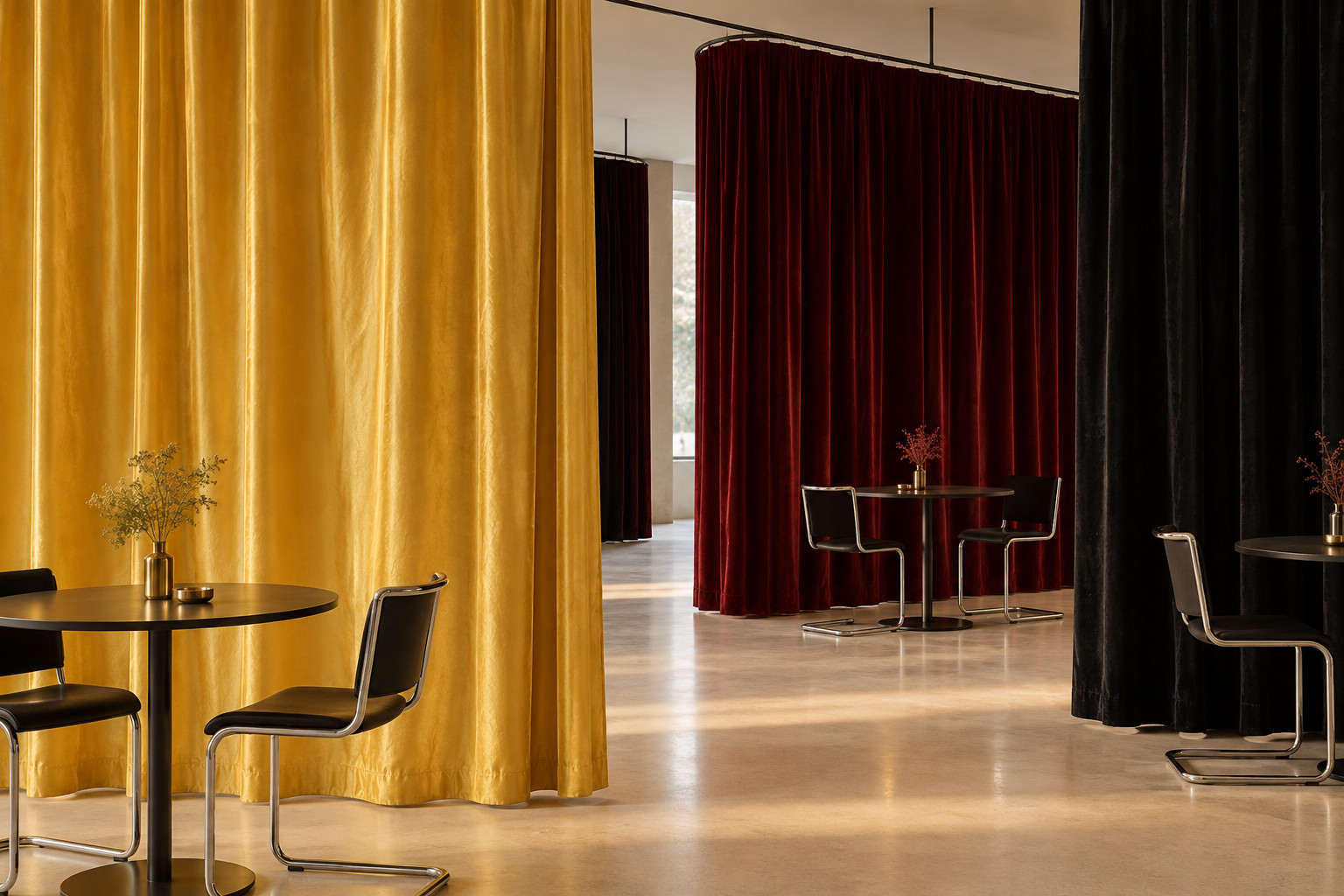
Inside Lilly Reich and Mies van der Rohe’s Velvet and Silk Café, cloth displays itself while shaping a room. A woven chair brings that material thinking to the body.
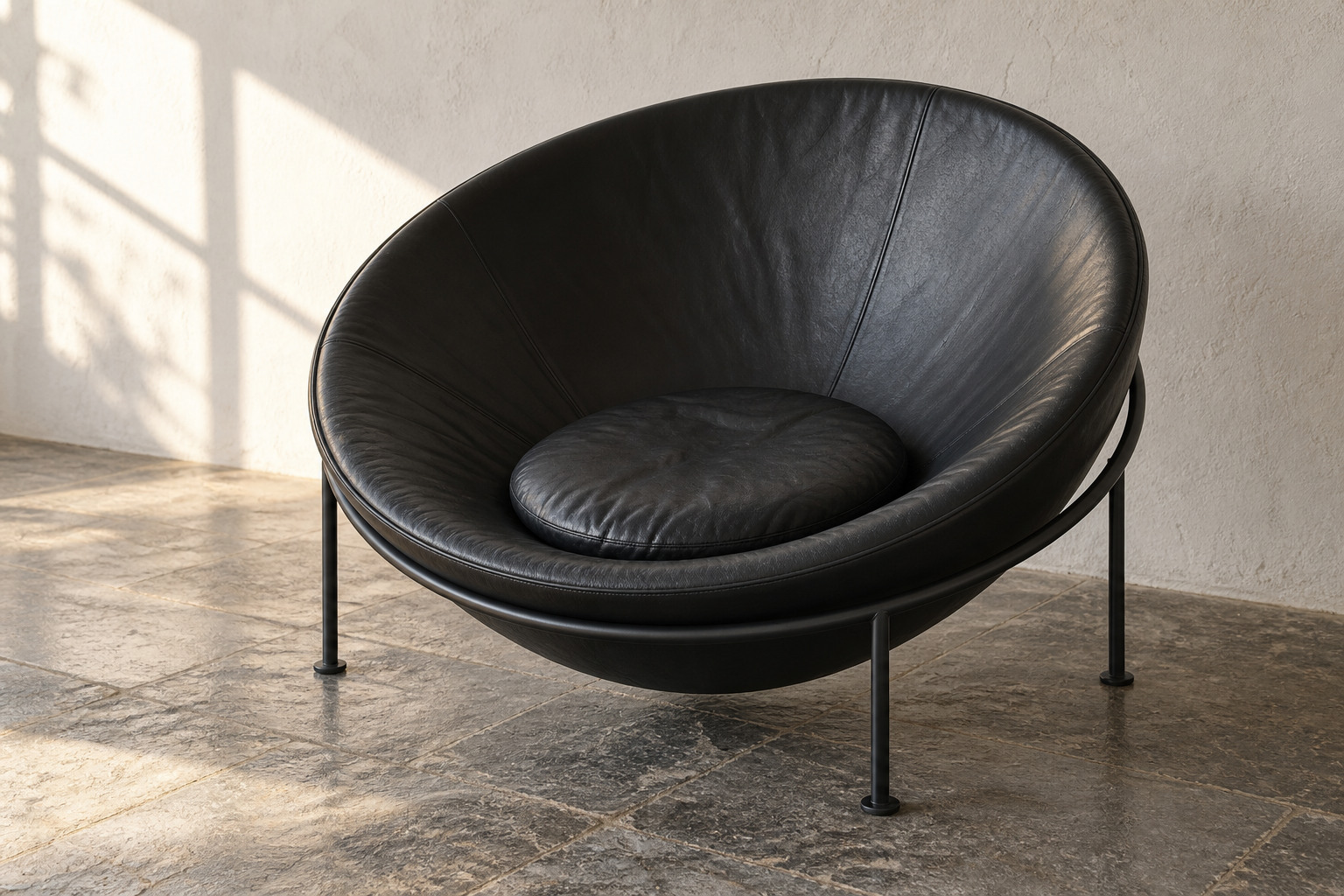
Explore Lina Bo Bardi through three kinds of seating: a folding auditorium chair, the movable Bowl and the firm wooden seats of SESC Pompéia.