Designer profile

Floris Wubben: the shaping tool is part of the design

A shaping tool can be part of the design rather than a neutral step on the way to it. Floris Wubben’s studio explores that possibility through custom extrusion machines, ceramics and the handwork that follows.

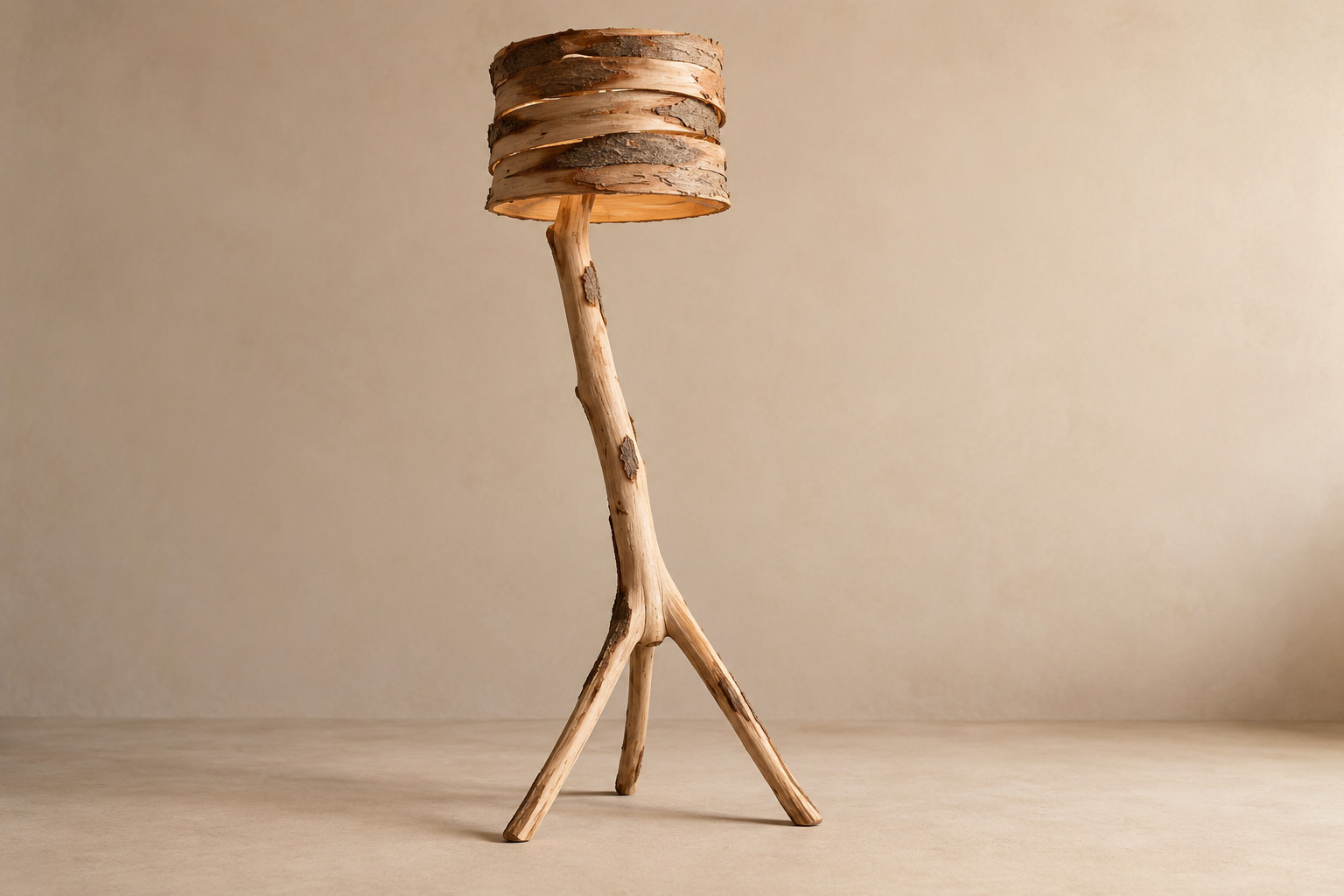
A largely peeled pale branch-like upright divides into three lower supports beneath a wound bark-like shade.
PatinaHall editorial reconstruction. It is not a documentary photograph. Related material takes the roles of support and shade. This interpretation of splitting, peeling and winding is not a construction tutorial, electrical record or exact historic specimen.
On this page
Key facts & takeaways

At a glance

Subject
Floris Wubben
Entry
Designer profile
Last reviewed
25 October 2026

Three things to remember

  1. The studio designs its own shaping equipment.
  2. Extrusion and hand finishing both contribute to the work.
  3. A 2025 presentation of Hills Table does not establish its first design date.

A machine that leaves decisions open

Floris Wubben's studio designs the equipment through which some of its ceramic objects take shape. Its account describes custom-built extrusion machines working in a balance with material behaviour and the designer's guiding hand.1

The tool therefore participates in the form. Changing how material is shaped can open a different set of possibilities before the finishing work begins.

This is a useful way to understand a practice concerned with both objects and production. A result can carry decisions made in the machine, in the material and through later handling. The workshop's method becomes part of what the viewer encounters.
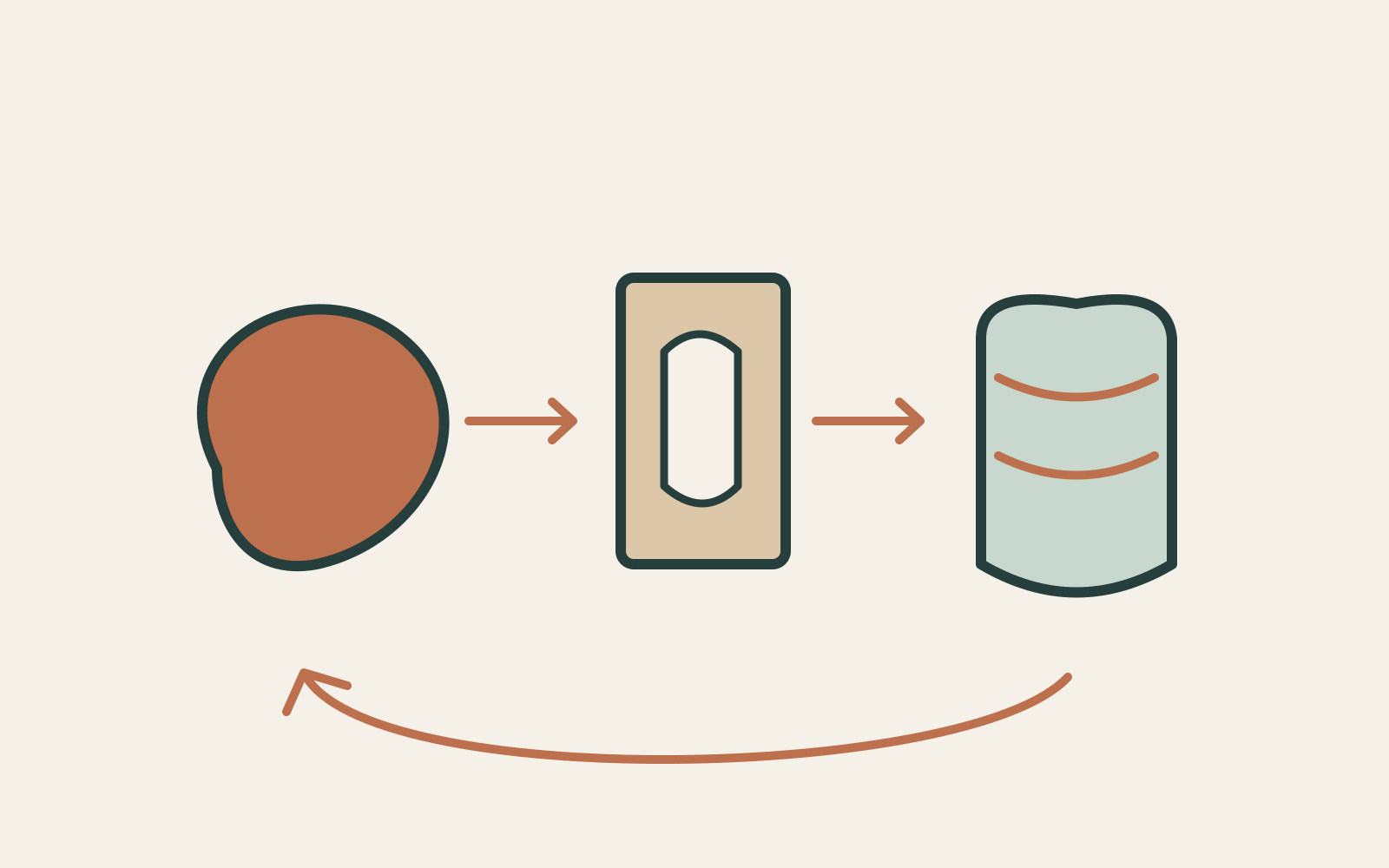
Material, a shaping aperture and a finished form are linked in a conceptual loop.
The shaping tool, material and later judgement can all contribute to a form; the return arrow represents revisiting design choices. Original PatinaHall schematic, not to scale; this is not a machine specification or a universal making sequence.

A ceramic process reaches the table

The studio describes Hills Table through a combination of extruded ceramic forms and hand finishing. It places the table in its 2025 Frieze Los Angeles presentation with The Future Perfect, within a dining-room setting reimagined by Nicole Hollis.2

The furniture scale makes the relationship between process and object especially tangible. A table has a top, supports and a presence within a room; its making has to arrive at that larger arrangement.

Hand finishing remains in the studio's account. The shaped components continue through another stage of judgement as they become the final piece.

Different transformations, a shared interest

Stripped shows another way Wubben works with a material's possibilities. In his submitted description, a branch is split into three legs and its bark peeled and wound into a lampshade. A sequence of actions gives related material several new roles.4

Princessehof's Design #2: Licht exhibition offers a separate ceramic example: it describes Wubben working the surface of porcelain lamps with a gas burner to enhance their translucency. The transformation changes how the object can meet light.3

These examples keep the interest in making specific. A branch, a porcelain light and an extruded table ask different things of their materials.

Begin by asking what action helped the form appear. In Wubben's work, shaping, splitting or finishing can be the clue that connects the visible object to the tool and material behind it.

Research notesEvidence, connections and limits

Studio process claims are attributed to the studio; no global invention priority is asserted. Stripped, ceramic lighting and Hills Table have separate materials and making accounts, rather than one universal production method.

Evidence map

Connected subjects and evidence

Reviewed connections

  • Stripped lampdesigned byFloris Wubbendocumented

    The designer-submitted statement credits Floris Wubben. The 2013 competition entry and a September 2012 article document different publication contexts, rather than one established first-design year.

    Reviewed 25 October 2026 by PatinaHall editorial.
    • Source 4IDF awards 2013, designer’s own words
    • Source 5Article heading and 26 September 2012 publication date
  • Hills Tabledesigned byFloris Wubbendocumented

    Studio Floris Wubben's Hills Table record describes extruded ceramic forms and hand finishing in a 2025 presentation context.

    Reviewed 25 October 2026 by PatinaHall editorial.
    • Source 2Extruded ceramic forms, hand finishing and 2025 presentation context

Research trail

Sources and further reading

  1. Studio Floris Wubben: About the studioStudio Floris WubbenAccessed 25 October 2026
  2. Studio Floris Wubben: Hills TableStudio Floris WubbenAccessed 25 October 2026
  3. Princessehof: Design #2, LichtKeramiekmuseum PrincessehofAccessed 25 October 2026
  4. Floris Wubben: Stripped lamp, designer-submitted project statementDesignboomAccessed 25 October 2026
  5. Designboom: Floris Wubben, Stripped branch lampDesignboomAccessed 25 October 2026

Last reviewed 25 October 2026. Found an error or a stronger primary source? Contact PatinaHall.