Historic object
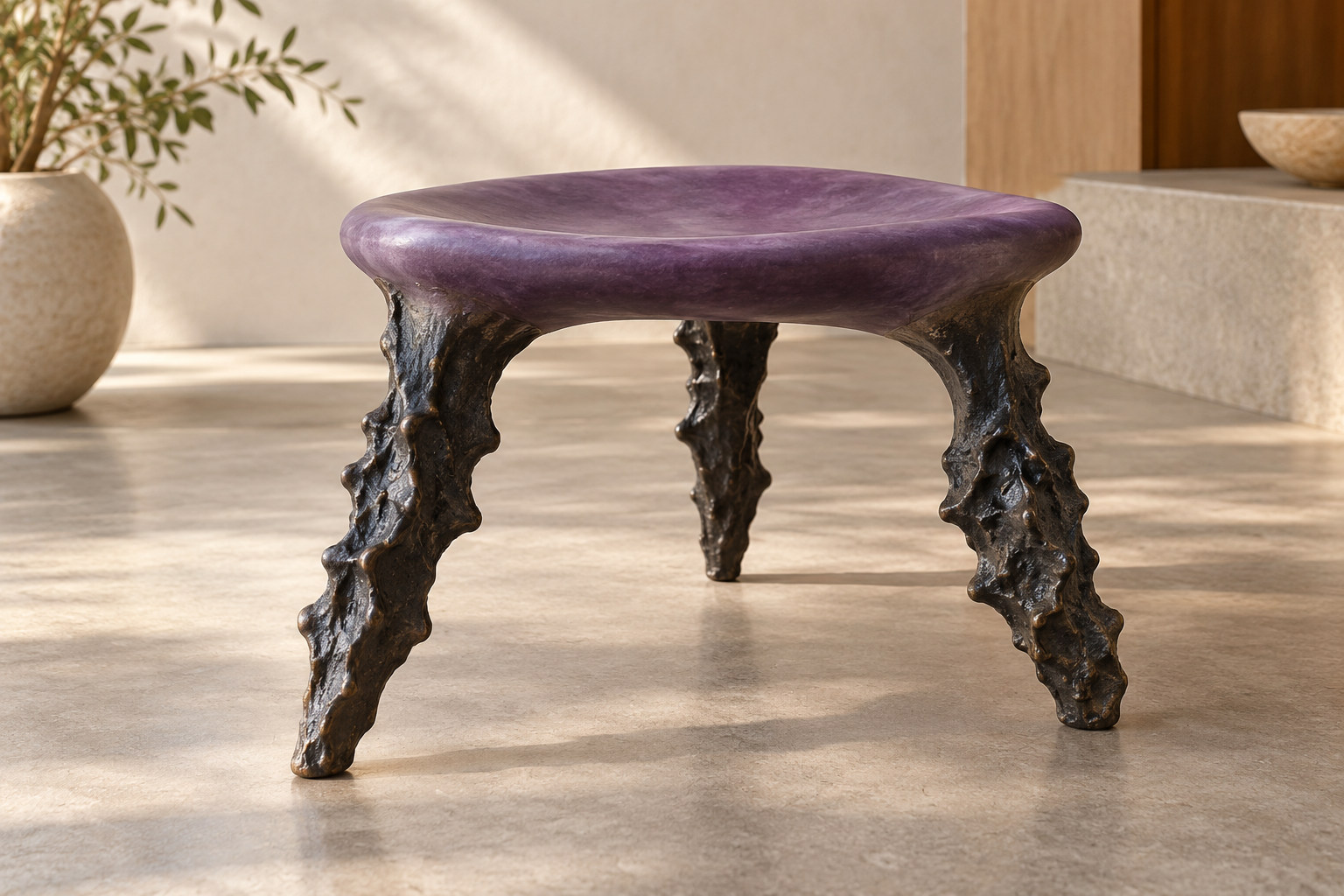
Original gravity stool, NGV2016.1047
Jólan van der Wiel’s Gravity Stool makes a magnetic field part of the forming process. The NGV example separates a 2011 design from a 2016 object.
Objects · people · ideas
Discover the objects, people and ideas that shaped furniture, from historic pieces to modern designs.
Jólan van der Wiel’s Gravity Stool makes a magnetic field part of the forming process. The NGV example separates a 2011 design from a 2016 object.
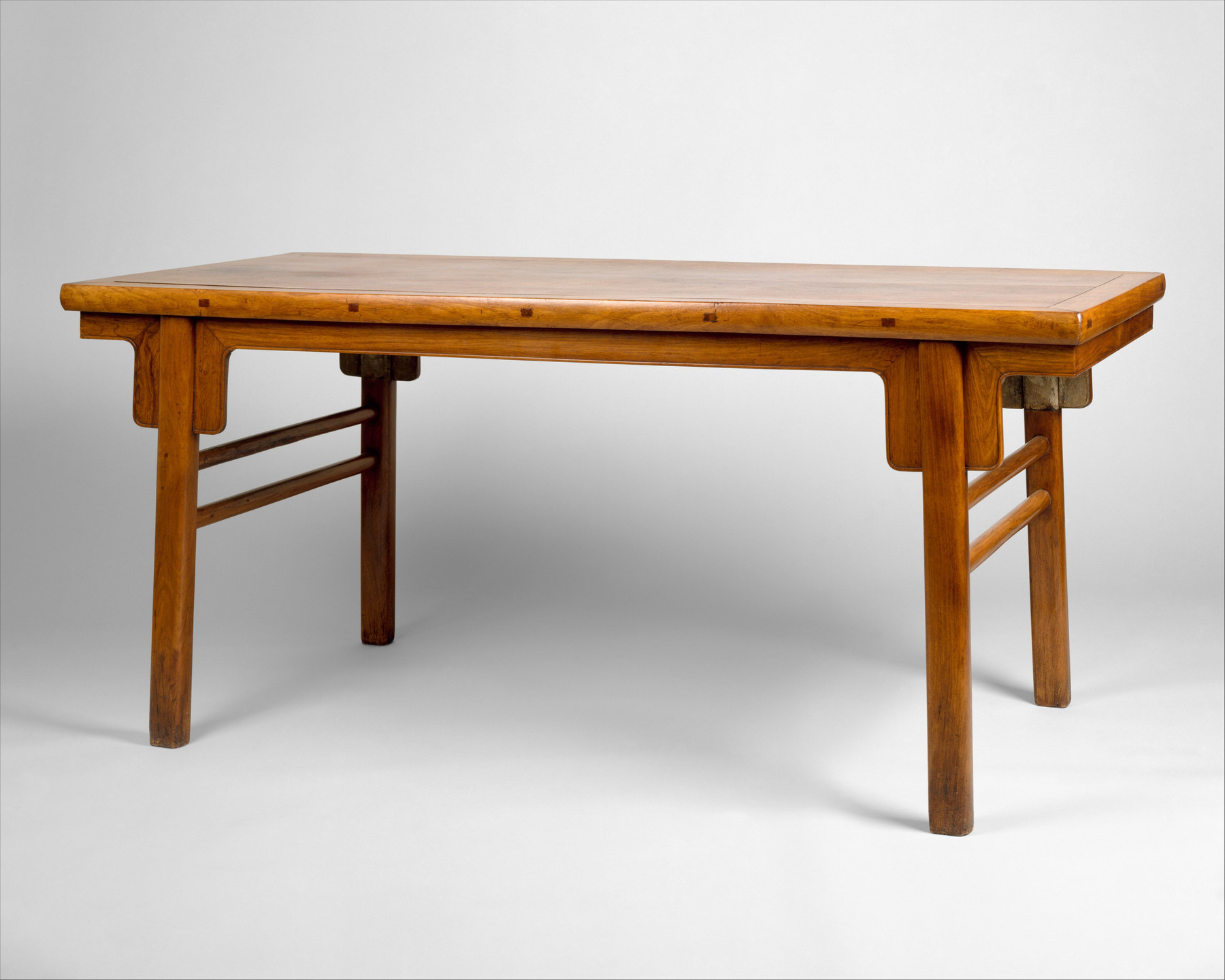
Read the Met’s huanghuali painting table through its broad clear top and the close, gradual experience of opening a Chinese handscroll.
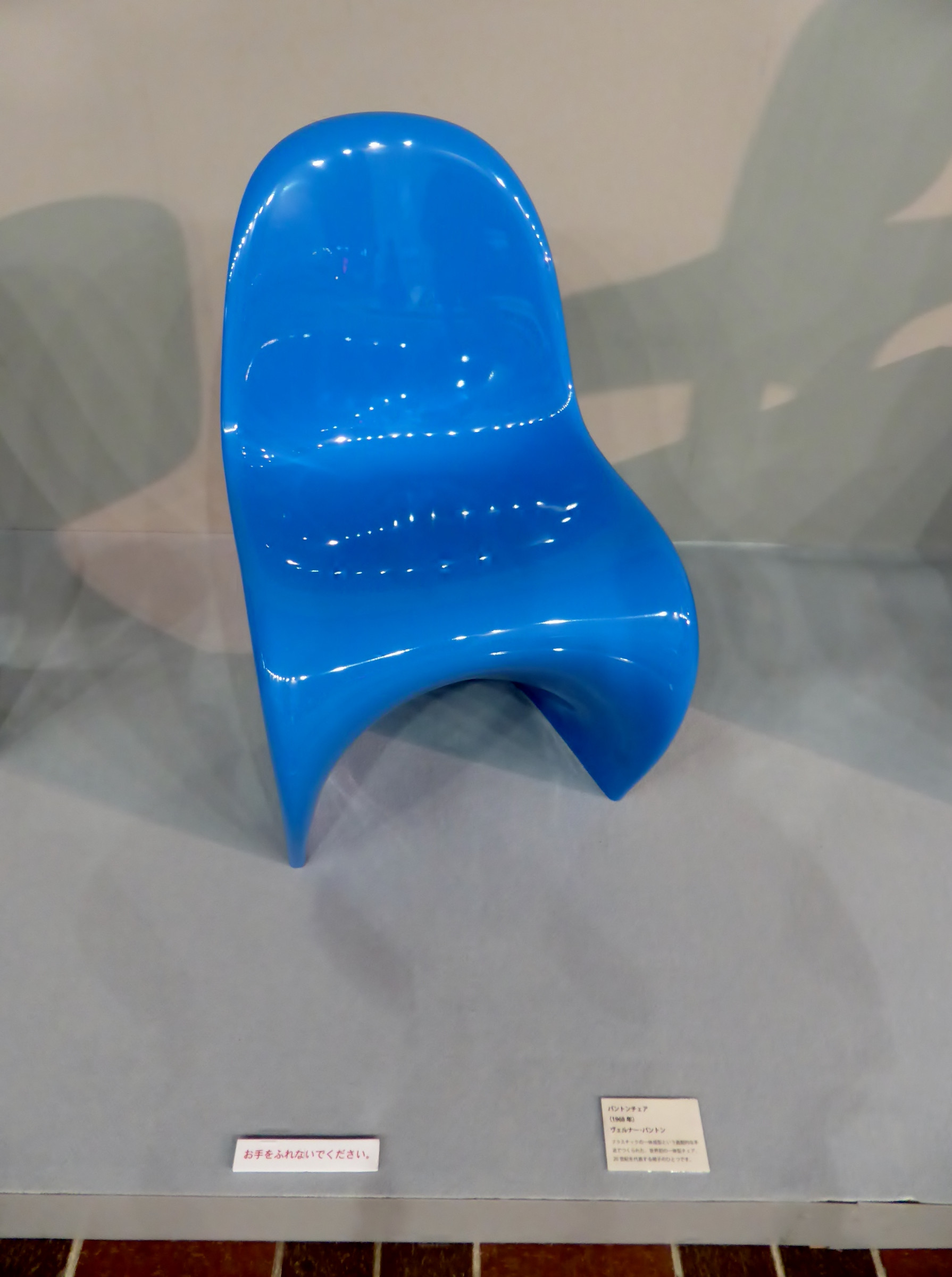
Follow Verner Panton's one-piece cantilever through its 1967 pilot, polyurethane series, thermoplastic failure and 1999 polypropylene return.
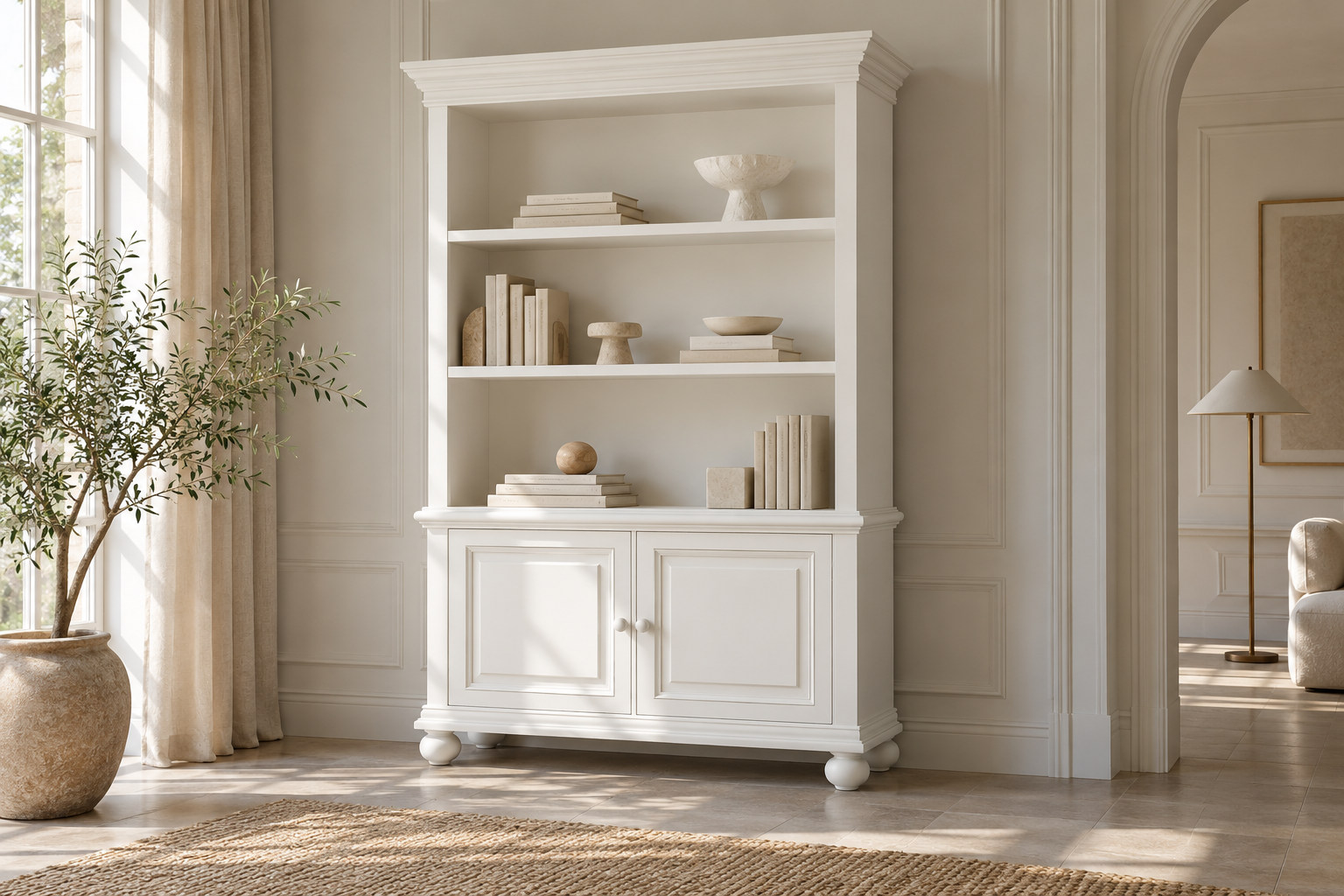
Studio Job’s open-shelf Paper Cabinet gives a classical furniture outline a different material life. Paper, wood and coating participate in a deliberately surprising assembly.
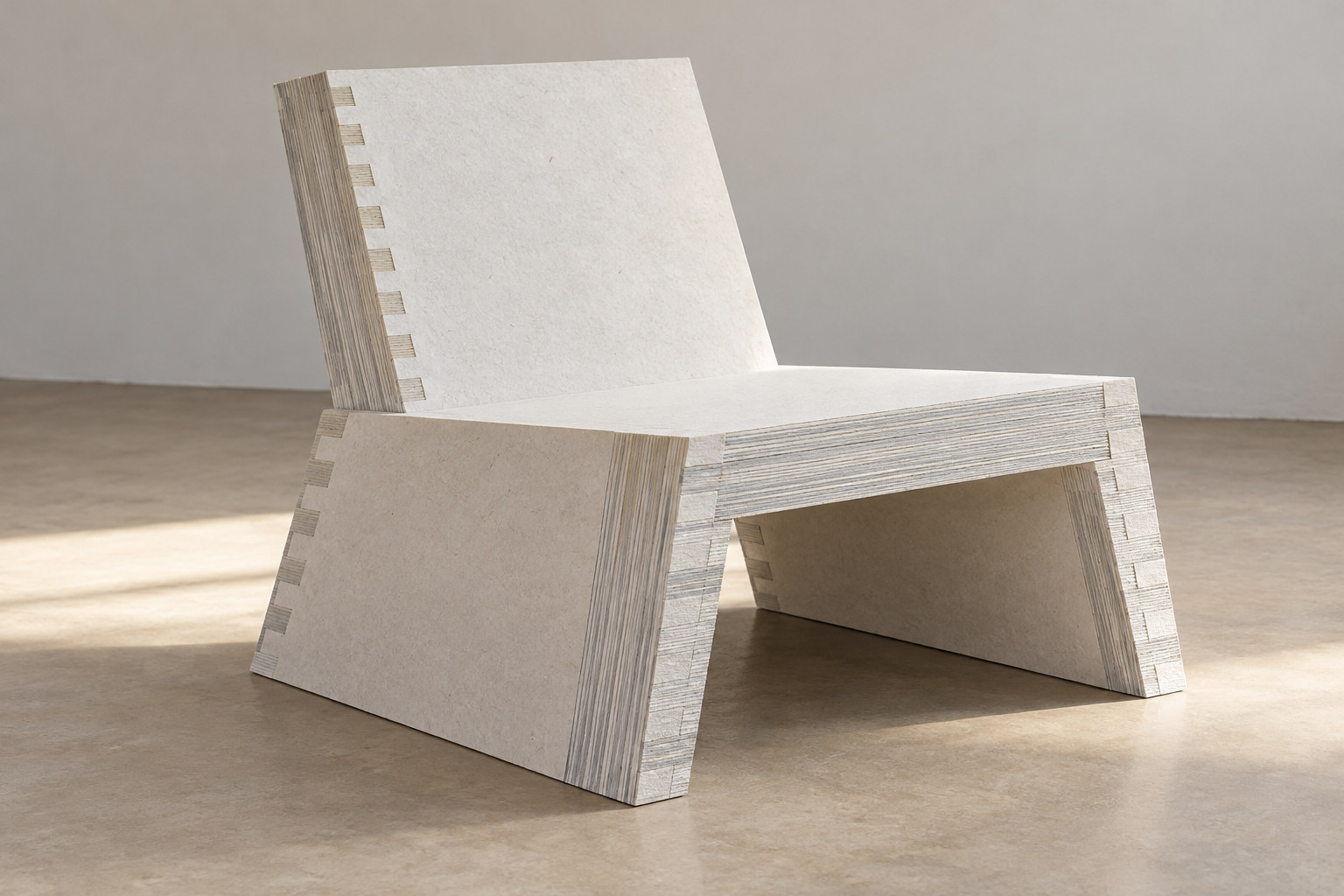
Jeroen Wand’s Paper Chair turns laminated and pressed paper into furniture. A 2006 Boijmans object anchors a story of layers, joints and ideas borrowed between materials.
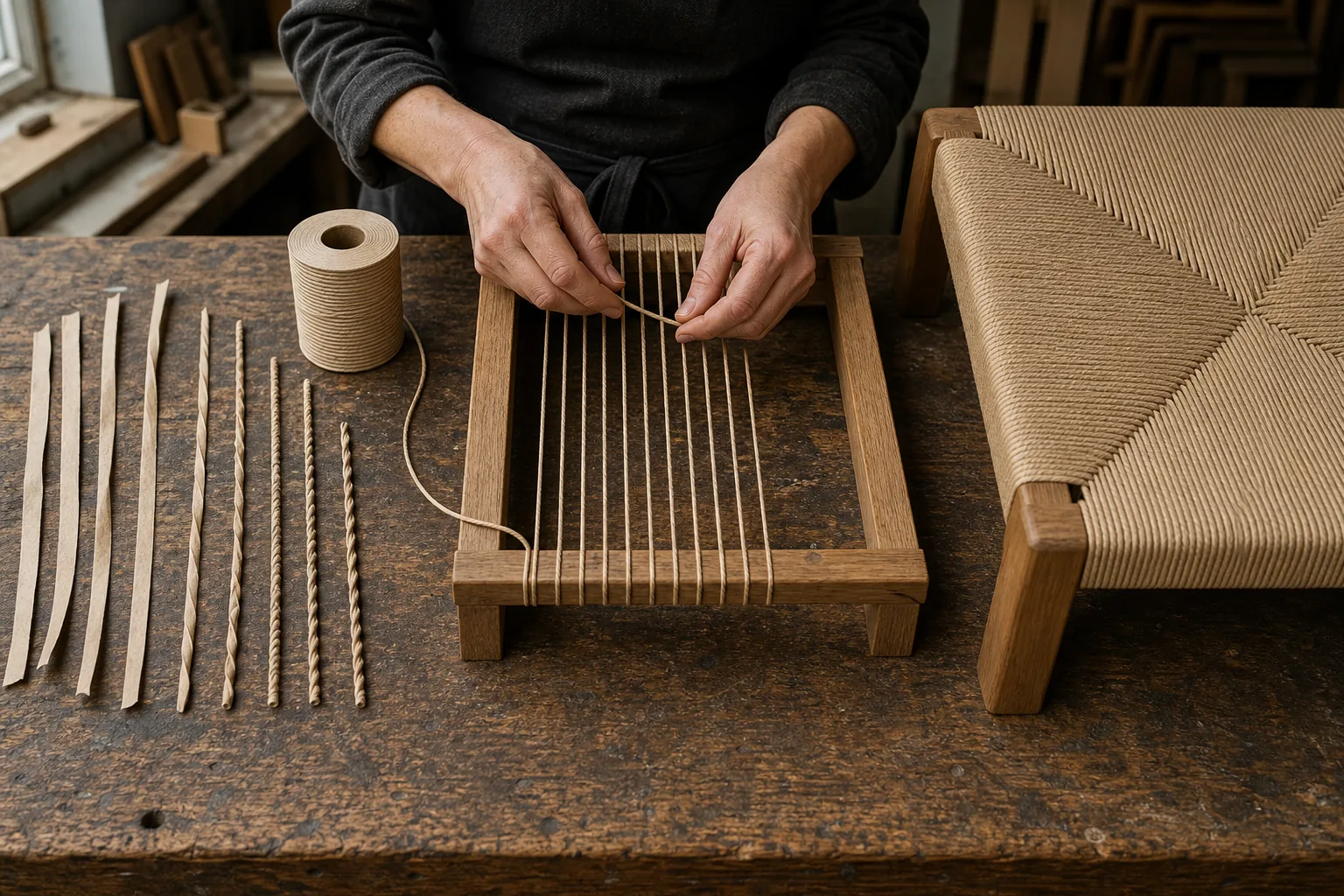
See how thin paper becomes twisted cord, how a weaver turns tension into a chair seat, and why patina and repair belong to the material's life.
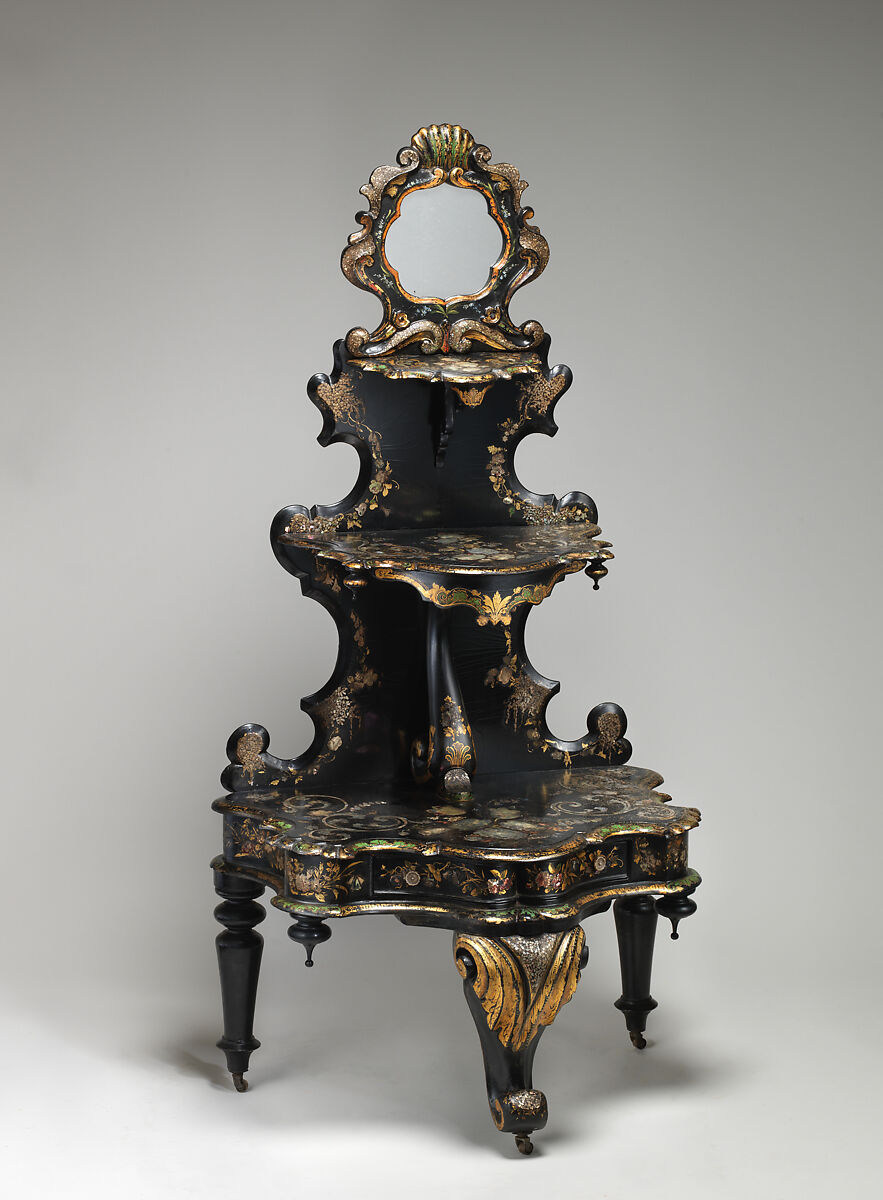
Look beneath the black lacquer of a Victorian display stand to a mixture of wood and papier-mâché, bright shell decoration and a debate about ornament.
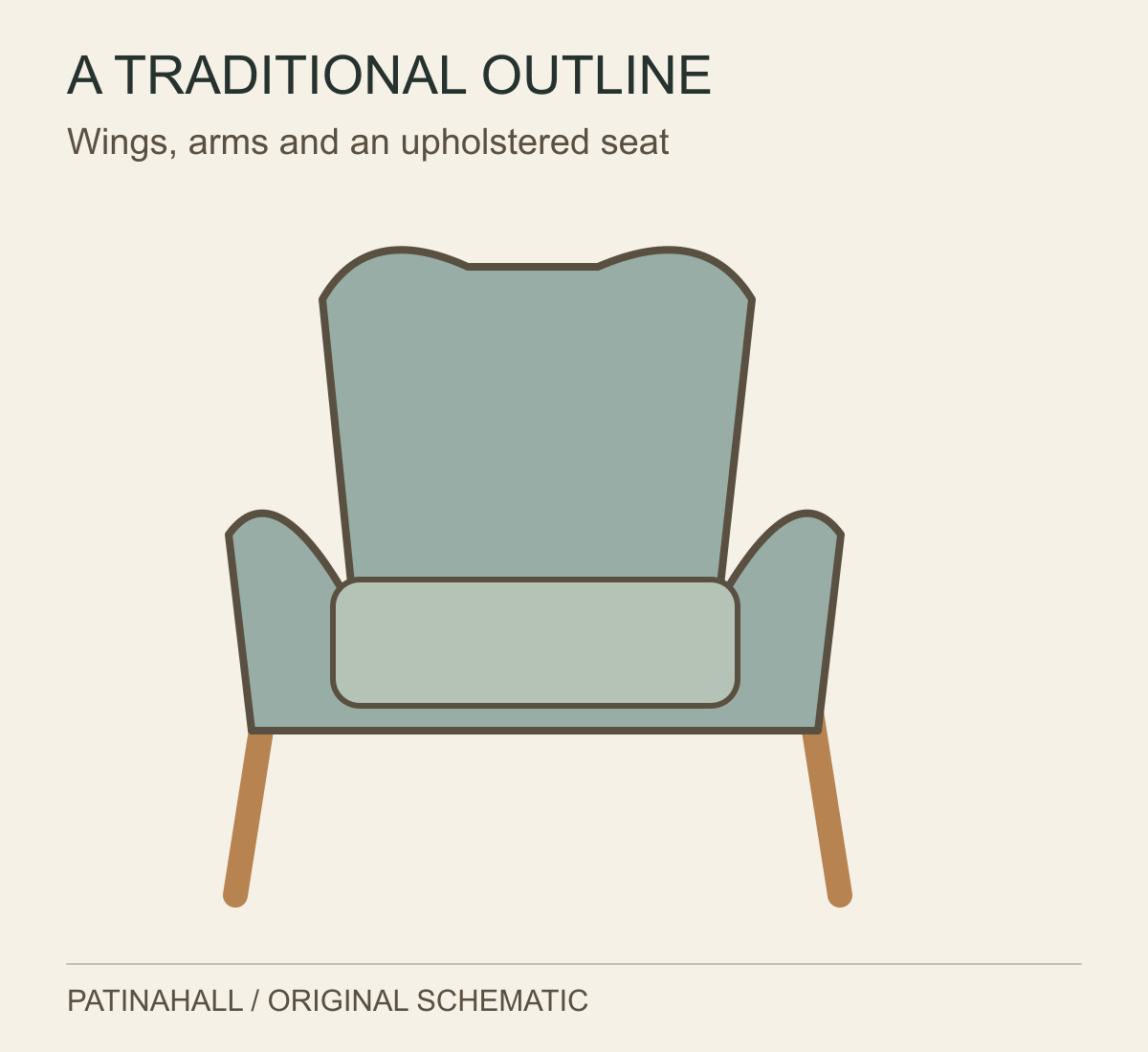
The Parker Knoll Penshurst wing chair, the tension springs beneath its cushion, and what a documented 1966 example reveals about upholstery and furniture history.
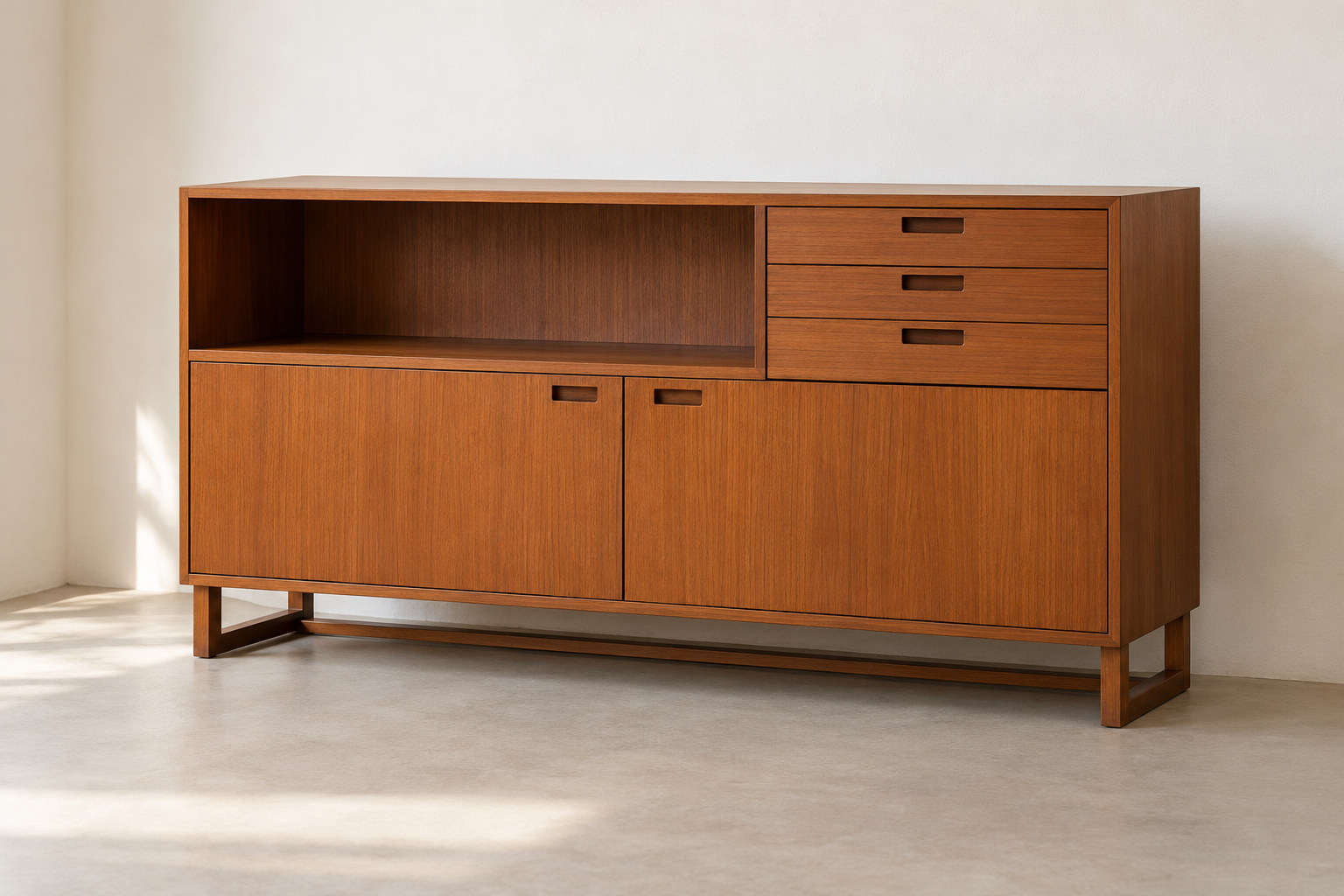
Pastoe’s Made-to-Measure system connected standard panels, repeatable corners and customer choice, with contributions from Braakman and Bus.
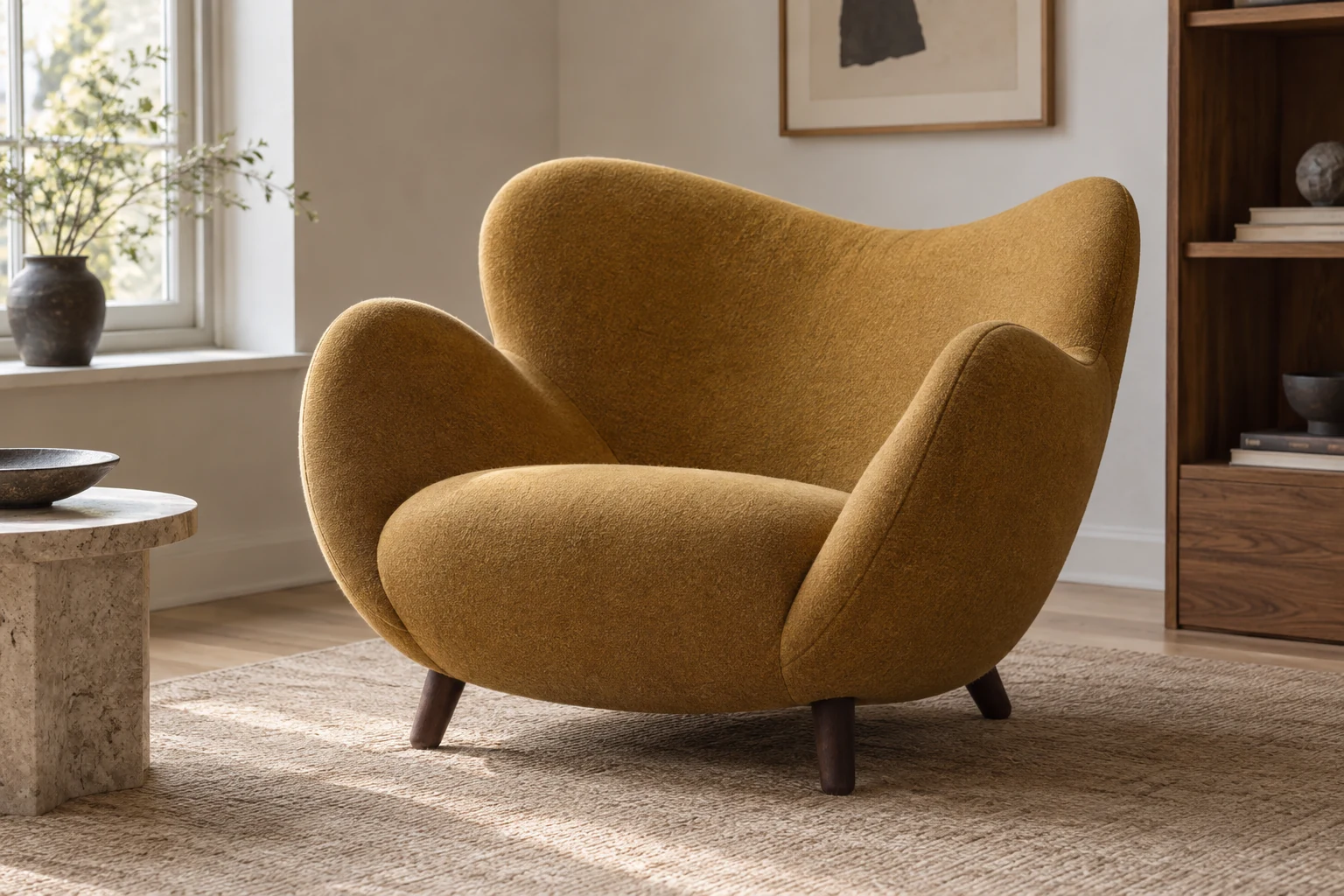
Read Finn Juhl's 1940 Pelican Chair through its hidden frame, low upholstered body, projecting sides, difficult debut and much later return.
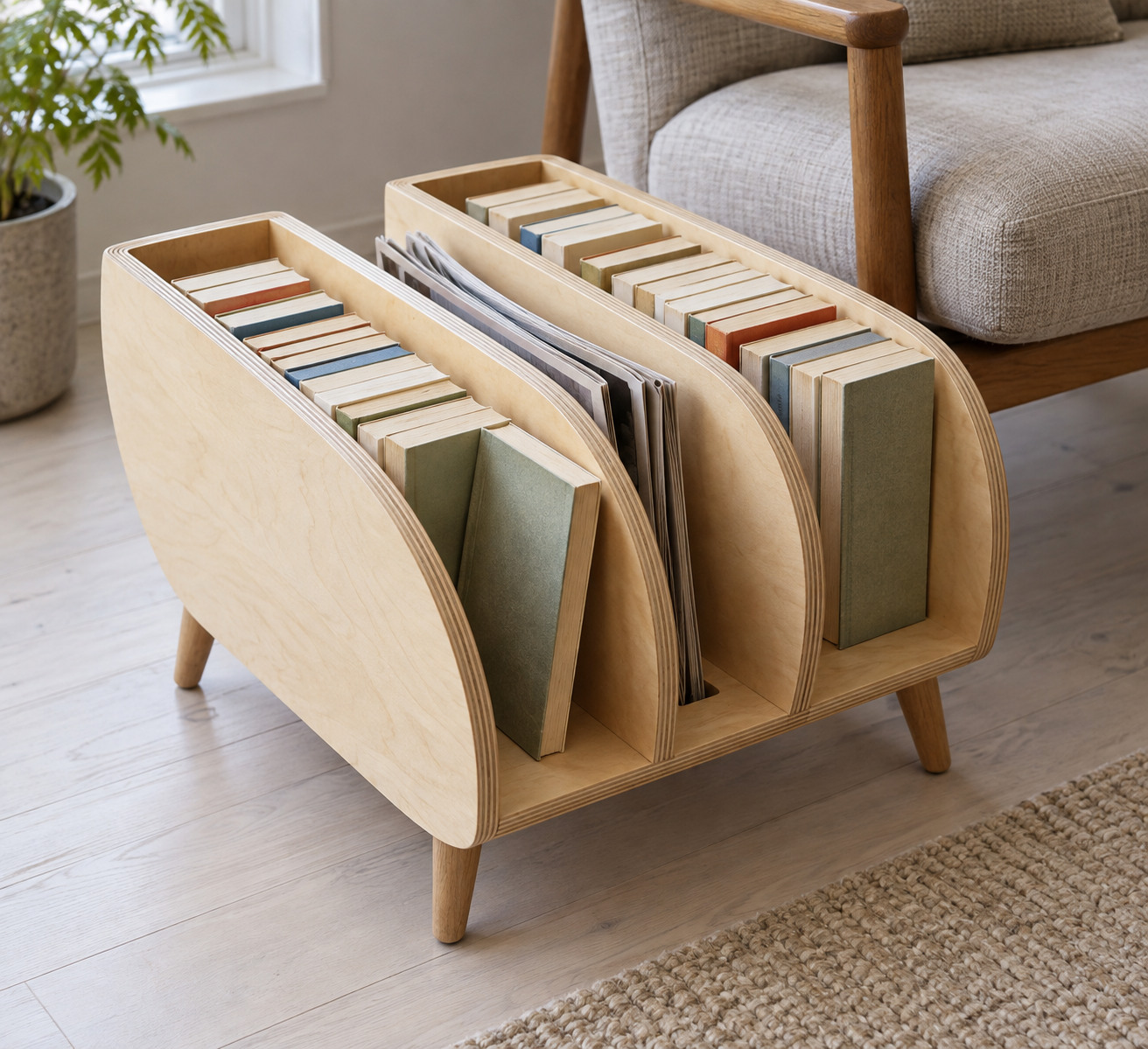
Explore the two book panniers of Egon Riss’s 1939 Penguin Donkey, its connection to paperback publishing and the later designs that share its name.
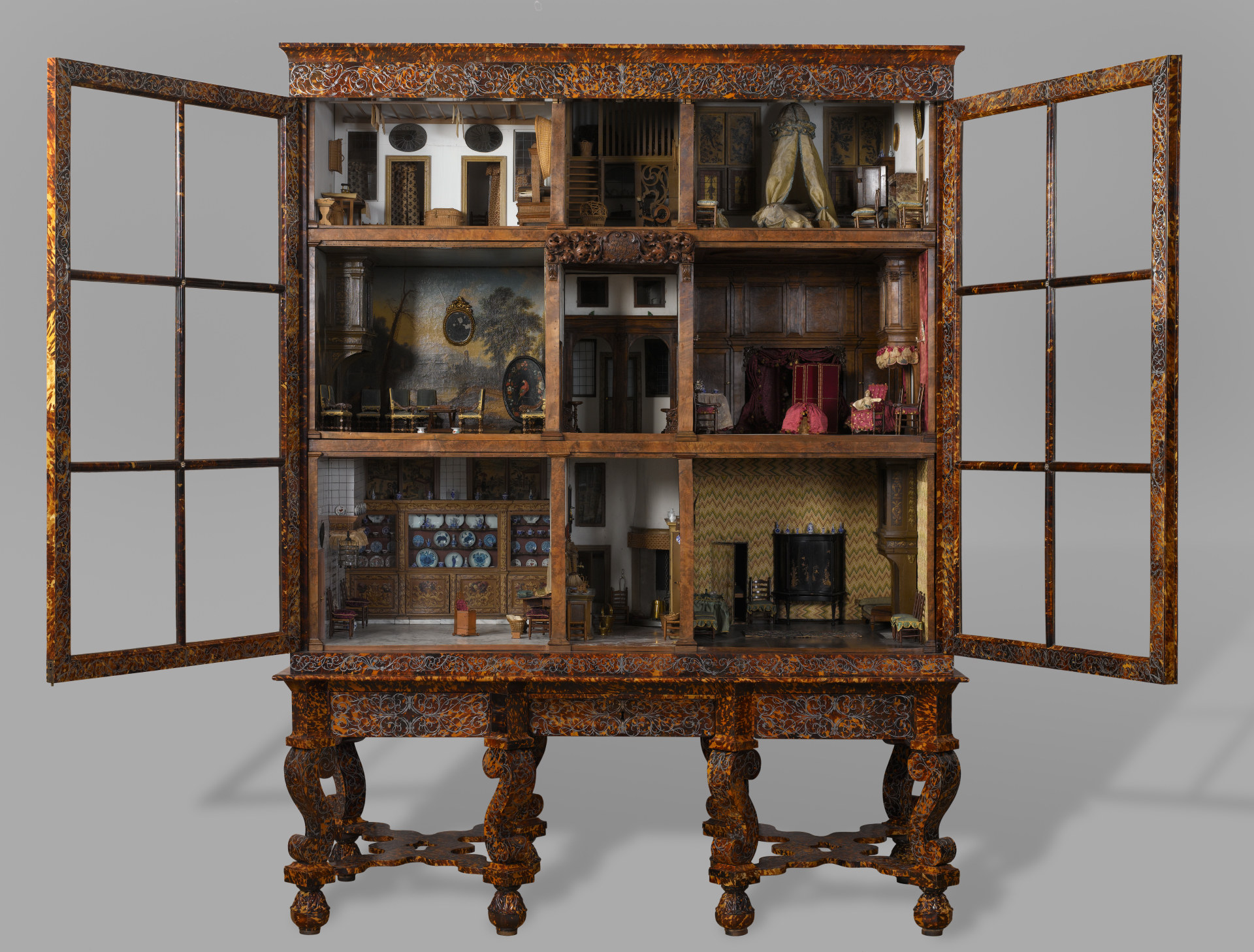
Open Petronella Oortman's c. 1686–1710 dolls' house and see why its full-size cabinet, exact materials and ordered rooms made it a collection, not a toy.
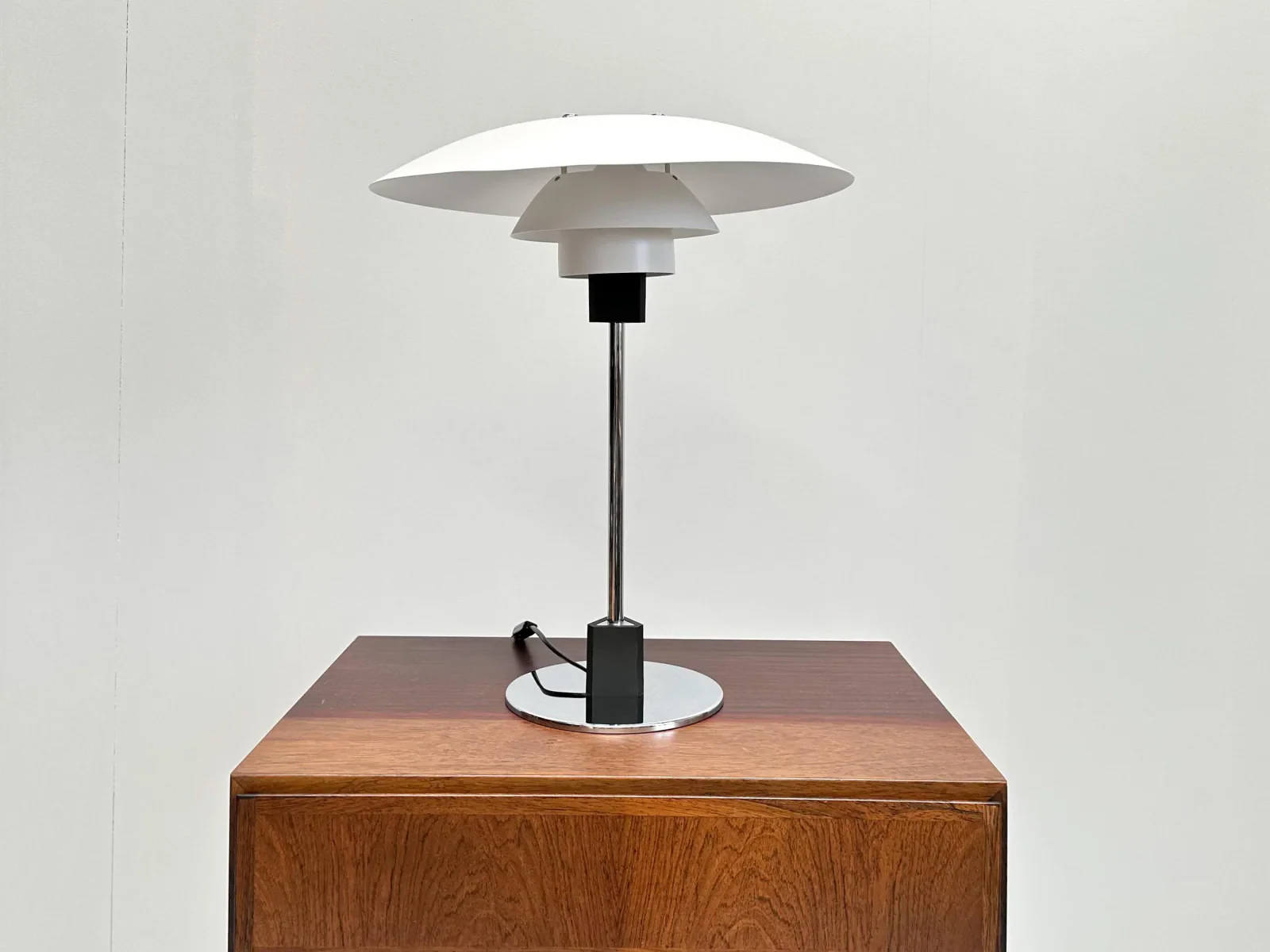
Decode Poul Henningsen’s PH 4/3: a 40-centimetre-class top shade paired with smaller 3/3 lower shades to control glare and bring light closer.
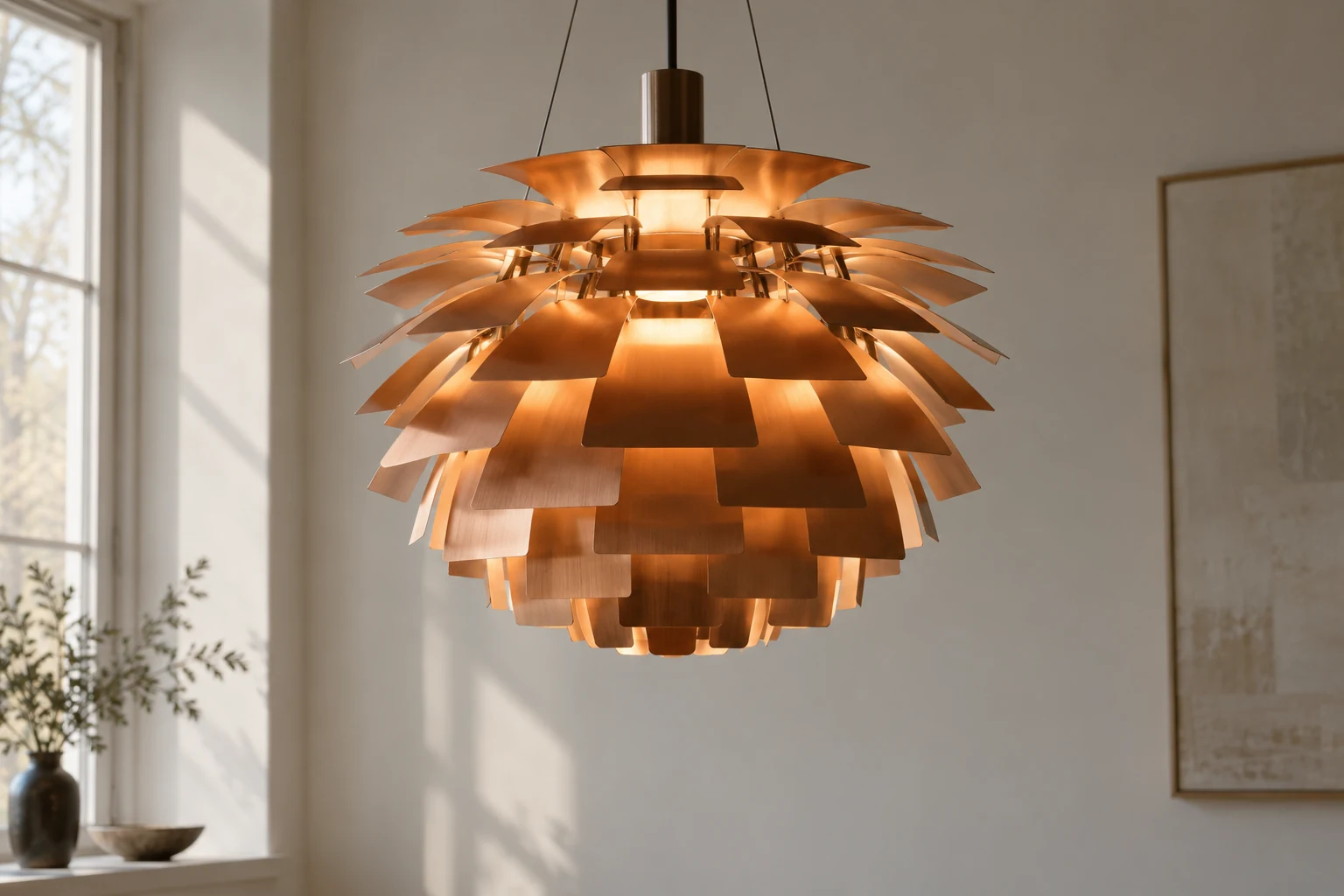
See how Poul Henningsen's PH Artichoke overlaps 72 metal leaves to hide a bright bulb from every viewing angle while making the whole lamp glow.
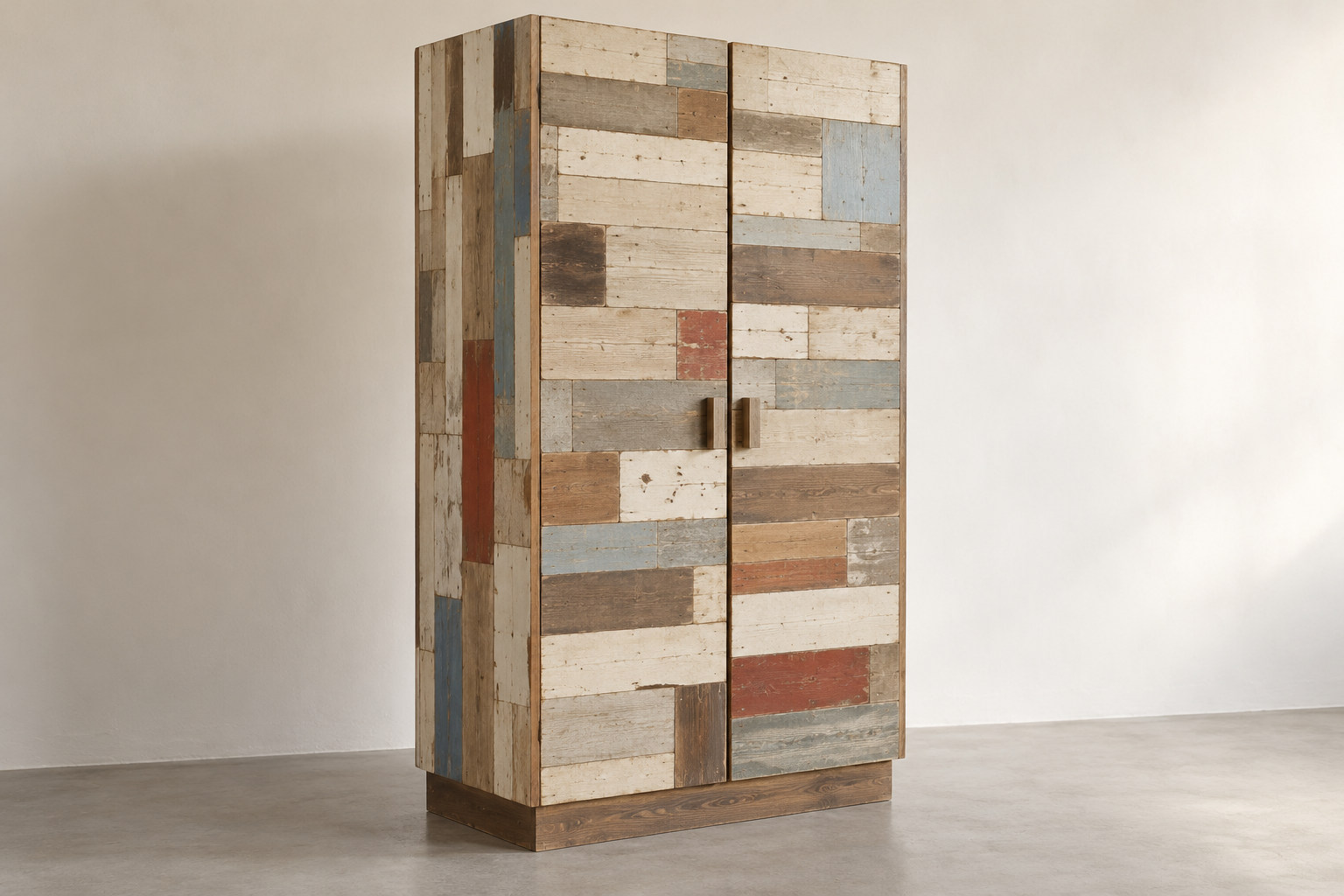
Piet Hein Eek’s Eindhoven workplace connects furniture, materials and production. The factory becomes part of the designer’s method.
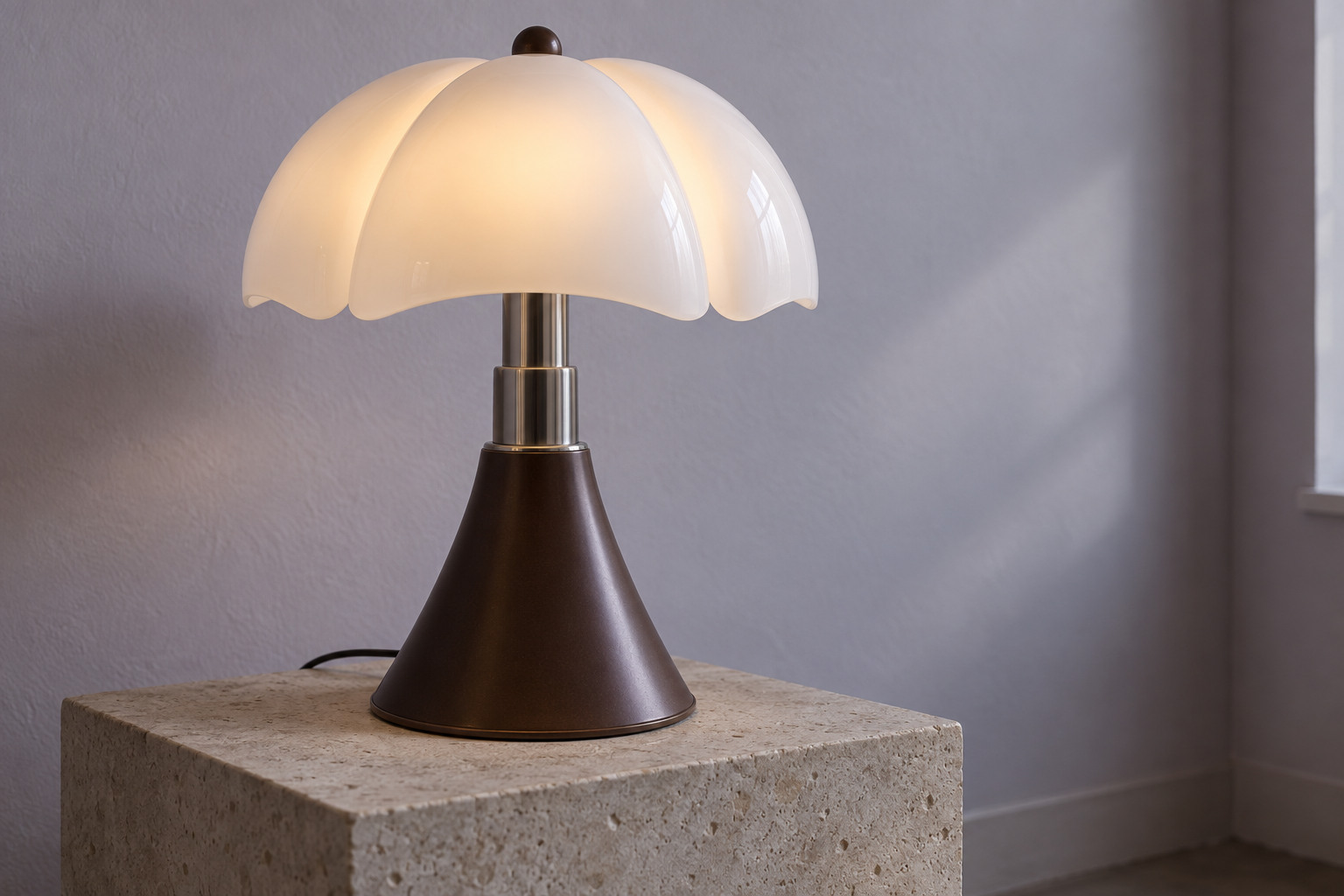
Look beyond Pipistrello’s winged shade to its telescopic stem, the Olivetti showroom and the different jobs a lamp can do at changing heights.
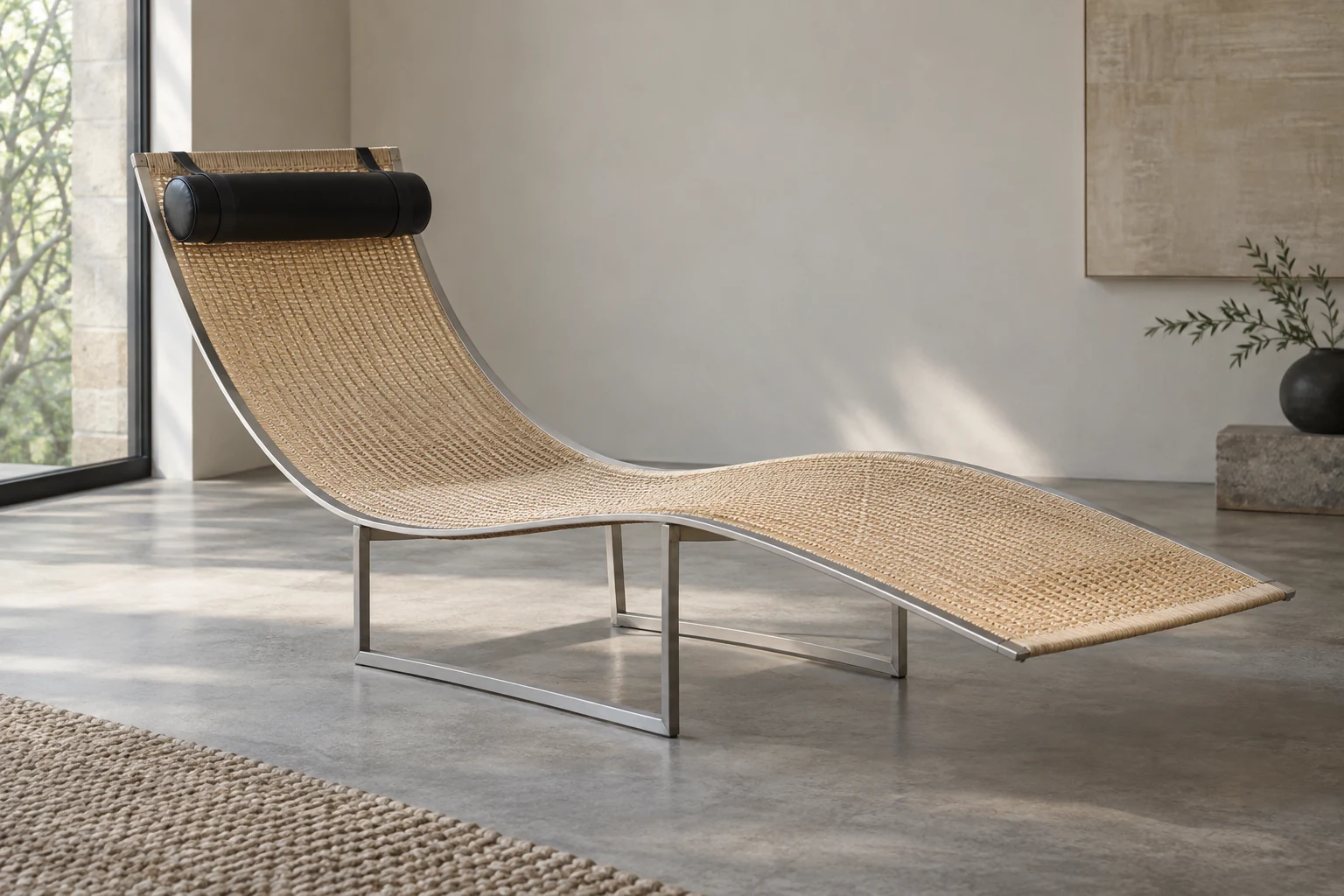
See how Poul Kjærholm's 1965 PK24 balances one long curved surface on a right-angled steel base, making gravity and friction part of the construction.
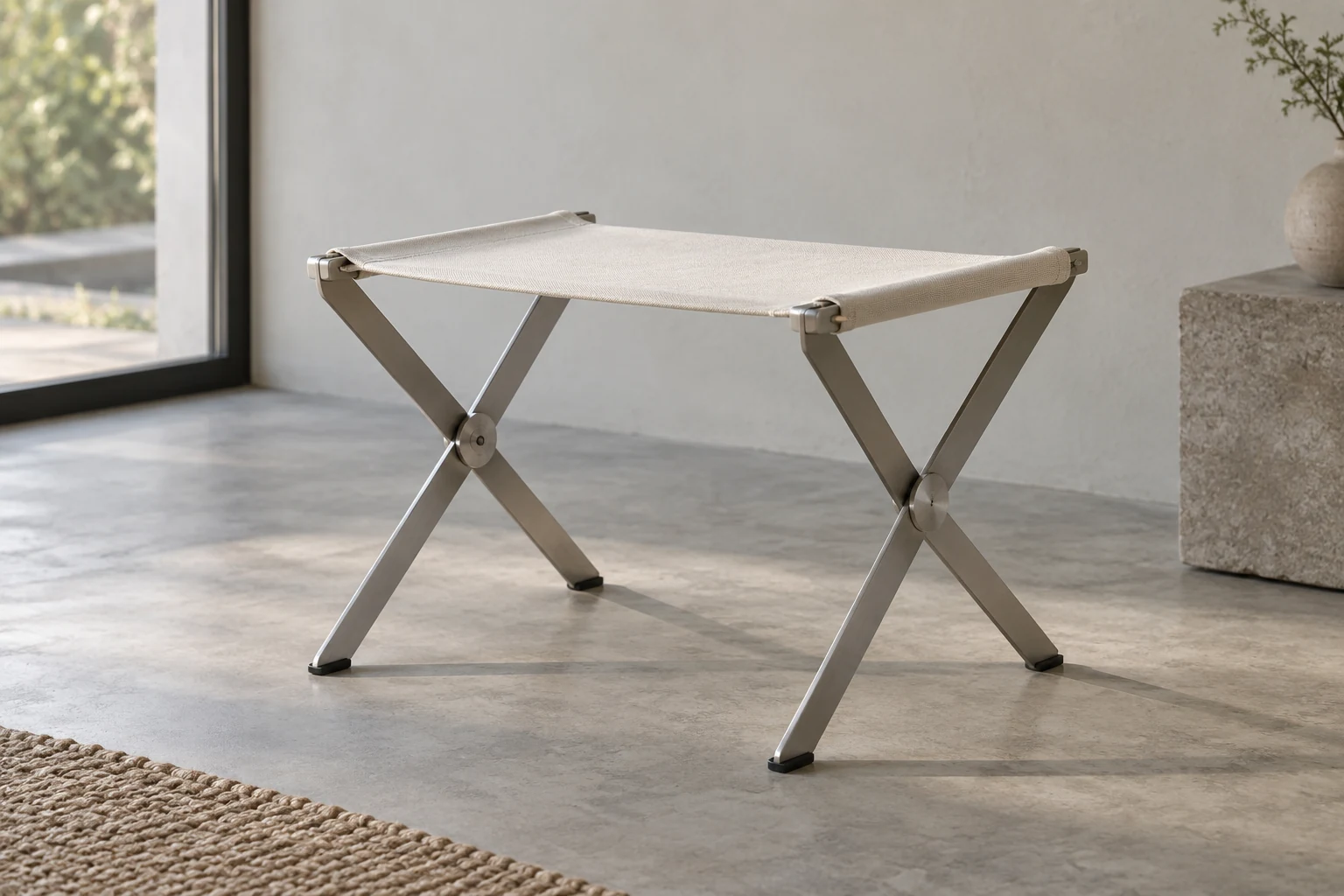
See how Poul Kjærholm's 1961 PK91 uses an ancient X-frame, crossing steel ribbons, canvas and dovetailed corners to make metal behave like cabinetmaking.
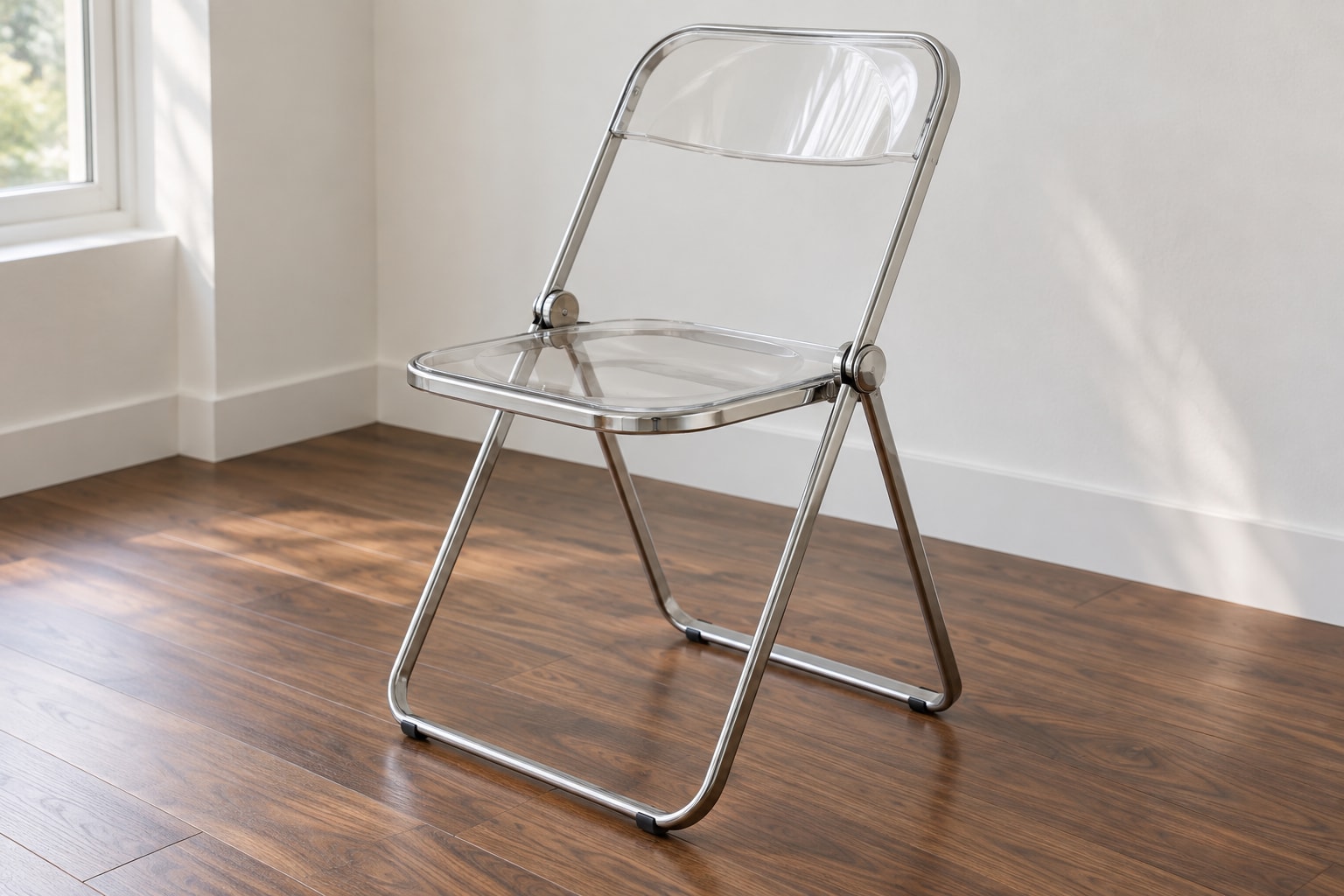
The story of Giancarlo Piretti’s Plia folding chair, its concentrated three-disc joint, the 1967 museum record and why a spare chair can deserve a place in the room.
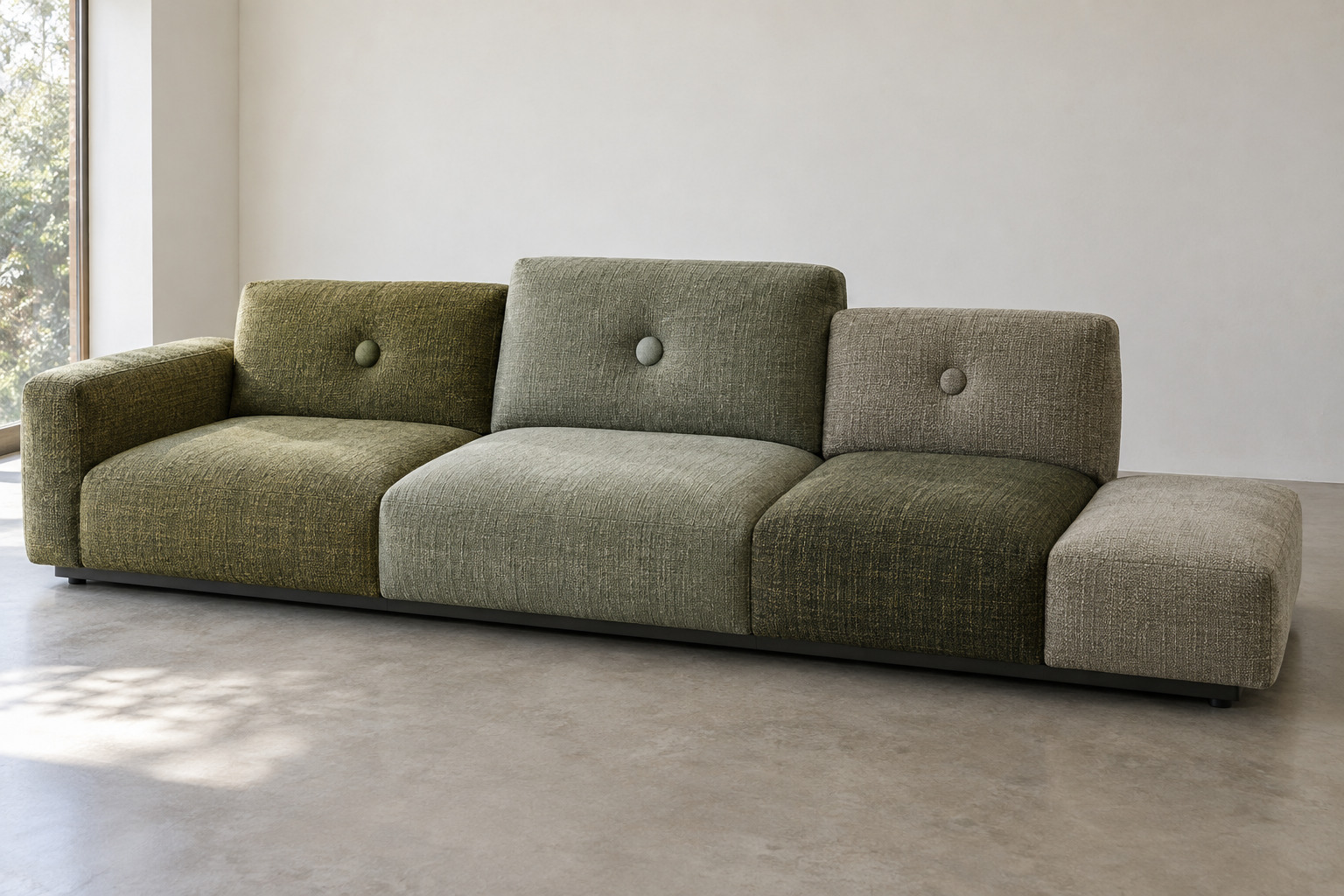
Read Hella Jongerius’s Polder sofa through neighbouring fabrics, unequal edges and the changing construction of its distinctive buttons.
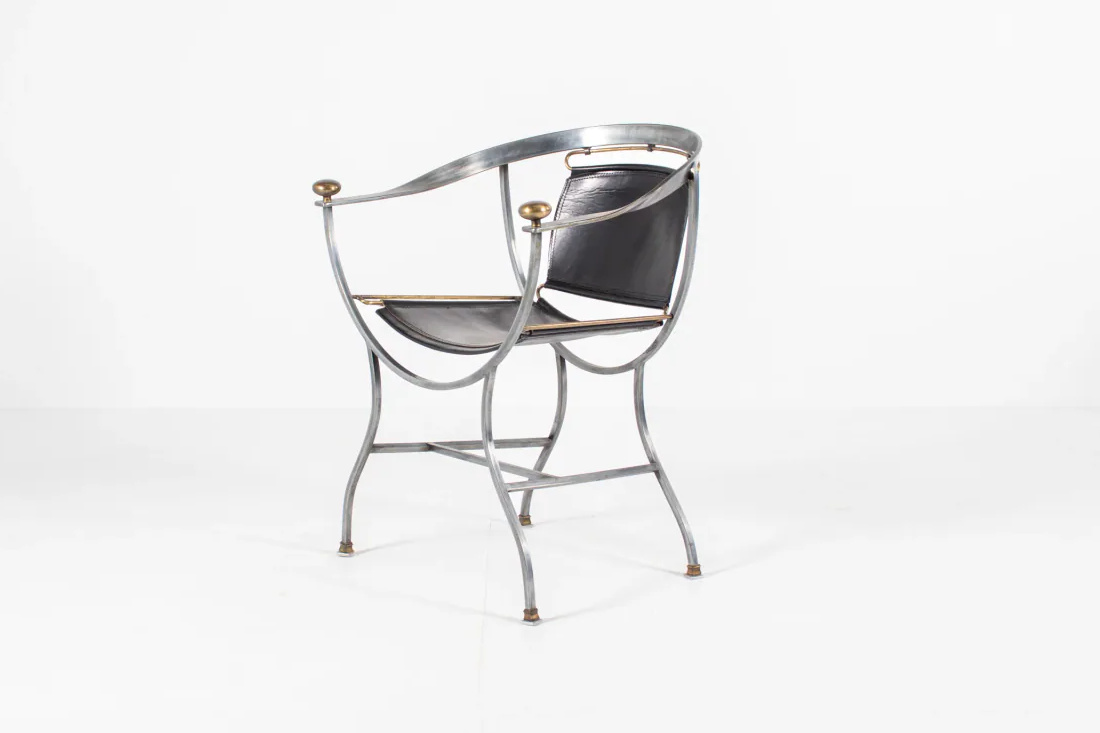
Read Alberto Orlandi's Pompei Armchair through its enclosing steel rail, leather planes, curule-like stance and brass details, then see why later catalogues date it only to circa 1980–85.
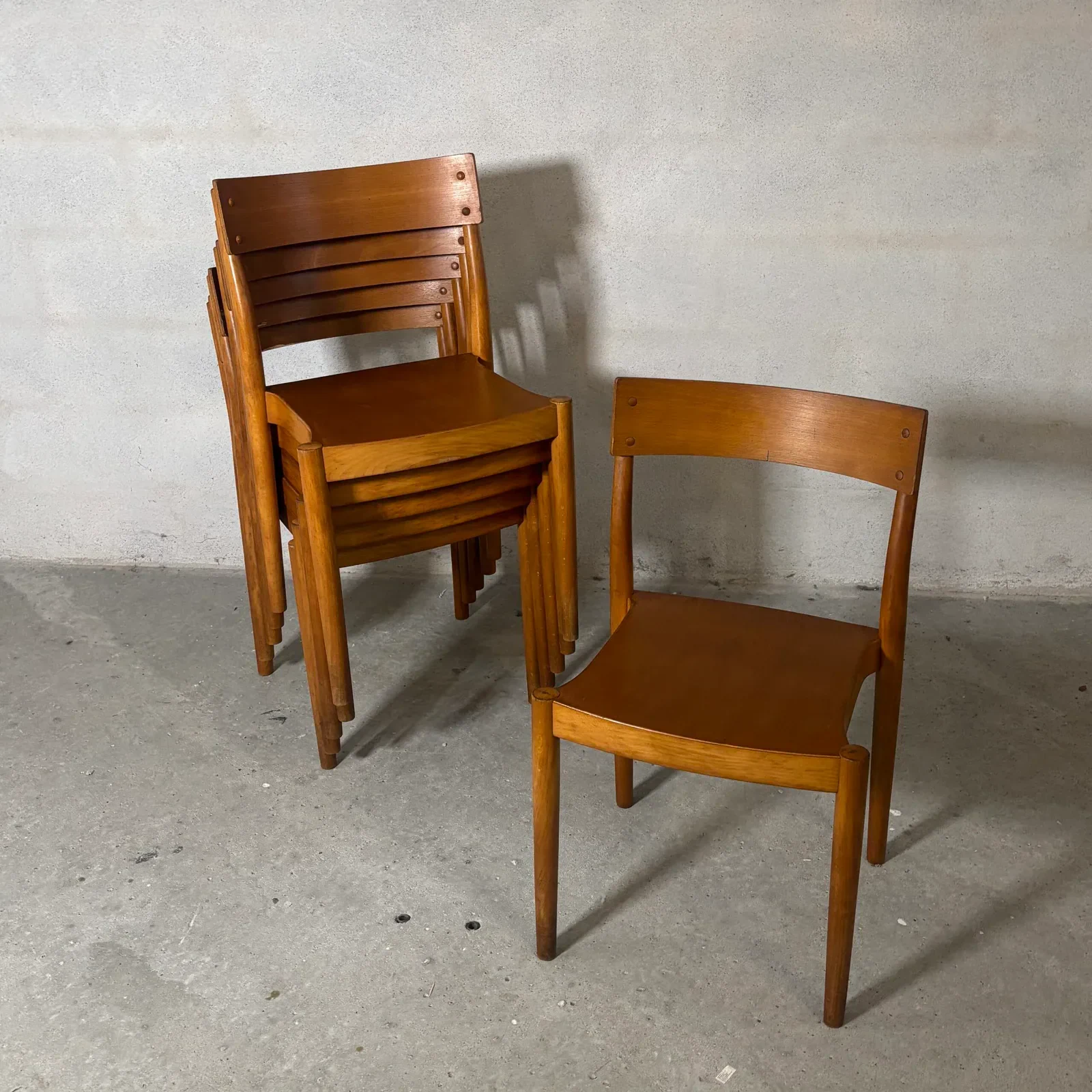
See how Peter Hvidt and Orla Mølgaard-Nielsen turned export and stacking into the quiet geometry of the 1944–45 Portex chair.
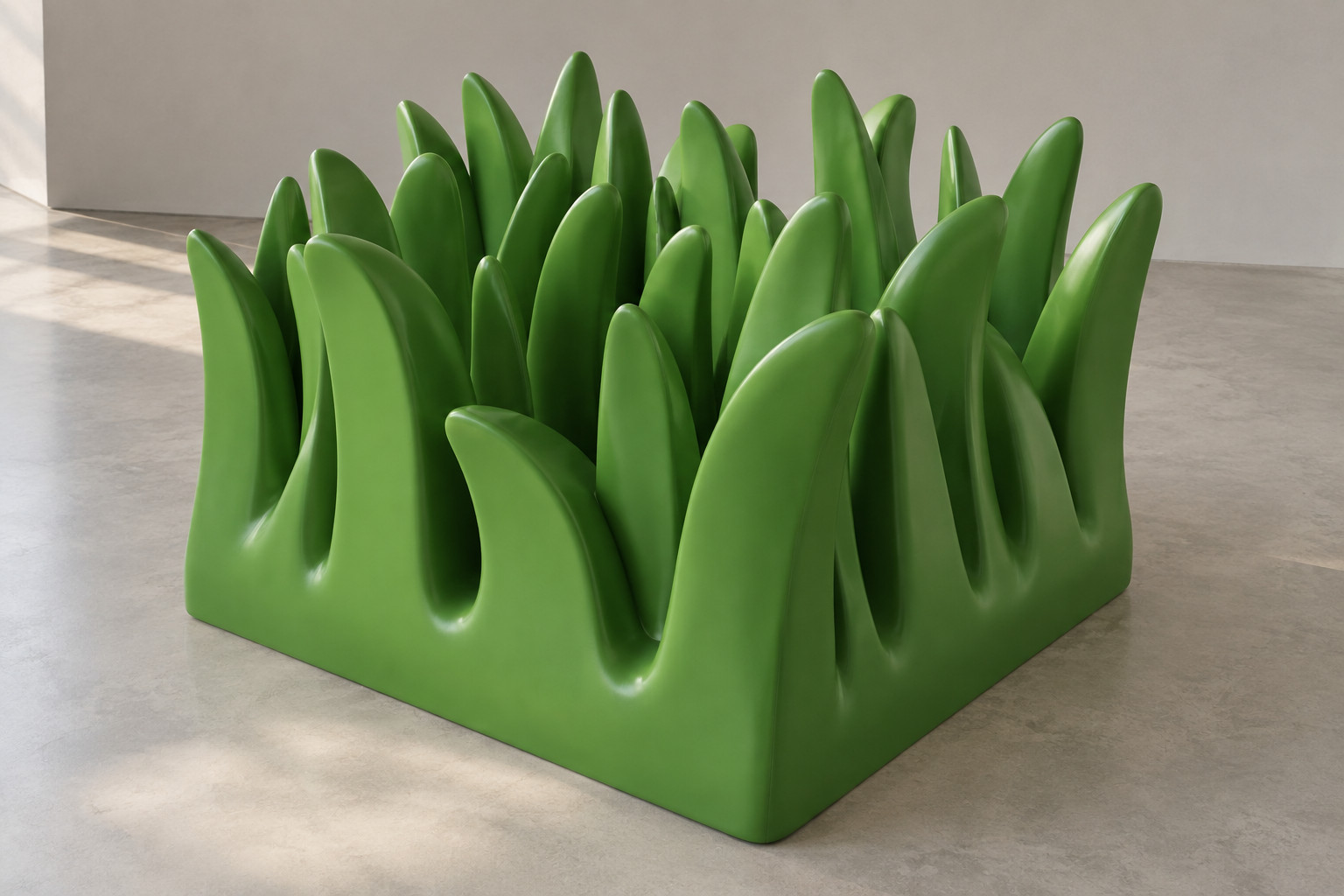
How Pratone’s oversized soft grass changes the act of sitting: the human scale, yielding polyurethane and shared space behind Ceretti, Derossi and Rosso’s design.
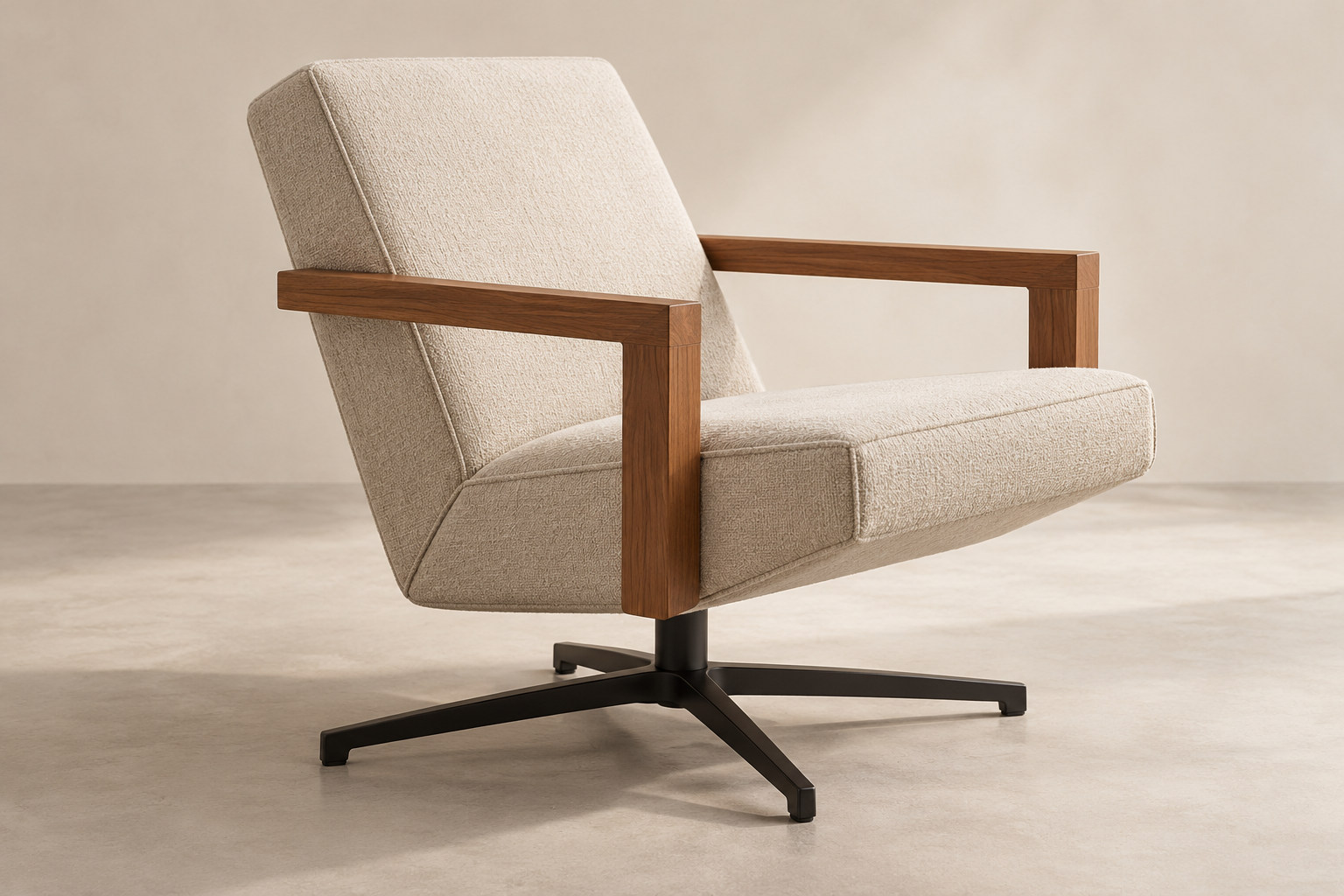
Gerrit Rietveld’s Press Room Chair links an unexecuted 1958 proposal to production in 2014. Its tilted planes and swivel base make the idea easy to read.