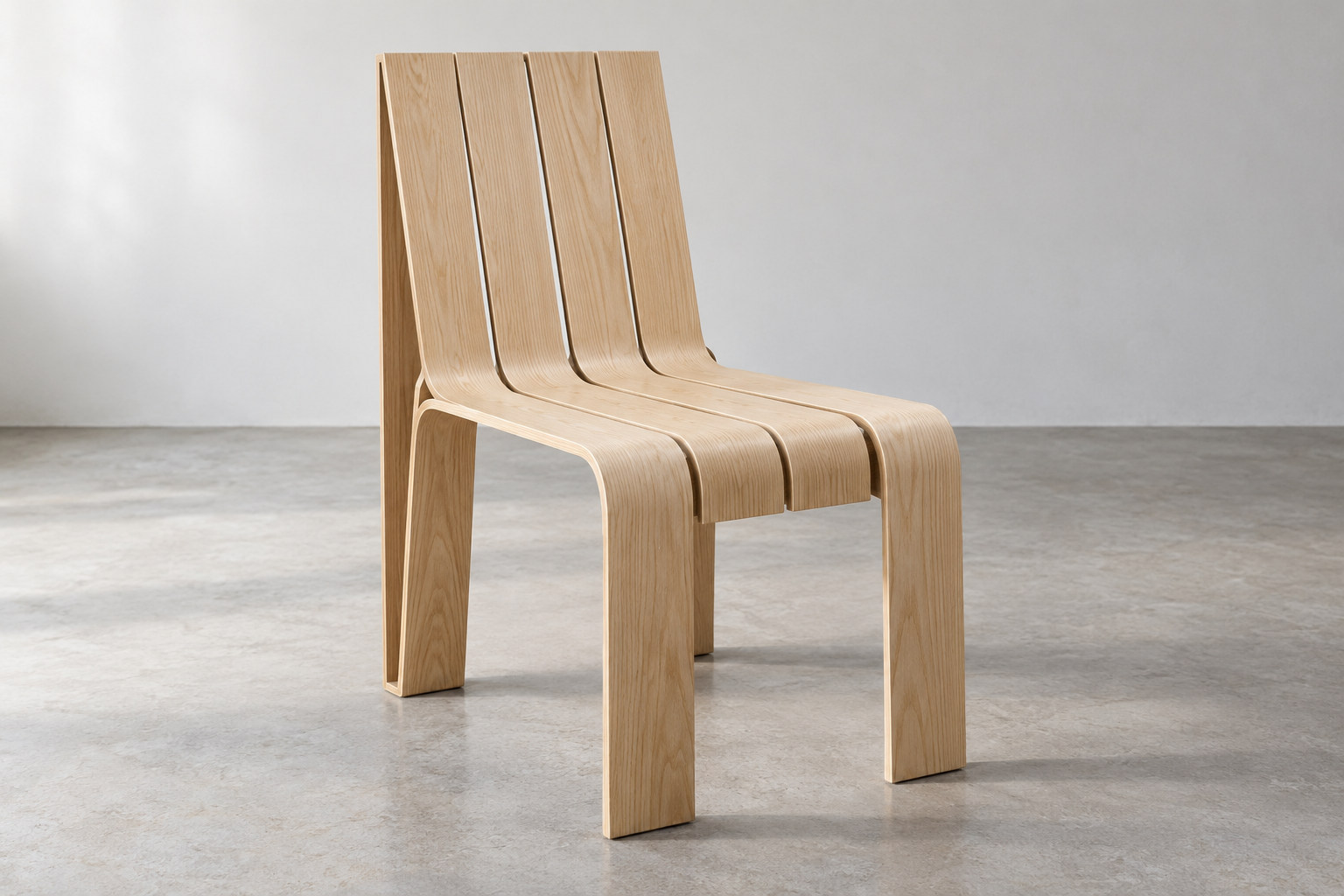
The work can begin with choosing
Before another object is made, someone can ask which objects deserve to be seen together. Renny Ramakers’s work shows how consequential that choice can be. Vitra Design Museum identifies the design historian alongside Gijs Bakker in the beginning of Droog in 1993.1
Their presentation in Milan brought different designers and experiments into a shared view. This was not simply a uniform furniture range waiting for a new label. Selection made connections visible between approaches that could otherwise have remained separate. A good exhibition can supply a question that continues after a visitor leaves.
Curating is an active part of design
In an interview republished by Droog, Ramakers describes a practice of ideas, collaboration and looking towards what might happen next.2 The curatorial role includes bringing people together and creating a setting in which an experiment can become understandable.
That role is different from designing every object in the room. Keeping the distinction makes the collaboration more interesting. An object has its own author; a selection can change how that object is encountered. A familiar material placed beside another experiment may become easier to question, discuss or commission in a new direction.
Existing things can start another conversation
Ramakers’s account of Saved by Droog describes using unwanted stock as a starting point for new work.3 Here the act of selecting extended beyond completed design pieces to things already caught in a commercial system. What was available became a question for designers rather than a blank to ignore.
The appeal of the story is that useful creativity need not always begin by adding another thing. It can begin by noticing, choosing and arranging what is already present, then inviting someone else to respond. Ramakers makes that invitation a substantial part of the work.