Designer profile

Sabine Marcelis: giving light a material body

Light can be treated as something a room already has, or as something an object actively shapes. Sabine Marcelis’s practice follows the second possibility, letting material experiments influence both appearance and form.

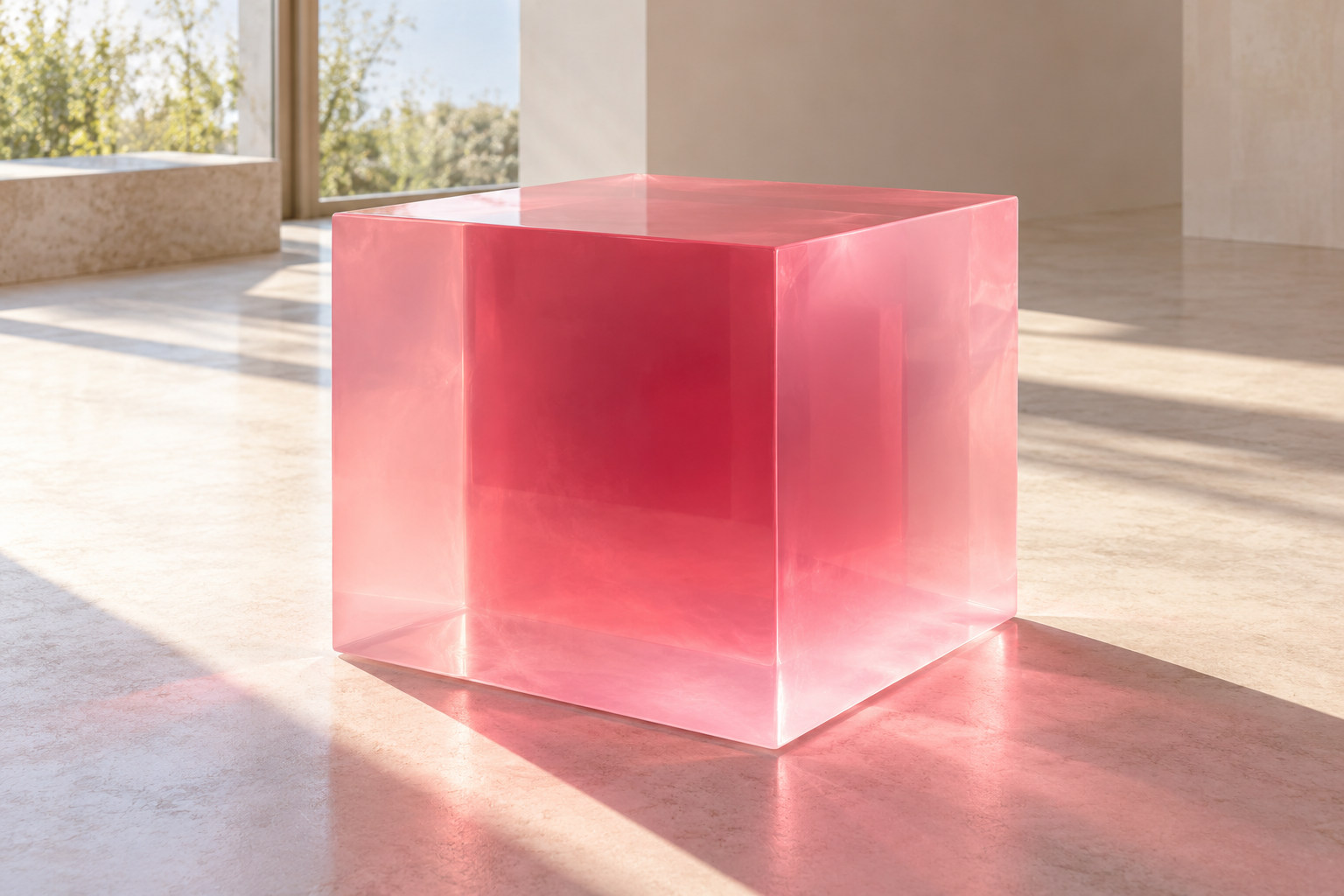
A polished pink translucent cube glows around its edges and casts coloured light on a pale floor.
PatinaHall editorial reconstruction. It is not a documentary photograph. The simple volume brings transmitted colour and polished edges into view. This is a material interpretation, not evidence of a museum object’s condition, resin formula or load rating.
On this page
Key facts & takeaways

At a glance

Subject
Sabine Marcelis
Entry
Designer profile
Last reviewed
25 October 2026

Three things to remember

  1. Museum accounts describe a Netherlands-born, New-Zealand-raised designer.
  2. Her practice developed from 2011.
  3. The Soap Edition reworks Visser’s earlierSE69 rather than inventing that historic chair.

Look inside the material encounter

A polished resin volume can make light seem to thicken into colour. A luminous object can change how the surface around it is perceived. Marcelis’s work invites this kind of attention before an elaborate silhouette asks for notice.

The Art Gallery of South Australia describes a designer born in the Netherlands and raised in New Zealand, with a practice established in 2011. Its account of Shadow light places material and light at the centre of the work.1 Those experiments extend beyond one furniture object.

Furniture is one place for the experiment

Candy Cube offers a direct encounter between a simple volume and changing light. MoMA’s artist record includes it as one example within Marcelis’s work.3 The cube’s restraint allows the material’s optical behaviour to carry much of the experience.

Other projects begin with an existing furniture history. Spectrum’s Soap Edition presents a resin reinterpretation connected to Martin Visser’sSE69.2 The new material encounter does not make Marcelis the original designer of Visser’s chair. Both contributions remain visible when the relationship is described accurately.
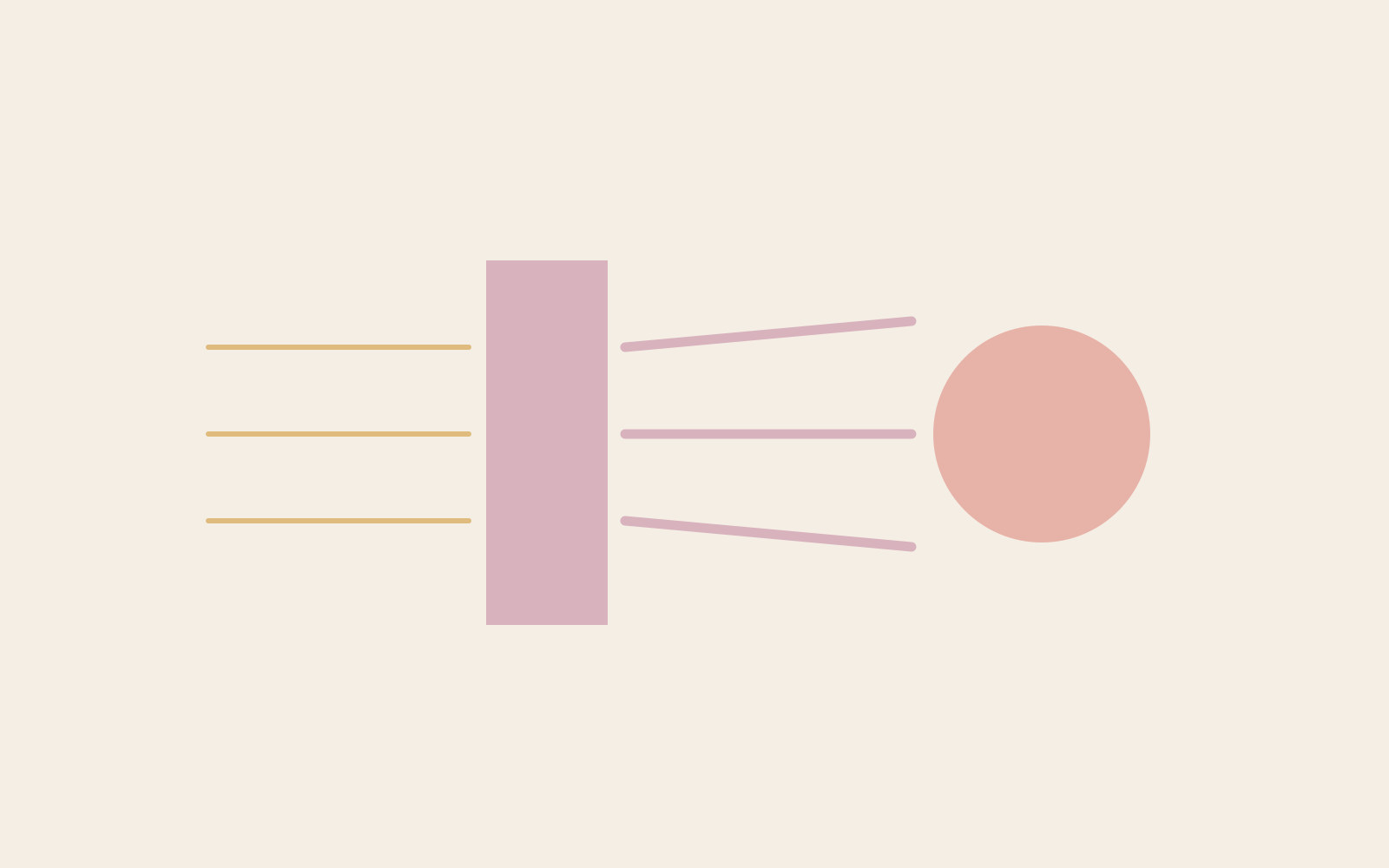
Light-like lines pass through a pink material field towards a coloured circular field.
Original PatinaHall schematic, not to scale. The relationship between material and perceived light is the subject. This is not a measured optical effect or a specific Shadow light construction.

Keep the collaborators in the picture

Spectrum’s account gives this furniture experiment a specific manufacturer context.2 It is a useful reminder that material effects become objects through collaboration with people and production knowledge, not through an abstract preference for colour alone.

The continuity across the work is a disciplined curiosity about what materials can make light do. Furniture, mirrors and luminous objects become different settings for that question. The result encourages a slower look at surfaces we might otherwise take for granted.

Research notesEvidence, connections and limits

AGSA supports the broad biography and material/light practice. Spectrum’s Soap Edition records a specific collaboration and reinterpretation of Visser’s chair. These sources do not establish that Marcelis makes every object herself or that international production is Dutch manufacture.

Evidence map

Connected subjects and evidence

Reviewed connections

  • Candy Cubedesigned bySabine Marcelisdocumented

    Sabine Marcelis designed Candy Cube. MoMA describes resin and discusses a side table, podium or prop, without naming a manufacturer. Etage’s polyester-resin specification and casting/polishing account concern its offering. These sources do not establish a universal seat classification or load rating.

    Reviewed 25 October 2026 by PatinaHall editorial.
    • Source 4Date; Medium; dimensions; object18.2025; gallery label
    • Source 5Materials/Year; casting-polishing description; offered functions
  • Shadow lightdesigned bySabine Marcelisdocumented

    AGSA describes Sabine Marcelis as born in the Netherlands and raised in New Zealand, with a practice established in 2011, and discusses Shadow light. Spectrum’s Soap Edition is a later reinterpretation of Visser’s SE69, not authorship of the original chair or proof that she personally fabricates every work.

    Reviewed 25 October 2026 by PatinaHall editorial.
    • Source 1Biography and Shadow light explanation
    • Source 2Sabine Marcelis biography and Soap Edition context
    • Source 3Nationality/birth and work list

Research trail

Sources and further reading

  1. Sabine Marcelis: Biography and Shadow light explanationagsa.sa.gov.auAccessed 25 October 2026
  2. Sabine Marcelis: Sabine Marcelis biography and Soap Edition contextspectrumdesign.nlAccessed 25 October 2026
  3. Sabine Marcelis: Nationality/birth and work listmoma.orgAccessed 25 October 2026
  4. Candy Cube: Date; Medium; dimensions; object18.2025; gallery labelmoma.orgAccessed 25 October 2026
  5. Candy Cube: Materials/Year; casting-polishing description; offered functionsetageprojects.comAccessed 25 October 2026

Last reviewed 25 October 2026. Found an error or a stronger primary source? Contact PatinaHall.