Give ordinary parts some attention
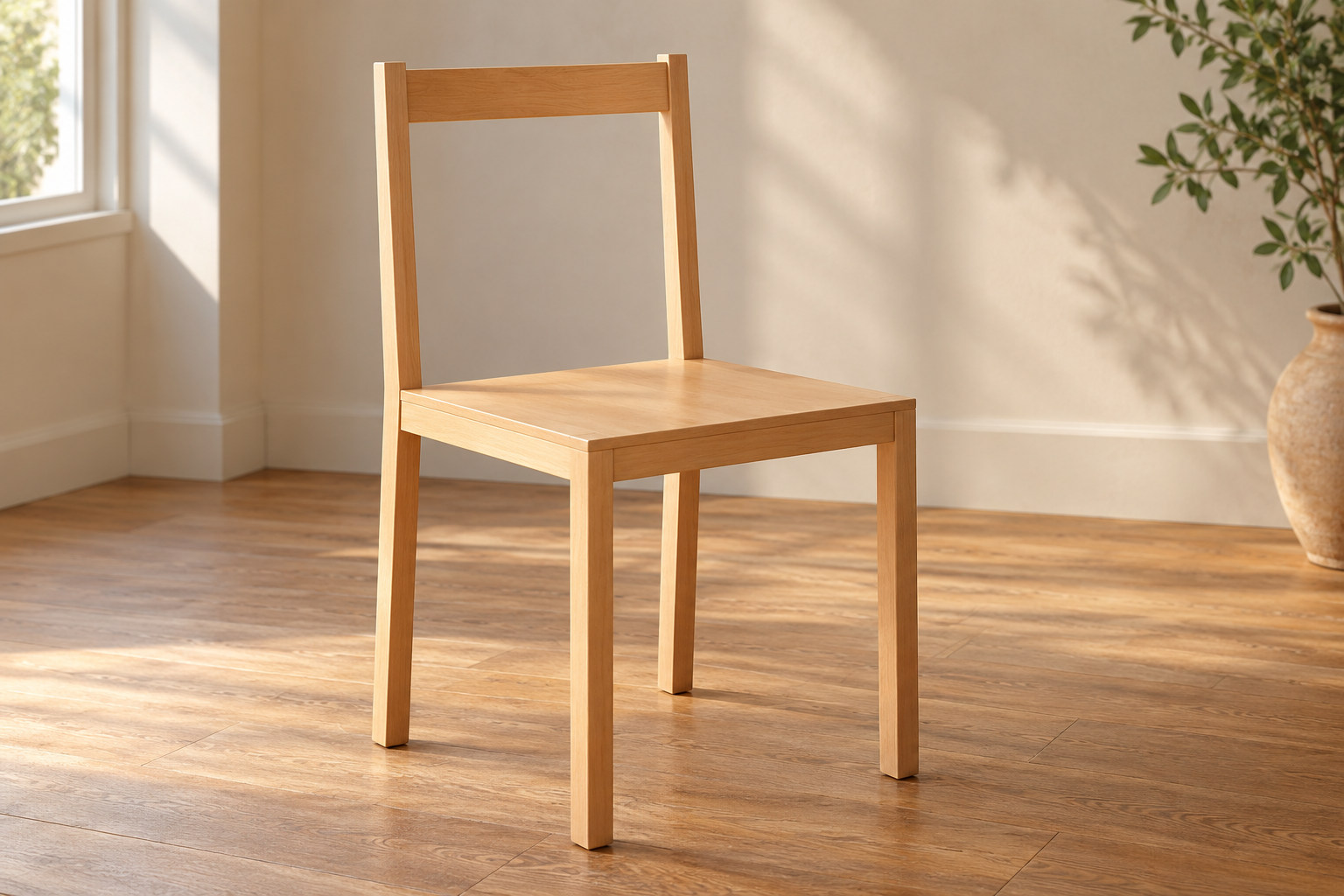
Four supports, a seat and a back can seem too familiar to examine. The No Sign of Design Chair makes that familiarity its starting point. Its interest lies in the restraint of the arrangement rather than a silhouette that explains itself through spectacle.
The Museum of Fine Arts, Houston identifies Richard Hutten as designer and Lensvelt as manufacturer of its beech-and-plywood example.1 Those ordinary material names suit a chair that lets the idea of a chair remain recognisable.
An unshowy outline is still a choice
Lensvelt’s current chair has an open back with a horizontal rail.3 Simplicity does not remove decisions. The relationship between seat and back, the proportions of the supports and the intervals around them still organise the object. A plain surface can invite attention towards these relationships rather than competing with them.
Hutten’s own biography places No Sign of Design within a wider furniture practice and records exhibitions using the name.2 The phrase belongs to an ongoing design conversation as well as the title of this model.
An early idea, a later museum example
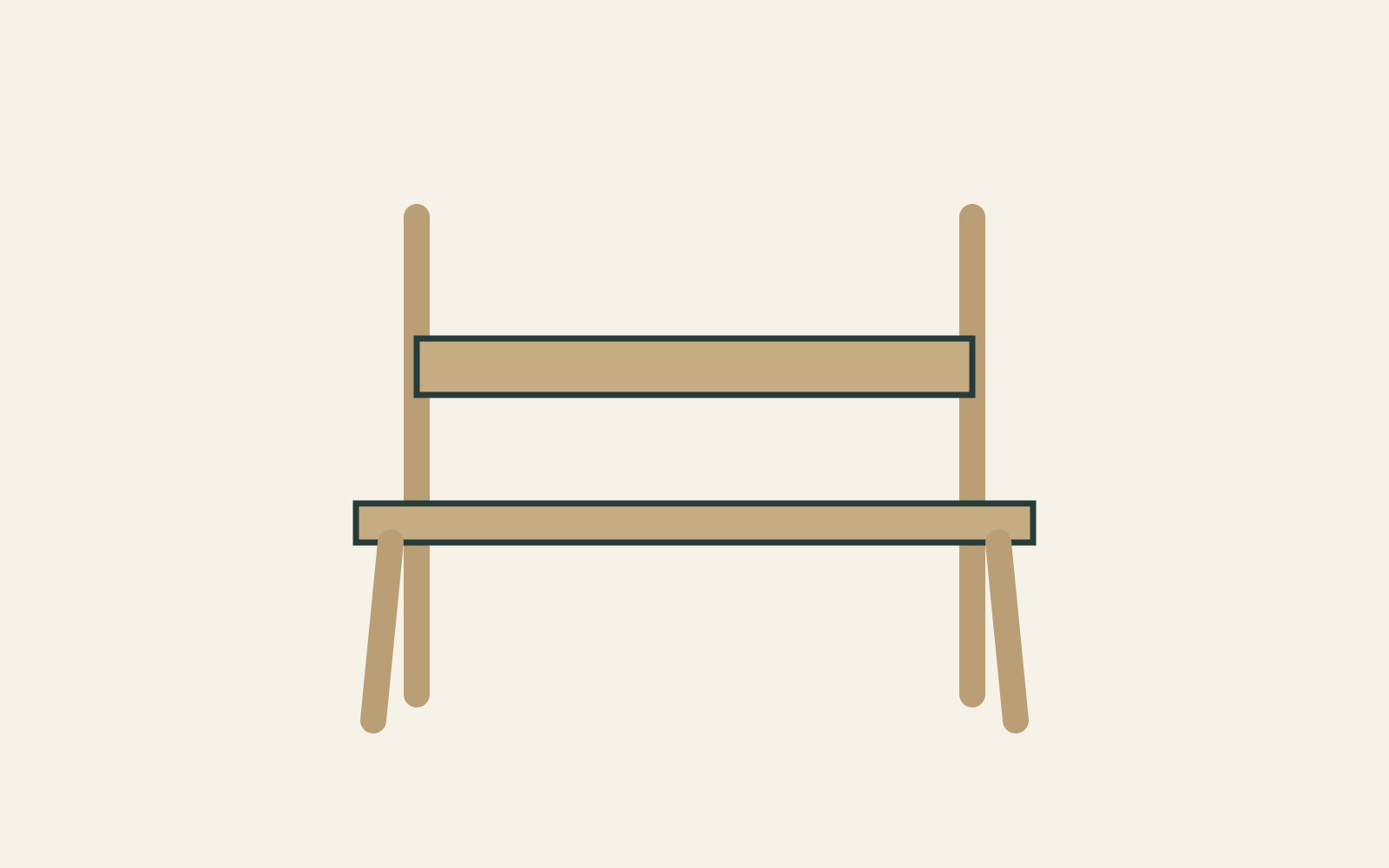
MFAH distinguishes the design of 1989 from manufacture of its chair circa 1999–2010.1 The museum object is evidence of one later realisation, not a reason to give every work under the wider project the same date.
The title keeps its gentle tension. Once the chair has persuaded someone to look closely at its ordinary parts, the absence of an emphatic gesture has become a very effective design decision.